AI, Automation, And Platform Shifts
AI And Music Publishing Licensing – How Do We Get There? (Musicbusinessworldwide)
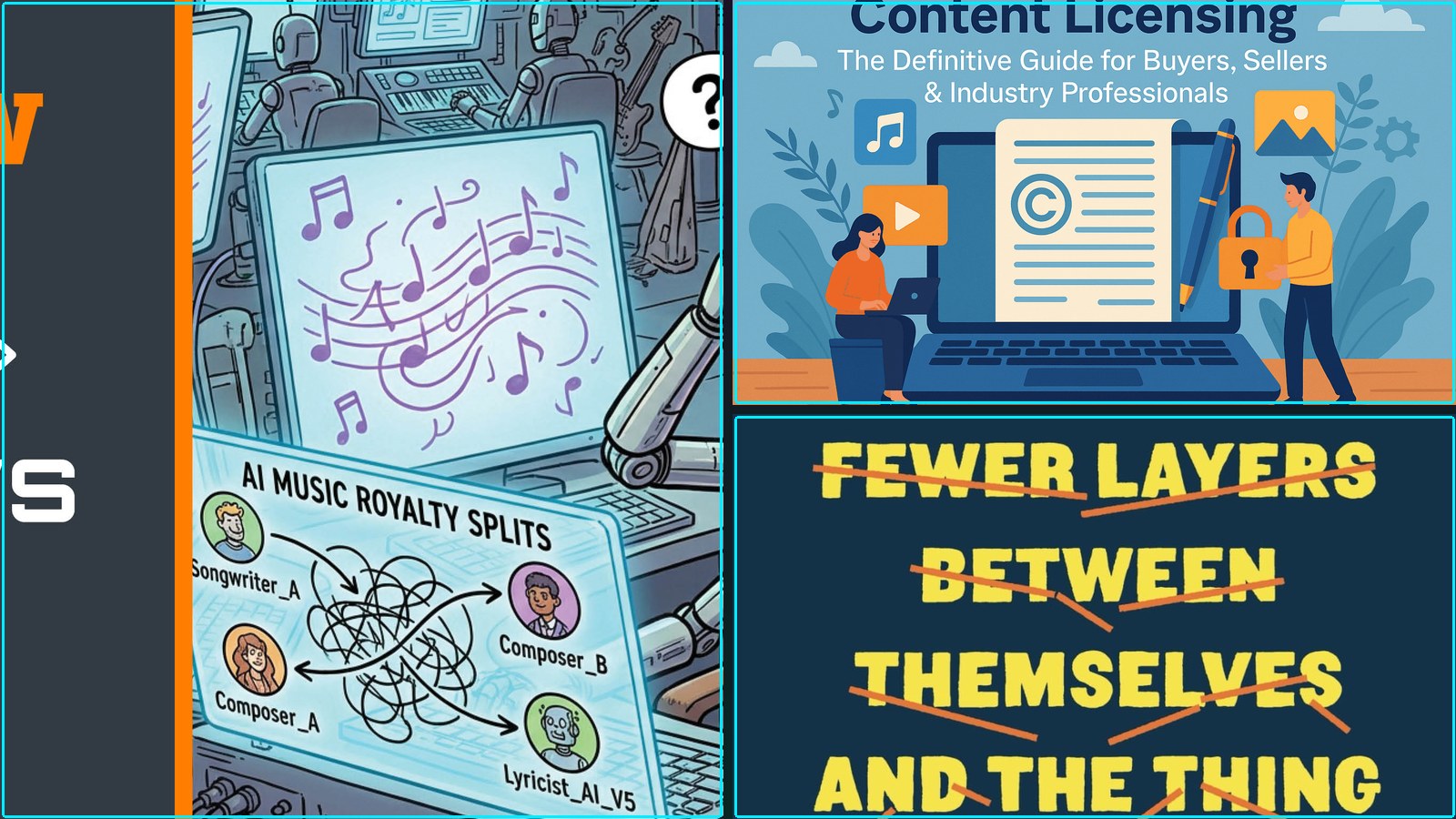
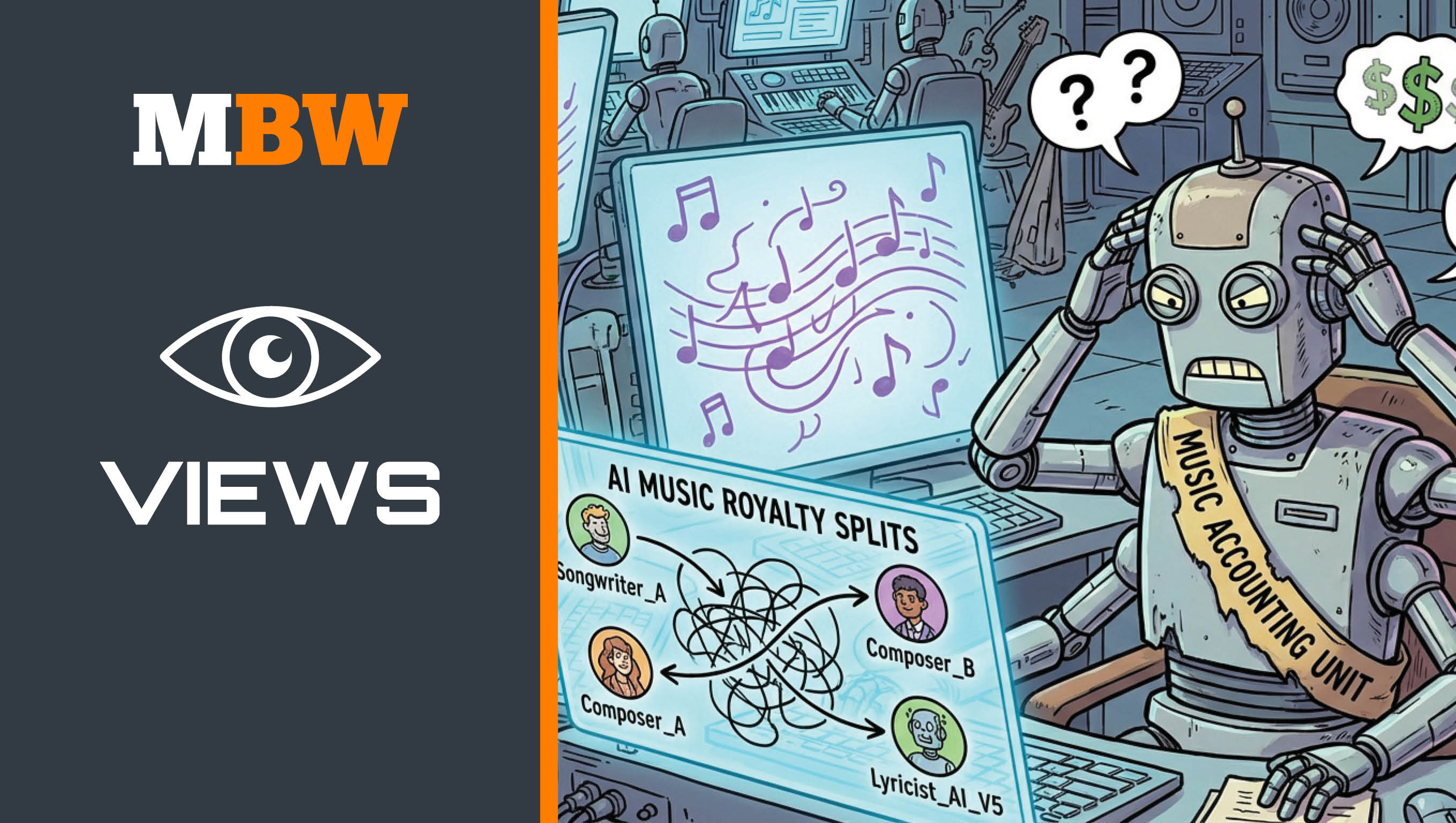
Summary: Monica Corton, a veteran music publisher, argues that the music industry’s licensing framework for generative AI is at a critical juncture, mirroring the early internet’s disruption. She identifies two core revenue streams requiring new technical and legal infrastructure: compensation for training data and for AI-generated outputs. The central challenge is accurate attribution—identifying source songs and their fractional ownership within AI outputs—and the necessity of ‘walled garden’ platforms to prevent royalty pool dilution and administrative chaos.
Why it matters: The structure of these initial deals will define songwriter compensation and publisher leverage for the next decade, determining whether AI becomes a sustainable revenue stream or a repeat of the Napster-era value extraction.
Context: This follows a wave of lawsuits against AI music firms (e.g., Suno, Udio) by major publishers and labels, now transitioning into a phase of licensing negotiations where technical implementation details are the primary battleground.
"If AI outputs flood onto Spotify, Apple Music and the rest, they will dilute the royalty pool for every human songwriter on those platforms. In addition, transferring these complex payment formulas (songwriter splits etc.) across systems would be extraordinarily difficult." — MUSICBUSINESSWORLDWIDE
Commentary: Corton’s analysis moves the debate from abstract legal principles to operational feasibility, highlighting attribution engines and walled gardens as the new strategic levers. The industry is attempting to engineer scarcity and traceability into a fundamentally recombinant technology, a defensive play to control the IP lifecycle. The standoff with Suno over platform containment shows this is the new litmus test for licensable AI, shifting power to rights-holders who can enforce it.
Date: Wed, 22 Apr 2026 13:10:57 +0000
URL: https://www.musicbusinessworldwide.com/ai-and-music-publishing-licensing-how-do-we-get-there/
AI Sentiment Score: Negative (75%)
AI Credibility Score: 10.0/10 — High
Scores and text generated by AI analysis of the source article indicated.
How Vitrina Ai Is Shaping… (Vitrina.Ai)
Summary: 3. Initial Offer & Negotiation (Term Sheet): If interested, the buyer makes an offer, often starting with a term sheet outlining key conditions like rights, territory, license fee, and duration. Negotiations follow.

Why it matters: This matters for Audience Behavior & Distribution Shifts because it gives a concrete current signal to track: 3.
Context: 3. Initial Offer & Negotiation (Term Sheet): If interested, the buyer makes an offer, often starting with a term sheet outlining key conditions like rights, territory, license fee, and duration. Negotiations follow.
"3. Initial Offer & Negotiation (Term Sheet): If interested, the buyer makes an offer, often starting with a term sheet outlining key conditions like rights, territory, license fee, and duration. Negotiations follow." — VITRINA.AI
Commentary: The immediate implication is operational rather than speculative: watch how this changes budgets, workflows, or risk assumptions over the next cycle.
Date: April 23, 2026 12:00 AM ET
URL: https://vitrina.ai/blog/content-licensing-the-definitive-guide-for-buyers-sellers-industry-professionals-in-2025/
AI Sentiment Score: Neutral (50%)
AI Credibility Score: 10.0/10 — High
Scores and text generated by AI analysis of the source article indicated.
AI and Intellectual Property in Film and Television – Ramo Law PC (Ramolaw)
Summary: Thanos Leontaris of Ratio Legal Services, Sarah Cundall of Lee & Thompson LLP, and Michael Peters of Ramo Law will examine how generative AI is reshaping intellectual property law across the film and television industries, covering questions of ownership in AI-generated scripts, images, and music, as well as how training data, moral rights, and copyright exceptions apply throughout production and distribution. Drawing on perspectives from Greece, the UK, and the US, the panel will explore how these legal frameworks intersect — and where they diverge — across jurisdictions that entertainment practitioners increasingly navigate together. Attorneys and industry professionals will leave with practical guidance on contract and licensing strategies for AI training and outputs, along with risk management approaches for producers, creators, and counsel working in an AI-driven production landscape.

Why it matters: This matters for Film and TV Development because it gives a concrete current signal to track: Thanos Leontaris of Ratio Legal Services, Sarah Cundall of Lee & Thompson LLP, and Michael Peters of Ramo Law will examine how generative AI is reshaping intellectual property law across the film and television industries, covering questions of ownership in AI-generated scripts, images, and music, as well as how training data, moral rights, and copyright exceptions apply throughout production and distribution.
Context: Thanos Leontaris of Ratio Legal Services, Sarah Cundall of Lee & Thompson LLP, and Michael Peters of Ramo Law will examine how generative AI is reshaping intellectual property law across the film and television industries, covering questions of ownership in AI-generated scripts, images, and music, as well as how training data, moral rights, and copyright exceptions apply throughout production and distribution. Drawing on perspectives from Greece, the UK, and the US, the panel will explore how these legal frameworks intersect — and where they diverge — across jurisdictions that entertainment practitioners increasingly navigate together. Attorneys and industry professionals will leave with practical guidance on contract and licensing strategies for AI training and outputs, along with risk management approaches for producers, creators, and counsel working in an AI-driven production landscape.
"Thanos Leontaris of Ratio Legal Services, Sarah Cundall of Lee & Thompson LLP, and Michael Peters of Ramo Law will examine how generative AI is reshaping intellectual property law across the film." — RAMOLAW
Commentary: The immediate implication is operational rather than speculative: watch how this changes budgets, workflows, or risk assumptions over the next cycle.
Date: April 20, 2026 12:00 AM ET
URL: https://ramolaw.com/podcasts-ai-and-intellectual-property-in-film-and/
AI Sentiment Score: Negative (75%)
AI Credibility Score: 7.0/10 — Medium
Scores and text generated by AI analysis of the source article indicated.
Post ID: 97ed0c98