
Digital Rights & Surveillance Reform
Stop New York’s Attack on 3D Printing (Eff)
Summary: New York’s proposed 2026-2027 budget includes provisions mandating algorithmic print-blocking censorware on all 3D printers and CNC machines sold in the state, bundled with felony charges for distributing or possessing certain design files. The policy, moving toward a vote imminently, lacks technical feasibility and would impose in-person sales requirements, creating liability for sellers and chilling lawful research, journalism, and creative work. It establishes a post-enactment working group to define technical standards, raising risks of regulatory capture by incumbent manufacturers.

Why it matters: This sets a precedent for using state budget processes to enact technically unworkable surveillance mandates with felony penalties, potentially creating a de facto national standard due to New York’s market size and chilling innovation across multiple industries.
Context: This follows a pattern of state-level legislative attempts to regulate 3D-printed firearms through file and hardware control, often running into First Amendment and feasibility challenges, as seen in Colorado’s withdrawn proposal.
"New York is one of the largest consumer markets in the country. When it mandates a feature in hardware, manufacturers hardly ever build a New York-only version. They build the New York version and sell it globally. A print-blocking mandate adopted in New York will become the national standard in practice." — EFF
Commentary: The proposal operationalizes a failed syllogism: regulating information distribution and general-purpose manufacturing tools to address a specific misuse. Its inclusion in a budget bill bypasses typical scrutiny for tech policy, while the felony provisions transform copyright-style DRM enforcement into a criminal matter for researchers and journalists. The working group mechanism, lacking peer review, invites regulatory capture by incumbents seeking to enshrine DRM and restrict competition, mirroring the enshittification playbook from other digital markets.
Date: Thu, 16 Apr 2026 20:31:22 +0000
URL: https://www.eff.org/deeplinks/2026/04/stop-new-yorks-attack-3d-printing
AI Sentiment Score: Positive (50%)
AI Credibility Score: 10.0/10 — High
Scores and text generated by AI analysis of the source article indicated.
EFF at RightsCon (Eff)
Summary: The Electronic Frontier Foundation (EFF) is sending a senior delegation to the RightsCon summit in Lusaka, Zambia, from May 5-8. Their agenda includes over a dozen panels and sessions focused on digital rights, including combating digital age verification, cross-border law enforcement overreach, AI governance, and strategies to protect free speech and abortion information access.

Why it matters: EFF’s concentrated agenda signals a strategic pivot toward countering emerging global regulatory threats—like age verification mandates and extraterritorial enforcement—and building coalitions in the Global South, directly impacting compliance strategies and advocacy priorities for tech policy professionals.
Context: RightsCon has evolved from a North American-centric digital rights forum to a key convening point for Global South policymakers and activists, reflecting a shift in where regulatory and normative battles over internet governance are being contested.
"Trump-Proofing the US Regulatory State to Protect Free Speech (4:30pm) David Greene – EFF Senior Counsel." — EFF
Commentary: The session titles reveal EFF’s operational priorities: ‘Trump-Proofing’ and ‘Stop Censoring Abortion’ indicate a defensive posture against anticipated U.S. political shifts, while ‘Papers Please’ and ‘The Legal Vacuum’ target specific enforcement risks from European and global legislation. Hosting this in Lusaka, not Brussels or Silicon Valley, underscores a deliberate effort to frame these issues within a broader human rights—not purely Western legal—context, potentially altering coalition dynamics ahead of key policy fights.
Date: Fri, 17 Apr 2026 19:33:48 +0000
URL: https://www.eff.org/event/eff-rightscon-1
AI Sentiment Score: Negative (66%)
AI Credibility Score: 10.0/10 — High
Scores and text generated by AI analysis of the source article indicated.
Keep Pushing: We Get 10 More Days to Reform Section 702 (Eff)
Summary: A bipartisan coalition has forced a 10-day extension of Section 702 of the Foreign Intelligence Surveillance Act (FISA) by defeating a proposed five-year reauthorization with minimal reforms. The core group is demanding, at minimum, a probable cause warrant requirement for FBI queries of communications collected under the program. This sets up a critical legislative showdown over the future of a surveillance authority the NSA uses to collect and store communications of overseas targets, including Americans, which the FBI accesses without a warrant.
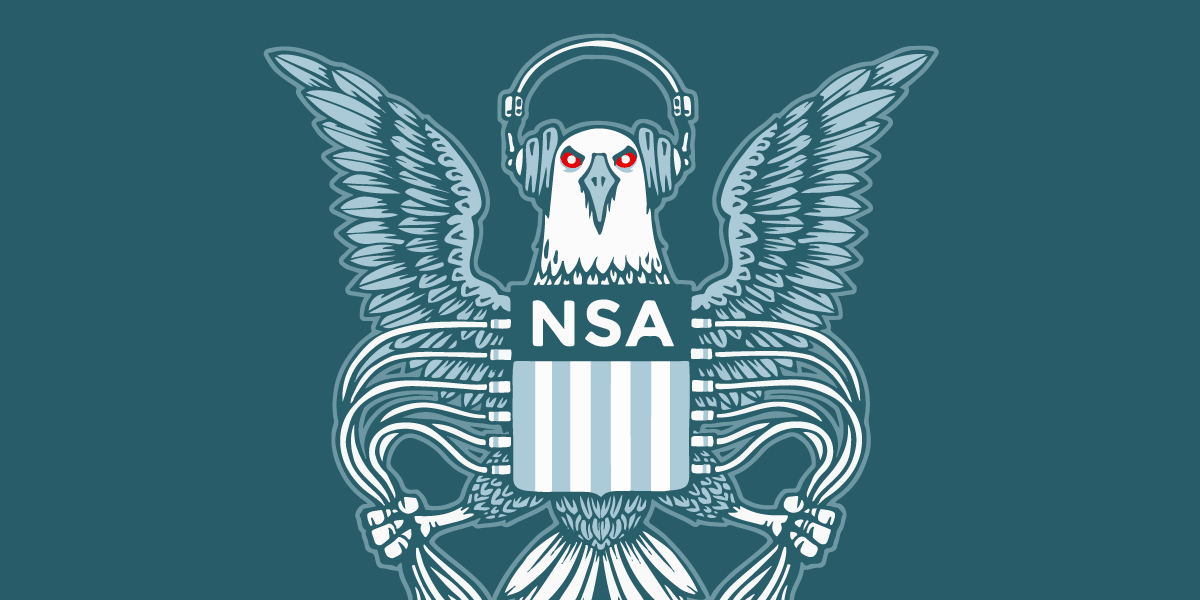
Why it matters: The outcome will determine the operational constraints on a major intelligence-gathering tool and set a precedent for privacy safeguards against warrantless domestic queries, directly impacting intelligence community practices and legal accountability.
Context: Section 702 reauthorization has been a recurring, contentious debate, with reform efforts consistently stymied by national security arguments. The current push gains urgency from Senator Wyden’s warnings about a classified legal interpretation and documented FBI compliance issues.
"Under current practice, the FBI can query and even read the U.S. side of that communication without a warrant. What’s more, victims of this surveillance won’t even know and have very few ways of finding out that their communications have been surveilled." — EFF
Commentary: The 10-day window represents a rare inflection point where procedural leverage aligns with bipartisan political will for substantive change. The warrant requirement is the minimal viable reform for critics; its adoption would impose a direct compliance cost and operational friction on the FBI, shifting the bargaining power between intelligence agencies and congressional overseers. Failure to secure it would signal the enduring primacy of classified interpretations over public legislative intent.
Date: Fri, 17 Apr 2026 19:26:27 +0000
URL: https://www.eff.org/deeplinks/2026/04/keep-pushing-we-get-10-more-days-reform-section-702
AI Sentiment Score: Negative (66%)
AI Credibility Score: 10.0/10 — High
Scores and text generated by AI analysis of the source article indicated.
Post ID: 70c9d78b