Luxury fashion slowdown and strategic shifts
Shaken By A Slowdown, Luxury Retailers Focus On Just 3 U.S. Cities (Bisnow)
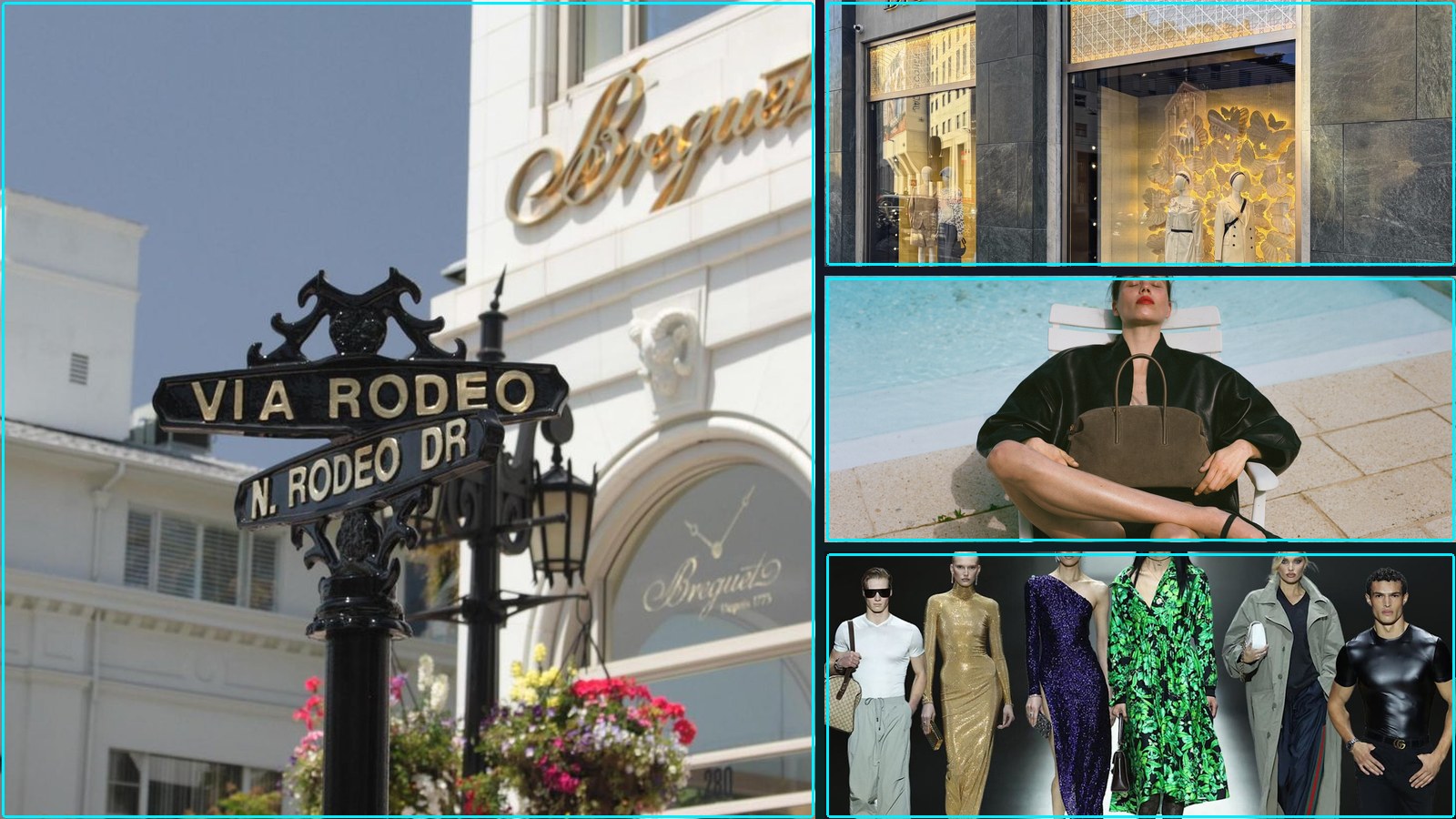
Summary: Luxury retailers, facing a sharp downturn in revenue and a K-shaped economic recovery, are abandoning expansion into secondary U.S. markets and retrenching to just five established corridors in New York, Los Angeles, and Miami. These locations accounted for 80% of luxury openings in 2025, as brands like LVMH and Kering report significant sales declines and pull back from aspirational middle-class shoppers. The operational shift is a retreat to proven, high-net-worth customer bases in a crisis environment.
Why it matters: This contraction redefines the U.S. luxury real estate pipeline, creating intense competition for a finite number of prime retail slots and forcing brands to reassess growth strategies based on physical footprint.
Context: This follows a post-pandemic period of aggressive expansion into secondary cities, now reversed due to inflationary pressure and a bifurcated consumer base.
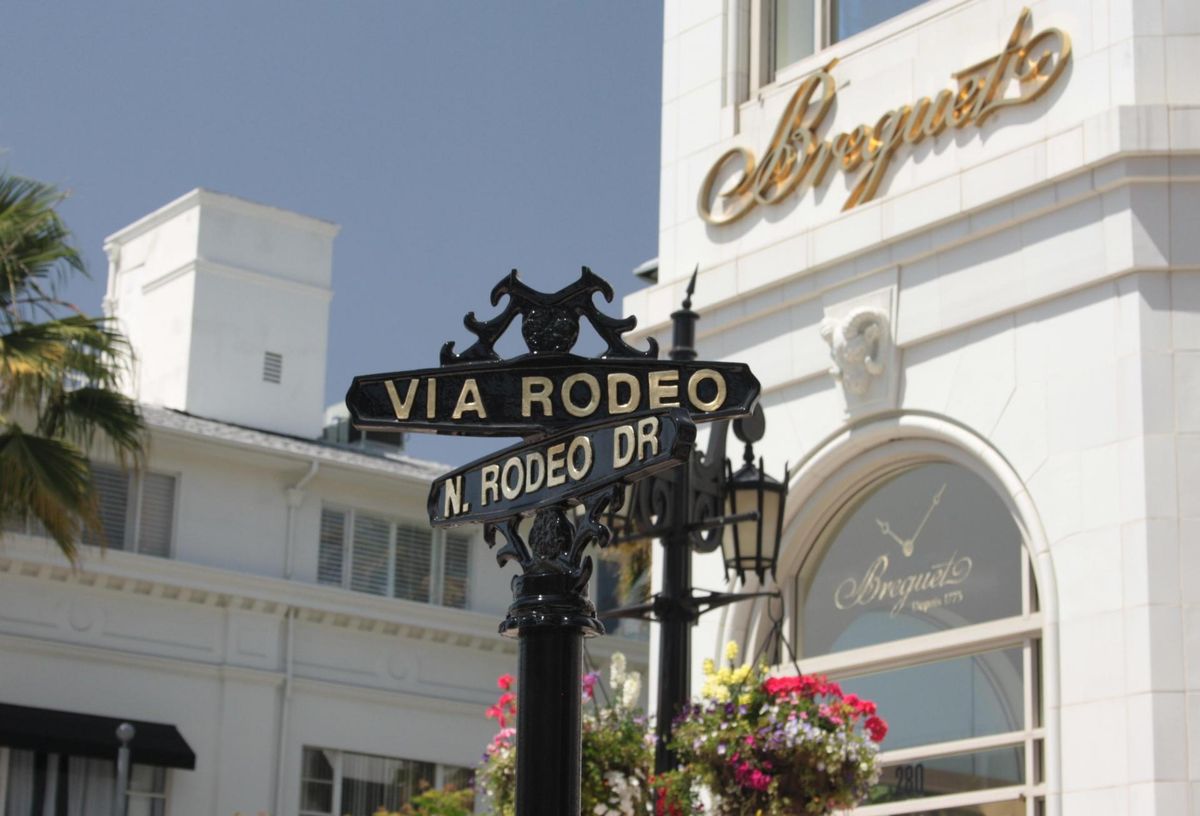
"Only five corridors — Rodeo Drive, New York City’s Madison Avenue and Fifth Avenue, and Miami’s Bal Harbour and the Miami Design District — accounted for 80% of luxury retail openings in 2025." — BISNOW
Commentary: The practical consequence is a zero-sum game for prime retail real estate, where European and U.S. brands are now competing for the same few doors. This will inflate rents in core corridors, freeze development in secondary markets, and force brands to rely more on existing flagship economics rather than new store growth. The strategic implication is a luxury sector now explicitly optimizing for the top decile of wealth, ceding the aspirational middle market to resale and discount channels.
Date: April 22, 2026 12:00 AM ET
URL: https://www.bisnow.com/national/news/retail/luxury-retailers-focusing-in-on-haute-us-real-estate-corridors-amid-space-crunch-134248
AI Sentiment Score: Negative (50%)
AI Credibility Score: 10.0/10 — High
Scores and text generated by AI analysis of the source article indicated.
The celebration problem, and why luxury keeps declaring victory too … (Luxurydaily)
Summary: LVMH’s Q1 2026 results reveal a structural decline in its core Fashion & Leather Goods segment for the seventh consecutive quarter, despite corporate and analyst narratives emphasizing stabilization and recovery. The reported growth in Asia and the U.S. is shown to be built on weak prior-year comparables and driven by non-repeatable calendar shifts and marketing events, not underlying demand. This exposes a systemic ‘celebration problem’ where luxury brands prematurely declare inflection points.
Why it matters: For practitioners in brand strategy, finance, and operations, this signals that recovery forecasts and resource allocation based on quarterly ‘green shoots’ narratives are unreliable, requiring a more disciplined analysis of base effects and segment-specific trends.
Context: The luxury sector has cultivated a pattern of framing modest improvements or one-off successes as structural turnarounds, a practice that obscures persistent challenges in its most profitable segments.
"In almost every brand analysis my firm Équité conducts, the same pattern surfaces: A recent quarter is presented as an inflection point by the brand. A significant launch or a creative director’s." — LUXURYDAILY
Commentary: The operational consequence is a need for finance and strategy teams to decouple event-driven spikes from core performance, adjusting inventory and marketing spend accordingly. For vendors and creatives, this structural pressure may lead to tightened budgets and a shift toward fewer, higher-impact launches, as brands attempt to engineer repeatable demand rather than celebrate ephemeral wins.
Date: April 22, 2026 12:00 AM ET
URL: https://www.luxurydaily.com/luxury-unfiltered-the-celebration-problem-and-why-luxury-keeps-declaring-victory-too-early/
AI Sentiment Score: Negative (50%)
AI Credibility Score: 10.0/10 — High
Scores and text generated by AI analysis of the source article indicated.
On Everything #137: Luxury Mauls: 2026 Q1 Earnings Special (Stylezeitgeist.Substack)
Summary: LVMH’s Q1 2026 earnings report reveals a broad-based revenue decline of €1.2 billion year-on-year, with the critical leather goods and fashion division down 9%. The company attributes the weakness to a strong Euro and the Iran war’s impact on EU mall traffic, while noting aspirational consumers are retreating to lower-price categories like perfume. The conglomerate’s scale allows it to absorb the hit, but the results signal persistent pressure on core luxury demand.
Why it matters: For industry practitioners, this quantifies the softening demand environment for high-margin leather goods and flags a shift in consumer spending that could force brand-level adjustments in production, pricing, and marketing strategies.
Context: This follows a multi-quarter trend of aspirational consumers being priced out of core luxury categories, redirecting spend to ‘boring luxury,’ beauty, and experiences, while the wealthy remain selective.
"Now onto the latest earnings season, which revealed exactly what it was supposed to reveal; that luxury fashion is not exactly in a crisis, but also has few reasons to cheer, that." — STYLEZEITGEIST.SUBSTACK
Commentary: The 9% drop in leather goods—the profit engine for most LVMH fashion houses—is an operational alarm. It could pressure brand CEOs to re-examine inventory buys, delay capacity expansions, and potentially accelerate entry-level product development, while finance teams scrutinize currency hedging more aggressively. The refusal to break out brand performance obscures which houses are truly resilient versus those merely riding on corporate averages.
Date: April 20, 2026 12:00 AM ET
URL: https://stylezeitgeist.substack.com/p/on-everything-137-luxury-mauls-2026
AI Sentiment Score: Negative (57%)
AI Credibility Score: 10.0/10 — High
Scores and text generated by AI analysis of the source article indicated.
Luxury brands are under pressure as the post-pandemic boom fades (Cnaluxury.Channelnewsasia)
Summary: The luxury sector’s post-pandemic boom has ended, exposing structural weaknesses. Kering’s operating profits fell by two-thirds over two years, while LVMH, Hermès, and Kering all reported first-quarter revenue impacts from geopolitical disruption. Brands are now forced to address creative renewal, price correction, and geographic overexpansion.
Why it matters: For industry practitioners, this signals a shift from demand-led growth to supply-driven discipline, requiring operational recalibration across pricing, sourcing, and regional strategy.
Context: The sector’s recent growth was fueled by aggressive price hikes and Chinese demand, a strategy now unsustainable amid weakened consumer sentiment and geopolitical shocks.
"“Consumer sentiment remains weak and the industry has yet to finalise its homework: from creative renewal to correcting excessive pricing and scaling back overexpansion across categories and geographies,” says Achim Berg, founder of the think-tank FashionSights." — CNALUXURY.CHANNELNEWSASIA
Commentary: The pressure could force brands to tighten product development cycles and regional rollout plans, moving from blanket expansion to targeted, locally resonant operations like Ferri Firenze’s Qatar pop-up. Vendor relationships and production pipelines will face scrutiny as margins compress, prioritizing ‘good stuff’ over volume.
Date: April 21, 2026 12:00 AM ET
URL: https://cnaluxury.channelnewsasia.com/obsessions/luxury-brands-under-pressure-293281
AI Sentiment Score: Positive (50%)
AI Credibility Score: 9.8/10 — High
Scores and text generated by AI analysis of the source article indicated.
Luxury Briefing: How DeMellier is increasing demand while doing less (Glossy.Co)
Summary: DeMellier’s revenue growth, driven by a focus on craftsmanship, durable materials, and a controlled DTC/wholesale mix, illustrates a viable mid-luxury strategy in a tightening market. Concurrently, Anya Hindmarch’s Sweet’N Low capsule exemplifies the monetization of brand nostalgia through licensed collaborations. Earnings reports from EssilorLuxottica and Moncler highlight divergent growth levers: AI wearables integration and seasonal brand activation, respectively.
Why it matters: For brands and operators, these cases demonstrate concrete operational models—supply chain discipline, partnership strategy, and category focus—for building demand without overextending.
Context: The broader luxury sector is losing aspirational customers and facing pressure to demonstrate intrinsic product value, forcing a shift from marketing-led to craft- and ethics-led positioning.
"For this week’s Luxury Briefing, I spoke with DeMellier founder Mireia Llusia-Lindh about how the cult U.K. bag brand is leaning into craftsmanship and alternative materials to build loyalty in a tougher." — GLOSSY.CO
Commentary: DeMellier’s model treats sustainability as a quality and loyalty signal rather than a primary sales hook, a disciplined approach that aligns with Kering’s framing of sustainability as infrastructure. This allows for premium pricing ($400-$700) while insulating against wholesale volatility. Hindmarch’s Anya Brands strategy, meanwhile, operationalizes nostalgia as a repeatable, low-risk traffic driver, separating hype cycles from core product volume. Both are case studies in focused resource allocation.
Date: Fri, 24 Apr 2026 04:00:00 +0000
URL: https://www.glossy.co/fashion/luxury/luxury-briefing-demellier-is-growing-by-doing-less-and-focusing-on-craftsmanship/
AI Sentiment Score: Negative (75%)
AI Credibility Score: 10.0/10 — High
Scores and text generated by AI analysis of the source article indicated.
Is luxury fashion just finding new excuses for old problems? (Insideretail.Au)
Summary: Major luxury conglomerates LVMH and Kering cited the Middle East conflict as a primary factor in Q1 revenue declines of 6%. However, analysis shows the region accounts for only 5-6% of their retail turnover, making the arithmetic impact modest. The article argues this geopolitical narrative obscures a deeper, self-inflicted problem: aggressive price inflation over recent years has alienated the aspirational middle-class consumers who historically fueled sector growth.

Why it matters: For industry practitioners, this signals a shift in strategic pressure from managing external shocks to confronting internal pricing and product strategy failures that have structurally narrowed the customer base.
Context: This follows a two-year pattern where luxury houses have attributed underperformance to external factors like Chinese demand or US tariffs, while some competitors with clear brand vision and disciplined merchandising have continued to thrive.
"When results disappoint, the industry reaches for the nearest headline. Major luxury houses have reported their first quarterly results, and the Middle East conflict has been the centre of attention. French luxury." — INSIDERETAIL.AU
Commentary: The operational consequence is a forced reckoning with merchandising and pricing discipline. Brands must now either double down on exclusivity for the ultra-wealthy—a smaller, more volatile market—or engineer a complex strategic pivot to re-engage the aspirational segment without damaging brand equity. This moves the internal debate from PR narrative control to fundamental product and channel economics.
Date: April 20, 2026 12:00 AM ET
URL: https://insideretail.com.au/sectors/has-luxury-fashion-found-a-new-excuse-for-old-problems-202604
AI Sentiment Score: Negative (75%)
AI Credibility Score: 10.0/10 — High
Scores and text generated by AI analysis of the source article indicated.
Has luxury fashion found a new excuse for old problems? (Insideretail.Asia)
Summary: Major luxury conglomerates LVMH and Kering cited the Middle East conflict as a primary factor in their Q1 revenue declines of 6%. However, analysis shows the region accounts for only 5-6% of their global revenues, making the direct arithmetic impact modest. The article questions whether this geopolitical narrative is obscuring deeper, self-inflicted problems, such as aggressive price inflation that has alienated the aspirational middle-class consumer base.

Why it matters: For industry practitioners, this signals a potential shift in strategic accountability, where externalizing blame may delay necessary internal corrections in pricing, product, and consumer targeting.
Context: This follows a two-year pattern where luxury brands have attributed underperformance to external factors like Chinese demand or US tariffs, even as competitors with clear brand vision continued to thrive.
"When results disappoint, the industry reaches for the nearest headline. Major luxury houses have reported their first quarterly results, and the Middle East conflict has been the centre of attention. French luxury." — INSIDERETAIL.ASIA
Commentary: The operational consequence is a misallocation of strategic focus. Management teams may continue to prioritize crisis PR over the harder work of merchandising recalibration and value proposition repair. For vendors and partners, this narrative reliance increases forecasting risk, as underlying demand signals remain obscured by corporate communications.
Date: April 20, 2026 12:00 AM ET
URL: https://insideretail.asia/2026/04/20/has-luxury-fashion-found-a-new-excuse-for-old-problems/
AI Sentiment Score: Negative (66%)
AI Credibility Score: 10.0/10 — High
Scores and text generated by AI analysis of the source article indicated.
Has luxury just found a fresh excuse for old problems? (Insideretail.Co.Nz)
Summary: Major luxury conglomerates LVMH and Kering cited the Middle East conflict as a primary factor in their Q1 2026 revenue declines, each reporting a 6% drop. However, the article argues the arithmetic impact is modest—LVMH specified a ~1% organic growth impact—and questions whether this narrative obscures deeper structural issues. It points to a multi-year price inflation strategy that has alienated the aspirational middle-class consumer base, citing an estimate that this base has shrunk by 60 million people in three years.

Why it matters: For industry practitioners, this signals a shift in strategic communication and a need to audit core growth assumptions, as geopolitical explanations may mask deteriorating fundamentals in pricing, product-market fit, and consumer engagement.
Context: This follows a two-year pattern where luxury houses have attributed underperformance to external factors like Chinese demand or US tariffs, while some competitors with disciplined merchandising have outperformed.
"When results disappoint, the industry reaches for the nearest headline. Major luxury houses have reported their first quarterly results, and the Middle East conflict has been the centre of attention. French luxury." — INSIDERETAIL.CO.NZ
Commentary: The operational consequence is a potential misallocation of resources: if leadership attributes softness to external shocks, corrective actions may focus on regional tactics rather than fundamental reassessments of pricing architecture and target audience. For vendors and creatives, this could mean continued pressure on margins if brands double down on exclusivity over volume, or a sudden pivot back to accessible luxury if the narrative cracks.
Date: April 20, 2026 12:00 AM ET
URL: https://insideretail.co.nz/2026/04/20/has-luxury-fashion-found-a-new-excuse-for-old-problems/
AI Sentiment Score: Negative (66%)
AI Credibility Score: 9.8/10 — High
Scores and text generated by AI analysis of the source article indicated.
After Years of Double-Digit Sales Growth, Luxury Retailers Face … (Thedailyupside)
Summary: The luxury sector’s two-decade expansion, fueled by Chinese demand and aspirational social media, has reversed. LVMH and Kering report consecutive annual revenue declines, with LVMH’s Q1 2026 sales down 6% and its shares falling 28% in that quarter. The industry has lost an estimated 70 million customers since 2022, prompting a strategic pivot toward lower-priced accessories and a wave of new creative director hires to attract younger buyers.
Why it matters: For industry practitioners, this signals a fundamental shift in operating conditions, requiring immediate adjustments to product strategy, pricing tiers, and creative leadership to manage a protracted period of single-digit growth.
Context: This downturn follows a period of exceptional growth where luxury became democratized via social media and accessible credit, creating a vast aspirational customer base now being eroded by economic uncertainty and geopolitical risk.
"# After Years of Double-Digit Sales Growth, Luxury Retailers Face ‘Reckoning’ From LVMH to Richement, brands built on status pursue younger customers amid signals that the salad days of the past two." — THEDAILYUPSIDE
Commentary: The pivot to lower-priced accessories is a direct operational response to customer attrition, effectively trading margin for volume and customer acquisition. The wholesale creative director turnover indicates a scramble for relevance, but it introduces pipeline risk and cost at a time of financial pressure. The new baseline of single-digit growth could force a rigorous reassessment of inventory planning, store expansion, and marketing spend, moving the sector from expansion mode to efficiency discipline.
Date: April 26, 2026 12:00 AM ET
URL: https://www.thedailyupside.com/industries/consumer/after-years-of-double-digit-sales-growth-luxury-retailers-face-reckoning/
AI Sentiment Score: Negative (66%)
AI Credibility Score: 9.9/10 — High
Scores and text generated by AI analysis of the source article indicated.
European luxury companies are plagued with negativity: here’s why (Staging-En.Money.It)
Summary: Major investment banks have cut EPS forecasts for luxury goods by 6-7%, citing a marked devaluation in the sector. The STOXX Europe Luxury 10 Index recorded its worst quarter since 2020, shedding $175 billion in value, as uneven recovery in China and high inflation in the US dampen consumer spending. Credit card data shows US luxury fashion spending fell 16% year-over-year in July and August.

Why it matters: For industry practitioners, this signals a shift from expansionary budgeting to operational discipline, impacting marketing spend, inventory planning, and pricing strategies.
Context: This follows a post-pandemic boom where luxury valuations soared, creating a high baseline that is now being stress-tested by macroeconomic crosscurrents.
"# European luxury companies are plagued with negativity: here’s why Morgan Stanley cut its 2024 earnings per share estimate for luxury goods by 6%, while Bank of America cut its forecast by." — STAGING-EN.MONEY.IT
Commentary: The correction pressures brands to justify elevated P/E ratios through tangible performance, likely accelerating a pivot from broad-based price increases to targeted marketing and value engineering. This will tighten capital allocation for new collections and store expansions, favoring scaled players like LVMH that can leverage integrated supply chains over smaller, debt-dependent houses.
Date: April 27, 2026 12:00 AM ET
URL: https://staging-en.money.it/European-luxury-companies-are-plagued-with-negativity-here-s-why
AI Sentiment Score: Negative (50%)
AI Credibility Score: 7.0/10 — Medium
Scores and text generated by AI analysis of the source article indicated.
Savills : Luxury retail strategies enter a more selective phase as opportunity tightens across core markets, led by Europe (Marketscreener)
Summary: Savills reports a sharp deceleration in global luxury retail rental growth, from 6.6% in 2024 to 0.9% in 2025, signaling a market shift from broad expansion to selective, scarcity-driven competition. Growth is now concentrated in a limited number of core European streets, with brands prioritizing upsizing and securing prime pitches amid constrained supply. This dynamic is forcing a recalibration of real estate strategy, with top-tier brands best positioned to extend core locations or relocate.

Why it matters: For brand real estate teams and retail strategists, this signals a shift from opportunistic expansion to a defensive, capital-intensive fight for a shrinking pool of prime assets, directly impacting store network planning and capital allocation.
Context: This follows a post-pandemic rebound in luxury retail, where brands aggressively expanded. The current normalization reflects macroeconomic pressures and a maturing cycle where location quality, not just presence, is the critical differentiator.
"New research from Savills shows that around 50% of European prime luxury streets are looking at potential rental growth over the coming year, underpinned by persistent supply constraints and sustained occupier demand." — MARKETSCREENER
Commentary: The operational consequence is a bifurcated market: flagship strategies become more expensive and competitive in ~50% of European prime streets, while other global locations become maintenance plays. For vendors and contractors, workload shifts from new build-outs to complex retrofits and expansions, as evidenced by London’s 42% upsizing rate. This scarcity will accelerate portfolio rationalization, favoring conglomerates with balance sheets to win bidding wars and locking out smaller labels from core visibility.
Date: April 28, 2026 12:00 AM ET
URL: https://www.marketscreener.com/news/savills-luxury-retail-strategies-enter-a-more-selective-phase-as-opportunity-tightens-across-core-ce7f59d2da8ff225
AI Sentiment Score: Negative (57%)
AI Credibility Score: 10.0/10 — High
Scores and text generated by AI analysis of the source article indicated.
Is Luxury Slowing Down? Kering, Gucci and the Next Reset (Istitutomarangoni)
Summary: Kering has initiated a multi-year restructuring plan, ‘ReconKering,’ signaling a strategic pivot for the luxury conglomerate. The plan responds to a sector-wide slowdown, moving from a decade-long focus on indefinite expansion to an emphasis on financial discipline, selective retail, and portfolio diversification. The reset centrally addresses challenges at its flagship brand, Gucci, where over-expansion is seen as having eroded brand distinction. The strategy involves reducing store count, re-evaluating demand management, and growing categories like jewelry and eyewear.

Why it matters: This signals a fundamental shift in luxury’s operating model, moving from growth-at-all-costs to controlled exposure and structural resilience, which could reshape capital allocation, retail real estate, and brand management workflows.
Context: The luxury sector is transitioning from a prolonged period of seemingly limitless growth, driven by global expansion and category extension, into a phase where market volatility and brand dilution require more disciplined operational frameworks.
"# Is luxury slowing down? Inside Kering’s reset—and what went wrong at Gucci … DISCOVER MORE ### Luxury is entering a more uncertain phase. Kering’s reset shows what is changing, what went." — ISTITUTOMARANGONI
Commentary: The ReconKering plan operationalizes a critical insight: desirability is now a function of scarcity and narrative control, not just marketing spend. For practitioners, this means a shift in KPIs from square footage and SKU count to margin-per-door and brand coherence, with tangible impacts on real estate negotiations, supply chain planning, and creative direction. The portfolio rebalancing also indicates a strategic hedge, reducing over-reliance on any single megabrand’s cyclical performance.
Date: April 22, 2026 12:00 AM ET
URL: https://www.istitutomarangoni.com/en/maze35/research/is-luxury-slowing-down-kering-gucci-reset
AI Sentiment Score: Positive (40%)
AI Credibility Score: 10.0/10 — High
Scores and text generated by AI analysis of the source article indicated.
Global Luxury Brand Analysis 2025 Report – Paris (Luxurynsight)
Summary: A Luxurynsight report featured in Fashion Network indicates a decoupling of sector performance within the luxury industry in early 2025. Fashion retail initiatives are slowing, while beauty, fragrances, and cosmetics are recording strong growth. The broader luxury market faces challenges including client losses, fragile demand, and brands testing revival strategies through fashion weeks. Concurrently, brands like Burberry are resetting pricing strategies as consumer focus shifts.

Why it matters: For industry practitioners, this divergence signals a reallocation of marketing budgets, creative resources, and operational focus, forcing a reassessment of category investment and partnership strategies.
Context: This follows a period of post-pandemic luxury boom and normalization, where brands have been grappling with overexposure and a need to re-engage core clientele.
"Luxurynsight’s latest report—featured in Fashion Network—shows fashion retail initiatives slowing in early 2025, while beauty, fragrances and cosmetics record strong growth." — LUXURYNSIGHT
Commentary: The operational consequence is a likely pivot of capital and talent toward high-margin, replenishment-driven beauty categories, potentially at the expense of ready-to-wear collections. This pressures fashion houses to justify their runway investments with tangible commercial strategies beyond brand halo. For vendors and agencies, the shift demands flexibility to service divergent category needs, from beauty’s digital-first activations to fashion’s experiential retail proofs.
Date: April 24, 2026 12:00 AM ET
URL: https://www.luxurynsight.com/resources.html
AI Sentiment Score: Positive (40%)
AI Credibility Score: 10.0/10 — High
Scores and text generated by AI analysis of the source article indicated.
Post ID: b2da510a