New Blood Tests and Biomarkers for Early Detection
Spring 2026 Alzheimer’s Updates: New Blood Tests & Treatments (Losaltosneurology)
Summary: The Alzheimer’s disease clinical landscape is consolidating around biomarker-confirmed diagnosis and modestly effective anti-amyloid therapies for early-stage patients. A major Cochrane review in April 2026 concluded these monoclonal antibodies ‘probably result in little to no difference’ in cognitive or functional outcomes at 18 months, framing them as tools for modestly slowing decline, not cures. Concurrently, blood-based biomarkers are gaining traction as adjunctive tools, while research broadens to tau-targeting agents like BIIB080 and lifestyle interventions. The operational reality is a layered diagnostic protocol and highly individualized treatment decisions.
Why it matters: This defines the new standard of care, sets realistic expectations for families and payers, and signals a pivotal moment for evaluating the cost-benefit calculus of first-generation disease-modifying therapies.
Context: The field is transitioning from a symptom-based to a biology-based framework, accelerated by CMS’s 2023 removal of the national coverage restriction for amyloid PET and the arrival of blood tests.
"Last updated: April 25, 2026 ## Overview Alzheimer’s disease care is entering a new phase. The field is moving away from diagnosing AD by symptoms and MRI alone, and toward **biomarker-confirmed Alzheimer’s." — LOSALTOSNEUROLOGY
Commentary: The Cochrane meta-analysis provides a sobering, population-level counterweight to the accelerated approvals and clinical enthusiasm for anti-amyloids. It could pressure neurologists to refine patient selection beyond mere biomarker positivity and strengthen the hand of payers negotiating coverage. This evidence base makes the forthcoming subcutaneous dosing regimens and prevention trials like PrevenTRON not just logistical conveniences but necessary evolutions to demonstrate clearer value.
Date: April 25, 2026 12:00 AM ET
URL: https://losaltosneurology.com/2026/04/25/spring-2026-alzheimers-disease-updates/
AI Sentiment Score: Negative (71%)
AI Credibility Score: 10.0/10 — High
Scores and text generated by AI analysis of the source article indicated.
Alzheimer’s 2026 Breakthrough: Blood Test Diagnosis, New Treatments & Hope | Dr. Kuldeep Singh (Youtube)
Summary: In a 2026 update, Dr. Kuldeep Singh outlines a shift in Alzheimer’s disease management driven by FDA-cleared blood biomarkers. The combination of p-tau 217 and Aβ42/Aβ40 ratio now enables detection with near-cerebrospinal fluid accuracy, moving diagnosis years earlier. Concurrently, next-generation therapeutics like the ‘Brainshuttle’ drug Trontinemab aim for rapid amyloid clearance, while established lifestyle interventions and new behavioral symptom treatments round out a more proactive clinical framework.

Why it matters: This consolidates the transition from reactive, symptom-based neurology to a pre-symptomatic, pathology-targeting model, with immediate implications for clinical trial recruitment, primary care screening protocols, and long-term care planning.
Context: The validation of blood-based biomarkers has been a multi-year pursuit; their FDA clearance and integration into primary care represents an inflection point for population-scale screening. Similarly, amyloid-targeting monoclonals are moving from controversial first-generation approvals to engineered second-wave agents.
"Alzheimer’s diagnosis and treatment are entering a new era in 2026. In this episode, Dr. Kuldeep Singh from Singh Medical Practice (Plano, Texas) explains how high-precision blood biomarkers like p-tau 217 and." — YOUTUBE
Commentary: The operational consequence is the demotion of PET scans and lumbar punctures from gold-standard diagnostics to confirmatory or specialist tools, fundamentally altering the diagnostic funnel. This creates a new, vastly larger pre-clinical population for disease-modifying therapies, but also raises urgent ethical and logistical questions about disclosing biomarker status in the absence of curative treatment. The emphasis on Trontinemab’s ‘Brainshuttle’ technology signals the next competitive frontier: not just efficacy, but blood-brain barrier penetration efficiency and speed of action.
Date: April 25, 2026 12:00 AM ET
URL: https://www.youtube.com/watch?v=TI9qvIR7dk0
AI Sentiment Score: Negative (75%)
AI Credibility Score: 10.0/10 — High
Scores and text generated by AI analysis of the source article indicated.
A Promising Study Suggests a Blood Test Could Spot Alzheimer’s … (Mountsinai)
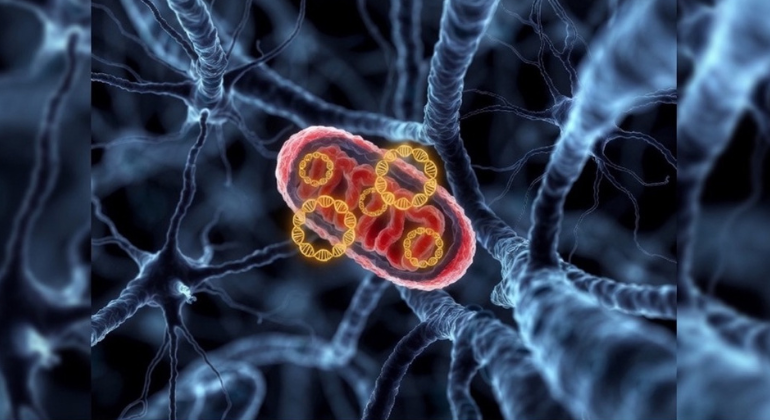
Summary: Mount Sinai researchers identified specific mitochondrial DNA variants in blood associated with cognitive decline in adults aged 40-65. Variants in genes like ND1, ND6, and ATP8 correlated with lower baseline scores and progressive declines in task performance and verbal fluency. The study, published in BMC Neurology, suggests a potential pathway for a minimally invasive blood biomarker to identify individuals at higher risk for future neurodegeneration.
Why it matters: This points toward a future clinical tool for pre-symptomatic risk stratification, aligning with the emerging therapeutic paradigm where early intervention—whether lifestyle or pharmacological—is critical for efficacy.
Context: The field is shifting from symptomatic diagnosis to pre-clinical detection, driven by the performance differential of anti-amyloid drugs in early-stage patients. Current biomarkers (PET, CSF) are expensive or invasive, creating a gap for scalable, midlife screening.
"# A Promising Study Suggests a Blood Test Could Spot Alzheimer’s Early in Progression ## Could support earlier interventions as new therapies, including anti-amyloid drugs, show greater benefit when started sooner -." — MOUNTSINAI
Commentary: The mechanistic link to cellular energy production offers a novel, non-amyloid pathway for risk assessment, potentially broadening the detection aperture beyond Alzheimer’s-specific pathology. If validated, this could reshape recruitment for prevention trials and force a recalibration of midlife health guidelines, integrating mitochondrial health into cognitive risk profiles. The modest sample size and preliminary nature underscore that this is a directional signal, not a ready-made test.
Date: April 21, 2026 12:00 AM ET
URL: https://www.mountsinai.org/about/newsroom/2026/a-promising-study-suggests-a-blood-test-could-spot-alzheimers-early-in-progression
AI Sentiment Score: Negative (85%)
AI Credibility Score: 10.0/10 — High
Scores and text generated by AI analysis of the source article indicated.
Blood test has potential to detect earliest signals of Alzheimer’s … (News.Harvard.Edu)
Summary: A Harvard-led study published in Nature Communications demonstrates that blood levels of phosphorylated tau 217 (pTau217) can predict the future accumulation of Alzheimer’s pathology and cognitive decline years before abnormalities are visible on amyloid PET scans. The biomarker frequently rises before scans turn positive, and individuals with low baseline pTau217 levels were highly unlikely to develop significant amyloid-beta buildup over years of follow-up. This positions pTau217 as a potential tool for ultra-early detection, shifting the diagnostic timeline.

Why it matters: This reframes the preclinical detection paradigm for Alzheimer’s, moving the earliest actionable signal from imaging to a scalable blood test, which has direct implications for clinical trial recruitment, risk stratification, and eventually, preventive care pathways.
Context: The FDA cleared the first Alzheimer’s blood test last year, accelerating a shift from invasive and expensive PET scans and lumbar punctures. Research is now racing to validate which biomarkers are most predictive at the earliest stages, a critical step for prevention trials.
"A new study by Harvard-affiliated investigators at Mass General Brigham has found that a blood test for an Alzheimer’s disease biomarker, plasma phosphorylated tau 217 (pTau217), has the potential to predict progression." — NEWS.HARVARD.EDU
Commentary: The operational consequence is a reordering of the diagnostic cascade: pTau217 screening could gatekeep access to confirmatory PET scans, drastically reducing cost and expanding the pool for prevention trials. For drug developers, this creates a cleaner, earlier cohort, though it also raises ethical and logistical questions about informing asymptomatic, high-risk individuals in the absence of effective therapies.
Date: April 21, 2026 12:00 AM ET
URL: https://news.harvard.edu/gazette/story/2026/04/blood-test-has-potential-to-detect-earliest-signals-of-alzheimers-disease/
AI Sentiment Score: Negative (70%)
AI Credibility Score: 10.0/10 — High
Scores and text generated by AI analysis of the source article indicated.
New biomarker helps differentiate underlying pathologies of … (Amsterdamumc)
Summary: Amsterdam UMC researchers have identified AcTau174, a novel cerebrospinal fluid biomarker, which can differentiate between the tau and TDP-43 proteinopathies underlying frontotemporal lobar degeneration (FTLD). The finding, validated across multiple cohorts and published in Nature Medicine, moves the field beyond clinical syndrome diagnosis towards in vivo pathological specificity. This has direct implications for patient stratification in clinical trials and could inform prognosis, particularly for patients with TDP-43 pathology where higher AcTau174 levels correlate with faster decline.

Why it matters: For clinicians and trial designers in neurodegenerative diseases, a reliable in vivo tool to distinguish FTLD-tau from FTLD-TDP is a critical unmet need, directly impacting diagnostic accuracy, prognostic counseling, and the success of pathology-targeted therapies.
Context: Frontotemporal dementia is a clinically and pathologically heterogeneous syndrome. The inability to reliably distinguish its primary underlying pathologies—tau or TDP-43—during life has been a major obstacle to developing and testing targeted treatments, often forcing trials to enroll mixed populations.
"Researchers at the Alzheimer Center Amsterdam (Amsterdam UMC) have published a study on a novel cerebrospinal fluid biomarker, AcTau174, in Nature Medicine. In this study, neuroscientists Madison Honey, Charlotte Teunissen, and colleagues." — AMSTERDAMUMC
Commentary: This represents a tangible step toward a biology-driven taxonomy for FTD. The prognostic link to TDP-43 pathology is particularly notable, suggesting AcTau174 may help identify a more aggressive disease course. However, its utility across a broader spectrum of tauopathies and its integration into existing diagnostic algorithms remain to be validated. The immediate impact will be felt in clinical trial design, where it could finally enable clean enrollment for pathology-specific interventions.
Date: April 21, 2026 12:00 AM ET
URL: https://www.amsterdamumc.org/en/research/news/new-biomarker-helps-differentiate-frontotemporal-lobar-degeneration
AI Sentiment Score: Negative (71%)
AI Credibility Score: 8.6/10 — High
Scores and text generated by AI analysis of the source article indicated.
A simple blood test may detect Alzheimer’s risk years before symptoms (Knowridge)
Summary: A longitudinal study published in Nature Communications by Mass General Brigham researchers indicates that blood levels of phosphorylated tau 217 (pTau217) can predict future Alzheimer’s pathology and cognitive decline in cognitively normal older adults, appearing before detectable changes on amyloid PET scans. The eight-year Harvard Aging Brain Study observation of 317 participants found high pTau217 levels correlated with subsequent amyloid buildup and clinical progression, while low levels signaled sustained low risk. This positions the blood biomarker as a potential earlier and less invasive detection tool than current imaging standards.

Why it matters: It shifts the diagnostic paradigm from imaging to fluid biomarkers, potentially enabling population-scale risk stratification and earlier therapeutic intervention years before symptom onset.
Context: This follows the FDA’s recent approval of the first Alzheimer’s blood tests and represents the critical validation step needed to move from detecting established pathology to predicting its development, directly informing the utility of emerging disease-modifying therapies like lecanemab.
"A new study from Mass General Brigham suggests that a simple blood test could help detect the risk of Alzheimer’s disease much earlier than doctors once believed. This discovery could make it." — KNOWRIDGE
Commentary: The operational implication is a re-ordering of the diagnostic cascade: blood screening could triage individuals for confirmatory PET or CSF testing, drastically reducing cost and expanding access. However, this creates immediate ethical and clinical challenges around disclosing pre-pathological risk to asymptomatic individuals, especially without universally accessible disease-modifying treatments. The finding that low pTau217 levels predict sustained low amyloid burden is equally significant, offering a tool to reassure a substantial subset of the worried well and reduce unnecessary imaging.
Date: April 20, 2026 12:00 AM ET
URL: https://knowridge.com/2026/04/a-simple-blood-test-may-detect-alzheimers-risk-years-before-symptoms/
AI Sentiment Score: Negative (50%)
AI Credibility Score: 7.0/10 — Medium
Scores and text generated by AI analysis of the source article indicated.
Progress in blood-based biomarkers for diagnosis of Alzheimer’s disease (Qk.Sjtu.Edu.Cn)
Summary: A 2026 review from the Journal of Diagnostics Concepts & Practice details the maturation of blood-based biomarkers (BBMs) for Alzheimer’s disease, specifically highlighting plasma p-tau217 and the Aβ42/Aβ40 ratio. The authors report that the APS2 combination achieves 88%-92% diagnostic accuracy in primary care, a significant leap over conventional clinical diagnosis (61%-73%). The article positions BBMs as tools for both initial triage and, when performance thresholds are met, confirmatory biological diagnosis, while outlining remaining challenges in standardization and validation.

Why it matters: This signals a pivotal shift towards scalable, accessible biological diagnosis for Alzheimer’s, directly enabling population screening and altering the clinical and economic calculus for drug development and healthcare systems.
Context: The field has been moving rapidly from CSF and PET imaging toward blood tests, with commercial assays now emerging. The central debate is no longer if BBMs work, but how to validate, standardize, and integrate them into care pathways and regulatory frameworks.
"In primary care settings, the combination of p-tau217 and the Aβ42/Aβ40 ratio (APS2) achieves a diagnostic accuracy of 88%-92% for AD, which is significantly higher than that of conventional clinical diagnosis (61%-73%)." — QK.SJTU.EDU.CN
Commentary: The reported accuracy gap isn’t just incremental; it redefines the feasible standard of care in non-specialist settings, pressuring health systems to adopt new protocols. The explicit framing of BBMs for both ‘triage/rule-out’ and high-performance ‘rule-in’ roles provides a clear, two-stage implementation blueprint that balances accessibility with diagnostic certainty. However, the highlighted challenges—particularly assay standardization and evidence generalizability—remain the critical gatekeepers before this research consensus translates into reliable, reimbursed clinical practice globally.
Date: April 25, 2026 12:00 AM ET
URL: https://www.qk.sjtu.edu.cn/jdcp/EN/10.16150/j.1671-2870.2026.02.001
AI Sentiment Score: Neutral (33%)
AI Credibility Score: 9.9/10 — High
Scores and text generated by AI analysis of the source article indicated.
New blood test for Alzheimer’s Disease (Youtube)
Summary: A blood test for Alzheimer’s disease biomarkers is enabling earlier and more accurate clinical diagnosis, according to Dr. Ron Petersen of Mayo Clinic. Concurrently, a new online tool from alz.org offers personalized lifestyle assessments for brain health. The report frames these developments as part of a shift toward proactive, biomarker-informed management of Alzheimer’s risk.
Why it matters: This moves Alzheimer’s diagnostics from post-symptomatic confirmation to pre-symptomatic risk stratification, altering clinical pathways, trial recruitment, and patient agency.
Context: The field is transitioning from symptom-based diagnosis to biomarker-defined disease states, with blood-based assays aiming to replace costly and inaccessible PET scans or CSF analyses.
"##### Apr 22, 2026 (0:03:08) A new blood test could diagnose people at a much earlier age for Alzheimer’s disease. FDOX 9’s Tim Blotz has more. … We can now be much." — YOUTUBE
Commentary: The pairing of a diagnostic biomarker with a lifestyle intervention tool represents a strategic integration of precision medicine and public health messaging. It creates a new patient journey: identify risk via blood test, then engage with digital habit-building. This could pressure healthcare systems to define protocols for pre-clinical Alzheimer’s care and force insurers to grapple with covering predictive testing for a currently untreatable disease.
Date: April 22, 2026 12:00 AM ET
URL: https://www.youtube.com/watch?v=tXRPxKYPDU0
AI Sentiment Score: Negative (88%)
AI Credibility Score: 10.0/10 — High
Scores and text generated by AI analysis of the source article indicated.
New lipid biomarkers identified for mild cognitive impairment (Medicalxpress)
Summary: Researchers at Hokkaido University have identified distinct lipidomic signatures in saliva, plasma, and fecal samples that differentiate individuals with mild cognitive impairment (MCI) from healthy controls. The most pronounced signal came from fecal samples, where elevated levels of medium-chain triacylglycerols (MCTs) were observed, particularly in female participants. The study also pinpointed three specific lipid molecules—α-linolenic acid, docosapentaenoic acid, and cholesteryl linoleate—as potential discriminators.

Why it matters: This shifts the biomarker discovery paradigm toward noninvasive, scalable sampling methods, potentially enabling earlier, population-level screening for dementia risk outside clinical settings.
Context: Biomarker research for Alzheimer’s and related dementias has been dominated by cerebrospinal fluid and blood-based assays, which face hurdles in cost, invasiveness, and scalability for widespread screening.
"In a new study published in the journal Translational Psychiatry, researchers from Hokkaido University have identified promising biological markers that could help detect mild cognitive impairment, an early stage of dementia, in." — MEDICALXPRESS
Commentary: The fecal MCT finding is operationally significant because it points to a gut-brain axis component in MCI pathophysiology and offers a sample type amenable to at-home collection. If validated, this could catalyze a new category of direct-to-consumer cognitive health tests, though it risks creating a pre-diagnostic anxiety market without clear therapeutic pathways. The gender-specific signal necessitates rigorous follow-up to determine if it reflects biological difference or cohort artifact.
Date: April 21, 2026 12:00 AM ET
URL: https://medicalxpress.com/news/2026-04-lipid-biomarkers-mild-cognitive-impairment.html
AI Sentiment Score: Negative (57%)
AI Credibility Score: 10.0/10 — High
Scores and text generated by AI analysis of the source article indicated.
Contextualizing Blood‐Based Biomarkers for Dementia Globally (Pmc.Ncbi.Nlm.Nih.Gov)
Summary: ABSTRACT Blood‐based biomarkers (BBMs) are transforming the diagnostic landscape of Alzheimer’s disease by enabling scalable, less invasive, and potentially earlier biological characterization. However, most evidence supporting their performance, interpretation, and clinical integration derives from highly selected cohorts in high‐income settings, raising concerns about external validity, threshold transportability, and equitable implementation across diverse populations. In this Opinion, we argue that advancing BBMs from analytical validity to real‐world use requires a shift from biomarker‐centric accuracy toward context‐aware interpretation frameworks that explicitly account for social, environmental, and health system determinants.

Why it matters: This matters for Alzheimer’s Disease and Frontal Temporal Dementia because it gives a concrete current signal to track: ABSTRACT Blood‐based biomarkers (BBMs) are transforming the diagnostic landscape of Alzheimer’s disease by enabling scalable, less invasive, and potentially earlier biological characterization.
Context: ABSTRACT Blood‐based biomarkers (BBMs) are transforming the diagnostic landscape of Alzheimer’s disease by enabling scalable, less invasive, and potentially earlier biological characterization. However, most evidence supporting their performance, interpretation, and clinical integration derives from highly selected cohorts in high‐income settings, raising concerns about external validity, threshold transportability, and equitable implementation across diverse populations. In this Opinion, we argue that advancing BBMs from analytical validity to real‐world use requires a shift from biomarker‐centric accuracy toward context‐aware interpretation frameworks that explicitly account for social, environmental, and health system determinants.
"ABSTRACT Blood‐based biomarkers (BBMs) are transforming the diagnostic landscape of Alzheimer’s disease by enabling scalable, less invasive, and potentially earlier biological characterization. However, most evidence supporting their performance, interpretation, and clinical integration." — PMC.NCBI.NLM.NIH.GOV
Commentary: The immediate implication is operational rather than speculative: watch how this changes budgets, workflows, or risk assumptions over the next cycle.
Date: April 20, 2026 12:00 AM ET
URL: https://pmc.ncbi.nlm.nih.gov/articles/PMC13093240/
AI Sentiment Score: Negative (60%)
AI Credibility Score: 10.0/10 — High
Scores and text generated by AI analysis of the source article indicated.
Post ID: 6e4948db