Future Space Telescopes and Science Missions
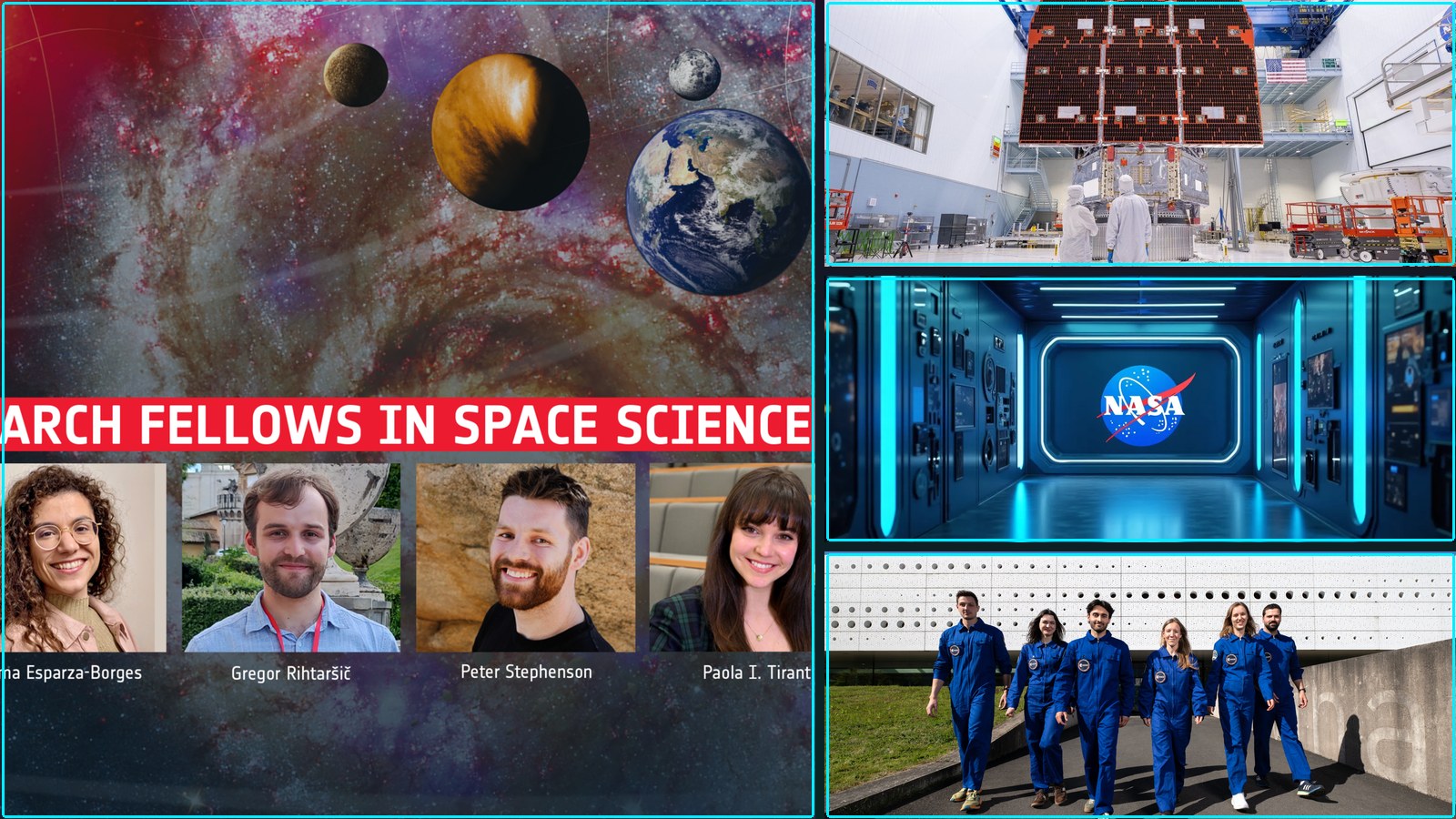
The Nancy Grace Roman Space Telescope, NASA’s next great … (Space)
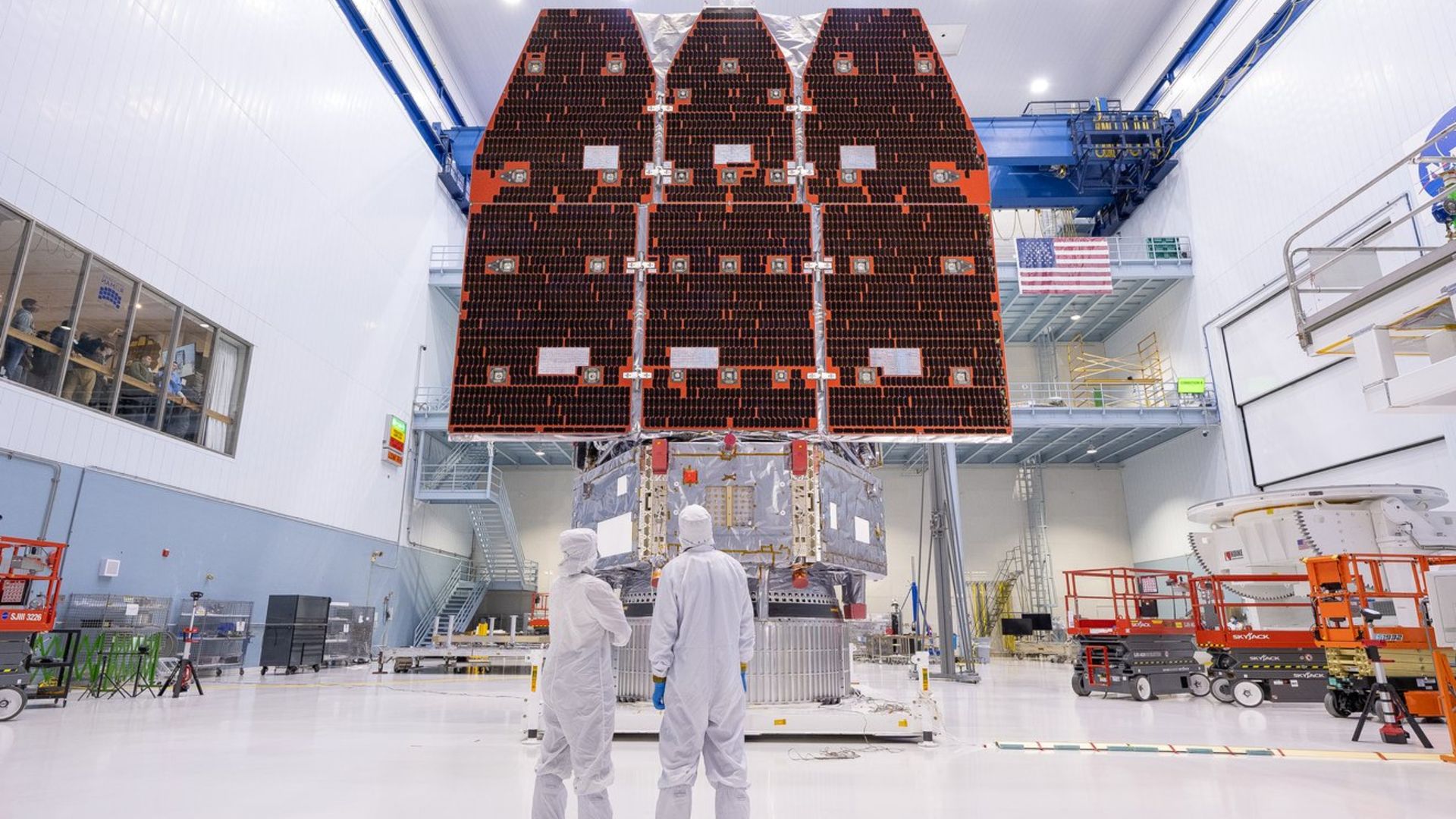
Summary: The Nancy Grace Roman Space Telescope has been assembled at NASA’s Goddard Space Flight Center, marking a major hardware milestone. The mission is now projected to launch in September 2026, eight months ahead of schedule and under budget. Its primary capability is a Wide Field Instrument that can survey the sky over 1,000 times faster than Hubble, generating 500 terabytes of data annually to study dark energy and directly image exoplanets with an advanced coronagraph.
Why it matters: Roman’s operational cadence could redefine the scale of astrophysical survey data, shifting the field from deep, targeted observations to massive, statistical mapping of cosmic structure and planetary systems.
Context: Roman occupies a strategic niche between Hubble’s longevity and JWST’s infrared depth, focusing on wide-area surveys rather than ultra-deep fields. Its accelerated schedule and budget position is a rare positive signal in major astrophysics project management.
"What would take Hubble 2,000 years to process, Roman can do in a year — the images it captures will be so large there is not a screen in existence large enough to show them."
Commentary: The sheer data volume—500 terabytes per year—will strain existing analysis pipelines and necessitate new machine learning tools, effectively making Roman a computational infrastructure project as much as an observatory. Its coronagraph, with a 100- to 1,000-fold improvement, shifts direct imaging from a demonstration technology to a routine exoplanet characterization tool, pressuring follow-on mission designs like the Habitable Worlds Observatory to deliver even greater sensitivity.
Date: April 21, 2026 12:00 AM ET
URL: https://www.space.com/space-exploration/the-nancy-grace-roman-space-telescope-nasas-next-great-observatory-is-finally-complete
AI Sentiment Score: Negative (66%)
AI Credibility Score: 10.0/10 — High
Scores and text generated by AI analysis of the source article indicated.
NASA’s Recent Advances in Planetary Defense and Space … (Orbysa)
Summary: NASA’s operational tempo from March to April 2026 reflects a portfolio balancing planetary defense, crewed exploration, and technology maturation. Key developments include refined asteroid tracking for 2024 YR4 using JWST data, the Artemis 2 rollout for pad testing, and a successful thermal protection system test on a commercial launch. The NEO Surveyor mission advances, and the Nancy Grace Roman Space Telescope is on schedule for a September 2026 launch.

Why it matters: This period demonstrates the transition of major programs from development to operational testing and data collection, with direct implications for planetary defense readiness and the Artemis lunar timeline.
Context: NASA’s planetary defense strategy relies on a detection-to-deflection pipeline, while its exploration programs are in a critical phase of hardware validation ahead of crewed missions.
"The Center for Near-Earth Object Studies (CNEOS) at the Jet Propulsion Laboratory has utilized refined data from the James Webb Space Telescope (JWST) to improve the orbital predictions of near-Earth asteroid 2024 YR4, which poses a potential hazard within 30 million miles of Earth." — ORBYSA
Commentary: Using JWST for NEO tracking is a significant, if opportunistic, repurposing of a flagship observatory, indicating a push for higher-fidelity risk assessment. The Artemis 2 rollout is a procedural milestone, but the real signal will be in the test outcomes. The thermal protection test on a commercial launch underscores a shift toward more frequent, lower-cost validation of key technologies outside traditional mission architectures.
Date: April 25, 2026 12:00 AM ET
URL: https://orbysa.com/news/misc/2026-04-25-nasas-recent-advances-in-planetary-defense-and-space-technology-march-april-2026-highlights
AI Sentiment Score: Negative (63%)
AI Credibility Score: 7.0/10 — Medium
Scores and text generated by AI analysis of the source article indicated.
Lockheed Martin Delivers Neutron Spectrometer to Help … (Lockheedmartin)
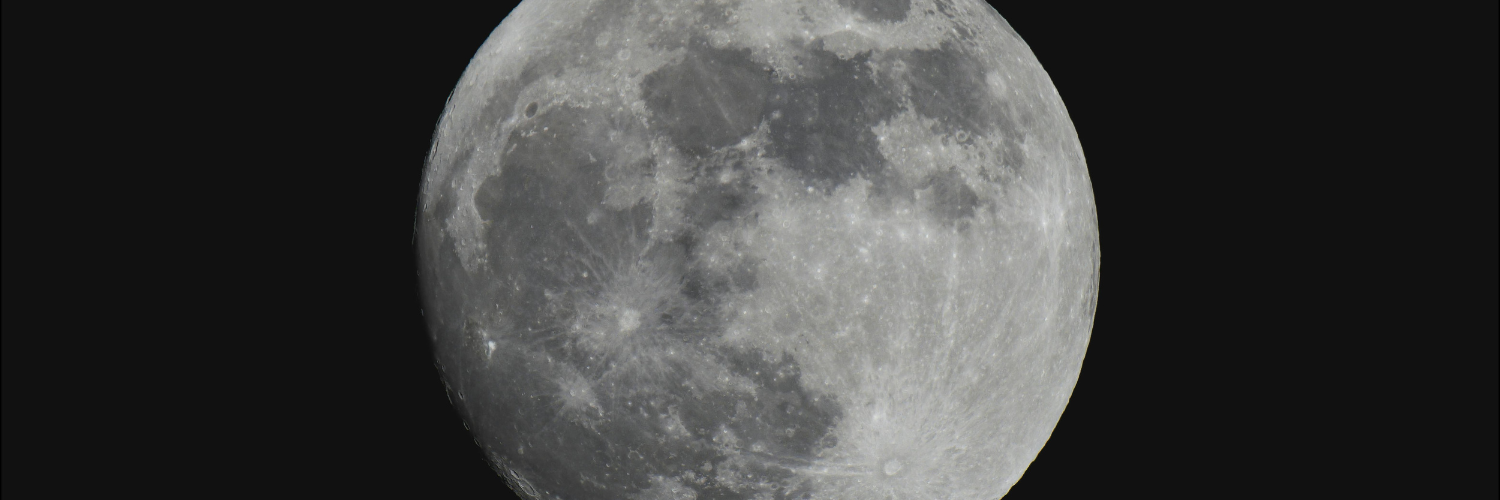
Summary: Lockheed Martin has delivered a Neutron Spectrometer System (NSS) to NASA’s Ames Research Center, intended for the JAXA-ISRO LUPEX mission. The instrument, designed to detect and map near-surface water ice by measuring cosmic ray interactions with regolith, is a critical piece of hardware for in-situ resource utilization. This delivery marks a tangible step in the operational pipeline for upcoming lunar exploration.
Why it matters: The delivery of flight-ready hardware for a major international mission validates the industrial supply chain for lunar resource prospecting, a foundational capability for sustained human presence.
Context: The LUPEX mission is a key near-term effort to characterize lunar polar volatiles, and the NSS represents a mature, NASA-partnered sensor technology moving from development to integration.
"Lockheed Martin’s Neutron Spectrometer System (NSS) is an instrument designed in partnership with NASA to detect water ice on planetary bodies, measuring cosmic ray interactions with hydrates in lunar or planetary regolith." — LOCKHEEDMARTIN
Commentary: The delivery signals a shift from concept to concrete capability for the Artemis-era industrial base. The focus on a compact, dedicated instrument underscores a maturation in mission design, where specific resource prospecting tools are now being procured and integrated, rather than treated as experimental payloads. The success of LUPEX and its instruments will directly inform the site selection and economic models for initial lunar outposts.
Date: April 21, 2026 12:00 AM ET
URL: https://www.lockheedmartin.com/en-us/news/features/2026/lockheed-martin-delivers-neutron-spectrometer-to-help-space-mission-find-water-on-moon.html
AI Sentiment Score: Positive (50%)
AI Credibility Score: 7.0/10 — Medium
Scores and text generated by AI analysis of the source article indicated.
SOLIS100 isolation study begins in Germany (Esa.Int)
Summary: ESA and DLR have initiated the 100-day SOLIS100 isolation study at the :envihab facility in Cologne, Germany. Six volunteers from six European nations will live in a sealed habitat under operational constraints designed to simulate long-duration missions beyond Earth orbit. The study focuses on psychological, behavioral, cognitive, and physiological responses to prolonged confinement and social isolation, distinct from microgravity simulation studies like bed rest.

Why it matters: For mission planners, data on human adaptation to isolation is a critical, non-negotiable input for designing crewed lunar and Martian missions where real-time Earth support is limited.
Context: This study is part of ESA’s integrated research strategy, running isolation studies in parallel with bed rest and dry immersion campaigns to address the full spectrum of physiological and behavioral risks for exploration.
"SOLIS100 does not simulate microgravity. Instead, it investigates the human consequences of long-term isolation and confinement, including limited social interaction. The study examines impacts on mental health, team dynamics, stress regulation, sleep, cognitive performance, as well as changes in the crew and habitat microbiome." — ESA.INT
Commentary: The operational distinction is key: ESA is treating isolation as a separate, interacting risk domain requiring dedicated study. The inclusion of UAE experiments signals a growing internationalization of analogue research beyond traditional partners. Data from this cohort will refine crew selection, training, and in-mission support protocols, directly informing the operational tempo and autonomy required for future Gateway or Mars transit missions.
Date: Thu, 23 Apr 2026 09:00:00 +0200
URL: https://www.esa.int/Science_Exploration/Human_and_Robotic_Exploration/SOLIS100_isolation_study_begins_in_Germany
AI Sentiment Score: Negative (62%)
AI Credibility Score: 10.0/10 — High
Scores and text generated by AI analysis of the source article indicated.
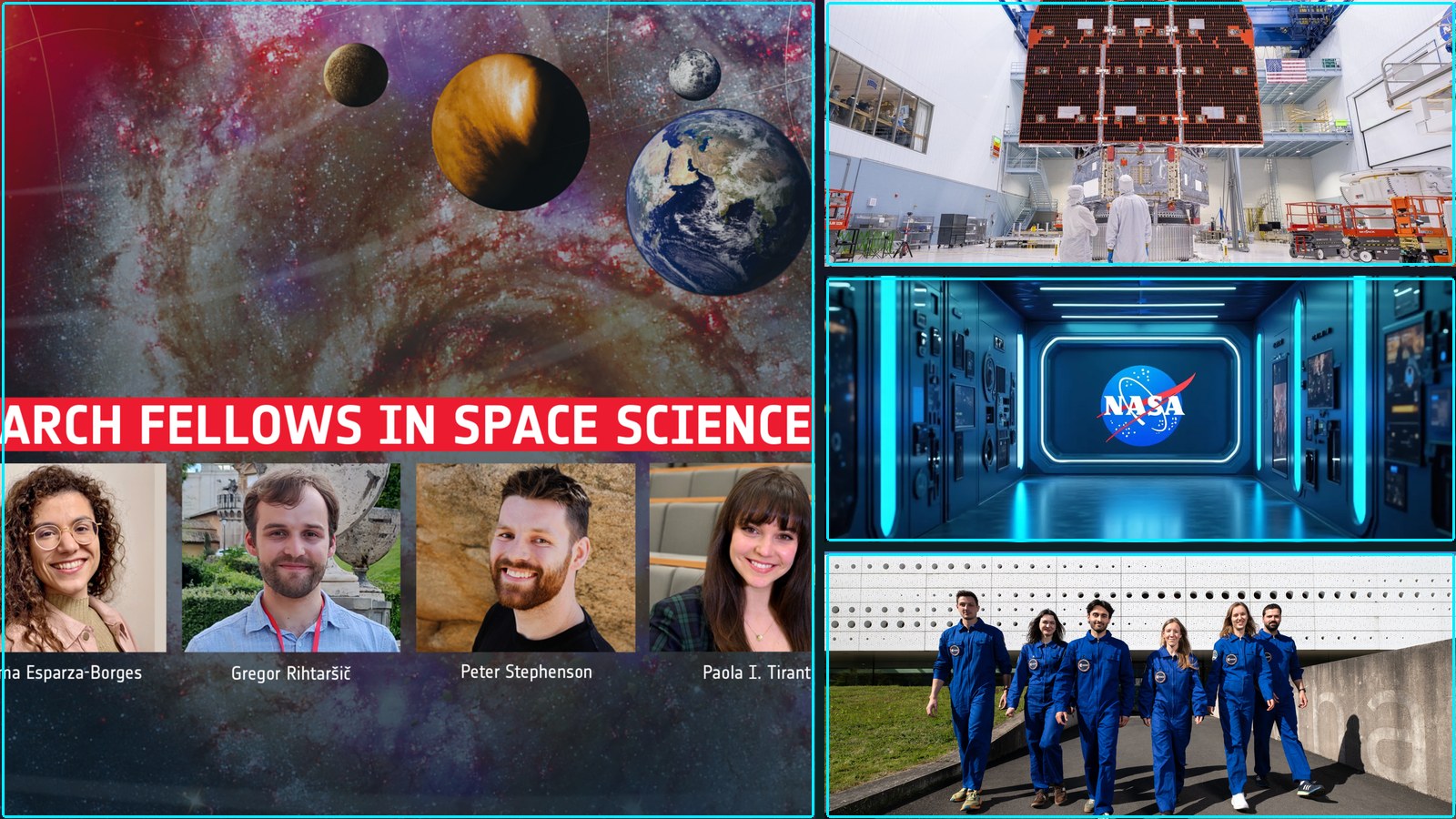
Research Fellows in space science 2026 (Esa.Int)
Summary: The European Space Agency has announced its 2026 cohort of Research Fellows in space science, selecting six early-career postdoctoral scientists. The fellows will conduct independent research for up to three years at ESA establishments or the Space Telescope Science Institute, focusing on topics aligned with ESA Science missions. Their projects include investigations into dark matter via galaxy cluster collisions, atmospheric dynamics of Jupiter’s Great Red Spot, and exoplanet evolution.

Why it matters: ESA’s fellowship program is a critical talent pipeline, directing early-career research toward its strategic mission portfolio and shaping the next generation of principal investigators and mission scientists.
Context: ESA’s Research Fellowships are a competitive, flagship program for postdoctoral scientists, offering a bridge between academia and agency operations while seeding research that often feeds directly into future mission planning and data analysis.
"Early career postdoctoral scientists are offered the unique opportunity to carry out advanced research related to the space science areas covered by ESA Science missions at one of three ESA establishments (ESAC, ESTEC or STScI) for a period of up to three years." — ESA.INT
Commentary: The selection reflects ESA’s continued prioritization of heliophysics, planetary science, and astrophysics, with a notable inclusion of fundamental physics. Placing fellows at operational centers like ESAC and ESTEC ensures their work is grounded in mission data and engineering realities, increasing the translational value of their research for ESA’s roadmap. The inclusion of STScI maintains a key transatlantic link for Hubble and James Webb Space Telescope science.
Date: Tue, 28 Apr 2026 10:00:00 +0200
URL: https://www.esa.int/ESA_Multimedia/Images/2026/04/Research_Fellows_in_space_science_2026
AI Sentiment Score: Negative (83%)
AI Credibility Score: 10.0/10 — High
Scores and text generated by AI analysis of the source article indicated.
Post ID: e7edab4b