
Streaming strategy: windows, paywalls, and distribution
The Window Is the Product: Why Streaming’s Next Battleground Is … (Filmtake)
Summary: The streaming industry’s focus is shifting from content volume to monetizing access through sophisticated windowing strategies. The article argues that ‘the window is the product,’ advocating for tiered releases, early-access add-ons, and segmented subscriptions to drive revenue and loyalty. It also highlights strategic licensing of back-catalog content to external platforms as a low-cost revenue stream. This represents a move away from blanket price hikes toward more surgical, audience-aligned monetization.

Why it matters: This shift redefines competitive advantage in streaming, moving the battleground from content libraries to access economics, which could reshape subscriber behavior, platform profitability, and studio licensing strategies.
Context: This follows a period of unsustainable content spending and subscriber churn, where platforms are under pressure to improve unit economics without solely relying on new production.
"In this climate, windowing is no longer a tactic—it’s the product." — FILMTAKE
Commentary: The operationalization of this thesis will fragment the universal SVOD experience, creating a market more akin to airlines with its tiered boarding and fare classes. For studios, it turns catalog management into a dynamic yield-optimization problem, while for consumers, it formalizes a pay-for-priority culture that could deepen engagement for some while alienating others accustomed to flat-rate access.
Date: April 27, 2026 12:00 AM ET
URL: https://www.filmtake.com/distribution/the-window-is-the-product-why-streamings-next-battleground-is-access-not-content/
AI Sentiment Score: Negative (66%)
AI Credibility Score: 10.0/10 — High
Scores and text generated by AI analysis of the source article indicated.
Window Shopping: Why Holding Back Pays Off in Streaming … (Filmtake)
Summary: The theatrical-to-streaming window has evolved from a fixed schedule into a dynamic, multi-platform revenue extraction tool. Studios like Universal, Sony, and Paramount are now deploying staggered, platform-specific Pay-One strategies, while Disney maintains a more consistent three-month window for its core franchises. Lionsgate extends transactional exclusivity to four months before feeding its Starz platform, and Universal splits its Pay-One period between Peacock and Amazon Prime. This shift turns release timing into a lever for segmenting audiences across price tiers and slowing subscriber churn.

Why it matters: This granular control over availability directly impacts content valuation, platform competitiveness, and the economic models that will define the next phase of streaming profitability.
Context: The collapse of the traditional 90-day theatrical window post-pandemic has led to a fragmented landscape where each studio tailors its release strategy to its specific asset portfolio and platform ecosystem.
"Windowing no longer determines when a film is available; it defines how much value can be extracted, where, and when it is available." — FILMTAKE
Commentary: The operational shift is from calendar management to yield optimization. Studios are now acting as portfolio managers, using timing to create artificial scarcity and tiered access that monetizes audience impatience. This risks further fragmenting the cultural conversation around releases but creates a more resilient, multi-revenue-stream model for studios with diversified assets. The competitive edge now belongs to those who can dynamically route content, not just those who own it.
Date: April 27, 2026 12:00 AM ET
URL: https://www.filmtake.com/distribution/window-shopping-why-holding-back-pays-off-in-streaming-distribution/
AI Sentiment Score: Negative (83%)
AI Credibility Score: 10.0/10 — High
Scores and text generated by AI analysis of the source article indicated.
Content Paywall Changes Shape, Not Size – 3Vision (3Vision.Tv)
Summary: 3Vision data indicates the first-window scripted TV market has reconfigured around SVOD and studio-owned platforms, diminishing Pay TV’s gateway role. The fundamental access model, however, remains subscription-led; the paywall has morphed rather than dissolved. Broadcasters are adapting with BVOD-first releases and boxsets to compete, while global SVODs show renewed acquisition interest, notably for second-window content.

Why it matters: This shift reallocates platform power and dictates where capital flows for content, while consumer choice becomes a function of managing multiple paywalls instead of a single cable bundle.
Context: The transition from a Pay TV-centric model to a multi-SVOD landscape has been underway for a decade, but the data now shows the consolidation of a new, fragmented status quo.
"3Vision’s Show Tracker data shows a first window scripted TV market that has changed significantly in shape, but less in how audiences access premium content. … Pay TV is no longer the." — 3VISION.TV
Commentary: The report underscores a market maturation where distribution channels are in flux, but the underlying economics of premium content remain stubbornly tied to subscription revenue. The strategic implication is a continued arms race for must-have IP on owned platforms, with second-window licensing becoming a more critical revenue stream for producers as first-window exclusivity intensifies. Broadcasters’ boxset plays are defensive adaptations, not a disruptive return to free, ad-supported premieres.
Date: April 22, 2026 12:00 AM ET
URL: https://www.3vision.tv/news-insights/content-paywall-changes-shape-not-size
AI Sentiment Score: Neutral (50%)
AI Credibility Score: 10.0/10 — High
Scores and text generated by AI analysis of the source article indicated.
The Last Mile of Direct To Audience (D2A) Distribution Is Capital … (Glosserman.Substack)
Summary: A new analysis argues that the direct-to-audience (D2A) distribution model has matured beyond a niche experiment. The ‘last mile’—the operational capability to identify, engage, and monetize an audience directly—is now a capital-intensive but viable path for rights holders. This shifts leverage away from traditional gatekeepers by enabling creators to retain first-party data, generate early revenue, and preserve downstream licensing rights.
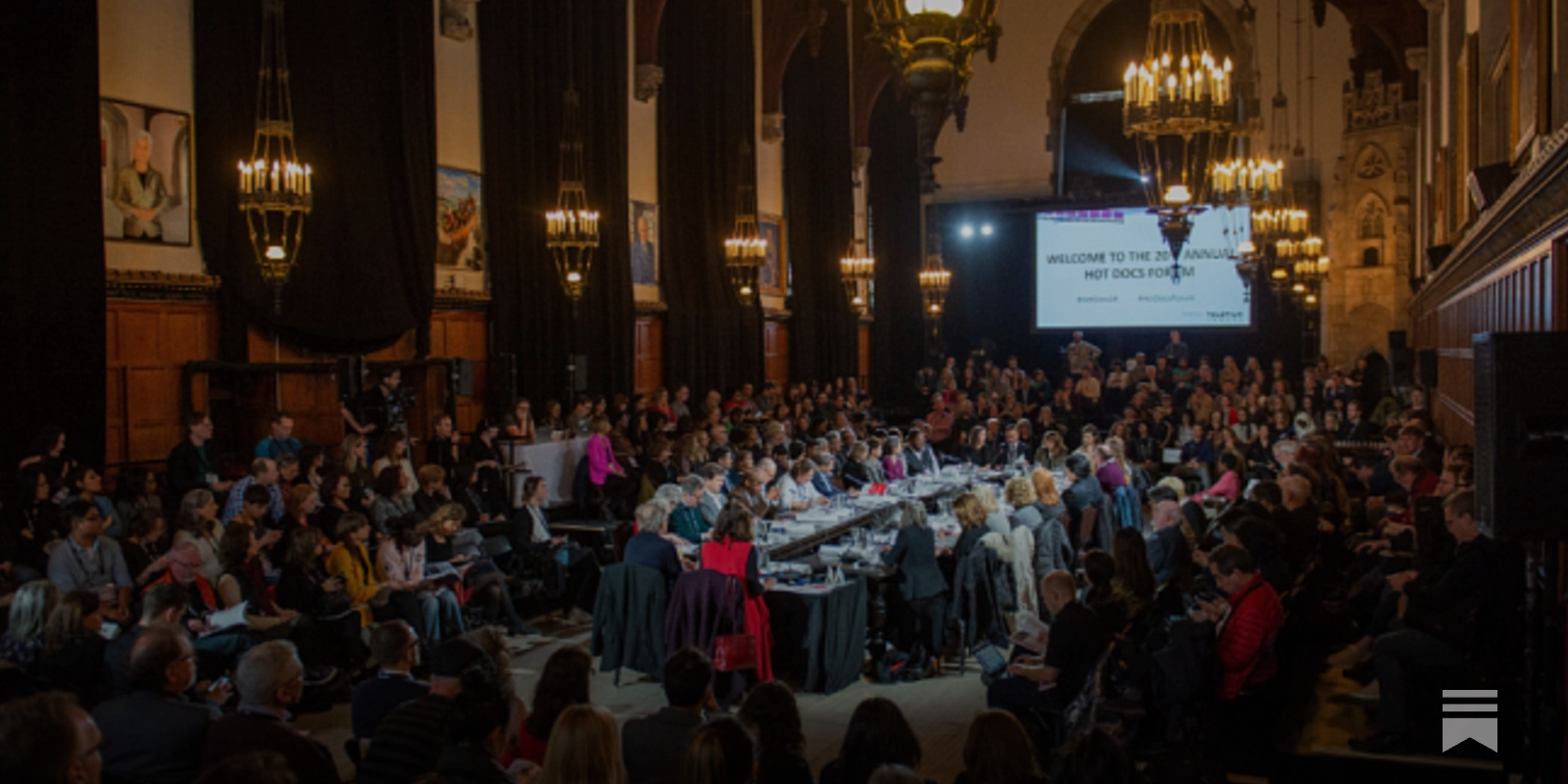
Why it matters: This maturation redefines the power dynamics in media, allowing creators and rights holders to build sustainable, independent businesses without ceding control to aggregators.
Context: The push for D2A has been a decade-long trend, but often stalled on the complexities of execution, data management, and achieving scale outside walled gardens.
"Rights holders can identify audiences, communicate with them, sell directly to them, retain first-party data, generate early revenue signals, and strengthen downstream licensing leverage, via Theatrical, Theatrical On Demand®, Virtual Event Cinema, Non-theatrical, and Premium VOD without having to foreclose their rights." — GLOSSERMAN.SUBSTACK
Commentary: The operationalization of D2A turns audience relationships into a balance-sheet asset, fundamentally altering valuation models for independent media. It creates a new class of ‘capital-light’ distributors who can now compete on data and margin, not just content. The strategic implication is a fragmentation of distribution power, forcing legacy platforms to compete on service rather than control.
Date: April 25, 2026 12:00 AM ET
URL: https://glosserman.substack.com/p/the-last-mile-of-direct-to-audience
AI Sentiment Score: Negative (50%)
AI Credibility Score: 7.0/10 — Medium
Scores and text generated by AI analysis of the source article indicated.
Post ID: 59731f27