
AI Tools and Cost Savings in Fashion Photography
Fashion Brands Cut Photography Costs 70% with AI – Rewarx Studio (Rewarx)
Summary: Mid-market fashion brands are adopting AI-powered studio solutions like Rewarx Studio AI to replace traditional photography for product imagery. The primary driver is economic pressure: scaling e-commerce operations requires hundreds of new images weekly, a cost-prohibitive endeavor when traditional studio shoots range from $5,000 to $50,000 per line. These AI tools promise a 70% cost reduction and a dramatic compression of production timelines from weeks to hours.
Why it matters: This shift fundamentally redefines the commissioning pipeline and labor market for commercial fashion photography, directly threatening the economic model for photographers, models, stylists, and post-production specialists.
Context: The move mirrors a broader industry pattern where DTC brands, operating on thin margins, are forced to decouple visual quality from traditional production costs to compete with giants like Amazon.
"70% Average cost reduction in fashion product photography when switching to AI-powered workflows." — REWARX
Commentary: The 70% figure isn’t just a cost-saving metric; it’s a threshold that will trigger a renegotiation of vendor contracts and a consolidation of post-production roles. Studios and photographers reliant on high-volume e-commerce work must now compete on creative direction and brand storytelling, as the baseline utility imagery becomes a commoditized, in-house operation. This will accelerate the stratification of the photography market, separating high-concept editorial work from routine product generation.
Date: April 22, 2026 12:00 AM ET
URL: https://www.rewarx.com/blogs/fashion-brands-cutting-photography-costs-ai-powered-studios
AI Sentiment Score: Negative (50%)
AI Credibility Score: 10.0/10 — High
Scores and text generated by AI analysis of the source article indicated.
Best AI Fashion Editorial Photography Generator (2026) – Gitnux (Gitnux)
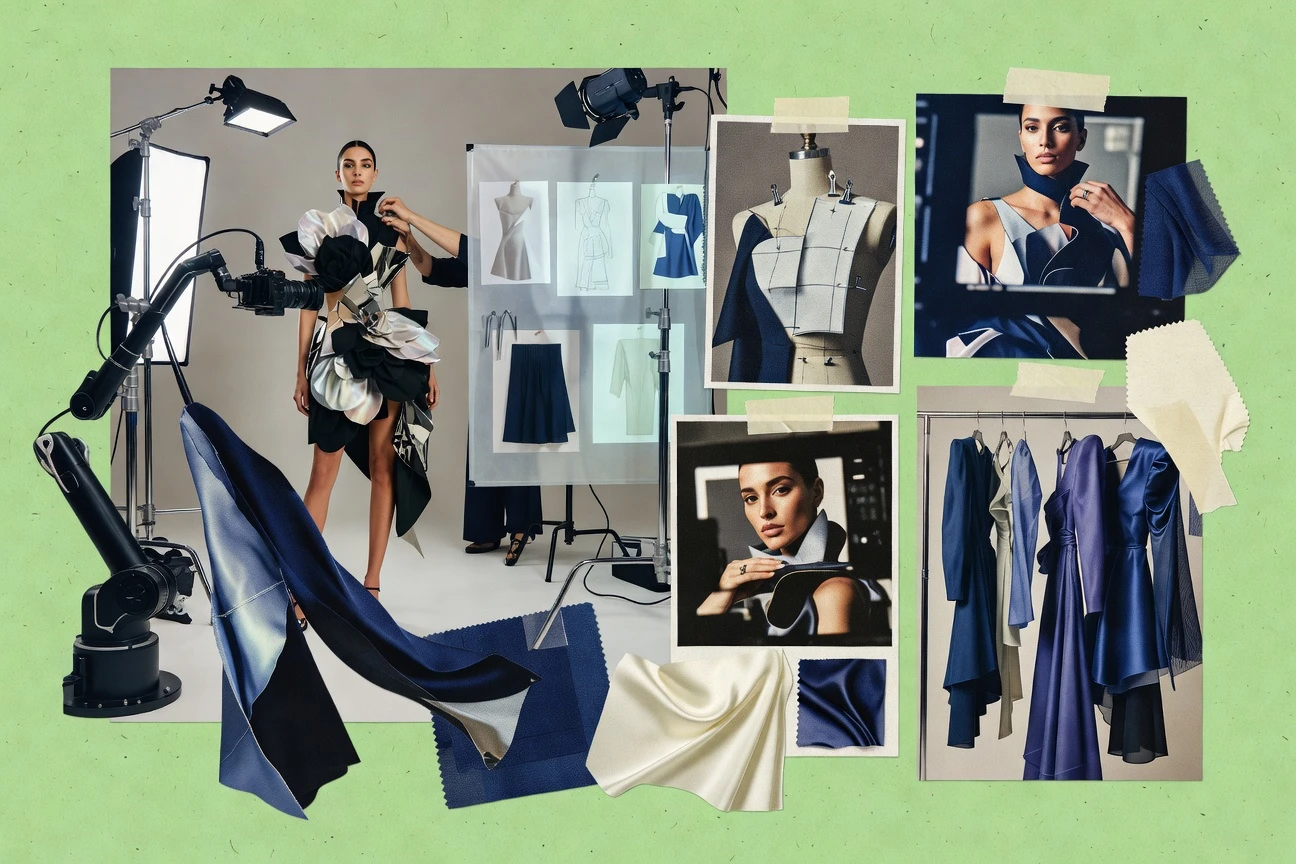
Summary: The 2026 landscape for AI fashion editorial photography generators is bifurcating into two distinct tool categories: prompt-first platforms optimized for aesthetic concepting and moodboarding, and garment-fidelity systems engineered for production-grade, on-model imagery. This segmentation forces a strategic choice between creative exploration speed and commercial-grade asset utility.
Why it matters: This tooling split directly impacts commissioning budgets, in-house team skill requirements, and the economic viability of traditional photoshoots for certain applications.
Context: The industry has moved past debating AI’s existence to pragmatically mapping specific generators to discrete stages of the visual pipeline, from early creative to final asset delivery.
"AI fashion editorial photography generators are reshaping how brands, stylists, and creators develop high-impact visuals without the time and cost of traditional shoots. With options ranging from fashion-native tools like RAWSHOT AI." — GITNUX
Commentary: This specialization signals a maturation where AI is no longer a monolithic ‘solution’ but a suite of targeted instruments. It could pressure studios to clarify their service offerings: those focusing on high-speed concept ideation versus those guaranteeing technical garment reproduction. Vendor lock-in risks increase as workflows become optimized for specific ecosystems, like Adobe’s integrated toolchain. Ultimately, the labor market will stratify between prompt-savvy art directors and technicians managing fidelity-driven AI pipelines.
Date: April 21, 2026 12:00 AM ET
URL: https://gitnux.org/best/ai-fashion-editorial-photography-generator/
AI Sentiment Score: Positive (50%)
AI Credibility Score: 7.0/10 — Medium
Scores and text generated by AI analysis of the source article indicated.
Fashion Brands Cut Photography Costs With AI – Rewarx Studio (Rewarx)
Summary: Major fashion retailers, including ASOS, Inditex, and H&M Group, are implementing AI-generated imagery to drastically reduce visual content costs. The move is driven by unsustainable economics in traditional photography, where per-image costs of $35-85 become prohibitive at scale for e-commerce operators managing tens of thousands of SKUs. The shift represents a structural change in the commissioning pipeline for editorial and product imagery.
Why it matters: This directly impacts the labor market for photographers, models, stylists, and retouchers, while forcing studios and agencies to adapt their service offerings and pricing.
Context: The pressure for fresh, high-volume imagery at low cost has been mounting for years, but AI tools have now reached a quality and economic threshold that makes them a viable operational alternative for mass-market retailers.
"When ASOS announced plans to cut photography costs by 60% in 2024, industry analysts took notice. The UK fast-fashion giant wasn’t alone—Zara owner Inditex and H&M Group have both signaled aggressive cost." — REWARX
Commentary: The 70% cost reduction figure is a siren call for finance departments, but the realignment is deeper: it shifts creative control from external crews to in-house brand teams managing AI parameters. This will bifurcate the market, with high-cost human photography reserved for flagship campaigns and brand-building, while volume-driven e-commerce imagery becomes a software operation. Studios must now compete on post-production integration, AI training datasets, or hyper-specialized creative direction.
Date: April 22, 2026 12:00 AM ET
URL: https://www.rewarx.com/blogs/fashion-brands-ai-photography-cost-reduction
AI Sentiment Score: Negative (72%)
AI Credibility Score: 10.0/10 — High
Scores and text generated by AI analysis of the source article indicated.
Fashion Brands Cut Photography Costs 60% With AI – Rewarx Studio (Rewarx)
Summary: Major fashion retailers like H&M, Nordstrom, and Macy’s are confronting unsustainable scaling costs for product photography, with traditional studio shoots costing $75-$300 per SKU. This has led to a strategic pivot towards AI-powered tools like Rewarx Studio AI for generating lifestyle imagery and product visuals. The reported average cost reduction of 60% is shifting capital allocation away from traditional studio production.
Why it matters: This directly impacts the commissioning economics, labor demand, and operational workflows for photographers, stylists, studios, and post-production teams serving the fashion e-commerce sector.
Context: The shift is driven by the e-commerce imperative for vast, constantly updated lifestyle imagery, which traditional photography economics cannot support at scale, creating a conversion penalty for brands that under-invest.
"Fashion brands investing in AI-assisted visual production report average cost reductions of 60% compared to traditional workflows, with corresponding improvements in time-to-market." — REWARX
Commentary: The 60% cost reduction isn’t just an efficiency gain; it’s a structural reallocation of budget from human-centric production (models, crews, rentals) to software licensing and in-house operator labor. This will compress mid-market studio margins and force commercial photographers to reposition towards high-concept editorial or directorial roles where aesthetic IP is less replicable. The pipeline implication is a bifurcation: high-volume, low-differentiation imagery becomes a cost-center operation, while brand-defining campaign work retains budget but under increased scrutiny for ROI.
Date: April 22, 2026 12:00 AM ET
URL: https://www.rewarx.com/blogs/how-fashion-brands-cut-photography-costs-ai-tools
AI Sentiment Score: Negative (55%)
AI Credibility Score: 10.0/10 — High
Scores and text generated by AI analysis of the source article indicated.
How Fashion Brands Use AI Photoshoots to Scale Catalogs Faster (Advertflair)
Summary: Advertflair reports that AI-generated fashion product photography is being marketed to brands as a tool to compress catalog production timelines and reduce costs. The pitch centers on a simplified ‘Upload → Generate → Publish’ workflow that eliminates traditional studio bookings, model hires, and logistical coordination. The promise is the instant generation of multiple lifestyle visuals, model shots, and scenario variations from a single product asset, enabling faster SKU launches.
Why it matters: This directly targets the economic and operational pressures on in-house production teams and commissioned studios, proposing a fundamental rework of the image supply chain.
Context: This follows a broader industry trend of automating creative production to manage volume, but applies it specifically to the high-touch, high-cost domain of editorial and commercial fashion photography.
"With such a long process, it only takes a single day delay to push product launches by weeks, making it harder for brands to manage hundreds or thousands of SKUs. That’s when." — ADVERTFLAIR
Commentary: The vendor’s framing presents a clear labor displacement vector: studios, models, photographers, and support crews are positioned as cost-centers to be eliminated. For brands, the trade-off is between cost/scale and the nuanced creative direction, brand-specific aesthetic, and human collaboration that defines high-value editorial work. This will segment the market further, reserving traditional shoots for flagship campaigns while relegating AI to high-volume, low-margin catalog filler, reshaping commissioning budgets and freelance opportunities.
Date: May 02, 2026 12:00 AM ET
URL: https://www.advertflair.com/post/how-fashion-brands-use-ai-photoshoots-to-scale-catalogs-faster
AI Sentiment Score: Positive (45%)
AI Credibility Score: 8.2/10 — High
Scores and text generated by AI analysis of the source article indicated.
Why an Influential Stylist Turned to AI (Aperture)
Summary: Simon Foxton, a foundational stylist and art director in menswear editorial, has pivoted his creative practice from physical styling to AI image generation. His decades of work with i-D, Nick Knight, and others established a visual language rooted in documentary realism and eclectic casting. Now, using Midjourney, he produces fictional subcultural narratives, maintaining his aesthetic while eliminating the logistical and collaborative constraints of traditional photoshoots. His recent AI collaboration with Nick Knight for Numero NY signals a new, low-friction creative channel for established industry figures.
Why it matters: This signals a potential labor and cost displacement for stylists, photographers, and crews, as core editorial aesthetic values are increasingly replicable via AI by veterans who understand the language, reducing the need for full-scale production.
Context: The shift follows a broader industry trend of veterans adopting AI for personal projects, but Foxton’s case is distinct due to his deep authority in documentary-style fashion imagery and his direct pipeline into high-level editorial commissions.
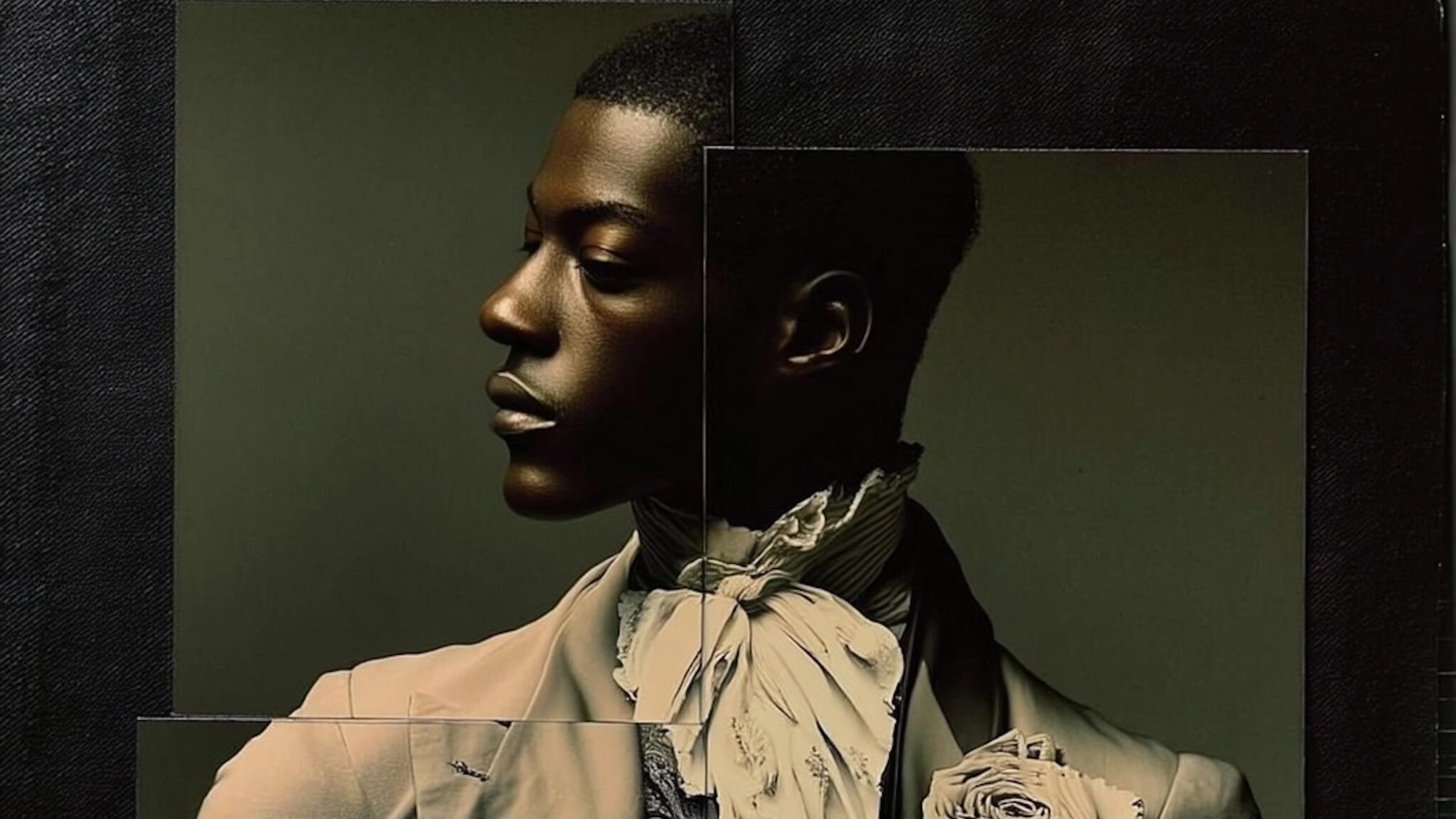
"AI-generated image by Simon Foxton exploring a “made-up” Australian subculture centered on the mullet hairstyle, 2025 As a menswear stylist and art director, Simon Foxton spent decades shaping the image of men’s." — APERTURE
Commentary: Foxton’s move operationalizes a threat to mid-tier editorial commissions: when a stylist of his caliber can generate plausible, on-brand imagery alone, it undermines the economic rationale for location scouts, model casting, photography crews, and even junior stylist roles for certain narrative shoots. The Numero NY collaboration demonstrates that this isn’t just a hobbyist’s outlet but a viable production method for legacy titles seeking cost-effective ‘prestige’ content. The professional risk isn’t that AI replaces creativity, but that it concentrates the creative act—and the fee—into a single prompt-writer, collapsing the traditional collaborative and labor-intensive pipeline.
Date: May 01, 2026 12:00 AM ET
URL: https://aperture.org/editorial/why-an-influential-stylist-turned-to-ai/
AI Sentiment Score: Negative (66%)
AI Credibility Score: 7.0/10 — Medium
Scores and text generated by AI analysis of the source article indicated.
Generate AI Fashion Shoots at Home in Minutes | Blog Picasso IA (Blog.Picassoia)
Summary: PicassoIA’s blog outlines a production-ready workflow for generating editorial fashion imagery using consumer AI models, claiming to replace traditional studio shoots. The guide provides a structured prompt formula and recommends specific tools—Flux Dev, Realistic Vision v5.1—for different shot types, asserting that 30-50 publication-ready images can be produced in 3-4 hours at near-zero marginal cost. This positions AI not as a creative toy but as a direct operational substitute for commissioned photography, styling, and location scouting.
Why it matters: For editorial commissioners, brands, and photographers, this represents a tangible collapse in the production cost floor and a direct threat to the economic model underpinning fashion photography crews, studios, and post-production vendors.
Context: AI image generation has moved from novelty to procedural competency, with models now capable of consistent character and style replication, which is the prerequisite for commercial lookbook and editorial production.
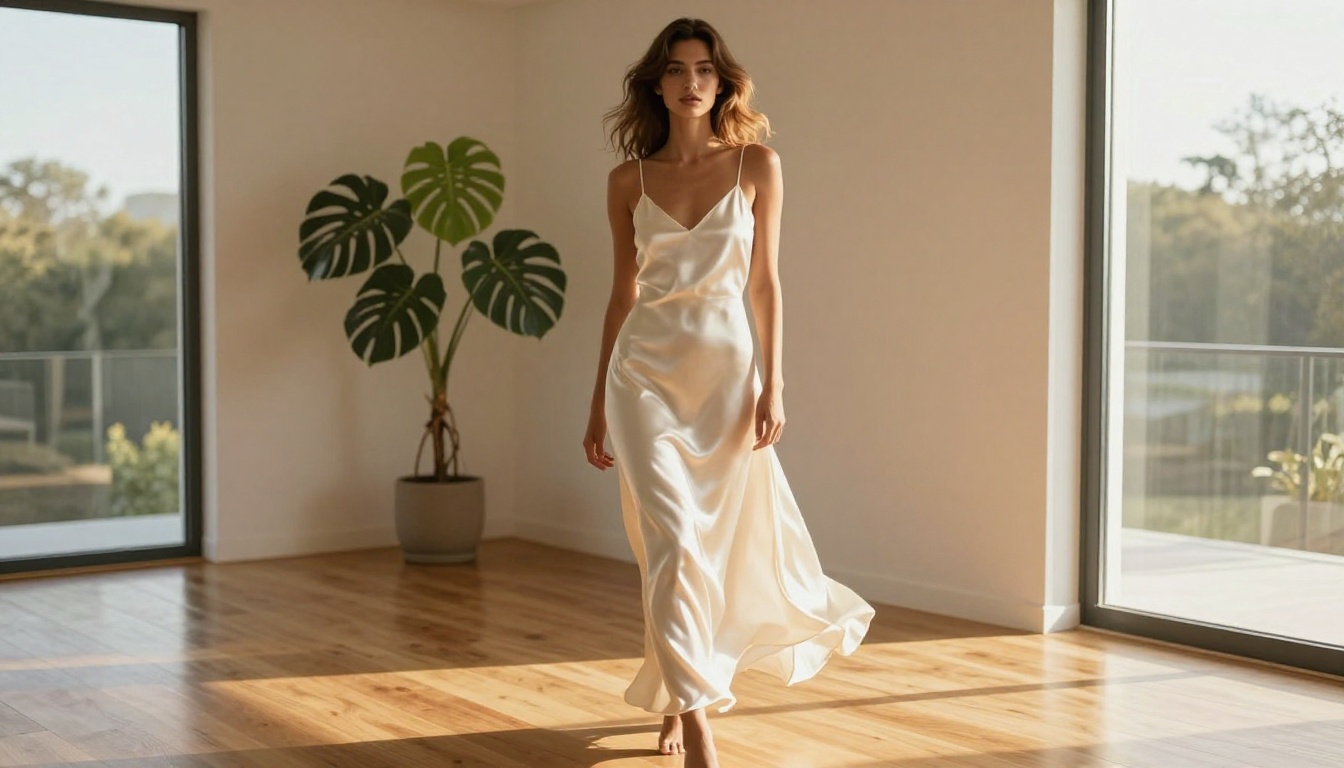
"You don’t need a studio, a photographer, or an expensive crew to produce editorial-quality fashion images. This article breaks down how to create photorealistic AI fashion shoots at home, from writing powerful." — BLOG.PICASSOIA
Commentary: The guide operationalizes the displacement of mid-market editorial work. The immediate pressure falls on production coordinators, test shoot photographers, and entry-level stylists, as brands and small publications will run cost-benefit analyses on every commission. The delineation between ‘AI-assisted’ and ‘AI-generated’ workflows will blur, forcing photographers to either integrate the toolchain defensively or retreat to ultra-high-touch, experience-based shoots that AI cannot yet replicate.
Date: April 23, 2026 12:00 AM ET
URL: https://blog.picassoia.com/how-to-generate-ai-fashion-shoots-at-home
AI Sentiment Score: Negative (70%)
AI Credibility Score: 7.0/10 — Medium
Scores and text generated by AI analysis of the source article indicated.
AI Fashion Shots That Match Your Brand (Rewarx)
Summary: Rewarx outlines a systematic methodology for deploying AI-generated fashion photography at scale, emphasizing the pre-production codification of a brand’s visual identity into explicit, prompt-ready parameters. The guide advocates for treating AI image generation as an industrial workflow, moving from chaotic experimentation to predictable, repeatable output through structured brand guidelines, prompt libraries, and review checkpoints.
Why it matters: This systematization directly targets the core economic tension in editorial and e-commerce fashion photography: the high cost of bespoke shoots versus the need for vast volumes of consistent, on-brand imagery.
Context: The fashion industry is grappling with the operational integration of generative AI, which promises cost reduction and scale but has been plagued by inconsistent outputs and a ‘prompt lottery’ that undermines brand cohesion.
"A structured workflow transforms AI generation from chaotic experimentation into predictable, repeatable output that scales with your business needs." — REWARX
Commentary: The push for systematization signals a maturation phase where AI is being absorbed into the production pipeline, not as a creative toy but as a controlled asset-generation engine. This could pressure photographers, stylists, and creative directors to shift upstream into ‘visual identity architecture’ and prompt engineering, while commoditizing mid-tier catalog work. Studios and post-production houses must adapt by offering AI workflow integration and brand consistency auditing as core services.
Date: April 28, 2026 12:00 AM ET
URL: https://www.rewarx.com/blogs/how-to-make-ai-fashion-shots-that-match-brand
AI Sentiment Score: Negative (71%)
AI Credibility Score: 10.0/10 — High
Scores and text generated by AI analysis of the source article indicated.
AI Catalog Fashion Photo Generator | Rawshot.ai (Rawshot.Ai)
Summary: Rawshot.ai is marketing a generative AI tool designed specifically for commercial catalog photography, bypassing traditional studio production. The platform offers a UI of photographic controls—lens, framing, lighting, background—to generate on-model imagery focused on garment accuracy. It emphasizes scaling output for PDPs and lookbooks via API integration for nightly catalog runs, and includes full commercial rights for e-commerce use.
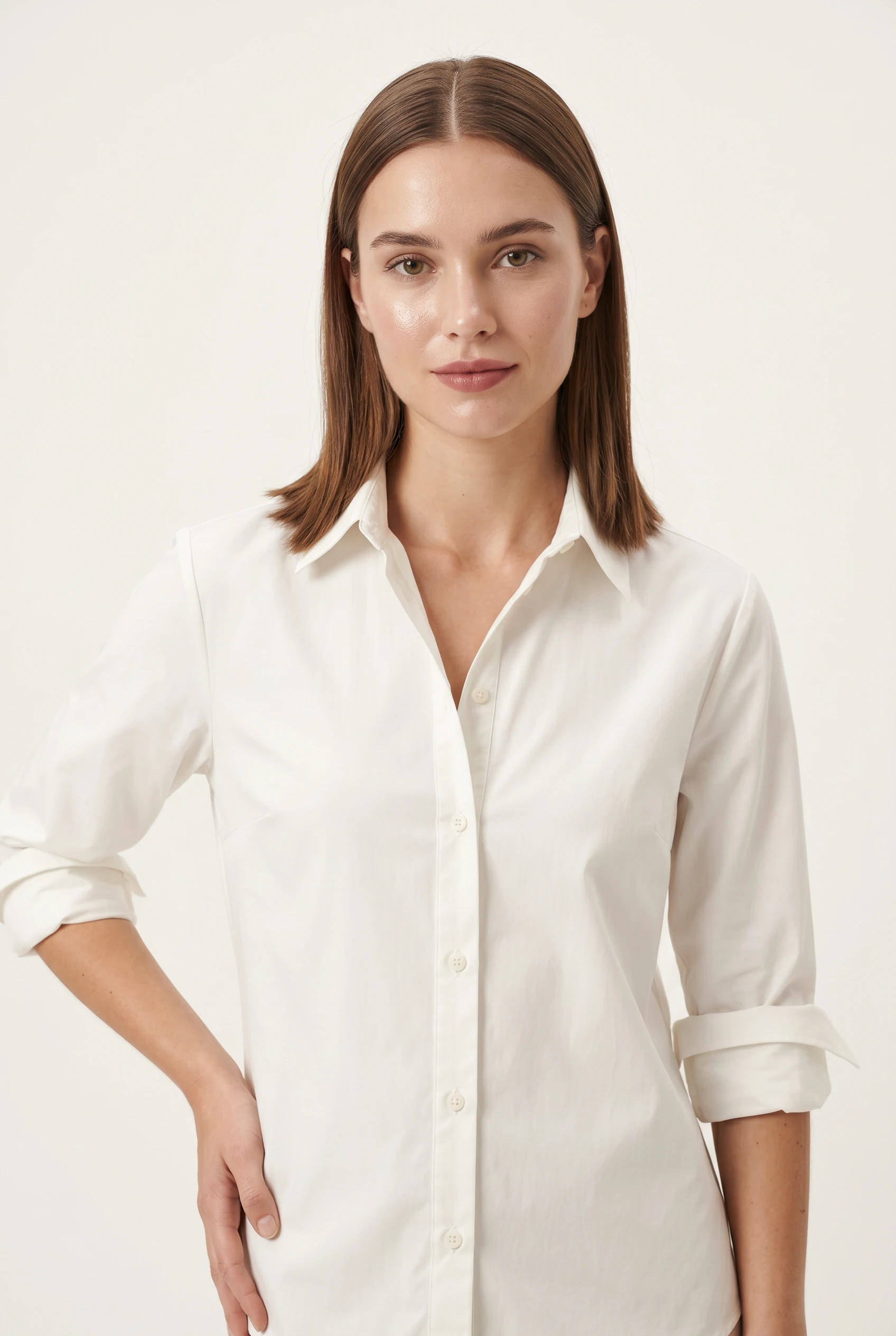
Why it matters: This directly targets the cost center and workflow bottleneck of high-volume e-commerce photography, proposing a tool-based alternative to studio shoots, model bookings, and post-production labor.
Context: The fashion industry is under pressure to reduce time-to-market and production costs for digital assets, while generative AI for imagery has largely been prompt-driven or style-focused rather than built for commercial product fidelity.
"Generate clean on-model catalog imagery built around the garment, ready for PDPs, lookbooks, and large assortments. Select lens, framing, pose, lighting, background, and visual style through buttons, sliders, and presets in a." — RAWSHOT.AI
Commentary: This represents a shift from creative generation to operational utility, treating photography as a parameterized manufacturing process. The immediate implication is downward pressure on rates for high-volume catalog photographers and retouchers, while in-house creative teams may gain capacity but lose vendor relationships. The long-term risk is the homogenization of visual language for commercial fashion as brands optimize for cost and consistency over artistic direction.
Date: May 01, 2026 12:00 AM ET
URL: https://rawshot.ai/features/ai-catalog-fashion-photo-generator
AI Sentiment Score: Negative (69%)
AI Credibility Score: 10.0/10 — High
Scores and text generated by AI analysis of the source article indicated.
AI Creative Editorial Fashion Photography Generator (Rawshot.Ai)
Summary: A new class of AI-powered generators—including Rawshot.Ai, Lutyle, WearView, Atelier, Lookgen AI, and Modelia—is automating the production of editorial fashion photography. These tools create photorealistic on-model imagery, virtual photoshoots, and commerce-ready lookbooks directly from product inputs and scene prompts. The technology bypasses traditional studio shoots, offering brands and creators a rapid, on-demand pipeline for marketing assets.
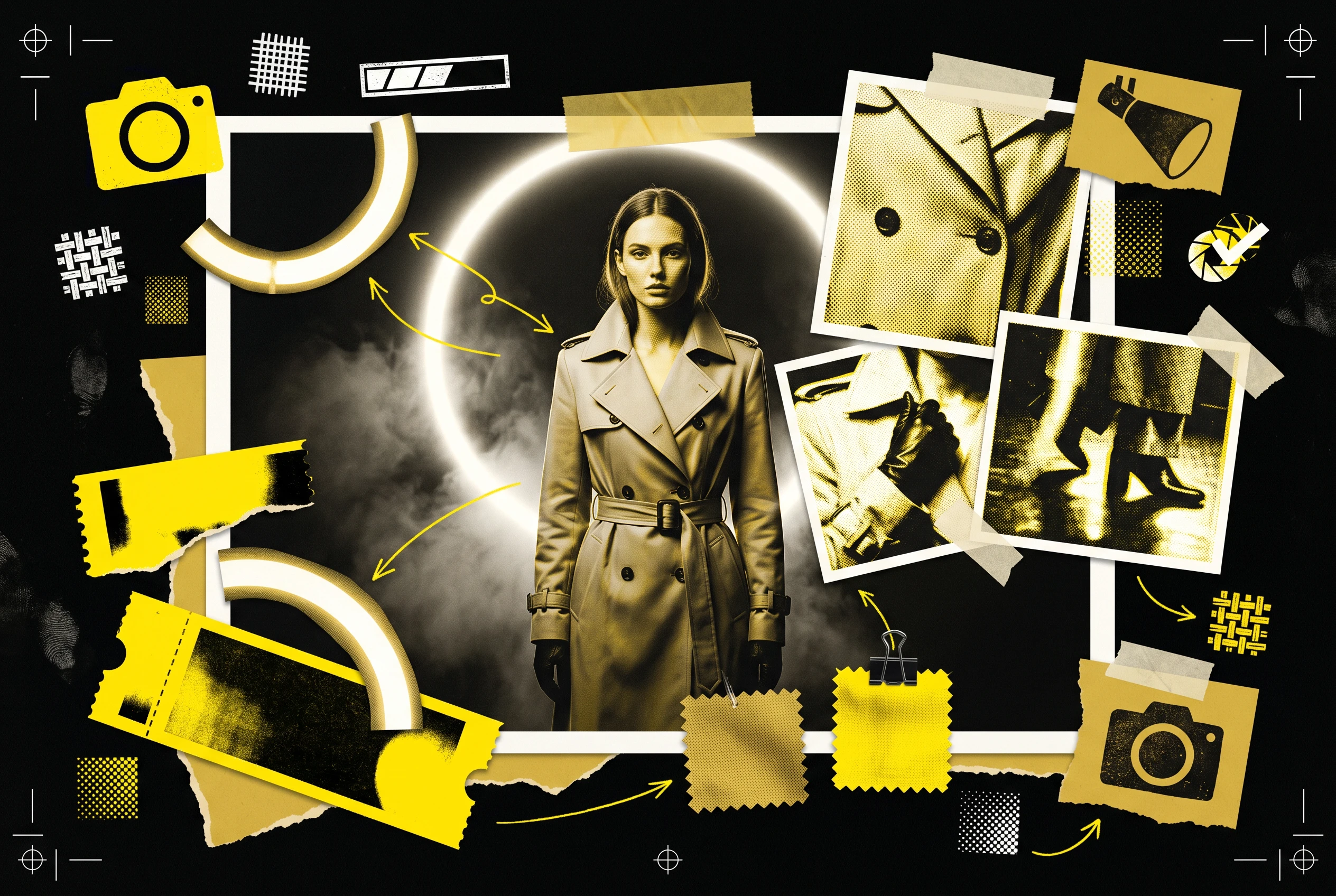
Why it matters: For editorial fashion photographers, stylists, and production studios, this represents a direct threat to commissioned work and a fundamental shift in the economics of image-making for e-commerce and marketing.
Context: The push for cost-effective, scalable content in fashion e-commerce has long pressured traditional photography budgets, with stock imagery and basic CGI already displacing some shoots.
"AI creative editorial fashion photography generators are transforming how brands produce on-model visuals, from polished lookbooks to commerce-ready product shots." — RAWSHOT.AI
Commentary: The operational consequence is a bifurcation of the market: high-concept, brand-defining editorial work may retain value, while the high-volume, product-focused imagery that sustains many studios and freelancers will be automated. Agencies and in-house teams will reallocate budgets from photography crews to AI tool subscriptions and prompt engineers, restructuring vendor relationships and reducing demand for mid-tier photographic labor.
Date: April 22, 2026 12:00 AM ET
URL: https://rawshot.ai/best/ai-creative-editorial-fashion-photography-generator
AI Sentiment Score: Positive (42%)
AI Credibility Score: 10.0/10 — High
Scores and text generated by AI analysis of the source article indicated.
Luxury Fashion Brand Carousel – Orshot (Orshot)
Summary: 5-page Instagram carousel for luxury/fashion brand campaigns. Editorial cover, 3 look/product pages, shop CTA. For agencies producing creative for luxury brands (Burberry, Dior, LV-tier) and elevated DTC fashion
Why it matters: Standardized 5-page carousel format signals a shift toward predictable, high-density visual deliverables for luxury brand campaigns.
Context: Focus on the operational template: Editorial cover, three product/look spreads, and integrated CTA, streamlining agency output for high-tier clients.
"5-page Instagram carousel for luxury/fashion brand campaigns. Editorial cover, 3 look/product pages, shop CTA. For agencies producing creative for luxury brands (Burberry, Dior, LV-tier) and elevated DTC fashion." — ORSHOT
Commentary: The signal is still worth tracking, but the current extraction path did not yield enough body text for a fuller analytical read. The immediate implication is operational rather than speculative: watch how this changes budgets, workflows, or risk assumptions over the next cycle.
Date: April 23, 2026 12:00 AM ET
URL: https://orshot.com/templates/283
AI Sentiment Score: Positive (66%)
AI Credibility Score: 9.6/10 — High
Scores and text generated by AI analysis of the source article indicated.
How AI, Digital Doubles, and New Laws Are Rewriting Fashi… (Theaicronicle)
Summary: The legal and operational foundations of editorial fashion photography are being rewritten by AI and digital doubles. New laws, including the proposed NO FAKES Act in the US and California’s AB 2602/AB 1836, mandate explicit consent for digital replicas, while the EU AI Act enforces transparency labeling. This shifts the core of fashion from physical materials to code and legal identity management.

Why it matters: These legal changes directly impact commissioning budgets, talent contracts, post-production workflows, and the IP status of creative output, forcing a recalibration of risk and cost across the production pipeline.
Context: The push for digital replica legislation follows the 2023-2024 SAG-AFTRA and modeling guild strikes, which established consent as a non-negotiable labor right, now extending into the fashion and beauty visual economy.
"In California, laws AB 2602 and AB 1836 now require explicit consent for the creation of digital replicas—a victory hard-won following the 2023-2024 strikes by actors and models." — THEAICRONICLE
Commentary: The requirement for explicit consent transforms digital doubles from a pure cost-saving tech play into a negotiated line item, increasing pre-production legal overhead and shifting leverage back to talent agencies. The EU’s mandatory AI labeling will bifurcate marketing strategies, potentially creating a tiered market where ‘authentic’ shoots command a premium for luxury brands while high-volume fast fashion leans into synthetic. The unresolved ‘human authorship’ standard for AI-generated garment design leaves studios and in-house teams exposed, making copyright an active liability rather than an asset for fully AI-driven collections.
Date: May 02, 2026 12:00 AM ET
URL: https://theaicronicle.com/en/news/policy/how-ai-and-digital-doubles-are-rewriting-fashion
AI Sentiment Score: Negative (71%)
AI Credibility Score: 7.0/10 — Medium
Scores and text generated by AI analysis of the source article indicated.
2026: Why Virtual Try-On is Killing the Fashion Photoshoot (Weshop.Ai)
Summary: A 2026 analysis from Weshop.Ai posits that AI-powered Virtual Try-On (VTON) technology, driven by high-fidelity physics models like ‘nanobanana pro’, has become the commercial gold standard, rendering the traditional professional fashion photoshoot economically non-viable. The shift is framed as a transition from a ‘Post-Production’ to a ‘Generative’ era, where scale, speed, and hyper-personalization trump the artisanal model. The core argument is that the camera is being supplanted by the digital model as the primary tool for fashion commerce.

Why it matters: This directly threatens the core commissioning economics for photographers, stylists, models, and crews, while forcing publications and brands to fundamentally re-evaluate their creative and operational pipelines.
Context: This continues a decade-long trend of digitalization in fashion marketing, but accelerates it by claiming a definitive, AI-driven breakpoint that invalidates the unit economics of physical production.
"But in 2026, the era of the “representative model” is dying. The era of the “personalized digital render” has arrived. Here is the deep dive into the technology, the unit economics, and." — WESHOP.AI
Commentary: The argument is less about aesthetic quality and more about capital allocation; a cited 25% CVR increase makes VTON a CFO-mandated shift. This pressures editorial directors to justify shoot budgets not on artistic merit but on lost commercial opportunity, potentially bifurcating the industry into low-margin, high-volume generative content and ultra-niche, high-cost ‘art’ shoots. Studios and rental houses face existential risk unless they pivot to servicing the AI pipeline with data capture or model training.
Date: April 22, 2026 12:00 AM ET
URL: https://www.weshop.ai/blog/why-2026-is-the-year-the-professional-photoshoot-dies-thanks-to-virtual-try-on/
AI Sentiment Score: Negative (50%)
AI Credibility Score: 10.0/10 — High
Scores and text generated by AI analysis of the source article indicated.
AI Brand Fashion Model Generator (Rawshot.Ai)
Summary: Rawshot.Ai has launched an AI Brand Fashion Model Generator, a tool that allows fashion teams to create and save synthetic models via a click-driven interface, bypassing traditional talent booking and studio production. Priced at approximately $0.99 per generation, it promises consistent, reusable model identities across campaigns and product catalogs, with outputs carrying full commercial rights and C2PA-signed provenance. The platform explicitly contrasts its attribute-based, garment-led system with the inconsistency of DIY prompting in generic AI image tools.
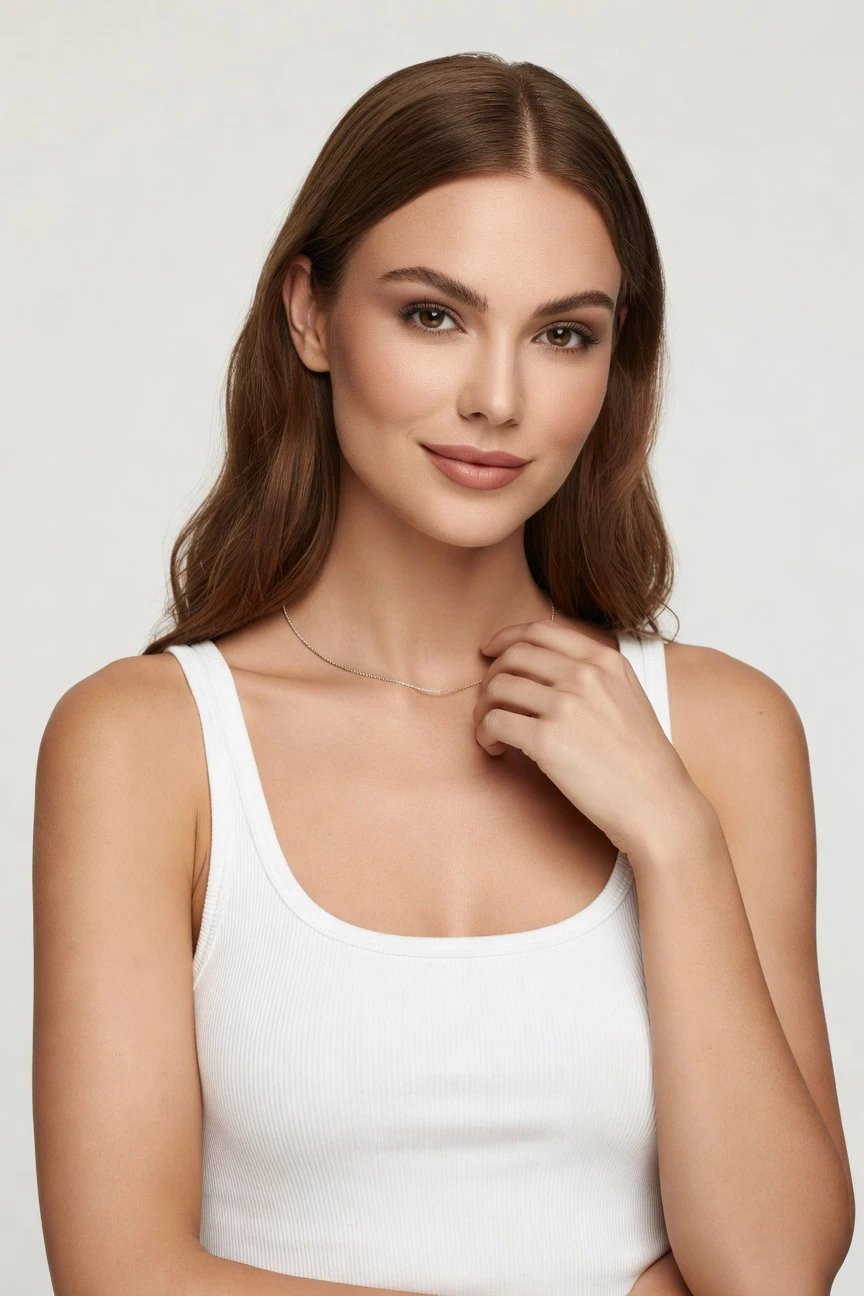
Why it matters: This product directly targets the operational and economic pain points of editorial and e-commerce fashion production, offering a potential step-change in cost, speed, and control for brands scaling digital imagery.
Context: The fashion industry is grappling with the integration of generative AI, balancing demands for speed and cost-efficiency against concerns over creative labor displacement, garment fidelity, and ethical transparency.
"— 28 attributes · Reuse across SKUs · Save once Build a repeatable brand face with the AI Brand Fashion Model Generator. Create a consistent model library for campaigns, PDPs, and catalog." — RAWSHOT.AI
Commentary: Rawshot’s core proposition is the industrialization of the model asset, shifting it from a variable creative resource to a standardized, depreciable component. This recalibrates commissioning economics, potentially sidelining photographers, stylists, and models for high-volume catalog work while creating a new vendor category for synthetic identity management. The emphasis on compliance (C2PA, EU AI Act) and ‘garment-led’ control is a direct appeal to risk-averse legal and merchandising departments, attempting to legitimize synthetic imagery for core commerce. Its success hinges on whether brands accept ‘statistically negligible’ likeness and consistent, if generic, representation over the perceived authenticity and creative specificity of human talent.
Date: May 01, 2026 12:00 AM ET
URL: https://rawshot.ai/features/ai-brand-fashion-model-generator
AI Sentiment Score: Negative (62%)
AI Credibility Score: 10.0/10 — High
Scores and text generated by AI analysis of the source article indicated.
Post ID: 91ac2a9a