Professional Practice and Industry Events
Working With Talent: What Models Aren’t Telling You (Events.Humanitix)
Summary: A commercial photographer and producer is offering a paid workshop reframing talent collaboration as a core professional discipline, not an artistic afterthought. The curriculum treats casting, pre-shoot communication, and on-set direction as measurable skills that directly impact image quality and commercial viability. It positions duty of care and explicit image consent not as compliance burdens but as creative advantages that yield better work.

Why it matters: It signals a professionalization of the talent-facing pipeline, moving soft skills from implicit knowledge to a teachable, billable service with direct ROI for studios and independents.
Context: Post-MeToo and amid growing model advocacy, the industry is formalizing ethical protocols; this commercializes that shift by packaging it as a competitive edge for photographers.
[Summary note] A commercial photographer and producer is offering a paid workshop reframing talent collaboration as a core professional discipline, not an artistic afterthought.
Commentary: Minnett’s framework commoditizes the relational labor typically absorbed by assistants or learned through failure, creating a new revenue stream for educators. It pressures studios to systematize pre-production or risk losing talent to competitors offering clearer communication and safer sets. For agencies, it raises the bar for photographer vetting, potentially tying booking rates to demonstrable competency in these areas.
Date: May 01, 2026 12:00 AM ET
URL: https://events.humanitix.com/working-with-talent-what-models-arent-telling-you
AI Sentiment Score: Negative (66%)
AI Credibility Score: 7.0/10 — Medium
Scores and text generated by AI analysis of the source article indicated.
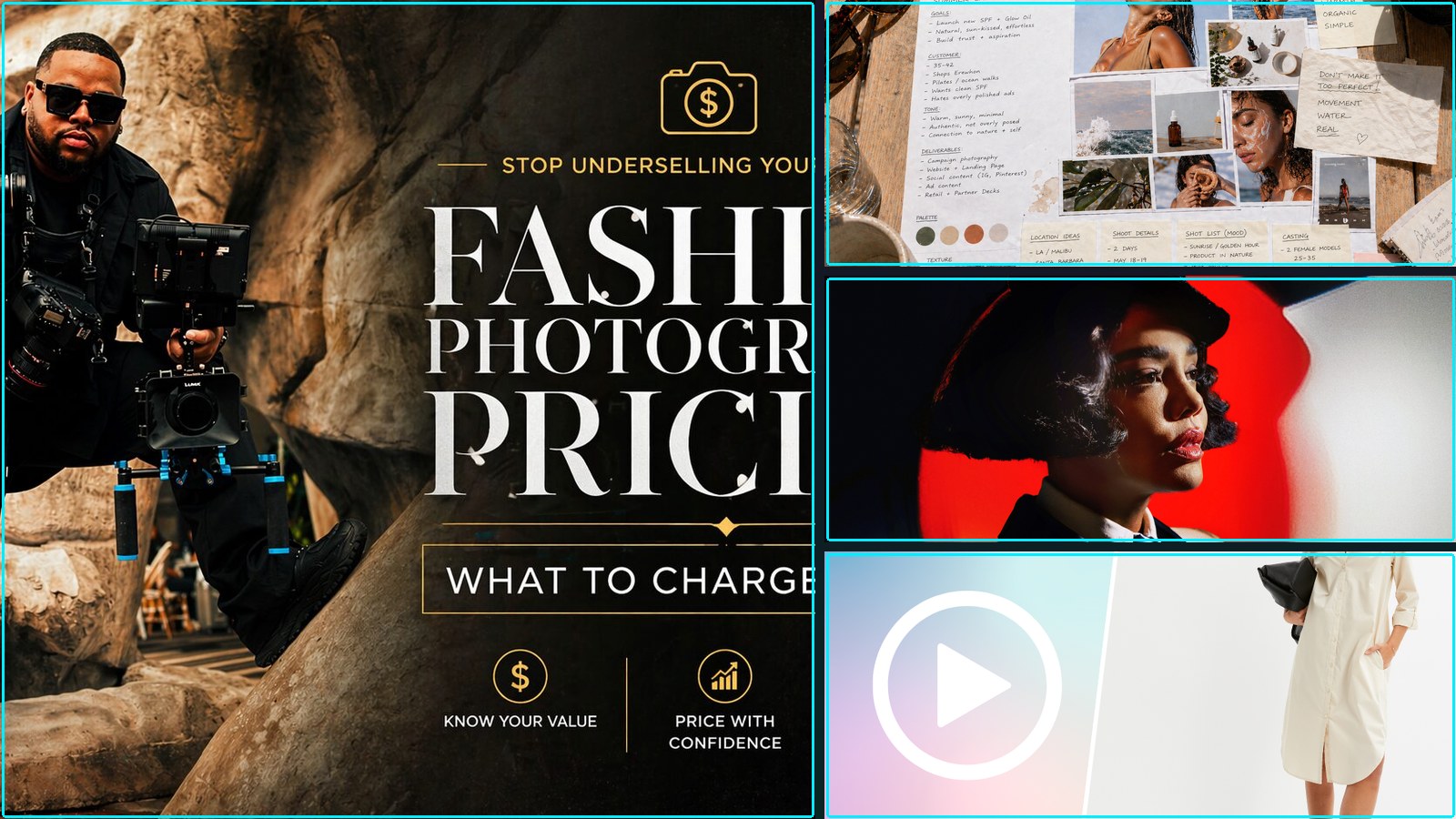
Fashion Photography Pricing: What to Charge in 2026 (Framedbydavinci)
Summary: A 2026 pricing guide for editorial fashion photography outlines a tiered day-rate structure ranging from $300 for beginners to $3,500+ for experienced photographers, emphasizing that creative fees are distinct from licensing. It details a systematic approach to monetizing usage rights, post-production, and pre-production labor, which it identifies as common areas of underpricing. The guide advocates for package pricing and itemized billing for all ancillary services.

Why it matters: Standardized, public pricing frameworks pressure individual photographers to formalize their own rate cards and shift client expectations away from bundled, all-inclusive fees.
Context: Pricing in creative fields remains notoriously opaque, with freelancers often negotiating from a position of informational disadvantage against institutional clients.
"Day rates for fashion photography range from $500 to $3,000+, depending on your experience, market, and usage. … – Beginner day rates typically start at $300–$600; experienced photographers charge $1,500–$3,000+ – Usage." — FRAMEDBYDAVINCI
Commentary: The explicit valuation of usage rights as a primary revenue stream, separate from the creative fee, formalizes a shift from selling a product (images) to selling a service (licensed access). This forces a recalibration of studio economics, where post-shoot licensing management becomes as critical as the shoot itself. It also provides a concrete negotiating tool for photographers to push back against demands for broad, perpetual rights without commensurate payment.
Date: April 22, 2026 12:00 AM ET
URL: https://www.framedbydavinci.com/fashion-photography-pricing-guide/
AI Sentiment Score: Negative (66%)
AI Credibility Score: 10.0/10 — High
Scores and text generated by AI analysis of the source article indicated.
How to Brief a Commercial Photographer and Why Most … (Chrisfrarastudios)
Summary: A commercial photography studio outlines a framework for client briefs that prioritizes specificity over length, positioning the brief as a mutual evaluation tool. The proposed structure focuses on brand identity, target customer granularity, a provisional shot list, mandatory mood boards, explicit ‘anti-requirements,’ and clear usage timelines to streamline commissioning and scoping.

Why it matters: This formalizes a shift in briefing from a one-way directive to a collaborative scoping document, directly impacting project efficiency, creative alignment, and the economic viability of editorial and commercial shoots.
Context: The industry has long grappled with vague creative direction leading to costly reshoots and misaligned expectations, particularly as budgets tighten and digital asset needs diversify.
"Your brief isn’t just a document you hand over so we know what to shoot. It’s also one of the best tools you have for figuring out whether a photographer is actually." — CHRISFRARASTUDIOS
Commentary: This reframes the brief as a risk-mitigation and talent-filtering instrument, elevating the photographer’s role from a service provider to a strategic partner in pre-production. It pressures brands and art buyers to internalize their audience and aesthetic boundaries before engaging a studio, shifting labor upstream. For photographers, it provides a concrete rubric to push back on under-scoped projects and justify pricing based on usage clarity, directly affecting studio economics and creative output.
Date: April 29, 2026 12:00 AM ET
URL: https://www.chrisfrarastudios.com/blog/how-to-brief-a-commercial-photographer
AI Sentiment Score: Negative (66%)
AI Credibility Score: 10.0/10 — High
Scores and text generated by AI analysis of the source article indicated.
About Us (Thelinestudios.Nyc)
Summary: The Line Studios, a full-service photography studio with locations in New York and Los Angeles, has published its 2026 rate card, detailing starting prices for core production services. Still life e-commerce shoots begin at $5,100 per day, on-model photography at $12,200 per day, video production at $13,000+, and AI-supported asset creation at $160 per SKU when paired with production. This provides a transparent benchmark for the cost of end-to-end creative production for e-commerce and brand marketing.

Why it matters: Published rate cards from established studios serve as critical market signals for budgeting, vendor negotiations, and understanding the evolving cost structure of hybrid production pipelines that now include AI-assisted workflows.
Context: Studio pricing has traditionally been opaque and project-specific; public disclosure of day rates and per-SKU AI costs reflects increased market pressure for transparency and standardized service packaging.
"The Line Studios operates full-service photography studios in New York and Los Angeles, supporting brands across the U.S. and internationally. Our New York studio is located in Long Island City, Queens, and." — THELINESTUDIOS.NYC
Commentary: The formalized pricing for AI-supported asset creation ($160/SKU) institutionalizes AI as a billable line item, shifting it from an experimental cost to a standardized production service. This creates a new, lower-margin tier for studios while pressuring traditional photography rates; brands will now benchmark pure photography against this hybrid cost, potentially segmenting projects by budget and asset type more rigidly. The rate sheet also solidifies the day-rate floor for mid-market production, giving smaller studios and freelancers a defensive pricing anchor against undercutting.
Date: April 24, 2026 12:00 AM ET
URL: https://thelinestudios.nyc/about-us/
AI Sentiment Score: Negative (83%)
AI Credibility Score: 7.0/10 — Medium
Scores and text generated by AI analysis of the source article indicated.
Digital Retouching for Analog Fashion Photography – Domestika (Domestika)
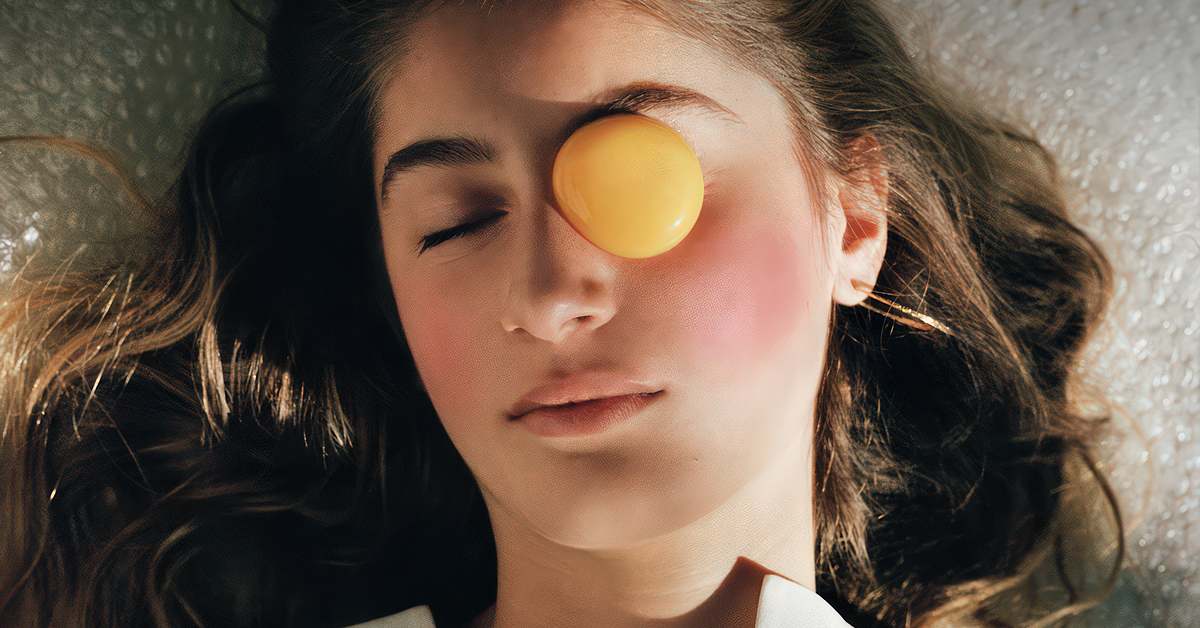
Summary: A Domestika course outline for digital retouching of scanned analog fashion photography emphasizes a workflow prioritizing naturalism and print fidelity. Key instructions advise against overworking pixels to avoid visible artifacts in print and stress the importance of grain management relative to light and plane. The guidance positions digital post-production as an essential, yet deliberately invisible, final stage for analog-originated editorial work.
Why it matters: This codifies the hybrid analog-digital pipeline now standard in high-end editorial, directly impacting the skill sets and tooling budgets required for photographers, retouchers, and studio technicians.
Context: The resurgence of film in fashion editorial has not replaced digital workflows but created a hybrid model where scanning and meticulous digital retouching are mandatory for commercial delivery, creating a niche expertise.
"The image Choose and scan your photo in the best possible quality, this will allow you to work with greater peace of mind throughout your process. Start retouching Before you start think." — DOMESTIKA
Commentary: The course material institutionalizes the labor-intensive, high-skill bridge role between analog capture and digital distribution. It signals a market where ‘analog’ credits are an aesthetic choice, but the financial and technical burden of post-production remains squarely within the digital ecosystem, affecting crew rates and vendor selection for labs and retouching studios.
Date: April 20, 2026 12:00 AM ET
URL: https://www.domestika.org/en/courses/3247-digital-retouching-for-analog-fashion-photography/final_project_lessons
AI Sentiment Score: Positive (40%)
AI Credibility Score: 10.0/10 — High
Scores and text generated by AI analysis of the source article indicated.
Art + Commerce Archives (Designscene.Net)
Summary: Art + Commerce Julian Klausner and Carlijn Jacobs: Visionary Collaboration for Dries Van Noten by Zarko Davinic September 17, 2025 Collaboration signals potential pipeline efficiency between established creative directors and key brand houses.
Why it matters: Collaboration signals potential pipeline efficiency between established creative directors and key brand houses.
Context: Focus on the mechanics of the shoot: rights negotiation, styling budget allocation, and final asset delivery structure.
"Art + Commerce Julian Klausner and Carlijn Jacobs: Visionary Collaboration for Dries Van Noten by Zarko Davinic September 17, 2025." — DESIGNSCENE.NET
Commentary: The signal is still worth tracking, but the current extraction path did not yield enough body text for a fuller analytical read. The immediate implication is operational rather than speculative: watch how this changes budgets, workflows, or risk assumptions over the next cycle.
Date: April 20, 2026 12:00 AM ET
URL: https://www.designscene.net/agencies/art-commerce
AI Sentiment Score: Neutral (50%)
AI Credibility Score: 10.0/10 — High
Scores and text generated by AI analysis of the source article indicated.
Social media content – creative, efficient & scaled (Laudert)
Summary: Laudert, a production studio, is marketing a service that packages editorial fashion photography and videography as pre-formatted, platform-native content for direct social media posting. The offering explicitly bypasses traditional commissioning and post-production workflows by delivering assets optimized for Instagram and TikTok, including styling, editing, and color grading tailored for those channels.
Why it matters: This represents a further commodification of editorial image-making, shifting the labor and aesthetic control from magazine art departments and freelance photographers to vertically integrated content factories serving brand marketing teams directly.
Context: The demand for platform-specific content has eroded traditional magazine editorial budgets, pushing brands to commission ‘editorial-style’ work for owned channels. This accelerates the trend of social media managers, not editors, becoming the primary commissioners of fashion imagery.
"We produce fashion and product photography, as well as product and promotional videos, specifically designed for platforms like Instagram and TikTok. You’ll receive ready-to-use assets that you can post directly to your." — LAUDERT
Commentary: The service formalizes the decoupling of ‘editorial’ aesthetics from editorial publishing, treating the visual language as a brand CI asset to be farmed out. For photographers and stylists, this narrows the path to high-margin, concept-driven work, locking more practitioners into a low-margin, volume-driven service model. It also pressures in-house brand creative teams, as external vendors can now promise faster, cheaper, and platform-guaranteed results.
Date: April 28, 2026 12:00 AM ET
URL: https://www.laudert.com/en/channels/social-media-content/
AI Sentiment Score: Neutral (33%)
AI Credibility Score: 8.8/10 — High
Scores and text generated by AI analysis of the source article indicated.
Editorial Fashion Week’s second day finds model Manette Masse working with photographer Mike Chaiken (Youtube)
Summary: Editorial Fashion Week 2026 featured a live-streamed editorial shoot with model Manette Masse and photographer Mike Chaiken of CTFashionMag.com from Elizabeth Park in Hartford. The event explicitly aims to demystify the production process for a non-industry audience while generating content for future publication. This represents a continued institutionalization of behind-the-scenes content as a core product.

Why it matters: Live-streaming editorial production commoditizes the creative process, directly impacting commissioning economics, photographer-model labor dynamics, and publication lead times.
Context: Fashion media is increasingly leveraging process-as-content to drive audience engagement and monetize previously hidden workflow stages.
"The intent of Editorial Fashion Week is to show non-industry fans of fashion the process of creating a fashion editorial and to create content for future publication." — YOUTUBE
Commentary: This operationalizes the shoot itself as the primary deliverable, potentially devaluing the final curated images. It pressures photographers and models to perform for a live audience, altering creative direction and on-set dynamics. For publications, it creates a dual-output pipeline: immediate, raw engagement content and later, polished editorial assets, complicating rights and revenue streams.
Date: April 22, 2026 12:00 AM ET
URL: https://www.youtube.com/watch?v=xjffhvFeXeg
AI Sentiment Score: Negative (50%)
AI Credibility Score: 10.0/10 — High
Scores and text generated by AI analysis of the source article indicated.
Top Photography Agencies: Market Share & Analyst Evaluation (Verifiedmarketresearch)
Summary: A market analysis report from Verifiedmarketresearch identifies Art+Commerce as the dominant force in premium fashion photography representation, holding a 22% market share. The report positions it as the ‘undisputed gold standard’ for luxury and high-fashion, with a global infrastructure that sets it apart from competitors like Giant Artists and PUREi. This data provides a rare quantitative benchmark for an industry often analyzed through qualitative prestige.

Why it matters: For photographers, agents, and commissioning editors, this concentration of market power directly influences talent flow, fee structures, and the aesthetic direction of major publications and campaigns.
Context: The agency business model has faced pressure from direct digital platforms and shifting commissioning budgets, making clear market leadership data critical for strategic planning.
"Art+Commerce currently commands a 22% market share in the premium fashion segment." — VERIFIEDMARKETRESEARCH
Commentary: A 22% share in a fragmented, prestige-driven field represents significant pricing and gatekeeping power. This concentration likely accelerates the professional bifurcation between agency-represented ‘blue-chip’ photographers and the independent middle tier, affecting magazine commissioning budgets and brand RFPs. For competing agencies, the challenge is to differentiate on niche aesthetics or regional strength, as competing head-on with Art+Commerce’s global luxury infrastructure is increasingly untenable.
Date: April 22, 2026 12:00 AM ET
URL: https://www.verifiedmarketresearch.com/blog/top-photography-agencies/
AI Sentiment Score: Negative (50%)
AI Credibility Score: 9.4/10 — High
Scores and text generated by AI analysis of the source article indicated.
Getty Images Selected as Official Photographer of 2026 Met Gala (Markets.Businessinsider)
Summary: Getty Images has secured its eighth consecutive year as the official photographer for the 2026 Met Gala, granting it exclusive licensing rights to imagery from the event. The contract reinforces Getty’s position as the primary archival and distribution pipeline for high-stakes editorial fashion photography. Its team will employ remote cameras and a mobile studio to capture content for its ‘Access’ platform, enabling real-time social media licensing for talent.

Why it matters: This contract renewal cements Getty’s monopoly over the visual economy of prestige fashion events, directly impacting commissioning opportunities for independent photographers and setting the commercial terms for image distribution industry-wide.
Context: Getty has systematically consolidated official photography rights at major cultural events, turning red-carpet access into a walled garden for its licensing business. The ‘Access’ platform represents a strategic shift from servicing media clients to directly monetizing talent’s own social media needs.
"Imagery from inside the Met Gala will be available to license exclusively on gettyimages.com." — MARKETS.BUSINESSINSIDER
Commentary: The exclusivity clause funnels all high-value imagery through a single vendor, effectively making Getty the arbiter of visual legacy for attendees. For studios and photographers outside this pipeline, it narrows the field for high-profile editorial work to subcontracting roles under Getty’s banner. The push into real-time ‘Access’ licensing further professionalizes talent’s social media as a revenue stream for Getty, not just a promotional channel.
Date: April 27, 2026 12:00 AM ET
URL: https://markets.businessinsider.com/news/stocks/getty-images-selected-as-official-photographer-of-2026-met-gala-1036066298
AI Sentiment Score: Positive (66%)
AI Credibility Score: 8.0/10 — High
Scores and text generated by AI analysis of the source article indicated.
Press Accreditation-Couture Fashion Week New York (Couturefashionweek)
Summary: Couture Fashion Week New York’s 2026 press accreditation guidelines formalize a tiered access system, prioritizing established media with proven event coverage and requiring tearsheets for verification. The policy explicitly distinguishes between editorial usage rights for short-form video and photos, and commercial usage, which is subject to separate negotiation and rates. This creates a clear contractual and economic boundary around event-generated content.
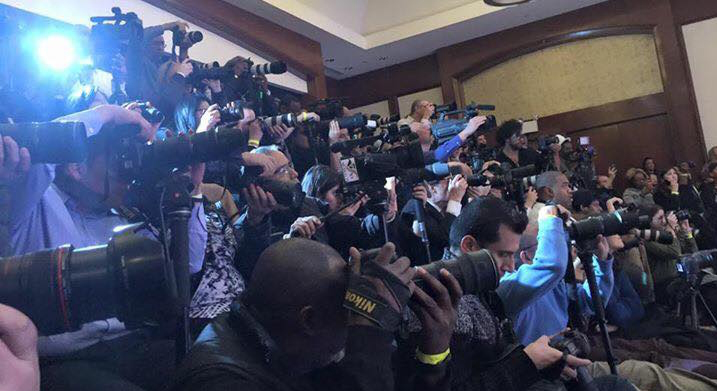
Why it matters: This directly dictates who gets to shoot, under what terms, and who controls the downstream commercial value of the imagery, affecting freelance viability and publication commissioning logic.
Context: Fashion weeks have increasingly tightened media access to control brand narrative and monetize official content, moving from open press to credentialed tiers that separate editorial from advertising workflows.
"A. People who either work or freelance for bona fide media outlets can apply. This includes photographers, videographers, editors, influencers and bloggers. Preference is given to members of the press who regularly." — COUTUREFASHIONWEEK
Commentary: The policy formalizes the event as a rights-holder and licensor, not just a venue. It pushes commercial negotiation post-capture, forcing photographers and outlets to either operate within narrow editorial confines or engage in a separate, likely more expensive, licensing pipeline. This will advantage agencies with pre-negotiated commercial agreements and disadvantage independent freelancers seeking to monetize their runway work directly.
Date: April 30, 2026 12:00 AM ET
URL: https://www.couturefashionweek.com/press-accreditation/
AI Sentiment Score: Positive (50%)
AI Credibility Score: 7.0/10 — Medium
Scores and text generated by AI analysis of the source article indicated.
Dipping my Camera into Fashion, with Tessa Thompson and Prabal Gurung for the Met Gala (Dinalitovsky.Substack)
Summary: Photographer Dina Litovsky details her transition from documentary work into editorial fashion photography, using a high-profile Met Gala commission for Prabal Gurung featuring Tessa Thompson as a case study. She describes overcoming a ‘documentary preset’ through in-camera distortion techniques and navigating the ‘dizzying infinite possibilities’ of post-production. The piece outlines her workflow for building a cohesive portfolio from fast-paced, 20-minute hotel room shoots, emphasizing the labor of developing a distinct visual language within the genre.
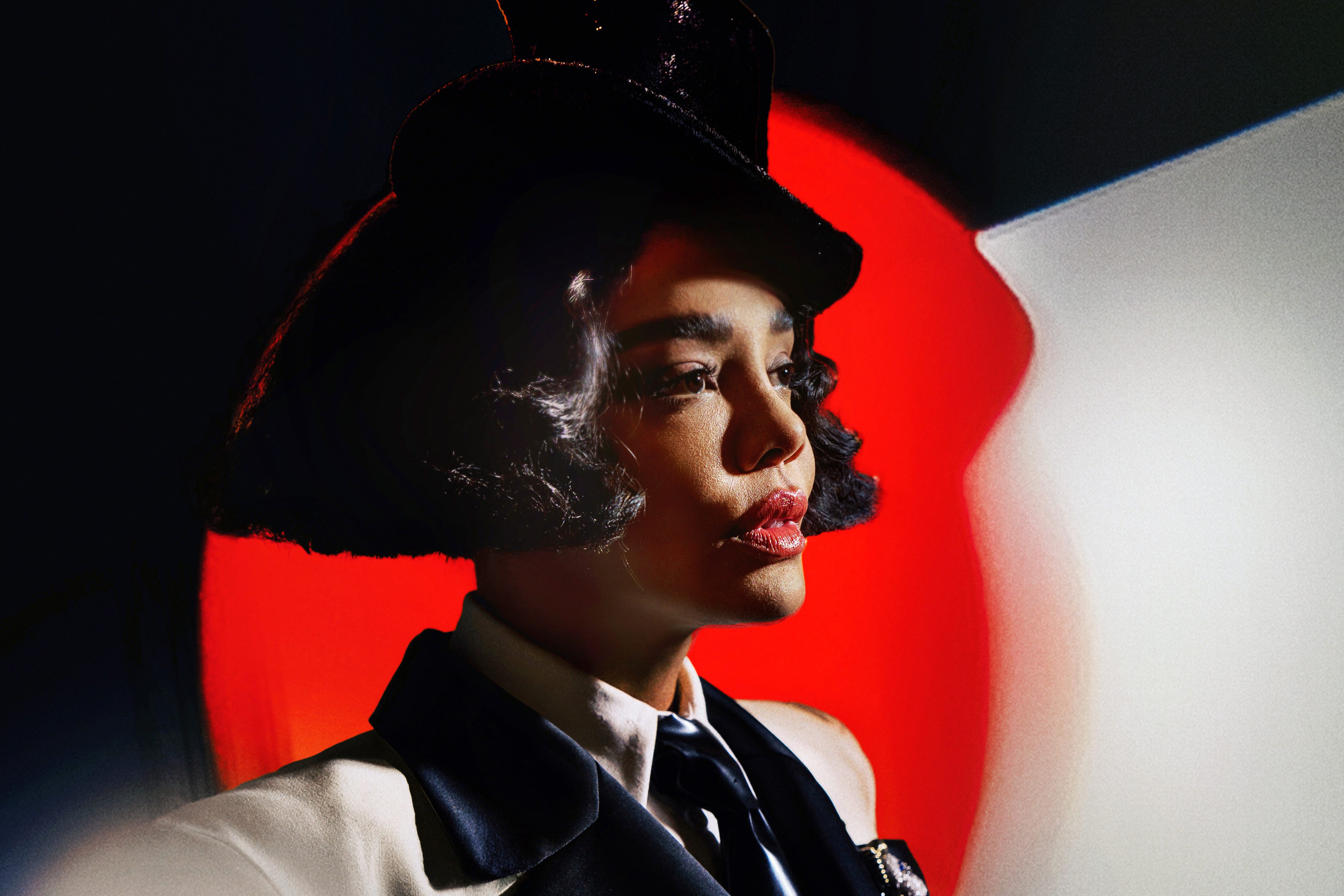
Why it matters: It reveals the operational and creative pressures on photographers crossing into high-stakes fashion editorial, highlighting the commissioning economics and aesthetic negotiation inherent in celebrity-driven brand campaigns.
Context: The Met Gala represents a peak commissioning moment for designers and photographers, where commercial brand needs intersect with editorial prestige under extreme time and access constraints.
"Each shoot was fast, no more than 20 minutes in a small hotel room. I used my bag of tricks to create images out of context and build a different environment for each person. I had a vague idea of where I wanted to go based on the emotional register of the outfits, but the final portfolio was ironed out in post-production." — DINALITOVSKY.SUBSTACK
Commentary: This workflow underscores a shift where the photographer’s role is less about capturing a pre-visualized scene and more about rapid, generative on-set experimentation, with the final narrative constructed in post. It signals a demand for photographers who can deliver high-concept imagery under severe logistical constraints, elevating post-production and art direction as primary cost centers over traditional on-set labor. For studios and crews, this pressures day rates and necessitates tighter integration between shooting and retouching teams. The explicit reliance on post to ‘iron out’ a portfolio reframes the shoot as a raw material capture phase, altering commissioning economics and skill-set valuation.
Date: April 30, 2026 12:00 AM ET
URL: https://dinalitovsky.substack.com/p/dipping-my-camera-into-fashion-with
AI Sentiment Score: Positive (60%)
AI Credibility Score: 9.4/10 — High
Scores and text generated by AI analysis of the source article indicated.
Post ID: 40059f41