Long-Form Worth Your Time
Radical Acceptance (Hiddenbrain)
Summary: Hidden Brain’s latest episode, part two of a conversation with behavioral scientist Dave Evans, examines the concept of ‘radical acceptance’—the practice of accepting reality as it is—and why it is psychologically difficult. The discussion positions this acceptance not as passive resignation but as a foundational step borrowed from design thinking, enabling individuals to build more satisfying lives even when external circumstances appear adequate.

Why it matters: In a culture saturated with optimization narratives and the pressure to find a singular ‘passion,’ understanding the liberating function of acceptance offers a counter-framework for navigating personal and professional stagnation.
Context: This episode continues a series exploring how unconscious beliefs can trap individuals, positioning ‘radical acceptance’ as a practical tool within the broader ‘design thinking’ toolkit applied to life design.
"Hidden Brain explores the unconscious patterns that drive human behavior and questions that lie at the heart of our complex and changing world. Latest Episodes: Last week, we looked at the hidden." — HIDDENBRAIN
Commentary: The episode’s value lies in its operational reframing of a spiritual concept into a behavioral protocol, directly challenging the productivity-obsessed self-help industry. Its implications extend to workplace culture and personal well-being, suggesting that systemic friction often originates from internalized, unrealistic narratives rather than objective conditions.
Date: Mon, 4 May 2026 19:09:58 +0000
URL: https://www.hiddenbrain.org/
AI Sentiment Score: Negative (66%)
AI Credibility Score: 10.0/10 — High
Scores and text generated by AI analysis of the source article indicated.
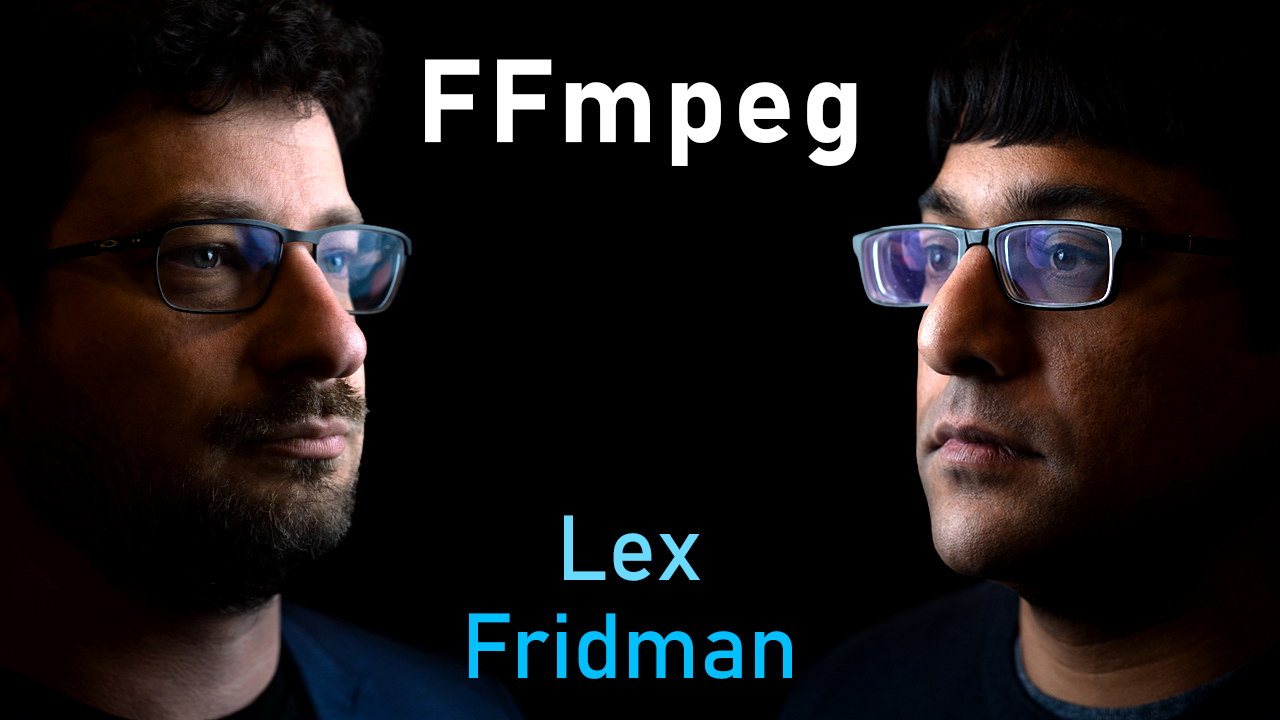
#496 – FFmpeg: The Incredible Technology Behind Video on the Internet (Lexfridman)
Summary: A conversation with lead developers of VLC and FFmpeg reveals the infrastructural politics and technical debt underpinning global video streaming. The discussion covers the reverse-engineering of proprietary codecs, the refusal of lucrative ad deals to keep VLC free, and the ongoing patent wars shaping next-generation codec development. It frames FFmpeg not as a mere tool but as a critical, under-maintained utility that silently enables most internet video, surviving on a mix of institutional support and volunteer labor.
Why it matters: The health and governance of foundational open-source projects like FFmpeg directly affect the reliability, cost, and innovation pace of the entire digital media ecosystem.
Context: Core internet infrastructure increasingly relies on underfunded open-source projects, creating systemic risk and concentrating power in the hands of a few corporate stewards.
"Podcast: Play in new window | Download Subscribe: Spotify | TuneIn | RSS Jean-Baptiste Kempf is lead developer of VLC and president of VideoLAN. Kieran Kunhya is a longtime FFmpeg contributor, codec." — LEXFRIDMAN
Commentary: The episode underscores a recurring pattern: critical digital infrastructure is maintained by a fragile coalition of volunteers and corporate engineers, leaving it vulnerable to burnout, patent litigation, and governance disputes. The discussion of turning down millions to keep VLC ad-free is less a feel-good story and more a stark indicator of the non-market pressures required to preserve a public good. The technical deep-dive into assembly optimization and codec reverse-engineering serves as a reminder that the ‘magic’ of seamless video is built on decades of accumulated, often precarious, institutional knowledge.
Date: Wed, 06 May 2026 22:06:47 +0000
URL: https://lexfridman.com/ffmpeg/
AI Sentiment Score: Negative (66%)
AI Credibility Score: 10.0/10 — High
Scores and text generated by AI analysis of the source article indicated.
674. How Does a Composer Feel After the World Premiere? (Freakonomics)
Summary: Great. Then depressed. Then great again.

Why it matters: Examining the emotional and professional lifecycle following a major artistic debut offers insight into creative capital.
Context: The piece analyzes the emotional arc of a composer post-premiere, touching on broader themes of artistic valuation.
"Great. Then depressed. Then great again. Stephen Dubner gets the full story from David Lang; we also hear from some fans, and the New York Philharmonic’s president. The math and the aftermath." — FREAKONOMICS
Commentary: The signal is still worth tracking, but the current extraction path did not yield enough body text for a fuller analytical read. The immediate implication is operational rather than speculative: watch how this changes budgets, workflows, or risk assumptions over the next cycle.
Date: Fri, 8 May 2026 10:00:00 +0000
URL: https://freakonomics.com
AI Sentiment Score: Neutral (50%)
AI Credibility Score: 10.0/10 — High
Scores and text generated by AI analysis of the source article indicated.
The 30 Greatest Living American Songwriters (Nytimes)
Summary: The New York Times Magazine has published a list of the 30 greatest living American songwriters, the product of a year-long process involving thousands of ballots from industry insiders and final curation by a panel of critics. The methodology and final selections, discussed in an accompanying podcast, reveal the criteria and tensions inherent in such a canonical exercise, including the notable exclusion of figures like Billy Joel.

Why it matters: Such lists function as cultural power maps, signaling institutional validation and shaping legacy narratives within the creative economy.
Context: Canon-making by major cultural institutions is a recurring exercise that consolidates authority and often sparks debate over artistic merit versus commercial or popular influence.
"The answer involved thousands of voting ballots, hundreds of music industry insiders and a series of closed-door meetings among a small group of music experts." — NYTIMES
Commentary: The process—a blend of democratic polling and elite curation—highlights the ongoing tension between popular consensus and critical gatekeeping in defining artistic greatness. The exclusions are as telling as the inclusions, marking shifting boundaries of genre prestige and generational influence within the American songbook.
Date: Sun, 3 May 2026 10:00:00 +0000
URL: https://www.nytimes.com/the-daily
AI Sentiment Score: Negative (50%)
AI Credibility Score: 10.0/10 — High
Scores and text generated by AI analysis of the source article indicated.
Post ID: d447a311