Frontotemporal Signals
Frontotemporal Dementia: Identifying & Managing Behavioral … (Practicalneurology)
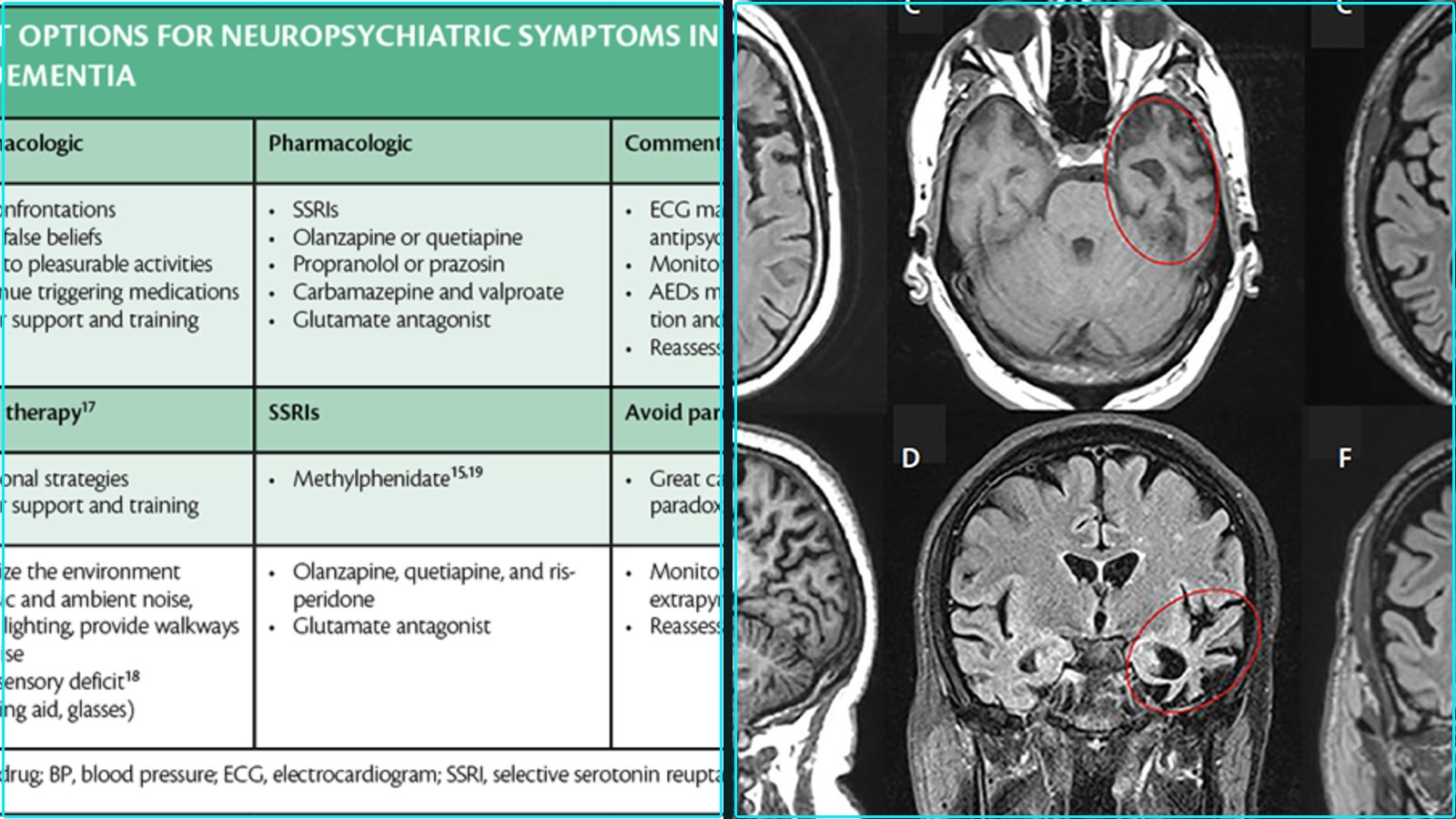
Summary: A clinical review outlines the severe limitations and risks of psychotropic medication for managing neuropsychiatric symptoms (NPS) in frontotemporal dementia (FTD). It emphasizes a structured, time-limited approach to prescribing, noting that antipsychotics carry a black box warning for increased mortality, while alternatives like dextromethorphan-quinidine show promise but have side effects. The evidence for antidepressants is mixed, and benzodiazepines are discouraged.
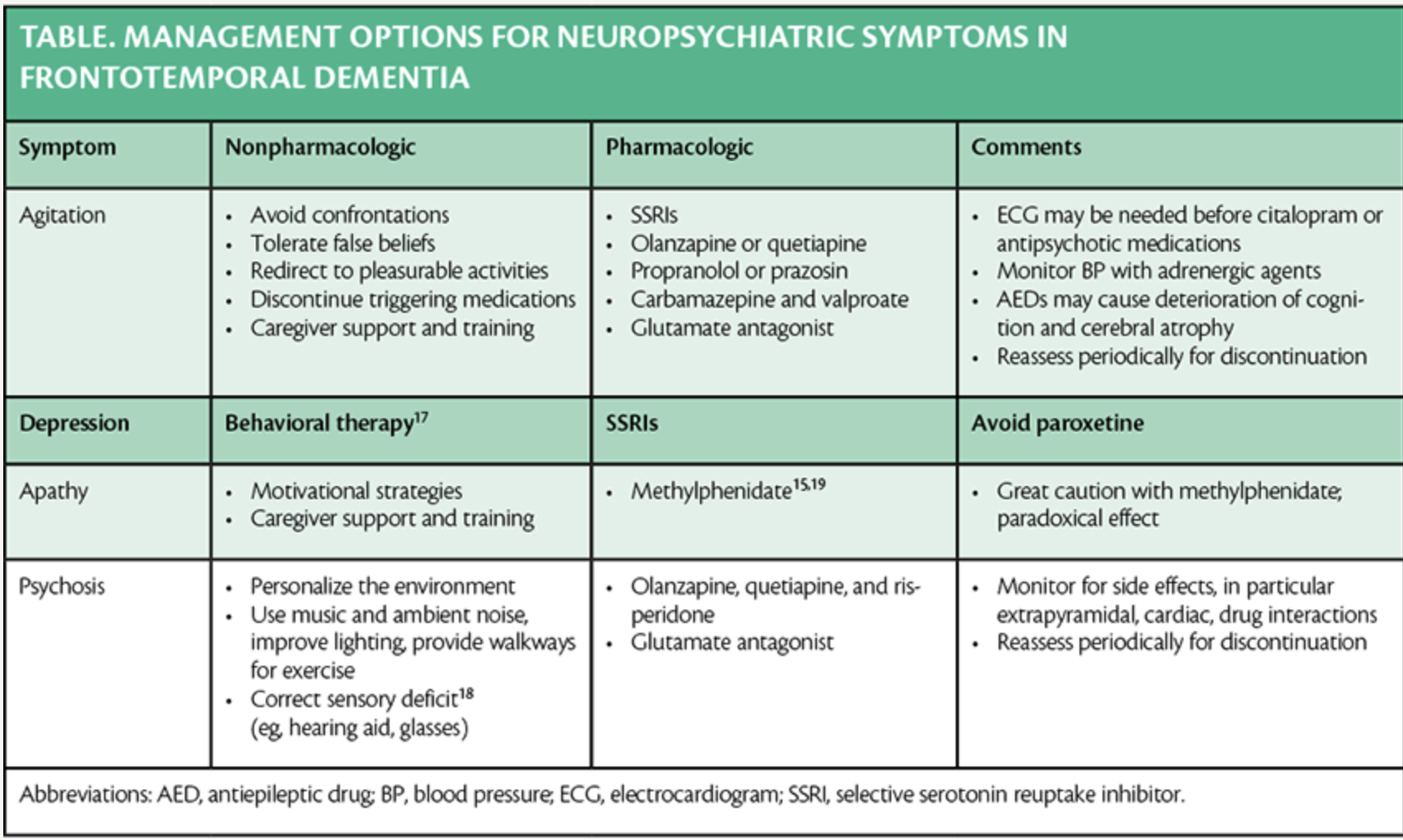
Why it matters: This formalizes a shift toward extreme caution in FTD pharmacotherapy, directly challenging widespread clinical practice and exposing systemic liability.
Context: FTD management has long relied on off-label psychotropics despite poor evidence, creating a high-risk, low-reward standard of care that regulators and payers are increasingly scrutinizing.
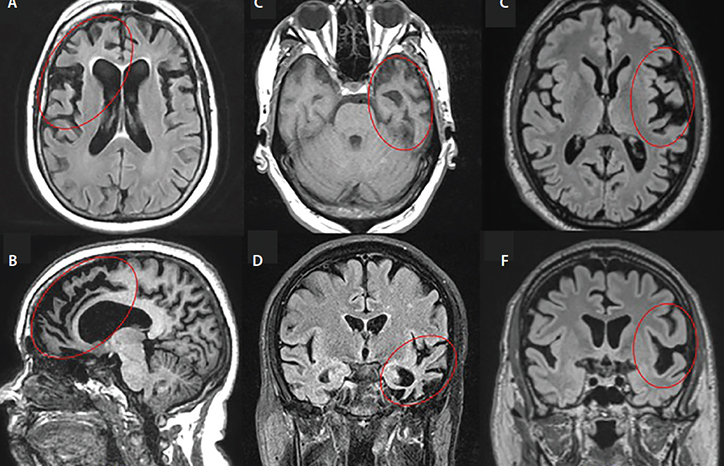
"Frontotemporal dementia (FTD) refers to a group of clinically, pathologically, and genetically heterogeneous neurodegenerative disorders characterized by progressive atrophy of the frontal or temporal lobes of the brain.^1^ FTD is associated with." — PRACTICALNEUROLOGY
Commentary: The article codifies a defensive, protocol-driven stance that could reshape neurology and psychiatry practice, forcing deprescribing initiatives and shifting liability to clinicians who prescribe indefinitely. It signals a broader reckoning for dementia care, where behavioral interventions and non-pharmacological supports must fill the vacuum left by retreating drug options.
Date: May 04, 2026 12:00 AM ET
URL: https://practicalneurology.com/archives/aug-2025-issue/identifying-and-managing-behavioral-disturbances-in-those-living-with-frontotemporal-dementia/36696/
AI Sentiment Score: Positive (50%)
AI Credibility Score: 10.0/10 — High
Scores and text generated by AI analysis of the source article indicated.
Frontotemporal Dementias – – Practical Neurology (Practicalneurology)
Summary: ^40^ Variants in TMEM106B appear to be protective via delayed onset of C9ORF72- and GRN-associated FTLD.^41^ … Pathologic tau or TDP-43 aggregations account for most cases of FTLD, with FUS inclusions in most of the remaining 10%.^42^ Tau aggregations can be found in people with bvFTD, nfaPPA, and MAPT-associated FTD, but are rare in those with svPPA. …
Why it matters: This matters for Alzheimer’s Disease and Frontal Temporal Dementia because it gives a concrete current signal to track: ^40^ Variants in TMEM106B appear to be protective via delayed onset of C9ORF72- and GRN-associated FTLD.^41^ …
Context: ^40^ Variants in TMEM106B appear to be protective via delayed onset of C9ORF72- and GRN-associated FTLD.^41^ … Pathologic tau or TDP-43 aggregations account for most cases of FTLD, with FUS inclusions in most of the remaining 10%.^42^ Tau aggregations can be found in people with bvFTD, nfaPPA, and MAPT-associated FTD, but are rare in those with svPPA. …
"^40^ Variants in TMEM106B appear to be protective via delayed onset of C9ORF72- and GRN-associated FTLD.^41^ … Pathologic tau or TDP-43 aggregations account for most cases of FTLD, with FUS inclusions." — PRACTICALNEUROLOGY
Commentary: The immediate implication is operational rather than speculative: watch how this changes budgets, workflows, or risk assumptions over the next cycle.
Date: May 05, 2026 12:00 AM ET
URL: https://practicalneurology.com/diseases-diagnoses/alzheimer-disease-dementias/frontotemporal-dementias/31537/
AI Sentiment Score: Negative (66%)
AI Credibility Score: 10.0/10 — High
Scores and text generated by AI analysis of the source article indicated.
Frontotemporal degeneration (FTD) – Paris Brain Institute (Parisbraininstitute)
Summary: Around 50% of frontotemporal dementias are hereditary, caused by a genetic mutation carried by genes located on different chromosomes. These genes code for proteins such as progranulin, the tau protein and others whose role is still largely unknown. …
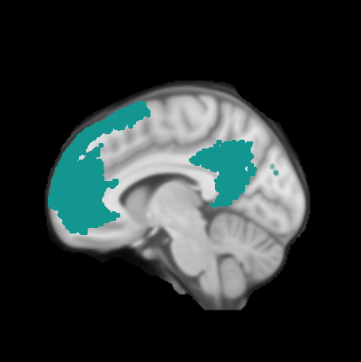
Why it matters: This matters for Alzheimer’s Disease and Frontal Temporal Dementia because it gives a concrete current signal to track: Around 50% of frontotemporal dementias are hereditary, caused by a genetic mutation carried by genes located on different chromosomes.
Context: Around 50% of frontotemporal dementias are hereditary, caused by a genetic mutation carried by genes located on different chromosomes. These genes code for proteins such as progranulin, the tau protein and others whose role is still largely unknown. …
"Around 50% of frontotemporal dementias are hereditary, caused by a genetic mutation carried by genes located on different chromosomes. These genes code for proteins such as progranulin, the tau protein and others." — PARISBRAININSTITUTE
Commentary: The immediate implication is operational rather than speculative: watch how this changes budgets, workflows, or risk assumptions over the next cycle.
Date: May 05, 2026 12:00 AM ET
URL: https://parisbraininstitute.org/disease-files/frontotemporal-degeneration-ftd
AI Sentiment Score: Negative (50%)
AI Credibility Score: 10.0/10 — High
Scores and text generated by AI analysis of the source article indicated.
Post ID: f540afd2