Media Production
The Brief: ‘Pouroscope’ Stations and Billboard Bars (Eventmarketer)
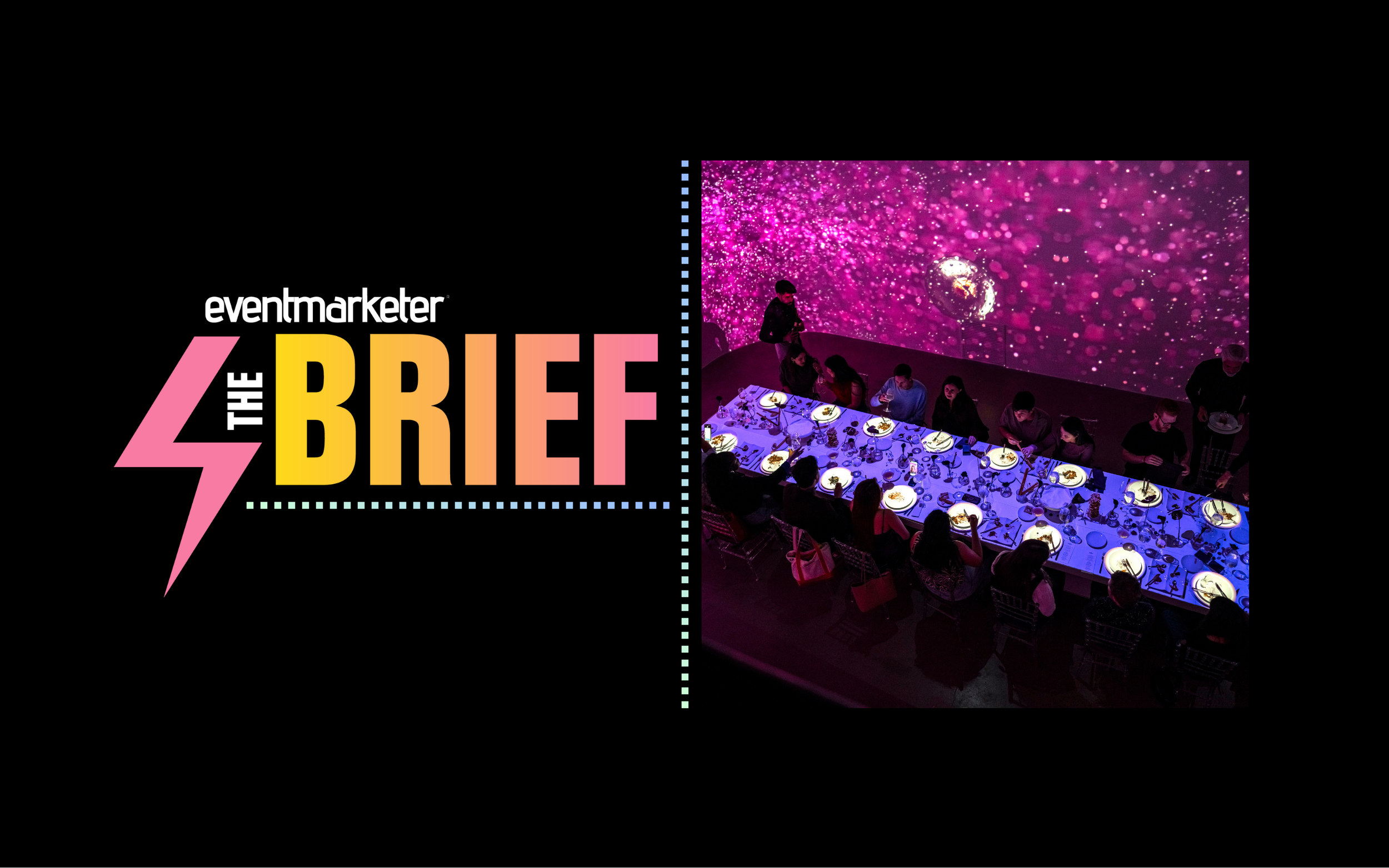
Summary: Experiential marketing campaigns are shifting from passive observation to interactive, data-driven installations. Teremana’s billboard-bar hybrid in LA invites physical interaction, McCormick’s Sensoria event transforms a flavor launch into a multisensory dining experience, and Torani’s Treat Truck tour collects real-time consumer preference data through gamified sampling. Taimi employs localized, persona-driven street theater to critique competitors, while Shipt leverages celebrity talent and domestic vignettes to narrativize its delivery service.
Why it matters: These activations demonstrate a move toward operationalizing experiential moments for direct consumer engagement, real-time market intelligence, and competitive narrative framing, directly impacting agency workflows, client ROI models, and location-based production logistics.
Context: Brands are increasingly demanding measurable outcomes from experiential budgets, pushing agencies beyond one-off spectacles toward integrated campaigns that blend physical interaction, data capture, and digital extension.
"FIVE THINGS TO KNOW THIS WEEK This week’s hot takes on hot topics in experiential marketing cover billboard bars, “Pouroscope” Stations and Sensoria: The Black Currant Experience. TEREMANA PLAYS PEEK-A-BOO WITH TEQUILA." — EVENTMARKETER
Commentary: The pivot to on-site data harvesting, as with Torani’s quiz and real-time aggregator, turns experiential production into a live focus group, requiring producers to integrate CRM and analytics tooling into physical builds. Simultaneously, the use of hyper-localized, community-specific staging by Taimi indicates a strategic shift from broad demographic targeting to precise cultural placement, demanding deeper location scouts and community liaison roles.
Date: Mon, 04 May 2026 22:23:35 +0000
URL: https://www.eventmarketer.com/article/brief-sensoria-the-black-currant-experience-pouroscope-stations/
AI Sentiment Score: Neutral (50%)
AI Credibility Score: 10.0/10 — High
Scores and text generated by AI analysis of the source article indicated.
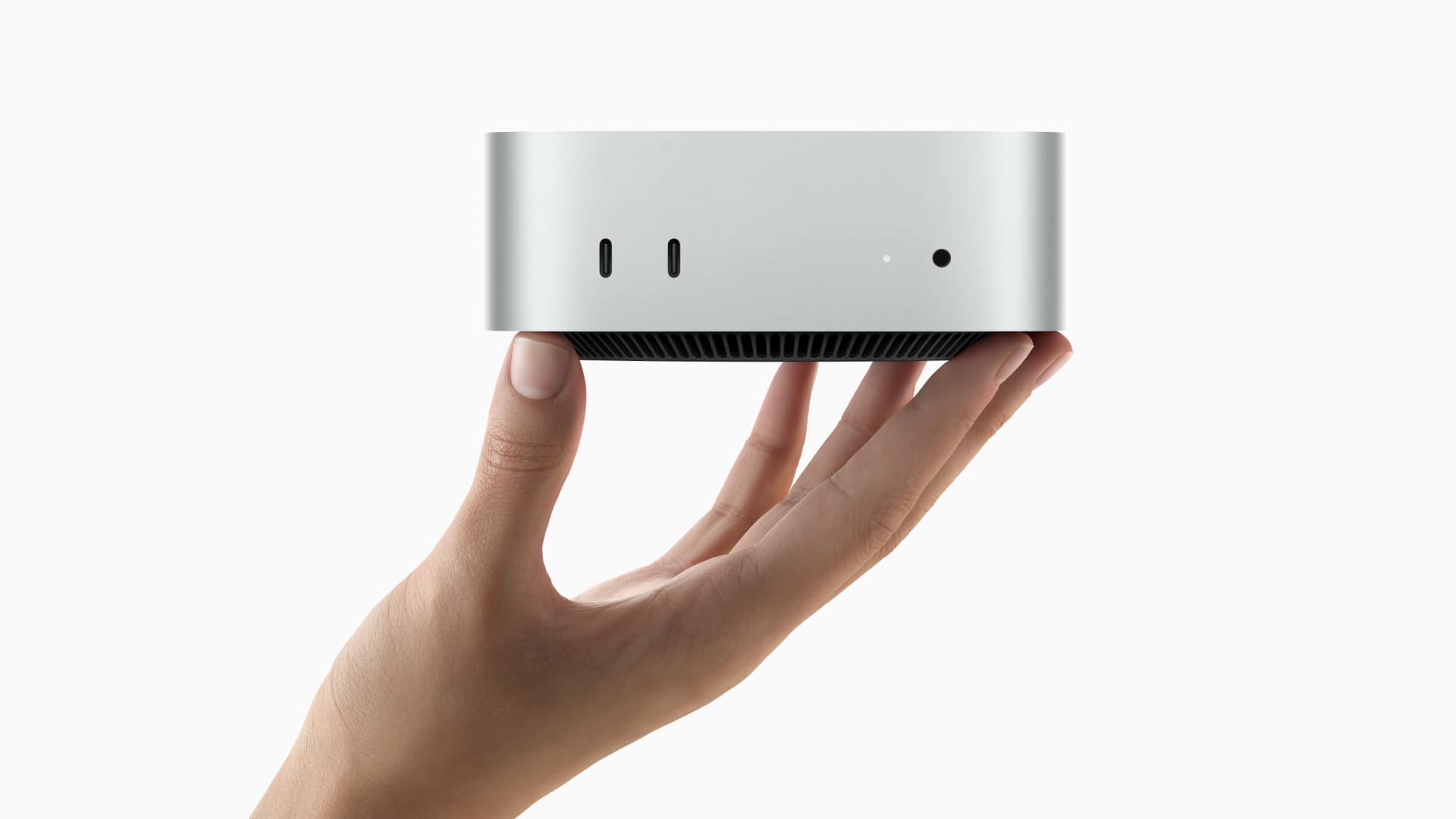
Apple Mac mini now starts at $799 after $599 model discontinued amidst shortages (Redsharknews)
Summary: Apple has discontinued the $599 base model Mac mini with 16GB RAM and 256GB storage, raising the effective entry price to $799. Combined with severe supply constraints and extended lead times for both the Mac mini and Mac Studio, this reflects overwhelming demand from users deploying local AI agents. CEO Tim Cook cited AI-driven demand outpacing forecasts and warned of rising memory costs. The situation coincides with industry-wide memory supply pressures and potential product refreshes later this year.
Why it matters: For production houses and post facilities, this constrains a critical, cost-effective pipeline node for rendering, simulation, and AI-assisted workflows, forcing budget and procurement reassessments.
Context: The Mac mini and Mac Studio have become foundational tools in media production for their balance of Apple Silicon performance, unified memory architecture, and relatively low entry cost, especially for GPU-accelerated and AI-driven tasks.
"The $799 model offering 512 GB of storage was priced at $799 at launch and remains the same. But that $200 is a third of the price again, which makes a huge difference at this entry level." — REDSHARKNEWS
Commentary: The removal of the lowest-cost SKU, framed as a supply issue, effectively institutes a permanent price floor increase for a core production tool. This could pressure facility managers to either absorb higher capital costs per seat, delay expansions, or re-evaluate render farm and remote workstation economics. The concurrent memory cost warnings suggest this is not a temporary inventory blip but a structural shift aligning Apple’s pro hardware pricing with its AI utility, decoupling it from the budget-conscious post-production segment.
Date: Mon, 04 May 2026 11:00:00 GMT
URL: https://www.redsharknews.com/apple-mac-mini-price-rises-599-discontinued
AI Sentiment Score: Negative (60%)
AI Credibility Score: 10.0/10 — High
Scores and text generated by AI analysis of the source article indicated.
Manscaped’s Whole‑Body Media Strategy (Adexchanger)
Summary: Manscaped CMO Marcelo Kertész details the brand’s strategic pivot from a niche below-the-belt grooming label to a whole-body platform, a move signaled by its first Super Bowl ad. The marketing budget has flipped from 70% lower-funnel to 70% upper-funnel spend, prioritizing brand lift and consideration over immediate sales attribution. Kertész, drawing on a background in high-stakes political campaigning, frames this as a manageable long-term brand-building exercise.

Why it matters: For production and marketing professionals, this illustrates a concrete operational shift in budget allocation and creative strategy for a DTC brand expanding its category, with implications for campaign planning and performance measurement.
Context: Direct-to-consumer brands often face a ‘joke brand’ ceiling when scaling beyond a single product; this case shows a deliberate, high-investment playbook to transcend it.
"Helping win a presidential election and running marketing for a ball trimmer brand have more in common than you’d think – at least if you’re Marcelo Kertész. Kertész, this week’s guest on." — ADEXCHANGER
Commentary: The budget flip is a significant operational change, forcing a re-evaluation of vendor contracts, creative agency briefs, and media-buying patterns toward brand-building assets. For production, this means a shift from conversion-optimized content to higher-concept, broadcast-quality work, as seen in the Super Bowl spot, altering the commissioning logic for in-house and external teams.
Date: Tue, 05 May 2026 10:00:46 +0000
URL: https://www.adexchanger.com/adexchanger-talks/manscapeds-whole-body-media-strategy/
AI Sentiment Score: Positive (60%)
AI Credibility Score: 10.0/10 — High
Scores and text generated by AI analysis of the source article indicated.
A “Pay-For-Performance” Ad Industry? Brands And Agencies Will Need A Referee (Adexchanger)
Summary: WPP’s move toward performance-based fees, citing Jaguar Land Rover, signals a structural shift in agency compensation as AI automation reduces the relevance of hourly billing. The transition faces hurdles: corporate budgeting constraints, volatile AI compute costs, and the critical need for robust, trusted measurement to attribute sales accurately. Third-party marketing mix modelers are positioned as essential referees in this new model, though widespread adoption remains distant.

Why it matters: A shift to pay-for-performance reallocates financial risk to agencies and demands new measurement infrastructure, directly impacting agency profitability, client contracts, and vendor relationships.
Context: This follows earlier moves by S4’s Monks toward subscription models, reflecting a broader industry push to align agency revenue with client outcomes rather than inputs.
"Without a robust measurement solution that both quantifies the effects of these events and delivers them in a manner all parties can believe, the agency will be wrongly punished for a brilliant campaign; brand executives will look at top-line sales and assume the worst. A potentially fruitful partnership will be dead within a year." — ADEXCHANGER
Commentary: The push for PFP exposes a fundamental tension: agencies seek to monetize AI efficiency, but ceding control over measurement to third-party referees like marketing mix modelers could commoditize their strategic role. For production and post teams, this accelerates pressure to demonstrate direct ROI per asset, potentially favoring modular, data-tagged content over bespoke campaigns. The realignment could force a reevaluation of vendor contracts, as compute resale and performance suggests become central to agency margins.
Date: Tue, 05 May 2026 04:35:04 +0000
URL: https://www.adexchanger.com/data-driven-thinking/a-pay-for-performance-ad-industry-brands-and-agencies-will-need-a-referee/
AI Sentiment Score: Negative (75%)
AI Credibility Score: 10.0/10 — High
Scores and text generated by AI analysis of the source article indicated.
NASA Roman Space Telescope set for September 2026 launch (Redsharknews)
Summary: NASA’s Nancy Grace Roman Space Telescope, a next-generation infrared observatory built around a repurposed spy satellite mirror, is fully assembled and now scheduled for a September 2026 launch—eight months ahead of schedule and under budget. Its Wide Field Instrument will generate 1.4 terabytes of data daily from a field of view 100 times larger than Hubble’s, making it the single biggest potential contributor to astronomical data ever conceived. The mission includes a coronagraph for direct exoplanet imaging and a microlensing survey expected to detect tens of thousands of planets.
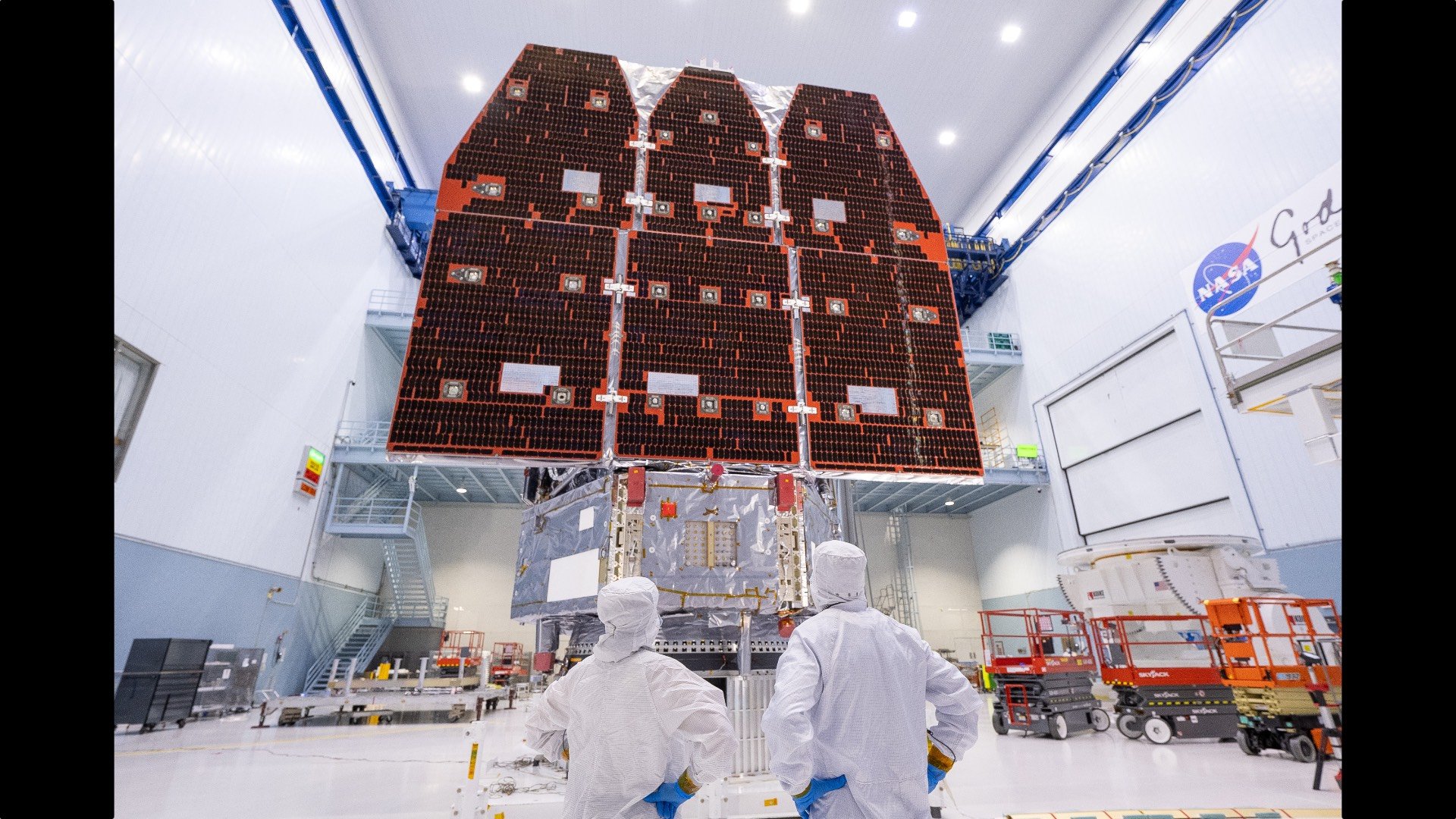
Why it matters: For media production and scientific visualization professionals, the Roman Telescope’s unprecedented data volume and survey scale will create a massive new pipeline of raw visual assets and discovery narratives, demanding new tools and workflows for processing, analysis, and public communication.
Context: This follows the operational model of Hubble and JWST, but with a deliberate shift from deep, targeted observations to wide-field, high-cadence surveying, fundamentally changing the data product from curated ‘portraits’ to exhaustive celestial censuses.
"NASA expects Roman to unveil more than 100,000 distant worlds, hundreds of millions of stars, and billions of galaxies during its primary mission, potentially making it the single biggest contributor to astronomical data ever conceived." — REDSHARKNEWS
Commentary: The operational tempo shifts from episodic, high-stakes deployments to a continuous firehose of standardized data. This could pressure downstream media pipelines—from scientific visualization studios to documentary producers—to automate ingestion and narrative framing, turning exoplanet discovery from a news event into a commodity data stream. The reuse of NRO hardware also signals a pragmatic, cost-driven procurement model that other large-scale science media projects may emulate.
Date: Mon, 04 May 2026 07:00:00 GMT
URL: https://www.redsharknews.com/nasa-roman-space-telescope-launch-2026
AI Sentiment Score: Negative (66%)
AI Credibility Score: 10.0/10 — High
Scores and text generated by AI analysis of the source article indicated.
Bose Lifestyle Ultra Speaker: a new rival for the Sonos Era 100 (Redsharknews)
Summary: Bose re-enters the competitive smart speaker market with its Lifestyle Ultra Speaker, a $299 three-driver unit positioned as a direct competitor to the Sonos Era 100. It serves as a modular entry point for a larger system, capable of operating solo, in stereo, or as rear channels in a 7.1.4 surround setup with Bose’s new soundbar and subwoofer. Notably, it lacks room correction at launch, a feature Bose says it is considering adding later, despite its presence in the full system configuration.
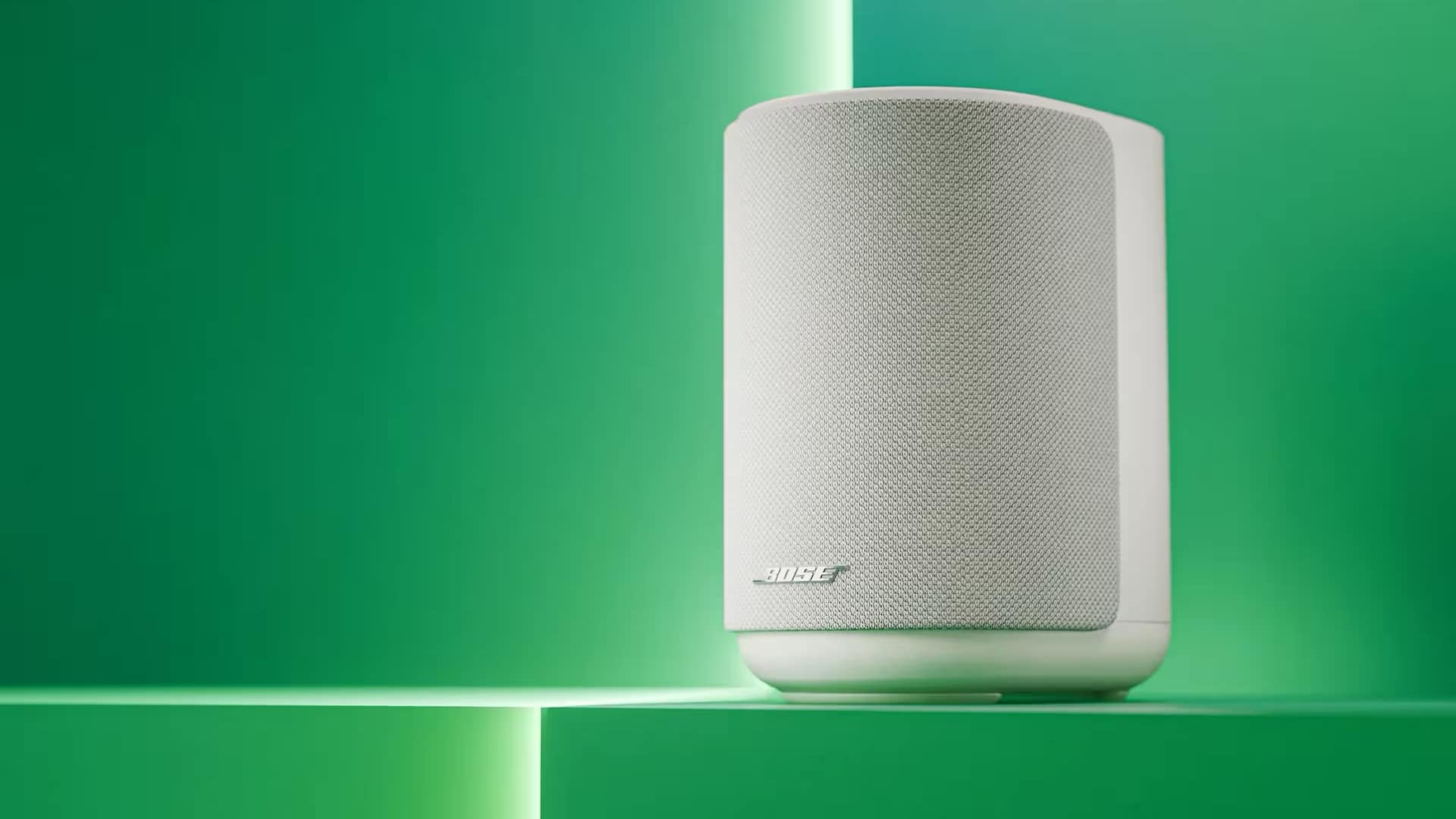
Why it matters: For audio professionals and integrators, Bose’s modular re-entry reshapes the competitive landscape for mid-tier reference and immersive audio setups, introducing a new, flexible component with ecosystem interoperability.
Context: The smart speaker and connected audio market has been dominated by Sonos and its tightly integrated ecosystem, with room correction becoming a standard expectation for premium audio products aimed at critical listening environments.
"Bose told The Verge it is looking into adding room correction for both single and stereo setups at a later date. Room calibration is present when the full system is running, so it should be hopefully an easy improvement to make." — REDSHARKNEWS
Commentary: The delayed room correction is a significant operational omission for a product targeting professional adjacent spaces; it introduces uncertainty for integrators and post-production suites considering it for calibrated environments. Its modularity and AirPlay/Google Cast grouping, however, offer a flexible, vendor-agnostic path that could disrupt lock-in strategies, making it a viable, upgradeable component for hybrid workflows.
Date: Wed, 06 May 2026 05:49:54 GMT
URL: https://www.redsharknews.com/bose-lifestyle-ultra-speaker-sonos-era-100
AI Sentiment Score: Neutral (33%)
AI Credibility Score: 10.0/10 — High
Scores and text generated by AI analysis of the source article indicated.
The Real Power Partners: AI and the Human Marketer (Chiefmarketer)
Summary: A CMO Council and WongDoody survey of nearly 400 senior marketing leaders reveals a widening performance gap between organizations that integrate AI and human marketers through redesigned workflows and those that do not. The ‘power partners’ report significantly stronger outcomes in campaign ROI, personalization, and customer lifetime value. The report identifies that non-power partners often treat AI as a productivity layer applied to broken processes, leading to fragile operations and role ambiguity. The central argument is that AI provides scale while humans provide meaning, and the future belongs to those who deliberately combine both.

Why it matters: For marketing operations, this delineates the operational and labor consequences of AI integration, moving beyond tool acquisition to workflow redesign and role clarification.
Context: This follows a broader industry pattern where initial AI adoption focused on task automation is now confronting limitations in brand voice, ethical governance, and strategic impact, forcing a reassessment of human roles in the loop.
"Why the strongest marketing results come from pairing machine intelligence with human judgment. AI isn’t the advantage. If it were, everyone using it would be winning. They’re not. Some marketing teams are." — CHIEFMARKETER
Commentary: The report quantifies the ROI of operational redesign over mere tool implementation, shifting the vendor conversation from feature sets to change management. For production pipelines, this means agencies and in-house studios must now architect workflows where AI handles volume and pattern detection, while human roles pivot explicitly to judgment, context, and ethical oversight, or risk scaling mediocrity.
Date: Tue, 05 May 2026 21:33:33 +0000
URL: https://www.chiefmarketer.com/the-real-power-partners-ai-and-the-human-marketer/
AI Sentiment Score: Negative (66%)
AI Credibility Score: 10.0/10 — High
Scores and text generated by AI analysis of the source article indicated.
ARRI Omnibar: modular battery-powered LED bar — 2 ft and 4 ft (Redsharknews)
Summary: ARRI launches the Omnibar, its first new lighting product since being acquired by Riedel Communications. It is a battery-powered, IP65-rated modular LED bar available in 2ft and 4ft lengths, featuring high color fidelity, pixel control, and magnetic optics. The system emphasizes scalability via daisy-chaining and offers versatile mounting options, including built-in magnets. It enters the market as one of ARRI’s most affordable fixtures, though it remains priced above many competing LED bars.
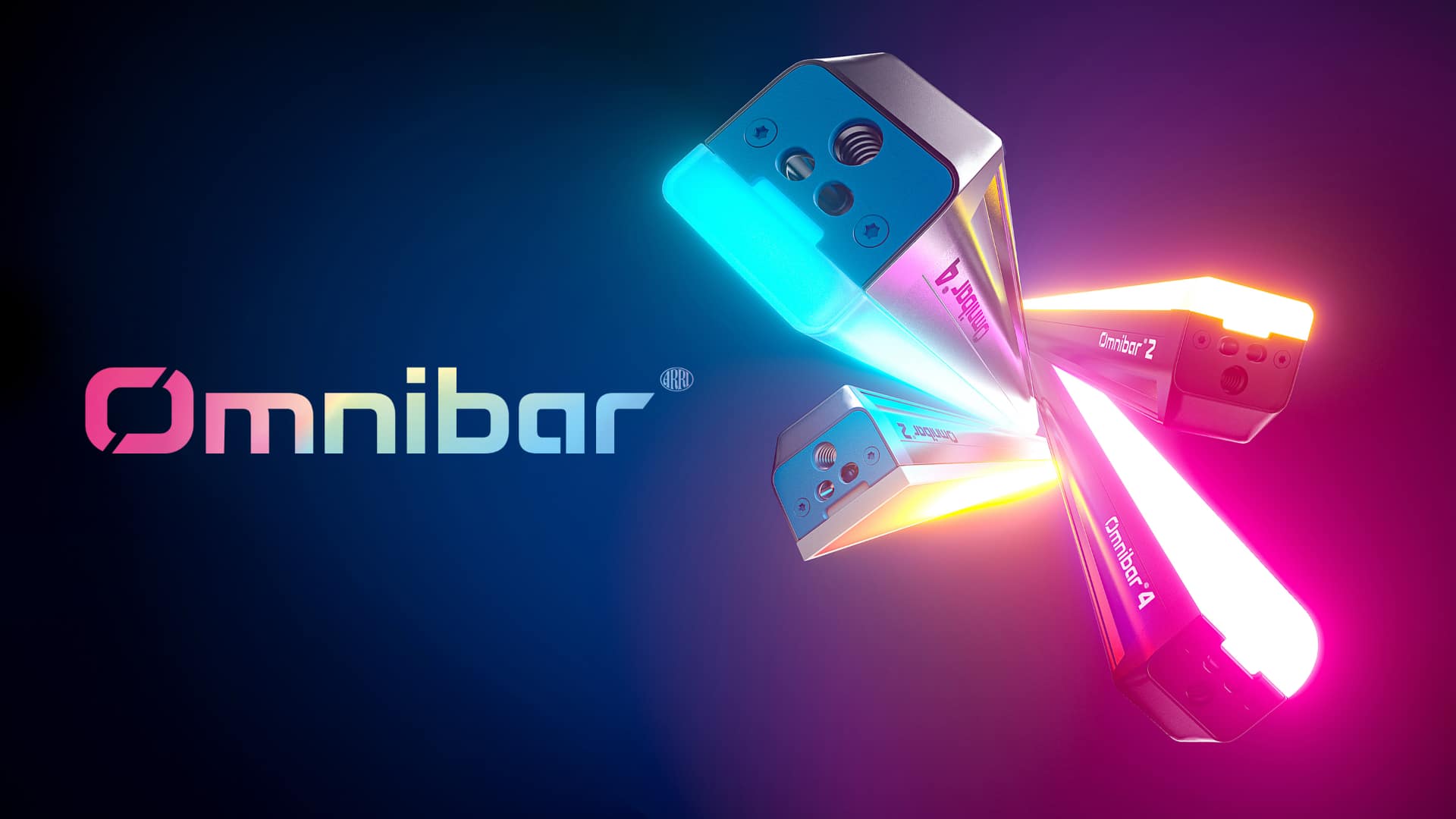
Why it matters: This product signals ARRI’s strategic direction under new ownership, targeting a broader market segment with a tool designed to streamline on-set workflow and expand creative flexibility for live events and in-camera effects.
Context: The launch follows ARRI’s acquisition by Riedel and represents a push into the high-end, portable LED market dominated by brands like Nanlite, focusing on modularity and ease of integration.
"It is also one of the most affordable lights ARRI has ever released, though it’s still expensive compared against the competition from the likes of Nanlite." — REDSHARKNEWS
Commentary: The Omnibar represents a calculated market expansion for ARRI, trading on its brand’s quality assurance to capture budget-conscious but performance-driven professional segments. Its modular, battery-first design directly addresses the growing demand for rapid-deployment, cable-free solutions in live event and run-and-gun production environments. The integrated CRMX and magnetic mounting system could shift on-set workflow, reducing rigging time and increasing placement flexibility for gaffers and DPs. However, its premium pricing versus direct competitors like Nanlite will test the loyalty of rental houses and indie crews, making its adoption a key indicator of ARRI’s post-acquisition market positioning.
Date: Tue, 05 May 2026 10:02:44 GMT
URL: https://www.redsharknews.com/arri-omnibar-battery-powered-led-bar
AI Sentiment Score: Negative (60%)
AI Credibility Score: 10.0/10 — High
Scores and text generated by AI analysis of the source article indicated.
Post ID: 3b3931ab