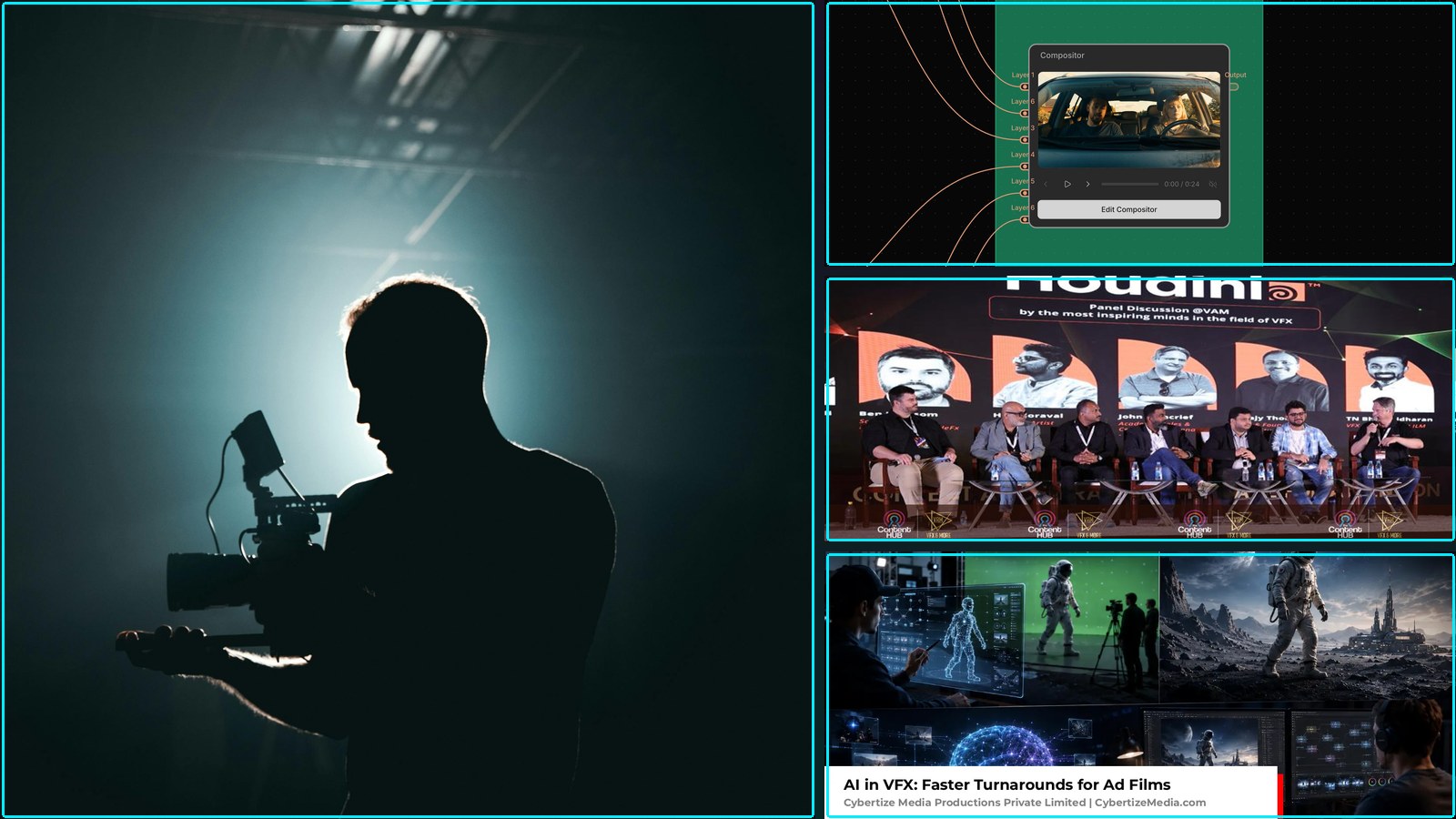
AI Integration in VFX & Filmmaking
AI Is Rewriting the VFX Rulebook in 2026 (Rosesonstudios)
Summary: AI integration into VFX pipelines has moved from experimental to operational in 2026, with concrete tools now accelerating roto, clean-up, de-aging, and environment work. Real-time engines like Unreal Engine 5 are delivering final-pixel rendering, while techniques like Gaussian splatting are entering production tools. This shift is validated by high-profile releases like Netflix’s ‘Frankenstein’, demonstrating AI-assisted content can meet Academy quality standards.

Why it matters: This directly impacts project budgeting, staffing models, and competitive positioning for studios and vendors, while redefining core skill requirements for artists.
Context: The VFX industry has long been defined by labor-intensive, frame-by-frame processes; AI promises to alter the fundamental economics of complex shots.
"It was artificial intelligence walking through the door of every VFX pipeline on the planet and quietly transforming how visual effects are created, budgeted, and delivered. … And the biggest disruptor driving." — ROSESONSTUDIOS
Commentary: The operational consequence is a compression of the VFX bid sheet: tasks that once justified large teams and weeks of schedule now require smaller crews and days. This pressures vendor margins and shifts leverage toward studios that control the AI toolchain. For artists, ‘AI literacy’ layered on core software proficiency becomes a non-negotiable for employability, effectively creating a two-tier labor market. The quality ceiling for mid-sized studios rises, potentially redistributing work away from the largest facilities that previously monopolized the most complex shots.
Date: May 21, 2026 12:00 AM ET
URL: https://www.rosesonstudios.com/post/ai-is-rewriting-the-vfx-rulebook-in-2026-what-every-filmmaker-needs-to-know
AI Sentiment Score: Neutral (50%)
AI Credibility Score: 9.5/10 — High
Scores and text generated by AI analysis of the source article indicated.
AI on the virtual stage – Definition (Definitionmagazine)
Summary: AI integration into virtual production pipelines is accelerating, with studios like London’s Quite Brilliant and Warsaw’s Veles Productions deploying generative tools and Gaussian splatting to create environments faster and at lower cost than traditional 3D engines. This shift is enabling hybrid workflows that combine real sets, traditional CGI, and AI-generated backdrops, fundamentally altering the economics of complex shots. The legal landscape for AI-generated assets remains undefined, prompting studios to adopt pragmatic, ‘sandboxed’ approaches to training data and IP. Demand is rising for specialists who can navigate the rapidly evolving ecosystem of AI models and wrappers.
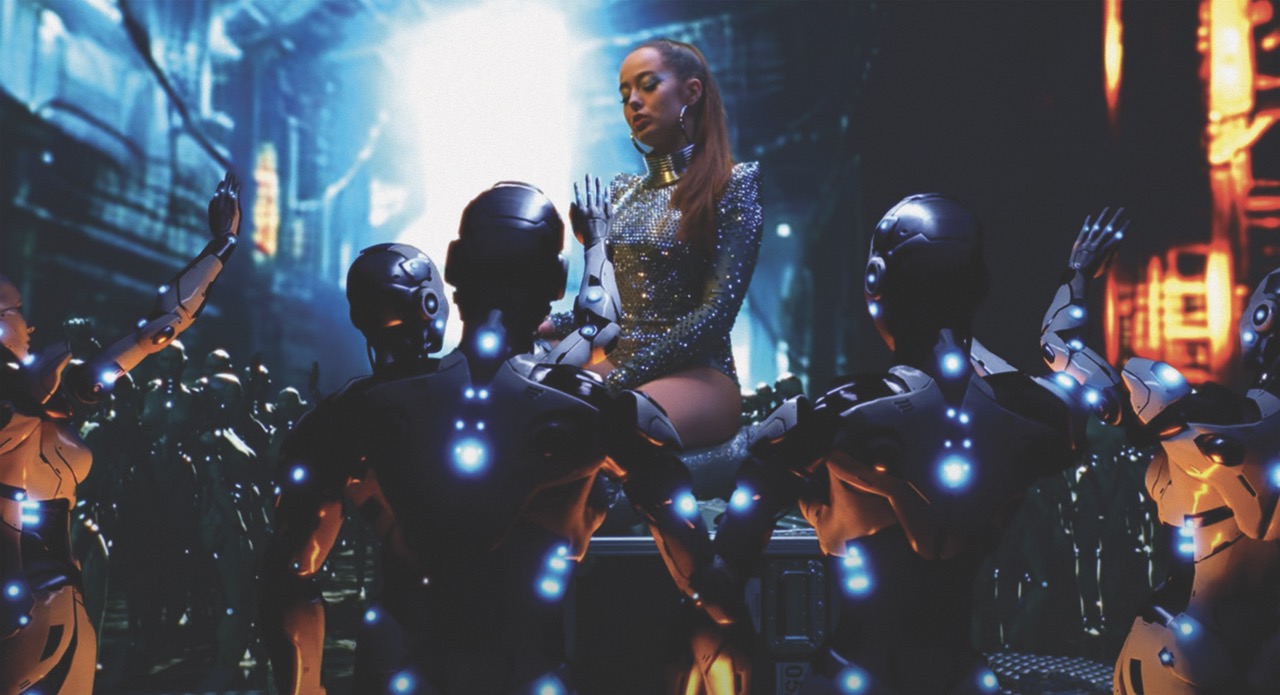
Why it matters: This directly pressures vendor pricing models for complex 3D environments and shifts the labor mix toward AI-specialized technical artists, while introducing new legal and IP risks into the commissioning pipeline.
Context: Virtual production has relied on game engines like Unreal for real-time 3D, but the cost and time for high-fidelity assets remain high. Gaussian splatting and generative AI promise photorealistic outputs with less manual labor.
"AI on the virtual stage Posted on May 10, 2026 by Admin Artificial intelligence is transforming film and television production, and creeping inside the LED volumes of virtual studios too. While still." — DEFINITIONMAGAZINE
Commentary: The move from a full 3D asset pipeline to prompt-based generation collapses weeks of specialized labor into hours, threatening the business model of high-end environment vendors and forcing a re-evaluation of shot complexity budgets. This isn’t just efficiency gain; it’s a step-function reduction in the marginal cost of photorealistic backgrounds, which will compress bids for volume work and make bespoke Unreal builds a premium option reserved only for shots requiring full interaction.
Date: May 20, 2026 12:00 AM ET
URL: https://definitionmagazine.com/features/ai-on-the-virtual-stage/
AI Sentiment Score: Negative (58%)
AI Credibility Score: 10.0/10 — High
Scores and text generated by AI analysis of the source article indicated.
Tathastu Techno Solution & SideFX bring procedural VFX innovation to centre stage at VAM Summit x Content Hub 2026 (Animationxpress)
Summary: Tathastu Techno Solution and SideFX used the VAM Summit x Content Hub 2026 to stage sessions on procedural workflows and Houdini-driven VFX production. The event featured a panel on AI integration and pipeline evolution, plus a detailed VFX breakdown for a specific film project. Organizers noted strong engagement from India’s VFX community, including students, artists, and studios.
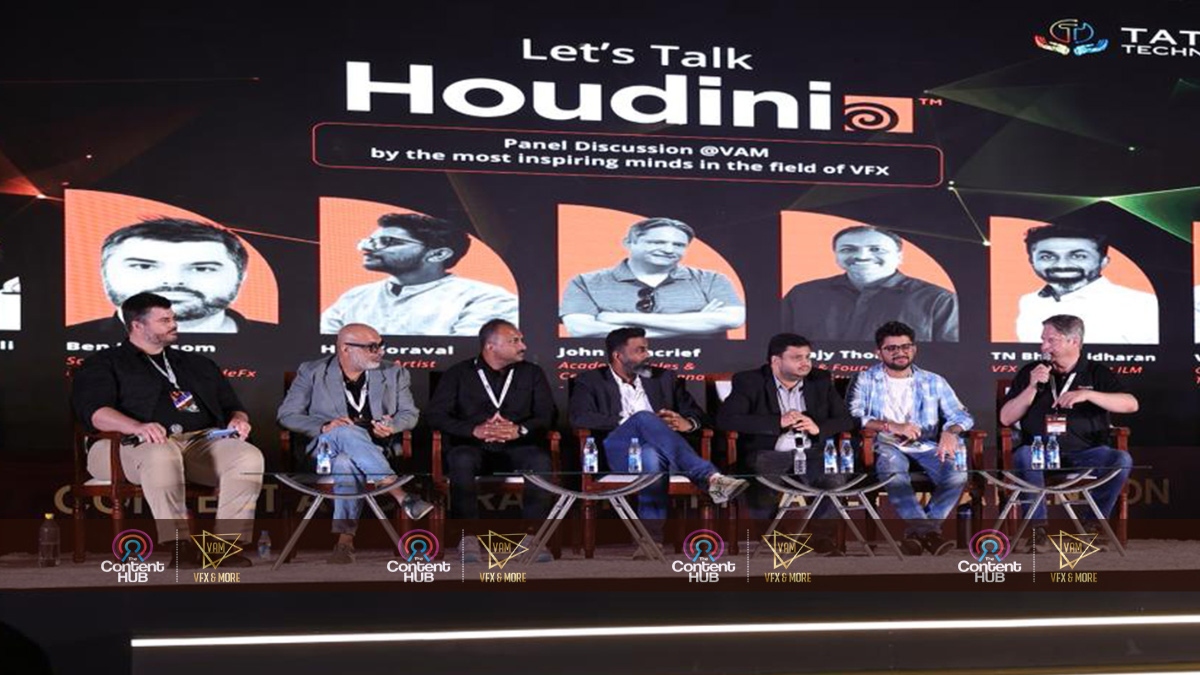
Why it matters: This signals the maturation of India’s VFX sector, moving from pure service provision to active development and adoption of advanced procedural techniques, which directly impacts vendor competitiveness and global staffing models.
Context: India’s VFX industry has been scaling rapidly, but a focus on procedural tools like Houdini indicates a strategic shift towards higher-value, complex shot work and a more integrated global pipeline.
"The response across our sessions reflects the growing interest in advanced workflows and industry-driven learning within India’s VFX community." — ANIMATIONXPRESS
Commentary: The event functions as a market signal: India’s talent pool is being systematically upskilled in high-end procedural tools, which could pressure global vendors on cost for complex simulation and environment work. This accelerates the offshoring of technically intensive VFX shots and could reshape bidding for mid-tier feature and episodic content.
Date: May 19, 2026 12:00 AM ET
URL: https://animationxpress.com/latest-news/tathastu-techno-solution-sidefx-bring-procedural-vfx-innovation-to-centre-stage-at-vam-summit-x-content-hub-2026/
AI Sentiment Score: Negative (50%)
AI Credibility Score: 10.0/10 — High
Scores and text generated by AI analysis of the source article indicated.
How AI Is Revolutionizing Filmmaking in 2026 (Thehiddenreview)
Summary: AI integration in filmmaking has matured from experimental to operational, embedding itself across pre-production, on-set, and post-production workflows. In VFX and CGI, machine learning models now handle routine tasks like rotoscoping and background replacement, while AI-generated environments feed virtual production stages. This shifts artist roles toward creative oversight and accelerates prototyping for both studios and independents.

Why it matters: For VFX vendors and artists, this redefines labor economics, skill requirements, and bidding leverage on complex shots.
Context: The industry has been cautiously adopting AI-assisted tools for several years, with 2026 marking a tipping point toward systematic, pipeline-wide deployment.
"Background replacement, sky swaps, crowd duplication, cleanup and rotoscoping are now routinely assisted—or entirely handled—by machine‑learning models, leaving VFX artists to focus on creative decisions instead of repetitive technical tasks." — THEHIDDENREVIEW
Commentary: The operational consequence is a compression of the VFX bid sheet: studios will expect faster turnarounds on routine shots, pressuring vendor margins unless they adapt their pricing models. This elevates the creative supervisor role but may thin the ranks of junior technical artists, altering career pathways and training pipelines. For independents, it democratizes access to polished visuals, but also floods the market with credible proof-of-concept work, raising the quality floor for professional commissioning.
Date: May 18, 2026 12:00 AM ET
URL: https://thehiddenreview.com/2026/05/18/how-ai-is-revolutionizing-filmmaking-in-2026/
AI Sentiment Score: Neutral (50%)
AI Credibility Score: 9.1/10 — High
Scores and text generated by AI analysis of the source article indicated.
Global Filmmakers Are Leveraging Kling AI to Push the Boundaries of Storytelling, Cannes Panel Presents (Markets.Businessinsider)
Summary: At Cannes 2026, Kling AI showcased three feature films in production using its platform, including South Korea’s first full-length AI-generated feature, ‘Raphael’. The company also announced an exclusive ‘Technological Brand Partner’ deal with UK-based Evolutionary Films for the animated feature ‘MINIBOTS’. This signals a move from experimental use to formal, branded integration into major production pipelines.
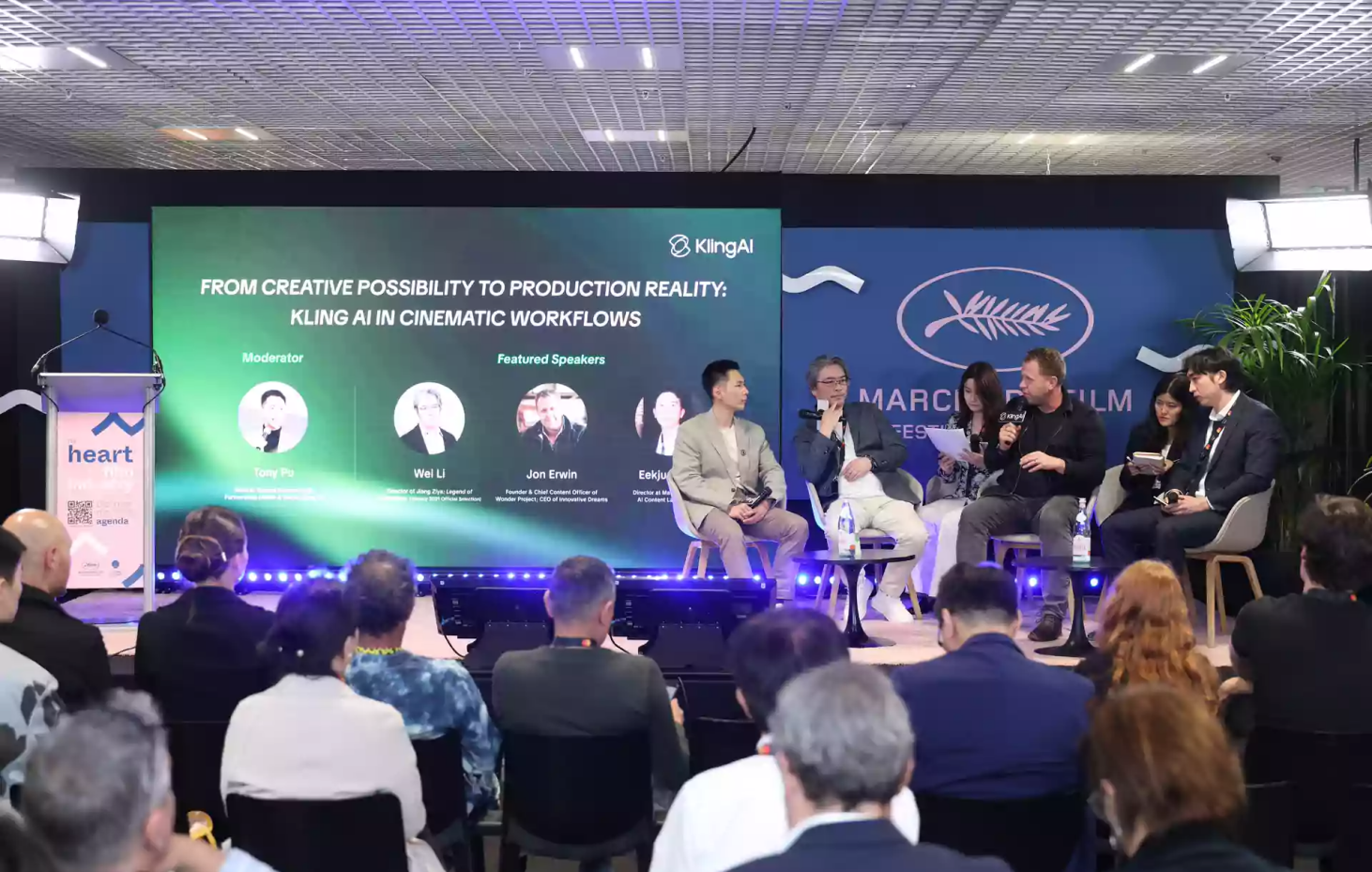
Why it matters: This formalizes AI vendors as core, credited partners in feature film financing and production, shifting them from tool providers to stakeholders with equity in the final product’s market performance.
Context: AI video tools have moved rapidly from proof-of-concept shorts to being positioned as central to theatrical-scale productions, challenging traditional VFX vendor and studio financing models.
"Cannes, France, May 20, 2026 (GLOBE NEWSWIRE) — A shift is underway in the global film industry as creators across the globe embrace Kling AI to produce cinematic-level visuals and push the." — MARKETS.BUSINESSINSIDER
Commentary: The ‘Technological Brand Partner’ model is a new form of vendor financing and risk-sharing, where the AI platform’s success is tied directly to a film’s commercial outcome. This could pressure traditional VFX houses to offer similar equity-based partnerships, fundamentally altering the economics of complex shot production. It also concentrates creative pipeline influence with a single platform, creating new dependencies for studios.
Date: May 20, 2026 12:00 AM ET
URL: https://markets.businessinsider.com/news/stocks/global-filmmakers-are-leveraging-kling-ai-to-push-the-boundaries-of-storytelling-cannes-panel-presents-1036178229
AI Sentiment Score: Negative (60%)
AI Credibility Score: 10.0/10 — High
Scores and text generated by AI analysis of the source article indicated.
Deep Fusion taps Max Alexander to oversee EXR-capable AI/VFX pipeline (Postmagazine)
Summary: Deep Fusion, a UK-based production and tech developer, has appointed Max Alexander, formerly of Vine FX, to lead its new DFX division. The division is focused on providing generative AI services to third parties, specifically by integrating AI models with traditional VFX workflows to produce broadcast-quality outputs in high-fidelity formats like ProRes 444XQ and EXR. This move signals a strategic push to professionalize generative video, moving it beyond low-bit-rate consumer models.

Why it matters: This signals a maturation of generative AI from a novelty into a professional pipeline component, which could alter vendor economics and staffing models for complex shots.
Context: The VFX industry is grappling with how to integrate generative AI without sacrificing quality or artist control, amid widespread concerns over cost pressure and workflow disruption.
"DFX bridges this gap by combining generative AI with traditional CGI, compositing and artist-driven finishing. The result is high-fidelity, professional-grade assets delivered in formats like ProRes 444XQ and EXR." — POSTMAGAZINE
Commentary: Deep Fusion’s DFX pipeline represents a vendor-led attempt to capture the high-margin, quality-sensitive segment of the AI-VFX market. By focusing on EXR/ProRes output and artist-driven finishing, they are betting that studios will pay a premium for AI-assisted workflows that don’t compromise on broadcast specs. This could pressure larger VFX houses to develop similar hybrid offerings or risk ceding ground on cost-effective, high-complexity shots. Success hinges on whether the promised quality ceiling and throughput gains materialize at a scale that justifies the operational shift.
Date: Thu, 14 May 2026 07:00:00 GMT
URL: https://www.postmagazine.com/Press-Center/Daily-News/2026/Deep-Fusion-taps-Max-Alexander-to-oversee-EXR-ca.aspx
AI Sentiment Score: Negative (54%)
AI Credibility Score: 10.0/10 — High
Scores and text generated by AI analysis of the source article indicated.
AI-VFX Pipeline in 2026: What Studios Really Use (Digikorevfx)
Summary: A 2026 industry assessment clarifies that AI’s primary role in high-end VFX is workflow augmentation, not artist replacement. Studios are deploying machine learning tools for roto, cleanup, tracking, and previs to reduce repetitive tasks and improve turnaround times. Final creative control, shot consistency, and narrative quality remain firmly with experienced artists and supervisors. The operational shift is toward hybrid pipelines where AI supports production efficiency under tightening schedules.

Why it matters: For VFX vendors, supervisors, and studio production heads, this signals a concrete path for tool adoption that protects margins and quality while addressing labor-intensive bottlenecks.
Context: This counters a prevalent narrative of AI-driven displacement, instead detailing a pragmatic integration focused on throughput and cost management for complex shots.
"AI is another major shift, but its role in production is far more practical than most headlines suggest. In 2026, studios primarily use AI to improve workflow efficiency. It helps reduce repetitive." — DIGIKOREVFX
Commentary: The emphasis on roto and cleanup automation directly targets the highest-labor, lowest-glamour segments of the pipeline, where vendor profitability is most pressured. This creates leverage for studios to demand faster turnarounds without commensurate rate increases, potentially squeezing mid-tier vendors lacking in-house tooling teams. The explicit distinction from ‘full shot generation’ protects the premium billing of high-end houses but entrenches a two-tier market: those with capital to integrate AI-assisted workflows and those subcontracting the grunt work.
Date: May 19, 2026 12:00 AM ET
URL: https://digikorevfx.com/the-ai-vfx-pipeline-in-2026-what-hollywood-studios-are-actually-using-vs-whats-still-hype/
AI Sentiment Score: Negative (50%)
AI Credibility Score: 8.2/10 — High
Scores and text generated by AI analysis of the source article indicated.
Node-Based AI Compositors Are Reshaping VFX Workflows – Milik (Milik.Ai)
Summary: Node-based compositing, long a technical niche, is being productized as the core architecture for AI-native VFX platforms like Beeble Canvas. This shift moves compositing from a layer-based, per-shot assembly process to a procedural, graph-driven environment where AI models for rotoscoping, relighting, and video transformation are integrated nodes. The platform approach, extended via APIs like SwitchX, allows studios to embed these AI capabilities into existing custom pipelines for virtual production, look development, and final comp.
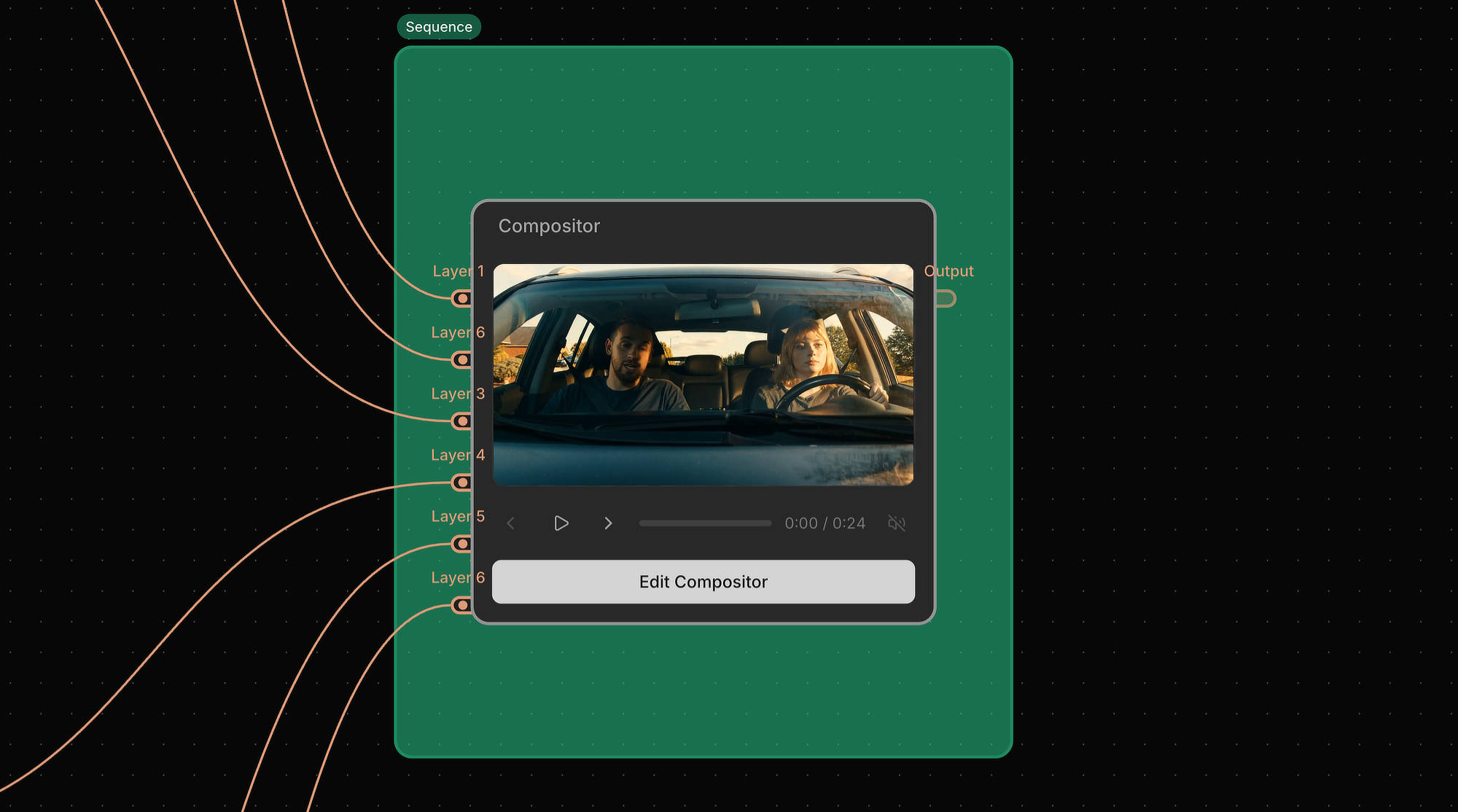
Why it matters: This signals a structural change in VFX vendor economics and artist staffing, prioritizing pipeline engineers and technical artists who can design reusable, automated node graphs over large crews of manual rotoscope and paint artists.
Context: The VFX industry’s perpetual crisis of shrinking schedules and rising quality expectations has driven a multi-year search for automation, but previous tools often created new integration headaches.
"Video compositing software has long revolved around layer-based timelines, but complex VFX and virtual production work is pushing teams toward node-based compositing. Nodes let artists describe shots as procedural graphs instead of." — MILIK.AI
Commentary: The move from standalone compositing software to a node-based platform with integrated AI services directly attacks the cost drivers of complex shots: manual rotoscoping and per-shot look development. This will compress post schedules, increase leverage for studios that master the procedural workflow, and depress demand for entry-level manual compositing labor, shifting investment toward pipeline technical directors.
Date: May 22, 2026 12:00 AM ET
URL: https://www.milik.ai/articles/0a47f01fe5
AI Sentiment Score: Negative (50%)
AI Credibility Score: 9.2/10 — High
Scores and text generated by AI analysis of the source article indicated.
2026 Film Industry AI Virtual Production Changes Rules (Shop.Bottegadelsarto)
Summary: By Q2 2026, AI virtual production has matured from experimental to standard practice, shifting the industry toward end-to-end AI-assisted pipelines. Mid-budget productions now routinely use reality-mimicking virtual environments, with typical budgets allocating 8-12% to AI-enabled infrastructure, up from 3-5% in 2023-2024. The stack emphasizes real-time game engines augmented by ML inference servers and standardized APIs, driving measurable reductions in reshoots and accelerating timelines.

Why it matters: This reallocation of capital and standardization of workflows directly impacts vendor selection, crew composition, and the financial risk calculus for producers and studios.
Context: This follows a multi-year trend of moving VFX work earlier into the production pipeline, but the 2025-2026 data shows a critical inflection point where AI tooling has become a budgeted line item rather than a speculative R&D cost.
"Industry reports from 2025 to 2026 show a measurable reallocation of budgets toward AI-driven systems, with a typical mid-budget feature allocating 8-12% of its production budget to AI-enabled production infrastructure, up from 3-5% in 2023-2024." — SHOP.BOTTEGADELSARTO
Commentary: The shift from 3-5% to 8-12% budget allocation signals a move from pilot projects to core operational spend, which could consolidate vendor markets around integrated stack providers and pressure traditional VFX houses to automate or specialize. This redefines the economics of complex shots, making high-fidelity virtual environments a throughput tool rather than a quality ceiling, which in turn alters staffing models toward more technical on-set roles and data management.
Date: May 24, 2026 12:00 AM ET
URL: https://www.shop.bottegadelsarto.com/opinion/2026-film-industry-ai-virtual-production-changes-rules-769944
AI Sentiment Score: Negative (60%)
AI Credibility Score: 9.2/10 — High
Scores and text generated by AI analysis of the source article indicated.
The Role of AI in Creative Studios in 2026 (35Milimetre)
Summary: By 2026, AI integration is no longer a tool-by-tool experiment but a foundational infrastructure reshaping creative studio pipelines. The primary impact is a dramatic compression of post-production timelines and VFX budgets, achieved by automating technical tasks like rotoscoping and denoising and unifying previously siloed workflows. This shift necessitates a complete operational redesign, with high-performing studios treating AI as end-to-end infrastructure to realize significant business impact.

Why it matters: For VFX supervisors, post-production heads, and studio operations managers, this signals a fundamental shift in resource allocation, vendor leverage, and the economics of complex shots, directly affecting staffing models and competitive positioning.
Context: The industry has moved beyond debating AI’s creative potential to quantifying its operational impact on throughput and cost, with a clear divide emerging between studios that have redesigned workflows and those merely adopting point solutions.
"AI-assisted pipelines reduce film post-production timelines from 18 to 24 months down to 6 to 8 months, while cutting VFX budgets by 30 to 40 percent." — 35MILIMETRE
Commentary: This scale of timeline and budget compression fundamentally alters vendor-client power dynamics and project financing models. It pressures traditional VFX houses to automate or face margin erosion, while enabling studios to greenlight more ambitious projects or reallocate savings. The emergence of roles like prompt strategist and workflow architect indicates a permanent structural change in labor, shifting human capital from manual execution to pipeline design and creative governance.
Date: May 23, 2026 12:00 AM ET
URL: https://www.35milimetre.com/news/2026/5/23/the-role-of-ai-in-creative-studios-in-2026
AI Sentiment Score: Negative (66%)
AI Credibility Score: 9.2/10 — High
Scores and text generated by AI analysis of the source article indicated.
Next-Generation AI Visual Effects for Film Studios (Vfxpick)
Summary: A vendor promotional article positions AI-driven VFX as a strategic necessity for studios, claiming it radically transforms pipelines by automating tasks like rotoscoping and enabling real-time rendering. The piece advocates for outsourcing to specialized firms like VFXpick to access these capabilities without heavy upfront investment in infrastructure and training.
Why it matters: This signals a shift in vendor leverage and project economics, where access to proprietary AI toolkits could become a primary differentiator, reshaping staffing models and the value chain for complex shots.
Context: The VFX sector is under persistent pressure to reduce costs and turnaround times while increasing shot complexity, creating a ready market for any claimed efficiency gains.
"Visual effects work that used to require several weeks now finishes within a few hours. The development of advanced artificial intelligence systems has created a dual impact on the VFX sector because these systems accelerate VFX work yet they also transform all aspects of movie production from start to finish." — VFXPICK
Commentary: If the claimed throughput gains are realized, they would compress bid schedules and erode the per-shot revenue model for traditional vendors. This accelerates the bifurcation of the labor market into a small cadre of creative supervisors and a larger pool of technicians managing AI outputs, while increasing reliance on a few well-capitalized outsourcing partners.
Date: 3 weeks ago
URL: https://vfxpick.com/blog/why-studios-choose-vfxpick-for-next-generation-ai-driven-visual-effects
AI Sentiment Score: Negative (50%)
AI Credibility Score: 10.0/10 — High
Scores and text generated by AI analysis of the source article indicated.
AI In VFX: How Artificial Intelligence Is Delivering Faster Turnarounds For Ad Films In 2026 (Cybertizemedia)
Summary: AI tool integration is compressing VFX timelines in Indian ad film production, shifting labor from manual tasks to creative oversight. Specific workflows like rotoscoping, background generation, and color matching now operate at fractional times, enabling studios to deliver complex 30-second spots in roughly half the previous post-production duration. This efficiency gain is most pronounced in budget-constrained markets like India, where shorter campaign windows and tighter margins make time savings directly competitive.
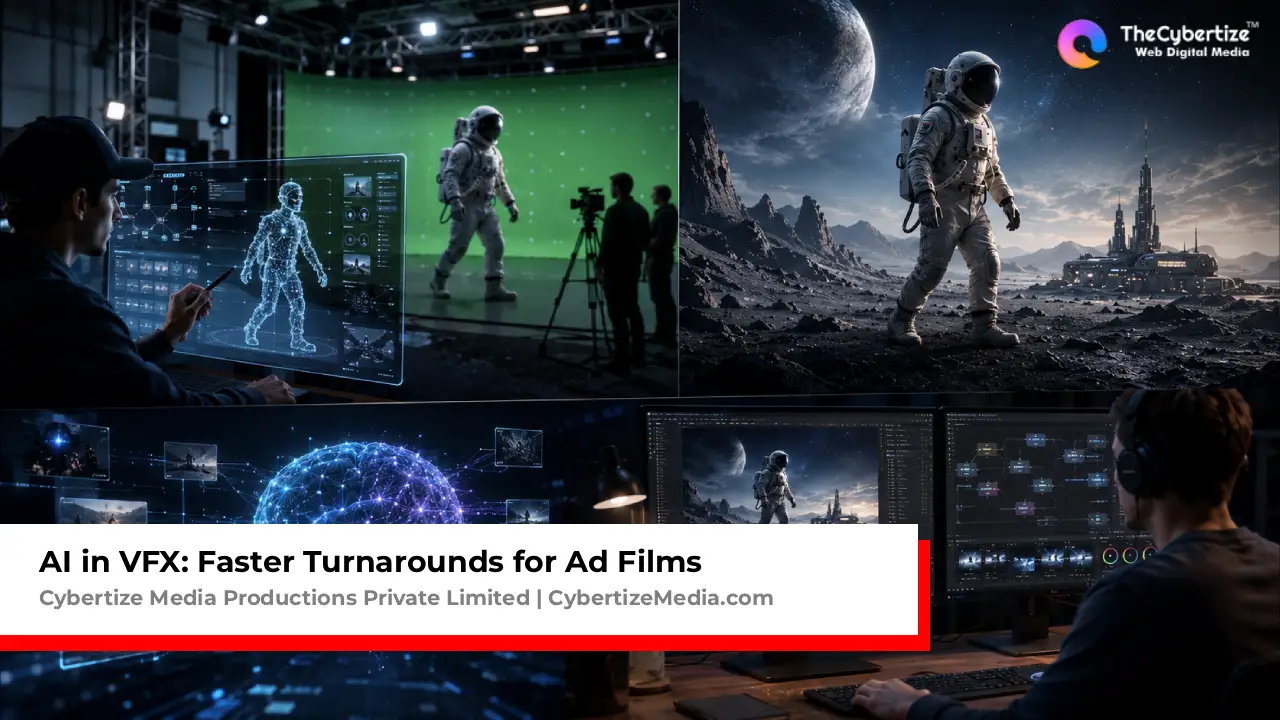
Why it matters: For production houses, this redefines bidding models and staffing strategies; for brands, it enables more ambitious visuals within existing budgets and timelines.
Context: The global AI-in-VFX market is projected to grow from $4.87B in 2025 to $28.66B by 2035, driven by production-ready tools like DaVinci Resolve’s Magic Mask, Runway, and NVIDIA Omniverse, which are already reporting 40-60% reductions in post-production timelines.
"Work that once required extensive manual labour from specialist artists can now be accomplished in a fraction of the time. That does not mean the artists have disappeared. It means they are spending their time on the problems that actually require human creative judgment, rather than on tasks that can be automated with software that does it more consistently and faster." — CYBERTIZEMEDIA
Commentary: The shift is operational, not existential: it reallocates artist hours from rote execution to creative iteration, increasing throughput without expanding headcount. This pressures vendors to compete on pipeline efficiency rather than just labor scale, while allowing brands to demand more revision cycles and platform-specific versions within fixed schedules. The risk is a bifurcation between studios that leverage AI for strategic capacity and those that treat it as a cost-cutting substitute for craft.
Date: 2 weeks ago
URL: https://cybertizemedia.com/blog/ai-in-vfx-faster-turnarounds-ad-films
AI Sentiment Score: Negative (75%)
AI Credibility Score: 9.9/10 — High
Scores and text generated by AI analysis of the source article indicated.
Netflix AI move stirs VFX job concerns – Pakistan Today – Pakistan Today (Pakistantoday.Pk)
Summary: Netflix’s acquisition of AI firm InterPositive, founded by Ben Affleck, signals a strategic push to automate core VFX tasks like color grading, relighting, and continuity corrections. The move intensifies pressure on entry-level roles and offshore post-production hubs in India, South Korea, and Latin America, which handle labor-intensive work like rotoscoping. This follows a broader industry contraction, exemplified by Technicolor’s collapse in India, and occurs as U.S. unions negotiate AI safeguards, a protection largely absent in global vendor markets.
Why it matters: This directly targets the labor economics and vendor leverage underpinning global VFX pipelines, threatening established staffing models and cost structures.
Context: The VFX industry is already strained by production slowdowns and vendor consolidation; AI adoption is accelerating as a tool for job consolidation, with a 2023 industry study estimating up to 118,500 U.S. entertainment jobs at risk within three years.
"April 21, 2026 Netflix AI push raises concerns over visual effects jobs worldwide Netflix’s acquisition of AI firm InterPositive has sharpened concerns about job losses in the global visual effects industry. Industry." — PAKISTANTODAY.PK
Commentary: Netflix’s walled-garden approach with InterPositive tools creates a two-tier ecosystem: in-house partners gain efficiency, while external vendors face commoditization and margin compression. The automation of foundational tasks disrupts the traditional apprenticeship pipeline, potentially creating a skills gap for mid-career roles even as it lowers the cost ceiling for complex shots. This shifts leverage from offshore labor pools to platform-controlled technology, forcing vendors to compete on AI integration rather than scale alone.
Date: 1 month ago
URL: https://www.pakistantoday.com.pk/2026/04/21/netflix-ai-push-raises-concerns-over-visual-effects-jobs-worldwide
AI Sentiment Score: Negative (57%)
AI Credibility Score: 9.1/10 — High
Scores and text generated by AI analysis of the source article indicated.
nmatic.ai, Alibi Studios launch AI VFX studio The Next Valley | Advanced Television (Advanced-Television)
Summary: nmatic.ai, a hybrid AI production studio, and Alibi Studios, a traditional VFX house, have formed a joint venture called The Next Valley. The venture aims to be a dedicated hybrid AI VFX studio, combining nmatic’s AI-integrated workflows with Alibi’s high-end creative heritage. The partnership is chaired by Mark Benson, former CEO of MPC and President of The Mill, and claims to enable premium content production up to 30% faster and 30% more cost-effectively than traditional methods.
Why it matters: This formalizes a new vendor category—dedicated hybrid AI VFX—and signals a strategic pivot for established talent toward integrated AI workflows, potentially reshaping competitive dynamics and client expectations for cost and speed.
Context: Major VFX and post houses have been experimenting with generative AI tools internally, but this represents a high-profile, branded launch of a standalone entity built from the ground up on a ‘Hybrid AI’ premise, backed by significant industry veterans.
"nmatic.ai’s Hybrid AI approach is grounded in enhancing human craft rather than replacing it. The company enables filmmakers and brands to produce premium content up to 30 per cent faster and up to 30 per cent more cost-effectively than traditional production techniques." — ADVANCED-TELEVISION
Commentary: The 30% efficiency claims, if realized at scale, directly pressure the economic model of traditional VFX vendors, shifting leverage to clients and forcing recalibration of bid structures. By embedding AI into a dedicated studio with Alibi’s pedigree, the venture aims to normalize AI-assisted workflows at the premium tier, moving beyond experimental R&D into core service delivery. This could accelerate bifurcation in the market between vendors offering integrated AI pipelines and those maintaining legacy techniques, with implications for staffing models and skill-set demands across the industry.
Date: 2 weeks ago
URL: https://www.advanced-television.com/2026/05/06/nmatic-ai-alibi-studios-launch-ai-vfx-studio-the-next-valley/
AI Sentiment Score: Positive (42%)
AI Credibility Score: 10.0/10 — High
Scores and text generated by AI analysis of the source article indicated.
Cannes 2026: The Filmmakers Who Are Learning to Embrace AI (Studio.Aifilms.Ai)
Summary: Cannes 2026 marked a shift from clandestine AI use to open discussion of its financial and operational impact. Directors like Mathieu Kassovitz and productions like Doug Liman’s ‘Bitcoin: Killing Satoshi’ publicly quantified budget reductions of 50-75% through AI-driven environment generation. This normalization of disclosure, alongside continued resistance exemplified by initiatives like German Dogma 25, frames AI as a central, divisive production variable.

Why it matters: Public cost-benefit statements from A-list filmmakers and producers establish new benchmarks for studio greenlighting and vendor negotiations, directly pressuring VFX budgets and staffing models.
Context: The industry has been in a prolonged phase of experimental, often secretive, AI integration; Cannes 2026 represents its transition into mainstream production budgeting and workflow discourse.
"Cannes 2026: The Filmmakers Who Are Learning to Embrace AI Share this post: Cannes 2026: The Filmmakers Who Are Learning to Embrace AI At Cannes 2026, Mathieu Kassovitz put a number to." — STUDIO.AIFILMS.AI
Commentary: The explicit cost claims create a new floor for vendor pricing and shift leverage from traditional VFX houses to software vendors and in-house AI teams. The focus shifting to performance, as noted by Affleck, suggests a bifurcation of the pipeline: a smaller, performance-centric physical unit and a larger, computationally intensive post-production phase, altering crew composition and on-set roles.
Date: May 20, 2026 12:00 AM ET
URL: https://studio.aifilms.ai/blog/cannes-2026-filmmakers-embrace-ai-production
AI Sentiment Score: Negative (66%)
AI Credibility Score: 9.6/10 — High
Scores and text generated by AI analysis of the source article indicated.
Utopai Studios Launches PAI Pro: Character-Persistent AI for … (Thecinemagroup.Co)
Summary: Utopai Studios is commercializing its proprietary AI filmmaking infrastructure, launching PAI Pro on May 21, 2026. The system, delivered as installable skills for coding agents, directly addresses the persistent industry challenge of maintaining character and visual consistency across AI-generated shots. The launch is supported by a slate of new short films and two major narrative projects, ‘Cortés’ and ‘Space,’ demonstrating production-scale application. A strategic partnership with investor and creative partner Carmelo Anthony signals a move into branded, co-developed IP.

Why it matters: This shifts the competitive landscape for VFX and CGI vendors by productizing a core technical bottleneck—character persistence—into a programmable infrastructure, potentially altering the economics and staffing models for complex shot sequences.
Context: AI video generation has been plagued by ‘character drift’ and inconsistency between cuts, limiting its use in professional narrative workflows and keeping it in the realm of experimental or single-shot applications.
"#### THE CINEMATIC AI COMPANY BEHIND CHLOE VS. HISTORY JUST RELEASED A NEW SLATE OF SHORT FILMS THAT SOLVE THE BIGGEST PROBLEM IN AI FILMMAKING: CHARACTERS THAT STAY CONSISTENT ACROSS CUTS. Utopai." — THECINEMAGROUP.CO
Commentary: By framing PAI Pro as ‘installable infrastructure’ for coding agents, Utopai is targeting pipeline engineers and technical directors, not just artists. This could decentralize high-fidelity AI shot generation, embedding it directly into existing toolchains and reducing dependency on monolithic vendor platforms. The emphasis on director-level control and narrative workflows suggests a play for the high-end episodic and feature market, where consistency is non-negotiable. The Carmelo Anthony partnership and announced projects indicate a strategy to validate the tech through marquee, culturally-relevant IP, moving beyond tech demos into funded production.
Date: May 21, 2026 12:00 AM ET
URL: https://thecinemagroup.co/news/2026/5/21-utopai-studios-launches-pai-lite-chara-ter-persistent-ai-for-filmmakers-2026
AI Sentiment Score: Positive (50%)
AI Credibility Score: 10.0/10 — High
Scores and text generated by AI analysis of the source article indicated.
15 people created a movie in 14 days! ByteDance’s Seedance 2.0 … (Aibase)
Summary: ByteDance’s Volcano Engine demonstrated its Seedance 2.0 video generation model at Cannes 2026, showcasing eight AI films including the 95-minute feature ‘HELL GRIND.’ The film was produced by Higgsfield with a team of 15 in 14 days for under $500,000. Concurrently, Luc Besson’s SEEN studio announced plans to use the model for an AI animated feature shot entirely on iPhones.
Why it matters: This signals a shift from experimental AI tools to a validated, end-to-end production model that radically alters the cost structure and labor requirements for feature-length content.
Context: The push for AI in filmmaking has focused on VFX and pre-vis; Cannes 2026 marks its acceptance for full-scale, commercial-grade production.
"This film was completed by a team of only 15 people within 14 days, with a production cost of less than $500,000, which is less than 1% of traditional films of the same level, demonstrating the disruptive potential of generative AI in drastically compressing the film production cycle and cost." — AIBASE
Commentary: The ‘HELL GRIND’ case study directly threatens the economic model of mid-budget VFX houses and post-production vendors by collapsing complex shot economics. If Seedance 2.0’s workflow is replicable, it pressures studios to renegotiate vendor contracts and reshapes crew staffing toward smaller, prompt-engineer-heavy units. The Besson endorsement lends mainstream legitimacy, accelerating adoption and potentially bifurcating the industry into high-touch auteur projects and scalable, AI-driven volume.
Date: May 21, 2026 12:00 AM ET
URL: https://www.aibase.com/news/28219
AI Sentiment Score: Negative (66%)
AI Credibility Score: 7.0/10 — Medium
Scores and text generated by AI analysis of the source article indicated.
Post ID: c7fccef1