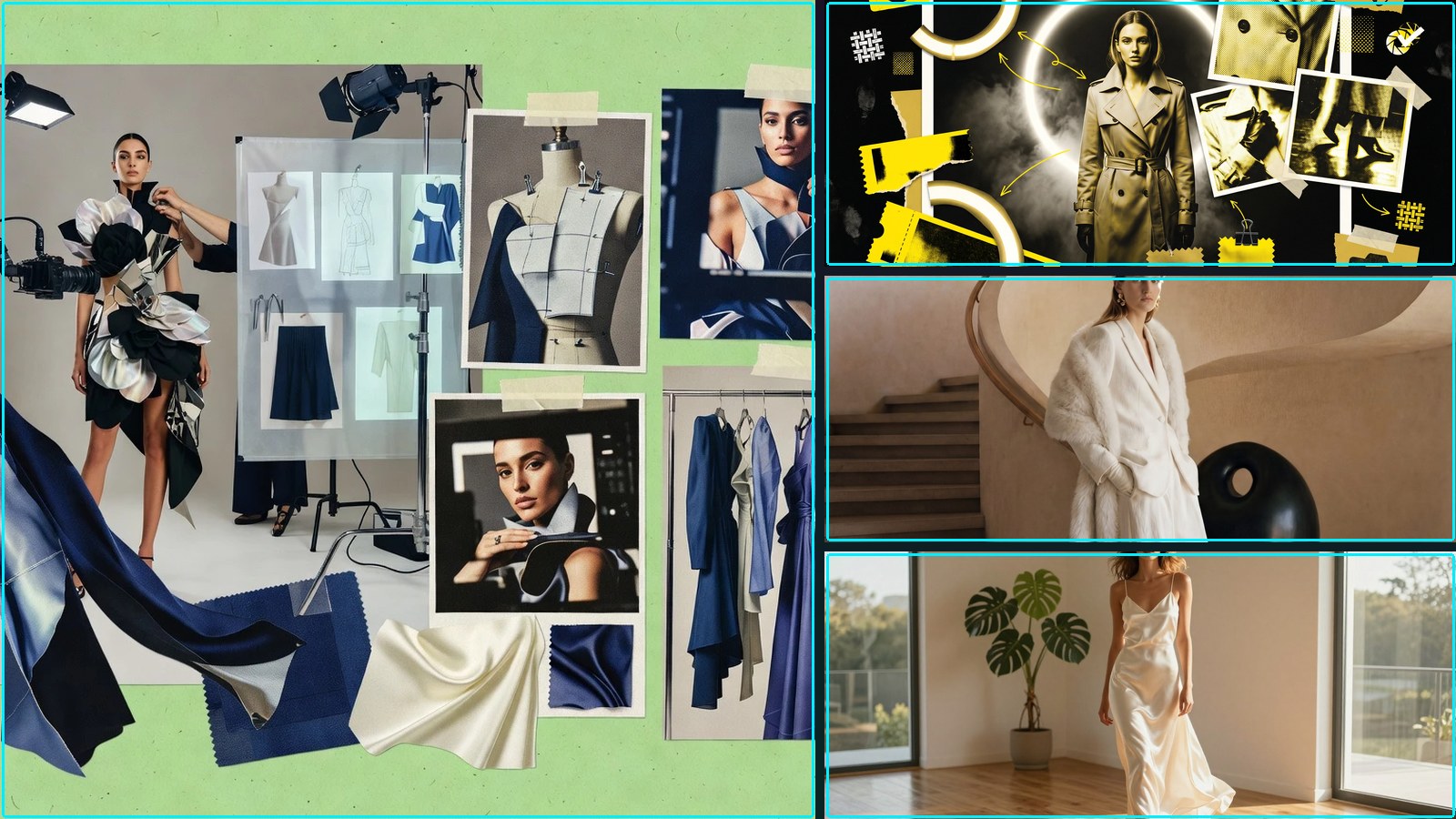
AI Tools and Cost-Cutting in Fashion Photography
Fashion Brands Cut Photography Costs 70% with AI – Rewarx Studio (Rewarx)
Summary: ASOS’s 2023 expansion plans highlighted the unsustainable cost of traditional fashion photography for scaling e-commerce. Mid-market brands face production costs of $8,000 to $15,000 for a modest 50-item line, driven by photographer, model, and post-production fees. AI-powered studio solutions like Rewarx Studio AI are now enabling 70% cost reductions by automating imagery generation, shifting the economic model for product photography.
Why it matters: This directly pressures photographer fees, model agencies, and post-production studios while forcing brands to re-evaluate creative and operational budgets.
Context: The push for cost-effective, high-volume imagery has been a persistent pressure point in e-commerce, with previous solutions like ghost mannequin photography only partially addressing the scale challenge.
"Traditional studio shoots for a single product line can cost brands between $5,000 and $50,000 depending on complexity, model fees, and post-production requirements." — REWARX
Commentary: The 70% cost reduction isn’t just an efficiency gain; it recalibrates the entire commissioning pipeline. Photographers and retouchers must now compete on speed and integration with AI tooling, not just aesthetic judgment. For DTC brands, this shifts capital from production to marketing or margin, altering competitive dynamics against scaled players like Amazon.
Date: April 22, 2026 12:00 AM ET
URL: https://www.rewarx.com/blogs/fashion-brands-cutting-photography-costs-ai-powered-studios
AI Sentiment Score: Negative (60%)
AI Credibility Score: 10.0/10 — High
Scores and text generated by AI analysis of the source article indicated.
Best AI Fashion Editorial Photography Generator (2026) – Gitnux (Gitnux)
Summary: The 2026 landscape for AI fashion editorial generators is bifurcating between prompt-first tools for conceptual moodboarding and garment-faithful platforms for production-grade imagery. This segmentation forces commissioning editors, creative directors, and brand teams to align their tool selection with specific workflow phases, from initial concept ideation to final asset creation. The operational consequence is a new layer of vendor management and pipeline complexity, as different tools serve distinct purposes within the same production chain.
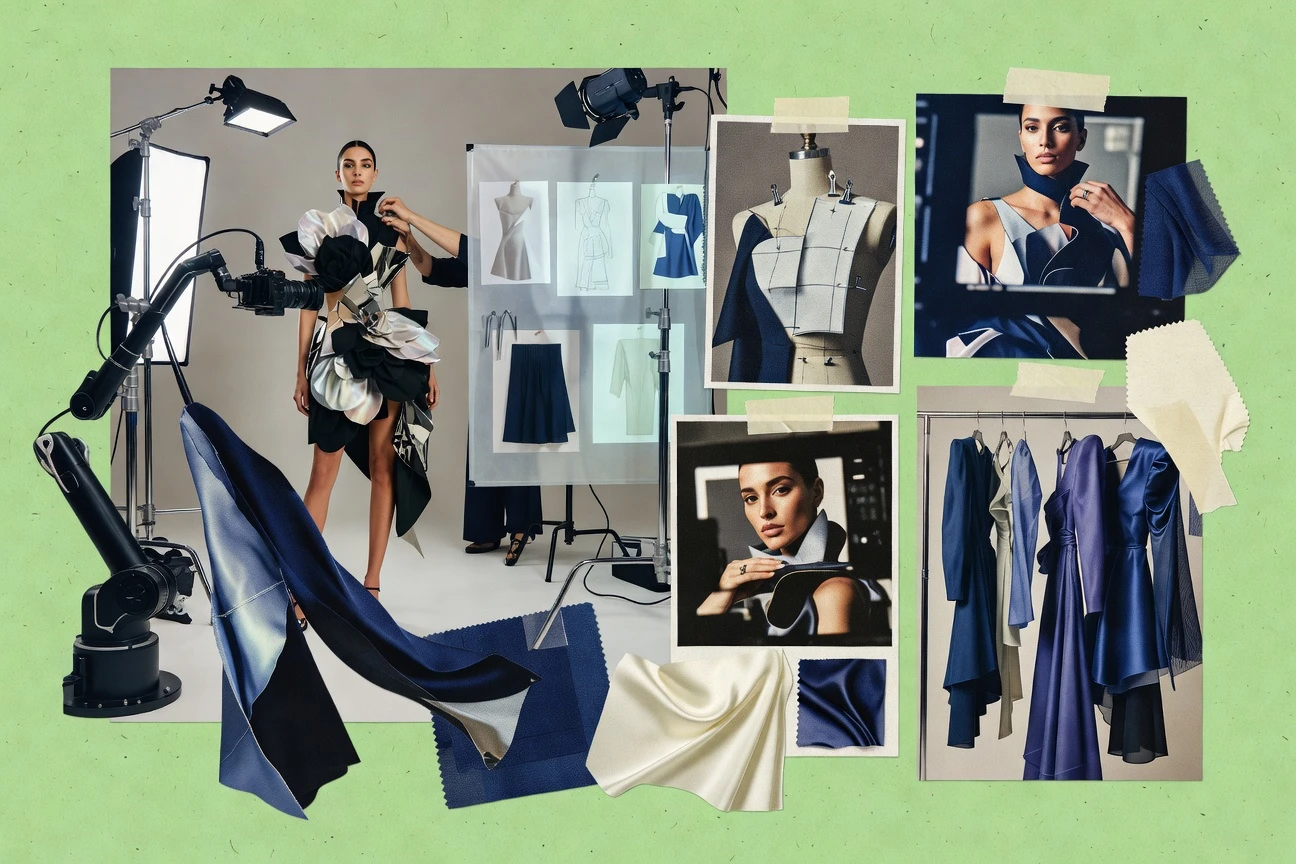
Why it matters: This tooling split directly impacts commissioning budgets, in-house team skillsets, and the economic viability of traditional photoshoots, forcing a strategic reassessment of visual asset pipelines.
Context: The editorial fashion industry has been experimenting with AI-generated imagery for moodboards and pre-visualization, but pressure is mounting to use AI outputs for final, client-facing assets.
"AI fashion editorial photography generators are reshaping how brands, stylists, and creators develop high-impact visuals without the time and cost of traditional shoots. With options ranging from fashion-native tools like RAWSHOT AI." — GITNUX
Commentary: This bifurcation signals a maturation of the market beyond novelty, creating separate cost centers and skill requirements for ‘concept’ versus ‘final asset’ generation. It pressures photographers and stylists to specialize either in prompt engineering for aesthetic direction or in technical oversight of garment-fidelity tools. Studios will need to decide whether to invest in both toolchains or outsource one phase, potentially fragmenting the traditional unified shoot workflow.
Date: April 21, 2026 12:00 AM ET
URL: https://gitnux.org/best/ai-fashion-editorial-photography-generator/
AI Sentiment Score: Negative (66%)
AI Credibility Score: 7.0/10 — Medium
Scores and text generated by AI analysis of the source article indicated.
Fashion Brands Cut Photography Costs With AI – Rewarx Studio (Rewarx)
Summary: Major fashion retailers, including ASOS, Inditex, and H&M Group, are implementing AI-generated imagery to drastically reduce visual content costs. The economic pressure stems from the high per-image cost of traditional studio photography, which is unsustainable for e-commerce operations managing tens of thousands of SKUs. This shift is moving from pilot programs to operational integration, with clear performance benchmarking against traditional photography.
Why it matters: This redefines the cost structure and labor demand for fashion photography, directly impacting the commissioning pipeline for photographers, stylists, studios, and retouchers.
Context: The move follows years of escalating production costs and the e-commerce imperative for vast volumes of fresh imagery, creating a clear ROI case for synthetic media.
"Industry data from eMarketer suggests fashion brands spend between $35-85 per professionally shot product image when all production costs are factored." — REWARX
Commentary: The operational shift is not about creative replacement but cost arbitrage for high-volume, low-differentiation product imagery. This will bifurcate the market: high-concept editorial and campaign work retains human teams, while volume product catalog work moves to AI vendors. Studios and post-production houses reliant on fast-fashion clients must diversify or specialize to survive.
Date: April 22, 2026 12:00 AM ET
URL: https://www.rewarx.com/blogs/fashion-brands-ai-photography-cost-reduction
AI Sentiment Score: Negative (57%)
AI Credibility Score: 10.0/10 — High
Scores and text generated by AI analysis of the source article indicated.
Fashion Brands Cut Photography Costs 60% With AI – Rewarx Studio (Rewarx)
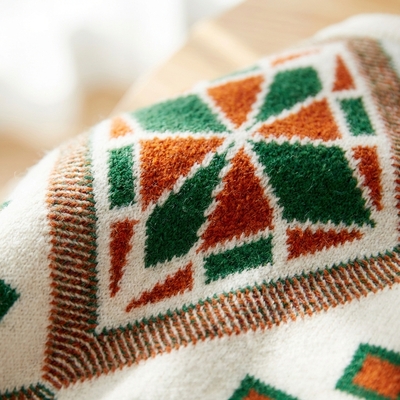
Summary: Fashion e-commerce brands like H&M, Nordstrom, and Macy’s are facing unsustainable costs for traditional studio photography, estimated at $75-$300 per SKU. To scale visual content for seasonal collections and lifestyle imagery, operators are adopting AI tools like Rewarx Studio for background removal and model synthesis, reporting average cost reductions of 60%. This shift redefines the production pipeline from a labor-intensive, equipment-heavy process to a software-driven operation.
Why it matters: This fundamentally alters commissioning economics, vendor relationships, and in-house skill requirements for brands, studios, and photographers.
Context: The pressure for constant visual content refresh at scale has collided with the fixed costs of traditional photography, creating a structural economic barrier for fast-fashion and e-commerce operators.
"Fashion brands investing in AI-assisted visual production report average cost reductions of 60% compared to traditional workflows, with corresponding improvements in time-to-market." — REWARX
Commentary: The 60% cost reduction isn’t just an efficiency gain; it’s a market signal that will compress rates for traditional studio work and shift photographer roles towards art direction and AI oversight. This will disproportionately impact entry-level model, styling, and technical crew work, while creating new vendor categories for AI training data and synthetic asset management. The ‘vicious cycle’ of underinvestment in visuals is now being solved by eliminating the human-intensive production loop, not by increasing its efficiency.
Date: April 22, 2026 12:00 AM ET
URL: https://www.rewarx.com/blogs/how-fashion-brands-cut-photography-costs-ai-tools
AI Sentiment Score: Negative (66%)
AI Credibility Score: 10.0/10 — High
Scores and text generated by AI analysis of the source article indicated.
Fashion Retouching at Scale: Why High-Volume Catalogs … (Pixofix)
Summary: A technical guide from a retouching service provider outlines a systematic, data-driven approach to managing high-volume fashion catalog production. It emphasizes pre-shoot standardization, batch processing based on complexity, and granular performance tracking to control costs and timelines. The methodology prioritizes workflow predictability and post-launch quality audits over pure speed.

Why it matters: For studios, brands, and post-production vendors, this codifies the shift from artisanal retouching to industrial-scale image operations, directly impacting labor allocation, vendor selection, and margin management.
Context: The pressure to produce vast volumes of consistent e-commerce imagery at lower cost per image has turned editorial fashion photography’s post-production into a logistics challenge.
"Start with a tight brief. Each batch should define poses, crop ratios, background requirements, expected colorways, and any special handling for accessories or fabric detail. Add metadata at intake so the team." — PIXOFIX
Commentary: This formalizes a tiered pricing model that could pressure generalist retouchers while creating niches for specialists handling complex garments. Studios will need to architect their capture and DAM systems to support this classification from intake, or face unbillable overhead. The explicit call for post-launch audits shifts liability for platform rendering issues back onto production teams, demanding new QA skills.
Date: May 04, 2026 12:00 AM ET
URL: https://www.pixofix.com/blog/fashion-retouching-at-scale-why-high-volume-catalogs-still-need-human-hands
AI Sentiment Score: Negative (80%)
AI Credibility Score: 10.0/10 — High
Scores and text generated by AI analysis of the source article indicated.
How Fashion Brands Use AI Photoshoots to Scale Catalogs Faster (Advertflair)
Summary: AI-powered fashion product photography is being marketed as a tool to compress catalog production timelines, replacing traditional studio shoots with an automated ‘Upload → Generate → Publish’ pipeline. The pitch emphasizes eliminating physical logistics—models, studios, photographers—to generate multiple product angles, backgrounds, and seasonal variations instantly. This is framed as a direct solution to the operational bottleneck of launching hundreds or thousands of SKUs, where a single-day delay can cascade into weeks of launch slippage.
Why it matters: For industry professionals, this accelerates a fundamental shift in commissioning economics and labor demand, directly impacting the workflow and revenue models of photographers, studios, models, and post-production teams.
Context: This follows the broader industry trend of substituting generative AI for manual creative production, moving from a services-intensive model to a software-as-a-service operational expense focused on speed and volume.
"With such a long process, it only takes a single day delay to push product launches by weeks, making it harder for brands to manage hundreds or thousands of SKUs. That’s when." — ADVERTFLAIR
Commentary: The push for ‘instant generation’ prioritizes supply-chain velocity over aesthetic distinctiveness, commoditizing the image-making process. This could pressure mid-market commercial photographers and studios, while high-end editorial work may bifurcate further into a luxury service. Brands will face new trade-offs between cost/scalability and visual authenticity, with potential downstream effects on audience trust and perceived product value.
Date: May 02, 2026 12:00 AM ET
URL: https://www.advertflair.com/post/how-fashion-brands-use-ai-photoshoots-to-scale-catalogs-faster
AI Sentiment Score: Negative (62%)
AI Credibility Score: 8.2/10 — High
Scores and text generated by AI analysis of the source article indicated.
Why an Influential Stylist Turned to AI (Aperture)
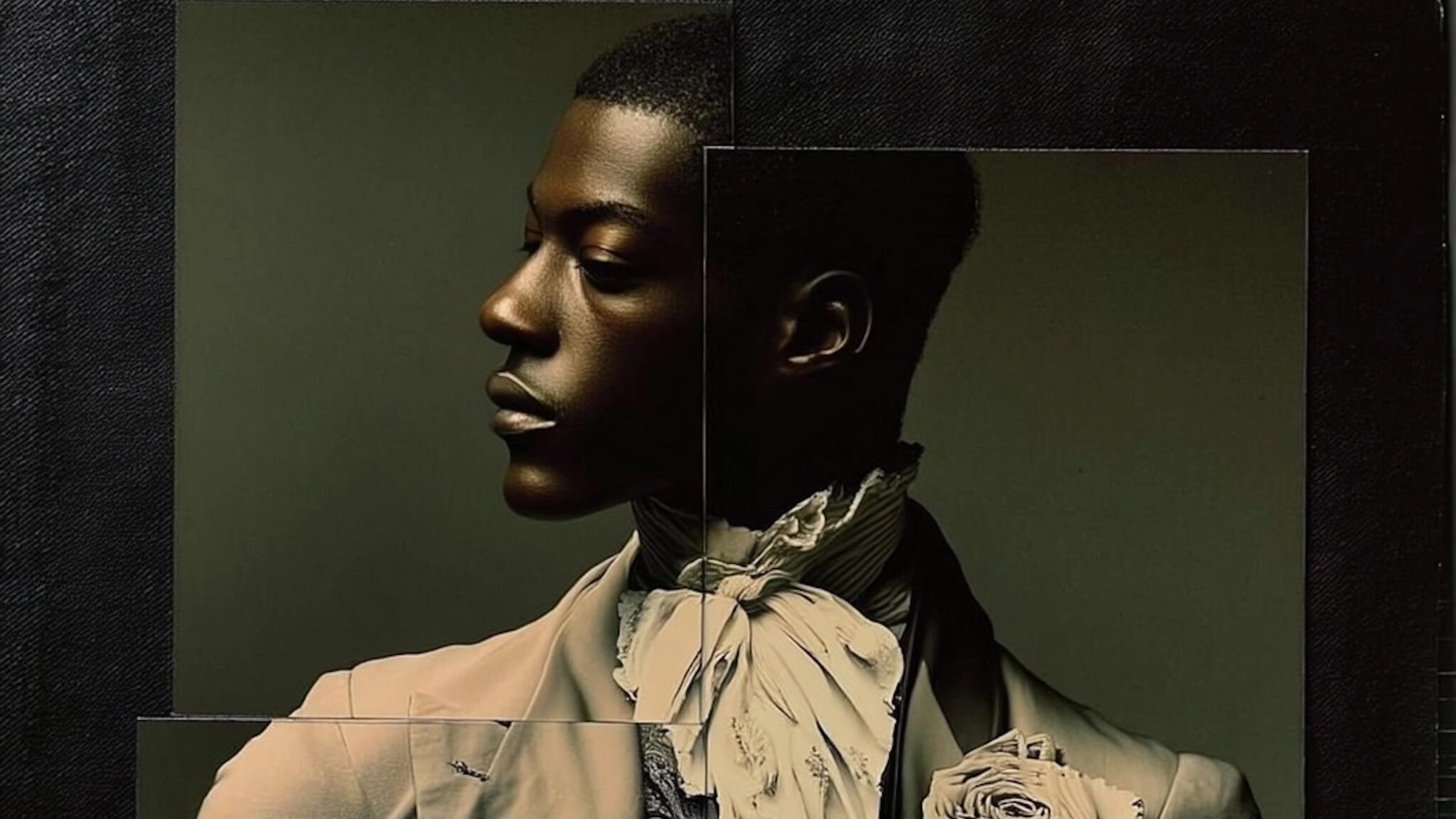
Summary: Simon Foxton, a foundational menswear stylist and art director whose work defined decades of i-D and major fashion campaigns, has pivoted his creative practice in retirement to AI image generation. Using Midjourney, he produces fictional documentary-style images exploring subcultures and queer themes, citing the immediacy and solitary control as key appeals. His recent collaboration with Nick Knight for Numero NY marks a notable re-entry into the professional editorial sphere, albeit from a position of personal experimentation rather than commercial necessity.
Why it matters: A veteran stylist’s operational shift to AI signals a potential reconfiguration of creative labor and commissioning economics, demonstrating how core editorial aesthetics can be produced without traditional crews or production constraints.
Context: This follows a broader industry pattern of established image-makers exploring AI tools, but Foxton’s case is distinct due to his deep history in collaborative, documentary-inspired fashion photography and his explicit retirement from commercial work.
"AI-generated image by Simon Foxton exploring a “made-up” Australian subculture centered on the mullet hairstyle, 2025 As a menswear stylist and art director, Simon Foxton spent decades shaping the image of men’s." — APERTURE
Commentary: Foxton’s move operationalizes AI as a post-production pipeline, collapsing the traditional roles of stylist, photographer, casting director, and location scout into a single prompt-driven act. For active professionals, this presages pressure on mid-tier editorial budgets and a re-evaluation of ‘authentic’ documentary aesthetics now achievable synthetically. His continued use of a fictional photographer persona (Boss Tweed) and archival scrapbooking method suggests AI may not replace creative direction but could commoditize its execution, shifting value further upstream to concept and curation.
Date: May 01, 2026 12:00 AM ET
URL: https://aperture.org/editorial/why-an-influential-stylist-turned-to-ai/
AI Sentiment Score: Negative (66%)
AI Credibility Score: 7.0/10 — Medium
Scores and text generated by AI analysis of the source article indicated.
Generate AI Fashion Shoots at Home in Minutes | Blog Picasso IA (Blog.Picassoia)
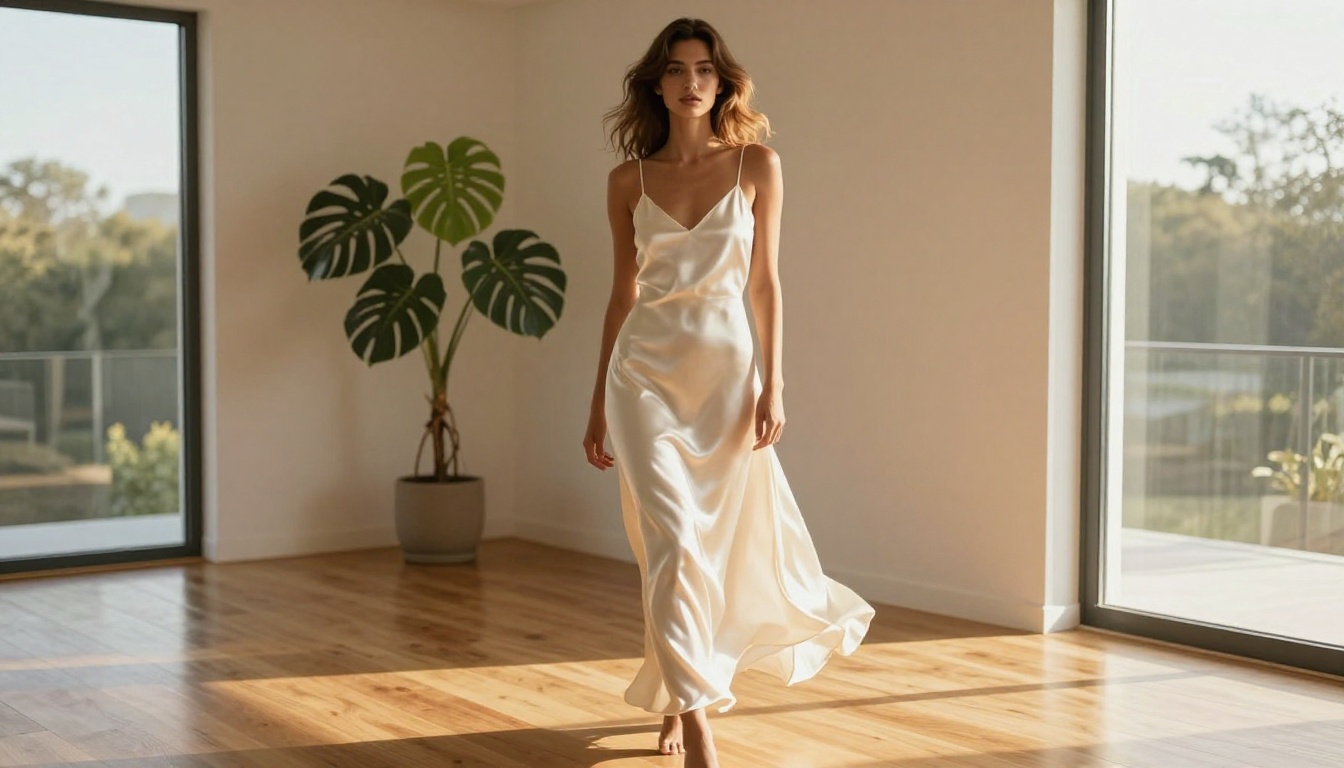
Summary: PicassoIA’s blog post outlines a technical workflow for generating photorealistic editorial fashion imagery using AI models, positioning it as a direct substitute for traditional studio photography. It provides a structured prompt formula and recommends specific models like Flux Dev and Realistic Vision v5.1 for different shot types, claiming a 3-4 hour workflow can produce 30-50 publication-ready images. The article explicitly frames this as a cost and time alternative to crew-based shoots.
Why it matters: This codifies a production pipeline that bypasses photographers, studios, and crews, directly threatening the economic model of editorial fashion photography and shifting core creative labor to prompt engineering and model selection.
Context: The push for AI-generated content in fashion marketing and e-commerce is accelerating, moving from experimental mood boards to direct substitutes for commissioned photography, particularly for lookbooks and product presentation.
"You don’t need a studio, a photographer, or an expensive crew to produce editorial-quality fashion images. This article breaks down how to create photorealistic AI fashion shoots at home, from writing powerful." — BLOG.PICASSOIA
Commentary: The article’s explicit cost/time comparison is a direct value proposition to brands and publishers, making the labor displacement a calculable business decision rather than an aesthetic one. It signals a near-term contraction in demand for mid-tier editorial shoots, pressuring photographers to specialize in irreplicable live events or hyper-luxury campaigns where the human production itself is the brand equity. The recommended toolchain (Flux Dev, Realistic Vision) creates immediate vendor lock-in and skill-set requirements for in-house creative teams.
Date: April 23, 2026 12:00 AM ET
URL: https://blog.picassoia.com/how-to-generate-ai-fashion-shoots-at-home
AI Sentiment Score: Negative (50%)
AI Credibility Score: 7.0/10 — Medium
Scores and text generated by AI analysis of the source article indicated.
AI Fashion Shots That Match Your Brand (Rewarx)
Summary: Rewarx outlines a procedural framework for deploying AI in fashion editorial and e-commerce photography, emphasizing the codification of brand visual identity into explicit style parameters and prompt libraries. The article positions AI not as a creative replacement but as a scalable production tool, contingent on rigorous pre-production guidelines and post-generation review checkpoints. It details a step-by-step workflow from asset preparation through generation, review, and documentation, aimed at achieving industrial consistency.
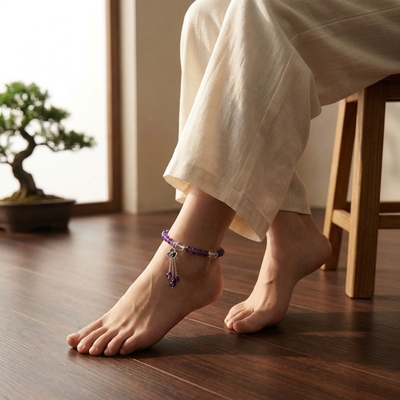
Why it matters: For photographers, stylists, and art directors, this formalizes a threat to mid-tier commercial commissions while creating a new specialization in ‘prompt engineering’ and AI asset management. For brands and studios, it promises cost reduction at the expense of traditional crew labor, shifting investment from shoot days to software subscriptions and in-house technical roles.
Context: This reflects the maturation of generative AI from a novelty into a structured production pipeline, moving beyond one-off experiments to systematized workflows integrated into catalog and campaign production. It follows the broader industry trend of automating repetitive visual tasks, similar to the earlier adoption of CGI for product-only shots.
"A structured workflow transforms AI generation from chaotic experimentation into predictable, repeatable output that scales with your business needs." — REWARX
Commentary: The article’s clinical, process-oriented language signals a pivotal shift: AI fashion imagery is being normalized as an operational discipline, not a creative hack. This systematization could pressure commercial photographers to either move upstream into concept direction or downstream into technical oversight of these AI pipelines. Agencies and studios will need to develop new vendor categories for prompt librarians and AI consistency auditors, while post-production houses face contraction in retouching work. The explicit call for diversity in generated models is a tacit admission of current tool biases, creating a compliance and ethical review niche within the workflow.
Date: April 28, 2026 12:00 AM ET
URL: https://www.rewarx.com/blogs/how-to-make-ai-fashion-shots-that-match-brand
AI Sentiment Score: Negative (87%)
AI Credibility Score: 10.0/10 — High
Scores and text generated by AI analysis of the source article indicated.
AI Catalog Fashion Photo Generator | Rawshot.ai (Rawshot.Ai)
Summary: Rawshot.ai is marketing an AI image generation tool specifically for commercial catalog production, emphasizing directorial control via visual parameters like lens, framing, and lighting, rather than text prompts. The platform explicitly promises full commercial rights to outputs and is designed for scaling across large assortments, integrating into nightly catalog runs via API. It positions itself as a solution eliminating traditional studio shoots, samples, and model fees.
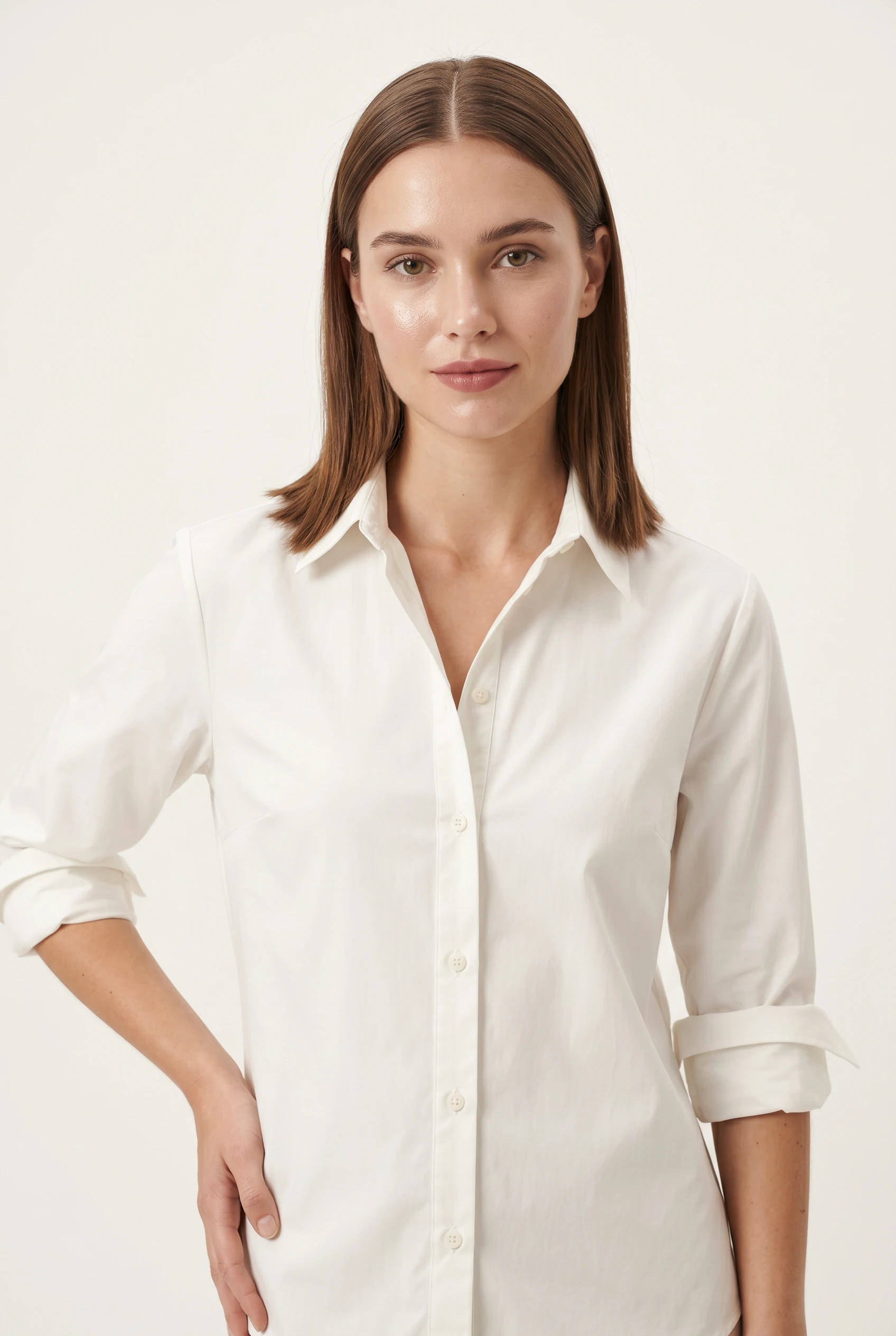
Why it matters: This directly targets the cost center and workflow bottleneck of high-volume e-commerce imagery, threatening the business model of commercial photography studios, model agencies, and post-production vendors.
Context: The fashion e-commerce sector has been cautiously experimenting with AI-generated imagery, but adoption has been hampered by inconsistent output quality, rights ambiguity, and a lack of tools tailored for high-volume, brand-consistent product photography.
"Generate clean on-model catalog imagery built around the garment, ready for PDPs, lookbooks, and large assortments. Select lens, framing, pose, lighting, background, and visual style through buttons, sliders, and presets in a." — RAWSHOT.AI
Commentary: The operational shift is from a creative commissioning process to a parameterized asset management one, where art directors become system configurators. This could pressure commercial photographers to either specialize in high-concept editorial work untenable for AI or pivot into roles as visual system designers for these platforms. The explicit grant of commercial rights is a critical market signal, addressing a primary legal barrier to adoption for brands.
Date: May 01, 2026 12:00 AM ET
URL: https://rawshot.ai/features/ai-catalog-fashion-photo-generator
AI Sentiment Score: Negative (60%)
AI Credibility Score: 10.0/10 — High
Scores and text generated by AI analysis of the source article indicated.
AI Creative Editorial Fashion Photography Generator (Rawshot.Ai)
Summary: A new wave of AI tools, including Lutyle, WearView, Atelier, Lookgen AI, and Modelia, is automating the production of editorial-style fashion photography. These platforms generate photorealistic on-model imagery and complete lookbooks directly from product inputs, bypassing traditional photoshoots. The technology is being integrated into e-commerce and marketing workflows for brands seeking to create polished visual assets at scale.
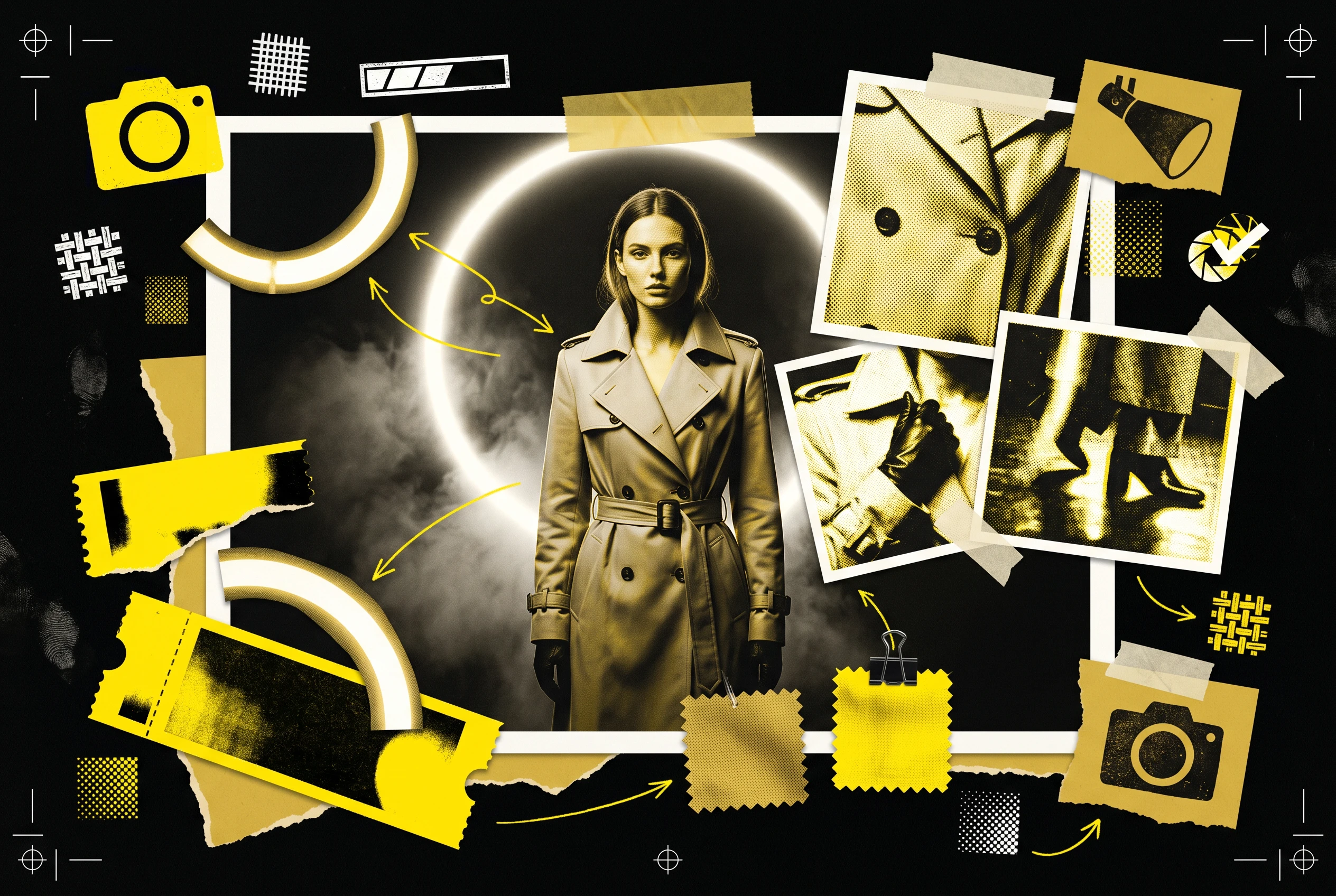
Why it matters: This directly threatens the commissioning economics and labor model for photographers, stylists, and crews, while shifting creative control and cost structures for brands and publishers.
Context: The fashion industry’s visual production pipeline has remained largely dependent on physical shoots, despite rising costs and logistical friction. AI image generation is now reaching a fidelity and stylistic coherence sufficient for commercial application.
"AI creative editorial fashion photography generators are transforming how brands produce on-model visuals, from polished lookbooks to commerce-ready product shots." — RAWSHOT.AI
Commentary: The operational consequence is a rapid devaluation of mid-tier studio photography and post-production labor. Brands will reallocate budgets from production to licensing and prompt engineering, while publications face a crisis in differentiating their visual voice from AI-generated commoditized style. The long-term risk is a homogenization of aesthetic direction as models converge on algorithmically optimized ‘editorial’ tropes.
Date: April 22, 2026 12:00 AM ET
URL: https://rawshot.ai/best/ai-creative-editorial-fashion-photography-generator
AI Sentiment Score: Negative (75%)
AI Credibility Score: 10.0/10 — High
Scores and text generated by AI analysis of the source article indicated.
A Commercial Photographer’s Take on When to Use AI … – PetaPixel (Petapixel)
Summary: A commercial photographer details a workflow integrating AI image generation into pre-production and final asset creation. The process uses AI to rapidly prototype visual concepts for client approval and to generate final backgrounds or atmospheric shots, particularly for budget-conscious brands where product detail is secondary.
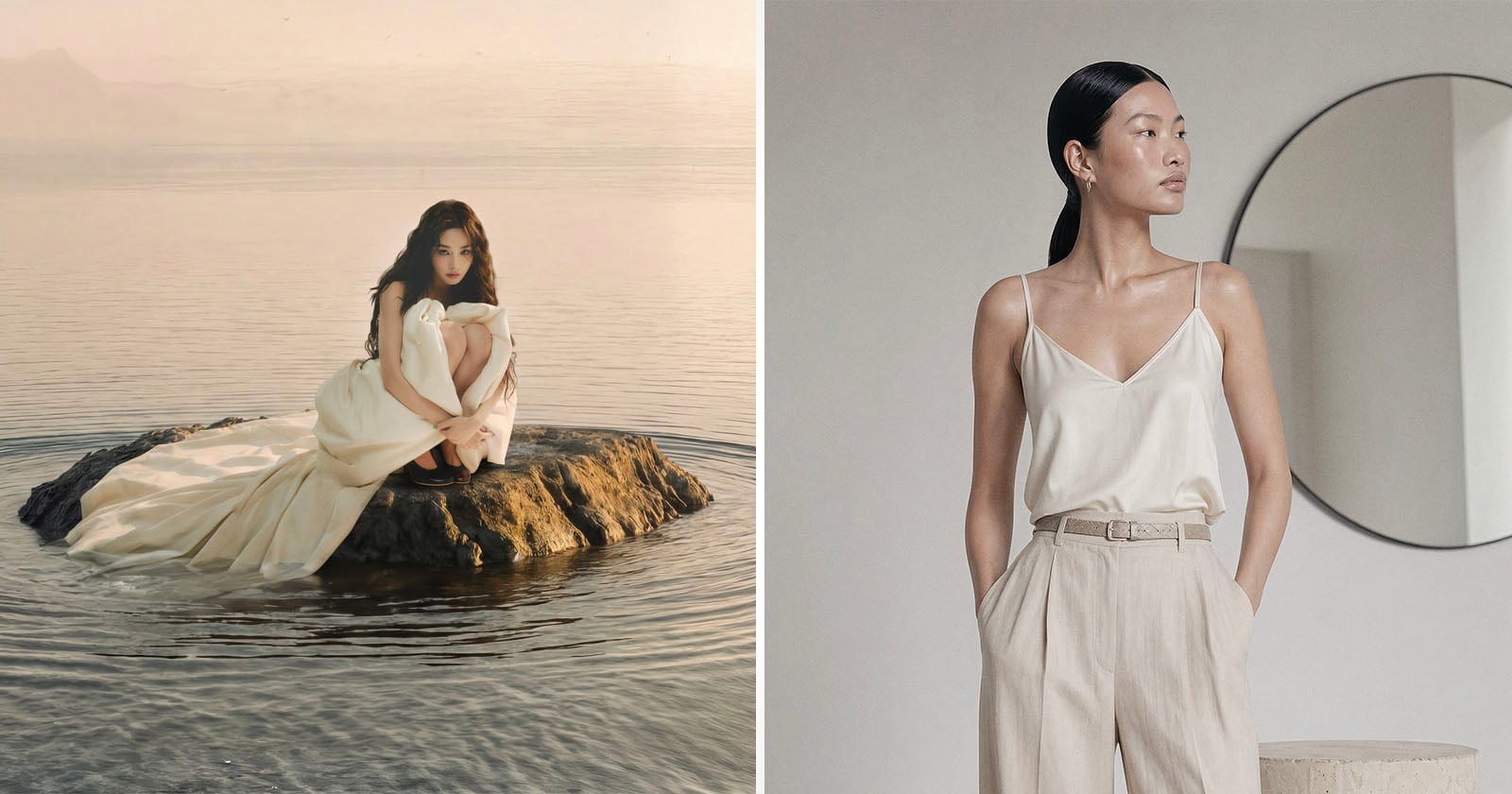
Why it matters: This signals a tangible shift in the commissioning pipeline, where AI moves from a speculative tool to a core component of pre-visualization and, in some cases, final image creation, directly impacting photographer workflows, client expectations, and budget allocations.
Context: The industry is grappling with AI’s role, often framed as a threat. This account provides a pragmatic, operational view of AI as a tool integrated into existing commercial photography practices, not a wholesale replacement.
"My honest assessment: for smaller brands with modest budgets and images that don’t need to survive close inspection, fully AI-generated product photography is already a practical option." — PETAPIXEL
Commentary: This creates a bifurcated market: high-budget shoots requiring precise control and human talent for hero shots, and a new tier of cost-effective, AI-driven content for social and marketing where atmosphere trumps detail. It pressures photographers to master AI as a client-facing pre-production tool and redefines the value of traditional location scouting and set-building for certain briefs.
Date: May 10, 2026 12:00 AM ET
URL: https://petapixel.com/2026/05/10/a-commercial-photographers-take-on-when-to-use-ai-and-when-not-to/
AI Sentiment Score: Positive (40%)
AI Credibility Score: 10.0/10 — High
Scores and text generated by AI analysis of the source article indicated.
How AI, Digital Doubles, and New Laws Are Rewriting Fashi… (Theaicronicle)
Summary: The 2026 legal landscape for editorial fashion photography is being defined by statutes like California’s AB 2602/AB 1836 and the EU AI Act, mandating explicit consent for digital doubles and AI content labeling. This shifts liability and workflow upstream, requiring studios and brands to secure new rights clearances and implement provenance tracking. Concurrently, the unresolved copyright status of AI-generated designs creates a strategic gap in protecting virtual collections.

Why it matters: Compliance dictates new pre-production contracts and post-production disclosures, directly impacting shoot budgets, creative direction, and publication strategy.
Context: This follows the 2023-2024 SAG-AFTRA and modeling guild strikes, which established digital replica consent as a core labor right, now codified in law.
"In California, laws AB 2602 and AB 1836 now require explicit consent for the creation of digital replicas—a victory hard-won following the 2023-2024 strikes by actors and models." — THEAICRONICLE
Commentary: The operational burden falls on production: photographers and directors must now document model consent for digital double creation as a standard line item, while art buyers face heightened due diligence on vendor AI toolchains. For EU-facing titles, Vogue’s ‘AI-generated’ disclaimer is now a regulatory requirement, not an editorial choice, forcing a recalibration of what ‘perfection’ costs in audience trust.
Date: May 02, 2026 12:00 AM ET
URL: https://theaicronicle.com/en/news/policy/how-ai-and-digital-doubles-are-rewriting-fashion
AI Sentiment Score: Neutral (33%)
AI Credibility Score: 7.0/10 — Medium
Scores and text generated by AI analysis of the source article indicated.
Meet the image maker redefining the future of fashion photography with AI – Emirates Woman (Emirateswoman)
Summary: Sevda Albers, a photographer with a coding background, is leveraging AI to produce commercial luxury fashion imagery, emphasizing an artisanal workflow and intentional aesthetic to overcome early skepticism. Her practice, which began gaining traction with clients in the UAE, treats AI generation as a technical craft requiring extensive setup and real-world inspiration to achieve a raw, imperfect look. She positions this as a necessary evolution to move beyond generic, bias-replicating outputs, predicting static images could become ordinary as AI normalizes by 2028.

Why it matters: This signals a shift in commissioning economics and labor value, where photographers must integrate technical AI fluency to maintain commercial relevance and artistic authority.
Context: The luxury sector’s valuation of ‘spent time’ is colliding with AI’s perceived ease, creating a market for practitioners who can articulate and operationalize a high-touch, director-led AI process.
"Sevda Albers, a fashion photographer with a background in technology, is using AI imagery to bridge the diversity gap and challenge the industry’s status quo. From navigating initial industry scepticism to advocating." — EMIRATESWOMAN
Commentary: Albers’ model commercializes the AI pipeline itself, transforming setup and aesthetic governance into billable expertise. This creates a new tier of creative labor where the premium is on curatorial and technical input, not just execution, potentially reshaping rates and vendor relationships for studios and post teams. Her regional traction in the UAE suggests markets less bound by traditional production hierarchies may drive early adoption of these hybrid roles.
Date: 2 weeks ago
URL: https://emirateswoman.com/meet-the-image-maker-redefining-the-future-of-fashion-photography-with-ai/
AI Sentiment Score: Positive (50%)
AI Credibility Score: 7.0/10 — Medium
Scores and text generated by AI analysis of the source article indicated.
AI Brand Fashion Model Generator (Rawshot.Ai)
Summary: Rawshot.Ai has launched an AI Brand Fashion Model Generator, a tool that allows fashion brands to create and save synthetic model identities defined by 28 physical attributes, then reuse them across campaigns and product catalogs. It operates on a per-model generation cost (~$0.99) and emphasizes garment fidelity, operational repeatability, and compliance with labeling and provenance standards like C2PA. The product positions itself against DIY prompting by offering a click-driven interface designed for production workflows, not creative experimentation.
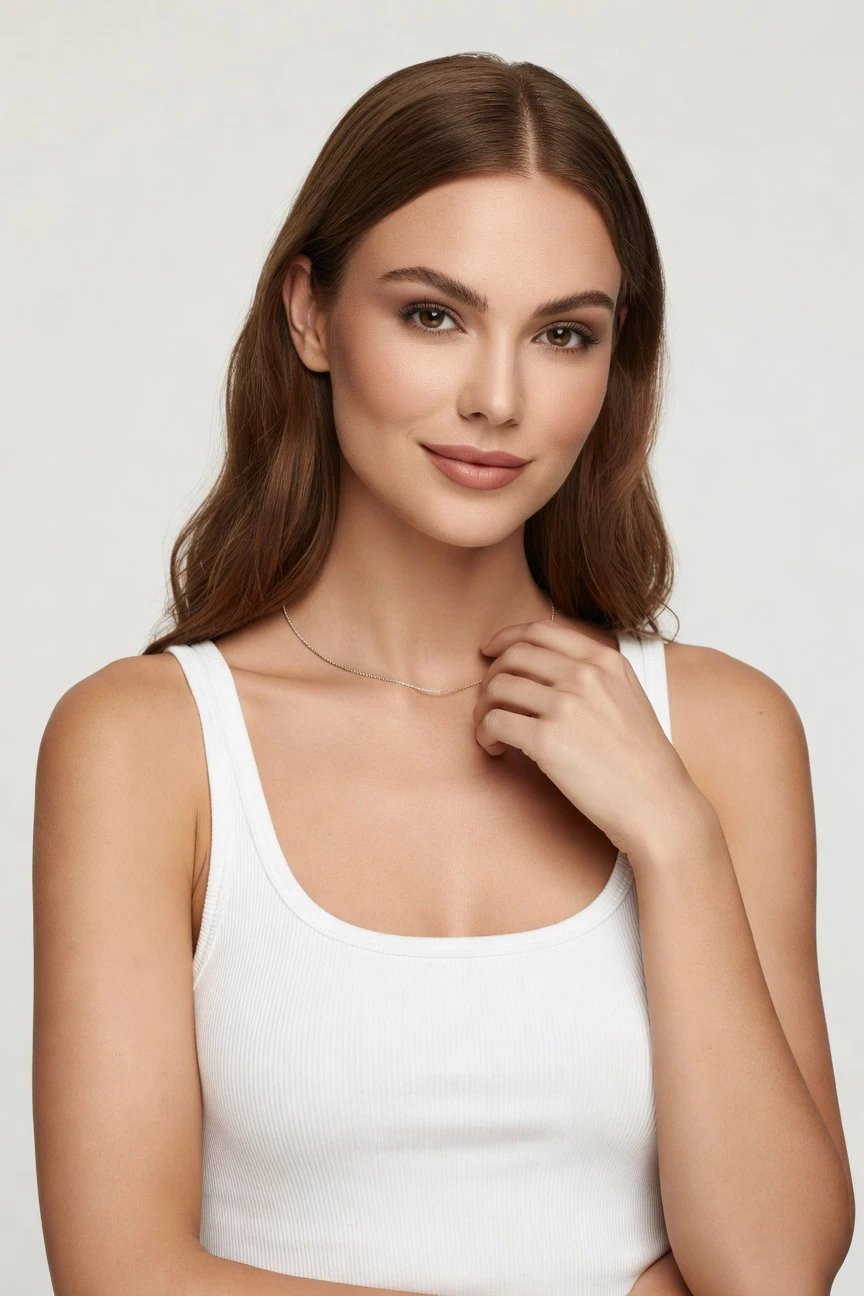
Why it matters: This shifts model creation from a recurring, talent-dependent cost and logistical bottleneck to a standardized, reusable brand asset, directly impacting commissioning economics, production timelines, and post-production labor.
Context: The fashion industry is grappling with the operational integration of generative AI, balancing the demand for scalable, cost-effective imagery against concerns over creative labor displacement, garment accuracy, and legal compliance.
"It turns model creation into a reusable brand asset instead of a recurring production bottleneck. Ecommerce teams usually need consistency more than novelty: the same face across related products, the same body proportions across a collection, and the same visual logic from PDP imagery to campaign crops." — RAWSHOT.AI
Commentary: The tool’s explicit focus on pipeline efficiency over creative novelty targets the core pain point for DTC and catalog operations: variable cost and time. By framing ‘consistency’ as the primary deliverable, it commoditizes the model role, potentially sidelining photographers and stylists who manage on-set talent relationships. The emphasis on C2PA and commercial rights is a direct response to enterprise legal and compliance teams, making adoption less risky for scaled retailers. However, it entrenches a specific, attribute-locked aesthetic that may homogenize brand visual language and reduce the editorial variance that drives high-fashion campaigns.
Date: May 01, 2026 12:00 AM ET
URL: https://rawshot.ai/features/ai-brand-fashion-model-generator
AI Sentiment Score: Negative (50%)
AI Credibility Score: 10.0/10 — High
Scores and text generated by AI analysis of the source article indicated.
2026: Why Virtual Try-On is Killing the Fashion Photoshoot (Weshop.Ai)
Summary: A 2026 analysis from Weshop.Ai argues that AI-powered Virtual Try-On (VTON) technology, driven by high-fidelity physics models, has rendered the traditional professional fashion photoshoot economically obsolete. The article cites a 25% increase in conversion rates for brands adopting generative models, claiming the shift is driven by superior scale, speed, and hyper-personalization. It declares the end of the ‘post-production era’ and the rise of the ‘generative era,’ where the digital model, not the camera, is the primary tool.

Why it matters: For industry professionals, this signals a fundamental restructuring of commissioning economics, labor demand, and the core skillset required for commercial fashion imagery.
Context: The long-term trend toward digital fashion assets and CGI has accelerated, but claims of the photoshoot’s imminent death are recurrent and often overstated.
"But in 2026, the era of the “representative model” is dying. The era of the “personalized digital render” has arrived. Here is the deep dive into the technology, the unit economics, and." — WESHOP.AI
Commentary: The argument hinges on a narrow definition of photography as a purely utilitarian conversion tool, ignoring its cultural and brand-narrative functions. While VTON will cannibalize high-volume, product-focused studio work, it creates new demand for hybrid creative directors who can art-direct AI systems and for photographers specializing in unique, non-replicable human expression. The ‘post-production era’ ending is accurate; the role of the photographer is evolving from shooter to orchestrator of mixed-reality assets.
Date: April 22, 2026 12:00 AM ET
URL: https://www.weshop.ai/blog/why-2026-is-the-year-the-professional-photoshoot-dies-thanks-to-virtual-try-on/
AI Sentiment Score: Negative (50%)
AI Credibility Score: 10.0/10 — High
Scores and text generated by AI analysis of the source article indicated.
Post ID: c31f217a