Cultural Milestones
Closing Reflections: From the Outgoing Editor-in-Chief (Tandfonline)
Summary: As I introduce this final issue of The Journal of Arts Management, Law, and Society under my editorship, I am struck most by the journal’s role in my own intellectual formation. Long before I ever imagined publishing in – let alone leading – JAMLS, it was a companion in my doctoral studies at The Ohio State University. JAMLS served as a roadmap of the scholarly terrain and a lens through which I learned to understand the evolving questions and debates shaping the field of arts management and cultural policy.

Why it matters: This matters for Cultural Milestones because it gives a concrete current signal to track: As I introduce this final issue of The Journal of Arts Management, Law, and Society under my editorship, I am struck most by the journal’s role in my own intellectual formation.
Context: As I introduce this final issue of The Journal of Arts Management, Law, and Society under my editorship, I am struck most by the journal’s role in my own intellectual formation. Long before I ever imagined publishing in – let alone leading – JAMLS, it was a companion in my doctoral studies at The Ohio State University. JAMLS served as a roadmap of the scholarly terrain and a lens through which I learned to understand the evolving questions and debates shaping the field of arts management and cultural policy.
"As I introduce this final issue of The Journal of Arts Management, Law, and Society under my editorship, I am struck most by the journal’s role in my own intellectual formation. Long." — TANDFONLINE
Commentary: The immediate implication is operational rather than speculative: watch how this changes budgets, workflows, or risk assumptions over the next cycle.
URL: https://www.tandfonline.com/doi/full/10.1080/10632921.2026.2659520?af=R
AI Sentiment Score: Negative (83%)
AI Credibility Score: 10.0/10 — High
Scores and text generated by AI analysis of the source article indicated.
“Why, God, Did You Curse Me With This Face?”: A Knight’s Tale (2001)’s Foreshadowing of Diversity and Feminism in Medieval Screen Worlds (Tandfonline)
Summary: Abstract 2026 marks the 25th anniversary of the cult classic, A Knight’s Tale (2001, dir. Brian Helgeland). While led by a white male cast and targeted at male audiences, the film’s key female character (Jocelyn) merits closer study for its feminist twist on popular ideas of medieval womanhood.

Why it matters: This matters for Cultural Milestones because it gives a concrete current signal to track: Abstract 2026 marks the 25th anniversary of the cult classic, A Knight’s Tale (2001, dir.
Context: Abstract 2026 marks the 25th anniversary of the cult classic, A Knight’s Tale (2001, dir. Brian Helgeland). While led by a white male cast and targeted at male audiences, the film’s key female character (Jocelyn) merits closer study for its feminist twist on popular ideas of medieval womanhood.
"Abstract 2026 marks the 25th anniversary of the cult classic, A Knight’s Tale (2001, dir. Brian Helgeland). While led by a white male cast and targeted at male audiences, the film’s key." — TANDFONLINE
Commentary: The immediate implication is operational rather than speculative: watch how this changes budgets, workflows, or risk assumptions over the next cycle.
URL: https://www.tandfonline.com/doi/full/10.1080/01956051.2025.2555503?af=R
AI Sentiment Score: Negative (50%)
AI Credibility Score: 10.0/10 — High
Scores and text generated by AI analysis of the source article indicated.
Dismantling the Anthropological Machine: Westworld and the Birth of Posthuman Community (Tandfonline)
Summary: Abstract HBO’s science fiction series Westworld (Citation2016–2022) envisions posthuman ethics beyond the conventional cyborg rebellion narratives. Through the lens of biopolitics, it examines how the hosts’ violent uprising against human sovereignty paradoxically reinforces the human-host dichotomy, perpetuating cycles of othering. However, by interrogating humanity’s loss of corporeality, emotion, and agency, the series ascribes traditionally “human” qualities to artificial beings who embody and transcend such traits, effectively dismantling the anthropological machine—an apparatus that defines human against nonhuman.
Why it matters: This matters for Cultural Milestones because it gives a concrete current signal to track: Abstract HBO’s science fiction series Westworld (Citation2016–2022) envisions posthuman ethics beyond the conventional cyborg rebellion narratives.
Context: Abstract HBO’s science fiction series Westworld (Citation2016–2022) envisions posthuman ethics beyond the conventional cyborg rebellion narratives. Through the lens of biopolitics, it examines how the hosts’ violent uprising against human sovereignty paradoxically reinforces the human-host dichotomy, perpetuating cycles of othering. However, by interrogating humanity’s loss of corporeality, emotion, and agency, the series ascribes traditionally “human” qualities to artificial beings who embody and transcend such traits, effectively dismantling the anthropological machine—an apparatus that defines human against nonhuman.
"Abstract HBO’s science fiction series Westworld (Citation2016–2022) envisions posthuman ethics beyond the conventional cyborg rebellion narratives. Through the lens of biopolitics, it examines how the hosts’ violent uprising against human sovereignty paradoxically." — TANDFONLINE
Commentary: The immediate implication is operational rather than speculative: watch how this changes budgets, workflows, or risk assumptions over the next cycle.
URL: https://www.tandfonline.com/doi/full/10.1080/01956051.2025.2553605?af=R
AI Sentiment Score: Negative (50%)
AI Credibility Score: 10.0/10 — High
Scores and text generated by AI analysis of the source article indicated.
Suzanne Jackson: What Is Love – Announcements – e-flux (E-Flux)
Summary: What Is Love May 14–August 23, 2026 Minneapolis MN 55403 United States Hours: Wednesday and Friday–Sunday 10am–5pm Thursday 10am–9pm On May 14, the Walker Art Center will open Suzanne Jackson: What Is Love, the first major museum retrospective dedicated to the work of groundbreaking artist Suzanne Jackson. The exhibition traces Jackson’s lifelong devotion to beauty as a political force. She began showing her work in the late 1960s, an era when Black artists in the United States were often pressed to make figurative work with a clear political message.
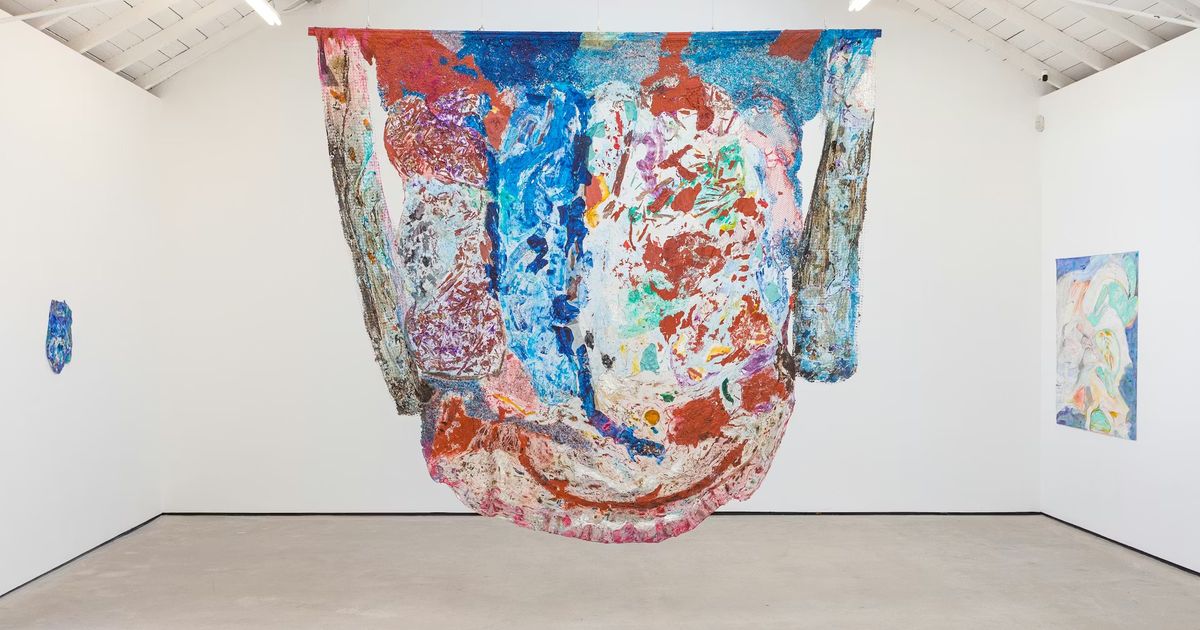
Why it matters: This matters for Cultural Milestones because it gives a concrete current signal to track: What Is Love May 14–August 23, 2026 Minneapolis MN 55403 United States Hours: Wednesday and Friday–Sunday 10am–5pm Thursday 10am–9pm On May 14, the Walker Art Center will open Suzanne Jackson: What Is Love, the first major museum retrospective dedicated to the work of groundbreaking artist Suzanne Jackson.
Context: What Is Love May 14–August 23, 2026 Minneapolis MN 55403 United States Hours: Wednesday and Friday–Sunday 10am–5pm Thursday 10am–9pm On May 14, the Walker Art Center will open Suzanne Jackson: What Is Love, the first major museum retrospective dedicated to the work of groundbreaking artist Suzanne Jackson. The exhibition traces Jackson’s lifelong devotion to beauty as a political force. She began showing her work in the late 1960s, an era when Black artists in the United States were often pressed to make figurative work with a clear political message.
"What Is Love May 14–August 23, 2026 Minneapolis MN 55403 United States Hours: Wednesday and Friday–Sunday 10am–5pm Thursday 10am–9pm On May 14, the Walker Art Center will open Suzanne Jackson: What Is." — E-FLUX
Commentary: The immediate implication is operational rather than speculative: watch how this changes budgets, workflows, or risk assumptions over the next cycle.
Date: 2 weeks ago
URL: https://www.e-flux.com/announcements/6786977/suzanne-jacksonwhat-is-love
AI Sentiment Score: Negative (50%)
AI Credibility Score: 10.0/10 — High
Scores and text generated by AI analysis of the source article indicated.
Literary Hub » Five great book critics writing today (and where to find them). (Lithub)
Summary: Five great book critics writing today (and where to find them). This morning, the eminent critic Dwight Garner published a lament for the institutional book critic—via his own institution, The New York Times. Lord knows this isn’t the first swansong of its kind.
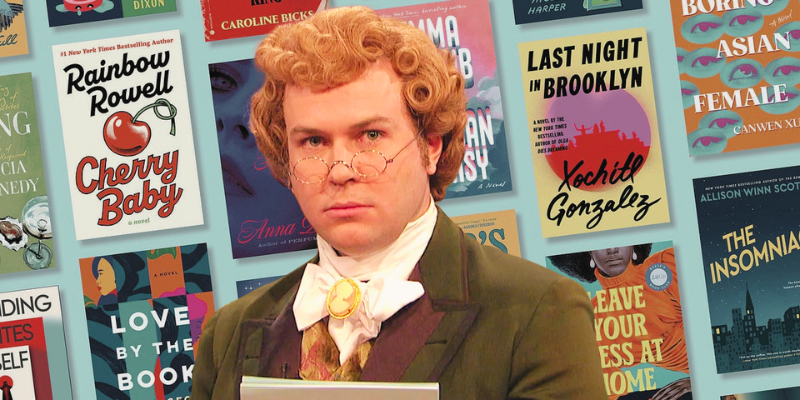
Why it matters: This matters for Cultural Milestones because it gives a concrete current signal to track: Five great book critics writing today (and where to find them).
Context: Five great book critics writing today (and where to find them). This morning, the eminent critic Dwight Garner published a lament for the institutional book critic—via his own institution, The New York Times. Lord knows this isn’t the first swansong of its kind.
"Five great book critics writing today (and where to find them). This morning, the eminent critic Dwight Garner published a lament for the institutional book critic—via his own institution, The New York." — LITHUB
Commentary: The immediate implication is operational rather than speculative: watch how this changes budgets, workflows, or risk assumptions over the next cycle.
Date: 3 weeks ago
URL: https://lithub.com/five-great-book-critics-writing-today-and-where-to-find-them
AI Sentiment Score: Negative (66%)
AI Credibility Score: 10.0/10 — High
Scores and text generated by AI analysis of the source article indicated.
The Trump era is one of exhaustion and lies. 1980s performance artists can teach us how to fight back. (Slate)
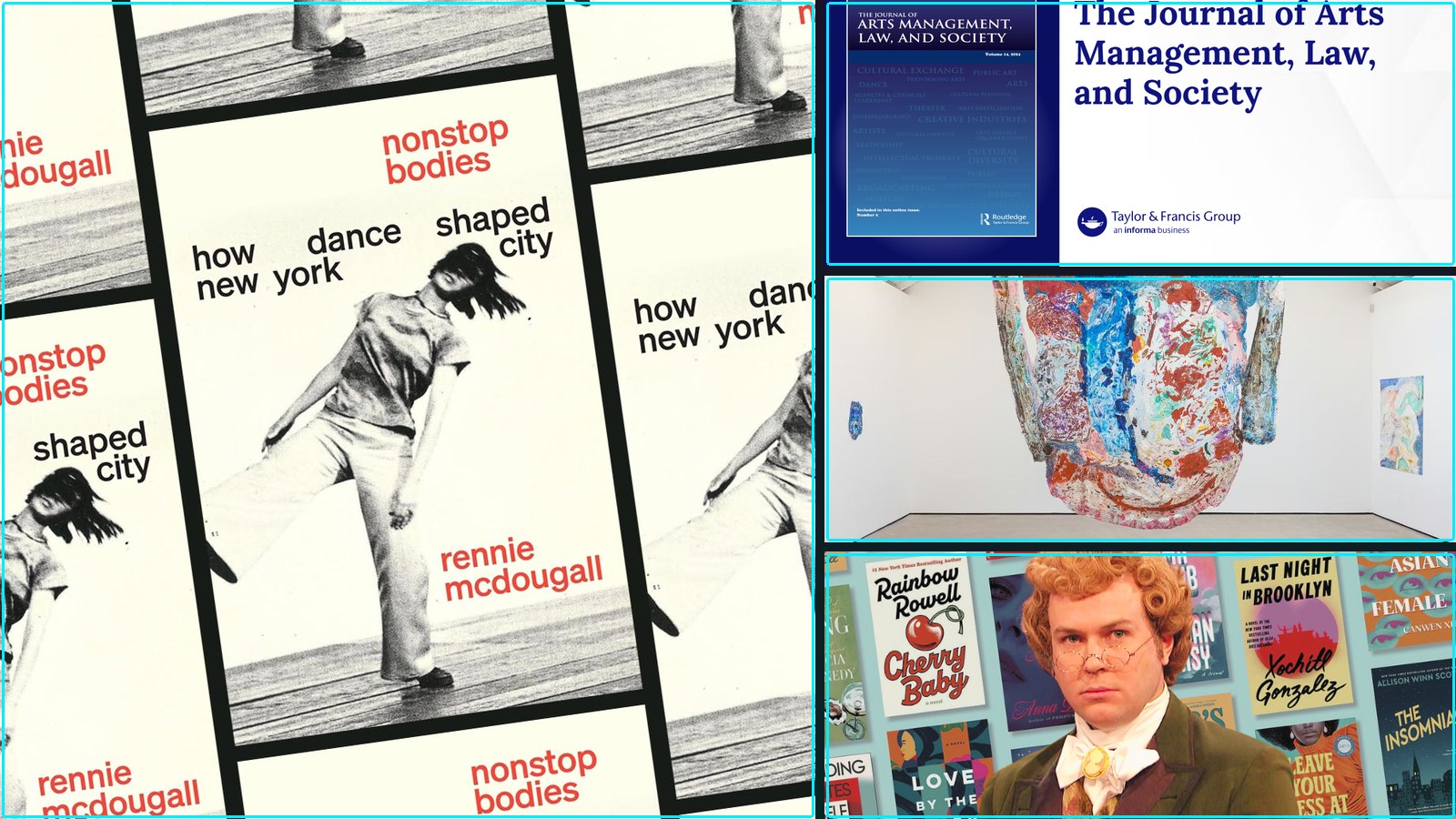
Summary: This piece is adapted from Nonstop Bodies: How Dance Shaped New York City, by Rennie McDougall. Copyright © 2026 by the author and reprinted with permission of Abrams Press. American artists faced two waves of suppression—one national and one local—near the end of the 20th century.
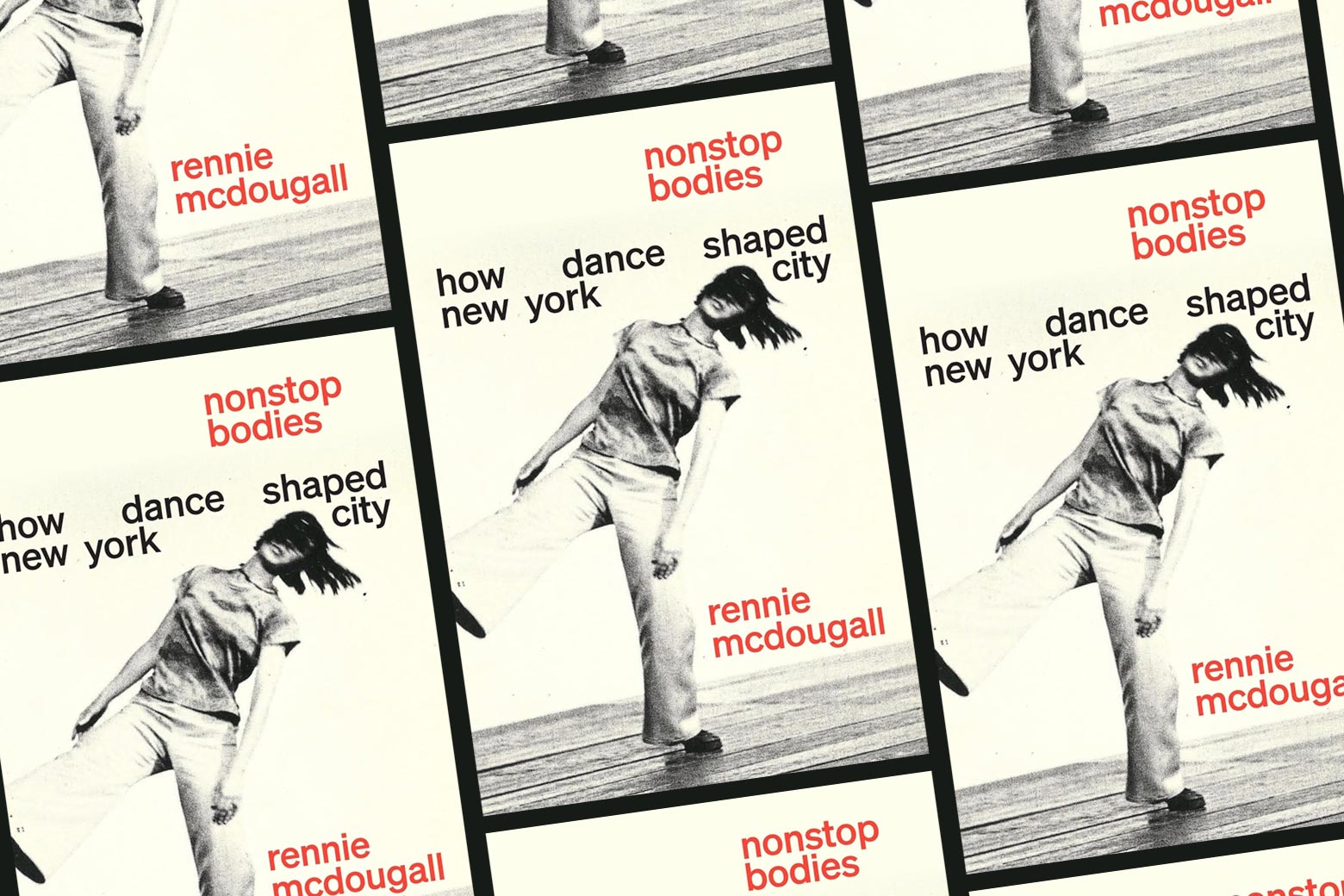
Why it matters: This matters for Cultural Milestones because it gives a concrete current signal to track: This piece is adapted from Nonstop Bodies: How Dance Shaped New York City, by Rennie McDougall.
Context: This piece is adapted from Nonstop Bodies: How Dance Shaped New York City, by Rennie McDougall. Copyright © 2026 by the author and reprinted with permission of Abrams Press. American artists faced two waves of suppression—one national and one local—near the end of the 20th century.
"This piece is adapted from Nonstop Bodies: How Dance Shaped New York City, by Rennie McDougall. Copyright © 2026 by the author and reprinted with permission of Abrams Press. American artists faced." — SLATE
Commentary: The immediate implication is operational rather than speculative: watch how this changes budgets, workflows, or risk assumptions over the next cycle.
Date: 2 weeks ago
URL: https://slate.com/life/2026/05/nonstop-bodies-book-performance-art-trump-suppression.html
AI Sentiment Score: Negative (50%)
AI Credibility Score: 10.0/10 — High
Scores and text generated by AI analysis of the source article indicated.
Landmark Exhibition at the Smithsonian American Art Museum Unites U.S. Bicentennial Photography Surveys for the First Time | Smithsonian Institution (Si.Edu)
Summary: Note to editors: Selected high-resolution images for publication are available only through the museum’s Dropbox account. Email [email protected] to request the link · On view at the Smithsonian American Art Museum from Friday, Sept. 18, to Sunday, April 18, 2027, “Much Here Is Beautiful: …

Why it matters: Consolidating disparate photographic surveys signals a critical reassessment of American visual history.
Context: The 2027 exhibition marks a rare convergence of national photographic documentation.
"Note to editors: Selected high-resolution images for publication are available only through the museum’s Dropbox account. Email [email protected] to request the link · On view at the Smithsonian American Art Museum." — SI.EDU
Commentary: The signal is still worth tracking, but the current extraction path did not yield enough body text for a fuller analytical read. The immediate implication is operational rather than speculative: watch how this changes budgets, workflows, or risk assumptions over the next cycle.
Date: 3 weeks ago
URL: https://si.edu/newsdesk/releases/landmark-exhibition-smithsonian-american-art-museum-unites-us-bicentennial
AI Sentiment Score: Neutral (50%)
AI Credibility Score: 10.0/10 — High
Scores and text generated by AI analysis of the source article indicated.
Public Benefit or Private Gain? A Comparative Analysis of Administrative Practices in Nonprofit Art Museums (Tandfonline)
Summary: Abstract Although the nonprofit form affords many advantages for arts organizations in the U.S., inequities persist in arts education, practice, and consumption. Framed by legal frameworks that mandate a public orientation for nonprofit arts organizations, this study uses empirical evidence to examine the relationship between administrative characteristics and associated public benefit in visual art museums. Using data from the Cultural Data Profile, regression analysis reveals differences related to earned and contributed revenue, educational programs, and institutionalization between art museums with culturally specific missions and those without.
Why it matters: This matters for Cultural Milestones because it gives a concrete current signal to track: Abstract Although the nonprofit form affords many advantages for arts organizations in the U.S., inequities persist in arts education, practice, and consumption.
Context: Abstract Although the nonprofit form affords many advantages for arts organizations in the U.S., inequities persist in arts education, practice, and consumption. Framed by legal frameworks that mandate a public orientation for nonprofit arts organizations, this study uses empirical evidence to examine the relationship between administrative characteristics and associated public benefit in visual art museums. Using data from the Cultural Data Profile, regression analysis reveals differences related to earned and contributed revenue, educational programs, and institutionalization between art museums with culturally specific missions and those without.
"Abstract Although the nonprofit form affords many advantages for arts organizations in the U.S., inequities persist in arts education, practice, and consumption. Framed by legal frameworks that mandate a public orientation for." — TANDFONLINE
Commentary: The immediate implication is operational rather than speculative: watch how this changes budgets, workflows, or risk assumptions over the next cycle.
URL: https://www.tandfonline.com/doi/full/10.1080/10632921.2025.2559856?af=R
AI Sentiment Score: Negative (50%)
AI Credibility Score: 10.0/10 — High
Scores and text generated by AI analysis of the source article indicated.
Post ID: 614c3e34