Production Incentives and Industry Economics
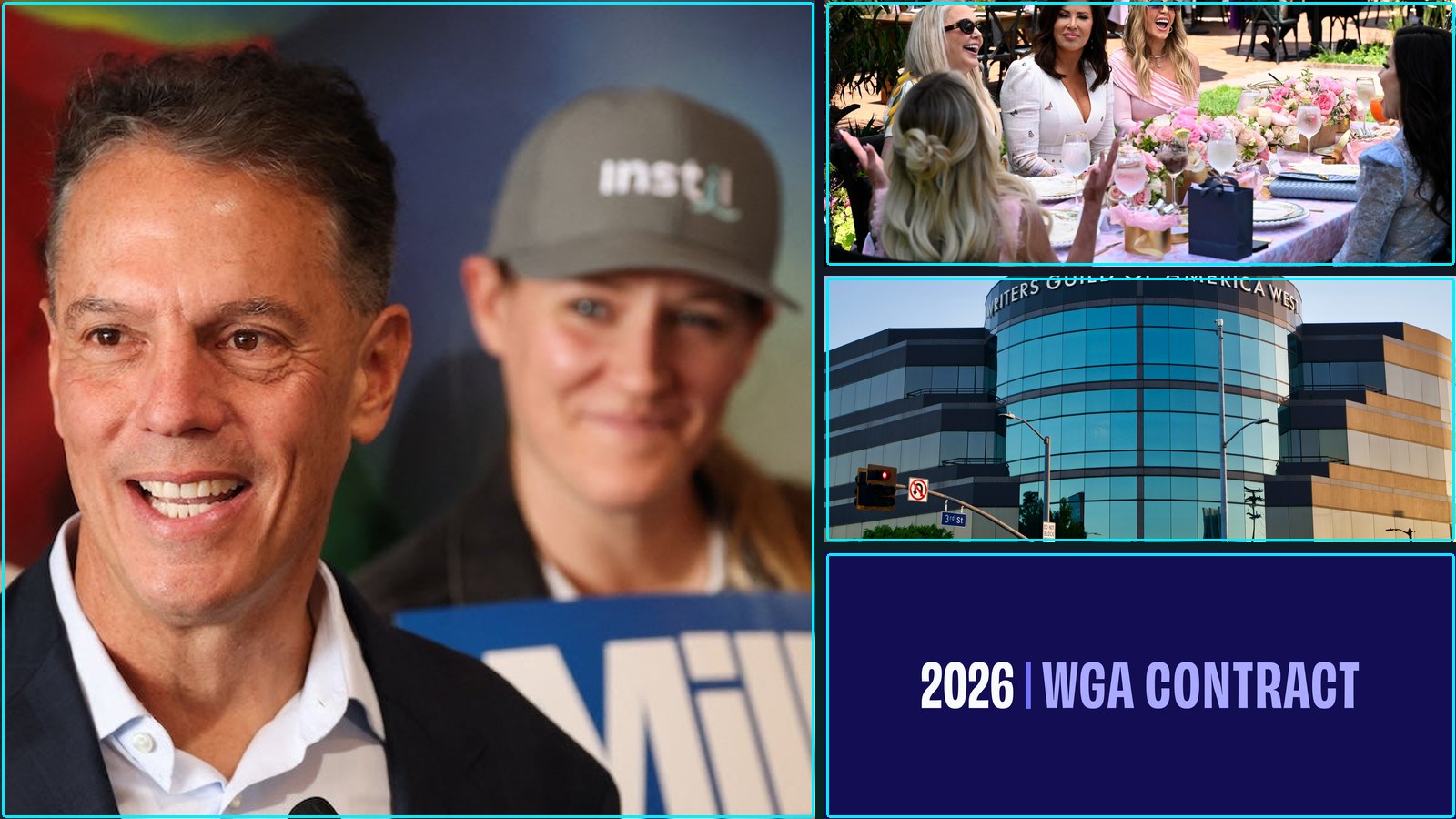
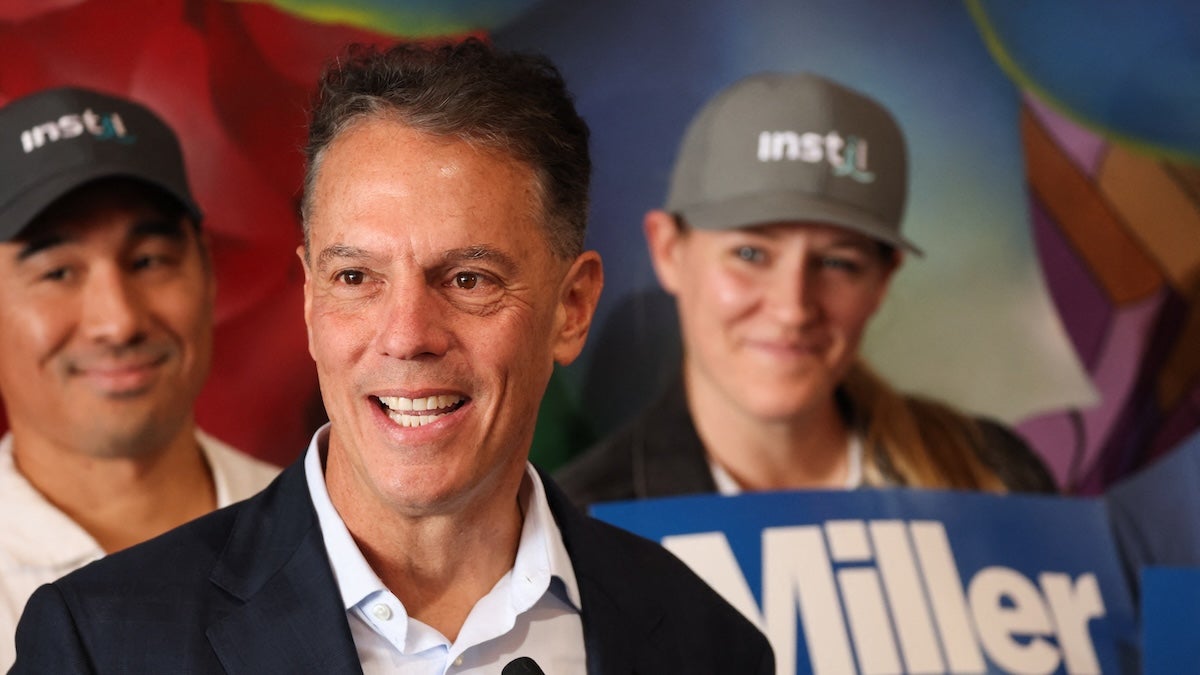
LA Mayor Candidate Adam Miller Calls for ‘Complete Overhaul’ of Film Production to Bring ‘Bread and Butter’ Jobs Back (Thewrap)
Summary: Los Angeles mayoral candidate Adam Miller proposes a radical restructuring of municipal support for film and television production, centered on a new Deputy Mayor of Entertainment and a unified ‘Made in LA’ office. His plan explicitly targets the ‘bread and butter’ small-to-mid-sized independent and commercial productions, aiming to eliminate permitting fees on city property and extend concierge services currently reserved for major studios. He advocates for an uncapped tax credit program and criticizes the incumbent administration’s delayed focus on the sector. The proposal frames the production exodus as a solvable operational failure requiring business-minded leadership.
Why it matters: A credible mayoral challenger’s platform directly targeting the production pipeline’s municipal friction points signals a potential shift in political prioritization of below-the-line job stability and indie/commercial viability.
Context: This follows sustained criticism from industry groups over LA’s permitting bureaucracy and competitive disadvantages relative to other states and countries, occurring alongside major events like the 2028 Olympics that strain city coordination capacity.
"Los Angeles mayoral candidate and businessman Adam Miller unveiled his plan to bring film and television production back to the city, which includes a Deputy Mayor of Entertainment, a singular film office." — THEWRAP
Commentary: Miller’s platform reframes the production crisis as a failure of municipal process management, not just incentives, and explicitly shifts the political focus from headline-grabbing tentpole shoots to the indie/commercial pipeline that sustains crew employment. If his campaign gains traction, it pressures the incumbent to accelerate operational reforms and could recalibrate FilmLA’s service priorities. The call for an uncapped tax credit, while politically fraught, underscores the growing view that California’s current capped program is insufficient to stem the outflow.
Date: Mon, 18 May 2026 23:41:29 +0000
URL: https://www.thewrap.com/media-platforms/politics/la-mayor-candidate-adam-miller-complete-overhaul-film-production/
AI Sentiment Score: Negative (83%)
AI Credibility Score: 10.0/10 — High
Scores and text generated by AI analysis of the source article indicated.
‘Simpsons Movie 2’ to Receive $22 Million as California Starts … (Au.Variety)
Summary: California’s expanded production incentive program has allocated $193 million in tax credits to 38 projects, with eight studio films and 30 independents receiving funding. The largest single allocation, $25.9 million, goes to an untitled Paramount crime thriller, while major animated sequels like ‘The Simpsons Movie 2′ ($21.9M) and an untitled DreamWorks Animation feature ($24.7M) signal a strategic push to anchor high-cost animation within the state. The list reveals a deliberate mix of tentpole franchise extensions and low-budget independents, with Netflix’s ’13 Going on 30’ reboot securing $10.9 million and Will Ferrell’s ‘Self Help’ receiving $2.6 million.

Why it matters: The allocation demonstrates California’s aggressive use of fiscal policy to retain high-value production segments against competitor states and countries, directly influencing studio location decisions and indie viability.
Context: This is the latest round of the California Film Commission’s tax credit program, which was expanded to better compete with incentives offered by Georgia, the UK, and Canada, particularly for animated and visual-effects-heavy work.
"“The Simpsons Movie 2” will be among the first animated films to receive funding from the state of California, getting $21.9 million from the state’s expanded production incentive program. The sequel is." — AU.VARIETY
Commentary: The scale of credits for animated features—notably ‘The Simpsons Movie 2’ and the DreamWorks project—indicates California is successfully leveraging subsidies to secure post-heavy, high-employment projects that were previously at risk of offshoring. The funding mix reveals a calibrated strategy: using major studio titles as anchor tenants to sustain infrastructure and labor pools, while the breadth of indie grants ($370k to $14M) functions as a de facto economic development tool for the local ecosystem. For producers, the list provides a real-time map of which genres and budget tiers currently secure state backing, directly informing packaging and financing pitches.
Date: April 23, 2026 12:00 AM ET
URL: https://au.variety.com/2026/film/news/simpsons-movie-2-california-incentives-35843/
AI Sentiment Score: Positive (66%)
AI Credibility Score: 10.0/10 — High
Scores and text generated by AI analysis of the source article indicated.
Governor Newsom announces 38 new film projects – from animated … (Gov.Ca.Gov)
Summary: The California Film Commission has allocated tax credits to 38 new productions, including the first animated features eligible under the state’s expanded incentive program. The slate, generating an estimated $796 million in economic activity, signals a strategic push to anchor high-spend studio projects and independent films within California. A notable 53% year-over-year increase in approved projects underscores the program’s acceleration following its funding boost to $750 million.

Why it matters: The allocation reveals the immediate operational impact of California’s expanded tax credit, directly influencing studio financing decisions, crew hiring pipelines, and location budgeting for the next production cycle.
Context: California more than doubled its annual film tax credit allocation to $750 million earlier this year, explicitly adding animated features to the qualifying categories to compete with other jurisdictions.
"Apr 23, 2026 # Governor Newsom announces 38 new film projects – from animated features to big budget productions and independents – coming to the Golden State What you need to know:." — GOV.CA.GOV
Commentary: The inclusion of animated features like ‘The Simpsons Movie 2’ and ‘Phineas and Ferb’ marks a deliberate policy shift to capture a high-labor, post-production-heavy segment previously lost to other states and countries. The 463 out-of-zone filming days indicate the incentive is successfully decentralizing production spend, affecting vendor and crew markets in counties like Humboldt and Kern. For below-the-line labor and local service providers, the 53% project approval surge translates to tangible near-term pipeline visibility and reduced inter-state chasing. However, the concentration of awards toward established studio franchises suggests the program’s primary function is defensive retention, not de novo indie creation, shaping a commissioning environment where tax eligibility becomes a core packaging variable.
Date: April 23, 2026 12:00 AM ET
URL: https://www.gov.ca.gov/2026/04/23/governor-newsom-announces-38-new-film-projects-from-animated-features-to-big-budget-productions-and-independents-coming-to-the-golden-state/
AI Sentiment Score: Positive (75%)
AI Credibility Score: 10.0/10 — High
Scores and text generated by AI analysis of the source article indicated.
Governor Newsom announces 38 new film projects – from … (Business.Ca.Gov)
Summary: California’s Film Commission has allocated tax credits to 38 new projects, including major studio animated features now eligible for the first time, such as ‘The Simpsons Movie 2’ and a DreamWorks Animation title. The round anticipates $796 million in economic activity and over 460 filming days outside the Los Angeles studio zone. This batch is part of a broader surge, with 147 projects approved since July 2024, representing $5.5 billion in economic activity and over 21,500 jobs.

Why it matters: The scale and composition of this credit allocation signal the state’s aggressive, updated strategy to recapture high-value production and below-the-line labor from competing jurisdictions.
Context: This follows Governor Newsom’s move to more than double the annual program budget to $750 million and expand eligibility to include animated features, a direct response to sustained runoff of production and jobs to other states and countries.
"Together, these 147 new projects represent $5.5 billion in total economic activity, 21,504 cast and crew jobs, and 5,928 filming days across California." — BUSINESS.CA.GOV
Commentary: The inclusion of animated features is a tactical expansion, targeting a high-expenditure, stable production segment that previously often located elsewhere. The 53% year-over-year increase in approved projects demonstrates the immediate leverage of the increased funding, but the real test will be whether this volume sustains crew rates and vendor capacity without inflating local costs, potentially negating the credit’s competitive edge.
Date: April 23, 2026 12:00 AM ET
URL: https://business.ca.gov/governor-newsom-announces-38-new-film-projects-from-animated-features-to-big-budget-productions-and-independents-coming-to-the-golden-state/
AI Sentiment Score: Positive (42%)
AI Credibility Score: 10.0/10 — High
Scores and text generated by AI analysis of the source article indicated.
38 Film Projects Receive State Tax Credits to Preserve Local … (Mynewsla)
Summary: The California Film Commission has allocated tax credits to 38 productions, including major studio animated features and independent films, as part of an expanded state incentive program. The selected projects are projected to generate nearly $800 million in economic activity and over 460 filming days outside the core Hollywood zone. This round marks a notable inclusion of animated features from studios like DreamWorks and Disney, which have historically been less reliant on location-based tax credits.

Why it matters: The allocation signals where California is directing its amplified subsidy war chest to retain high-value production and jobs, directly impacting studio financing decisions, crew hiring pipelines, and regional vendor economies.
Context: California expanded its annual tax credit pool from $330 million to $750 million last year to combat runaway production, leading to a 53% year-over-year increase in approved productions.
"Since the state’s tax credit program was expanded last year in a further effort to curb runaway production, the California Film Commission has approved credits for 147 productions, up 53% from the same period a year ago." — MYNEWSLA
Commentary: The inclusion of major animated features indicates the program’s strategic pivot to secure ‘sticky’ high-budget post-production and voice work, not just location shooting. This move pressures other jurisdictions and reassures local below-the-line labor, but also highlights the state’s concession that pure market forces were insufficient to retain this segment. The emphasis on out-of-zone filming days suggests a political calculus to distribute economic benefits beyond Los Angeles, securing broader legislative support for the program.
Date: April 23, 2026 12:00 AM ET
URL: https://mynewsla.com/hollywood/2026/04/23/38-film-projects-receive-state-tax-credits-to-preserve-local-production/
AI Sentiment Score: Positive (66%)
AI Credibility Score: 10.0/10 — High
Scores and text generated by AI analysis of the source article indicated.
In a first, animated movies receive film tax credits in California (Latimes)
Summary: California’s updated film tax credit program has, for the first time, allocated credits to animated feature films. Major projects from Disney, DreamWorks, and others were among the 38 selected productions, signaling a deliberate policy shift to include animation. The selected projects are projected to generate nearly $800 million in economic activity and employ thousands of crew and background actors.

Why it matters: This expands the competitive landscape for animation financing and directly impacts studio decisions on where to base production pipelines and labor.
Context: California’s incentive program was bolstered last year to include animation, a sector previously dominated by tax credit regimes in other states and countries.
"Walt Disney Co.’s “Phineas and Ferb,” “The Simpsons Movie 2” and an untitled DreamWorks movie are the first animated feature films to receive a California tax credit under the state’s updated incentive program." — LATIMES
Commentary: The inclusion of animation recalibrates the cost-benefit analysis for studios considering California versus global VFX and animation hubs. It represents a defensive play by the state to retain high-skill, long-term production jobs that were increasingly mobile. The substantial allocations to DreamWorks and Disney projects indicate immediate uptake, suggesting these studios had pipeline projects ready to pivot based on the policy change. This could pressure other jurisdictions and could tighten the labor market for senior animation talent in Southern California.
Date: April 23, 2026 12:00 AM ET
URL: https://www.latimes.com/entertainment-arts/business/story/2026-04-23/in-first-animated-movies-receive-film-tax-credits-in-california
AI Sentiment Score: Positive (42%)
AI Credibility Score: 10.0/10 — High
Scores and text generated by AI analysis of the source article indicated.
Can the new tax credits bring animation back to California? – Los Angeles Times (Latimes)
Summary: California’s expanded film and television tax credit program has, for the first time, awarded credits to animated feature films, with allocations going to projects from Disney (for ‘The Simpsons Movie 2’ and ‘Phineas and Ferb’) and DreamWorks Animation for an untitled film. DreamWorks COO Randy Lake frames the credit as a ‘potential game changer’ for retaining long-term production jobs in-state, directly countering a multi-year trend of animation work migrating to hubs in Canada and elsewhere due to richer foreign incentives. The move signals a targeted policy effort, lobbied for by studios and unions, to recalibrate the cost calculus for high-employment, multi-year animation projects.

Why it matters: The allocation demonstrates a tangible shift in commissioning and financing logic, where state-level fiscal policy is now a direct lever for studio pipeline decisions and labor retention, directly impacting vendor selection, crew hiring, and the geographic distribution of core production work.
Context: For over a decade, animation and VFX work has steadily offshored to jurisdictions like British Columbia and Quebec, driven by aggressive tax credits and lower costs, hollowing out California’s production ecosystem for this labor-intensive sector.
"Can the new tax credits bring animation back to California? – Share via Last year, studios and Hollywood labor unions lobbied hard to ensure animated movies and shows could compete for California’s." — LATIMES
Commentary: The credit’s real value is in locking in multi-year production cycles and associated vendor contracts in-state, offering studios a tool to justify higher fixed costs against the volatility of theatrical returns. Its success will be measured not by one-off allocations but by whether it sustainably alters the outsourcing math for entire slates, reversing the established partner-studio pipeline to Canada.
Date: 3 weeks ago
URL: https://latimes.com/entertainment-arts/business/newsletter/2026-04-28/wide-shot-animation-tax-credits
AI Sentiment Score: Positive (50%)
AI Credibility Score: 10.0/10 — High
Scores and text generated by AI analysis of the source article indicated.
Governor Pritzker launches first-in-the-nation film production tax credit to incentivize sustainable filmmaking – The Troy Times Tribune (Timestribunenews)
Summary: Illinois Governor J.B. Pritzker has launched a first-in-the-nation tax credit expansion, adding a 5% incentive for film and television productions certified as ‘green’ by the state’s film office. The program ties financial benefit directly to meeting specific sustainability benchmarks, aiming to shift industry practice while capitalizing on the state’s record $703 million in production expenditures last year. It explicitly seeks to drive demand for local green vendors and infrastructure, from battery systems to solar-powered trailers.

Why it matters: This creates a new, quantifiable cost variable in location budgeting and vendor selection, directly linking environmental compliance to a state’s financial competitiveness.
Context: States compete aggressively via tax credits, but the criteria have traditionally been based on spend and hiring; Illinois is the first to embed an environmental performance premium into its incentive structure.
"Under the expanded program, productions recognized as a “certified green production” through the Department of Commerce and Economic Opportunity’s (DCEO) Illinois Film Office will be eligible for an additional 5% tax credit – making Illinois the first state to incentivize film and television productions for meeting certain sustainability standards." — TIMESTRIBUNENEWS
Commentary: This moves sustainability from a PR line-item to a core financing metric, forcing productions to evaluate green vendor availability and on-set operational changes against a concrete 5% credit. It pressures other production hubs to respond, potentially standardizing green certification as a new axis of interstate competition, with immediate implications for local vendor ecosystems specializing in energy, waste, and materials.
Date: 2 weeks ago
URL: https://www.timestribunenews.com/2026/05/05/governor-pritzker-launches-first-in-the-nation-film-production-tax-credit-to-incentivize-sustainable-filmmaking/
AI Sentiment Score: Negative (66%)
AI Credibility Score: 7.0/10 — Medium
Scores and text generated by AI analysis of the source article indicated.
Film & TV Projections 2026 (Americanmovieco)
Summary: A global recalibration in film and TV production is being driven by enhanced, long-term government incentives, which are increasingly targeting independent producers and mid-budget projects. Key programs like Ireland’s Scéal Uplift, the UK’s Independent Film Tax Credit, and New York’s dedicated $100M fund create distinct funding lanes outside the studio system. In the US, major production states have locked in multi-billion-dollar, decade-plus commitments, establishing a baseline for $7-8B in annual domestic spending, with potential to reach $10-15B. Internationally, new frameworks like the Council of Europe’s co-production treaty for series are simplifying cross-border financing and collaboration.

Why it matters: These structured, long-term incentives directly shape financing confidence, packaging leverage, and location decisions, moving the market from speculative to predictable for producers and financiers.
Context: This follows a post-peak-streaming period where runaway production spending has cooled, shifting focus to sustainable models and risk-managed capital deployment.
"This program provides a highly competitive 30 to 40 percent credit and allows productions to claim benefits in the year a project is completed, without competing directly with large studio productions." — AMERICANMOVIECO
Commentary: The segmentation of incentives for independents versus studios indicates a policy-driven effort to diversify the production pipeline and mitigate capital concentration risk. The shift to long-term program horizons (e.g., NY through 2034, NJ through 2039) transforms incentive analysis from a yearly scrum into a strategic, multi-year asset for producers and lenders. The new European series treaty formalizes a previously ad-hoc international co-production market, potentially reducing legal overhead and accelerating greenlights for mid-tier streaming originals.
Date: April 23, 2026 12:00 AM ET
URL: https://www.americanmovieco.com/blog/film-amp-tv-projections-2026
AI Sentiment Score: Negative (50%)
AI Credibility Score: 9.6/10 — High
Scores and text generated by AI analysis of the source article indicated.
Film Financing Intelligence: How Data Is Replacing Guesswork In … (Vitrina.Ai)
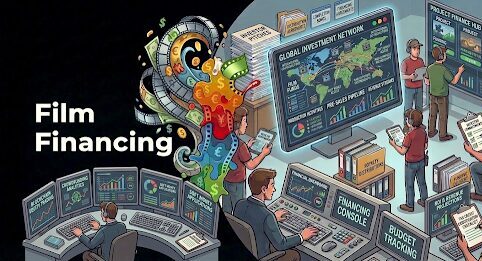
Summary: Film financing intelligence platforms are systematizing the historically opaque process of assembling production capital by aggregating real-time data on funder mandates, deal structures, and market activity. These tools track the five core sources—pre-sales, tax incentives, co-production funds, equity, and broadcaster deals—mapping relationships and timing to optimize capital stacking. The European Audiovisual Observatory notes the average European co-production now draws from over four distinct sources, illustrating the complexity these platforms aim to navigate.
Why it matters: For producers and studio executives, this shift from relational to data-driven deal-making directly impacts packaging speed, financing certainty, and competitive advantage in securing limited capital.
Context: Film financing has long relied on insider networks and episodic market intelligence, creating barriers for new entrants and inefficiencies even for established players.
"According to the European Audiovisual Observatory, European co-productions draw from an average of 4.2 distinct financing sources per project — a figure that illustrates how complex modern financing stacks have become." — VITRINA.AI
Commentary: The professionalization of financing intelligence commoditizes relationship capital, shifting leverage towards producers who can master data aggregation over those relying on Rolodexes. This could pressure traditional sales agents and gap financiers whose value was partly informational, while accelerating capital formation for projects that fit clear, data-validated patterns. The real test will be whether these platforms can illuminate the opaque equity layer or merely optimize the transparent portions of the stack.
Date: April 28, 2026 12:00 AM ET
URL: https://vitrina.ai/blog/film-financing-intelligence-data-production-funding/
AI Sentiment Score: Negative (50%)
AI Credibility Score: 10.0/10 — High
Scores and text generated by AI analysis of the source article indicated.
Writers Guild members ratify new contract with studios – LA Times (Latimes)
Summary: The Writers Guild of America has ratified its new contract with the AMPTP, securing a deal months before the previous agreement’s May 1 expiration. The pact includes a significant boost to the health fund via increased studio contributions, a ‘success bonus’ for top streaming shows, and initial language governing AI training. However, it also introduces member healthcare premiums and raises the earnings threshold for coverage. Notably, the contract term extends to four years, a departure from the typical three-year cycle.

Why it matters: This sets the first major benchmark for post-strike labor costs and establishes a new precedent for streaming residuals and AI governance that will directly impact project budgets and development slates.
Context: This ratification concludes the first major guild negotiation since the 2023 strikes, establishing a template for pending SAG-AFTRA talks and signaling studio priorities on long-term cost containment.
"Members of the Writers Guild of America have officially ratified their newest contract with the Alliance of Motion Picture and Television Producers. More than 90% of the 11,000 voting members in both." — LATIMES
Commentary: The four-year term is a clear win for studio stability, locking in terms through 2030 and delaying the next potentially disruptive negotiation. The ‘success bonus’ creates a new, performance-based cost variable for streamers, directly tying backend payouts to viewership data they have historically guarded. The introduction of member healthcare premiums, while offset by larger studio fund contributions, shifts a portion of cost volatility onto the guild membership itself, a trade-off that may recalibrate risk tolerance in future talks.
Date: April 24, 2026 12:00 AM ET
URL: https://www.latimes.com/entertainment-arts/business/story/2026-04-24/writers-guild-members-ratify-new-contract-with-studios
AI Sentiment Score: Negative (62%)
AI Credibility Score: 10.0/10 — High
Scores and text generated by AI analysis of the source article indicated.
Screenwriters overwhelmingly approve a 4-year contract with … (Ground.News)
Summary: The Writers Guild of America has ratified a new four-year Minimum Basic Agreement with the AMPTP, securing a $321 million infusion for its health plan and preserving the AI guardrails established in 2023. The deal, approved by over 90% of voting members, also introduces new minimum pay rules and increases streaming success bonuses. The ratification concludes a notably less contentious cycle than the 2023 strike, with AMPTP leadership framing it as collaborative.

Why it matters: The contract’s terms and its smooth passage set a critical precedent for the upcoming SAG-AFTRA and DGA negotiations, directly impacting project budgets, development pipelines, and labor stability for the next four years.
Context: This follows the protracted 2023 strike, where AI and streaming economics were central battlegrounds; the health plan’s financial distress was a known pressure point requiring a structural fix.
"The Writers Guild of America ratified a four-year contract with the Alliance of Motion Picture and Television Producers , with over 90 percent of voting members approving the deal set to run through May 1, 2030." — GROUND.NEWS
Commentary: The overwhelming approval and lack of new AI concessions signal that the 2023 framework is now the durable floor, allowing studios to budget accordingly. The $321M health plan injection, while costly, removes a major point of systemic friction and likely helped secure quick ratification. The real test is whether this ‘collaborative’ template holds for SAG-AFTRA, where AI and performer consent issues remain far more complex.
Date: April 25, 2026 12:00 AM ET
URL: https://ground.news/article/the-wga-amptp-deal-reflects-a-major-shift-in-hollywoods-labor-talks
AI Sentiment Score: Negative (66%)
AI Credibility Score: 10.0/10 — High
Scores and text generated by AI analysis of the source article indicated.
WGA Members Ratify Contract with Hollywood Studios – MyNewsLA.com (Mynewsla)
Summary: The Writers Guild of America has ratified a new four-year master contract with Hollywood studios, securing the deal through May 2030. The agreement passed with 90.4% member approval, signaling strong internal consensus. Key financial provisions include directing over $321 million in new and diverted funds to the union’s health plan over the contract term.

Why it matters: The contract’s terms and overwhelming ratification set the economic floor for writer compensation and benefits for the next four years, directly impacting project budgets, studio P&Ls, and packaging calculus.
Context: This ratification concludes the bargaining cycle that began with the 2023 strike, establishing a template for upcoming negotiations with SAG-AFTRA and the DGA.
"These increases and diversions are projected to result in a total of at least $321 million in additional contributions to the Health Fund over the term of the agreement, including $280 million in new contributions from the companies." — MYNEWSLA
Commentary: The $321M health fund injection, framed as a ‘historic investment,’ represents a tangible, locked-in cost increase for studios and streamers, moving beyond the abstract AI protections that dominated the strike’s public narrative. The 90.4% ratification margin indicates the deal successfully addressed the membership’s core economic anxieties, reducing near-term labor instability but embedding higher fixed costs into the development pipeline. This creates immediate pressure on buyers to rationalize slates and may accelerate the shift toward fewer, more tentpole-driven commissions.
Date: April 24, 2026 12:00 AM ET
URL: https://mynewsla.com/hollywood/2026/04/24/writers-guild-members-ratify-contract-with-hollywood-studios/
AI Sentiment Score: Negative (62%)
AI Credibility Score: 10.0/10 — High
Scores and text generated by AI analysis of the source article indicated.
WGA ratifies new four-year deal with studios – Reel 360 News (Reel360)
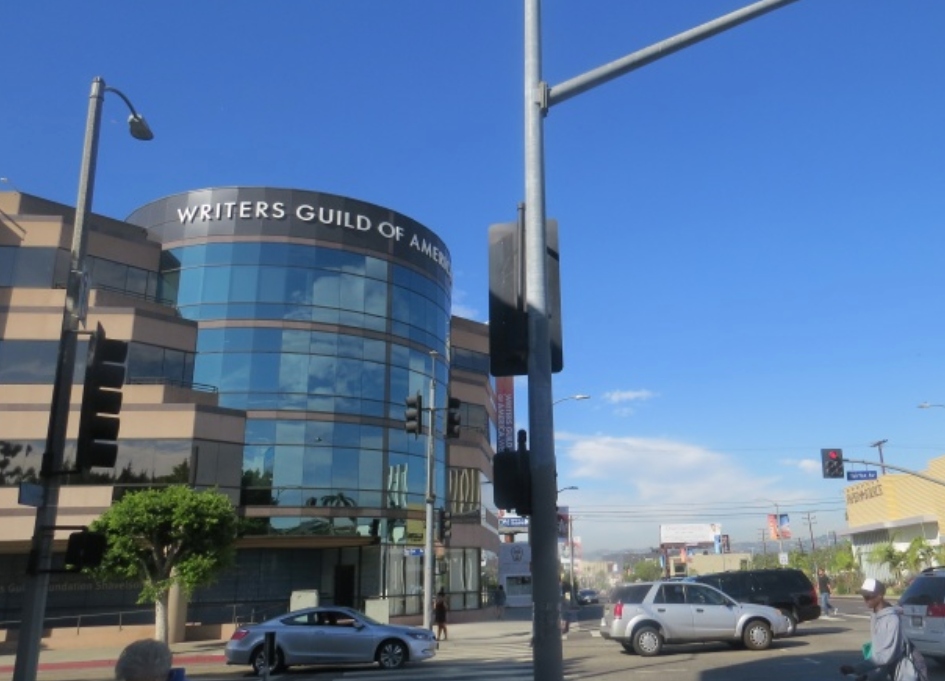
Summary: The WGA has ratified a new four-year Minimum Basic Agreement with the AMPTP, securing a $321 million health fund stabilization package in exchange for writers accepting individual premiums and higher deductibles. The deal preserves staffing minimums and increases the streaming success bonus, while AI provisions remain unchanged from the post-2023 strike status quo. This agreement sets the first major benchmark in the current bargaining cycle, with SAG-AFTRA and DGA negotiations ongoing.
Why it matters: This contract establishes the financial and structural template for the next four years of production, directly impacting project budgeting, writer compensation, and health care costs across the industry.
Context: This ratification follows the 2023 strike and represents a strategic trade-off: securing long-term health fund solvency through member cost-sharing in exchange for maintaining critical gains in residuals and staffing.
"The Writers Guild of America (WGA) has officially ratified a new four-year Minimum Basic Agreement with the major studios, approving a deal that introduces significant changes to its health plan while securing." — REEL360
Commentary: The deal signals a shift in risk management from the guild collective to individual writers, a structural concession studios sought to contain rising benefit costs. The preserved staffing minimums and increased streaming bonus reflect sustained leverage on creative labor terms, while the static AI language indicates a strategic pause, kicking contentious training compensation debates to the next cycle. This framework pressures SAG-AFTRA and DGA to accept similar health plan restructuring in their upcoming negotiations.
Date: April 25, 2026 12:00 AM ET
URL: https://reel360.com/article/wga-ratifies-new-four-year-deal-with-studios/
AI Sentiment Score: Negative (66%)
AI Credibility Score: 10.0/10 — High
Scores and text generated by AI analysis of the source article indicated.
The New Four-Year Agreement Between Hollywood Writers and … (Italymeetshollywood)
Summary: The WGA and AMPTP have ratified a four-year collective bargaining agreement, effective May 2026, marking a departure from the standard three-year cycle. The extended term was the union’s key concession to secure a $321 million infusion into its deficit-plagued health fund. The deal features graduated minimum wage increases totaling ~10.5% and enhanced streaming residuals, but does not prohibit AI training on writers’ work, only mandating notification.
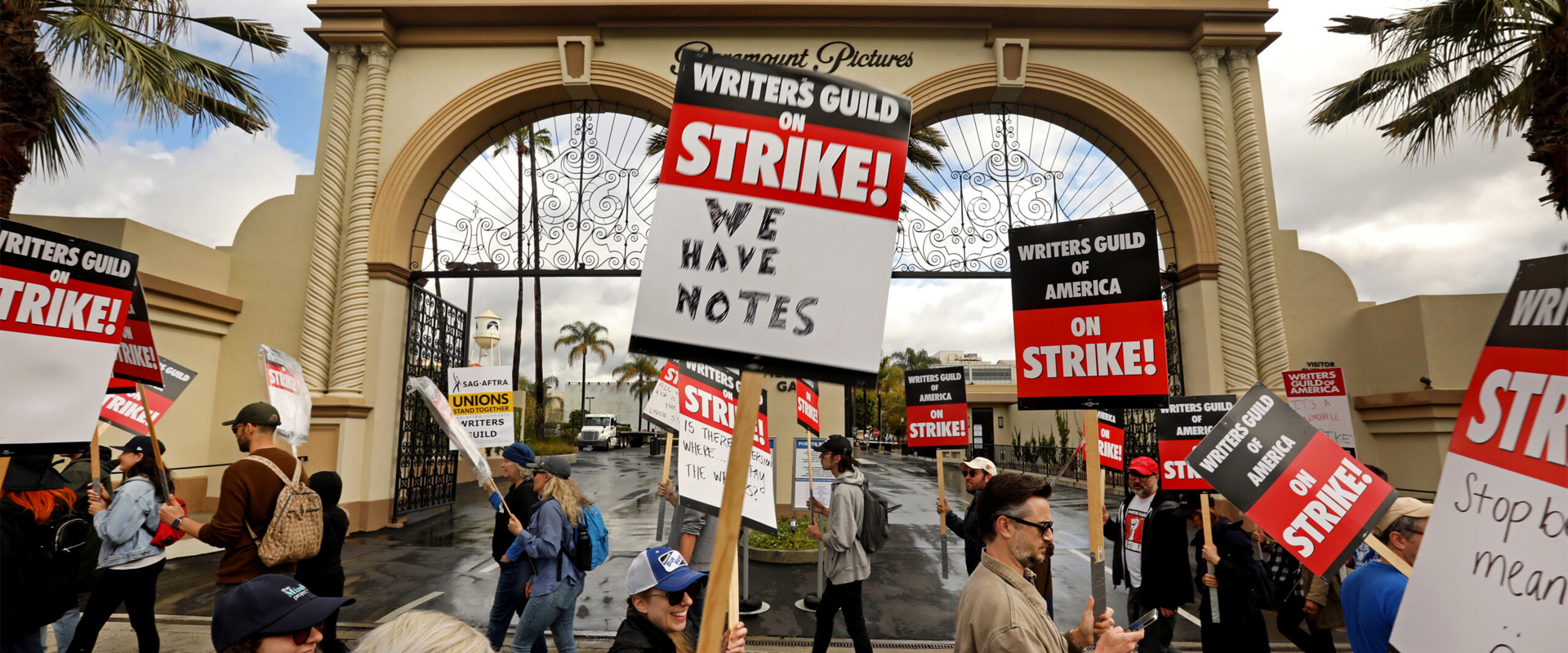
Why it matters: The contract’s structure and concessions set the financial and operational floor for scripted development for the next four years, directly impacting project budgeting, packaging economics, and labor stability.
Context: This follows the 2023 strikes, which exacerbated the health fund’s deficit and shifted leverage, making long-term solvency a primary union objective over shorter-term gains.
"Hollywood has reached a significant labor agreement. The Writers Guild of America (WGA), the writers’ union, and the Alliance of Motion Picture and Television Producers (AMPTP), representing studios and platforms, have concluded." — ITALYMEETSHOLLYWOOD
Commentary: The four-year lock signals a calculated trade by the WGA: prioritizing institutional survival over aggressive annual gains, granting studios predictable labor costs through 2030. The AI clause’s weakness (notification, not prohibition) leaves a critical tooling and rights vulnerability unresolved, shifting the enforcement burden to individual writers and future negotiations. The graduated 3% annual bumps after a low first-year increase reflect a backend-loaded cost structure for buyers, affecting commissioning math for 2027 onward.
Date: April 22, 2026 12:00 AM ET
URL: https://italymeetshollywood.com/2026/04/the-new-four-year-agreement-between-hollywood-writers-and-studios/
AI Sentiment Score: Negative (71%)
AI Credibility Score: 10.0/10 — High
Scores and text generated by AI analysis of the source article indicated.
WGA Ratifies 2026 Minimum Basic Agreement with AMPTP (Wgaeast)
Summary: The Writers Guild of America has ratified a new three-year Minimum Basic Agreement with the AMPTP, effective May 2026. The deal passed with over 90% support, locking in terms through May 2030. Key provisions include a 10.5% minimum wage increase over the term, a $280 million projected infusion into the health plan, and enhanced residuals and protections for streaming work.
Why it matters: This contract sets the baseline labor cost and creative rights framework for all studio and streamer development for the next four years, directly impacting budgeting, packaging, and greenlight decisions.
Context: This follows the precedent-setting 2023 strike settlement, which established the first viewership-based streaming bonus; the 2026 MBA builds on and institutionalizes those gains.
"Friday April 24, 2026 # WGA Ratifies 2026 Minimum Basic Agreement with AMPTP LOS ANGELES and NEW YORK (April 24, 2026)—The members of Writers Guild of America East (WGAE) and Writers Guild." — WGAEAST
Commentary: The overwhelming ratification signals industry-wide acceptance of the streaming-era compensation model solidified in 2023, providing four years of labor stability. The specific health plan funding and ‘page-one’ rewrite minimums address chronic pain points in development pipelines, forcing more structured commissioning and reducing hidden costs of free work. For buyers, this entrenches higher baseline costs, likely tightening risk tolerance on mid-tier projects while solidifying the writer’s share of backend in high-value streaming hits.
Date: April 24, 2026 12:00 AM ET
URL: https://www.wgaeast.org/wga-ratifies-2026-minimum-basic-agreement-with-amptp/
AI Sentiment Score: Negative (50%)
AI Credibility Score: 10.0/10 — High
Scores and text generated by AI analysis of the source article indicated.
WGA West Staff Union Strike Ends As Members Ratify First Collective Bargaining Agreement (Deadline)
Summary: The WGA West Staff Union has ratified its first collective bargaining agreement, ending an 82-day strike. The contract, approved by 89% of members, institutes just-cause protections, seniority-based layoff procedures, and a structured 12% wage increase over three years, totaling over $500,000 for 116 staffers. The resolution follows protracted negotiations that persisted even after the WGA’s own deal with the AMPTP was concluded.

Why it matters: This sets a precedent for internal labor organization within entertainment guilds, potentially altering cost structures and operational stability for the WGA itself and signaling to other guild staff about collective action viability.
Context: The strike occurred amidst and after the WGA’s own high-profile negotiations with studios, highlighting internal tensions between a union’s leadership and its own employees over workplace standards.
"The WGA West Staff Union has officially ratified its first collective bargaining agreement with the guild, ending an 82-day work stoppage. The inaugural contract was ratified by 89% of its members, and." — DEADLINE
Commentary: The WGSU’s successful ratification, achieved despite management’s ‘last, best and final’ offer stance, demonstrates that internal staff leverage can force concessions even from a union employer. This emboldens similar organizing efforts across guilds and industry non-profits, embedding new fixed labor costs and procedural guardrails into their operational budgets. The no-strike clause and retroactive pay structure point to a negotiated détente, but the underlying friction suggests future contract cycles will involve more formalized and potentially contentious labor-management committees.
Date: 1 week ago
URL: https://deadline.com/2026/05/wga-west-staff-union-strike-ends-members-ratify-first-deal-1236889747/
AI Sentiment Score: Positive (50%)
AI Credibility Score: 10.0/10 — High
Scores and text generated by AI analysis of the source article indicated.
Reality TV production continues to plummet in L.A. – Los Angeles Times (Latimes)
Summary: Reality TV production in Los Angeles fell sharply in Q1 2026, with shoot days dropping 33.7% from the previous quarter and 52.5% year-over-year, totaling just 463 days. This decline dragged down overall TV production figures, which fell 28.4% year-over-year, despite gains in scripted drama, comedy, and tax credit-supported feature films. The data from FilmLA shows the unscripted segment contracting as commissioning volume for new U.S. reality premieres has fallen by about a third since 2022.

Why it matters: For producers, crews, and vendors specializing in unscripted content, this signals a sustained erosion of local commissioning and a shift of economic activity away from the L.A. ecosystem.
Context: The L.A. production economy is increasingly bifurcating between tax credit-anchored, high-value scripted work and a hollowed-out non-incentivized sector, with reality TV being a major casualty.
"Reality TV production continues to plummet in L.A. – Click here to listen to this article – Share via Reality television production in Los Angeles continues to face major challenges, as the." — LATIMES
Commentary: The collapse in reality shoot days reveals a fundamental shift in buyer risk tolerance and packaging leverage; networks and streamers are retreating from a once-reliable, low-cost programming format, likely due to oversaturation and margin pressure. This forces a labor and vendor realignment within L.A., as specialized reality crews must pivot to commercials, other non-scripted categories, or leave the market entirely. The concurrent rise in tax credit-driven feature and TV drama production underscores that California’s incentives are effectively picking winners, creating a two-tiered local industry where non-subsidized work faces structural decline.
Date: 3 weeks ago
URL: https://latimes.com/entertainment-arts/business/story/2026-04-28/reality-tv-production-continues-to-plummet-in-la
AI Sentiment Score: Negative (66%)
AI Credibility Score: 10.0/10 — High
Scores and text generated by AI analysis of the source article indicated.
The State of Theatrical Releasing in 2026: Dead Man Walking or Phoenix Rising? (Youtube)
Summary: A 2026 analysis of theatrical windows reveals a continued shift toward compressed exclusivity, with Universal securing a three-week theatrical window followed by premium pay-per-view release, including a revenue-sharing agreement for theaters. The model leverages the front-loaded nature of box office returns, where distributor revenue share drops from 50% to 30% over a film’s run, making a shorter window financially rational. Concurrently, the market is seen as consolidating around one or two major streaming services, with studios opting for output deals to Netflix proving financially successful by avoiding the high costs of direct competition.
Why it matters: This signals a permanent recalibration of theatrical economics, directly impacting distributor cash flow, theater chain viability, and the strategic calculus for studio streaming investments.
Context: The post-pandemic renegotiation of theatrical windows has been an ongoing industry pressure point, with studios seeking flexibility and exhibitors fighting for exclusivity to drive foot traffic.
"{ts:860} with Universal for what a three-week window it typically in the past films would play I don’t know Ira you probably {ts:868} know the number it was like at least six." — YOUTUBE
Commentary: The three-week window with PPV revenue sharing represents a formalized hybrid model, moving beyond the ad-hoc PVOD experiments of the early 2020s. It acknowledges theaters’ diminished monopoly on access while granting them a stake in the downstream digital revenue, potentially stabilizing their business model. The parallel observation about output deals to Netflix highlights a strategic retreat from the ‘must-have-a-streamer’ arms race, suggesting a coming wave of studio portfolio rationalization. Together, these points forecast a more bifurcated market: a handful of mega-platforms and a theatrical ecosystem sustained by truncated exclusivity and shared digital economics.
Date: April 22, 2026 12:00 AM ET
URL: https://www.youtube.com/watch?v=cfRo-IpKgyY
AI Sentiment Score: Negative (66%)
AI Credibility Score: 10.0/10 — High
Scores and text generated by AI analysis of the source article indicated.
The Pinched Middle — When NonDē Meets Its Limits (Capitalmeetsstory.Substack)
Summary: Independent film financing in the $10M–$15M range requires a complex capital stack of equity, pre-sales, tax incentives, and gap financing. This tier demands institutional-level deal assembly but lacks the security blanket of studio backing, making it uniquely precarious. The article argues that pre-sales traditionally serve as the de-risking mechanism for gap lenders by proving market demand. The concept of a ‘Verified Audience’ is introduced as a new form of behavioral proof that could function as a soft pre-sale.
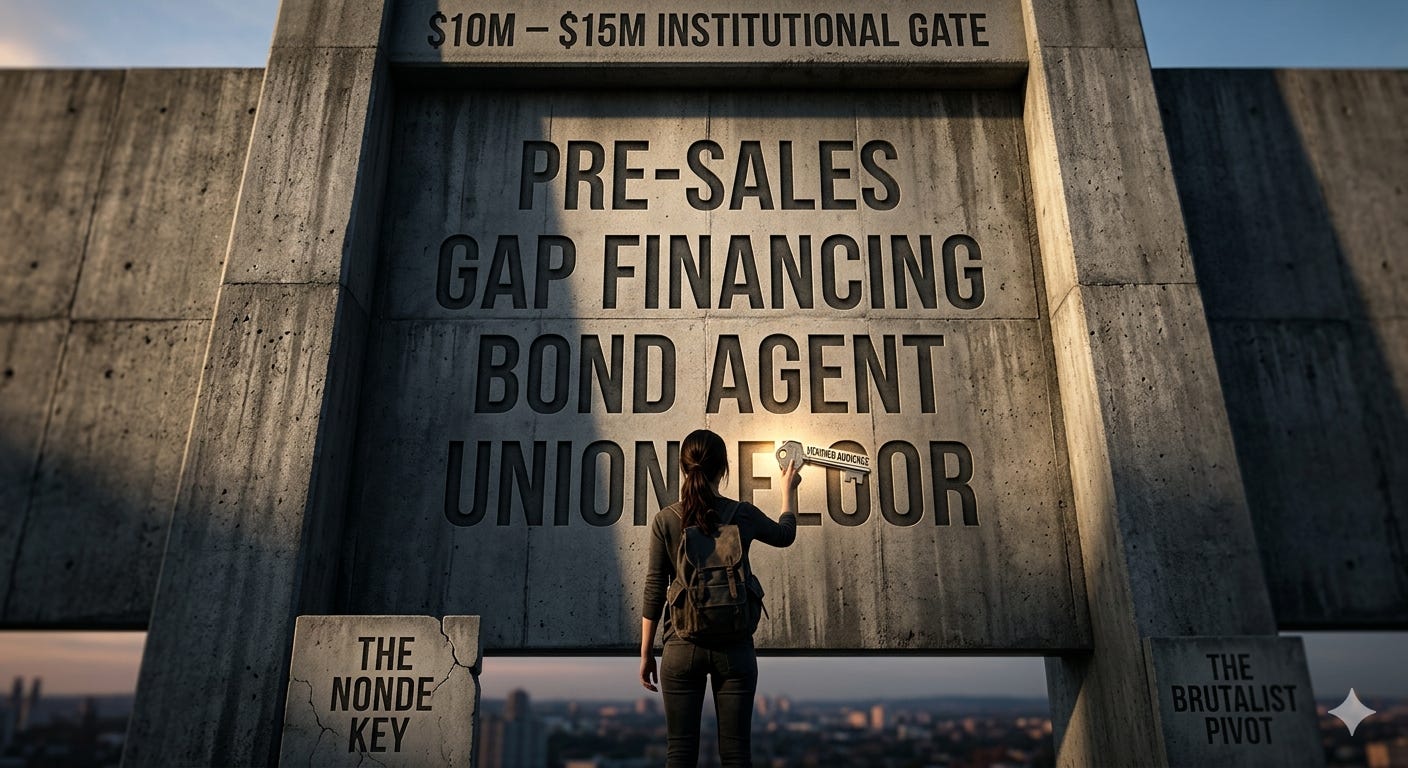
Why it matters: For producers and financiers, this analysis clarifies the specific structural vulnerabilities and sequencing dependencies in mid-budget indie financing, directly impacting project viability and risk assessment.
Context: The mid-budget independent film sector has long been a financing no-man’s-land, caught between agile micro-budgets and studio-backed tentpoles, with pre-sales being the critical linchpin for securing gap loans.
"The $10M–$15M range is the most treacherous terrain in independent film finance for one precise reason: it demands institutional-level infrastructure without providing institutional-level support. At this budget tier, you are no longer." — CAPITALMEETSSTORY.SUBSTACK
Commentary: The piece correctly identifies the pre-sale as the keystone of the traditional stack; its proposed evolution into ‘behavioral proof’ suggests a shift toward data-driven audience validation, which could alter commissioning logic and risk tolerance for financiers like Peachtree. If validated, this could recalibrate packaging leverage, making audience metrics as bankable as distribution agreements, and potentially opening the $10M–$15M tier to a new class of data-confident producers.
Date: April 21, 2026 12:00 AM ET
URL: https://capitalmeetsstory.substack.com/p/the-pinched-middle-when-nonde-meets
AI Sentiment Score: Negative (80%)
AI Credibility Score: 9.7/10 — High
Scores and text generated by AI analysis of the source article indicated.
Sony’s Swear, Warner’s Wish – The Industry | Substack (Theindustry.Co)
Summary: Warner Bros. Discovery shareholders overwhelmingly approved the acquisition of Paramount, a deal contingent on regulatory approval amid scrutiny of a $24bn Middle Eastern investment. Concurrently, Amazon MGM Studios is closing a $30M deal for a romantic comedy, Focus Features has boarded a new horror film from Curry Barker with notable producers attached, and Hulu and Roadside Attractions have acquired rights to new projects. These moves signal continued dealmaking and content assembly despite a complex regulatory environment.

Why it matters: These developments reveal the current commissioning logic, financing confidence, and risk tolerance of major studios and distributors, highlighting where capital is being deployed and the structural pressures shaping the market.
Context: Major studio consolidation faces heightened regulatory scrutiny, particularly concerning foreign investment, while mid-tier and streaming buyers continue to aggressively acquire packaged projects to fill pipelines.
"The film is releasing today in theaters in the US. … 99% of Warner Bros. Discovery shareholders voted to greenlight its acquisition by Paramount. Of course, Paramount Skydance Warner Bros. Discovery cannot." — THEINDUSTRY.CO
Commentary: The near-unanimous shareholder vote demonstrates institutional confidence in the deal’s strategic logic, but the regulatory hurdle underscores a new friction point: sovereign wealth funding is now a trigger for antitrust review, potentially chilling future M&A reliant on similar capital. Meanwhile, the flurry of mid-eight-figure acquisitions by Amazon MGM, Hulu, and Roadside Attractions shows that, irrespective of macro consolidation, the demand for packaged, talent-driven genre fare (rom-com, horror, thriller) remains robust, sustaining the independent production and sales ecosystem.
Date: April 24, 2026 12:00 AM ET
URL: https://theindustry.co/p/sonys-swear-warners-wish
AI Sentiment Score: Negative (50%)
AI Credibility Score: 10.0/10 — High
Scores and text generated by AI analysis of the source article indicated.
Post ID: 310c4d8b