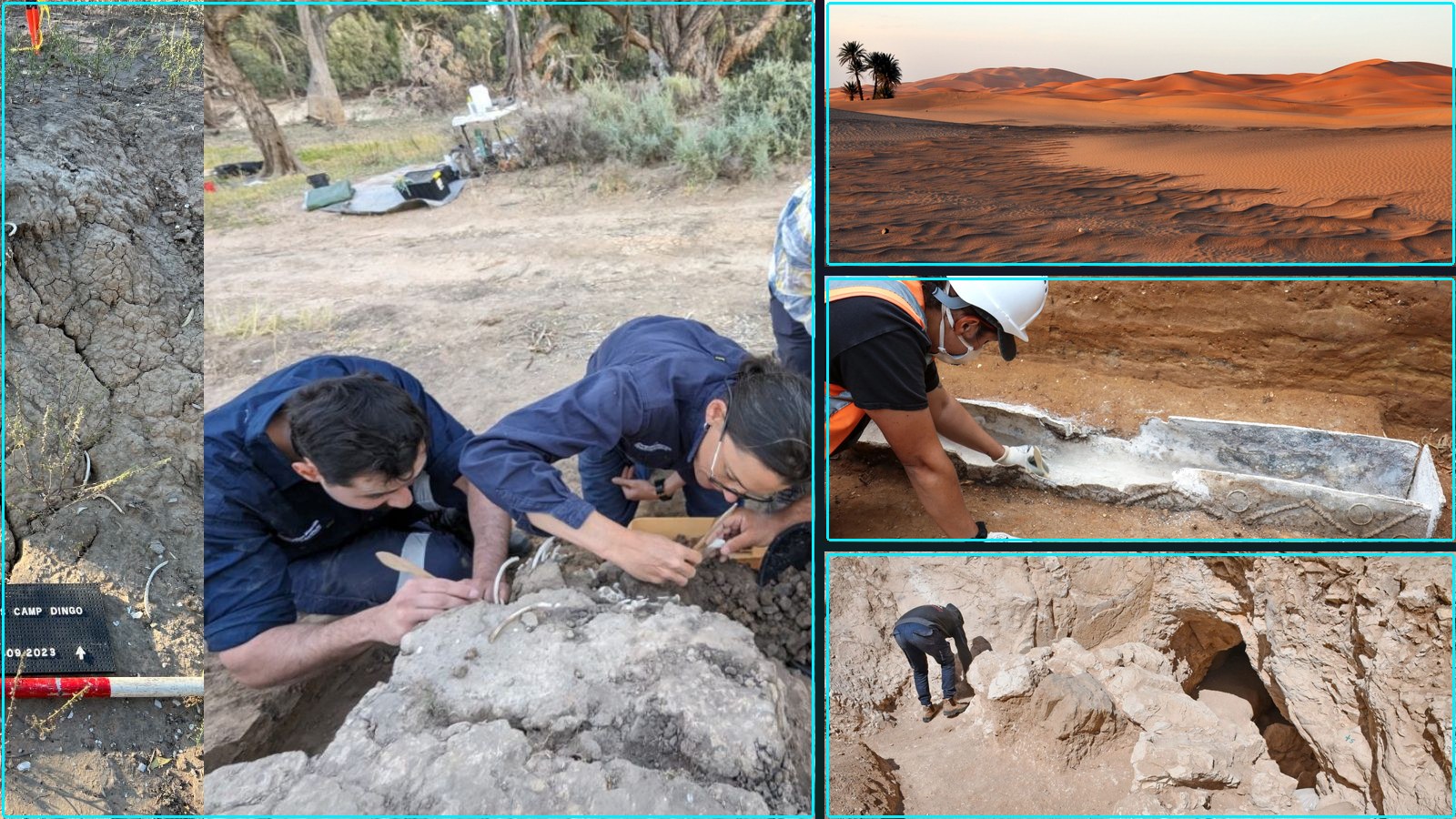
Recent Archaeological Finds and Excavations
‘We kept finding large, circular mass graves’ in the Sahara predating the ancient Egyptians, archaeologists report (Livescience)
Summary: A remote-sensing survey in the Eastern Sahara has identified 260 previously unknown large, circular mass graves, dating to 4000–3000 BCE. These ‘enclosure burials,’ containing humans and livestock, indicate a widespread nomadic culture predating Pharaonic Egypt. Their construction near ancient water sources and the inclusion of cattle suggest a society adapting to a drying climate while developing nascent social hierarchy.

Why it matters: This evidence recalibrates the prehistory of Northeast Africa, shifting focus from the Nile’s agricultural states to the organizational capacity and cultural complexity of early Saharan pastoralists.
Context: The discovery challenges the narrative of Egypt as the sole origin of monumentalism and social stratification in the region, placing it within a broader, older network of desert-adapted societies.
"’We kept finding large, circular mass graves’ in the Sahara predating the ancient Egyptians, archaeologists report Archaeologists have found 260 burials in the Sahara that predate ancient Egypt. We have been on." — LIVESCIENCE
Commentary: The scale and uniformity of these monuments force a revision of ‘periphery’ models; this was a coherent cultural system with its own logic of status display through costly herd maintenance in an aridifying landscape. The pattern of secondary burials around a central figure provides concrete archaeological evidence for the emergence of social inequality among pastoralists, a process parallel to but distinct from state formation along the Nile. Their millennia-long reuse as sacred spaces points to a durable cultural memory that transcends ecological collapse, a critical datum for understanding long-term human engagement with extreme environments.
Date: Sun, 17 May 2026 12:00:00 +0000
URL: https://www.livescience.com/archaeology/we-kept-finding-large-circular-mass-graves-in-the-sahara-predating-the-ancient-egyptians-archaeologists-report-opinion
AI Sentiment Score: Negative (75%)
AI Credibility Score: 10.0/10 — High
Scores and text generated by AI analysis of the source article indicated.
Archaeologists uncover massive ancient site during rail project, including rare Roman find (Foxnews)
Summary: Excavations for a Czech high-speed rail line in the Haná River valley have revealed a continuous, exceptionally rich settlement complex spanning from the Early Bronze Age (Věteřov culture, c. 1800-1500 B.C.) through the Roman era. Key finds include structural remains of wooden homes, graves, and crucible fragments indicating a specialized bronze-working workshop. The most notable artifact is a rare Roman-era drawplate for making metal wire, a tool seldom found in Central Europe, which will undergo spectrometric analysis to determine the composition of the drawn wire, possibly used for chain mail.
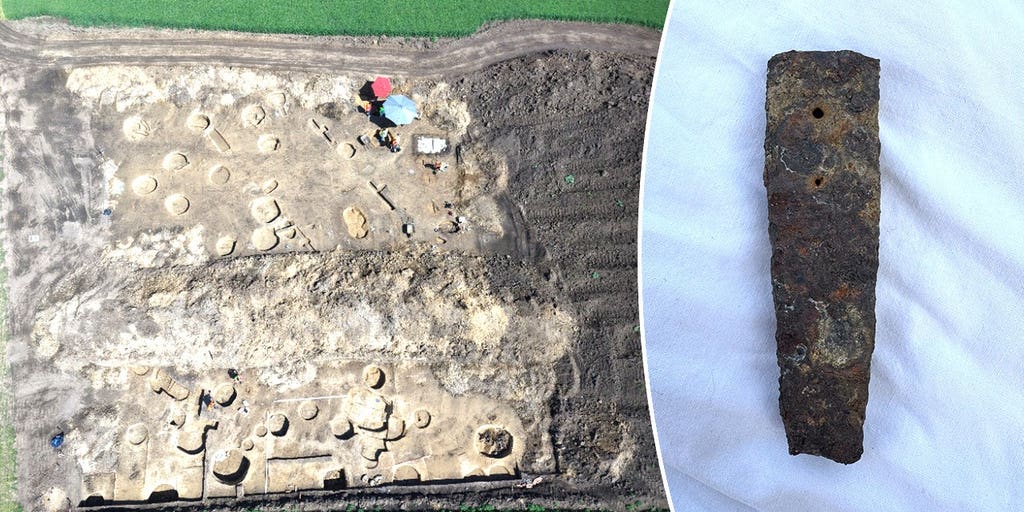
Why it matters: This find recalibrates the technological and economic map of Central Europe, demonstrating sustained, specialized metalworking and long-distance trade connections that challenge simplistic narratives of Roman frontier isolation.
Context: Infrastructure projects across Europe frequently uncover stratified sites, but this one documents nearly three millennia of continuous technological adaptation and craft specialization in a single river valley.
"Archaeologists uncover massive ancient site during rail project, including rare Roman find Roman drawplate for making metal wire is considered a rare find in Central Europe, archaeologists say {{#rendered}} {{/rendered}} Archaeologists in." — FOXNEWS
Commentary: The drawplate is not merely a rare object but a signal of embedded technical knowledge and supply chains; its presence suggests local Germanic tribes had access to, or were producing, standardized metal components, potentially for military use, indicating a more integrated and technologically diffuse Roman-period economy than often assumed for this region. The site’s continuity from Bronze Age metalworking to Roman-era precision tooling underscores a persistent regional hub for craft and exchange, directly shaped by its riverine location.
Date: May 21, 2026 12:00 AM ET
URL: https://www.foxnews.com/travel/archaeologists-uncover-massive-ancient-site-rail-project-including-rare-roman-find.amp
AI Sentiment Score: Negative (75%)
AI Credibility Score: 10.0/10 — High
Scores and text generated by AI analysis of the source article indicated.
Mysterious Ancient Tunnel Discovered Beneath Jerusalem Streets (Archaeology)
Summary: Archaeologists from the Israel Antiquities Authority have discovered a large, unplastered tunnel beneath Jerusalem, initially suspected as a water conduit but now interpreted as a potential quarrying or lime-production site. The feature’s purpose and exact date remain unresolved, though a possible link to nearby Iron Age settlements is noted. The find underscores the complex, layered infrastructure underlying the city.
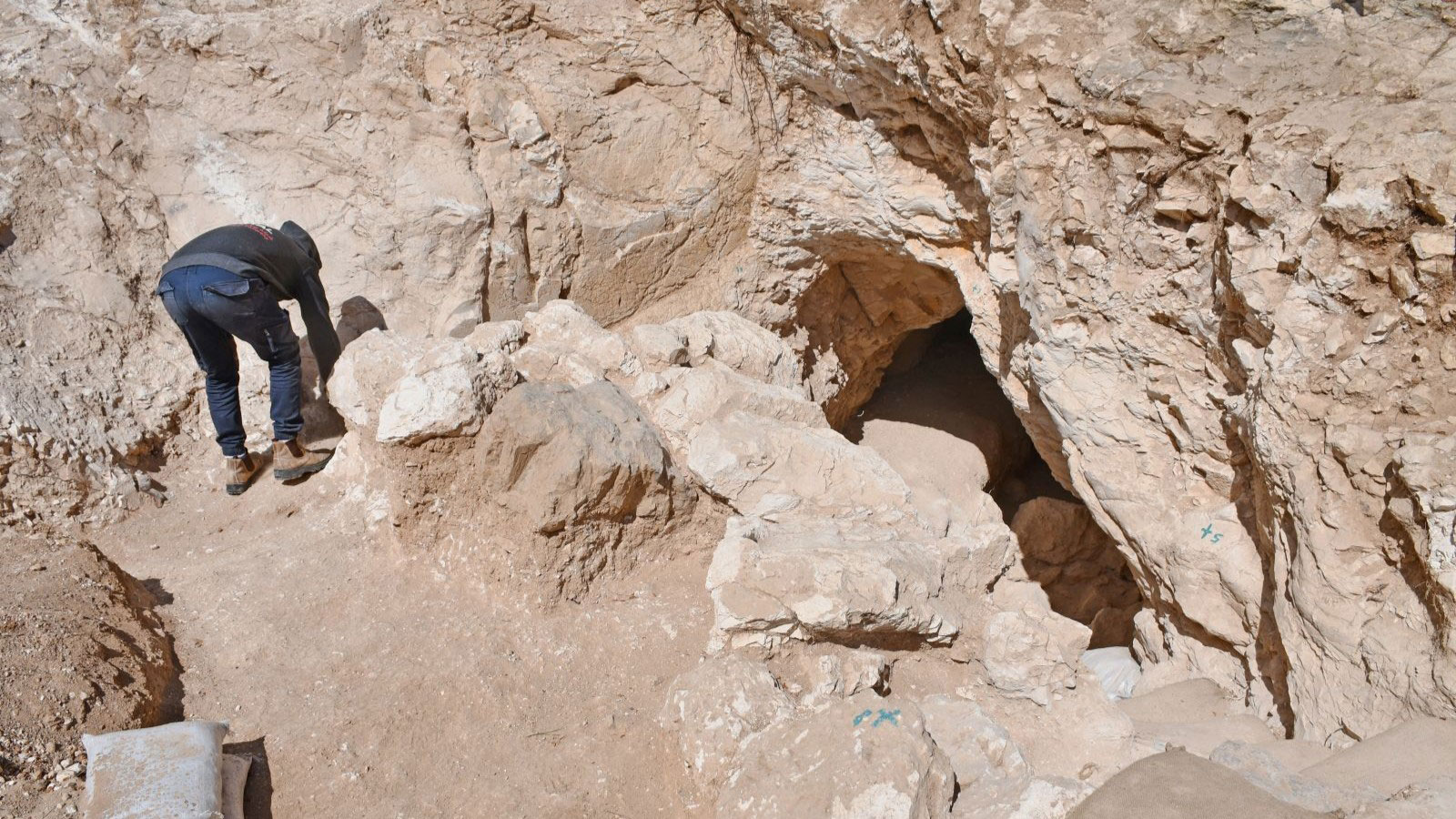
Why it matters: It highlights the methodological challenge of interpreting ambiguous subterranean features and refines our understanding of Jerusalem’s ancient industrial and construction logistics.
Context: Jerusalem’s subsurface is a palimpsest of infrastructure; distinguishing between water systems, quarries, hideaways, and ritual spaces requires careful material analysis and often revises historical narratives of urban development.
"JERUSALEM, ISRAEL—According to a statement released by the Israel Antiquities Authority (IAA), archaeologists unearthed a mysterious tunnel beneath the streets of Jerusalem. During construction work near Kibbutz Ramat Rachel, workers unexpectedly discovered." — ARCHAEOLOGY
Commentary: The shift from a hydraulic to an industrial hypothesis changes the site’s narrative from public utility to resource extraction, suggesting a more distributed and pragmatic model of urban supply chains. The absence of dating evidence, while frustrating, is a typical constraint that forces reliance on comparative stratigraphy and material science over direct historical record. Such finds recalibrate the scale of mundane, economically driven earthworks that supported the city’s more celebrated monuments.
Date: Fri, 15 May 2026 17:01:00 +0000
URL: https://archaeology.org/news/2026/05/15/mysterious-ancient-tunnel-discovered-beneath-jerusalem-streets/
AI Sentiment Score: Negative (60%)
AI Credibility Score: 10.0/10 — High
Scores and text generated by AI analysis of the source article indicated.
Ceremonial Structures Investigated at Peru’s Cerro de la Horca (Archaeology)
Summary: Archaeologists led by Jose Luis Fuentes have identified a complex of ceremonial structures at Cerro de la Horca on Peru’s central coast, occupied from around A.D. 900. The site features approximately 20 mounds surrounding four plazas, along with platforms, walls, and roads, suggesting a significant administrative or religious center. The pottery and construction phases indicate sequential use by the Pativilca, Casma, and Huaura cultures, with later Inca modifications in adobe. The hilltop sanctuary, overlooking the Fortaleza River mouth, later gained notoriety in colonial-era legends as an execution site.
Why it matters: This discovery refines our understanding of coastal political and religious geography in pre-Inca Peru, revealing a persistent ceremonial hub that was repurposed by successive empires.
Context: The central Peruvian coast was a nexus of competing cultures and states (like the Chimú and Inca) whose ceremonial architecture often served to legitimize control over conquered territories and resources.
"PARAMONGA, PERU—Andina News Agency reports that Jose Luis Fuentes of the National University of San Marcos and his colleagues have uncovered possible ceremonial structures at Cerro de la Horca, or “Gallows Hill,”." — ARCHAEOLOGY
Commentary: The site’s layout—mounds encircling plazas—suggests a planned ceremonial complex designed for congregation and elite segregation, a pattern of social control later exploited by the Inca. Its enduring use, from local Pativilca stonework to imperial Inca adobe, illustrates a standard imperial tactic: co-opting and modifying existing sacred geography to project continuity of power while imprinting new authority. The post-conquest transformation into a legendary execution site underscores how a place’s ritual significance can be violently inverted to serve a new regime’s narrative of terror.
Date: Wed, 13 May 2026 17:00:00 +0000
URL: https://archaeology.org/news/2026/05/13/ceremonial-structures-investigated-at-perus-cerro-de-la-horca/
AI Sentiment Score: Neutral (50%)
AI Credibility Score: 10.0/10 — High
Scores and text generated by AI analysis of the source article indicated.
High-status Roman woman was buried in a lead coffin with jet hairpins and exotic resins, archaeologists find (Livescience)
Summary: Archaeologists in Colchester, U.K., have announced the discovery of a late Roman-period burial of a high-status woman in her late 20s or 30s. The burial features a decorated lead coffin containing the remains, which were treated with liquid gypsum and accompanied by grave goods including jet hairpins, rare glass flasks, and exotic resins like frankincense. The find is described as one of the most spectacular Roman burials in the area in recent decades.
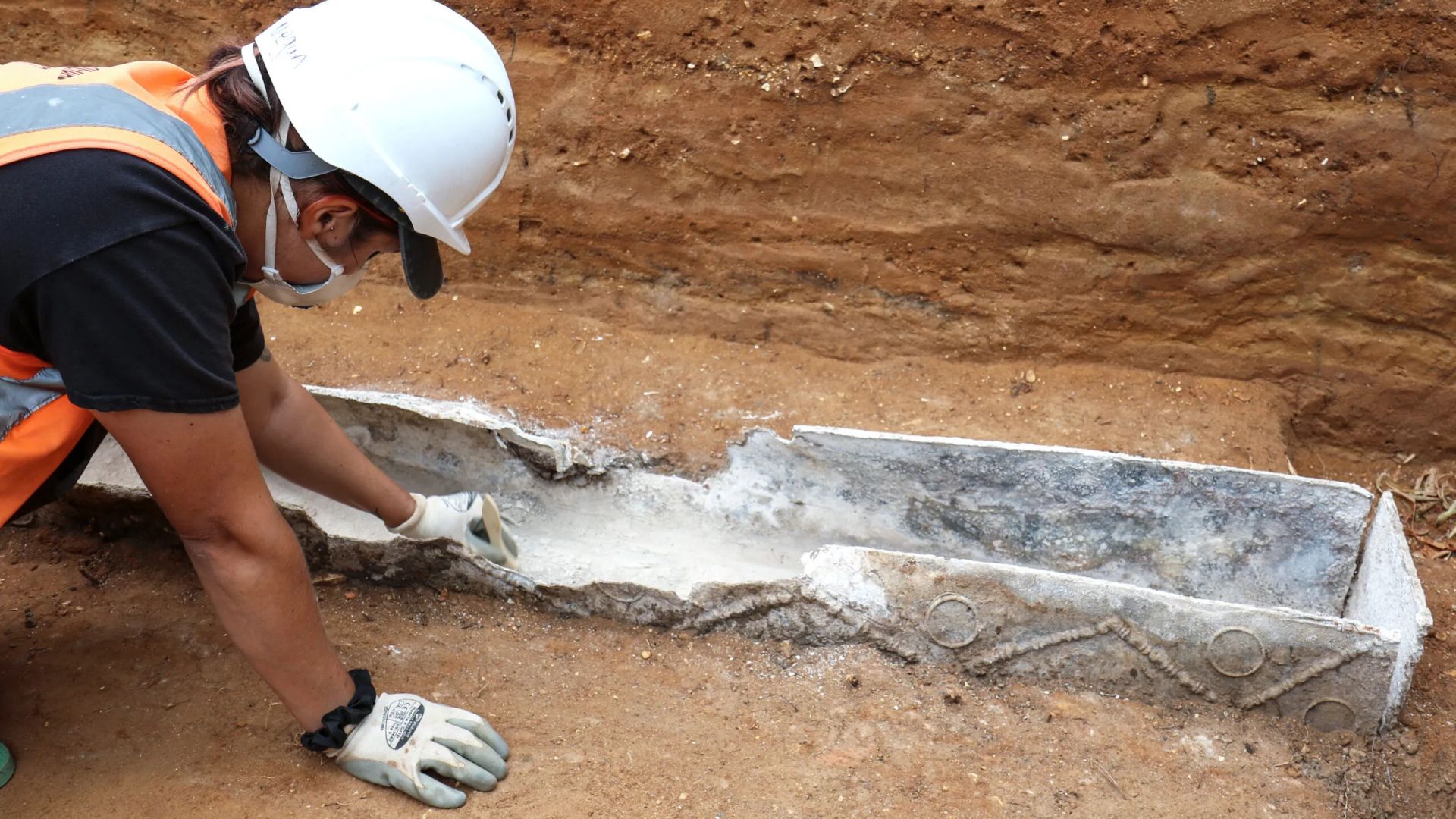
Why it matters: This find materially refines our understanding of late Roman elite mortuary practice in a provincial capital, demonstrating the sustained reach of long-distance trade networks and the specific cultural signals of status in a frontier society.
Context: Colchester (Camulodunum) was the first Roman capital and a major colonial settlement in Britain; elite burials with gypsum treatment and imported goods, while known, are rare and provide direct evidence for the maintenance of Roman identity and consumption patterns.
"High-status Roman woman was buried in a lead coffin with jet hairpins and exotic resins, archaeologists find A burial of an elite Roman-era woman who appears to have been buried with exotic." — LIVESCIENCE
Commentary: The presence of frankincense and jet—materials sourced from the Red Sea region and Yorkshire, respectively—alongside the labor-intensive gypsum treatment, signals not just wealth but active participation in an empire-wide economy of prestige. This burial, from the late empire period, challenges simplistic narratives of provincial decline or cultural isolation, showing that elite identity in Britannia was still performed through costly, imported ritual commodities. The careful staging underscores how funerary practice served as a critical theater for displaying family standing and Romanitas to the local community, even as imperial control waned.
Date: Thu, 14 May 2026 14:54:20 +0000
URL: https://www.livescience.com/archaeology/romans/high-status-roman-woman-was-buried-in-a-lead-coffin-with-jet-hairpins-and-exotic-resins-archaeologists-find
AI Sentiment Score: Negative (66%)
AI Credibility Score: 10.0/10 — High
Scores and text generated by AI analysis of the source article indicated.
950-year-old burial of a pet dingo reveals unique archaeological evidence of humans ritually ‘feeding’ a grave (Livescience)
Summary: Archaeological analysis of a 950-year-old dingo burial in western New South Wales reveals a sustained ritual practice where Barkindji ancestors and their descendants added river mussel shells to the grave for approximately 500 years. The study, conducted in partnership with Barkindji Elders, interprets this as a symbolic act of ‘feeding’ the deceased animal, termed a ‘garli’. The dingo, which showed signs of healed injuries consistent with human care, was buried within a midden, a common site for shell deposits.
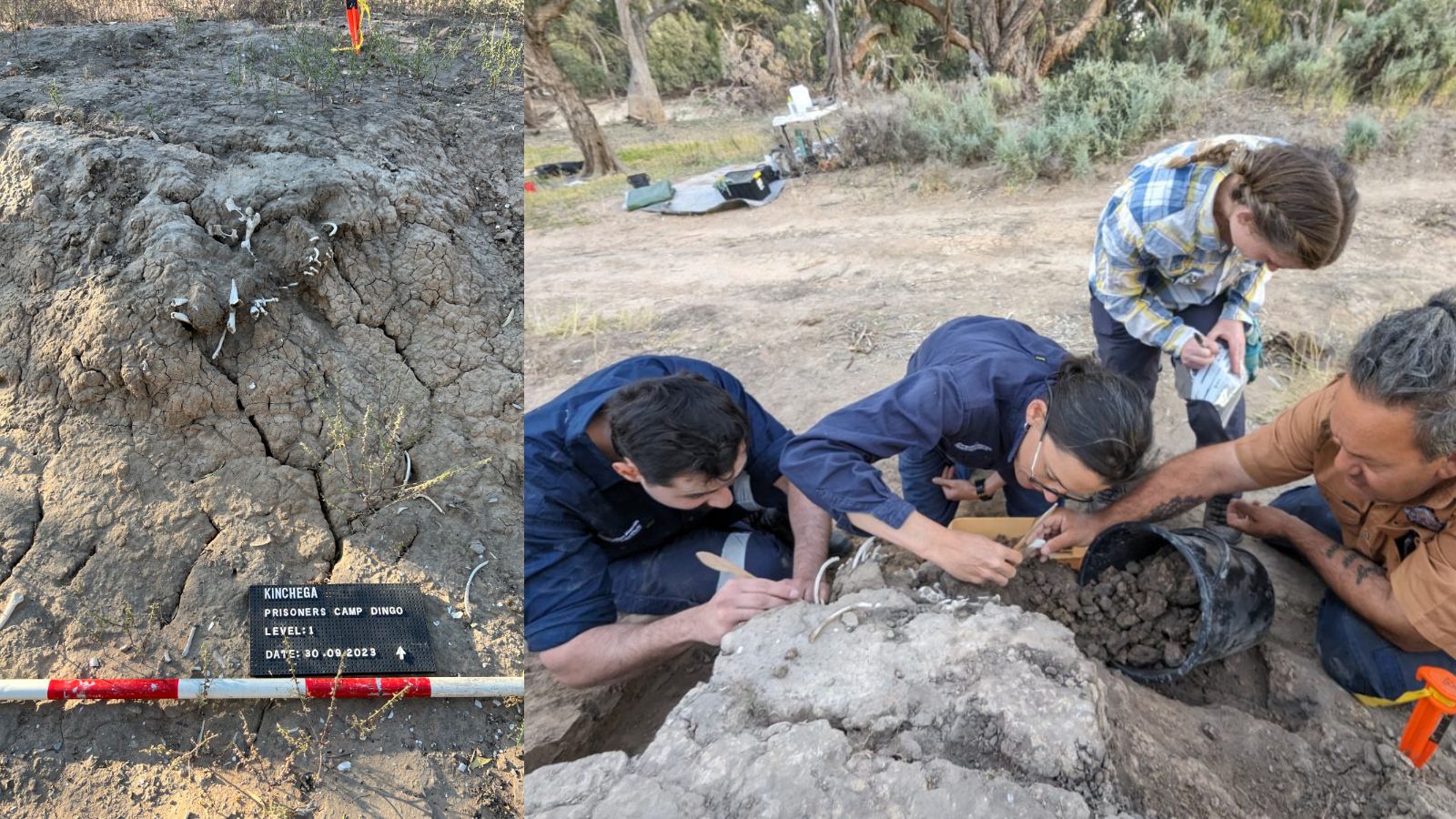
Why it matters: This provides a rare, materially documented case of long-term, cross-generational ritual engagement with a non-human ancestor, directly informed by Indigenous knowledge, challenging simplistic archaeological interpretations of middens and human-animal relationships.
Context: While dingo burials are known in the region, this is the first archaeological evidence interpreted as ritual feeding of an animal grave, a practice previously undocumented in this form. The finding emerged from collaborative methodology integrating Western archaeological science with Barkindji cultural perspective.
""The idea, as explained to me by the Barkindji, is that it involved a cross-generational remembering of this garli ancestor, which specifically involved generation after generation returning to the burial site to add mussel shells to the midden that was initiated at the time of the dingo’s burial," Way said." — LIVESCIENCE
Commentary: The study shifts the evidentiary frame for understanding long-term cultural memory from monumental architecture to subtle, sustained material practice. It demonstrates how collaborative archaeology can reveal ontological categories—here, a dingo as a remembered ancestor—that are invisible to typological analysis alone. The 500-year continuity of practice, evidenced by radiocarbon-dated shells, rewrites assumptions about the ephemerality of hunter-gatherer ritual landscapes and establishes a new benchmark for interpreting site formation processes.
Date: Mon, 18 May 2026 19:20:42 +0000
URL: https://www.livescience.com/archaeology/950-year-old-burial-of-a-pet-dingo-is-first-clear-archaeological-evidence-of-humans-ritually-feeding-a-grave-anywhere-in-the-world
AI Sentiment Score: Negative (80%)
AI Credibility Score: 10.0/10 — High
Scores and text generated by AI analysis of the source article indicated.
Scythian Tomb Unearthed in Moldova (Archaeology)
Summary: A Scythian tomb from the third century B.C. has been excavated in the Gura Bacului necropolis in eastern Moldova. The burial structure, comprising a shaft, corridor, and chamber, contained artifacts including ceramic vessels, arrowheads, and a rare ceramic censer used for dating. The find was made during rescue operations led by Moldova’s National Archaeological Agency.
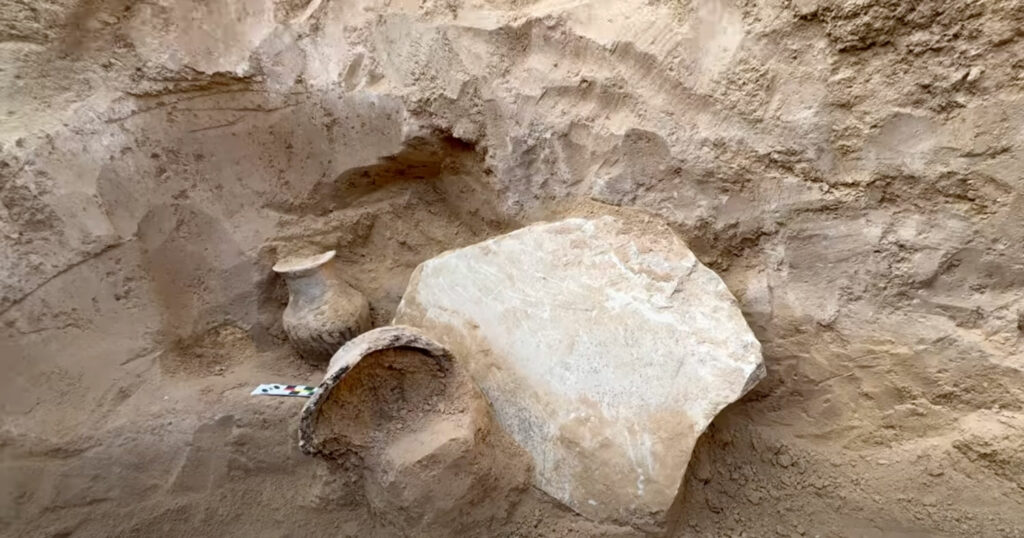
Why it matters: It provides a datable node for understanding Scythian material culture and ritual practice at the western edge of their influence, a region often underrepresented in the steppe narrative.
Context: Scythian archaeology in the Pontic steppe region frequently focuses on richer kurgans further east; finds in modern Moldova help map the cultural and political periphery of these nomadic confederacies.
"The burial contained ceramic vessels, arrowheads, beads, a sheathed knife, a censer, and worked stone that may have been used as an altar. Vlad Vornic of the National Archaeological Agency said that the ceramic censer is of a rare type and helped the researchers to date the tomb." — ARCHAEOLOGY
Commentary: The presence of a ritual censer and possible altar stone, alongside weapons, suggests a syncretic burial practice blending steppe nomadic traditions with localized sedentary influences. This complicates the model of a uniform ‘Scythian horizon’ and indicates adaptive cultural exchange at territorial margins, where power was asserted through controlled ritual as much as martial display.
Date: Thu, 14 May 2026 17:00:00 +0000
URL: https://archaeology.org/news/2026/05/14/scythian-tomb-unearthed-in-moldova/
AI Sentiment Score: Neutral (50%)
AI Credibility Score: 10.0/10 — High
Scores and text generated by AI analysis of the source article indicated.
Doctor’s kit found on Mount Vesuvius victim in Pompeii (Livescience)
Summary: A new analysis of a plaster body cast from Pompeii’s ‘Garden of the Fugitives’ reveals the victim was carrying a locked case containing surgical instruments and a slate tablet for preparing medicines, identifying him as a medicus. The discovery, made via X-ray and CT scans of a cast created in 1961, shows he fled with his professional kit and a bag of coins. This adds a specific, operational dimension to the flight from Vesuvius, illustrating individual preparedness and the portable nature of specialized Roman knowledge.
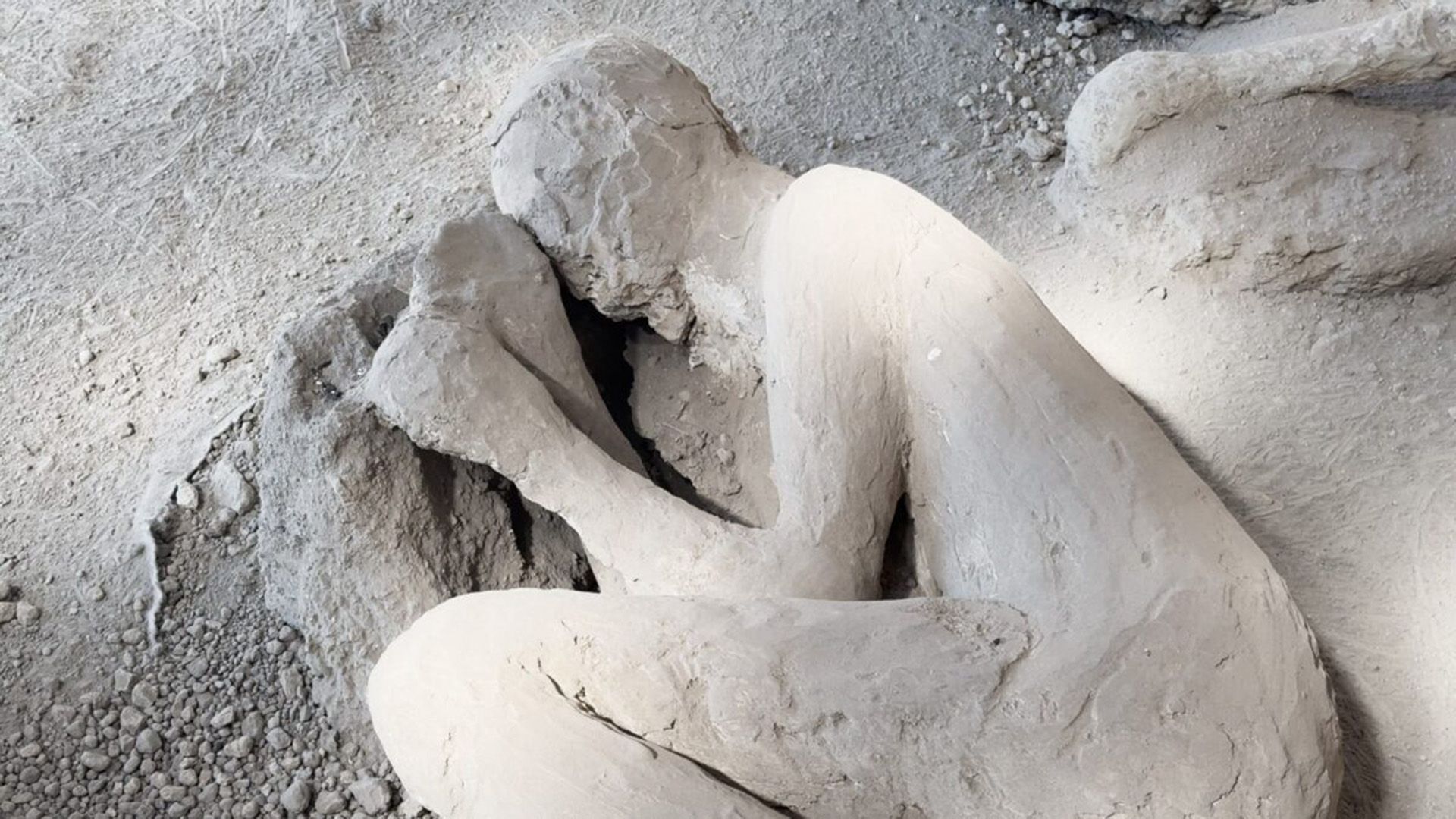
Why it matters: It transforms an anonymous victim into a named professional, providing concrete evidence for the social role, economic mobility, and material culture of Roman medical practice during a crisis.
Context: While many Vesuvian victims carried valuables, the identification of specialized professional tools is rarer and refines our understanding of social stratification and disaster response in the 1st century AD.
"Doctor’s kit found on Mount Vesuvius victim in Pompeii A man who died in Pompeii during the eruption of Mount Vesuvius in A.D. 79 was carrying a medical kit with him, new." — LIVESCIENCE
Commentary: The find shifts the narrative from passive victimhood to active contingency planning, underscoring medicine as a transferable skill that conferred both economic security and social obligation. The locked case and coins signal a practitioner of sufficient means to own specialized equipment and anticipate needing capital, reflecting the elevated status of physicians post-Caesar’s citizenship grant. This operational snapshot challenges broad-stroke depictions of panic, revealing calculated, professional evacuation strategies amid the chaos.
Date: Mon, 18 May 2026 21:14:52 +0000
URL: https://www.livescience.com/archaeology/romans/doctors-kit-found-on-mount-vesuvius-victim-in-pompeii
AI Sentiment Score: Negative (75%)
AI Credibility Score: 10.0/10 — High
Scores and text generated by AI analysis of the source article indicated.
New Details Emerge About Pompeii Victim (Archaeology)
Summary: Advanced imaging of a 1961 plaster cast from Pompeii’s Garden of the Fugitives has identified a new victim profile: a physician. X-ray and CT scans revealed a bag of coins and a kit containing a slate tablet and small metal instruments, interpreted as tools for preparing and administering medical or cosmetic treatments. This moves the individual from an anonymous casualty to a specific practitioner caught in flight.
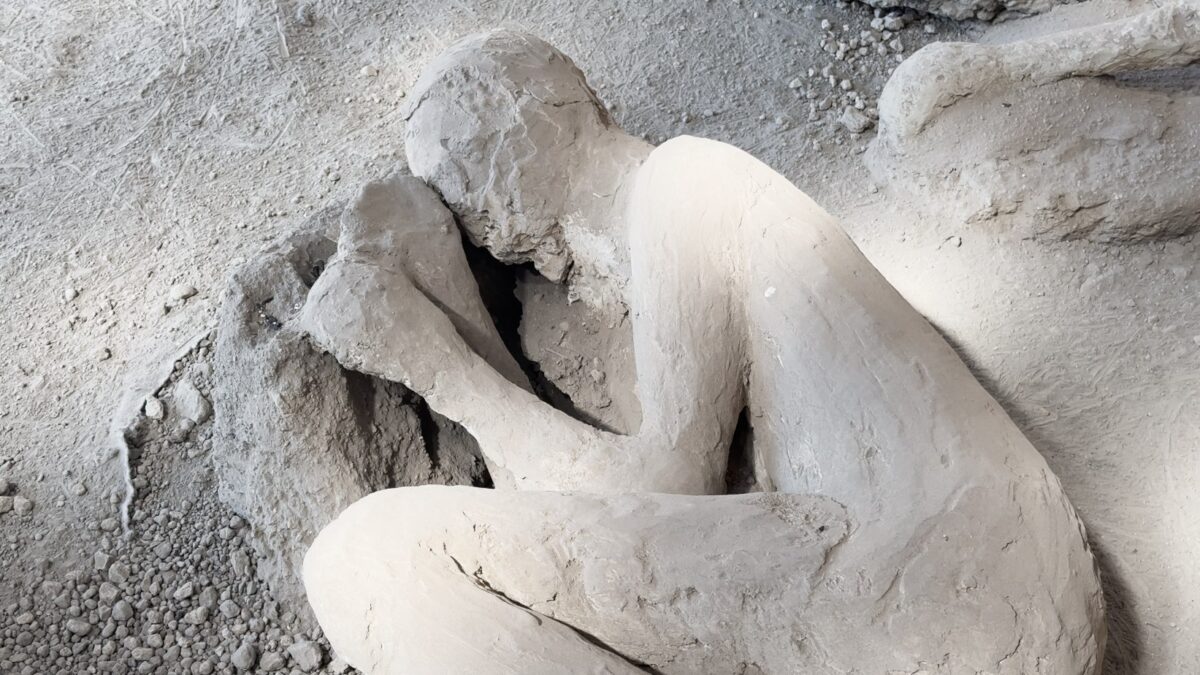
Why it matters: It refines our understanding of social roles and material culture in crisis, demonstrating how non-invasive technologies can extract new historical signals from old excavations.
Context: The ongoing scientific re-examination of Pompeii’s plaster casts, a collection fixed for decades, is systematically converting anonymous victims into data-rich biographies, shifting the site’s narrative from generalized catastrophe to individualized social history.
"New X-ray and CT scanning recently revealed that one of the victims had a cloth bag by his side filled with bronze and silver coins, as well as a box containing a small slate tablet and a series of small metal instruments. Experts believe that the slate was used for preparing cosmetic or medical concoctions and the small utensils likely comprised a physician’s surgical kit." — ARCHAEOLOGY
Commentary: The identification of a fleeing doctor materially connects the disaster to the disruption of essential civic infrastructure—healthcare—and illustrates portable wealth (coins) alongside professional identity. This finding operationalizes the concept of ‘flight behavior,’ providing a concrete case study for how specialized knowledge and its tools were valued and transported during collapse. It underscores a methodological shift: the primary archaeological event is no longer the 1961 excavation but the 2026 scan, setting a precedent for re-interrogating museum-held casts as closed data sets.
Date: Mon, 18 May 2026 17:00:00 +0000
URL: https://archaeology.org/news/2026/05/18/new-details-emerge-about-pompeii-victim/
AI Sentiment Score: Negative (85%)
AI Credibility Score: 10.0/10 — High
Scores and text generated by AI analysis of the source article indicated.
Satellite Imagery Reveals Monumental Tombs in Sudan’s Atbai Desert (Archaeology)
Summary: Satellite survey in Sudan’s Atbai Desert has identified at least 260 monumental enclosure burials, some reaching 260 feet in diameter, constructed by nomadic pastoralists in the 4th and 3rd millennia BC. These tombs predate the Egyptian pyramids and contain human remains interred with livestock, arranged around a central figure. Their placement near ancient water sources and pastureland indicates sophisticated landscape use.
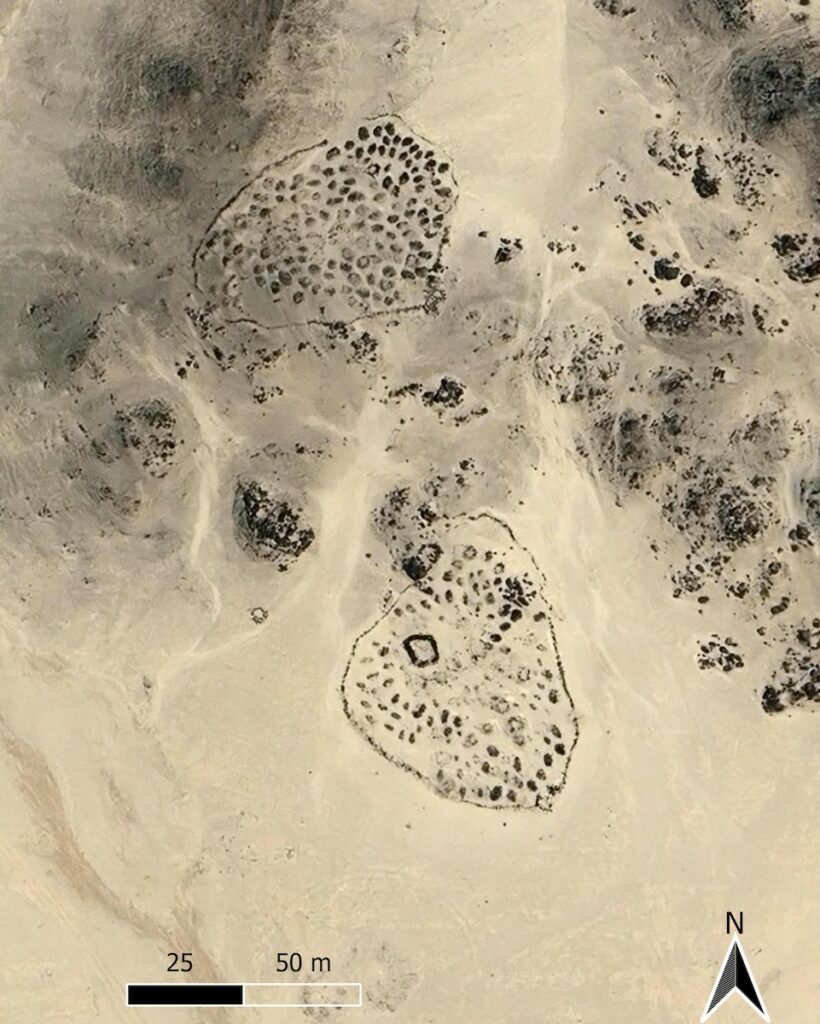
Why it matters: This recalibrates the historical narrative of Northeast Africa, demonstrating a complex, pre-pharaonic pastoralist society with its own monumental traditions, rather than a peripheral corridor.
Context: The discovery challenges long-held assumptions that monumental architecture and complex social hierarchy in the region were exclusive to riverine agricultural states like Egypt or Nubia.
"These newly mapped tombs suggest that the region was not an empty corridor between civilizations, but home to its own pastoralist cultural horizon." — ARCHAEOLOGY
Commentary: The find shifts the locus of early social complexity towards mobile herders, forcing a reassessment of how power and memory were materialized outside urban centers. It implies that investment in monumental funerary architecture—a key marker of emerging elites—was not contingent on sedentary agriculture. This expands the toolkit for interpreting other arid-zone societies and their capacity for large-scale, coordinated labor.
Date: Fri, 15 May 2026 18:00:00 +0000
URL: https://archaeology.org/news/2026/05/15/satellite-imagery-reveals-monumental-tombs-in-sudans-atbai-desert/
AI Sentiment Score: Negative (66%)
AI Credibility Score: 10.0/10 — High
Scores and text generated by AI analysis of the source article indicated.
Neolithic Farmers in Poland Fertilized Their Fields (Archaeology)
Summary: Isotopic analysis of bone collagen from over 30 Neolithic sites in northern Poland reveals early farmers were using fertilizer on their fields, evidenced by high nitrogen levels. The study also tracks distinct dietary patterns: initial populations ate little fish, later Corded Ware arrivals maintained a meat-and-dairy diet, and Bronze Age groups adopted drought-resistant millet. The research identifies two co-existing populations with different foodways, material culture, and burial practices, with intra-group meat consumption possibly signaling emerging social stratification.
Why it matters: This refines the timeline and complexity of agricultural intensification in Europe, showing deliberate soil management emerged earlier than some models suggest and that dietary habits served as persistent cultural markers during population transitions.
Context: The shift from foraging to farming in Neolithic Europe is often modeled as a monolithic transition, but isotopic studies increasingly reveal regional adaptations, sustained cultural boundaries, and the role of new crops like millet in buffering climate risk.
"KUJAWY, POLAND—Science in Poland reports that high nitrogen levels detected in the isotopic analysis of human and animal bone collagen recovered from more than 30 archaeological sites in northern Poland indicate that." — ARCHAEOLOGY
Commentary: The evidence for fertilization pushes back the clock on systematic agrarian land management in this region, moving it from a theoretical possibility to a documented practice. More significantly, the persistence of distinct dietary signatures alongside material culture differences challenges simplistic models of cultural replacement, suggesting cohabitation and economic parallelism. The later adoption of millet underscores how crop introductions could act as a technological hedge against environmental stress without necessarily erasing deeper social divisions rooted in consumption and ritual.
Date: Thu, 14 May 2026 17:30:00 +0000
URL: https://archaeology.org/news/2026/05/14/neolithic-farmers-in-poland-fertilized-their-fields/
AI Sentiment Score: Negative (80%)
AI Credibility Score: 10.0/10 — High
Scores and text generated by AI analysis of the source article indicated.
Six Bronze Age mines may reveal metal source of ancient … (Jpost)
Summary: A joint survey in Extremadura, Spain, has identified six previously unknown Bronze Age mines containing copper, lead, and silver. Isotopic analysis of Scandinavian artifacts had previously suggested a southwestern Iberian origin for their metal, but the precise source was undefined. These mines now provide a candidate source, indicating organized, extensive local extraction.

Why it matters: It materially revises models of Bronze Age political economy, shifting the locus of production and challenging assumptions about the scale and sophistication of pre-state resource networks in Atlantic Europe.
Context: Archaeometallurgy has long used isotopic signatures to trace metal flows, revealing surprising long-distance Bronze Age trade. However, the production centers for these networks, especially in Iberia, have been less documented, creating a map with destinations but faint origins.
"The mines were found in early February 2026 during a joint archaeological survey by Sweden’s University of Gothenburg, Spain’s University of Seville, and the local Provincial Archaeological Museum of Badajoz in Extremadura,." — JPOST
Commentary: This moves the narrative from vague ‘connections’ to concrete industrial logistics. If Iberian mines supplied Scandinavia, it implies a durable, demand-driven supply chain managed by local elites, recalibrating Iberia’s role from peripheral supplier to a central node in a pan-European system. The find pressures historians to explain the governance and maritime mechanisms that sustained this extraction and exchange over centuries.
Date: May 24, 2026 12:00 AM ET
URL: https://www.jpost.com/archaeology/article-897062
AI Sentiment Score: Negative (50%)
AI Credibility Score: 10.0/10 — High
Scores and text generated by AI analysis of the source article indicated.
‘Secrets of the Sunken City’ exhibit reveals Alexandria underwater … (English.Ahram.Eg)
Summary: Egypt’s Ministry of Tourism has launched a cultural event in Alexandria, headlined by the ‘Secrets of the Sunken City’ exhibition at the Alexandria National Museum. The displayed artifacts, recovered from the submerged Ptolemaic and Roman cities of Canopus and Heraklion in Abu Qir Bay, focus on daily life, religion, and funerary practices. This public-facing initiative coincides with a formal feasibility study, ordered by Prime Minister Mostafa Madbouly, to develop an underwater museum at the site, signaling a strategic pivot to leverage submerged heritage for cultural tourism.

Why it matters: This represents a concrete shift in heritage management strategy, moving from pure academic recovery to integrated economic and cultural presentation, with significant implications for archaeological methodology, site preservation, and regional tourism economics.
Context: The sunken cities of the Alexandria region have been known and studied for decades, but their public presentation has largely been confined to terrestrial museums. The push for an in-situ underwater museum reflects a global trend, seen in places like Baiae, Italy, balancing accessibility with preservation.
"In May, Egypt started exploring plans to establish an underwater museum in Abu Qir Bay to showcase its submerged ancient cities, part of a broader strategy to transform sunken antiquities into a cultural tourism attraction." — ENGLISH.AHRAM.EG
Commentary: The directive to study feasibility within a month indicates a top-down, accelerated push for monetization, risking a collision between tourism development and the slow, meticulous pace required for underwater archaeology. The choice between ‘underwater viewing facilities’ and recovery for land display is not merely technical but philosophical, forcing a decision on whether the context of the seabed is part of the artifact’s narrative value. This operationalizes a long-discussed concept, making Alexandria a test case for how a major antiquities state manages and markets its submerged frontier.
Date: May 19, 2026 12:00 AM ET
URL: https://english.ahram.org.eg/News/551631.aspx
AI Sentiment Score: Positive (42%)
AI Credibility Score: 10.0/10 — High
Scores and text generated by AI analysis of the source article indicated.
A strange stone in a U.S. backyard looked like nothing special, until … (Ecoticias)
Summary: A carved marble slab unearthed during a yard cleanup in New Orleans has been identified as a second-century Roman funerary marker. The inscription commemorates Sextus Congenius Verus, a soldier from Thrace who served 22 years in the praetorian fleet at Misenum. The FBI’s Art Crime Team has taken custody of the artifact to facilitate its repatriation to a museum in Civitavecchia, Italy, from which it was likely displaced.
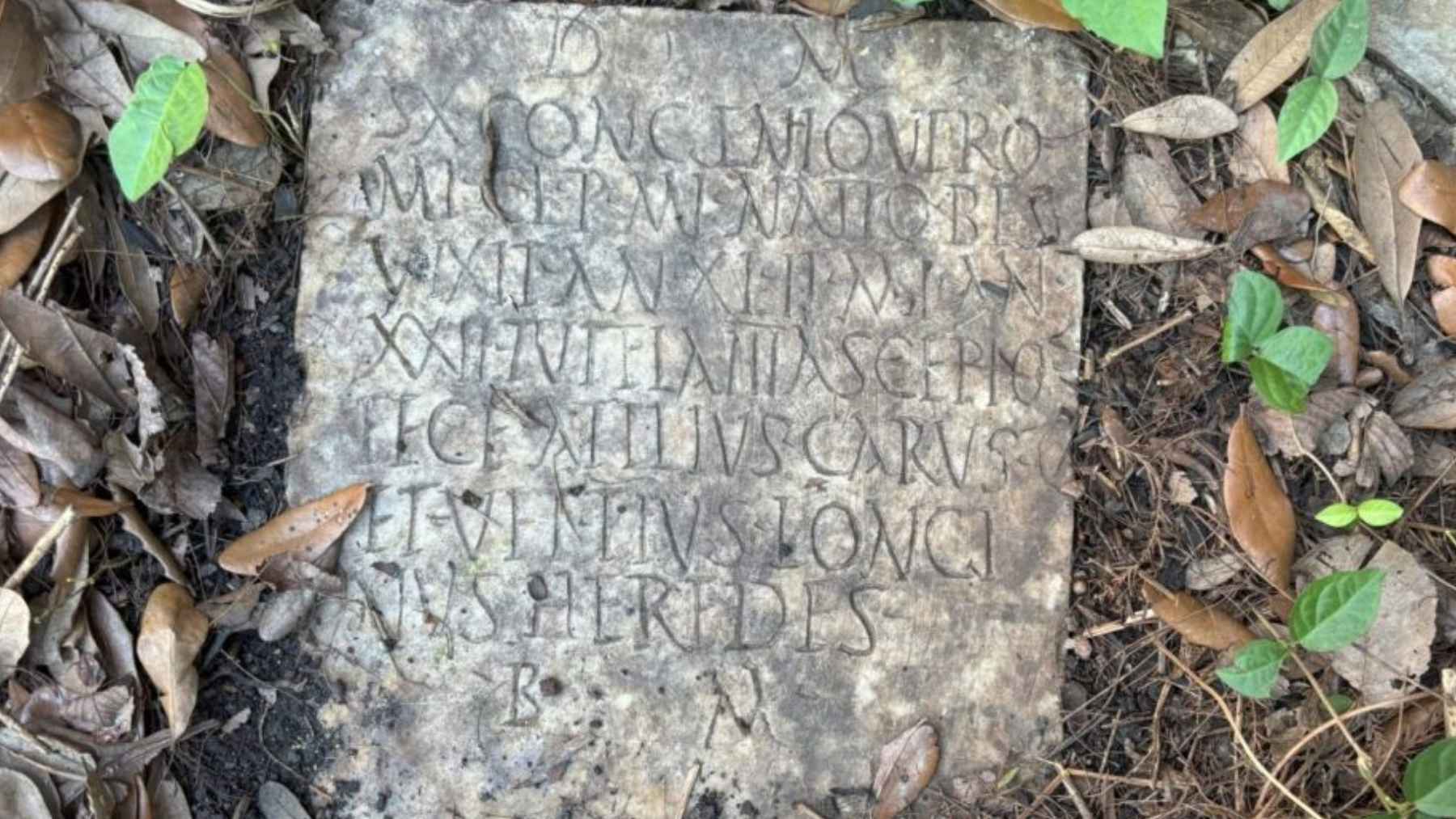
Why it matters: This case illustrates the persistent, global afterlives of ancient artifacts and the operational mechanics of modern cultural repatriation, connecting a personal discovery to institutional and legal frameworks.
Context: The movement of classical artifacts, particularly in the 19th and 20th centuries, created dispersed collections; post-WWII losses and the modern art market further complicate provenance. Repatriation cases increasingly hinge on specific documented links to source institutions.
"The stone commemorates Sextus Congenius Verus, described as a soldier in the praetorian fleet at Misenum, from the Bessi people of Thrace, who lived 42 years and served 22, apparently aboard a ship named Asclepius." — ECOTICIAS
Commentary: The specific biographical data transforms the stone from a generic artifact into a traceable node in a historical network, enabling its legal recovery. It underscores how modern repatriation relies not just on stylistic analysis but on the granular, archival detail that anchors an object to a specific point of loss. The case reveals the FBI’s Art Crime Team functioning as a logistical intermediary in a system where provenance research directly triggers law enforcement action. For historical understanding, it reinforces that the Roman military was a vector for long-distance mobility, embedding individuals from Thrace in Italian naval commands.
Date: May 07, 2026 12:00 AM ET
URL: https://www.ecoticias.com/en/a-strange-stone-in-a-u-s-backyard-looked-like-nothing-special-until-experts-realized-it-was-an-archaeological-treasure-hiding-in-plain-sight/31785/
AI Sentiment Score: Negative (60%)
AI Credibility Score: 9.9/10 — High
Scores and text generated by AI analysis of the source article indicated.
Lost Notebook Found in Medieval Toilet (Archaeology)
Summary: Archaeologists from the Landschaftsverband Westfalen-Lippe (LWL) recovered a well-preserved 13th- or 14th-century wax-tablet notebook from a medieval latrine in Paderborn, Germany. The object, protected by a leather cover stamped with lilies, contains Latin cursive script, suggesting ownership by a literate elite member, possibly a merchant. Its survival in a cesspit offers a rare, unmediated snapshot of daily record-keeping and personal notation from a period where such ephemera rarely endure.
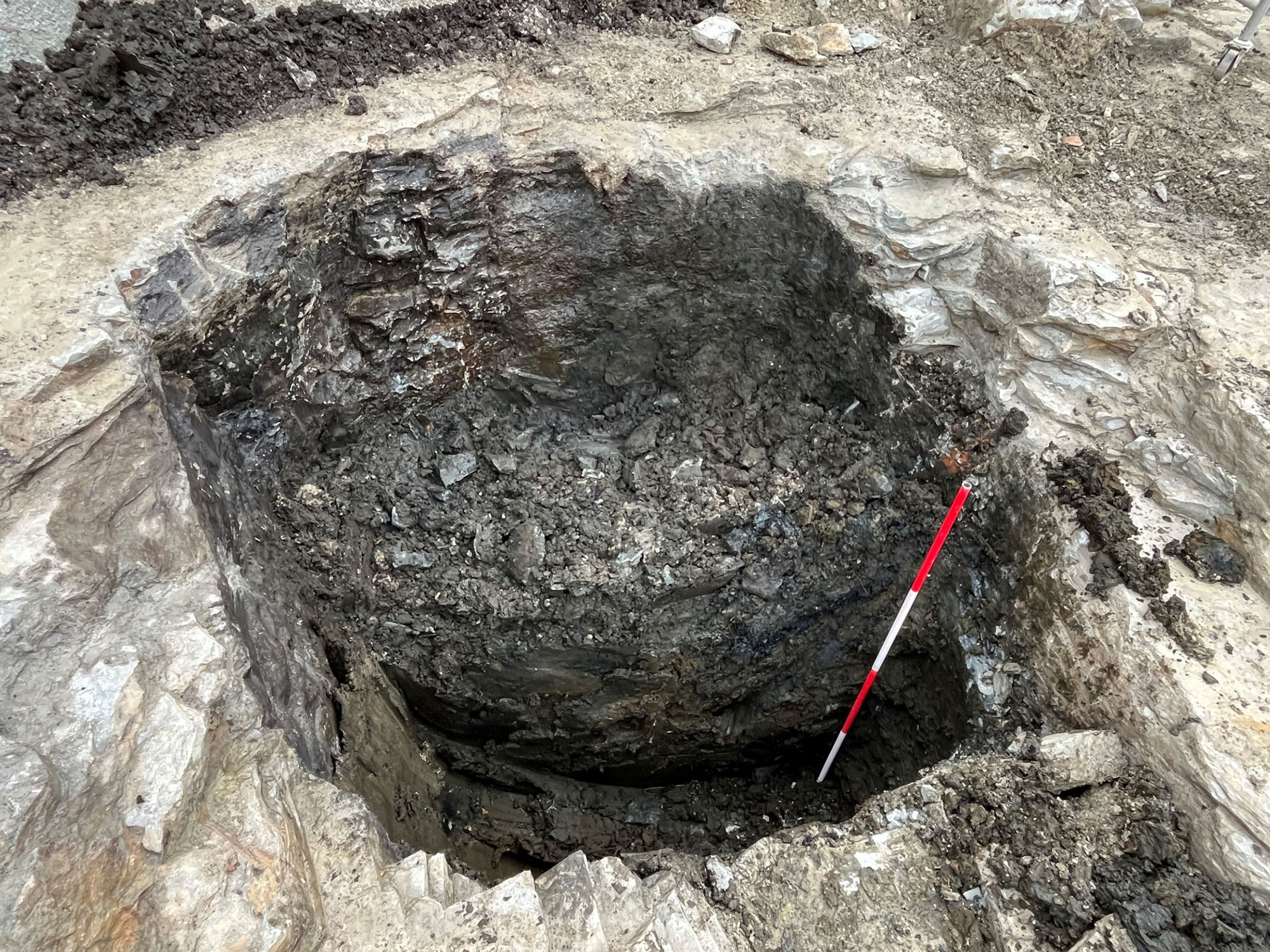
Why it matters: This find materially shifts our understanding of medieval literacy and personal documentation by providing a primary artifact from a context of disposal, offering a raw contrast to curated institutional archives.
Context: Wax tablets were common for temporary notes but seldom survive; most medieval written records are formal documents preserved in ecclesiastical or state archives, creating a skewed historical record.
"The four- by three-inch book contains 10 wooden tablet pages coated in wax, onto which the object’s owner etched writing using a metal or bone stylus. The volume was also carefully protected by a leather cover that was stamped with motifs of lilies." — ARCHAEOLOGY
Commentary: The notebook’s deliberate protection (leather cover, lily motif) coupled with its final location in a latrine underscores the tension between the value of personal records and the accidents of preservation. If translated, its contents could recalibrate assumptions about the scope of secular Latin use among the urban merchant class, moving beyond theological or legal texts into the realm of daily commerce and private thought. The find methodology—recovery during modern construction—highlights how urban development continues to rewrite the material narrative of medieval daily life.
Date: Fri, 15 May 2026 17:30:00 +0000
URL: https://archaeology.org/news/2026/05/15/lost-notebook-found-in-medieval-toilet/
AI Sentiment Score: Negative (50%)
AI Credibility Score: 10.0/10 — High
Scores and text generated by AI analysis of the source article indicated.
Archaeologists reveal pre-Hispanic cities in Bolivia with laser … (Sciencedaily)
Summary: LIDAR survey in the Bolivian Llanos de Mojos has revealed extensive, low-density urban settlements of the Casarabe culture, dating from 500-1400 AD. The largest site, Cotoca, covered 315 hectares with monumental architecture including pyramids, platforms, and U-shaped structures, connected by causeways and canals within a four-tiered settlement network. This constitutes the first confirmed evidence of pre-Hispanic urbanism in the Amazon lowlands.

Why it matters: It fundamentally rewrites the narrative of Amazonian history, demonstrating sophisticated, large-scale social organization existed independently of Andean or Mesoamerican models, challenging long-held assumptions about environmental limitations on cultural development.
Context: The ‘pristine myth’ of an empty or minimally developed pre-Columbian Amazon has been eroding for decades, but evidence has largely pointed to dispersed garden cities or managed landscapes, not centralized urban forms with monumental civic architecture.
"# Archaeologists reveal pre-Hispanic cities in Bolivia with laser technology … Several hundred settlements from the time between 500 and 1400 AD lie in the Bolivian Llanos de Mojos savannah and have." — SCIENCEDAILY
Commentary: The discovery shifts the analytical frame from whether complex societies existed in the Amazon to how they engineered their environment and structured power. The low-density, interconnected model suggests a political economy based on resource flow and ritual integration rather than dense agglomeration, offering a distinct template for early urbanism that expands the global catalogue of state formation.
Date: May 23, 2026 12:00 AM ET
URL: https://www.sciencedaily.com/releases/2022/05/220525110924.htm
AI Sentiment Score: Neutral (50%)
AI Credibility Score: 10.0/10 — High
Scores and text generated by AI analysis of the source article indicated.
Hidden Secrets: Archaeologists Uncover Mystery Object in … – GES (Ges.Kiev.Ua)
Summary: A University of Wrocław team, led by Agata Kubala, has used CT and X-ray imaging to analyze the mummy of an eight-year-old boy from ancient Egypt. The non-invasive scans revealed an unidentified object resting on the child’s chest, which researchers theorize may be a papyrus scroll. If correct, this scroll could contain personal information, potentially restoring the identity lost when the mummy was displaced during World War II.
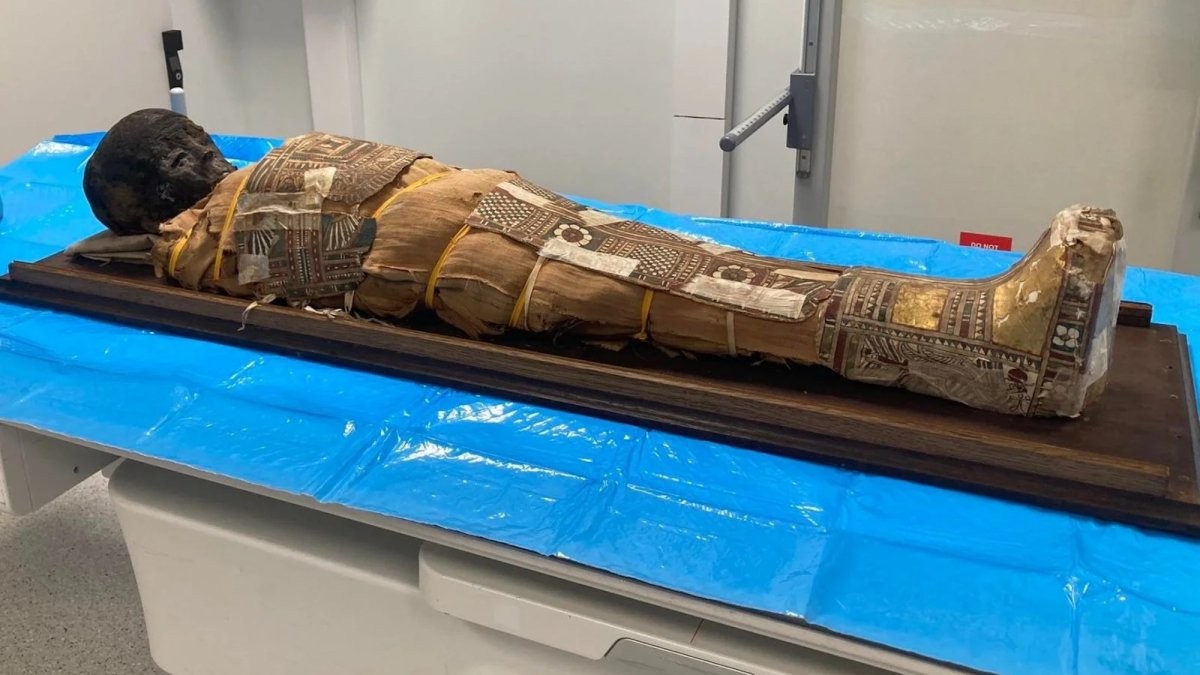
Why it matters: This case demonstrates how modern digital archaeology can ethically recover individual narratives from damaged or inaccessible artifacts, shifting focus from broad typologies to specific human histories.
Context: The mummy, part of a collection looted during WWII and later housed in Poland, represents a class of artifacts where provenance and identity were severed by conflict, making technological recovery of original context a pressing ethical and historical challenge.
"Archaeologists in Poland are piecing together the life and death of an ancient Egyptian child, thanks to modern imaging technology that is revealing secrets hidden for millennia. A research team led by." — GES.KIEV.UA
Commentary: The operational shift here is from excavation to digital reconstruction as the primary site of discovery. If the object is a scroll, it materially connects burial practice to personal literacy and identity assertion in childhood, a rarely documented dimension. The research path—seeking non-invasive ways to ‘read’ the object—frames a new technical frontier: archaeometry must now develop tools for virtual unwrapping and textual analysis, moving beyond structural imaging to data extraction.
Date: April 14, 2026 12:00 AM ET
URL: https://ges.kiev.ua/en/uk-uaprihovani-tayemnitsi-arheologi-vijavili-zagadkovij-predmet-na/amp/
AI Sentiment Score: Negative (66%)
AI Credibility Score: 7.0/10 — Medium
Scores and text generated by AI analysis of the source article indicated.
Egyptian Archaeologists Find Perfectly Circular Temple Tied to Ancient Water Cult (Gizmodo)
Summary: A structure initially identified as a Graeco-Roman senate building in Pelusium has been reclassified as a circular temple dedicated to the local god Pelusius, following full excavation. The 35-meter diameter basin, with a central pedestal and integrated water channels, functioned as a sacred water installation from the 2nd century BCE to the 6th century CE. The reinterpretation shifts the site’s significance from a political to a religious center, highlighting ritual practices tied to the Nile.
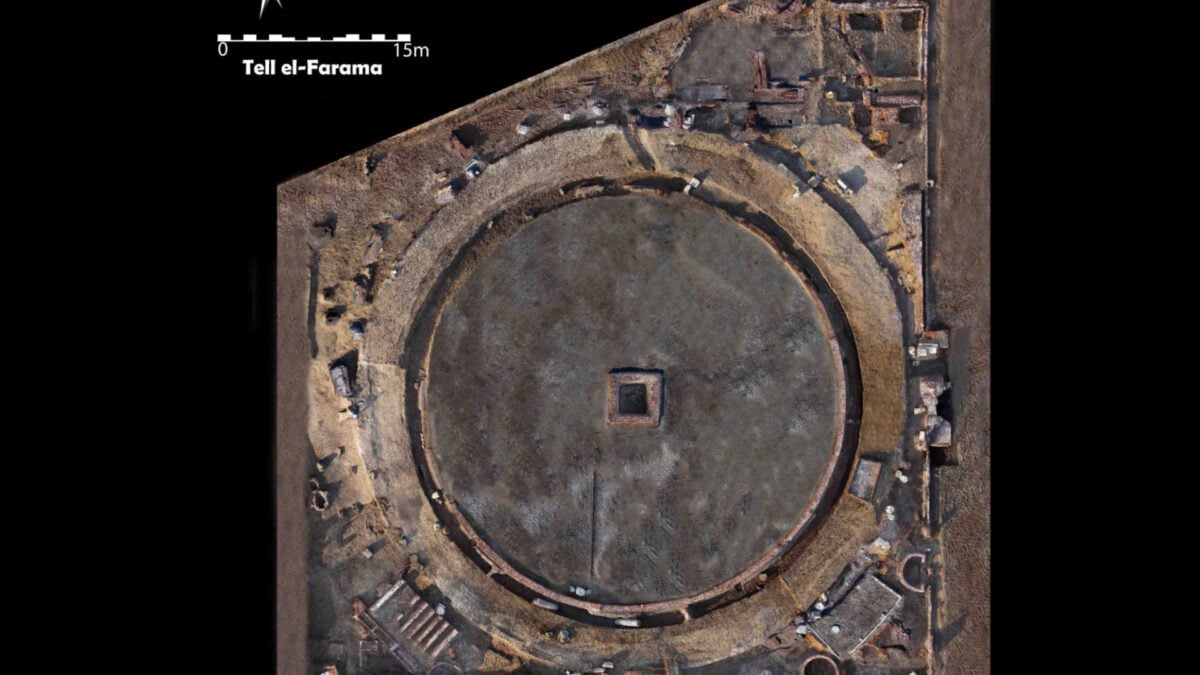
Why it matters: The correction from a secular to a sacred function reframes our understanding of Pelusium’s urban landscape and demonstrates how material evidence can overturn initial archaeological interpretations, emphasizing the need for complete excavation before drawing conclusions.
Context: Pelusium was a critical node for cultural exchange between Egypt, Greece, and Rome, making architectural finds there key to understanding syncretism. Deities like Pelusius, referenced primarily in Classical texts, often lack physical cult sites, making potential confirmations significant.
"We now know this was a sacred water installation used in religious rituals, not a political structure." — GIZMODO
Commentary: The discovery validates textual references to Pelusius while illustrating the practical integration of hydraulic engineering into religious practice at a major port. It underscores how frontier zones like Sinai served as laboratories for hybrid ritual forms, where local Nile-centric worship adopted Hellenistic and Roman architectural idioms. For institutional archaeology, the case is a cautionary tale against premature typological classification based on partial evidence.
Date: 1 month ago
URL: https://gizmodo.com/egyptian-archaeologists-find-perfectly-circular-temple-tied-to-ancient-water-cult-2000748771
AI Sentiment Score: Neutral (33%)
AI Credibility Score: 10.0/10 — High
Scores and text generated by AI analysis of the source article indicated.
Greece Recovers Five Ancient Artifacts From Chicago Family in … (Iefimerida.Gr)
Summary: Greece has recovered five ancient artifacts from the family of the late American collectors Richard and Mary L. Gray in a voluntary repatriation ceremony in Chicago. The returned objects, acquired in the 1970s and 1980s, include Athenian black-figure vases, a bronze mirror, a marble statue of Hermes, and a relief of Athena. The Gray children initiated the transfer to Greek authorities in May 2025. This action is framed by Culture Minister Lina Mendoni as part of a sustained campaign that has recovered over 200 objects from 17 countries in recent years.
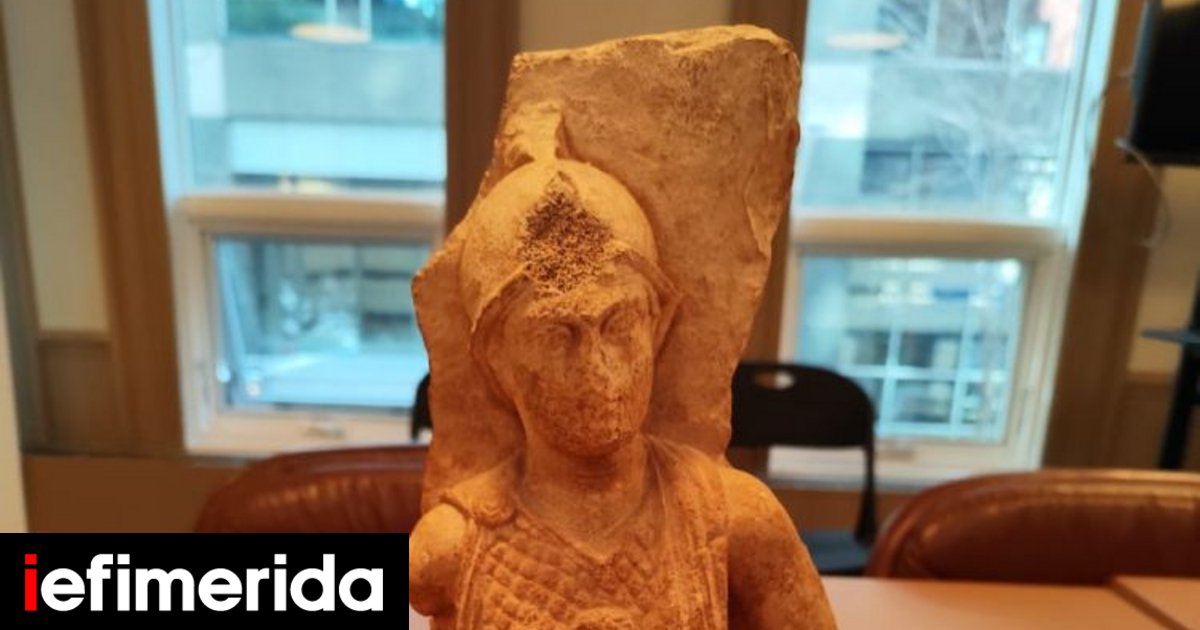
Why it matters: This voluntary repatriation by a private family, distinct from a high-profile museum or legal seizure, signals a shift in the ethical calculus of collecting and the long-term pressure on legacy acquisitions.
Context: Greece’s aggressive, multi-pronged repatriation strategy combines legal action, diplomacy, and appeals to private conscience, creating a cumulative deterrent effect on the antiquities market.
"Greece recovered five ancient artifacts from an American family in a voluntary repatriation ceremony at the Greek Consulate in Chicago, as Culture Minister Lina Mendoni accepted the collection and praised the donors as allies in the global fight against cultural theft." — IEFIMERIDA.GR
Commentary: The Gray family’s proactive surrender, likely prompted by increased provenance scrutiny and shifting norms, represents a tactical win for source nations: it bypasses costly litigation and frames repatriation as a moral partnership. This model pressures other private holders of artifacts from the 1970s-80s acquisition boom to preemptively negotiate, potentially accelerating the return of mid-tier objects that fly under the radar of institutional seizures but collectively represent significant cultural capital.
Date: April 22, 2026 12:00 AM ET
URL: https://www.iefimerida.gr/english/greece-recovers-five-ancient-artifacts-chicago-family-voluntary-repatriation
AI Sentiment Score: Positive (57%)
AI Credibility Score: 7.0/10 — Medium
Scores and text generated by AI analysis of the source article indicated.
In 1922, an Egyptian worker hit a hidden stone step that uncovered … (Timesofindia.Indiatimes)
Summary: A century after Howard Carter’s team uncovered Tutankhamun’s tomb, new non-invasive chemical analysis of the pharaoh’s funeral costume is revealing precise plant dyes. This work, published in the journal Gels, provides a rare, well-preserved dataset on organic materials from the New Kingdom period. The findings offer a material trace of ancient Egyptian color technology and the agricultural and trade networks that supplied it.
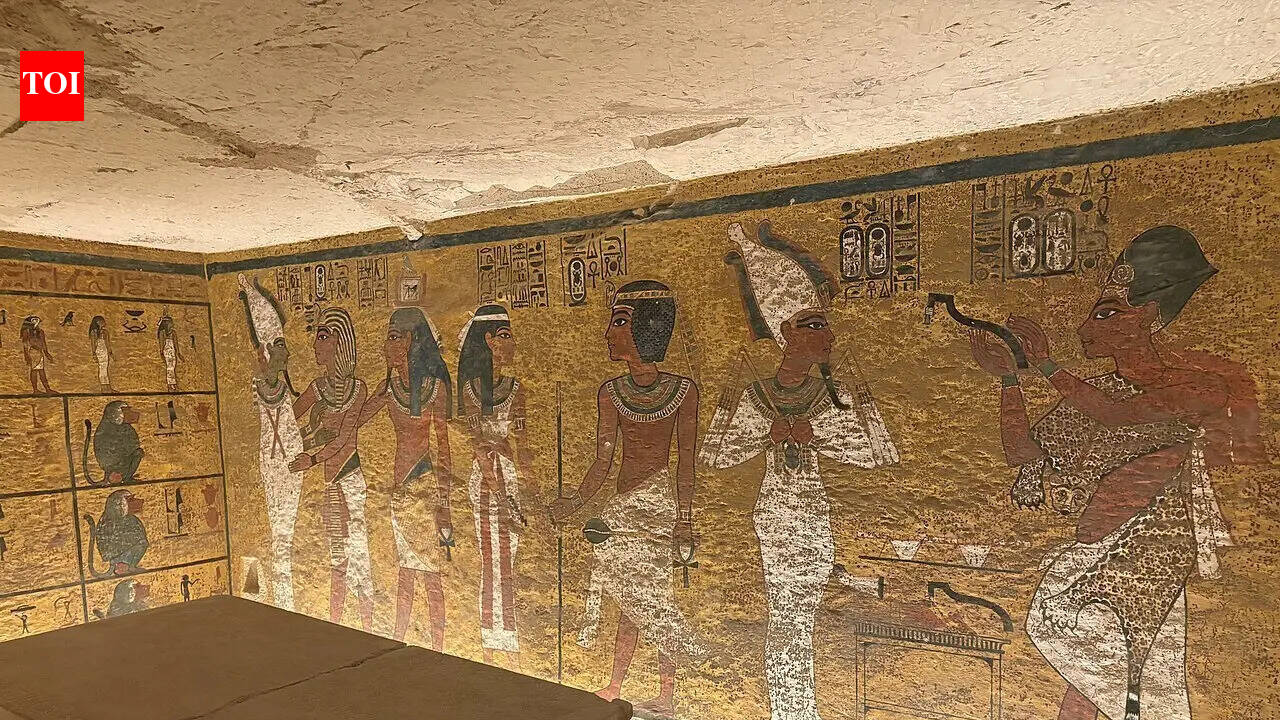
Why it matters: It shifts historical analysis from speculative reconstruction to empirical verification of ancient economic and technological systems, using a century-old discovery to answer new questions.
Context: The 1922 discovery was a paradigm shift in archaeology, proving major finds remained in the ‘exhausted’ Valley of the Kings. Modern science now treats such sealed contexts as pristine chemical archives, not just artistic ones.
"- In 1922, an Egyptian worker hit a hidden stone step that uncovered the untouched tomb of King Tutankhamun … In November of 1922, after many years of unfruitful excavation work in." — TIMESOFINDIA.INDIATIMES
Commentary: The significance is methodological: the tomb’s sealed environment preserved a chemical ledger of Bronze Age exchange. Identifying specific dye sources—likely imports—maps Egypt’s integration into wider Mediterranean and African networks. This moves the study of ancient globalization from textual inference to material forensics, setting a benchmark for analyzing other ‘closed finds.’ The ongoing value of the discovery lies not in more gold, but in data that rewrites our understanding of everyday economic infrastructure behind royal spectacle.
Date: May 20, 2026 12:00 AM ET
URL: https://timesofindia.indiatimes.com/science/in-1922-an-egyptian-worker-hit-a-hidden-stone-step-that-uncovered-the-untouched-tomb-of-king-tutankhamun/articleshow/131198182.cms
AI Sentiment Score: Negative (66%)
AI Credibility Score: 10.0/10 — High
Scores and text generated by AI analysis of the source article indicated.
Plaster Wall from Tut’s Tomb Revealed (Archaeology)
Summary: Egyptian authorities at the Luxor Museum have revealed a previously unseen plaster wall from the tomb of Tutankhamun. The wall, constructed to seal the burial chamber, remains intact with original ritual stamps and administrative seals from the pharaoh and necropolis guards. Its survival is attributed to the tomb’s near-pristine state upon discovery by Howard Carter in 1922, unlike most royal tombs which were looted and their blocking walls destroyed.
Why it matters: It provides a rare, unmediated artifact of the final, bureaucratic act of sealing a royal tomb, offering a concrete data point on ancient security protocols and ritual practice.
Context: Most archaeological analysis of Tutankhamun’s tomb focuses on the grave goods; structural elements like sealing walls are typically lost to looting, making this a unique category of evidence.
"LUXOR, EGYPT—Authorities from Egypt’s Luxor Museum revealed a never-before-seen plaster wall from King Tutankhamun’s tomb, The Independent reports. The wall was originally constructed just before the burial chamber was sealed to protect." — ARCHAEOLOGY
Commentary: The wall shifts focus from treasure to process, revealing the state’s logistical footprint in death. The intact seals—marking both royal authority and guard responsibility—materialize the tension between eternal sanctity and anticipated theft, a core dynamic of Egyptian tomb construction. Its display now, a century post-discovery, underscores how museum curation itself creates new ‘discoveries’ from old excavations, reframing legacy collections.
Date: Mon, 18 May 2026 18:00:00 +0000
URL: https://archaeology.org/news/2026/05/18/plaster-wall-from-tuts-tomb-revealed/
AI Sentiment Score: Negative (66%)
AI Credibility Score: 10.0/10 — High
Scores and text generated by AI analysis of the source article indicated.
Valeriana Mayan City: Lost Civilization Found by Accident 2024 (Youtube)
Summary: In 2024, a PhD student analyzing existing LiDAR survey data identified the urban footprint of a previously unknown Maya settlement, provisionally named Valeriana. The site’s scale, reportedly larger than Edinburgh, and its complex infrastructure were hidden beneath jungle canopy, not by sediment or water. This discovery, made from a desktop without a physical expedition, exemplifies a paradigm shift in archaeological methodology.

Why it matters: It demonstrates how passive data analysis is now the primary frontier for discovery, fundamentally altering the economics and epistemology of field archaeology and forcing a recalibration of pre-Columbian demography and urbanism.
Context: LiDAR has been revolutionizing Mesoamerican archaeology for over a decade, but finds have typically required targeted aerial surveys. Valeriana emerged from the re-analysis of broader, pre-existing datasets, suggesting a vast, untapped inventory of sites already in hand.
"Valeriana Mayan city 2024 — a PhD student accidentally discovered a lost city bigger than Edinburgh while clicking through aerial scan data on a laptop, and it changes everything we thought we." — YOUTUBE
Commentary: The operational implication is profound: the limiting factor is no longer funding for hazardous fieldwork, but computational literacy and archival access. This accelerates the timeline for discovery but centralizes authority in data custodians and analysts, potentially marginalizing traditional field schools. For our understanding of the Maya, it concretely supports the ‘lowland urbanism’ model, suggesting political and economic networks were denser and more continuous than the classic view of isolated city-states in clearings.
Date: May 21, 2026 12:00 AM ET
URL: https://www.youtube.com/watch?v=cGovdLHIHDA
AI Sentiment Score: Negative (75%)
AI Credibility Score: 10.0/10 — High
Scores and text generated by AI analysis of the source article indicated.
Roman Empire – La Brújula Verde (Labrujulaverde)
Summary: Three distinct archaeological studies are reshaping foundational narratives about the Roman Empire’s periphery, its monumental architecture, and its economic infrastructure. Genomic analysis of burials in southern Germany challenges the 19th-century ‘great migration’ thesis, suggesting more complex population dynamics after the Western Empire’s collapse. Meanwhile, a fragmentary inscription from the Sanctuary of Hercules Victor in Tivoli points to a previously unknown basilica, altering the understanding of that major religious complex. Concurrently, residue analysis from dolia at Portus provides the first scientific evidence for their specific use in maritime trade, moving beyond speculative interpretation.
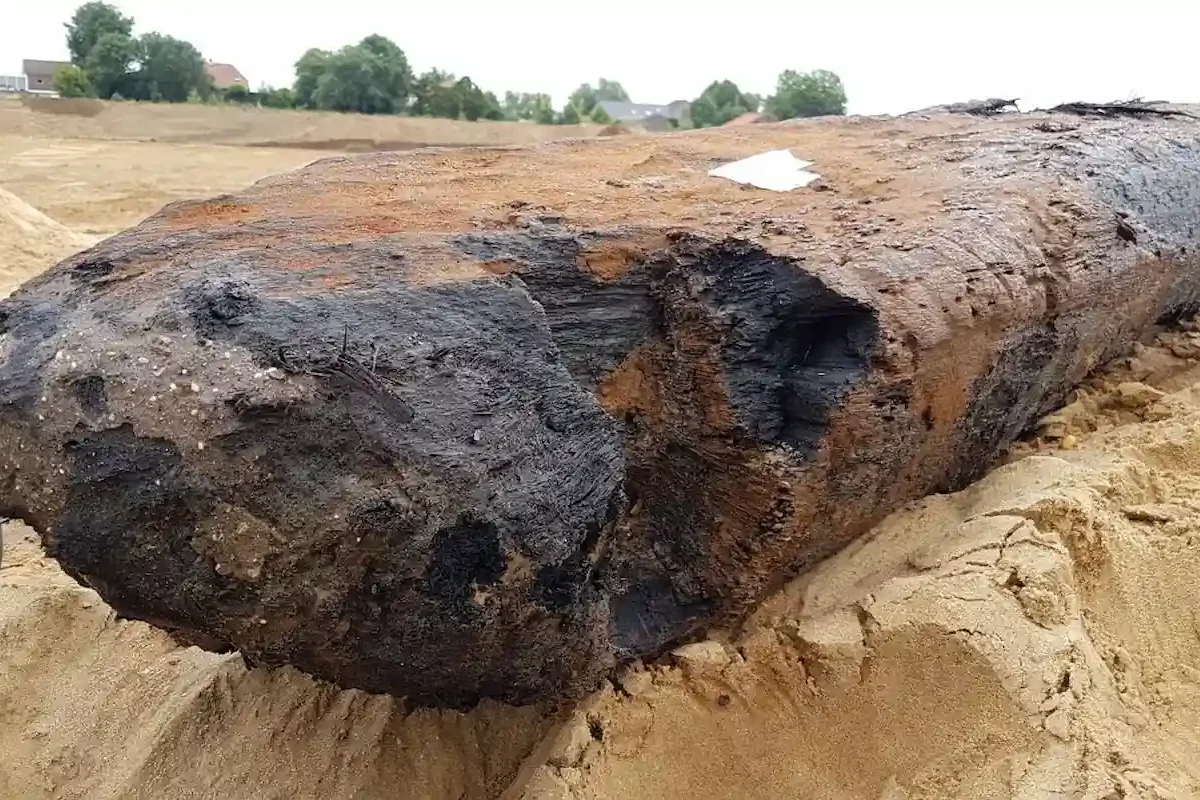
Why it matters: These findings collectively shift the evidentiary basis for understanding imperial collapse, monumental patronage, and logistical systems from literary tradition and artifact typology toward direct material and genetic data.
Context: The ‘Migration Period’ narrative has long been critiqued for its nationalist origins, while the function of Roman port infrastructure and the complete plan of major sanctuaries often remain partially understood.
"A genomic analysis conducted on 258 individuals buried in the so-called row cemeteries of southern Germany has just demolished the 19th-century image of a great Germanic migration that supposedly burst violently after the collapse of the Western Roman Empire." — LABRUJULAVERDE
Commentary: The German genomic study directly undermines a politically potent historical model, replacing a rupture event with evidence for continuity and gradual admixture. The Tivoli inscription exemplifies how epigraphy can still radically revise the known footprint of major sites, implying unrecorded imperial benefactions. The Portus dolia analysis transforms these vessels from generic storage containers into calibrated instruments of a specific trade, offering a new metric for modeling the scale and specificity of Roman maritime logistics.
Date: May 18, 2026 12:00 AM ET
URL: https://www.labrujulaverde.com/en/tag/roman-empire/
AI Sentiment Score: Negative (75%)
AI Credibility Score: 10.0/10 — High
Scores and text generated by AI analysis of the source article indicated.
Ten Incredible Underwater Discoveries That Have Captured Our … (Ancient-Origins.Net)
Summary: A 2013 chemical analysis of medicinal tablets from the Relitto del Pozzino shipwreck off Tuscany provided concrete evidence of Roman pharmaceutical compounds. Concurrently, the reported discovery of an underwater city in Zakynthos, Greece, initially hailed as a major archaeological find, was later reclassified by a University of Athens study as a natural geological formation. These paired discoveries illustrate the critical interplay between material analysis confirming ancient practices and methodological rigor correcting premature historical narratives.
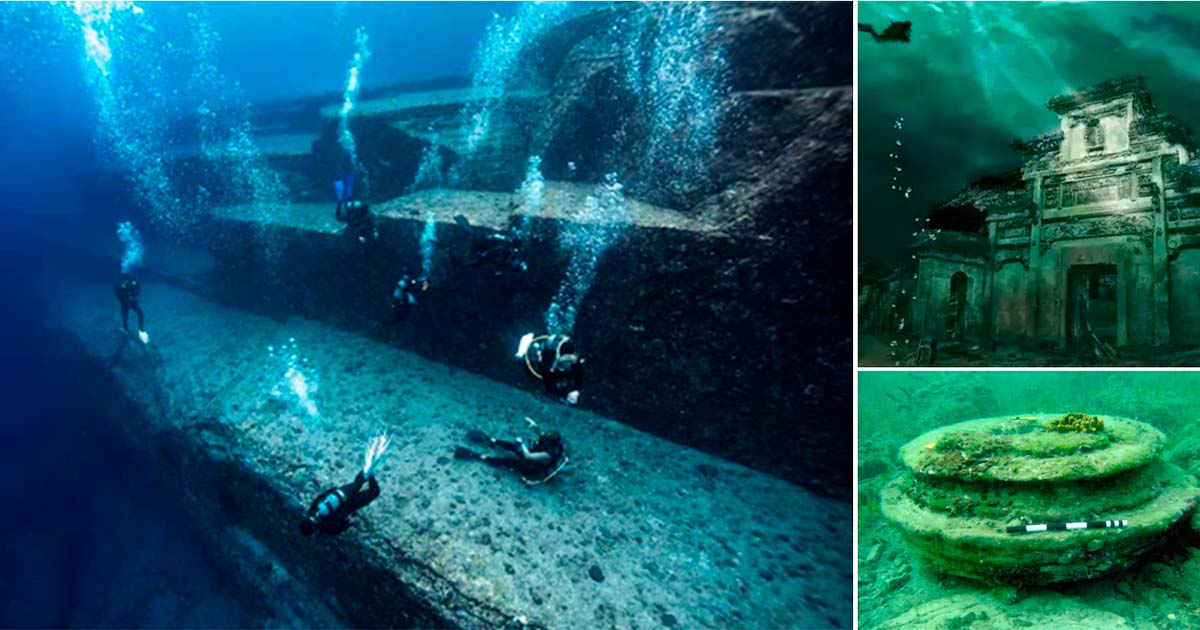
Why it matters: It underscores the non-linear process of historical reconstruction, where definitive material evidence must be distinguished from interpretative error, refining our models of ancient trade, medicine, and settlement.
Context: Underwater archaeology frequently operates at the intersection of sensational discovery and stringent scientific validation, where natural formations can mimic cultural artifacts.
"In June, 2013, a team of Italian scientists conducted a chemical analysis on some ancient Roman medicinal pills discovered in the Relitto del Pozzino, a 2000-year-old submerged shipping vessel which sank off." — ANCIENT-ORIGINS.NET
Commentary: The contrast between the Pozzino pills and the Zakynthos formations is a masterclass in evidentiary hierarchies. The pills offer a direct, chemically verifiable window into Roman materia medica and trade networks. The Greek case, however, demonstrates how initial pattern recognition—the human propensity to see cities—must be disciplined by geochemical analysis, protecting the historical record from contamination by pareidolia. This dynamic reinforces that the most significant advance in ancient studies is often the correction of a prior claim, tightening the methodological standards for the field.
Date: April 15, 2026 12:00 AM ET
URL: https://www.ancient-origins.net/artifacts-ancient-technology/underwater-discoveries-001522
AI Sentiment Score: Positive (50%)
AI Credibility Score: 10.0/10 — High
Scores and text generated by AI analysis of the source article indicated.
Post ID: f2f78e9d