Ancient DNA & Human Ancestry Discoveries
Homo erectus genetic material sequenced for the first time, and it shows ‘deep genetic links’ with modern humans (Livescience)
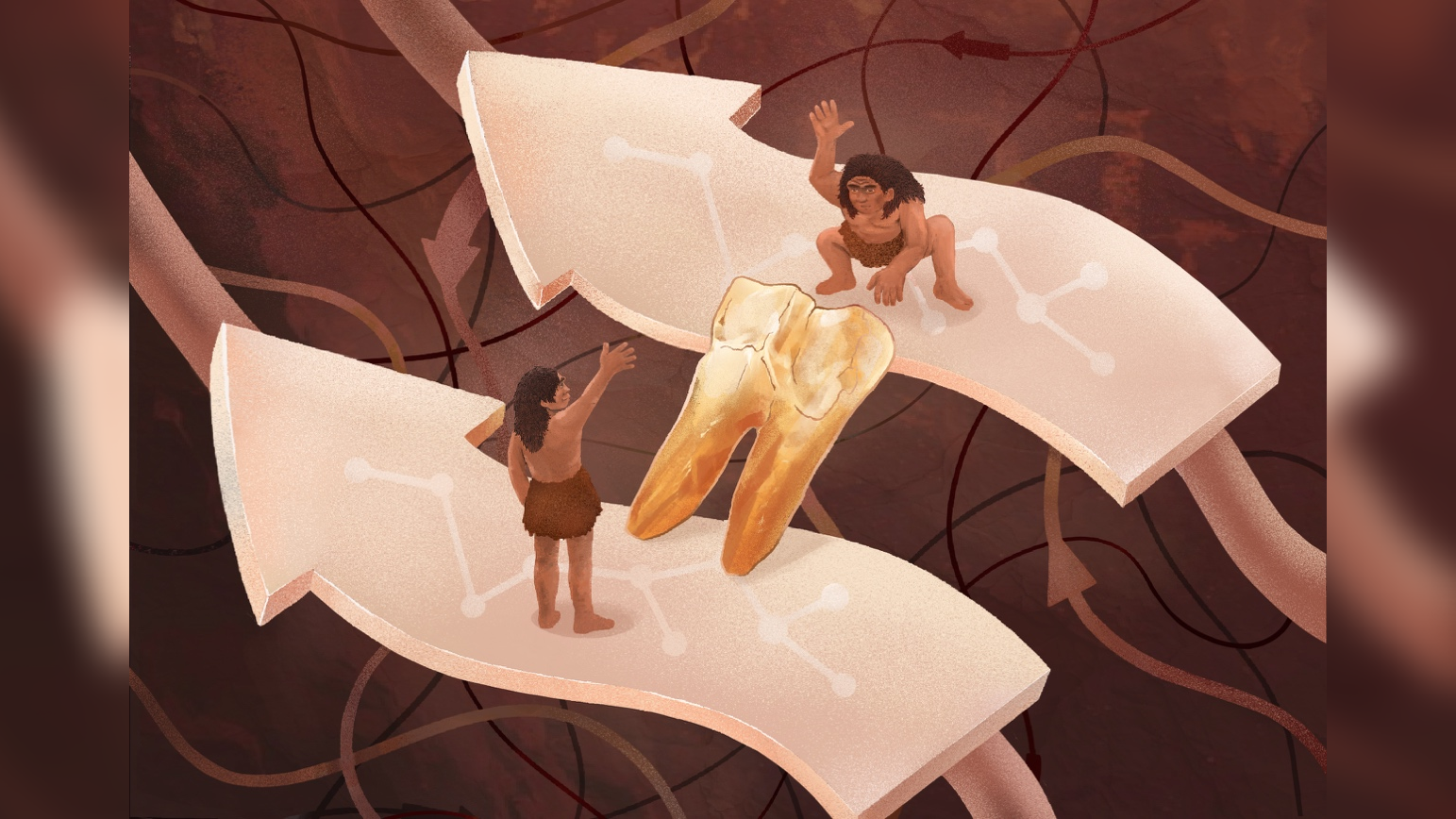
Summary: Researchers have sequenced ancient proteins from the dental enamel of six 400,000-year-old Homo erectus fossils from China, marking the first genetic material recovered from this species. The analysis reveals a unique amino acid variant specific to these individuals and another variant shared with Denisovans, which was later passed to some modern human groups. This provides the first direct molecular evidence of ‘deep genetic links’ between H. erectus and later human lineages.
Why it matters: It challenges the morphological species concept for archaic humans and forces a re-evaluation of population boundaries and gene flow during the Middle Pleistocene.
Context: The ‘muddle in the Middle Pleistocene’ describes the taxonomic confusion among overlapping human groups like H. erectus, Denisovans, and early H. sapiens, a confusion genomic evidence is now beginning to clarify.
"Homo erectus genetic material sequenced for the first time, and it shows ‘deep genetic links’ with modern humans A new study of six Homo erectus individuals from China reveals one amino acid." — LIVESCIENCE
Commentary: The finding operationalizes paleoproteomics as a tool for probing lineages beyond DNA’s survival window, directly impacting phylogenetic models. It suggests that what has been morphologically classified as Homo erectus in Asia may include Denisovan relatives or other distinct groups, reframing the Middle Pleistocene not as a tree of separate species but as a reticulated network of mixing populations. This moves the evidence for significant archaic admixture back by hundreds of thousands of years, with concrete implications for how we map human dispersal and interaction across Eurasia.
Date: Wed, 13 May 2026 15:02:18 +0000
URL: https://www.livescience.com/archaeology/human-evolution/homo-erectus-genetic-material-sequenced-for-the-first-time-and-it-shows-deep-genetic-links-with-modern-humans
AI Sentiment Score: Negative (50%)
AI Credibility Score: 10.0/10 — High
Scores and text generated by AI analysis of the source article indicated.
Ancient DNA reveals reason for high multiple sclerosis and Alzheimer’s rates in Europe (Sciencedaily)
Summary: Analysis of nearly 5,000 ancient Eurasian genomes reveals that genetic variants strongly associated with risk for multiple sclerosis were introduced into north-western Europe around 5,000 years ago by migrating Yamnaya pastoralists. These variants, which now contribute to the north-south prevalence gradient of MS in Europe, likely conferred an evolutionary advantage by protecting against zoonotic infections from livestock. The study, linking ancient DNA to modern disease databases, also traced genetic risks for Alzheimer’s and type 2 diabetes to earlier hunter-gatherer populations.

Why it matters: This reframes major neurodegenerative diseases not as simple malfunctions but as artifacts of deep evolutionary trade-offs, with direct implications for therapeutic strategy and our understanding of genetic legacy.
Context: The research leverages the world’s largest ancient human gene bank, a precision tool built from museum collections, to map the historical dispersal of disease-associated alleles alongside human migrations.
"Ancient DNA reveals reason for high multiple sclerosis and Alzheimer’s rates in Europe – Date: – January 10, 2024 – Source: – University of Cambridge – Summary: – Researchers have created the." — SCIENCEDAILY
Commentary: The findings shift the clinical and research paradigm for MS from treating a purely pathological condition to managing a historically beneficial immune adaptation now mismatched to modern environments. This evolutionary lens could pressure drug development to account for the deep genetic architecture of disease, while the open-access gene bank model sets a precedent for probing the ancient origins of other neurological and psychiatric disorders.
Date: May 23, 2026 12:00 AM ET
URL: https://www.sciencedaily.com/releases/2024/01/240110120200.htm
AI Sentiment Score: Negative (71%)
AI Credibility Score: 10.0/10 — High
Scores and text generated by AI analysis of the source article indicated.
Ancient DNA analyses bring to life the 11,000-year intertwined genomic history of sheep and humans (Sciencedaily)
Summary: A genomic study of 118 ancient sheep remains, spanning 12,000 years from Mongolia to Ireland, reconstructs the species’ domestication and dispersal. It traces an origin in the Fertile Crescent over 11,000 years ago, identifies human selection for coat color by 8,000 years ago, and maps a major Bronze Age migration of sheep from the Eurasian steppes into Europe. This migration parallels known human population movements, suggesting pastoralism and secondary products like milk were central to the steppe expansion.
Why it matters: This provides a non-human genomic proxy for major prehistoric human migrations, directly linking animal husbandry strategies to demographic and cultural transformation.
Context: Ancient DNA is increasingly used to trace not just human ancestry but the co-evolution of domesticates, offering a material record of subsistence economies and trade.
"One of our most striking discoveries was a major prehistoric sheep migration from the Eurasian steppes into Europe during the Bronze Age. This parallels what we know about human migrations during the same period, suggesting that when people moved, they brought their flocks with them." — SCIENCEDAILY
Commentary: The study reframes the Bronze Age steppe expansion as not merely a vector for languages and human ancestry, but as an economic system propelled by portable capital—flocks. It elevates sheep from a passive resource to an active driver of macrohistorical change, with selective breeding for traits like white wool emerging as a surprisingly early form of biocultural engineering.
Date: May 31, 2026 12:00 AM ET
URL: https://www.sciencedaily.com/releases/2025/01/250130172809.htm
AI Sentiment Score: Negative (50%)
AI Credibility Score: 10.0/10 — High
Scores and text generated by AI analysis of the source article indicated.
Ancient DNA reveals a family ossuary and long-distance migration on the Pacific coast before the Inca Empire – PubMed (Pubmed.Ncbi.Nlm.Nih.Gov)
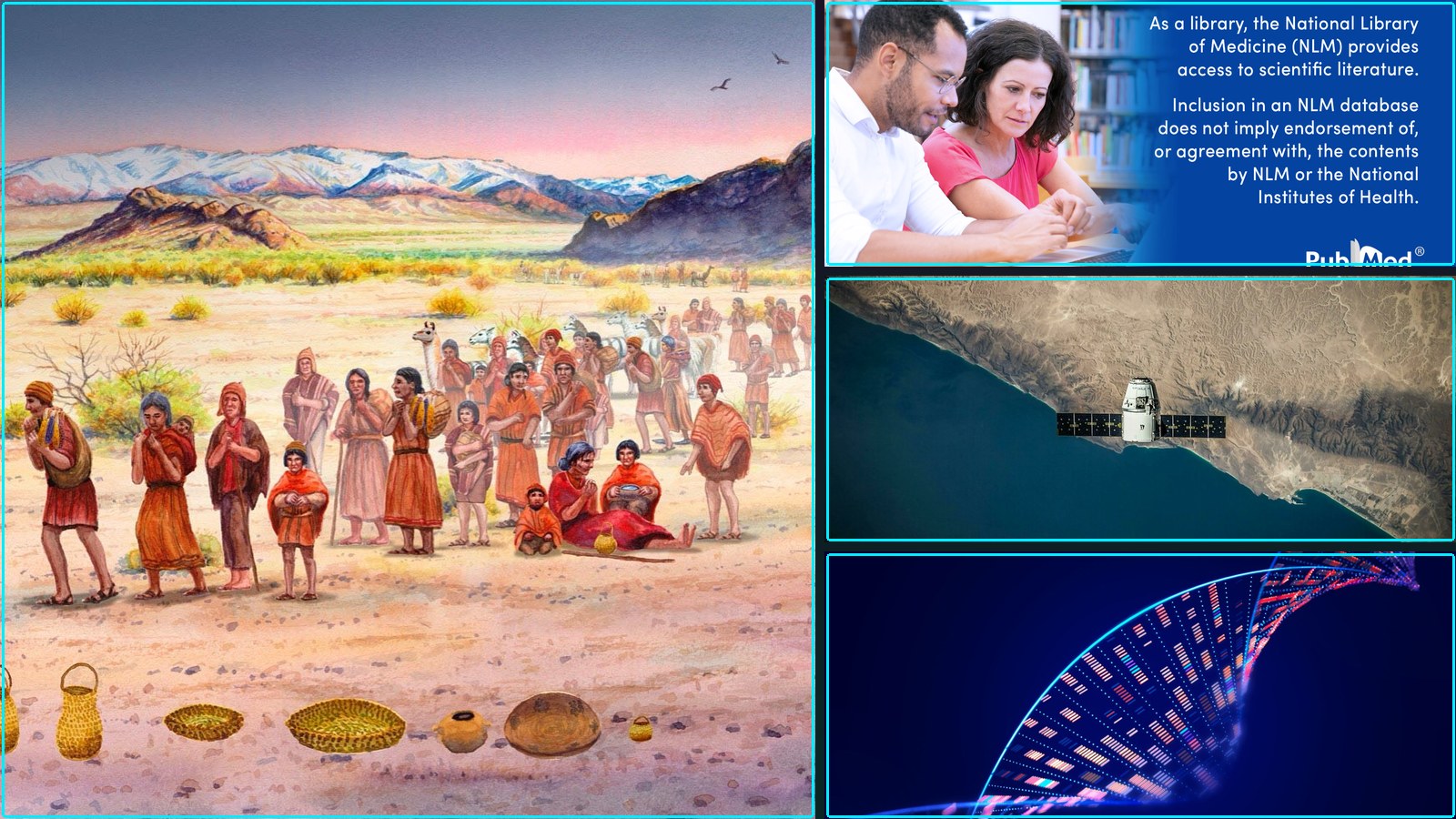
Summary: Ancient DNA analysis of 21 individuals from Peru’s Chincha Valley, dated to the 13th-15th centuries AD, reveals a pre-Inca pattern of long-distance migration and family organization. The study identifies a family ossuary with evidence of consanguineous endogamy and shows that the earliest migrants possessed unadmixed ancestry from groups 700 km to the north, with later generations showing admixture with local coastal populations. The research employs a novel Bayesian model integrating genetic family trees and individual marine diet estimates to overcome longstanding dating challenges posed by the marine reservoir effect. These findings demonstrate population continuity and persistent cultural practices, such as cranial modification, across the period of the Chincha Kingdom’s dominance prior to Inca conquest.

Why it matters: It refines the timeline and social mechanics of Andean coastal state formation, showing how elite kinship networks and long-range migration underpinned political power before imperial integration.
Context: Pre-Columbian coastal societies are often studied through ceramics and architecture; aDNA provides a direct, generation-scale record of mobility and kinship that challenges or clarifies archaeological narratives of political consolidation.
"# Ancient DNA reveals a family ossuary and long-distance migration on the Pacific coast before the Inca Empire Nat Commun. 2026 May 22;17(1):4222. doi: 10.1038/s41467-026-72216-y. … This paper tracks long-distance migration on." — PUBMED.NCBI.NLM.NIH.GOV
Commentary: The study operationalizes migration not as a vague cultural diffusion but as traceable familial strategy, revealing the Chincha Kingdom as a polity built on sustained, elite-directed north-south corridors. The technical leap in correcting for marine reservoir effects at the individual level sets a methodological standard, turning dietary data into a precise chronological tool. This shifts the focus from Inca imperial absorption to the durable, far-flung interaction networks that defined the political landscape the Inca ultimately inherited.
Date: May 22, 2026 12:00 AM ET
URL: https://pubmed.ncbi.nlm.nih.gov/42173833/
AI Sentiment Score: Neutral (33%)
AI Credibility Score: 10.0/10 — High
Scores and text generated by AI analysis of the source article indicated.
DNA sequencing is rewriting our understanding of historic outbreaks, but it can’t tell the whole story (Livescience)
Summary: Genomic sequencing has become a primary tool for investigating historic and modern disease outbreaks, allowing researchers to trace pathogen lineages and transmission chains with molecular precision. The article details how sequencing identified a precursor strain of Yersinia pestis in 14th-century Kyrgyzstan graves, pinpointing a likely origin for the Black Death, and how it tracked a COVID-19 superspreading event from a single conference to 29 states. However, the author, a chemist and science writer, argues that genetic data alone cannot explain why outbreaks begin, spread, or follow specific patterns; it requires integration with historical records, archaeology, and epidemiology. This partnership between molecular evidence and contextual disciplines is rewriting disease history but also revealing the limits of a purely genetic narrative.
Why it matters: It reframes historical epidemiology from a speculative discipline into a forensic science, while cautioning against over-reliance on genetic determinism in understanding complex historical events.
Context: The application of ancient DNA analysis to historical pandemics represents a major methodological shift, moving from textual interpretation to direct biological evidence. This creates new tensions and collaborations between scientific and historical disciplines.
"Sequencing provided the biological clue, revealing the pathogen’s identity and ancestry. History and archaeology turned that clue into a plausible narrative." — LIVESCIENCE
Commentary: The operational model here—genetics as clue, humanities as narrative—establishes a new division of labor for investigating historical causality, one that risks relegating historians and archaeologists to a supporting role. For institutions like the WHO or CDC, this reinforces the need for integrated investigative teams during modern outbreaks, where contact tracing and behavioral data must partner with sequencing. The deeper implication is that our understanding of power and exchange in the ancient world—trade routes, urban density, climate—is now subject to genetic validation, potentially overturning long-held historical theories based on fragmentary texts.
Date: Sat, 23 May 2026 14:00:00 +0000
URL: https://www.livescience.com/health/genetics/dna-sequencing-is-rewriting-our-understanding-of-historic-outbreaks-but-it-cant-tell-the-whole-story
AI Sentiment Score: Negative (50%)
AI Credibility Score: 10.0/10 — High
Scores and text generated by AI analysis of the source article indicated.
The Romans and Vikings left few genetic traces of their occupations of Britain, research suggests (Livescience)
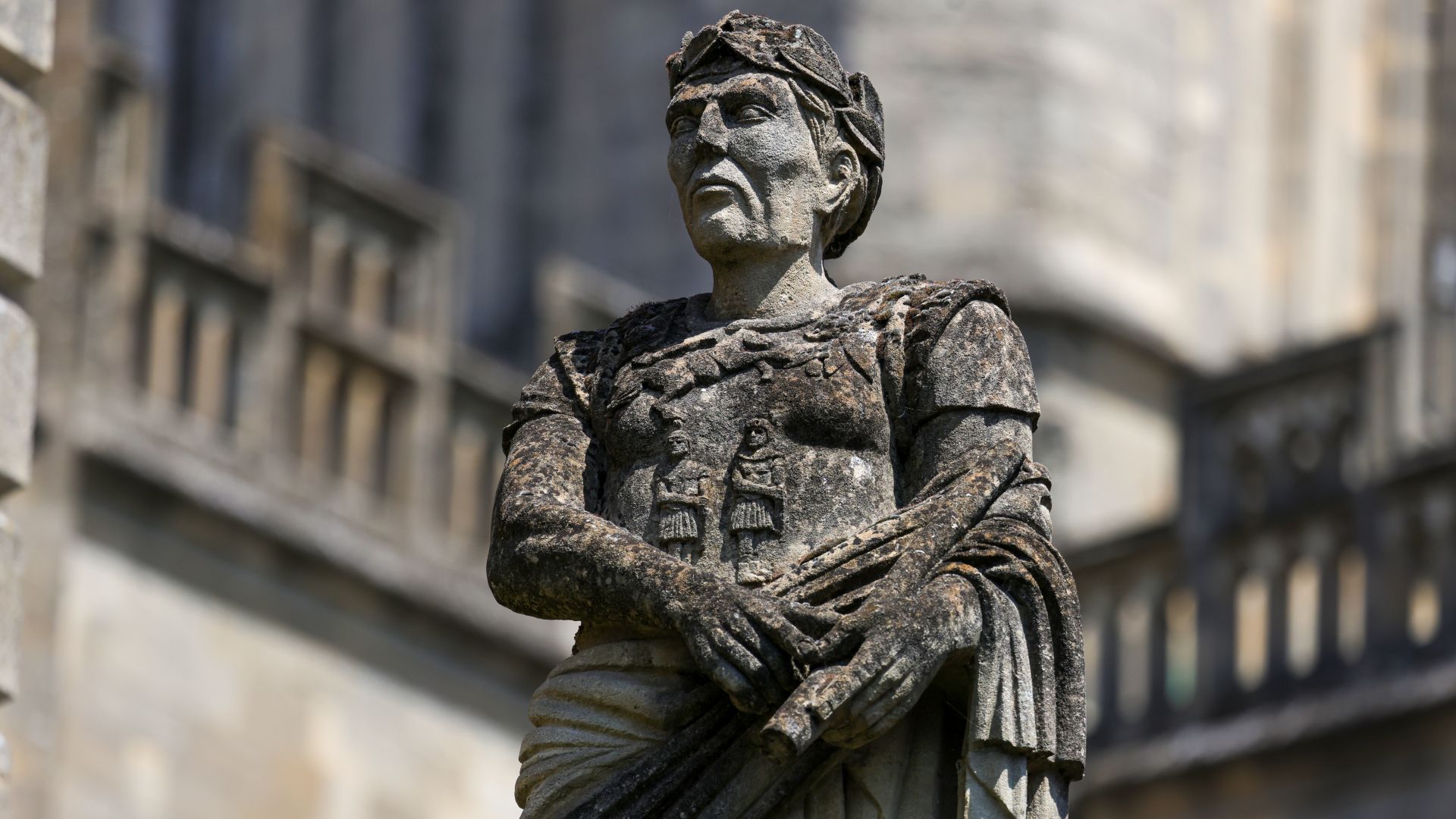
Summary: A new preprint study analyzing ancient DNA from over 1,000 individuals buried in Britain between 2550 B.C. and A.D. 1150 suggests the Roman and Viking occupations left minimal genetic legacies, with Roman-era DNA of non-British origin accounting for only about 20% of sampled genomes. In stark contrast, the subsequent Anglo-Saxon period shows a dramatic influx, with ‘Germanic’ DNA comprising about 70% of sampled genetics. The findings indicate cultural adoption, not large-scale population replacement, characterized the Roman period, while the later Viking Age in the Danelaw left a surprisingly scant 4% Scandinavian genetic signal. The research also notes a shift in burial patterns from pre-Roman matrilineal groupings, potentially reflecting Celtic social structures, to practices aligning with Roman patriarchal norms.
Why it matters: This challenges long-held assumptions about the demographic impact of conquests, forcing a reevaluation of how power, cultural change, and population movement are linked in historical narratives.
Context: This study enters an ongoing debate in archaeogenetics about the scale of migration versus cultural diffusion in historical transitions, following earlier work on the Anglo-Saxon arrival.
"The Romans and Vikings left few genetic traces of their occupations of Britain, research suggests Despite their occupations of Britain, the Romans and Vikings didn’t leave much of a genetic mark on." — LIVESCIENCE
Commentary: The data underscores a critical distinction between imperial administration and mass settlement: the Roman model exported culture and governance with a relatively small mobile population, while the Anglo-Saxon migration represented a demographic re-founding. If the sampling holds, it suggests the ‘end’ of Roman Britain was less a genetic replacement event and more a political and military collapse, with profound implications for how we model continuity and change across imperial frontiers. The noted shift from matrilineal to patriarchal burial organization, if corroborated, points to a deeper, institutional cultural imposition by Rome beyond material culture.
Date: Wed, 27 May 2026 15:44:49 +0000
URL: https://www.livescience.com/archaeology/romans/the-romans-and-vikings-left-few-genetic-traces-of-their-occupations-of-britain-research-suggests
AI Sentiment Score: Negative (80%)
AI Credibility Score: 10.0/10 — High
Scores and text generated by AI analysis of the source article indicated.
Ancient DNA Reveals How Farming Spread and Nearly Broke a … (Scitechdaily)
Summary: A study in Nature reconstructs over two millennia of population history in Argentina’s Uspallata Valley, combining ancient human and pathogen DNA, isotopes, archaeology, and paleoclimate data. It finds genetic continuity between local hunter-gatherers and later maize-farming communities, indicating farming spread through cultural adoption, not population replacement. The research, conducted with Huarpe Indigenous communities, identifies extended family networks as a key resilience mechanism during periods of overlapping climate instability, food stress, and disease.
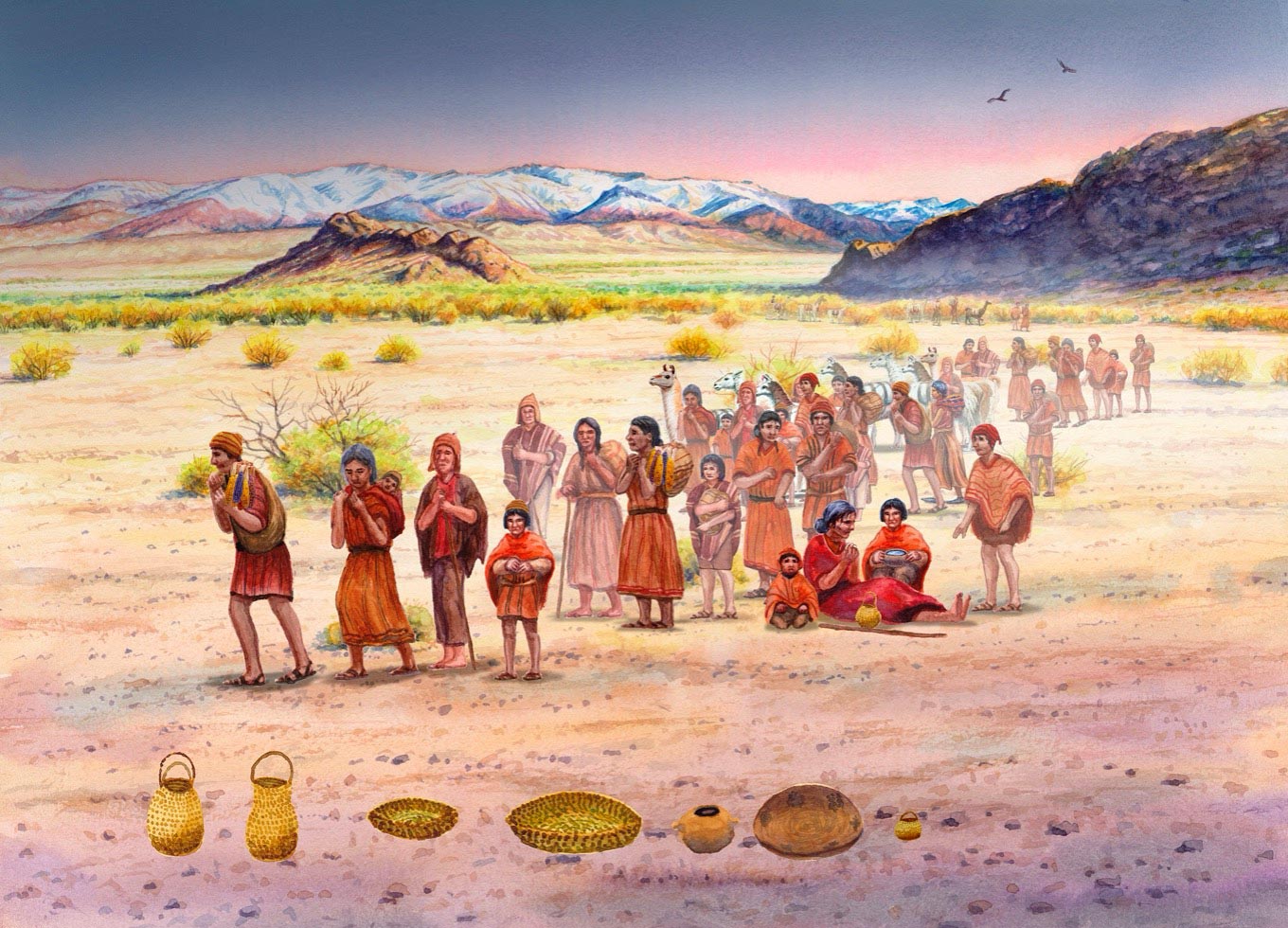
Why it matters: It reframes the narrative of agricultural expansion from one of conquest and replacement to one of local adaptation and social resilience, with direct implications for understanding long-term societal responses to systemic crises.
Context: This challenges longstanding models of the ‘Neolithic transition’ in the Andes and elsewhere, which often emphasize demic diffusion or conflict. It aligns with a growing body of archaeogenetic work emphasizing continuity and local agency.
"Their results revealed strong genetic continuity between hunter-gatherers living in the valley about 2,200 years ago and the farming communities that lived there more than 1,000 years later as maize cultivation–and other crops–expanded." — SCITECHDAILY
Commentary: The methodological synthesis—tying genetics to pathogen load, isotopic diet, and paleoclimate—moves beyond identifying ‘who’ to explaining ‘how’ societies persisted. The finding that kinship networks facilitated migration as a risk-buffering strategy offers a concrete social mechanism for resilience, relevant to both historical anthropology and contemporary discussions of climate adaptation. It underscores that technological adoption (farming) and biological stress (disease, climate) are mediated through pre-existing social structures.
Date: May 22, 2026 12:00 AM ET
URL: https://scitechdaily.com/ancient-dna-reveals-how-farming-spread-and-nearly-broke-a-civilization/
AI Sentiment Score: Negative (80%)
AI Credibility Score: 10.0/10 — High
Scores and text generated by AI analysis of the source article indicated.
What ancient bones reveal about human history | Meer (Meer)
Summary: Satellite archaeology and ancient DNA analysis are converging to rewrite human history at an unprecedented scale and resolution. Researchers like Sarah Parcak use orbital imagery to map thousands of potential sites, from pyramids to lost cities, while genomic studies of nearly 5,000 ancient individuals trace population movements. This dual approach—seeing what’s hidden beneath the ground and reading what’s encoded in bones—answers questions previously unaskable. The integration of LiDAR and, prospectively, artificial intelligence is accelerating discovery, moving from mapping dozens of sites per season to thousands in weeks.

Why it matters: This convergence fundamentally alters the evidentiary base for historical and prehistorical narratives, shifting authority from sparse, localized excavation to systemic, continental-scale data, with direct implications for academic disciplines, cultural heritage management, and public understanding of human origins.
Context: This represents the maturation of two parallel technological revolutions: remote sensing, which began with aerial photography, and paleogenomics, which overcame the challenge of sequencing degraded ancient DNA. Their convergence marks a shift from artifact-centric to landscape- and population-scale analysis.
"Together, these revolutionary technologies are unveiling a past far more dynamic, interconnected, and surprising than anyone imagined. Sarah Parcak has discovered the location of 17 potential pyramids, some 3,100 settlements, and 1,000." — MEER
Commentary: The operational impact is a move from hypothesis-testing to pattern-recognition as the primary archaeological method, privileging large datasets over curated dig sites. This could pressure academic institutions to retrain field archaeologists as data scientists and recalibrate heritage laws designed for localized, physical excavation. The narrative output—a ‘more dynamic and interconnected’ past—directly counters nationalist and essentialist histories, offering a potent, evidence-based counter-narrative of human migration and mixing.
Date: April 27, 2026 12:00 AM ET
URL: https://www.meer.com/en/102020-what-ancient-bones-reveal-about-human-history
AI Sentiment Score: Negative (75%)
AI Credibility Score: 10.0/10 — High
Scores and text generated by AI analysis of the source article indicated.
Ancestry Publications Explorer – DNAGENICS (My.Dnagenics)
Summary: The DNAGENICS Ancestry Publications Explorer aggregates 1,197 recent scientific publications on population genetics and ancient DNA, spanning 23 years and 195 journals. The dataset highlights a surge in high-resolution studies, from the genetic legacy of colonial St. Mary’s City to the analysis of two women buried in an embrace in medieval Poland. This corpus represents the current frontier of archaeogenetics, where minimally destructive dating and large-scale SNP analysis are refining our understanding of human migration, admixture, and adaptation.

Why it matters: This aggregated research output signals a maturation of ancient DNA into a standard archaeological tool, moving from broad-stroke population history to intimate, individual-level biographies and precise evolutionary mechanisms.
Context: The field of archaeogenetics is transitioning from proving large-scale migration theories to investigating social structure, kinship, and rapid adaptation within historical and prehistorical communities.
"Ancient DNA analysis sheds light on two individuals buried in a mutual embrace at the Exaltation of the Holy Cross Cathedral in Opole, Poland." — MY.DNAGENICS
Commentary: The range of studies—from a unique medieval burial in Poland to amylase gene copy number increase in Indigenous Andeans—demonstrates the field’s dual track: one reconstructing social and cultural practices from genetic data, the other quantifying direct natural selection. This shifts historical analysis from artifacts and texts to a biomolecular record of relationships and resilience, forcing institutions like museums and heritage bodies to integrate genetic narratives into public interpretation. The inverse correlation noted between structural linguistic and genetic diversity suggests new, non-parallel models for cultural transmission, challenging simplistic ethnolinguistic assumptions in historiography.
Date: May 15, 2026 12:00 AM ET
URL: https://my.dnagenics.com/ancestry/publications
AI Sentiment Score: Positive (40%)
AI Credibility Score: 10.0/10 — High
Scores and text generated by AI analysis of the source article indicated.
Neanderthal Dentistry Dates Back 60,000 Years (Archaeology)
Summary: Analysis of a Neanderthal molar from Chagyrskaya Cave in Siberia reveals a precisely drilled hole extending into the pulp cavity. Experimental replication suggests the hole was made with a small stone tool, likely to alleviate pain from a cavity. This find predates the previously earliest known evidence of dental intervention by over 40,000 years and is the first documented instance outside of Homo sapiens.
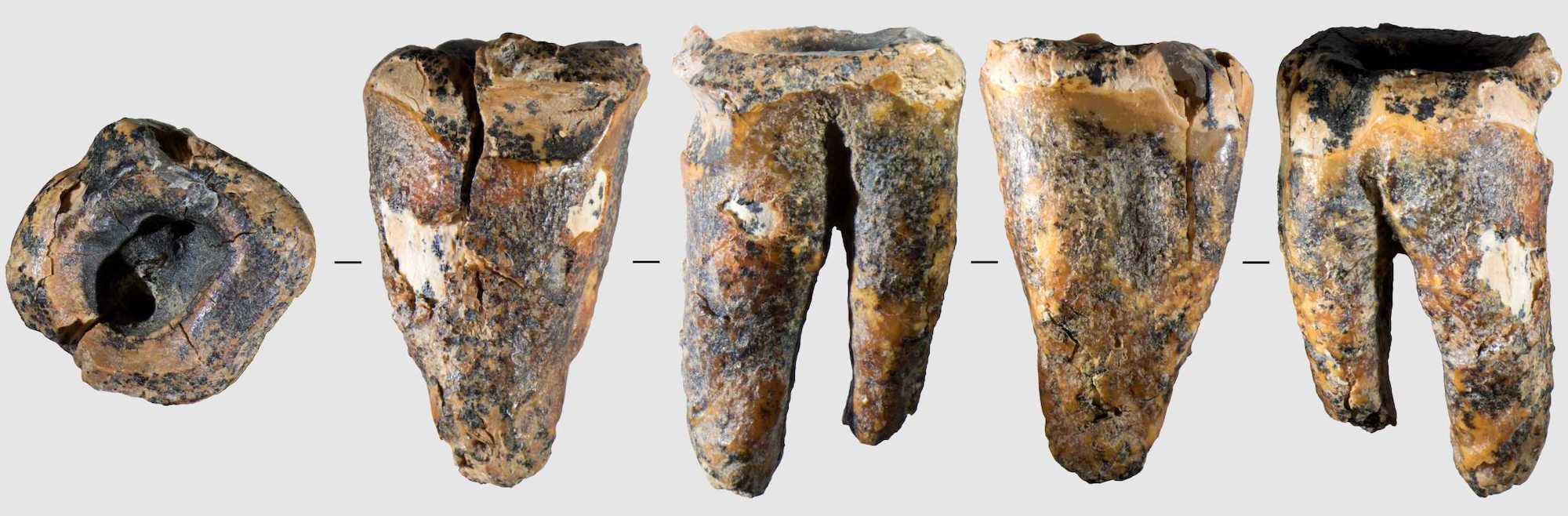
Why it matters: This fundamentally recalibrates timelines for complex medical knowledge and self-care, pushing evidence for intuitive surgical intervention deep into the Neanderthal lineage.
Context: The narrative of Neanderthals as cognitively simplistic has been steadily dismantled by evidence of art, burial, and tool use. This discovery adds targeted palliative care to that repertoire.
"SIBERIA, RUSSIA—According to a CNN report, Neanderthal dentists may have used sophisticated tools to treat toothaches 60,000 years ago. A lone Neanderthal lower molar recently stood out among dozens of hominin teeth,." — ARCHAEOLOGY
Commentary: The precision implies not just reaction to pain but a diagnostic understanding of internal tooth structure and cause-and-effect. It shifts ‘medicine’ from a generalized Homo sapiens trait to a potential convergent cognitive development, with implications for how we model the emergence of complex care behaviors. The 40,000-year gap before similar sapiens evidence suggests either a loss of this knowledge or a significant blind spot in the archaeological record.
Date: Mon, 18 May 2026 17:30:00 +0000
URL: https://archaeology.org/news/2026/05/18/neanderthal-dentistry-dates-back-60000-years/
AI Sentiment Score: Positive (40%)
AI Credibility Score: 10.0/10 — High
Scores and text generated by AI analysis of the source article indicated.
Post ID: f0e9adbb