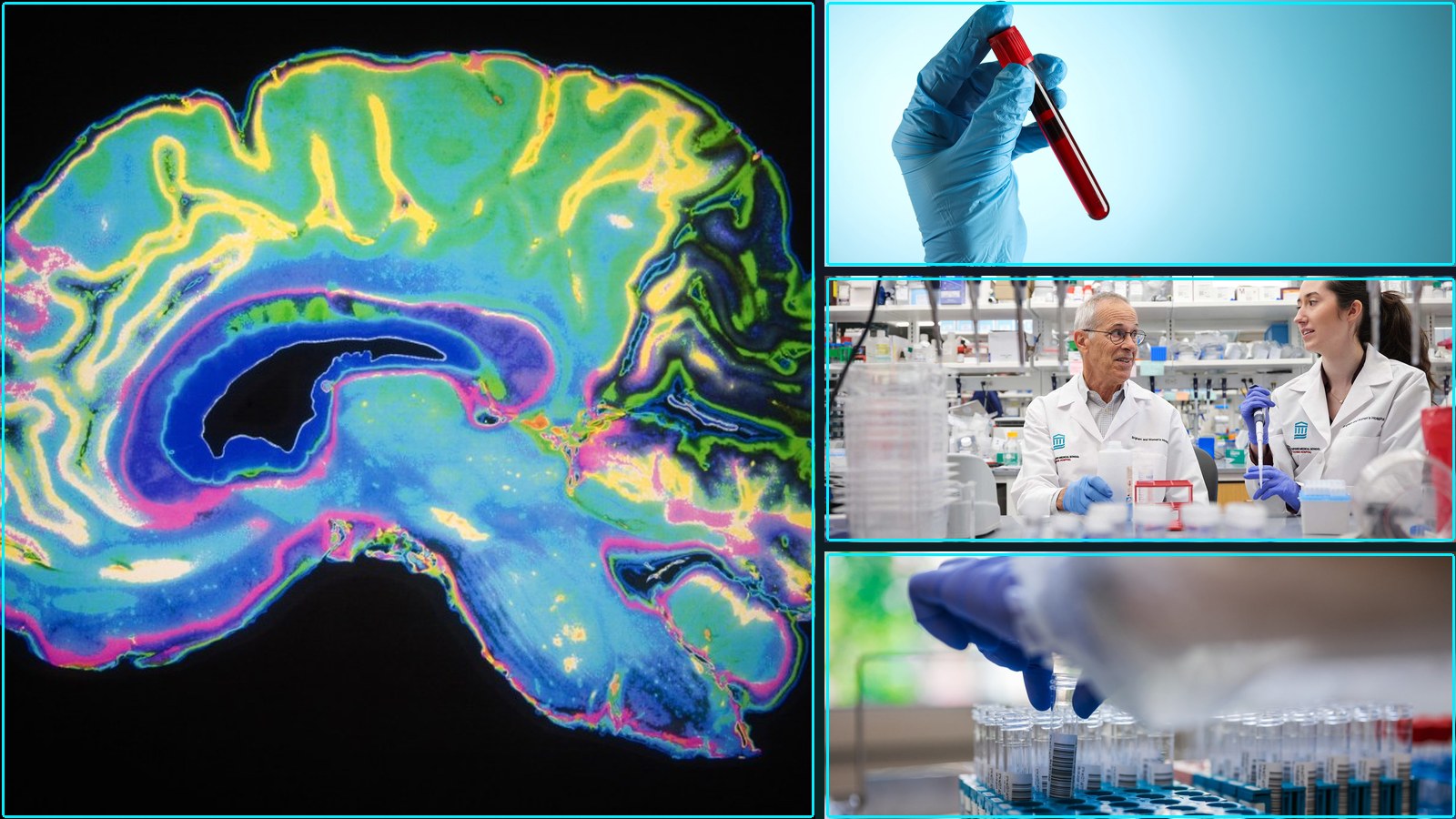
Blood Tests and Diagnostic Advances
Alzheimer’s 2026 Breakthrough: Blood Test Diagnosis, New Treatments & Hope | Dr. Kuldeep Singh (Youtube)
Summary: A 2026 video interview with a Texas neurologist outlines a near-future state for Alzheimer’s and FTD management, centered on FDA-cleared blood biomarkers (p-tau 217 and Aβ42/40 ratio) enabling pre-symptomatic detection with accuracy rivaling CSF analysis. It highlights the clinical arrival of amyloid-clearing monoclonals like Lecanemab and Donanemab, the pipeline promise of enhanced-delivery agents like Trontinemab, and the FDA approval of Rexulti for behavioral symptoms. The narrative couples these therapeutic advances with a renewed emphasis on the FINGER study’s five-pillar lifestyle protocol for cognitive reserve.

Why it matters: This signals a concrete shift from a diagnostic paradigm reliant on expensive PET scans or invasive lumbar punctures to scalable, pre-symptomatic blood screening, which could reshape clinical trial recruitment, primary care conversations, and long-term care planning.
Context: The clinical validation of blood-based biomarkers has been a multi-year race, with p-tau 217 emerging as a frontrunner for specificity. The discussion of ‘Brain Shuttle’ technology (e.g., Trontinemab) reflects the industry’s pivot toward improving blood-brain barrier penetration after the first-generation anti-amyloid antibodies showed modest efficacy with significant ARIA risks.
"Alzheimer’s diagnosis and treatment are entering a new era in 2026. In this episode, Dr. Kuldeep Singh from Singh Medical Practice (Plano, Texas) explains how high-precision blood biomarkers like p-tau 217 and." — YOUTUBE
Commentary: The operational consequence is the potential mainstreaming of Alzheimer’s pathology screening into routine check-ups for at-risk demographics, fundamentally altering the patient journey from one of symptomatic crisis management to chronic disease monitoring. This creates a new, larger pre-symptomatic population for drug developers and payers to contend with, raising immediate questions about treatment initiation criteria and cost. The parallel emphasis on Rexulti and lifestyle pillars underscores that even in a disease-modifying era, symptom management and prevention retain critical, reimbursable roles in clinical practice.
Date: April 25, 2026 12:00 AM ET
URL: https://www.youtube.com/watch?v=TI9qvIR7dk0
AI Sentiment Score: Negative (77%)
AI Credibility Score: 10.0/10 — High
Scores and text generated by AI analysis of the source article indicated.
New biomarker helps differentiate underlying pathologies of … (Amsterdamumc)
Summary: Amsterdam UMC researchers have identified a novel cerebrospinal fluid biomarker, AcTau174, which shows elevated concentrations across multiple neurodegenerative diseases. Crucially, it demonstrates the ability to differentiate between FTLD-TDP and FTLD-tau pathologies in frontotemporal dementia, a distinction previously requiring post-mortem analysis. The biomarker also correlates with disease severity and rate of cognitive decline in TDP-43 pathology cases, suggesting prognostic utility.

Why it matters: This provides a critical in vivo tool for disentangling FTD subtypes, directly enabling more precise patient stratification for pathology-specific clinical trials and moving towards tailored prognostic counseling.
Context: Differentiating tau from TDP-43 pathology in FTD has been a persistent diagnostic challenge, confounding trial design and clinical management. Biomarker discovery has focused on fluid markers to replace or supplement imaging and post-mortem confirmation.
"They showed that concentrations of this biomarker can distinguish between patients with FTLD-tau and FTLD-TDP." — AMSTERDAMUMC
Commentary: The validation across three independent cohorts strengthens AcTau174’s case for clinical translation, but its elevation across AD and DLB necessitates careful differential diagnostic panels. The immediate impact is on trial design: sponsors for anti-tau or anti-TDP-43 therapies can now screen and stratify FTD cohorts with greater confidence, potentially accelerating drug development. For clinics, adoption hinges on demonstrating that CSF testing with AcTau174 changes management meaningfully before disease-modifying therapies are widely available.
Date: April 21, 2026 12:00 AM ET
URL: https://www.amsterdamumc.org/en/research/news/new-biomarker-helps-differentiate-frontotemporal-lobar-degeneration
AI Sentiment Score: Negative (71%)
AI Credibility Score: 8.6/10 — High
Scores and text generated by AI analysis of the source article indicated.
Spring 2026 Alzheimer’s Updates: New Blood Tests & Treatments (Losaltosneurology)
Summary: The Alzheimer’s disease care paradigm is shifting from symptom-based diagnosis to biomarker-confirmed biology, with blood tests gaining traction as adjunctive tools and anti-amyloid monoclonal antibodies entering real-world use for a narrow, early-stage population. A major April 2026 Cochrane review casts significant doubt on the clinical meaningfulness of these amyloid-targeting drugs, finding their cognitive and functional benefits ‘trivial’ at 18 months. Meanwhile, the field is broadening beyond amyloid, with tau-targeting therapies like antisense oligonucleotide BIIB080 advancing, prevention trials like PrevenTRON planned, and structured lifestyle interventions showing measurable cognitive gains in at-risk populations.
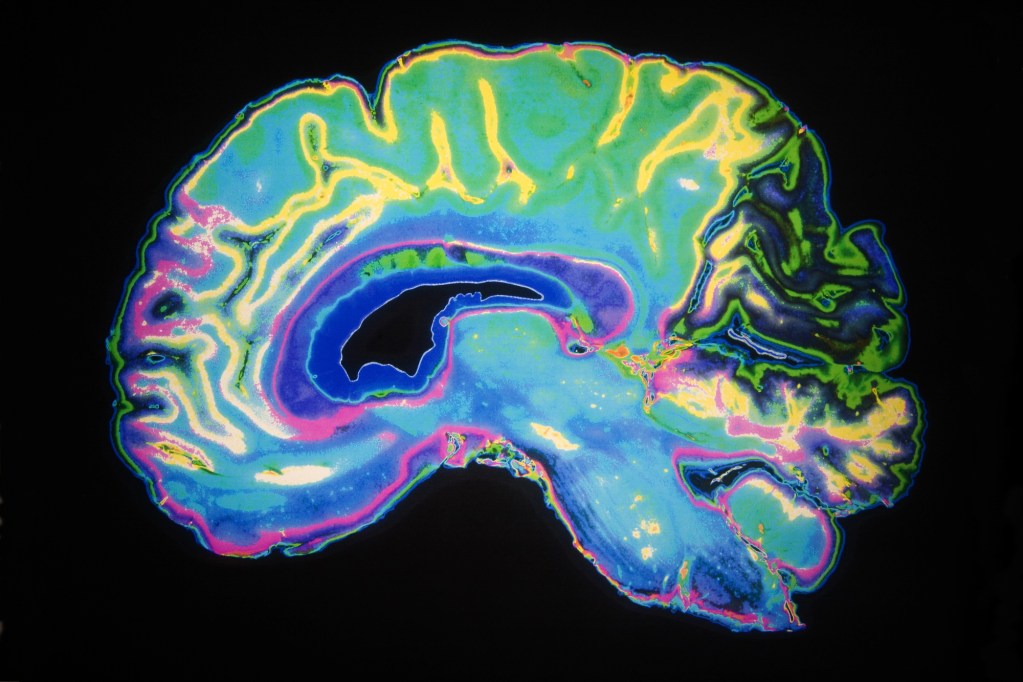
Why it matters: This marks a pivotal moment of recalibration for clinicians, payers, and patients, forcing a clearer-eyed assessment of the first wave of disease-modifying therapies against a backdrop of expanding diagnostic precision and alternative therapeutic pathways.
Context: This update arrives as CMS coverage for amyloid PET has been decentralized since 2023, creating variable access, and as the FDA reviews a subcutaneous starting dose for anti-amyloid drugs, potentially altering the treatment burden.
"Last updated: April 25, 2026 ## Overview Alzheimer’s disease care is entering a new phase. The field is moving away from diagnosing AD by symptoms and MRI alone, and toward **biomarker-confirmed Alzheimer’s." — LOSALTOSNEUROLOGY
Commentary: The Cochrane review provides a stark, evidence-based counter-narrative to the commercial and clinical enthusiasm for anti-amyloid monoclonals, effectively reframing them from breakthrough therapies to marginal interventions with serious risk profiles. This will intensify scrutiny on cost-effectiveness models from CMS and private payers, and likely accelerate investment and patient interest in non-amyloid targets and multimodal lifestyle protocols. Neurologists are now tasked with managing a more complex, layered diagnostic process while navigating a therapeutic landscape where the most hyped class of drugs offers, at best, a nuanced and debated deceleration of decline.
Date: April 25, 2026 12:00 AM ET
URL: https://losaltosneurology.com/2026/04/25/spring-2026-alzheimers-disease-updates/
AI Sentiment Score: Negative (70%)
AI Credibility Score: 10.0/10 — High
Scores and text generated by AI analysis of the source article indicated.
Researchers Develop Test to Detect Biomarkers for … (Clpmag)
Summary: Mass General Brigham researchers have developed a digital seed amplification assay (dSAA) capable of detecting abnormal TDP-43 protein seeds in cerebrospinal fluid, specifically targeting the FTLD-TDP subtype of frontotemporal lobar degeneration. The ultrasensitive test, adapted from methods used in Parkinson’s disease research, digitally counts protein seeds in nano-liter compartments and showed elevated concentrations correlating with disease severity in a 40-sample pilot study. This represents a potential diagnostic and monitoring tool for a condition that has lacked specific biomarkers, unlike Alzheimer’s disease.
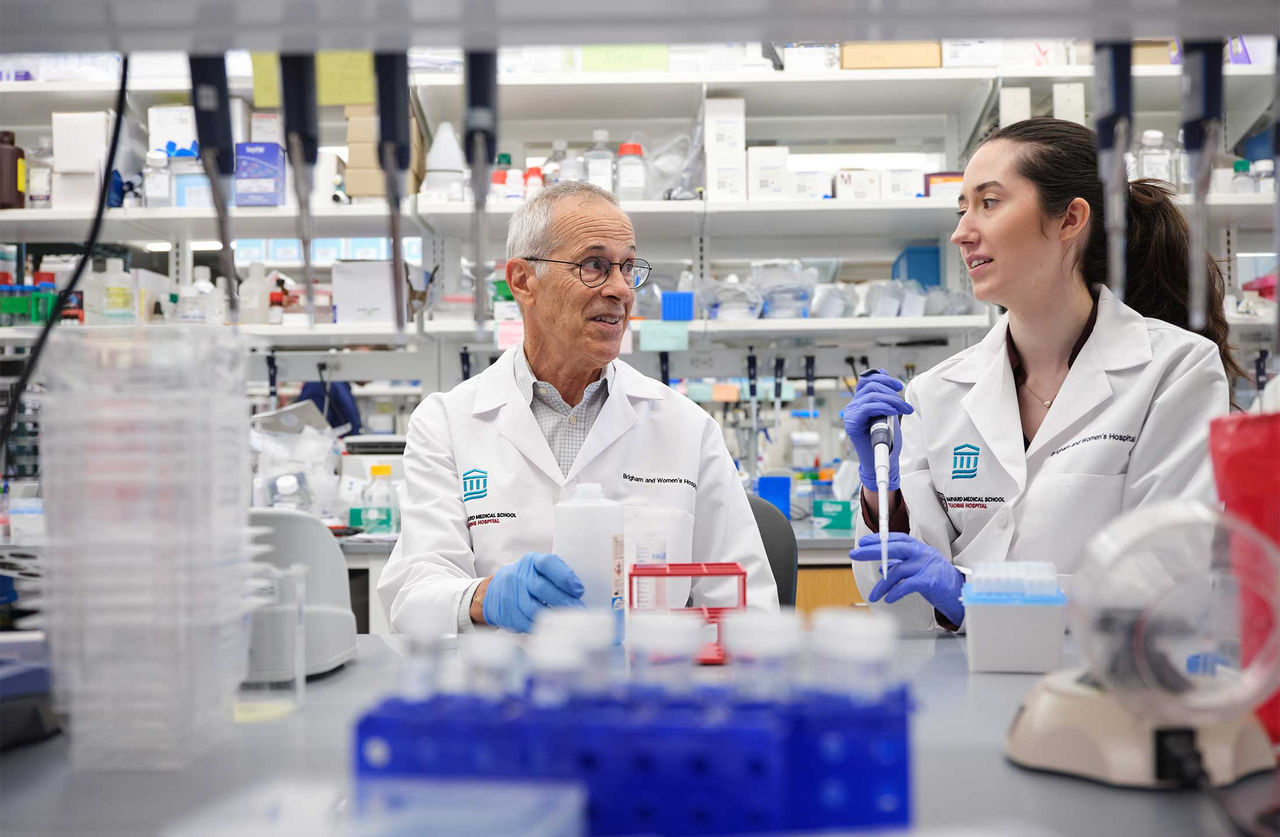
Why it matters: This development addresses a critical gap in neurodegenerative diagnostics, moving beyond Alzheimer’s-centric biomarkers to enable precise subtyping of frontotemporal dementia, which is essential for targeted drug development and accurate clinical trial enrollment.
Context: The field of neurodegenerative disease diagnostics has been dominated by amyloid and tau biomarkers for Alzheimer’s, leaving rarer pathologies like FTLD-TDP without robust, clinically actionable tools. The dSAA approach represents a strategic cross-pollination of assay technology from synucleinopathies to TDP-43 proteinopathies.
"# The digital seed amplification assay identifies protein seeds in cerebrospinal fluid to help diagnose a subtype of frontotemporal lobar degeneration. Investigators from Mass General Brigham have developed an ultrasensitive test capable." — CLPMAG
Commentary: The validation of a quantifiable, severity-correlated biomarker for FTLD-TDP could reshape clinical trial design by providing a molecular endpoint beyond cognitive scores. However, the small sample size and need for specificity testing against other pathologies mean this remains a framework, not a deployable tool. Its success hinges on whether TDP-43 seed concentration suggests to be a reliable surrogate for disease progression across diverse populations.
Date: May 19, 2026 12:00 AM ET
URL: https://clpmag.com/diagnostic-technologies/molecular-diagnostics/digital-seed-amplification-assay-detects-ftld-biomarker/
AI Sentiment Score: Negative (75%)
AI Credibility Score: 10.0/10 — High
Scores and text generated by AI analysis of the source article indicated.
Ultrasensitive test detects protein clumps to diagnose rare dementia … (News-Medical.Net)
Summary: A team at Mass General Brigham has published a proof-of-concept study demonstrating an ultrasensitive digital seed amplification assay (dSAA) capable of detecting pathological TDP-43 protein aggregates in cerebrospinal fluid. The test, adapted from a method used for Parkinson’s disease, showed elevated seed counts in individuals with FTLD-TDP, a major subtype of frontotemporal lobar degeneration, and seed levels correlated with clinical disease severity. This represents a potential first-in-class biomarker for a pathology that currently lacks an antemortem diagnostic tool.

Why it matters: A validated TDP-43 CSF biomarker would enable precise patient stratification for clinical trials targeting FTLD-TDP, a critical bottleneck for drug development, and could eventually support differential diagnosis in complex dementia cases.
Context: The field of neurodegenerative disease has shifted toward pathology-specific biomarkers (e.g., amyloid PET, tau CSF assays) to de-risk clinical trials. FTLD, a leading cause of early-onset dementia, has lagged due to pathological heterogeneity and the absence of a reliable, scalable diagnostic for its TDP-43 proteinopathy subtype.
"Right now, biomarkers permit diagnosis of AD but not rarer pathologies like frontotemporal lobar degeneration (FTLD) or its subtypes. Investigators from Mass General Brigham developed an ultrasensitive test capable of detecting abnormal." — NEWS-MEDICAL.NET
Commentary: The correlation with severity suggests dSAA may function as a dynamic, quantitative biomarker, not just a binary diagnostic. This moves the needle from pure diagnostics toward a tool for monitoring disease progression and therapeutic response. However, the small sample size (n=30) and need for autopsy confirmation underscore this as a promising but early-stage finding. The real test will be specificity against other TDP-43 proteinopathies (e.g., ALS) and co-pathologies common in aging.
Date: May 05, 2026 12:00 AM ET
URL: https://www.news-medical.net/news/20260505/Ultrasensitive-test-detects-protein-clumps-to-diagnose-rare-dementia-subtype.aspx
AI Sentiment Score: Negative (66%)
AI Credibility Score: 10.0/10 — High
Scores and text generated by AI analysis of the source article indicated.
A Promising Study Suggests a Blood Test Could Spot Alzheimer’s … (Mountsinai)
Summary: Mount Sinai researchers have identified specific mitochondrial DNA variants in blood associated with cognitive decline in adults aged 40-65, linking changes in genes like ND1, ND6, and ATP8 to measurable reductions in cognitive performance and verbal fluency. The study, published in BMC Neurology, suggests these mtDNA biomarkers could form the basis for a minimally invasive blood test to identify individuals at higher risk for Alzheimer’s and related dementias long before symptom onset. While based on a modest cohort of 197, the findings point toward enabling earlier lifestyle interventions and monitoring, aligning with the clinical shift toward pre-symptomatic disease modification. The research directly supports the rationale for midlife prevention trials and could help stratify populations for emerging therapies like anti-amyloid drugs, which show greater efficacy when initiated earlier.
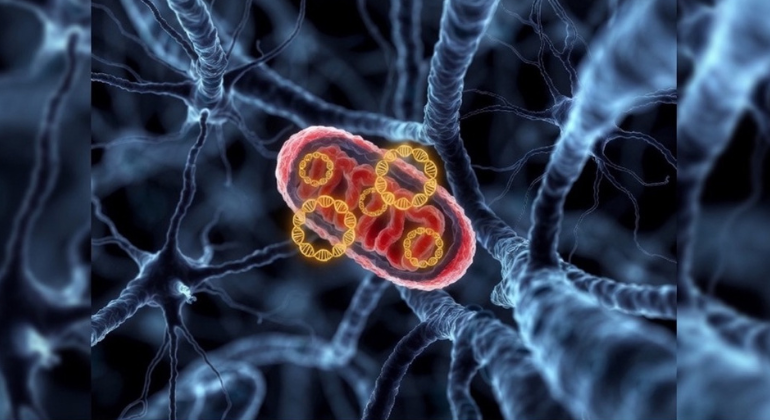
Why it matters: This moves the field toward a practical, scalable tool for pre-symptomatic risk stratification, which is critical for deploying next-generation preventive therapies and lifestyle interventions at the point of maximal potential benefit.
Context: The search for accessible, cost-effective blood biomarkers for Alzheimer’s disease has intensified as anti-amyloid therapies and lifestyle intervention trials increasingly target the pre-clinical stage, requiring reliable risk identification decades before dementia diagnosis.
"# A Promising Study Suggests a Blood Test Could Spot Alzheimer’s Early in Progression ## Could support earlier interventions as new therapies, including anti-amyloid drugs, show greater benefit when started sooner -." — MOUNTSINAI
Commentary: The focus on mitochondrial dysfunction shifts the mechanistic spotlight from amyloid and tau to cellular energetics, potentially opening new therapeutic avenues beyond protein clearance. However, the clinical utility hinges on validating these variants as predictive of conversion to specific dementia subtypes in larger, longitudinal cohorts. If replicated, this could democratize risk assessment, moving it from specialized PET/MRI centers to primary care, but also raises familiar questions about the ethics and psychological impact of pre-symptomatic testing without definitive preventive treatments.
Date: April 21, 2026 12:00 AM ET
URL: https://www.mountsinai.org/about/newsroom/2026/a-promising-study-suggests-a-blood-test-could-spot-alzheimers-early-in-progression
AI Sentiment Score: Negative (66%)
AI Credibility Score: 10.0/10 — High
Scores and text generated by AI analysis of the source article indicated.
Blood test has potential to detect earliest signals of Alzheimer’s … (News.Harvard.Edu)
Summary: A Harvard-led study published in Nature Communications demonstrates that plasma phosphorylated tau 217 (pTau217) can predict Alzheimer’s pathology progression years before symptoms or positive amyloid PET scans. The biomarker identifies individuals who will later develop amyloid positivity even when initial scans appear normal, and low baseline levels strongly predict a lack of significant amyloid accumulation over years. This follows the FDA’s clearance of the first Alzheimer’s blood test last year, shifting the diagnostic paradigm toward earlier, less invasive detection.

Why it matters: This refines the preclinical detection timeline for Alzheimer’s, potentially enabling earlier, population-scale risk stratification for prevention trials and clinical management.
Context: The field is moving from cerebrospinal fluid and PET imaging toward blood-based biomarkers to lower cost and increase accessibility for early detection and trial enrollment.
"A new study by Harvard-affiliated investigators at Mass General Brigham has found that a blood test for an Alzheimer’s disease biomarker, plasma phosphorylated tau 217 (pTau217), has the potential to predict progression." — NEWS.HARVARD.EDU
Commentary: The operational implication is a two-stage screening model: pTau217 blood tests for broad population pre-screening, followed by confirmatory PET scans only for those flagged as high-risk. This could drastically reduce the cost and complexity of enrolling prevention trials. However, it intensifies the ethical and clinical challenge of identifying pathology decades before symptoms in the absence of effective disease-modifying therapies for this pre-symptomatic cohort.
Date: April 21, 2026 12:00 AM ET
URL: https://news.harvard.edu/gazette/story/2026/04/blood-test-has-potential-to-detect-earliest-signals-of-alzheimers-disease/
AI Sentiment Score: Negative (66%)
AI Credibility Score: 10.0/10 — High
Scores and text generated by AI analysis of the source article indicated.
A new reliable blood marker reveals the extent of Alzheimer’s … (Lunduniversity.Lu.Se)
Summary: A research consortium led by Lund University and Washington University has identified MTBR-tau243, a blood-based biomarker that quantifies the extent of tau tangle pathology in the brain. This marker, measurable for the first time in blood, correlates directly with disease burden. It is positioned to work in tandem with existing markers like P-tau217, first to confirm Alzheimer’s pathology and then to stage its severity. This development refines the diagnostic cascade critical for patient selection in an era of disease-modifying therapies.

Why it matters: For clinicians and payers, this marker provides a scalable, objective tool to stratify patients most likely to benefit from high-cost anti-amyloid and emerging anti-tau therapies, directly impacting treatment pathways and trial recruitment.
Context: The Alzheimer’s field is shifting from syndromic to biomarker-defined diagnosis, driven by the approval of drugs like lecanemab and donanemab. A key operational challenge has been the lack of a readily accessible, quantitative measure of tau pathology—the neuropathological substrate most closely linked to cognitive symptoms—to complement amyloid status.
"# A new reliable blood marker reveals the extent of Alzheimer’s pathology in the brain … Researchers at Lund University and Washington University have identified a blood marker that reflects the amount." — LUNDUNIVERSITY.LU.SE
Commentary: MTBR-tau243 moves the field from binary detection to graduated quantification of tau, enabling a precision medicine approach. It could pressure healthcare systems to formalize diagnostic algorithms integrating sequential biomarker testing. For drug developers, it offers a pragmatic pharmacodynamic endpoint for anti-tau trials, potentially accelerating clinical readouts. The immediate effect will be to sharpen the ethical and economic debates around treatment access by providing a clearer, blood-based measure of who stands to gain.
Date: May 12, 2026 12:00 AM ET
URL: https://www.lunduniversity.lu.se/article/new-reliable-blood-marker-reveals-extent-alzheimers-pathology-brain
AI Sentiment Score: Negative (50%)
AI Credibility Score: 10.0/10 — High
Scores and text generated by AI analysis of the source article indicated.
Ultrasensitive test detects biomarkers for specific form of dementia (Wyss.Harvard.Edu)
Summary: A team from Mass General Brigham and the Wyss Institute has developed a digital seed amplification assay (dSAA) capable of detecting and quantifying abnormal TDP-43 protein aggregates in cerebrospinal fluid. This biomarker is specific to FTLD-TDP, a major pathological subtype of frontotemporal lobar degeneration (FTLD). The test showed that seed concentrations correlate with disease severity, offering a measurable target for diagnosis and monitoring.

Why it matters: It provides the first specific, quantitative biomarker for FTLD-TDP, moving beyond clinical syndrome diagnosis to enable precise patient stratification for trials and objective tracking of disease progression and treatment response.
Context: Frontotemporal dementias (FTD), including FTLD, are notoriously heterogeneous and difficult to diagnose antemortem, lacking the fluid biomarkers available for Alzheimer’s disease. This has hampered drug development and accurate clinical care.
"“In this study, we found elevated concentrations of a biomarker that correlates with FTLD-TDP disease severity,” said co-senior author David R. Walt, PhD, of the Mass General Brigham Department of Pathology." — WYSS.HARVARD.EDU
Commentary: The dSAA platform’s ability to digitally count TDP-43 seeds transforms a binary pathological finding into a continuous, clinically meaningful variable. This directly addresses a critical bottleneck in FTD therapeutics: recruiting pure pathological cohorts for trials. If validated, it shifts the field from syndromic to biological staging, enabling adaptive trial designs and creating a market for companion diagnostics targeting TDP-43 pathology.
Date: May 05, 2026 12:00 AM ET
URL: https://wyss.harvard.edu/news/ultrasensitive-test-detects-biomarkers-for-specific-form-of-dementia/
AI Sentiment Score: Negative (80%)
AI Credibility Score: 9.0/10 — High
Scores and text generated by AI analysis of the source article indicated.
A simple blood test may detect Alzheimer’s risk years before symptoms (Knowridge)
Summary: A longitudinal study from Mass General Brigham, published in Nature Communications, tracked 317 cognitively normal older adults for eight years. It found that elevated blood levels of pTau217 predicted subsequent amyloid buildup and cognitive decline, often preceding detectable changes on PET scans. This positions the biomarker as a potential early, non-invasive risk indicator, complementing recent FDA approvals for Alzheimer’s blood tests.

Why it matters: It shifts the diagnostic paradigm from imaging to accessible blood biomarkers, potentially enabling earlier, population-scale risk stratification for clinical trial recruitment and pre-symptomatic interventions.
Context: The field is moving rapidly from cerebrospinal fluid and PET imaging toward blood-based biomarkers, driven by cost and scalability. Recent FDA approvals (e.g., Fujirebio’s Lumipulse) have already begun to commercialize this shift, making this longitudinal validation critical for establishing prognostic, not just diagnostic, utility.
"A new study from Mass General Brigham suggests that a simple blood test could help detect the risk of Alzheimer’s disease much earlier than doctors once believed. This discovery could make it." — KNOWRIDGE
Commentary: The study directly challenges the primacy of PET scans for early detection, creating a longer therapeutic window but also a new ethical and clinical frontier for managing pre-symptomatic risk. It could pressure payers to define coverage parameters for prognostic testing and force a re-evaluation of ‘cognitively normal’ cohorts in research. The reassurance value for low pTau217 individuals is a secondary, yet significant, public health benefit.
Date: April 20, 2026 12:00 AM ET
URL: https://knowridge.com/2026/04/a-simple-blood-test-may-detect-alzheimers-risk-years-before-symptoms/
AI Sentiment Score: Negative (72%)
AI Credibility Score: 7.0/10 — Medium
Scores and text generated by AI analysis of the source article indicated.
Progress in blood-based biomarkers for diagnosis of Alzheimer’s disease (Qk.Sjtu.Edu.Cn)
Summary: A 2026 review article from the Journal of Diagnostics Concepts & Practice details the significant progress in blood-based biomarkers (BBMs) for Alzheimer’s disease, highlighting their potential to overcome the limitations of traditional CSF and PET diagnostics. The authors report that combinations like p-tau217 and the Aβ42/Aβ40 ratio (APS2) achieve diagnostic accuracy of 88-92% in primary care, substantially outperforming conventional clinical diagnosis. The article also positions BBMs as crucial for triage, therapeutic monitoring, and constructing a more accessible diagnostic pathway, while acknowledging persistent challenges in standardization and clinical translation.

Why it matters: Blood-based biomarkers represent a pivotal shift in Alzheimer’s disease management, moving diagnosis from specialist-confined, invasive procedures toward scalable, population-level screening and earlier intervention.
Context: The field of Alzheimer’s diagnostics has long been constrained by the cost and invasiveness of PET imaging and CSF analysis, creating a bottleneck for early detection and the deployment of new disease-modifying therapies.
"In primary care settings, the combination of p-tau217 and the Aβ42/Aβ40 ratio (APS2) achieves a diagnostic accuracy of 88%-92% for AD, which is significantly higher than that of conventional clinical diagnosis (61%-73%)." — QK.SJTU.EDU.CN
Commentary: The cited performance gap isn’t merely an incremental improvement; it signals a fundamental reordering of the diagnostic value chain, potentially shifting initial diagnostic authority from neurologists to primary care physicians. This creates operational pressure on healthcare systems to integrate and standardize these tests rapidly, while raising immediate questions about reimbursement pathways and the management of ‘grey-zone’ results. The emphasis on a two-tiered pathway—triage/rule-out in primary care and biological rule-in in specialty settings—provides a pragmatic blueprint for health systems aiming to balance scale with precision.
Date: April 25, 2026 12:00 AM ET
URL: https://www.qk.sjtu.edu.cn/jdcp/EN/10.16150/j.1671-2870.2026.02.001
AI Sentiment Score: Negative (71%)
AI Credibility Score: 9.9/10 — High
Scores and text generated by AI analysis of the source article indicated.
Post ID: 714bf034