Europe’s Politics, Energy, and Environment
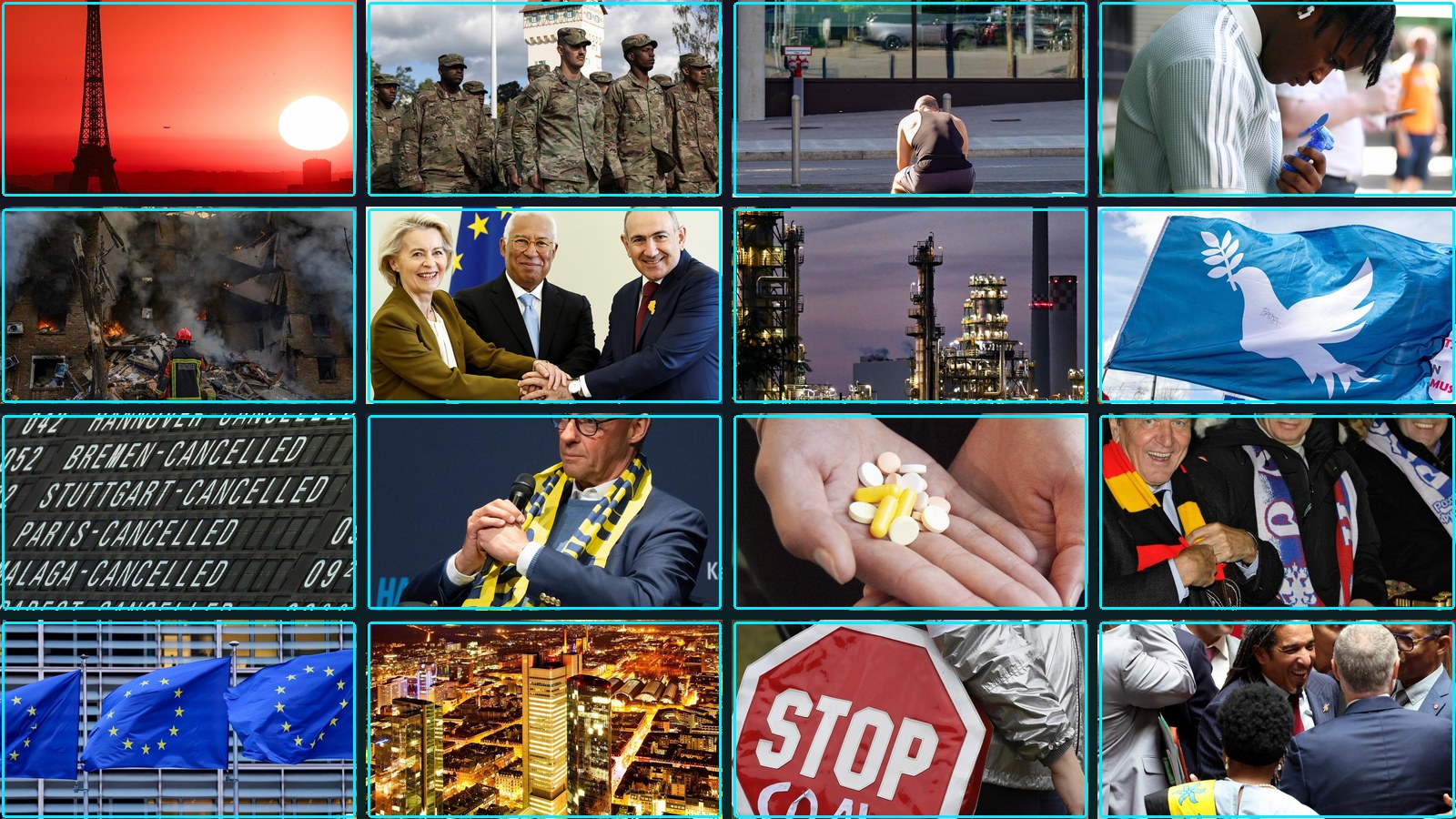
Where are US forces stationed in Europe? (Dw)
Summary: The US maintains a significant and strategically distributed military presence across Europe, with Germany hosting the largest contingent and serving as a key command hub. Recent political volatility under the Trump administration has introduced uncertainty, with threats of troop withdrawals from Germany and a last-minute, then reversed, cancellation of a deployment to Poland. The posture remains justified by NATO’s deterrence logic and Europe’s geographic utility for global power projection, but bilateral relations now appear contingent on personal diplomacy and immediate political disputes.
Why it matters: The stability of the US security suggest to Europe is a cornerstone of the transatlantic order; its politicization affects alliance cohesion, regional security planning, and the operational readiness of global US military logistics.
Context: US force posture in Europe has historically followed a logic of collective defense and geographic convenience, but is increasingly subject to transactional and personalist foreign policy.
"But since he returned to the White House in 2025, US President Donald Trump has threatened to cut troop numbers at those bases, most notably in Germany. A similar announcement to halt a scheduled deployment to Poland was walked back on Thursday, when Trump said he would send an additional 5,000 soldiers there due to his good personal relationship with Poland’s right-wing nationalist president, Karol Nawrocki." — DW
Commentary: The operational incoherence—cancelling a deployment after vehicles were shipped, then announcing a larger one—signals a shift from institutional planning to capricious, politically-driven decision-making. This erodes predictability for host nations and the Pentagon alike, while rewarding bilateral loyalty over multilateral commitments. The explicit linkage to personal relationships with nationalist leaders further undermines NATO’s formal consensus model, potentially incentivizing fragmentation within the alliance.
URL: https://www.dw.com/en/where-are-us-forces-stationed-in-europe/a-77270063?maca=en-rss-en-all-1573-rdf
AI Sentiment Score: Positive (50%)
AI Credibility Score: 10.0/10 — High
Scores and text generated by AI analysis of the source article indicated.
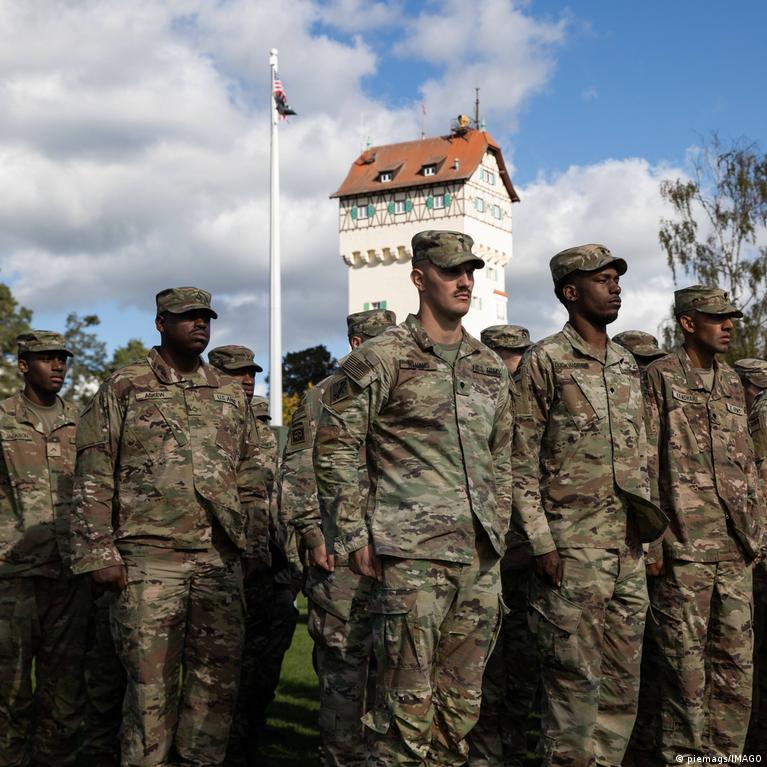
Ukraine: EU, Germany summon Russian envoys after Moscow tells diplomats to leave Kyiv (Dw)
Summary: Russia has escalated its bombardment of Kyiv and called for foreign diplomats to leave the city, framing the strikes as systematic targeting of military sites. In response, the EU and Germany summoned Russian envoys to condemn the attacks and the threat to diplomatic personnel, explicitly stating they will not be intimidated and will maintain their presence in Kyiv. UN Secretary-General Antonio Guterres expressed deep concern over the escalation at a General Assembly session, while 50 nations issued a joint statement condemning Russia’s actions. Russia’s UN ambassador countered by accusing Western nations of contempt for the UN charter and of blocking Russian officials from attending the session.
Why it matters: The direct summoning of envoys and refusal to withdraw diplomatic staff signals a hardening of institutional resolve against Russian coercion, moving beyond statements of condemnation to formal diplomatic confrontation.
Context: This escalation occurs amid stalled ceasefire talks and intensifying reciprocal long-range strikes, testing the operational resilience of foreign missions in a warzone and the unity of the diplomatic bloc supporting Ukraine.
"Ukraine: EU summons Russian envoy after call to leave Kyiv May 26, 2026What you need to know about Russian threats on Kyiv – Russia has escalated attacks on the Ukrainian capital and." — DW
Commentary: The coordinated summons represents a procedural escalation in diplomatic pressure, making the dispute a bilateral matter between Russia and individual capitals rather than a generalized condemnation. By refusing to vacate Kyiv offices, the EU and Germany are making their physical presence a point of operational and symbolic defiance, raising the stakes for future attacks. Russia’s parallel complaint at the UN about visa denial seeks to reframe the narrative around Western procedural hypocrisy, attempting to shift the onus for escalation.
URL: https://www.dw.com/en/ukraine-eu-germany-summon-russian-envoys-after-moscow-tells-diplomats-to-leave-kyiv/a-77300543?maca=en-rss-en-all-1573-rdf
AI Sentiment Score: Negative (75%)
AI Credibility Score: 10.0/10 — High
Scores and text generated by AI analysis of the source article indicated.
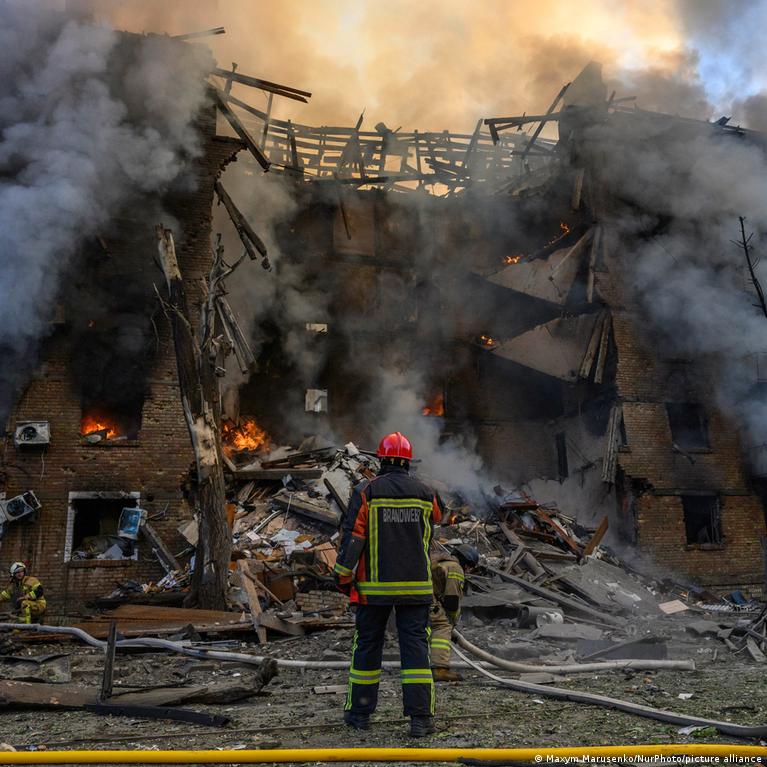
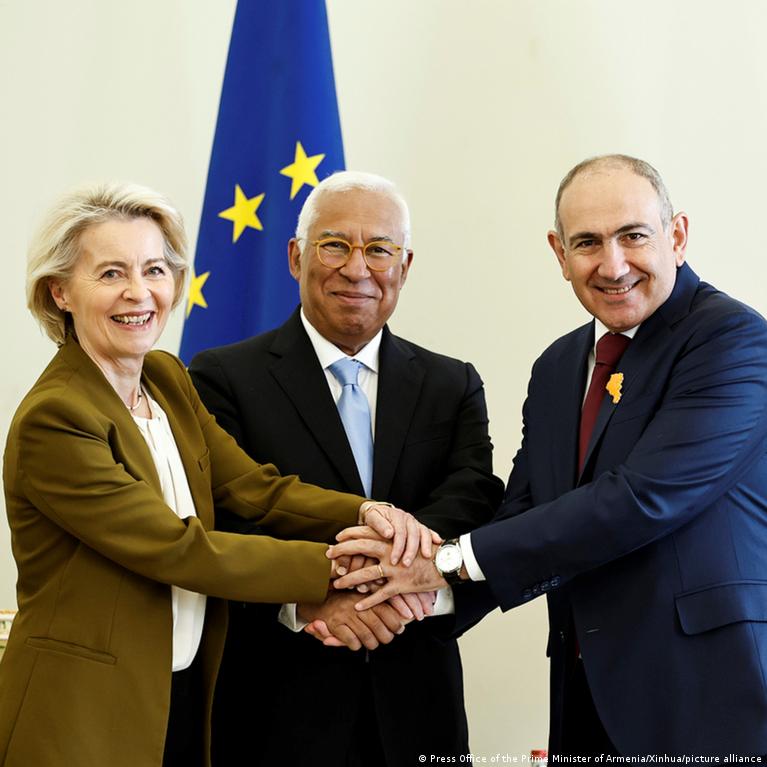
Russia recalls Armenia ambassador over EU ties (Dw)
Summary: Russia has recalled its ambassador to Armenia for consultations, citing Yerevan’s efforts to strengthen ties with the European Union as undermining its membership in the Russian-led Eurasian Economic Union (EEU). President Vladimir Putin explicitly linked the dispute to the ‘Ukrainian scenario,’ warning that Armenia’s EU aspirations could lead to similar confrontation. In response, the EEU has ordered a report on the consequences of suspending Armenia’s membership, with Moscow threatening economic retaliation including halting cheap gas supplies and banning key Armenian exports. This escalation follows Armenia’s strategic pivot away from Moscow after perceived failures by Russian-led security structures during its conflicts with Azerbaijan.
Why it matters: This marks a formal rupture in a core post-Soviet alliance, testing the resilience of Russia’s economic and security architecture while signaling a new front in the geopolitical contest over European integration.
Context: Armenia’s drift from the Russian orbit accelerated after military defeats by Azerbaijan in 2020 and 2023, leading to its freeze of the CSTO security pact and a US-brokered peace process with Baku.
"Russia recalls Armenia ambassador over EU ties May 30, 2026What you need to know – Armenia has strong economic ties with Moscow – The government argues that Russia and allies failed to." — DW
Commentary: Russia’s recall of an ambassador is a calibrated diplomatic sanction, less severe than a full expulsion but a clear signal of deteriorating relations. The explicit invocation of the ‘Ukrainian scenario’ by Putin weaponizes precedent, attempting to frame EU integration as a causal trigger for conflict. The threatened economic measures—targeting gas and agricultural exports—aim to make the cost of defection tangible for Armenian citizens, testing the government’s public mandate. For the EU, Armenia represents a rare, willing defector from the EEU, offering a strategic inroad but also a direct challenge to Moscow’s sphere of influence, likely hardening Russia’s stance against further bloc erosion.
URL: https://www.dw.com/en/russia-recalls-armenia-ambassador-over-eu-ties/a-77354081?maca=en-rss-en-all-1573-rdf
AI Sentiment Score: Negative (87%)
AI Credibility Score: 10.0/10 — High
Scores and text generated by AI analysis of the source article indicated.
Extreme weather and green energy on the rise in Europe (Dw)
Summary: The European State of the Climate 2025 report documents a continent under acute stress: 95% of Europe experienced above-average temperatures, with the UK, Norway, and Iceland recording their warmest years. Heat-related deaths reached nearly 63,000 in 2024, wildfires burned over a million hectares, and sea surface temperatures hit a record high for the fourth consecutive year. Concurrently, the energy transition accelerated, with wind and solar surpassing fossil fuels in EU electricity generation for the first time, driven by solar growth exceeding 20% for the fourth year.

Why it matters: The physical and economic costs of climate change are now a material, annual accounting for Europe, directly impacting mortality, agriculture, biodiversity, and energy security, while the renewable energy build-out is becoming a critical geopolitical and economic stabilizer.
Context: This is the latest annual assessment from the EU’s Copernicus Climate Change Service and the WMO, confirming a multi-year trend of accelerating impacts and policy responses.
""Europe is warming twice as fast as the global average, with far-reaching repercussions on socioeconomic wellbeing and on ecosystems and biodiversity," said Celeste Saulo, secretary-general of the World Meteorological Organization." — DW
Commentary: The report crystallizes a dual reality: climate impacts are accelerating non-linearly, with heat mortality and ecosystem collapse moving from projections to quarterly reports, while the renewable energy transition has crossed a critical inflection point, becoming a core component of continental resilience. This creates a volatile operating environment for infrastructure, agriculture, and coastal development, but also solidifies the economic logic for accelerated grid investment and storage deployment. The data underscores that adaptation and mitigation are no longer sequential policies but concurrent, urgent operational demands.
URL: https://www.dw.com/en/extreme-weather-and-green-energy-on-the-rise-in-europe/a-76962870?maca=en-rss-en-all-1573-rdf
AI Sentiment Score: Negative (80%)
AI Credibility Score: 10.0/10 — High
Scores and text generated by AI analysis of the source article indicated.
Russia to block Kazakh oil flows to Germany via key pipeline (Dw)
Summary: Russia has instructed its state-owned energy company to block the transit of Kazakh crude oil to Germany via the Druzhba pipeline, effective May 1, 2026. The oil supplies the PCK refinery in Schwedt, which provides over 90% of Berlin’s fuel. While the refinery has diversified since 2022 and German officials state supply security is not ultimately jeopardized, the move weaponizes a remaining energy corridor amid a broader global crisis exacerbated by Middle East conflict.
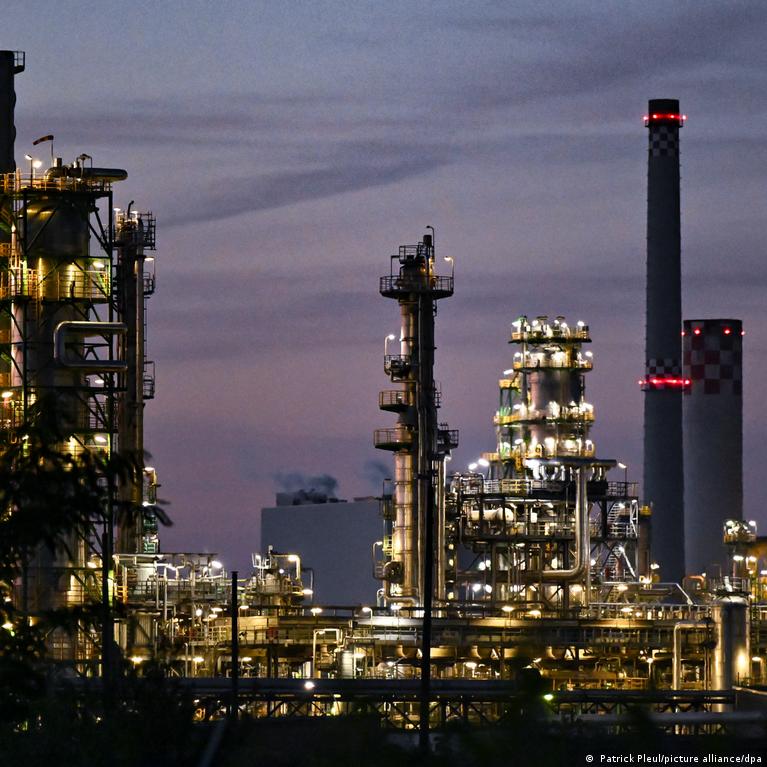
Why it matters: It demonstrates Russia’s continued capacity to exert pressure through residual energy links, testing European resilience and complicating Germany’s management of a strategically vital, yet legally entangled, asset.
Context: Since 2022, the EU has drastically reduced direct imports of Russian fossil fuels, but transit routes and legacy infrastructure, like the Druzhba pipeline and the Rosneft-owned PCK refinery under German trusteeship, remain points of vulnerability.
"Russia to block Kazakh oil flows to Germany via key pipeline April 22, 2026Russia plans to stop oil exports from Kazakhstan to Germany via the Druzhba pipeline from May 1, threatening a." — DW
Commentary: The action is a calibrated pressure test, targeting a specific refinery’s operational flexibility rather than Germany’s systemic supply. It highlights the persistent friction in ‘decoupling’ where legal ownership (Rosneft), operational control (German state), and physical logistics (Russian territory) remain misaligned. The timing, amid a global kerosene shortage, maximizes disruptive effect, forcing Berlin to balance immediate contingency plans against the longer-term REPowerEU exit timeline.
URL: https://www.dw.com/en/russia-to-block-kazakh-oil-flows-to-germany-via-key-pipeline/a-76895743?maca=en-rss-en-all-1573-rdf
AI Sentiment Score: Negative (85%)
AI Credibility Score: 10.0/10 — High
Scores and text generated by AI analysis of the source article indicated.
Blinded by the light pollution: Cities seek to restore night (Dw)
Summary: A global study in Nature shows artificial light emissions at night increased by 16% from 2014 to 2022, with intensity rising 9% in brightening areas. The surge is concentrated in Asia’s growing economies, while parts of Europe and the US Midwest show declines, often due to policy, not economic contraction. Cities like Fulda, Germany, are pioneering targeted, motion-sensor lighting to reduce ecological harm, demonstrating that regulatory and technical interventions can mitigate light pollution’s effects on human health and biodiversity.
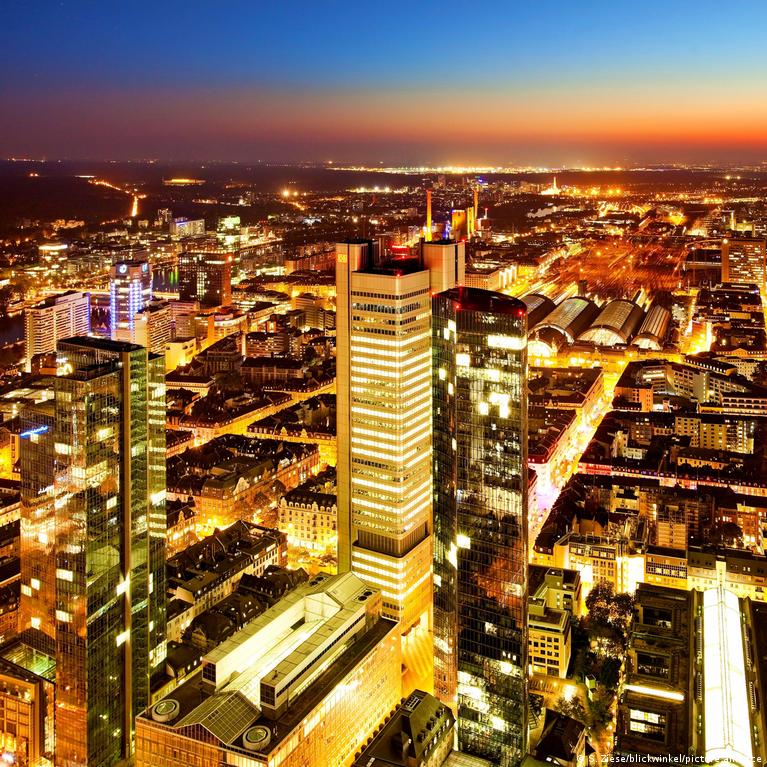
Why it matters: Light pollution is a growing environmental and public health stressor with direct consequences for urban planning, energy policy, and ecosystem resilience, forcing municipalities to balance safety with sustainability.
Context: The push for ‘dark sky’ preservation has shifted from an astronomical niche to a mainstream urban policy issue, with Europe leading regulatory efforts while Asia’s development accelerates emissions.
"Blinded by the light pollution: Cities seek to restore night May 25, 2026A streetlight right out in front of your house can make it easier to safely get in the door at." — DW
Commentary: The data reveals a divergence: light pollution tracks economic growth in Asia and the US West Coast, but its reduction in Europe stems from deliberate regulation, not decline. This creates a policy template for growing economies. The operational shift toward warmer, targeted, and motion-activated lighting, as in Fulda, shows mitigation is technically feasible and cost-effective when integrated into municipal upgrades, offering a path to reconcile urban development with nocturnal ecology.
URL: https://www.dw.com/en/blinded-by-the-light-pollution-cities-seek-to-restore-night/a-77279415?maca=en-rss-en-all-1573-rdf
AI Sentiment Score: Negative (55%)
AI Credibility Score: 10.0/10 — High
Scores and text generated by AI analysis of the source article indicated.
Unseasonal May heat wave grips Europe (Dw)
Summary: A heat dome from northern Africa has settled over Western Europe, producing record-breaking May temperatures in France and the UK, with the UK’s Met Office noting the heat ‘would be exceptional… even in mid-summer.’ Germany, Spain, and Italy are also affected, with Spain expecting 40C later this week. The event follows a warning that the UK is ‘built for a climate that no longer exists,’ and has already been linked to fatalities during athletic events.

Why it matters: This is an operational stress test for European infrastructure and public health protocols, demonstrating that climate adaptation is no longer a long-term planning exercise but an immediate, recurring crisis management challenge.
Context: Europe is warming faster than the global average, making such extreme heat events more frequent and severe, yet institutional and physical adaptation lags.
""This heat would be exceptional in the UK even in mid-summer, let alone May," it said on X." — DW
Commentary: The early imposition of outdoor work restrictions in Italy, compared to last year, signals a shift from reactive to anticipatory crisis governance. The fatalities during races point to a failure to recalibrate public event safety standards for the new baseline. For travel and logistics, this pattern will increasingly disrupt seasonal assumptions, straining energy grids, transportation, and tourism planning with off-peak demand surges.
URL: https://www.dw.com/en/unseasonal-may-heat-wave-grips-europe/a-77291415?maca=en-rss-en-all-1573-rdf
AI Sentiment Score: Negative (75%)
AI Credibility Score: 10.0/10 — High
Scores and text generated by AI analysis of the source article indicated.
Why Europe is getting so hot (Dw)
Summary: A persistent ‘heat dome’ is producing an intense, unseasonable spring heat wave across Western Europe, from the UK to Italy. This event is part of a documented trend: Europe is warming at twice the global average rate, with temperatures now 2.5°C above pre-industrial levels. The acceleration is driven by a confluence of factors including proximity to the rapidly warming Arctic, the albedo effect from melting snow and ice, shifting jet stream patterns, and the unintended warming consequence of successful air pollution reduction.

Why it matters: The accelerated pace of warming in a major economic and population center directly impacts regional resilience, energy demand, agricultural planning, and public health infrastructure, while illustrating complex trade-offs in environmental policy.
Context: This follows a series of attribution studies linking European heat waves to climate change, and the April 2026 European State of the Climate report which noted 95% of the continent experienced above-average temperatures in 2025.
"Why Europe is getting so hot May 28, 2026Much of Western Europe is suffering through an intense spring heat wave, with unusually hot temperatures from the UK and Ireland in the north,." — DW
Commentary: The report crystallizes a multi-faceted feedback loop: policy success on aerosols reveals a hidden warming debt, while physical geography and atmospheric dynamics compound the effect. This creates a distinct regional vulnerability that could force accelerated adaptation in urban design, supply chain logistics, and tourism, even as the global mitigation agenda continues. The data underscores that climate impacts are not uniformly distributed, with Europe now serving as a leading indicator for non-tropical developed economies.
URL: https://www.dw.com/en/why-europe-is-getting-so-hot/a-77320871?maca=en-rss-en-all-1573-rdf
AI Sentiment Score: Negative (50%)
AI Credibility Score: 10.0/10 — High
Scores and text generated by AI analysis of the source article indicated.
Superbug crisis: How drugs that cure you end up in rivers, soils (Dw)
Summary: Antimicrobial resistance, driven partly by environmental pollution from pharmaceuticals, is projected to cause 10 million annual deaths by 2050. A global study found drug residues in rivers across 104 countries, with only two remote sites unaffected. Contamination stems from human excretion, agricultural use, and inadequate wastewater treatment, particularly in lower-income regions. The EU is mandating industry-funded plant upgrades, while researchers propose designing biodegradable drugs as a systemic solution.
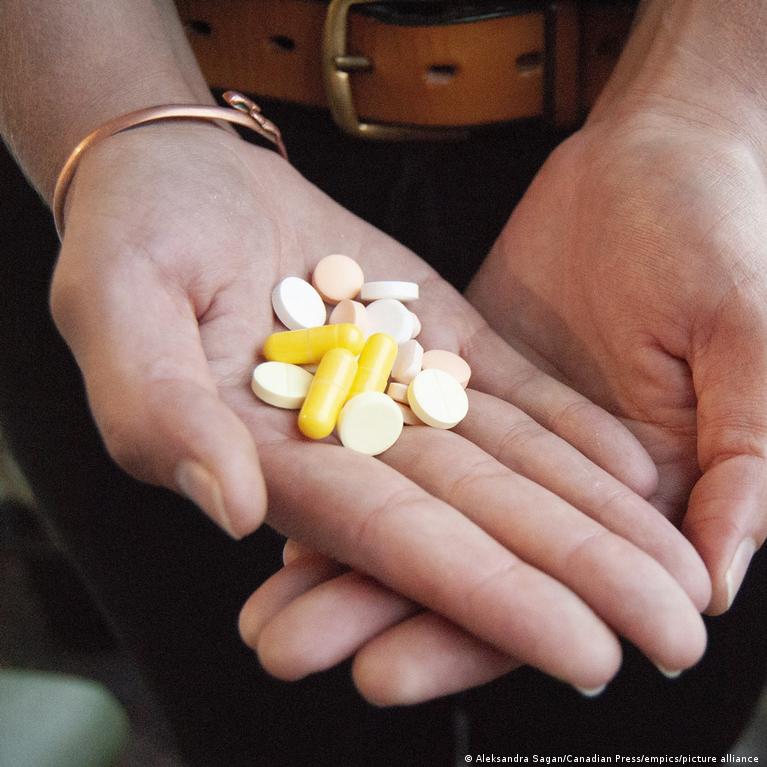
Why it matters: The environmental persistence of pharmaceuticals creates a direct feedback loop into human health, accelerating antibiotic resistance and threatening global medical and economic stability.
Context: This amplifies long-standing concerns about pharmaceutical pollution, but new regulatory moves in the EU and US signal a shift toward holding manufacturers financially responsible for downstream environmental costs.
"Superbugs: How drugs that cure you end up in rivers, soils May 29, 2026At 25, Vanessa Carter was in a devastating car crash in Johannesburg. It broke every bone on the right." — DW
Commentary: The EU’s directive, forcing the pharmaceutical and cosmetics industry to cover 80% of upgrade costs, represents a significant policy shift toward extended producer responsibility. However, the tension between energy-intensive advanced treatment in wealthy nations and the impracticality of such solutions in the most contaminated regions underscores a fundamental inequity in the crisis. The stalled development of biodegradable antibiotics highlights the innovation gap between academic research and commercial scale-up, leaving regulatory pressure as the primary near-term lever.
URL: https://www.dw.com/en/superbug-crisis-how-drugs-that-cure-you-end-up-in-rivers-soils/a-77172236?maca=en-rss-en-all-1573-rdf
AI Sentiment Score: Negative (50%)
AI Credibility Score: 10.0/10 — High
Scores and text generated by AI analysis of the source article indicated.
States gather in a new push to ditch coal, oil and gas (Dw)
Summary: Representatives from over 50 countries, including major fossil fuel producers like Canada, Australia, and Norway, are meeting in Santa Marta, Colombia, for a first-of-its-kind conference aimed at crafting a practical plan to transition away from coal, oil, and gas. The gathering, co-hosted by Colombia and the Netherlands, emerges from frustration with the veto-led impasse at last year’s UN climate talks and seeks to move beyond ambition to implementation, including phasing out fossil fuel subsidies. Notably absent are the US, China, Saudi Arabia, and Russia, framing the event as a ‘coalition of the willing’ rather than a universal negotiation.
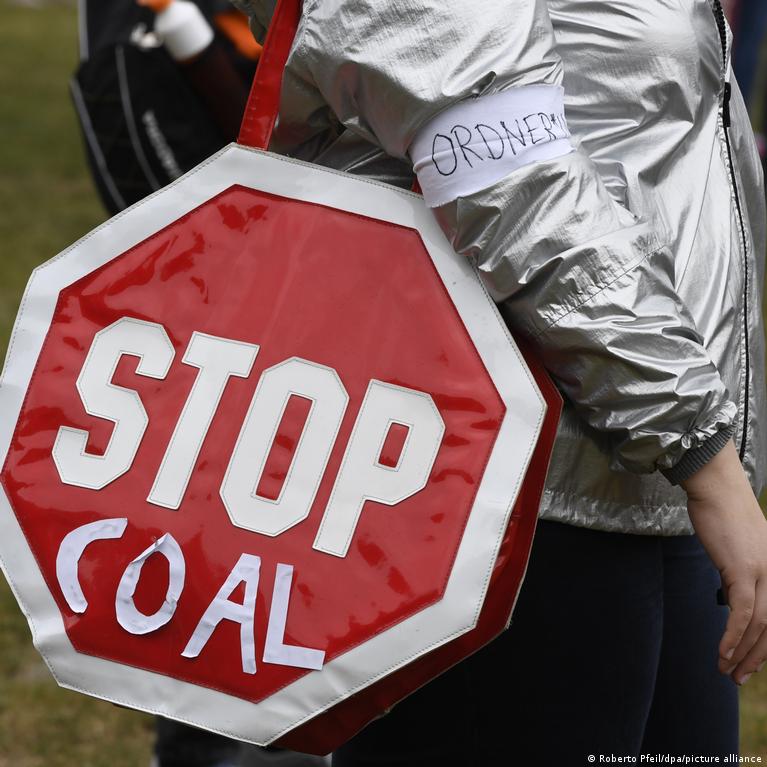
Why it matters: This initiative tests whether a plurilateral coalition can bypass geopolitical gridlock to establish binding transition roadmaps, setting a precedent for climate action outside the UNFCCC and directly challenging the $920 billion annual subsidy architecture.
Context: The conference follows the failure to secure a binding fossil fuel phaseout mandate at COP29, where petrostates wielded veto power, and coincides with energy market volatility exacerbated by the Iran war, highlighting systemic vulnerabilities.
"States gather in a new push to ditch coal, oil and gas April 24, 2026Cristian Retamal, Chile’s former negotiator at the annual UN climate talks, hopes this week’s conference in Colombia will." — DW
Commentary: The Santa Marta process signals a tactical shift from universal consensus to club-based rulemaking, where aligned states may forge binding agreements that pressure laggards through trade and investment clauses. However, the absence of Germany’s top leadership and the specter of investor-state disputes over stranded assets reveal the unresolved tensions between national climate pledges and entrenched economic interests, suggesting any treaty will be a protracted, legally fraught endeavor.
URL: https://www.dw.com/en/states-gather-in-a-new-push-to-ditch-coal-oil-and-gas/a-76891719?maca=en-rss-en-all-1573-rdf
AI Sentiment Score: Negative (83%)
AI Credibility Score: 10.0/10 — High
Scores and text generated by AI analysis of the source article indicated.
Could German ex-leader really negotiate Ukraine peace? (Dw)
Summary: Vladimir Putin has proposed former German Chancellor Gerhard Schröder as a potential European mediator for Ukraine peace talks, leveraging their long-standing personal friendship. Schröder’s post-chancellorship involvement with Russian energy projects like Nord Stream and his continued defense of relations with Moscow have isolated him from Germany’s political establishment, which stripped his state-funded office privileges in 2022. He argues his personal rapport with Putin remains a viable channel for negotiation, despite widespread condemnation of his stance following Russia’s invasion.
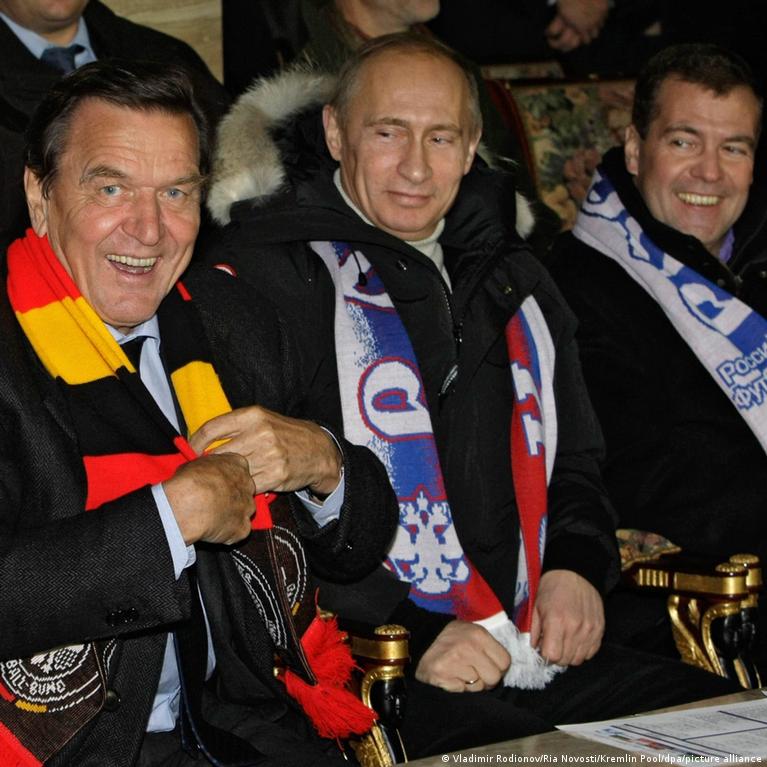
Why it matters: It tests the limits of personal diplomacy in a high-stakes conflict and reveals the enduring influence of pre-war energy and political entanglements on European crisis response.
Context: The proposal reflects Russia’s ongoing strategy to identify and amplify sympathetic Western voices to fracture European unity and legitimize its negotiation terms outside official channels.
""We have worked together sensibly for many years. Perhaps that can still help us find a negotiated solution; I don’t see another solution," he told Germany’s DPA news agency." — DW
Commentary: Putin’s endorsement of Schröder is less a serious mediation offer than a political signal, designed to validate Russia’s preferred narrative of the war as a negotiable dispute between elites, rather than an aggression requiring collective defense. It pressures Germany by highlighting the unresolved legacy of its energy dependence and the personal networks that sustained it. For Ukraine and its allies, the move underscores the need to rigidly define acceptable intermediaries, lest backchannel overtures gain procedural legitimacy.
URL: https://www.dw.com/en/could-german-ex-leader-really-negotiate-ukraine-peace/a-77111372?maca=en-rss-en-all-1573-rdf
AI Sentiment Score: Negative (60%)
AI Credibility Score: 10.0/10 — High
Scores and text generated by AI analysis of the source article indicated.
Ceasefire in sight? What’s next for Russia’s war in Ukraine (Dw)
Summary: Analysts project a potential turning point in the Russia-Ukraine war, driven by US domestic politics and Russia’s deteriorating economic reality. With the conflict in a deadlock and US attention diverted to Iran, Kyiv is preparing for a protracted fight while reducing its reliance on Western arms. The November US midterm elections are seen as a critical juncture that could pressure the US to sustain support for Ukraine, potentially leading to serious ceasefire negotiations by 2027.
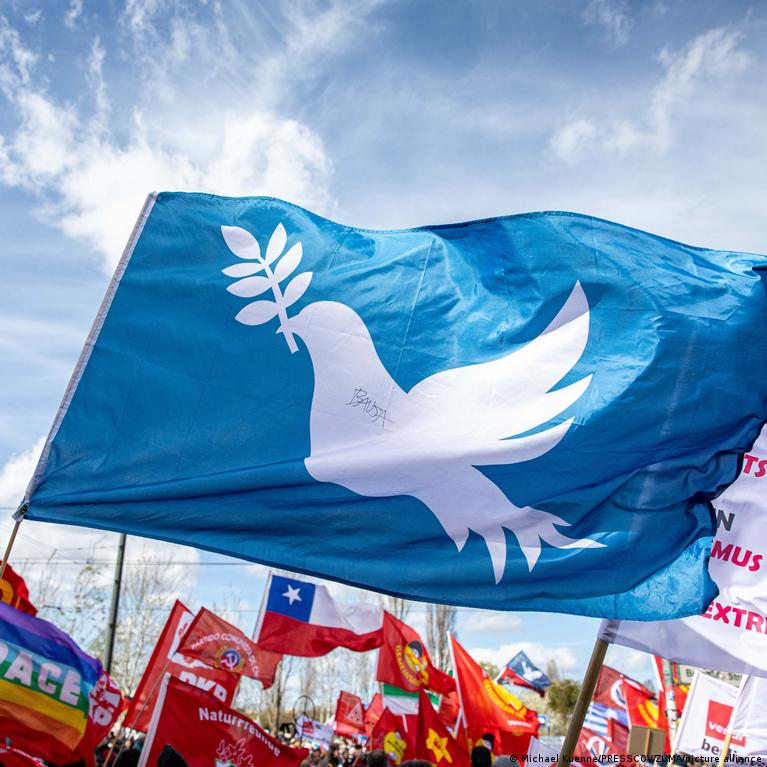
Why it matters: The war’s trajectory hinges on shifting US political priorities and Russia’s internal strain, with direct implications for European security, global energy markets, and the future of international arms transfers.
Context: This analysis emerges as the war enters its fifth year amid a strategic stalemate, with Western focus fragmented by concurrent crises in the Middle East.
"I don’t believe Russia will ever agree to a peace agreement with Ukraine," former US diplomat Volker says. "I think they could accept a ceasefire at some point. And I think we’re getting closer to that point." — DW
Commentary: The framing of a potential ceasefire, not peace, underscores a conflict moving toward frozen instability rather than resolution. Ukraine’s reported shift to covering 60-70% of its own arms needs, if accurate, represents a significant recalibration of wartime logistics and alliance dependency. The explicit linkage of US midterms to war policy reveals the conflict’s deepening entanglement with American partisan dynamics, making European security contingent on domestic electoral outcomes.
URL: https://www.dw.com/en/ceasefire-in-sight-what-s-next-for-russia-s-war-in-ukraine/a-77138367?maca=en-rss-en-all-1573-rdf
AI Sentiment Score: Negative (80%)
AI Credibility Score: 10.0/10 — High
Scores and text generated by AI analysis of the source article indicated.
Lufthansa pilots launch 2-day strike, cabin crew say they will strike right after (Dw)
Summary: Lufthansa pilots with Vereinigung Cockpit (VC) began a 48-hour strike on Monday, April 13, 2026, leading to hundreds of cancellations, primarily at Frankfurt and Munich. The cabin crew union UFO announced a follow-on strike for Wednesday and Thursday, threatening four consecutive days of operational disruption. The airline is attempting to mitigate impacts through partner airlines and Deutsche Bahn rail substitutions. Notably, flights to Middle Eastern destinations are exempt from the strike due to regional instability.
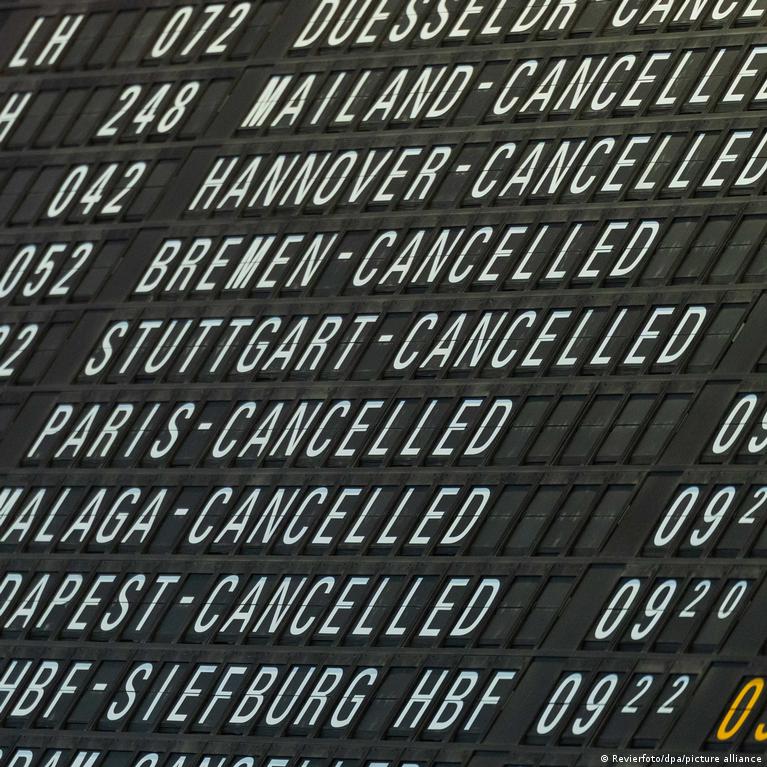
Why it matters: Consecutive, coordinated strikes by critical labor groups at Europe’s largest airline signal a deepening industrial relations crisis, directly disrupting continental mobility and testing corporate resilience during a period of geopolitical tension.
Context: This is the fourth strike at Lufthansa in 2026, following a pattern of deteriorating negotiations with specialist unions VC and UFO, even as the carrier recently reached a deal with the larger Verdi union for other staff.
"The strike on Friday was a clear signal," Harry Jaeger, UFO’s chief negotiator, said. "If the employer does not respond to it, then this signal will necessarily get louder." — DW
Commentary: The strategic sequencing of strikes by pilots and cabin crew maximizes operational pain, forcing Lufthansa’s hand on separate but parallel disputes. The geopolitical carve-out for Middle Eastern flights is a pragmatic concession, revealing how external crises can temporarily align union and corporate interests on maintaining critical routes. This pattern of serial strikes, if unresolved, will accelerate the re-routing of corporate and leisure travel to more stable competitors, eroding Lufthansa’s hub dominance.
URL: https://www.dw.com/en/lufthansa-pilots-launch-2-day-strike-cabin-crew-say-they-will-strike-right-after/a-76760890?maca=en-rss-en-all-1573-rdf
AI Sentiment Score: Negative (75%)
AI Credibility Score: 10.0/10 — High
Scores and text generated by AI analysis of the source article indicated.
Germany news: Chancellor Merz says he wouldn’t advise his kids to go to the US (Dw)
Summary: German Chancellor Friedrich Merz, speaking at a Catholic convention, stated he would not advise his children or other young Germans to seek education or work in the United States, citing a deteriorating social climate and employment difficulties. This personal critique from a pro-American chancellor with deep business ties to the US follows a public diplomatic spat with President Trump and coincides with German government warnings of a significant Q2 economic slowdown due to the Iran war’s impact on energy prices and supply chains.
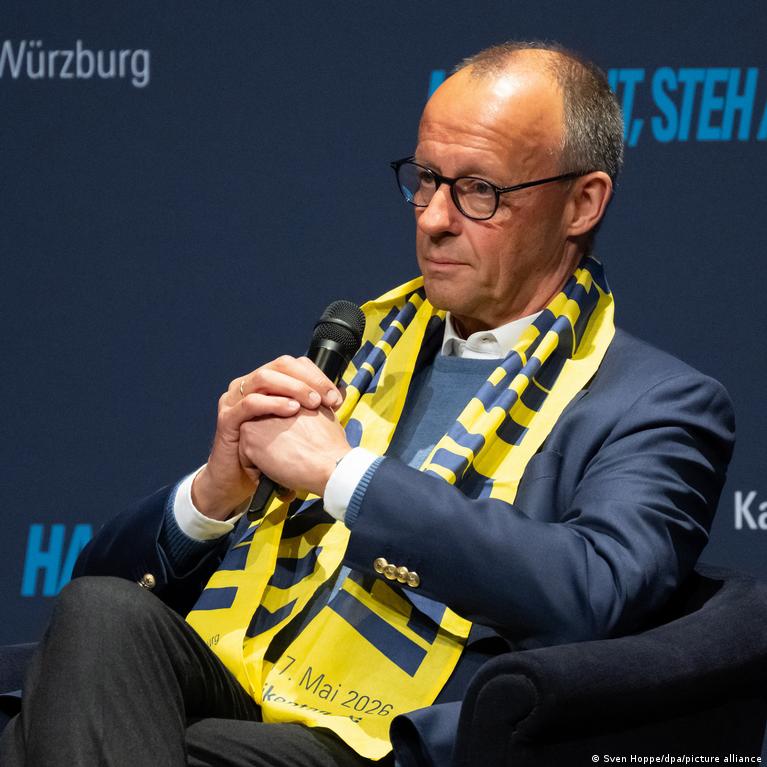
Why it matters: A German leader’s public de-prioritization of the US as a destination for talent signals a shift in transatlantic soft power and mobility patterns, while the concurrent economic warnings highlight Germany’s acute vulnerability to energy and geopolitical shocks.
Context: Merz’s remarks occur amid strained US-German relations, including a troop withdrawal announcement, and a domestic context of low government approval, coalition infighting, and economic anxiety driven by energy-intensive industrial decline.
"Germany news: Merz wouldn’t advise his kids to go to US Published May 15, 2026last updated May 15, 2026What you need to know – Speaking at a Catholic convention, Friedrich Merz said." — DW
Commentary: Merz’s statement, delivered to a young audience, operationalizes diplomatic friction into a generational advisory, potentially recalibrating German professional and academic flows. The coupling of this sentiment with stark economic warnings frames a Germany looking inward, assessing resilience against external volatility in both geopolitical partnerships and critical supply chains.
URL: https://www.dw.com/en/germany-news-chancellor-merz-says-he-wouldn-t-advise-his-kids-to-go-to-the-us/live-77168830?maca=en-rss-en-all-1573-rdf
AI Sentiment Score: Negative (60%)
AI Credibility Score: 10.0/10 — High
Scores and text generated by AI analysis of the source article indicated.
EU enlargement: Is the bloc ready to welcome new members? (Dw)
Summary: The European Union has formally initiated accession treaty drafting for Montenegro, the first such step in 17 years, signaling a renewed operational focus on enlargement. This procedural move occurs amid a broader debate over reforming the bloc’s four-decade-old accession model, with proposals for staged integration, associate membership, and even temporary limitations on new members’ veto rights gaining traction. The geopolitical imperative following Russia’s invasion of Ukraine has accelerated this shift, turning a technical process into a security priority, though resistance remains to concepts like Ukraine’s ‘reverse enlargement.’ Montenegro is positioned as both a final candidate under the old rules and a potential test case for new monitoring tools and transitional arrangements.
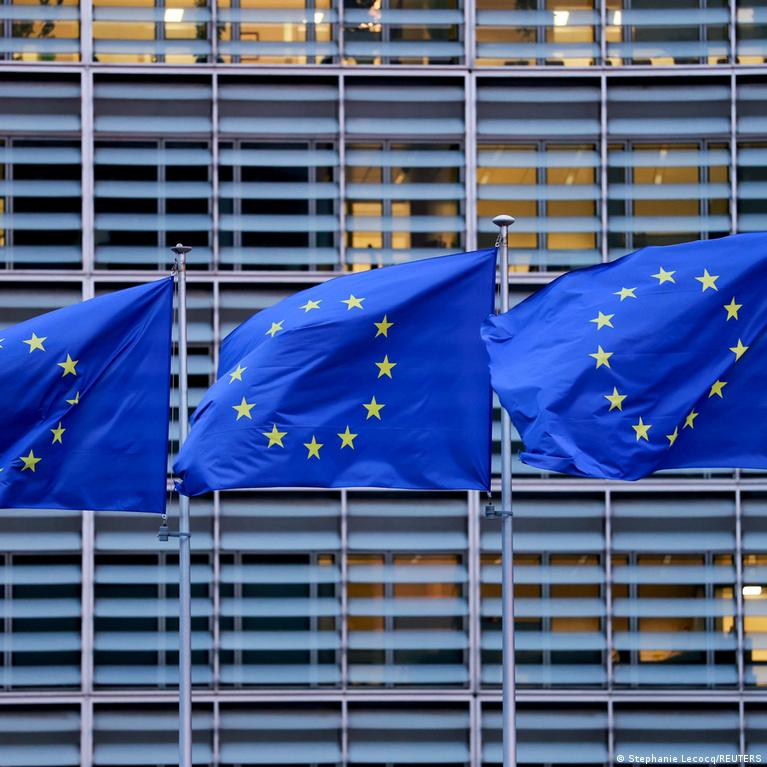
Why it matters: The EU’s institutional and procedural adaptation to enlargement could redefine the balance of power, sovereignty, and decision-making velocity within the bloc, with direct consequences for security architecture, market access, and the political futures of candidate states.
Context: Enlargement had been largely dormant since the 2000s, treated as a slow, merit-based technical process; the war in Ukraine forced a strategic re-evaluation, making it a core geopolitical instrument.
""One might expect Montenegro to become the guinea pig to explore the limits of transitional arrangements and safeguard clauses," Blockmans told DW, noting that the accession treaty currently being drafted could become a template for future enlargements of the union." — DW
Commentary: The EU is attempting to engineer a controlled stress test: using Montenegro’s relatively uncontroversial accession to prototype mechanisms like post-entry monitoring and limited veto rights that would be essential for managing the far more complex integration of Ukraine. This move from abstract policy papers to treaty-drafting represents a critical inflection from debate to deployment, where legal precedents set now will constrain or enable future political bargains. The quiet signaling from several Western Balkan states that they would accept temporary second-tier status reveals a calculated trade of immediate sovereignty for long-term integration, a Faustian bargain that could normalize tiered membership within the union.
URL: https://www.dw.com/en/eu-enlargement-is-the-bloc-ready-to-welcome-new-members/a-77319025?maca=en-rss-en-all-1573-rdf
AI Sentiment Score: Negative (83%)
AI Credibility Score: 10.0/10 — High
Scores and text generated by AI analysis of the source article indicated.
France moves to symbolically repeal slavery legislation (Dw)
Summary: The French National Assembly has voted unanimously to formally repeal the 17th-century ‘Code noir,’ a series of royal edicts that legally defined enslaved people as movable property. While slavery was abolished in 1848 and recognized as a crime against humanity in 2001, these foundational colonial laws remained technically on the books. The bill, which must still pass the Senate, mandates government reports on the lasting societal effects of slavery and its colonial legacy. The move is explicitly symbolic, intended as an ‘act of remembrance, justice and recognition,’ and deliberately sidesteps the more contentious issue of reparations.
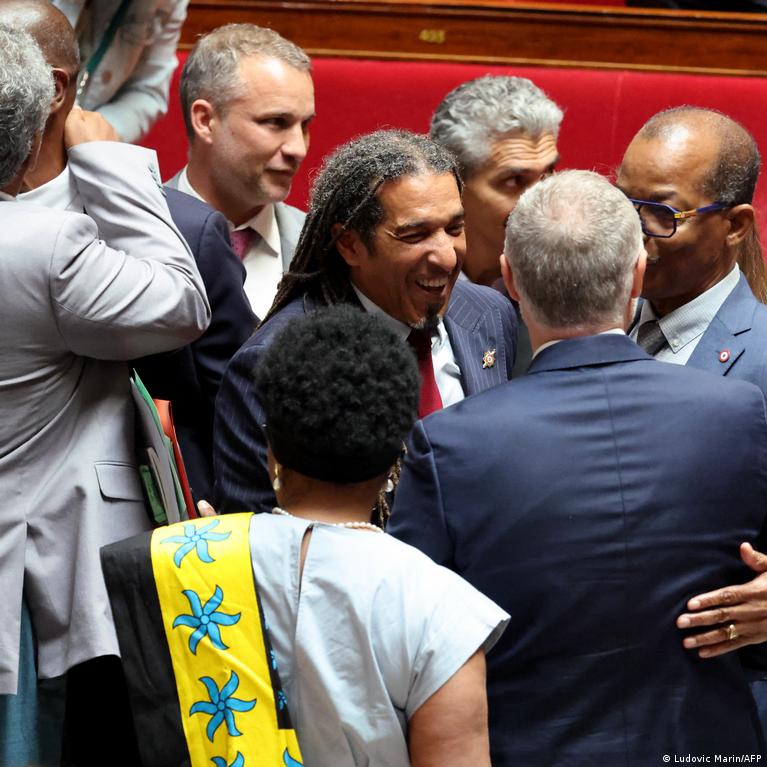
Why it matters: This action formalizes a long-overdue legal and symbolic break from a foundational instrument of colonial rule, setting a precedent for how modern republics confront the technical and moral remnants of historical crimes.
Context: The vote occurs within a broader, ongoing European reckoning with colonial legacies, where symbolic acts of legal purification often precede or substitute for more material debates over restitution and systemic inequality.
"France moves to symbolically repeal slavery legislation May 28, 2026French lawmakers on Thursday voted to formally repeal slavery-era laws that defined the legal status of enslaved people as "movable property" and justified." — DW
Commentary: The unanimous vote reveals a political consensus for symbolic correction but a continued fracture over material accountability; the mandated government reports will institutionalize the study of slavery’s legacy, potentially creating an official evidentiary base for future policy debates that the current bill carefully avoids.
URL: https://www.dw.com/en/france-moves-to-symbolically-repeal-slavery-legislation/a-77332888?maca=en-rss-en-all-1573-rdf
AI Sentiment Score: Negative (50%)
AI Credibility Score: 10.0/10 — High
Scores and text generated by AI analysis of the source article indicated.
Romania: Russian drone strikes Galati apartment building (Dw)
Summary: A Russian drone crashed onto a residential apartment building in Galati, Romania, injuring two people. The Romanian Defense Ministry confirmed the drone entered Romanian airspace after attacks on Ukrainian targets near the shared border. NATO, the EU, and member states condemned the incursion as a reckless escalation, while Russia’s Vladimir Putin suggested the drone could have originated from Ukraine. A second, non-explosive drone was also found in northwestern Romania.
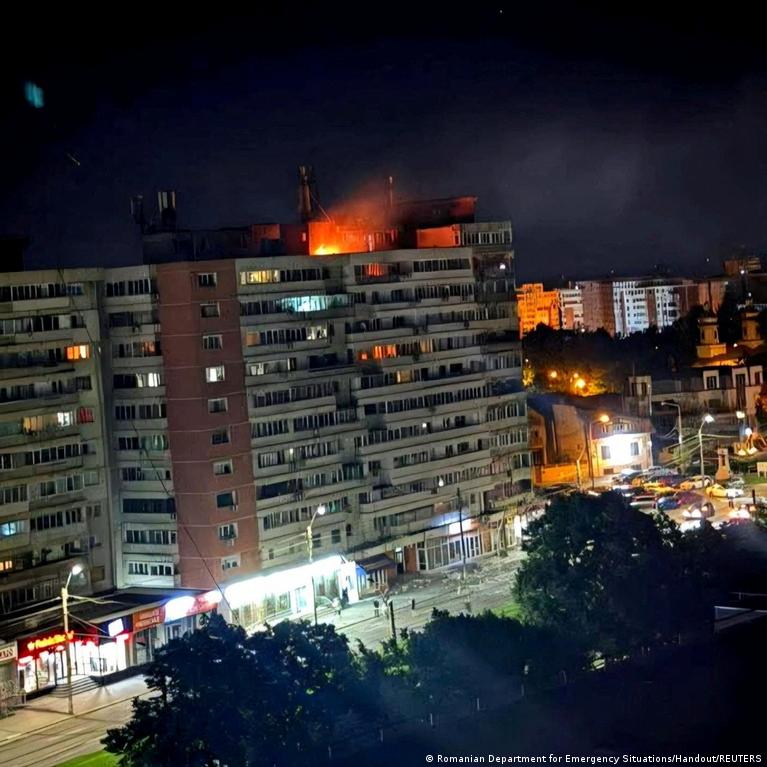
Why it matters: This incident tests NATO’s Article 5 thresholds and accelerates the militarization of the EU’s eastern flank, directly impacting regional security and alliance cohesion.
Context: This is the latest in a series of Russian drone and jet incursions into NATO airspace, following attacks on Ukrainian Danube ports like Reni and Izmail, which border Romania.
"One of these drones entered Romanian airspace, was tracked by radar as far as the southern part of the city of Galati, and crashed onto the roof of an apartment building, with the impact triggering a fire,." — DW
Commentary: The strike moves the conflict from spillover to direct physical impact on NATO soil, albeit from a crashed drone rather than a targeted strike. The immediate diplomatic response—summoning ambassadors and calls for accelerated anti-drone capabilities—signals a shift from posturing to concrete defense procurement and force posture adjustments on the eastern flank. Putin’s reflexive denial follows a now-standard playbook of plausible deniability, but the material damage and allied unity suggest this narrative is losing efficacy.
URL: https://www.dw.com/en/romania-russian-drone-strikes-galati-apartment-building/a-77338487?maca=en-rss-en-all-1573-rdf
AI Sentiment Score: Negative (80%)
AI Credibility Score: 10.0/10 — High
Scores and text generated by AI analysis of the source article indicated.
Hungary’s new government pushes for euro by 2030 (Dw)
Summary: Hungary’s incoming Tisza party government, led by Peter Magyar, is making a political and economic pivot by targeting eurozone accession by 2030. This move aims to reintegrate Hungary into the EU mainstream after years of illiberal governance under Viktor Orbán, but faces severe fiscal hurdles and skepticism from both domestic analysts and potential eurozone partners. The push hinges on unlocking frozen EU funds and implementing deep austerity, while offering potential benefits like currency stability and lower borrowing costs for its export-driven economy.
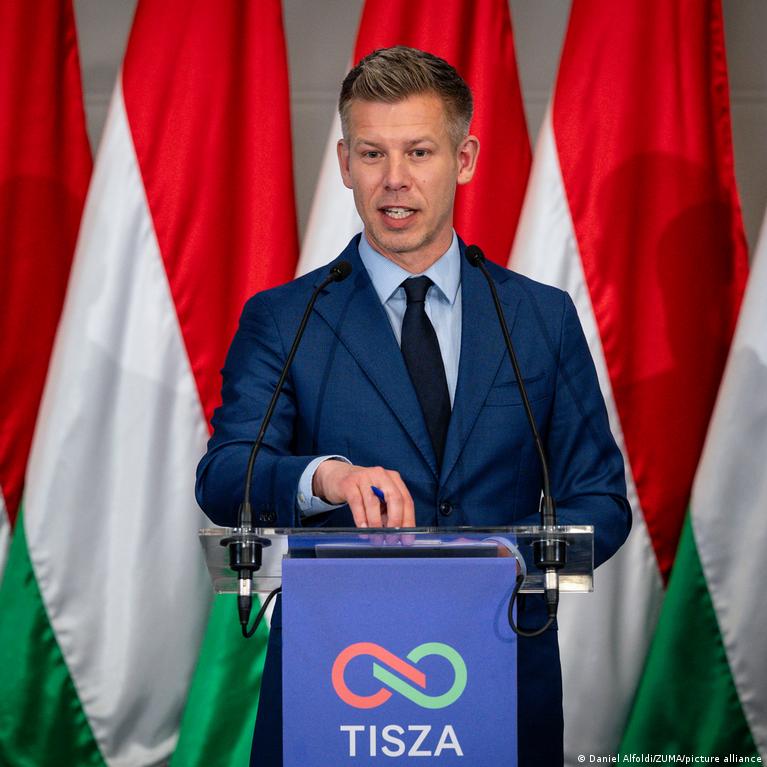
Why it matters: A Hungarian bid for the euro would test the political cohesion and economic convergence of Central Europe, recalibrate regional supply chains, and signal a shift in the EU’s internal balance between liberal and illiberal blocs.
Context: Hungary, alongside Czechia and Poland, remains one of the few 2004 EU accession states yet to adopt the euro, despite deep economic integration with the eurozone.
"Hungary’s new government pushes for euro by 2030 May 6, 2026Hungary’s premier-in-waiting, Peter Magyar, is keen to secure a return to the European Union mainstream and is moving quickly to mend fences." — DW
Commentary: The timeline is a political signal, not a credible economic forecast; the real story is the attempt to use euro convergence as a disciplinary mechanism to lock in a post-Orbán policy course. Success depends less on Budapest’s austerity and more on Frankfurt and Berlin’s willingness to risk another politically fragile member, given the memory of Greek contagion. If pursued, this will tighten capital flows into Hungarian sovereign debt ahead of the 2030 election, creating a volatile arbitrage between reform promises and populist reversal risks.
URL: https://www.dw.com/en/hungary-s-new-government-pushes-for-euro-by-2030/a-77053959?maca=en-rss-en-all-1573-rdf
AI Sentiment Score: Negative (66%)
AI Credibility Score: 10.0/10 — High
Scores and text generated by AI analysis of the source article indicated.
Foreign student fee hikes in France trigger backlash (Dw)
Summary: France’s Ministry of Higher Education has announced the ‘Choose France for Higher Education’ scheme, effectively ending a widespread opt-out that kept non-EU student fees low. From the 2026/27 academic year, non-EU students will face fees of €2,895 for bachelor’s and €3,941 for master’s programs—a sixteen-fold increase expected to generate €250 million annually. The policy has triggered protests from student unions, who argue it institutionalizes access based on nationality and wealth, and highlights a broader European reckoning on university funding models and the economic value of international students.

Why it matters: The shift recalibrates France’s position in the global education market, affecting student mobility patterns, university finances, and the philosophical tension between accessible public education and competitive institutional funding.
Context: This move aligns France more closely with a European trend of using differential fees for international students, a model long employed by the UK and Netherlands, while diverging from the low-fee approaches of Germany and the new Swiss-EU agreement on fee equalization.
""The proposal represents an alarming step regarding the commitment to equitable access to higher education. By significantly increasing tuition fees for non-EU students, the French government risks institutionalising a system in which access to education is increasingly determined by nationality and financial capacity," read a statement from the European Students’ Union and the Federation of General Student Associations in France." — DW
Commentary: France’s policy pivot is less an outlier than a reluctant convergence with a Northern European model, trading a symbolic commitment to universality for fiscal pragmatism. The immediate effect will be a reallocation of non-EU student flows toward lower-cost EU destinations and English-taught programs elsewhere, while the long-term test is whether the revenue can stem the brain drain of academic talent Professor Gollier cites. This also formalizes a two-tier European education landscape: a high-fee, competitive recruitment zone and a low-fee, capacity-constrained public service zone, with language increasingly used as a policy lever, as seen in the Netherlands.
URL: https://www.dw.com/en/foreign-student-fee-hikes-in-france-trigger-backlash/a-77146306?maca=en-rss-en-all-1573-rdf
AI Sentiment Score: Negative (71%)
AI Credibility Score: 10.0/10 — High
Scores and text generated by AI analysis of the source article indicated.
Ukraine: EU sanctions Russians over ‘systematic unlawful deportation’ of children (Dw)
Summary: The EU and UK impose new sanctions targeting Russian individuals and entities linked to the forced deportation of Ukrainian children and information warfare, as a declared three-day ceasefire shows signs of strain. European leaders, while dismissing Putin’s suggestion of Gerhard Schröder as a negotiator, begin to signal a potential shift toward direct EU engagement with Moscow, citing diverging US-European interests. Concurrently, Ukraine faces internal corruption probes and continues defense diplomacy with Gulf states, while Sweden arrests individuals for alleged sanctions circumvention.
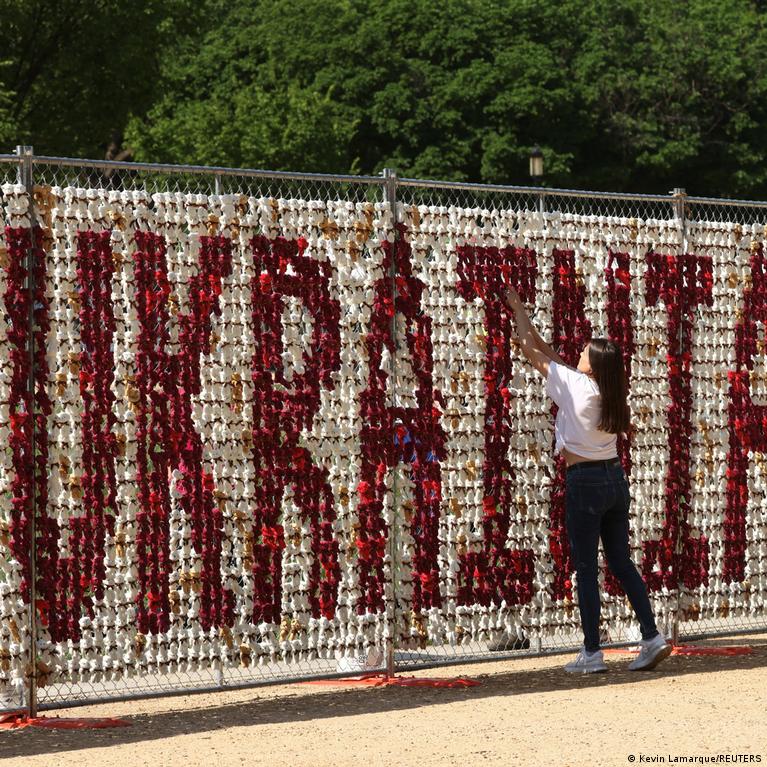
Why it matters: The sanctions and diplomatic maneuvers signal a hardening of legal and political fronts against Russian wartime conduct, while internal European debates about negotiation channels reveal strategic fractures and a potential recalibration of the conflict’s governance.
Context: These measures follow the ICC’s arrest warrant for Putin on child deportation charges and occur amid a fragile, US-brokered ceasefire that has failed to halt all fighting, underscoring the war’s entrenched nature.
"Ukraine: EU sanctions Russians over child deportations Published May 11, 2026last updated May 12, 2026What you need to know – The EU announces new sanctions against Russians tied to child abductions at." — DW
Commentary: The sanctions concretize a legal and moral condemnation that has so far lacked operational teeth, potentially complicating future normalization for listed individuals and entities. The parallel European flirtation with direct talks, as voiced by Stubb, suggests a weariness with US mediation and a preparatory pivot toward managing an eventual, messy settlement, regardless of Kyiv’s immediate stance.
URL: https://www.dw.com/en/ukraine-eu-sanctions-russians-over-systematic-unlawful-deportation-of-children/live-77121806?maca=en-rss-en-all-1573-rdf
AI Sentiment Score: Negative (80%)
AI Credibility Score: 10.0/10 — High
Scores and text generated by AI analysis of the source article indicated.
‘Marine unicorns’ aren’t loving Arctic noise (Dw)
Summary: Acoustic monitoring in Canada’s Arctic, led by Inuit hunter Alex Ootoowak and marine biologist Kristin Westdal, has linked a dramatic 90% decline in local narwhal populations since the early 2000s to noise pollution from increased shipping. The research, published in 2025, found narwhals cease vocalizing and foraging when vessels are within 12-24 miles, responding to sounds below established disturbance thresholds. This sensory disruption, critical for an echolocating species, is altering migration and hunting patterns, with anecdotal reports of ‘foreign’ narwhals appearing in Greenland. In response, industry actors like the Baffinland mine and cruise lines have begun adopting voluntary measures like speed limits and fixed routes.
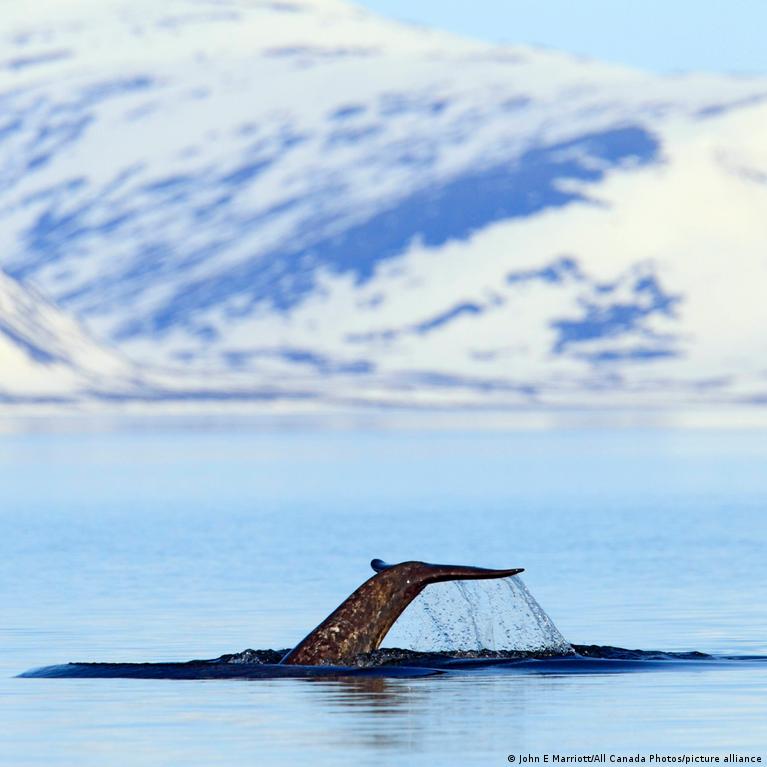
Why it matters: The case establishes a direct, operational link between industrial expansion in newly accessible Arctic corridors and the rapid collapse of a keystone species, testing the viability of co-existence models for indigenous subsistence, conservation, and global shipping.
Context: This occurs as climate-driven ice melt accelerates commercial interest in the Northwest Passage, creating a regulatory vacuum where local monitoring and voluntary corporate action are currently setting precedents for Arctic governance.
"’Marine unicorns’ aren’t loving Arctic noise April 28, 2026For Alex Ootoowak, watching the speckled gray narwhals migrate in the icy waters of the Arctic during hunting season is a cherished childhood memory." — DW
Commentary: The findings recalibrate the risk model for Arctic development: impact is not about catastrophic spills but chronic acoustic degradation, with thresholds far lower than previously assumed. The voluntary industry adaptations, while positive, are a fragile stopgap; the precedent set here will directly shape the regulatory and liability framework for the impending surge in trans-Arctic shipping. The reported shift in narwhal morphology and taste in Greenland, if confirmed, would signal a rapid, climate-adjacent ecological redistribution with direct consequences for food security and cultural practice across international borders.
URL: https://www.dw.com/en/marine-unicorns-aren-t-loving-arctic-noise/a-76704611?maca=en-rss-en-all-1573-rdf
AI Sentiment Score: Negative (50%)
AI Credibility Score: 10.0/10 — High
Scores and text generated by AI analysis of the source article indicated.
Post ID: 4da8941f