Hacker Community
A High-Vacuum Controller for an Eventual Electron Microscope (Hackaday)
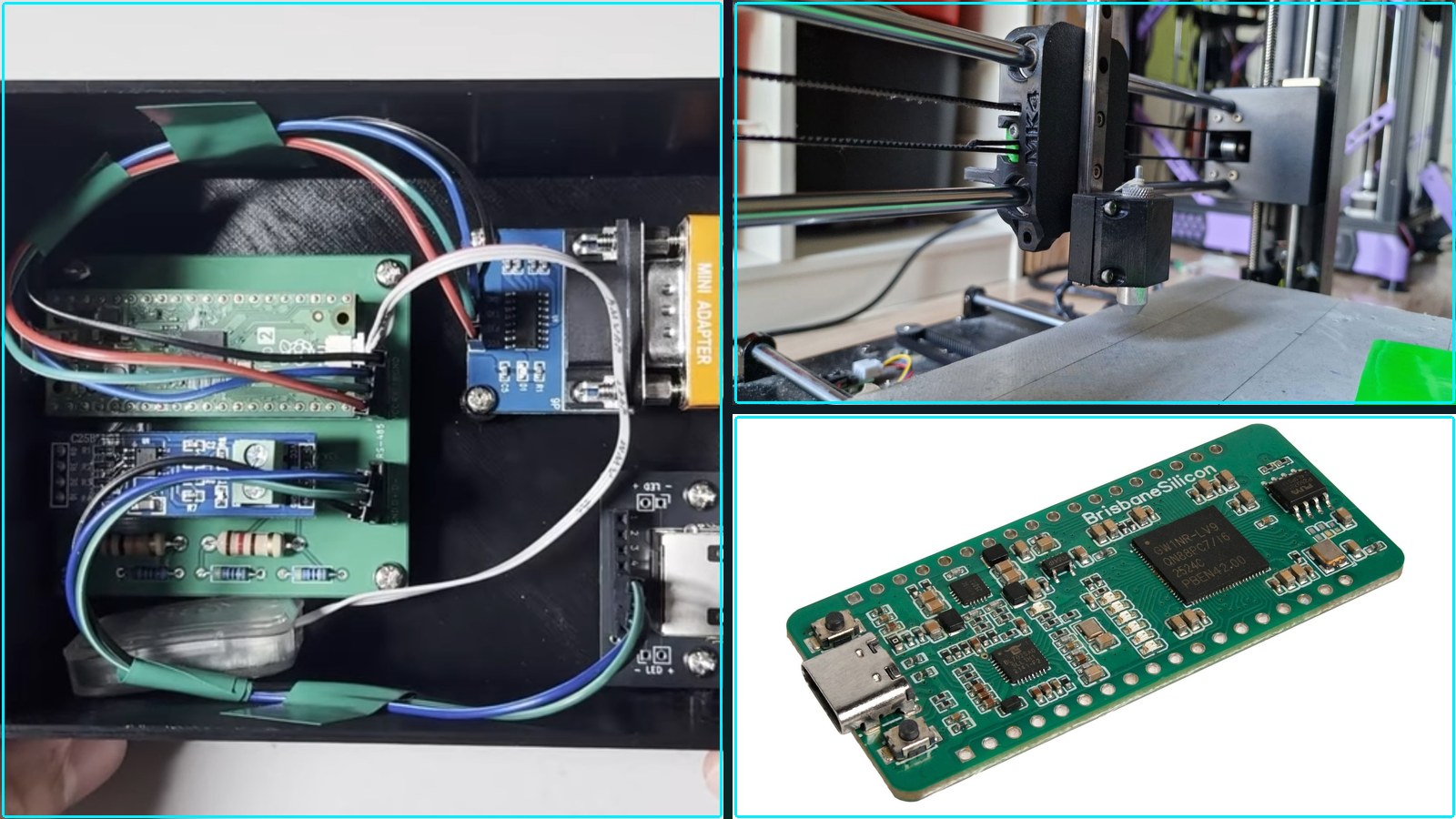
Summary: Chris Doble has open-sourced a high-vacuum controller as the first step toward building his own scanning electron microscope. The system uses a Raspberry Pi Pico 2 running Rust firmware to unify a rotary-vane roughing pump and a turbomolecular pump under a single USB interface. During testing, the chamber reached 10⁻⁶ millibar and was still trending downward. The project is documented and available for others to replicate or adapt.
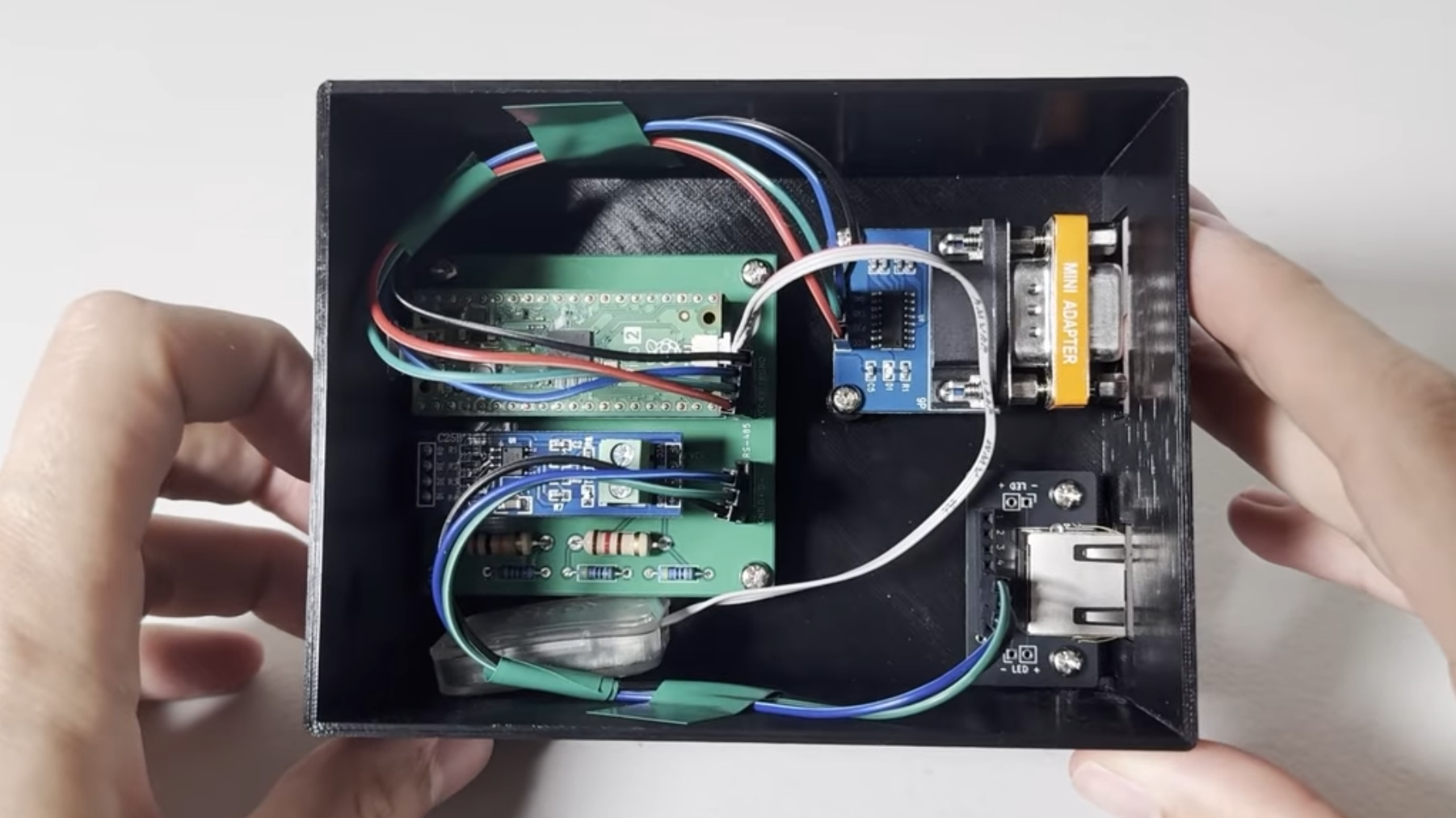
Why it matters: This is a textbook example of the hackerspace-to-production pipeline: a single ambitious maker reducing a complex, expensive scientific instrument into modular, open-source subsystems that others can build upon.
Context: The project draws direct inspiration from Ben Krasnow’s DIY scanning electron microscope, a landmark in the hacker instrumentation space. Doble’s controller solves the practical integration problem that often stalls such builds.
[Chris Doble] has high ambitions: he’s making his own scanning-electron microscope, and as the first step he’s built a high-vacuum system. This required its own controller to manage the various electronics involved…
Commentary: The choice of Rust on a Pico 2 for a real-time control loop is a notable toolchain signal—it suggests the embedded Rust ecosystem is now mature enough for precision instrumentation. The real value here is the open-source PCB and firmware, which lower the barrier for anyone wanting to experiment with high-vacuum systems without proprietary controllers. Expect this to appear as a workshop module at the next Hackaday Superconference.
Date: Wed, 03 Jun 2026 02:00:51 +0000
URL: https://hackaday.com/2026/06/02/a-high-vacuum-controller-for-an-eventual-electron-microscope/
AI Sentiment Score: Negative (71%)
AI Credibility Score: 10.0/10 — High
Scores and text generated by AI analysis of the source article indicated.
Turning an Old 3D Printer Into a Vinyl Cutter for Cheap (Hackaday)
Summary: A guide from Hackaday details how to repurpose an old FDM 3D printer, specifically an Anycubic Mega S, into a vinyl cutter using a drag knife and the open-source Polycut project. The conversion requires a Roland-style blade holder from AliExpress, a custom 3D-printed mount, and careful Z-offset calibration to avoid cutting through the vinyl’s backing paper. While slower and more calibration-intensive than dedicated machines, the mod is non-permanent and offers a low-cost entry to vinyl cutting, contrasting with more complex laser engraver add-ons for printers like the Bambu Lab H2D.
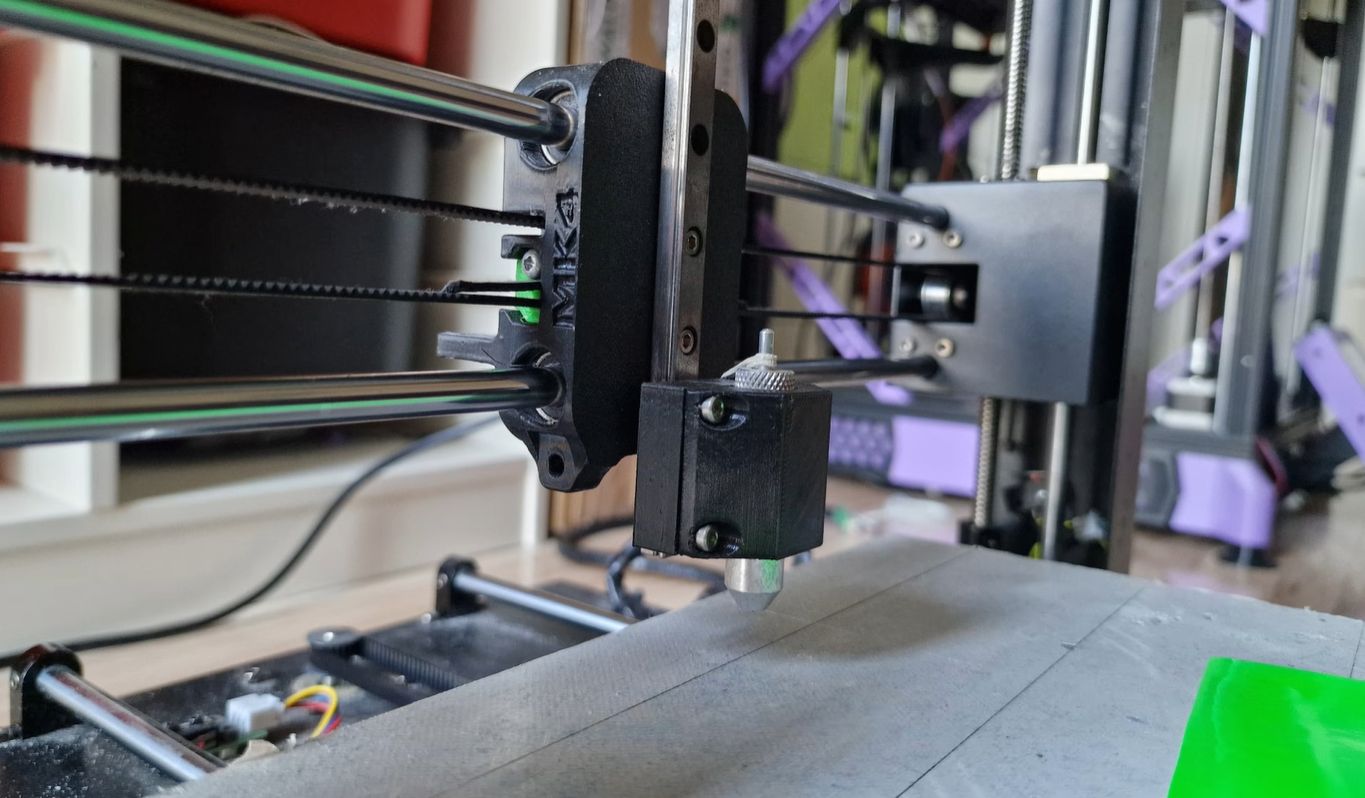
Why it matters: This is a hardware-hacking signal that extends the life of obsolete 3D printers and lowers the barrier to precision cutting, a common hackerspace-to-mainstream pipeline. It demonstrates how open toolchains (Polycut) and cheap commodity parts can unlock new fabrication capabilities without dedicated equipment, reinforcing the repair-and-reuse ethos.
Context: The article builds on a long tradition of repurposing CNC and 3D printer hardware for other subtractive tasks, such as laser engraving or milling. The key technical challenge—software and Z-offset calibration—is a recurring theme in the maker community, where Polycut emerges as a specialized solution for converting 3D printers into plotters.
"Replacing a 3D printer’s extruder with a cutting blade seems like an easy way to do things like vinyl cutting, but you cannot just put on any blade and expect good results." — HACKADAY
Commentary: This is a classic hardware-hacking signal: a low-cost, non-permanent mod that repurposes common gear (FDM printer) into a specialized tool (vinyl cutter) using open-source software. The reliance on AliExpress parts and community-designed mounts underscores the hackerspace-to-mainstream pipeline, where cheap commodity components enable capabilities previously locked behind expensive dedicated machines. The calibration pain point is a familiar trade-off for makers, but the payoff—avoiding a dedicated vinyl cutter purchase—keeps this firmly in the repair-and-reuse ethos.
Date: Wed, 03 Jun 2026 05:00:26 +0000
URL: https://hackaday.com/2026/06/02/turning-an-old-3d-printer-into-a-vinyl-cutter-for-cheap/
AI Sentiment Score: Negative (75%)
AI Credibility Score: 10.0/10 — High
Scores and text generated by AI analysis of the source article indicated.
ELM11: A Surprisingly Polished Dev Board for Lua (Makezine)
Summary: The ELM11 is a new development board from BrisbaneSilicon that runs Lua on a GOWIN FPGA, offering a polished IDE and CLI experience in a feather form factor. Priced at $15, it targets education and prototyping with efficient Lua-based embedded development and customizable hardware overlays.
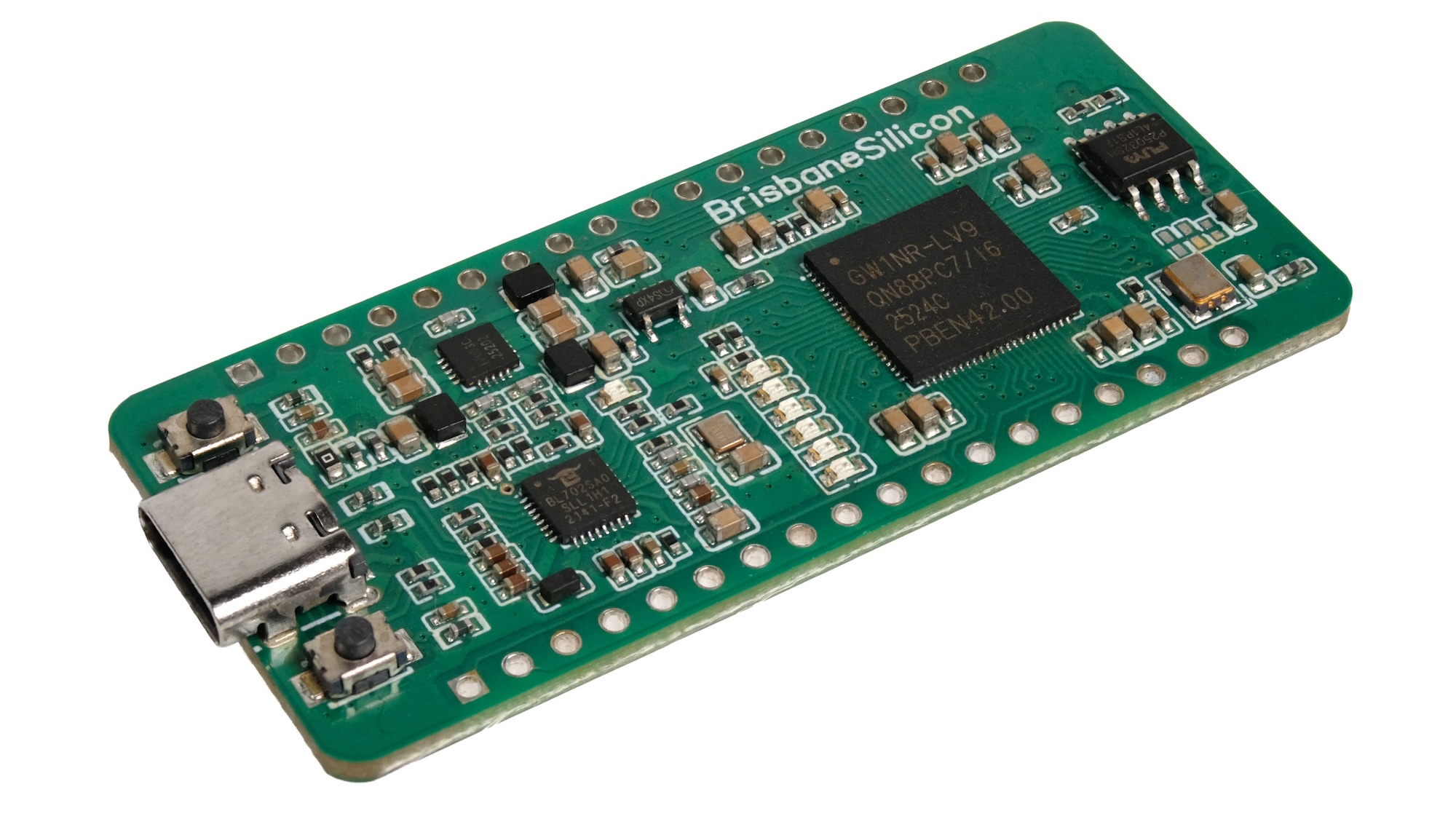
Why it matters: This board signals a shift toward Lua as a viable alternative to Python in embedded systems, leveraging its efficiency and growing developer base from NeoVim and Roblox communities.
Context: Lua has historically been niche in embedded contexts, but recent mainstream adoption in tools and games is expanding its developer pool, making a well-supported Lua board like the ELM11 a potential catalyst for broader use.
"The ELM11 is a pretty nifty and useful Lua-based feather-type platform which, although new and evolving in terms of toolchains, already provided a surprisingly polished developer experience. Made by BrisbaneSilicon, ELM stands." — MAKEZINE
Commentary: The ELM11 is a hackerspace-to-mainstream signal: a polished, low-cost board that could lower the barrier for Lua in hardware tinkering. Its success hinges on sustained documentation and supply chain reliability, but if it delivers, it may become a staple in education and rapid prototyping, much like the ESP32 did for MicroPython.
Date: Tue, 02 Jun 2026 17:18:56 +0000
URL: https://makezine.com/article/technology/microcontrollers/elm11-a-surprisingly-polished-dev-board-for-lua/
AI Sentiment Score: Negative (60%)
AI Credibility Score: 10.0/10 — High
Scores and text generated by AI analysis of the source article indicated.
Microsoft Threatening Security Researcher (Schneier)
Summary: Microsoft Threatening Security Researcher An anonymous security researcher called “Nightmare Eclipse” has been publishing a series of significant security exploits against Microsoft Windows—including one that breaks BitLocker. Microsoft has threatened legal action against the researcher. Lots of recriminations are being traded back and forth.

Why it matters: Corporate legal threat against active exploit disclosure signals potential overreach in vulnerability research boundaries.
Context: Focus shifts to the legal status of zero-day disclosure when proprietary security mechanisms like BitLocker are targeted.
"Microsoft Threatening Security Researcher An anonymous security researcher called “Nightmare Eclipse” has been publishing a series of significant security exploits against Microsoft Windows—including one that breaks BitLocker. Microsoft has threatened legal action." — SCHNEIER
Commentary: The signal is still worth tracking, but the current extraction path did not yield enough body text for a fuller analytical read. The immediate implication is operational rather than speculative: watch how this changes budgets, workflows, or risk assumptions over the next cycle.
Date: Tue, 02 Jun 2026 11:00:42 +0000
URL: https://www.schneier.com/blog/archives/2026/06/microsoft-threatening-security-researcher.html
AI Sentiment Score: Negative (75%)
AI Credibility Score: 10.0/10 — High
Scores and text generated by AI analysis of the source article indicated.
John Deere Faces Second Class Action For Monopolizing Repair (Techdirt)
Summary: John Deere faces a second class action lawsuit, filed by Christy Webber Landscaping in the Northern District of Illinois, for monopolizing tractor repair. The suit alleges Deere actively restricts independent repair by making diagnostic tools and software inaccessible, forcing customers to use authorized dealers at inflated costs. This follows a pattern of legal and regulatory pushback against the company’s repair restrictions, including a 2023 FTC complaint and a prior class action. The case underscores the ongoing conflict between right-to-repair advocates and manufacturers’ control over aftermarket service.
Why it matters: For the hacker and repair community, this is a concrete legal test of whether manufacturers can use software locks and proprietary tools to create a repair monopoly, directly affecting the viability of independent repair shops and the broader right-to-repair movement.
Context: John Deere has been a central target in the right-to-repair fight, with farmers and independent mechanics arguing that software-based restrictions on tractor repair violate antitrust law and the Digital Millennium Copyright Act. The company signed a 2023 memorandum of understanding with the American Farm Bureau Federation to improve access, but critics say it falls short of enforceable repair rights.
"John Deere is facing a second class action lawsuit for its ongoing, ham-fisted effort to monopolize tractor repair and drive up costs for its customers. The latest lawsuit was filed in mid-May." — TECHDIRT
Commentary: This second class action signals that the 2023 MOU did not resolve the underlying antitrust concerns—Deere’s practices remain a flashpoint. The case will test whether repair monopolization claims can survive under existing law, potentially setting a precedent for other industries like consumer electronics. For the hacker community, it’s a reminder that the fight for repair rights is moving from advocacy to litigation, with real economic stakes for independent repair networks.
Date: Mon, 01 Jun 2026 20:05:22 +0000
URL: https://www.techdirt.com/2026/06/01/john-deere-faces-second-class-action-for-monopolizing-repair/
AI Sentiment Score: Negative (83%)
AI Credibility Score: 10.0/10 — High
Scores and text generated by AI analysis of the source article indicated.
One Step Forward, Two Steps Back: CA’s AB 1856 Exempts Open Source But Expands Age-Gating (Techdirt)
Summary: California’s AB 1856 proposes to exempt open-source operating systems from the state’s Digital Age Assurance Act (AB 1043), following public backlash. However, the bill still expands age-gating requirements for other platforms, threatening user privacy and security. The exemption, while a partial win for the open-source community, does not address broader concerns about the law’s chilling effect on speech and its surveillance infrastructure. The current version remains a net negative for internet freedom.
Why it matters: This legislative move highlights the tension between protecting minors online and preserving the open, decentralized nature of the internet, directly affecting how platforms and operating systems handle user data and age verification.
Context: AB 1043, passed last year, mandated age verification for online services, drawing criticism for its potential to erode anonymity and create a blueprint for broader censorship. The open-source exemption was a key demand from the hacker community.
"After public outrage, California lawmakers are moving closer to exempting open-source operating systems from the sweeping age-bracketing regime mandated by last year’s Digital Age Assurance Act (AB 1043). Nonetheless, the current bill still jeopardizes internet users’ speech, privacy, and security." — TECHDIRT
Commentary: This is a classic ‘one step forward, two steps back’ pattern in digital rights fights. The open-source exemption is a tactical win, but the core age-gating machinery remains intact, ready to be applied to other platforms. The hacker community should see this as a warning: carve-outs for specific technologies do not dismantle the surveillance infrastructure—they merely delay its application. The real fight is against the underlying assumption that age verification is a necessary or effective tool for online safety.
Date: Tue, 02 Jun 2026 22:23:06 +0000
URL: https://www.techdirt.com/2026/06/02/one-step-forward-two-steps-back-cas-ab-1856-exempts-open-source-but-expands-age-gating/
AI Sentiment Score: Negative (66%)
AI Credibility Score: 10.0/10 — High
Scores and text generated by AI analysis of the source article indicated.
Post ID: 7abaeb6e