Major Brand Acquisitions & Strategy Shifts
Buying Marc Jacobs: The Details of WHP and G-III’s $925M Designer Deal (Wwd)
Summary: WHP Global and G-III Apparel Group are acquiring Marc Jacobs from LVMH in a $925 million deal structured as a joint venture for the IP, with G-III taking the operating business and a long-term exclusive license. The JV board will be controlled by WHP, while G-III commits to manufacturing and distribution for key categories through 2041, with automatic renewals potentially extending to 2091. The arrangement separates brand ownership from operations, with Marc Jacobs remaining as creative director under new corporate governance.

Why it matters: The deal restructures a major designer brand’s ownership and operational model, setting a precedent for IP-focused acquisitions and long-term licensing that will influence brand valuations and partnership structures across the industry.
Context: This follows a pattern of LVMH streamlining its portfolio and the rise of brand management firms like WHP partnering with manufacturing specialists like G-III to unlock value through aggressive licensing and distribution.
"The G-III licensing deal runs through 2041 and automatically renews for 10 successive five-year periods. If all the renewals were to go through, that has G-III churning out Marc Jacobs styles into 2091." — WWD
Commentary: The 50-year licensing framework effectively mortgages the brand’s future to G-III’s operational execution, prioritizing distribution scale and royalty streams over creative or strategic agility. For practitioners, this locks in supply chain and wholesale relationships for decades, reducing flexibility but providing long-term planning certainty. The board control ceded to WHP suggests creative direction will be managed separately from manufacturing, a division that could strain the retained creative director role. This structure makes Marc Jacobs a test case for whether designer brands can thrive as primarily licensed assets divorced from the operational integration of a luxury group.
Date: Mon, 18 May 2026 19:58:59 +0000
URL: https://wwd.com/business-news/financial/marc-jacobs-whp-g-iii-acquisition-details-1238971705/
AI Sentiment Score: Negative (50%)
AI Credibility Score: 10.0/10 — High
Scores and text generated by AI analysis of the source article indicated.
What Everlane’s Sale to Shein Means for Sustainable Fashion (Wwd)
Summary: Everlane, the DTC brand built on ‘radical transparency,’ is reportedly being acquired by ultra-fast-fashion giant Shein for $100 million. The sale, driven by Everlane’s financial distress under private equity owner L Catterton, represents a stark collision between ethical branding and the pressures of scale and capital. Shein aims to use the acquisition to move into a more premium segment and bolster its portfolio narrative ahead of a potential IPO.

Why it matters: The acquisition signals that foundational brand values like sustainability and transparency are subordinate to financial imperatives in the current market, forcing practitioners to reassess the viability of ethical positioning within growth-focused ownership structures.
Context: This follows Allbirds’ recent pivot away from footwear, highlighting a pattern of ‘sustainable’ brands failing to reconcile their ethos with the growth demands of venture capital and private equity backing.
"Sustainability is structurally at odds with the growth model, and I don’t think either of these brands was ever honest about that, with their customers or themselves." — WWD
Commentary: The deal operationalizes Shein’s strategy to diversify beyond ultra-fast fashion and acquire legitimacy, but the integration will test whether a transparency-driven supply chain can survive inside a low-cost, high-volume model. For brand managers and sustainability officers, it underscores that ethical commitments are often contingent on ownership; due diligence on a brand’s financial backers now matters as much as its public-facing claims. The immediate consequence is a forced re-evaluation of ‘trust’ as a consumer asset, which becomes a liability when a brand’s operational reality shifts.
Date: Mon, 18 May 2026 19:53:52 +0000
URL: https://wwd.com/sourcing-journal/sustainability/everlane-shein-sustainable-fashion-mergers-acquisitions-1238971899/
AI Sentiment Score: Positive (50%)
AI Credibility Score: 10.0/10 — High
Scores and text generated by AI analysis of the source article indicated.
Burberry adopts a Coach-style playbook built on scarf bars, swimwear and activewear (Glossy.Co)
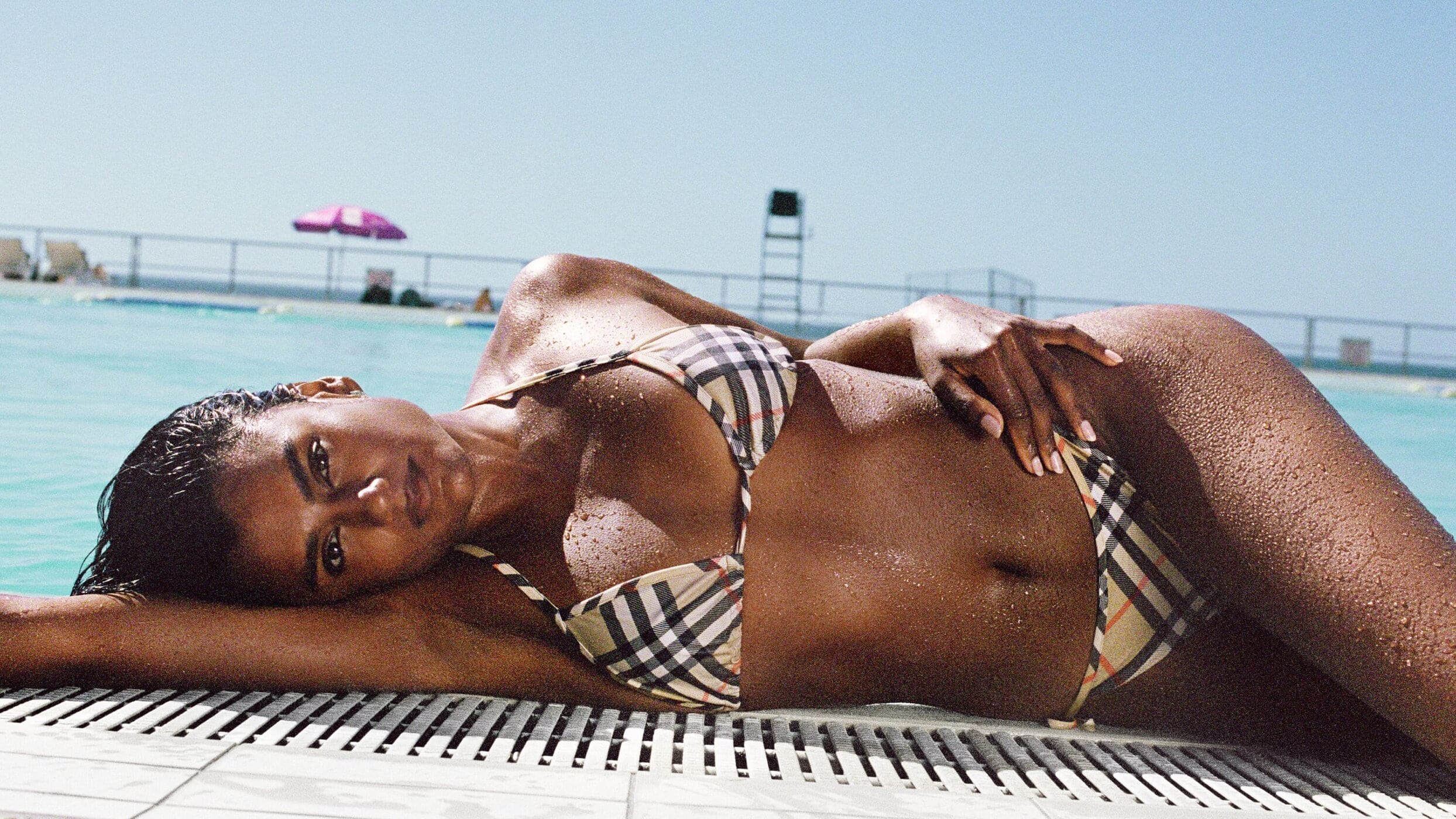
Summary: Burberry’s full-year earnings show flat revenue but improved margins and comparable store sales, driven by a retail strategy focused on category destinations like scarf bars and polo galleries. CEO Joshua Schulman is applying a Coach-style playbook to make core heritage items more shoppable and visible, while expanding into new categories like swimwear and activewear through collaborations. The strategy aims to improve store productivity and conversion rates by creating dedicated, interactive shopping moments for trench coats, cashmere, and other signature products.
Why it matters: For luxury brands and retail operators, this signals a shift toward operational discipline and category management over pure creative direction, affecting store design, staff training, and inventory planning.
Context: Luxury houses are under pressure to boost retail productivity and clarify brand codes to consumers, moving away from reliance on algorithmic social media and toward controlled, in-store experiences.
"Burberry is taking the categories customers already understand — trench coats, scarves, polos and cashmere — and turning them into dedicated shopping moments, including scarf bars, polo galleries and, next, trench and cashmere destinations." — GLOSSY.CO
Commentary: Burberry’s pivot to a retail-centric, category-destination model represents a pragmatic, if unglamorous, operational turn. It prioritizes conversion and units per transaction over brand mystique, effectively monetizing brand equity through retail theater. This requires significant investment in store refits, associate training, and inventory segmentation, shifting internal resources from marketing to retail operations. The risk is that over-indexing on shoppability may dilute the brand’s aspirational cachet, making it merely accessible rather than desirable.
Date: Fri, 15 May 2026 04:02:00 +0000
URL: https://www.glossy.co/fashion/luxury/burberry-adopts-a-coach-style-playbook-built-on-scarf-bars-swimwear-and-activewear/
AI Sentiment Score: Negative (50%)
AI Credibility Score: 10.0/10 — High
Scores and text generated by AI analysis of the source article indicated.
Marc Jacobs to be acquired by Toys R Us parent company (Retaildive)
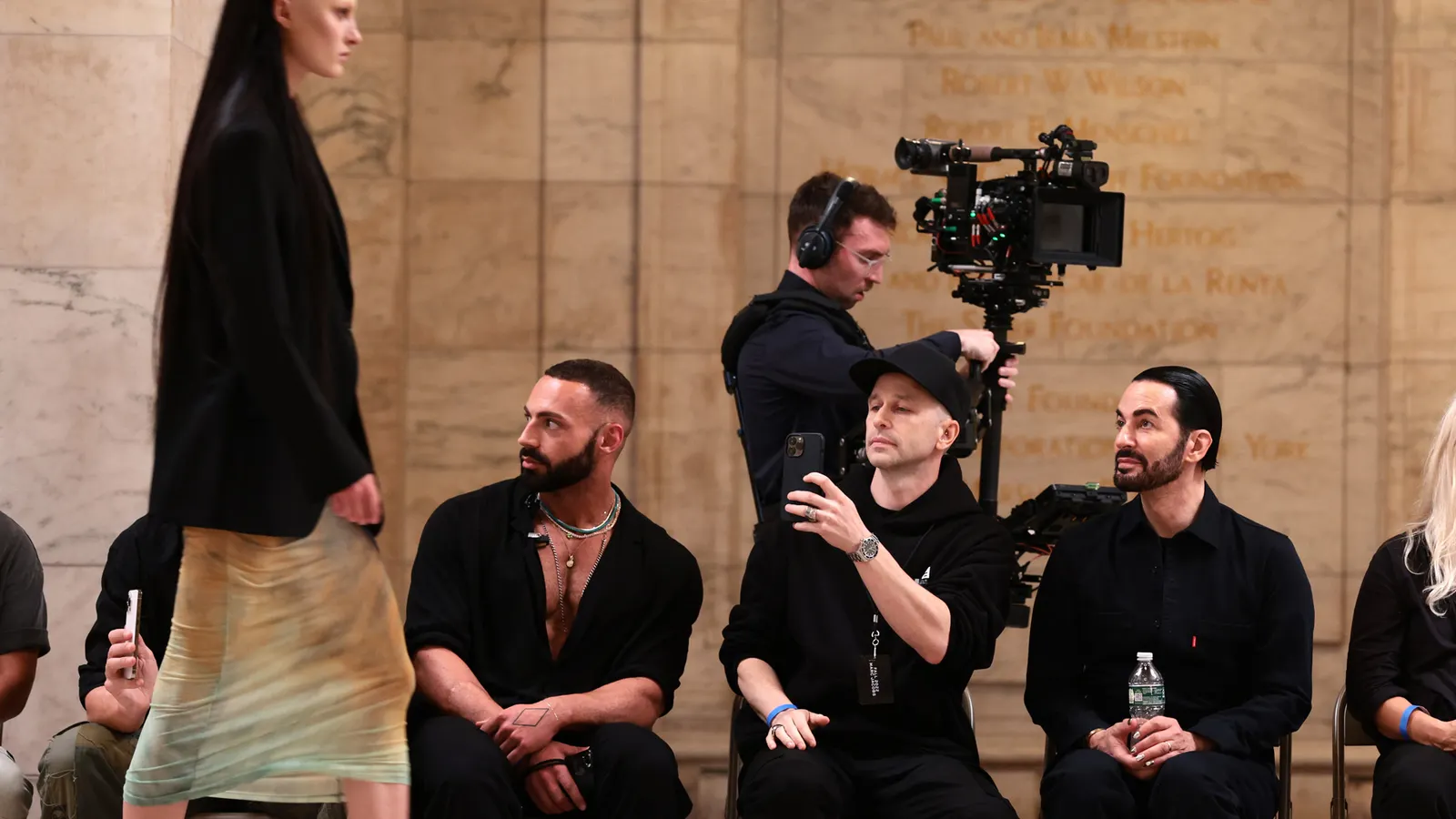
Summary: Marc Jacobs is being acquired by brand management firm WHP Global from LVMH, ending a nearly three-decade relationship. Designer Marc Jacobs could remain as creative director. G-III Apparel Group will partner with WHP, acquiring and operating portions of the brand’s direct-to-consumer and wholesale businesses, while WHP will oversee licensing.
Why it matters: The shift from a luxury conglomerate to a brand management firm specializing in mass-market expansion signals a fundamental change in the brand’s operational and financial strategy, directly impacting its supply chain, distribution partners, and market positioning.
Context: This follows a pattern of WHP Global, which owns Toys R Us and Express, acquiring fashion brands to leverage its licensing and mass-distribution expertise, contrasting with LVMH’s luxury house model.
"With the addition of Marc Jacobs, WHP Global forecasts it will exceed $9.5 billion in global retail sales." — RETAILDIVE
Commentary: The move suggests a pivot from high-margin, controlled luxury retail toward aggressive, volume-driven licensing and wholesale expansion. For practitioners, this means a likely renegotiation of vendor contracts, a shift in production toward G-III’s offshore sourcing infrastructure, and pressure to broaden product categories for mass distribution, potentially diluting the brand’s premium cachet.
Date: Thu, 14 May 2026 17:40:00 -0400
URL: https://www.retaildive.com/news/marc-jacobs-to-be-acquired-by-toys-r-us-parent-company/820323/
AI Sentiment Score: Negative (71%)
AI Credibility Score: 10.0/10 — High
Scores and text generated by AI analysis of the source article indicated.
Everlane’s sale to Shein shows the limits of sustainability-led fashion brands (Glossy.Co)
Summary: Shein is acquiring Everlane for approximately $100 million, a transaction that underscores the operational and financial fragility of mission-driven DTC brands. The deal follows Everlane’s struggle with significant debt and mirrors the distressed sale of Allbirds, highlighting a sector-wide pattern where strong brand narratives fail to compensate for unsustainable unit economics and competitive pressure. Shein’s acquisition is framed as a move to acquire a ‘cleaner’ U.S. brand identity, while Everlane’s core value proposition of transparency proved insufficient against rivals like Uniqlo and Amazon on price and convenience.
Why it matters: For practitioners in fashion and DTC, this signals a critical juncture where brand ethos alone cannot secure viability, forcing a reevaluation of defensible product categories, capital structures, and operational agility.
Context: This follows a series of distressed sales or pivots by sustainability-focused DTC brands (Allbirds, Outdoor Voices) and struggles among material innovators (Renewcell, Bolt Threads), illustrating a systemic squeeze between rising customer acquisition costs and price-driven competition.
"Everlane’s reported sale to Shein is a sharp comedown for one of the defining DTC brands of the 2010s. According to reports from Puck and The Information on May 17, Shein is." — GLOSSY.CO
Commentary: The acquisition crystallizes a market correction: brand equity built on transparency or sustainability is a non-operational asset unless underpinned by a supply chain and business model capable of defending margin and market share. For studios, makers, and material suppliers, this reinforces that client demand for ‘clean’ materials remains volatile and scaling them requires capital patience most brands lack. Shein’s play for Everlane is less about adopting its ethos and more about asset-stripping its brand positioning for reputational arbitrage, a move that will further pressure traditional brands to decouple storytelling from software-driven supply chain efficiency.
Date: Mon, 18 May 2026 23:48:21 +0000
URL: https://www.glossy.co/fashion/everlanes-sale-to-shein-shows-the-limits-of-sustainability-led-fashion-brands/
AI Sentiment Score: Negative (75%)
AI Credibility Score: 10.0/10 — High
Scores and text generated by AI analysis of the source article indicated.
Saks Global Is Setting Up a Litigation Trust With Creditors to Pursue Potential Claims (Wwd)
Summary: Saks Global has agreed to establish a litigation trust, seeded with $20 million, to pursue potential legal claims as part of its Chapter 11 reorganization. The trust’s recoveries will benefit secured lenders and unsecured creditors, including vendors left with unpaid claims. The company reports paying over $600 million to critical vendors and is targeting a summer emergence with nearly $700 million in liquidity.

Why it matters: For vendors and creditors, the trust’s success directly impacts final recovery rates, while for luxury brands, it signals how financially distressed retailers manage partner obligations during restructuring.
Context: This follows a pattern in retail bankruptcies where litigation trusts are used to claw back value for creditors, often prolonging legal exposure for former executives and related parties.
"“That trustee will be empowered to investigate, litigate and settle claims on behalf of the trust with the goal of obtaining recoveries for the beneficiaries,” Sinclair said." — WWD
Commentary: The trust formalizes a post-bankruptcy legal pipeline, ensuring creditor committees retain leverage to investigate pre-petition transactions, which pressures former leadership like Richard Baker. For vendors, especially the 46% described as small independents, this mechanism offers a secondary, uncertain path to compensation beyond the critical vendor program, affecting future credit and shipment decisions with distressed retailers.
Date: Fri, 01 May 2026 21:41:42 +0000
URL: https://wwd.com/business-news/legal/saks-global-litigation-trust-bankruptcy-1238937789/
AI Sentiment Score: Positive (50%)
AI Credibility Score: 10.0/10 — High
Scores and text generated by AI analysis of the source article indicated.
Lanvin Group reports 18 percent revenue decline for full-year 2025 (Fashionunited.In)
Summary: Lanvin Group’s FY2025 revenue fell 18% to €240M, citing a challenging luxury market and internal transformation. Flagship brand Lanvin saw a 30% decline, while St. John remained relatively stable with only a 1% drop. The group’s adjusted EBITDA improved slightly to -€90M, supported by portfolio optimization, store closures, and new executive hires. Sequential improvement in H2 is attributed to operational adjustments and brand repositioning.
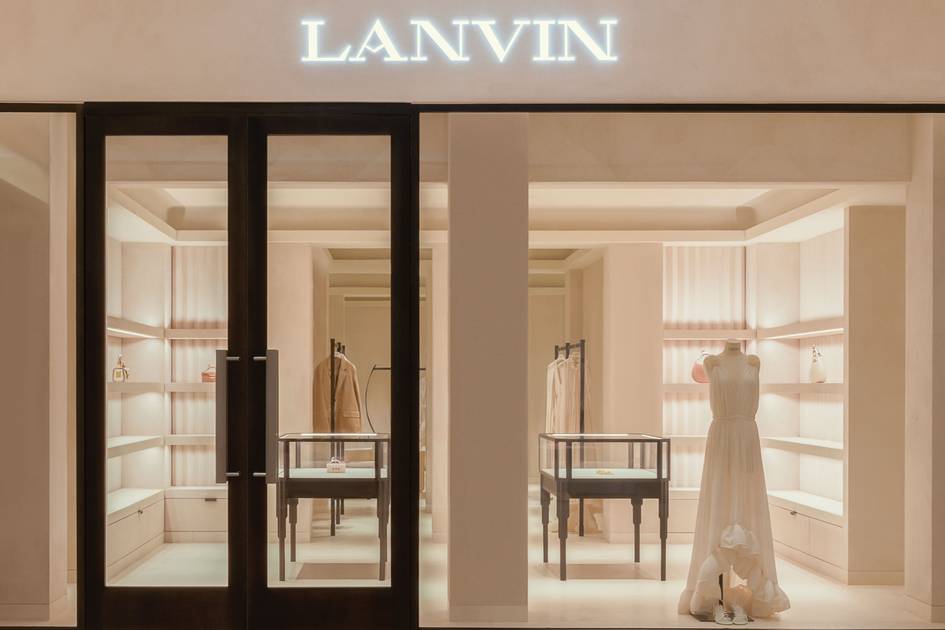
Why it matters: For luxury brand operators, this signals the tangible cost and timeline of portfolio restructuring, validating an asset-light shift as a defensive play in volatile markets.
Context: The report follows a pattern of Chinese-owned luxury conglomerates rationalizing acquired Western heritage brands, often through aggressive cost control and channel rebalancing.
"Chinese luxury fashion firm Lanvin Group announced its financial results for the full-year 2025 (FY2025) on April 30, 2026, reporting revenue of 240 million euros. This represents an 18% decrease compared to." — FASHIONUNITED.IN
Commentary: The results map the specific operational trade-offs of a ‘transformation year’: flagship revenue cratered during repositioning, while stable performers like St. John benefited from wholesale and e-commerce growth. The carve-out of Caruso and shift to asset-light models at Sergio Rossi indicate a portfolio strategy moving decisively away from capital-intensive, slow-turnover categories. For creative directors and brand CEOs, the timeline is clear—expect a multi-year revenue valley during such overhauls, with margin preservation as the immediate benchmark for success.
Date: April 30, 2026 12:00 AM ET
URL: https://fashionunited.in/news/business/lanvin-group-reports-18-percent-revenue-decline-for-full-year-2025/2026043054267
AI Sentiment Score: Negative (50%)
AI Credibility Score: 10.0/10 — High
Scores and text generated by AI analysis of the source article indicated.
Lanvin Group reports 18 percent revenue decline for full-year … (Fashionunited.Uk)
Summary: Lanvin Group’s FY2025 revenue fell 18% to €240M, citing a challenging luxury market and its own transformation initiatives. The decline was uneven across its portfolio: flagship Lanvin dropped 30%, Wolford fell 14%, and Sergio Rossi fell 30%, while St. John declined only 1%. The group’s operational response centered on portfolio optimization, selective store closures, and a carve-out of Caruso, yielding a slight improvement in adjusted EBITDA to -€90M. Sequential improvement in H2 was attributed to operational adjustments and new creative leadership.
Why it matters: For practitioners managing multi-brand portfolios, this illustrates the concrete trade-offs and protracted timeline of a ‘transformation’—store closures, brand carve-outs, and executive churn—against a backdrop of persistent market softness.
Context: The report follows a pattern of European luxury conglomerates rationalizing underperforming assets and doubling down on D2C channels while navigating macroeconomic pressure.
"Chinese luxury fashion firm Lanvin Group announced its financial results for the full-year 2025 (FY2025) on April 30, 2026, reporting revenue of 240 million euros. This represents an 18% decrease compared to." — FASHIONUNITED.UK
Commentary: The 30% decline at Lanvin, despite a stable 58% gross margin, reveals the acute cost of repositioning: revenue sacrifice precedes brand equity repair. The group’s strategy now hinges on whether new creative and executive hires can accelerate the H2 momentum into 2026, or if this is merely stabilization before further consolidation. The asset-light shift for Sergio Rossi and wholesale growth for St. John signal a pragmatic, capital-conscious playbook replacing uniform brand support.
Date: April 30, 2026 12:00 AM ET
URL: https://fashionunited.uk/news/business/lanvin-group-reports-18-percent-revenue-decline-for-full-year-2025/2026043087773
AI Sentiment Score: Negative (62%)
AI Credibility Score: 10.0/10 — High
Scores and text generated by AI analysis of the source article indicated.
Les Deux: 14 years of uninterrupted growth despite a strained … (Fashionunited.Uk)
Summary: Les Deux reports its fourteenth consecutive year of growth, with a 13% turnover increase in 2025 and a pre-tax profit of €8.68 million. This performance is attributed to a deliberate shift away from external agents and distributors, internalizing operations in key markets like Benelux, Switzerland, and Greece. The brand is expanding its physical footprint, opening over 250 new wholesale accounts globally, showrooms in London and Amsterdam, and a flagship in Paris. For 2026, it plans to nearly double its US presence at Nordstrom and add 15 new locations in France.
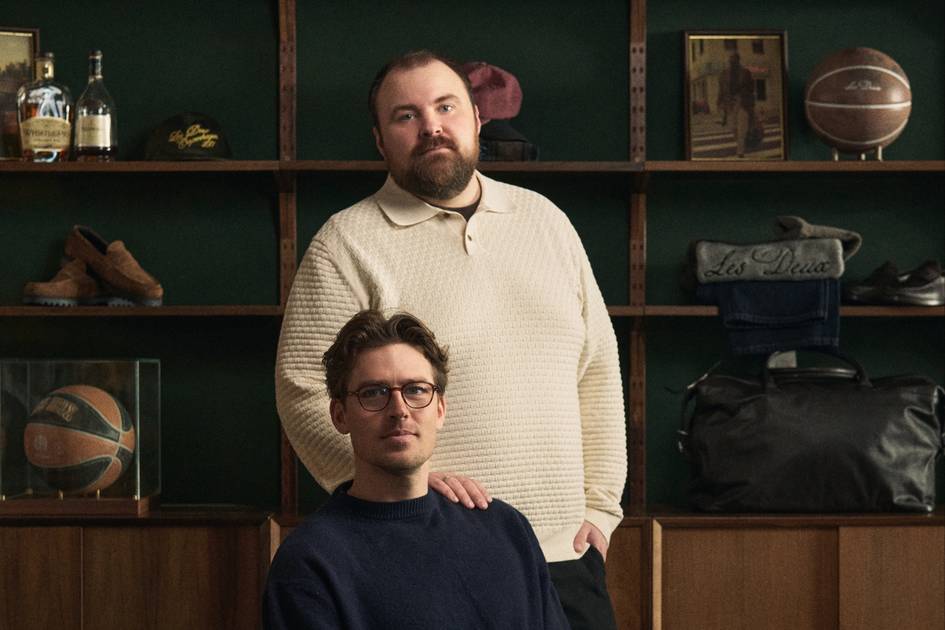
Why it matters: It demonstrates a viable counter-strategy to wholesale market strain: replacing external partners with in-house market management to protect margins and control brand execution.
Context: The global wholesale market is under significant pressure, making sustained growth rare. Many brands are retreating from wholesale or struggling with margin compression.
"Danish brand Les Deux has confirmed its resilience and agility. In 2025, the Copenhagen-based label recorded a 13 percent increase in turnover, marking its fourteenth consecutive year of growth amid a challenging." — FASHIONUNITED.UK
Commentary: Les Deux’s operational pivot—internalizing market management—is a direct labor and cost-structure decision that trades agent commissions for fixed overhead to gain control. This creates a scalable template for mid-sized brands aiming for premium positioning: growth is now tied to building internal regional teams, not just adding distributors. The planned US and French expansions will test whether this model can maintain discipline at a higher volume without diluting the brand’s premium appeal to retailers like Galeries Lafayette.
Date: April 24, 2026 12:00 AM ET
URL: https://fashionunited.uk/news/business/les-deux-14-years-of-uninterrupted-growth-despite-a-strained-wholesale-market/2026042487658
AI Sentiment Score: Positive (45%)
AI Credibility Score: 10.0/10 — High
Scores and text generated by AI analysis of the source article indicated.
Luxury Briefing: With Versace sold, Capri is betting on new consumer demand for accessible luxury (Glossy.Co)
Summary: Following its sale of Versace, Capri Holdings is now a two-brand portfolio focused on Michael Kors and Jimmy Choo, betting on accessible luxury as high-end price increases create a market opening. The company is pursuing a disciplined turnaround: Michael Kors is cutting promotions and off-price sales to improve quality, while Jimmy Choo is expanding into lower-priced handbags, though at the cost of near-term margins. The strategy hinges on executive hires and operational tightening to convert this positioning into sustainable profit.
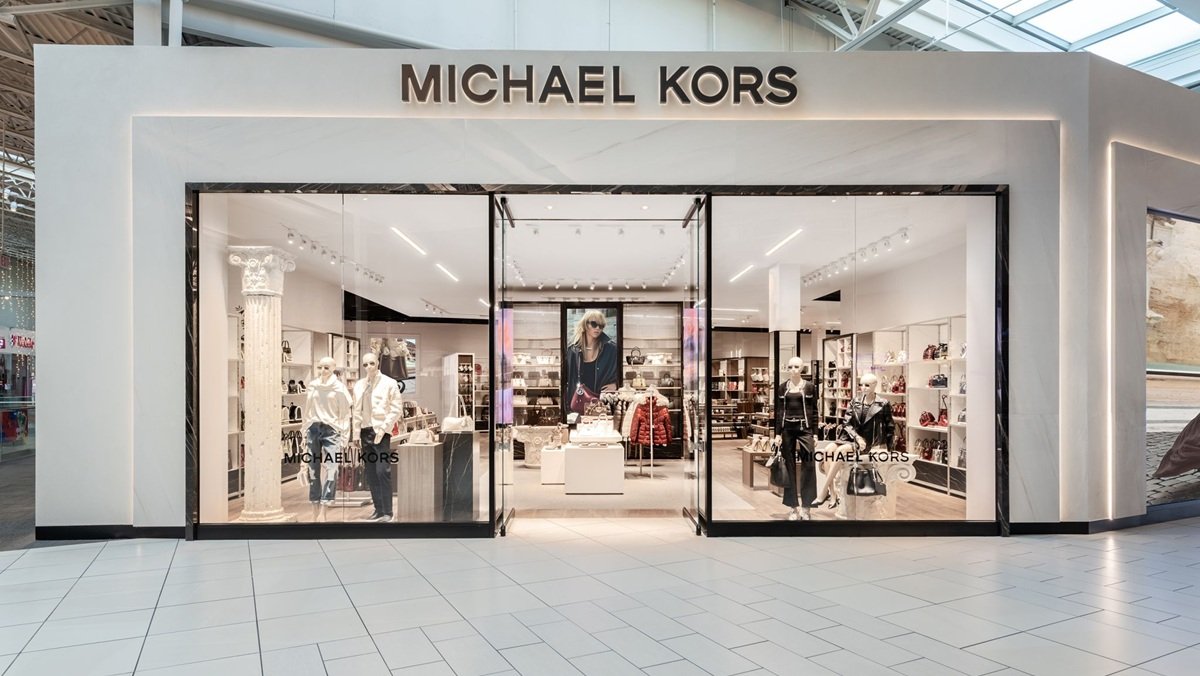
Why it matters: For brands and operators, this defines a concrete playbook for competing in the squeezed middle of the luxury market, where pricing discipline and product architecture are now primary levers.
Context: Luxury prices have risen 61% on average since 2019, widening the gap between ultra-luxury and accessible brands and pressuring middle-class spending.
"In this week’s Luxury Briefing, I check in with analysts Luca Solca and Simeon Siegel on the state of Capri as it looks to grow Michael Kors and Jimmy Choo with new." — GLOSSY.CO
Commentary: Capri’s post-Versace strategy is a forced-march exercise in brand triage, trading revenue for margin and market position. The operational consequence is a shift from wholesale-driven volume to retail-led control, evident in the cuts to promotions and third-party sales. For Michael Kors, the test is whether reduced discounting can sustain demand; for Jimmy Choo, it’s whether a lower-priced bag expansion can be profitable. Both paths require tighter cost management and sharper marketing—core operating changes now led by new executives from Google and Dunhill.
Date: Fri, 29 May 2026 04:04:00 +0000
URL: https://www.glossy.co/fashion/luxury/luxury-briefing-with-versace-sold-capri-is-betting-on-new-consumer-demand-for-accessible-luxury/
AI Sentiment Score: Negative (66%)
AI Credibility Score: 10.0/10 — High
Scores and text generated by AI analysis of the source article indicated.
Lyst Index 2026: Chanel Becomes the Most Desirable Fashion Brand – Luxury Tribune (Luxurytribune)
Summary: The Lyst Index for Q1 2026 places Chanel as the most desirable brand, driven by Matthieu Blazy’s debut and specific hit products. Gucci re-enters the top five following Demna’s controversial appointment, while Dior, Céline, and Fendi also gain ground. The report highlights pop culture moments and AI-driven discovery as key demand drivers, with luxury’s dominance coexisting with a surge in affordable items like a Trader Joe’s tote bag.
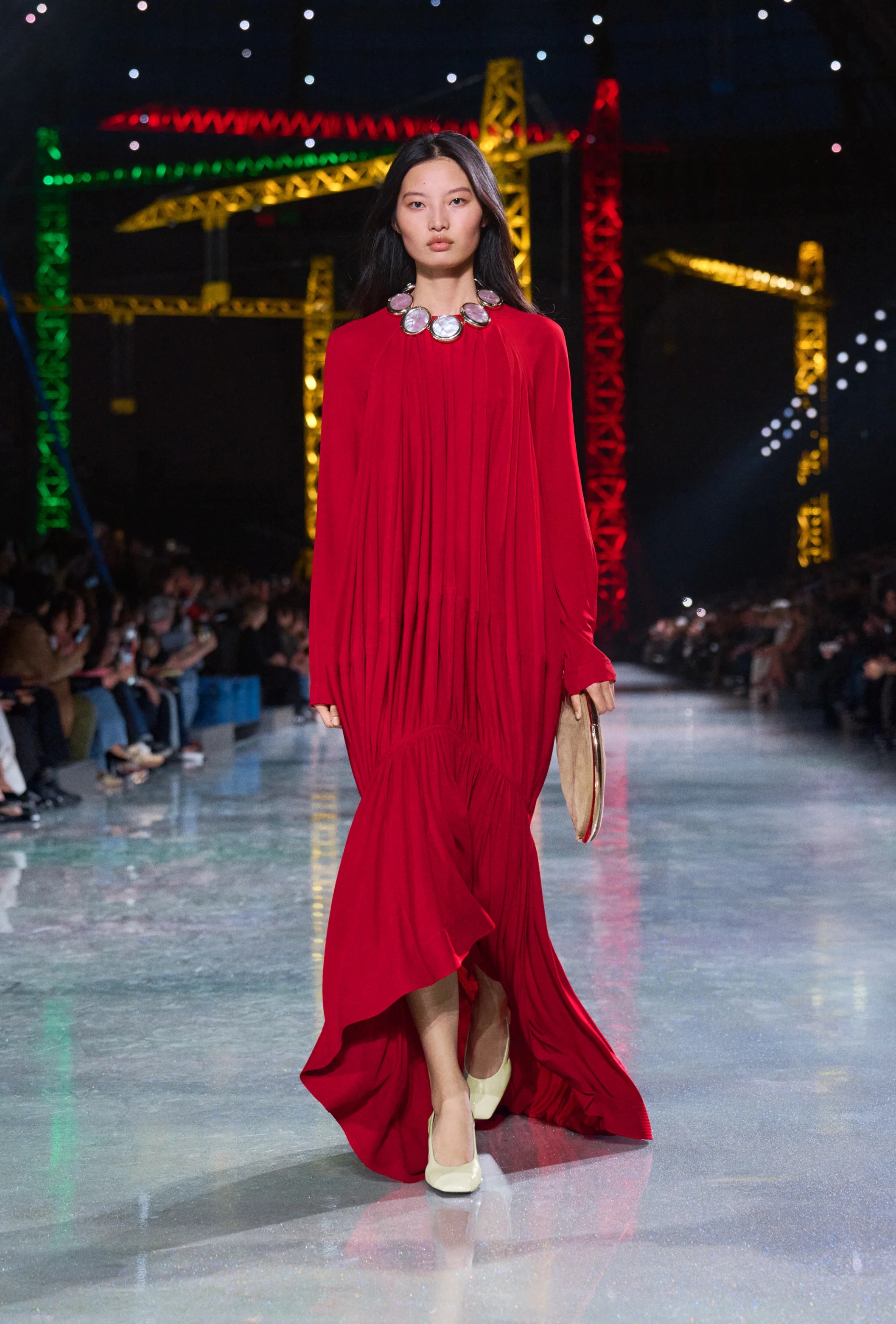
Why it matters: The index signals where consumer attention and capital are flowing, directly impacting brand investment, creative director tenures, and marketing strategy.
Context: The Lyst Index is a quarterly bellwether of consumer demand, tracking search, sales, and social data across 160 million shoppers.
"This coexistence reflects a shift in how consumers assign cultural value to fashion, now prioritizing a product’s narrative and community aspect over brand positioning or price." — LUXURYTRIBUNE
Commentary: The ranking validates creative director appointments as immediate financial levers, with Chanel’s Blazy and Gucci’s Demna driving measurable demand spikes. The co-presence of luxury icons and a $2.99 tote bag indicates brand equity is now fungible; narrative traction, often seeded via celebrity or AI-powered mood boards, can override traditional price-tier positioning. For operators, this means marketing budgets must increasingly fund narrative moments and AI-search optimization, not just brand campaigns.
Date: April 29, 2026 12:00 AM ET
URL: https://www.luxurytribune.com/en/lyst-index-2026-chanel-becomes-the-most-desirable-fashion-brand
AI Sentiment Score: Neutral (50%)
AI Credibility Score: 9.1/10 — High
Scores and text generated by AI analysis of the source article indicated.
Luxury brands are under pressure as the post-pandemic boom fades (Cnaluxury.Channelnewsasia)
Summary: The post-pandemic luxury boom has definitively ended, pressuring major groups like Kering, LVMH, and Hermès. Slowing Chinese demand, war-related disruption, and consumer resistance to excessive price hikes have converged, forcing a sector-wide rethink of growth strategies. The immediate challenge is creative renewal and correcting overexpansion, as evidenced by Kering’s two-thirds profit slide and a recent sell-off in luxury stocks.
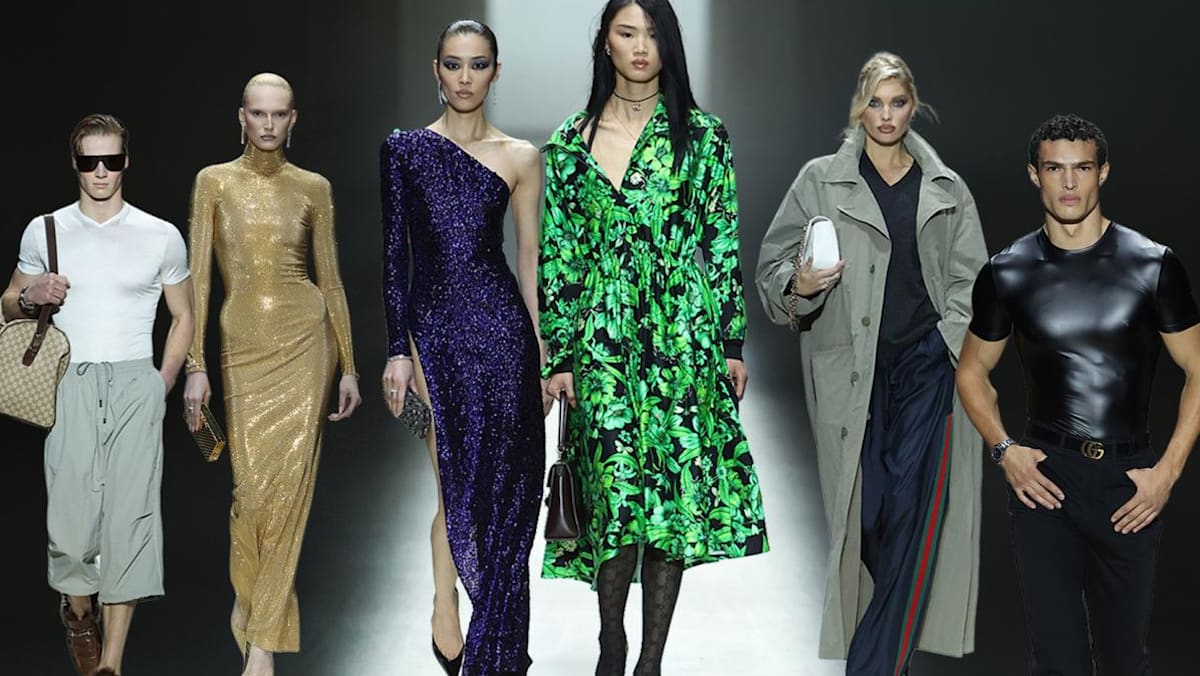
Why it matters: For industry practitioners, this signals a shift from demand-led, price-inflation-driven growth to a supply-constrained, creativity-focused operating model, altering brand economics and strategic planning.
Context: This follows years where luxury brands leveraged booming Chinese demand to aggressively raise prices and expand categories, a strategy now hitting diminishing returns amid broader macroeconomic and geopolitical headwinds.
"# Luxury brands are under pressure as the post-pandemic boom fades From slowing Chinese demand to war-related disruption and rising resistance to high prices, the luxury industry is being forced to rethink." — CNALUXURY.CHANNELNEWSASIA
Commentary: The correction mandates a hard pivot in operational discipline: creative directors must deliver tangible ‘good stuff’ to justify price points, while CFOs and strategy teams must execute geographic and category retrenchment. The reported success of hyper-localized pop-ups, like Ferri Firenze in Qatar, suggests survival will depend on precision targeting over blanket expansion, reshaping wholesale, retail, and marketing pipelines.
Date: April 21, 2026 12:00 AM ET
URL: https://cnaluxury.channelnewsasia.com/obsessions/luxury-brands-under-pressure-293281
AI Sentiment Score: Positive (66%)
AI Credibility Score: 9.8/10 — High
Scores and text generated by AI analysis of the source article indicated.
The celebration problem, and why luxury keeps declaring victory too … (Luxurydaily)
Summary: Luxury brand analysis consistently frames short-term results as structural turnarounds, obscuring underlying weakness. LVMH’s 2025 narrative of stabilization in H2 gave way to a Q1 2026 print showing Fashion & Leather Goods in its seventh consecutive quarter of organic decline, despite positive optics from calendar shifts and one-off campaigns. The core profit engine is contracting, while reported regional growth often masks low-base effects and non-recurring events.
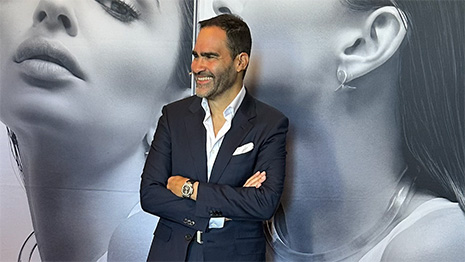
Why it matters: For brand strategists and investors, this highlights the operational risk of mistaking marketing momentum for durable demand, leading to misallocated resources and strategic drift.
Context: Luxury reporting has evolved a pattern of celebrating quarterly noise as inflection points, a practice that distorts performance assessment and delays necessary strategic corrections.
"In almost every brand analysis my firm Équité conducts, the same pattern surfaces: A recent quarter is presented as an inflection point by the brand. A significant launch or a creative director’s." — LUXURYDAILY
Commentary: The industry’s reliance on ‘pull-forward’ events and calendar shifts to dress earnings reports indicates a systemic failure to address a more discerning clientele. For operators, this necessitates a shift from launch-centric planning to metrics that track repeat purchase rates and cohort retention, moving beyond sell-in to actual sell-through. Analysts must pressure-test corporate narratives against multi-quarter trends, not single-period comps.
Date: April 22, 2026 12:00 AM ET
URL: https://www.luxurydaily.com/luxury-unfiltered-the-celebration-problem-and-why-luxury-keeps-declaring-victory-too-early/
AI Sentiment Score: Negative (85%)
AI Credibility Score: 10.0/10 — High
Scores and text generated by AI analysis of the source article indicated.
On Everything #137: Luxury Mauls: 2026 Q1 Earnings Special (Stylezeitgeist.Substack)
Summary: LVMH’s Q1 2026 earnings reveal a sector-wide slowdown, with revenue down €1.2 billion year-on-year. The aspirational consumer is retreating to lower-priced categories like perfume, while the wealthy shift spending toward jewelry and experiences. The company’s leather goods and fashion division fell 9%, though it remains insulated by scale.
Why it matters: For industry practitioners, this signals a tightening of the core luxury goods market, forcing a re-evaluation of product mix, pricing, and geographic focus.
Context: The luxury sector has been navigating a post-pandemic normalization, with brands relying on price increases to mask volume declines. A strong euro and geopolitical tensions are now applying acute pressure.
"Most analysts speak in percentages, but sometimes numbers perhaps tell a more impactful story, and the overall revenue clocked in at 19.1 billion EUR, almost 1.2 billion less than last year." — STYLEZEITGEIST.SUBSTACK
Commentary: The €1.2 billion revenue drop is a concrete operational shock that will cascade through LVMH’s supply chain, affecting order volumes for tanneries, fabric mills, and manufacturing partners. The shift toward ‘boring luxury’ and experiences suggests brands must recalibrate their product development pipelines away from high-frequency fashion drops toward fewer, more resilient categories. The refusal to break out brand performance obscures which houses are truly vulnerable, complicating resource allocation and talent strategy within the group.
Date: April 20, 2026 12:00 AM ET
URL: https://stylezeitgeist.substack.com/p/on-everything-137-luxury-mauls-2026
AI Sentiment Score: Negative (62%)
AI Credibility Score: 10.0/10 — High
Scores and text generated by AI analysis of the source article indicated.
Bernard Arnault: The Man Behind the LVMH Empire – Worthbury (Worthbury)
Summary: Bernard Arnault’s four-decade tenure at LVMH established the modern luxury conglomerate model: acquiring heritage brands, decentralizing creative direction while centralizing financial and operational control, and fostering internal competition. This framework, now emulated by Kering and Richemont, transformed luxury from a niche, artisanal sector into a globally scalable, high-margin industry. The article positions Arnault’s significance not merely in wealth accumulation but in proving luxury’s industrial potential.
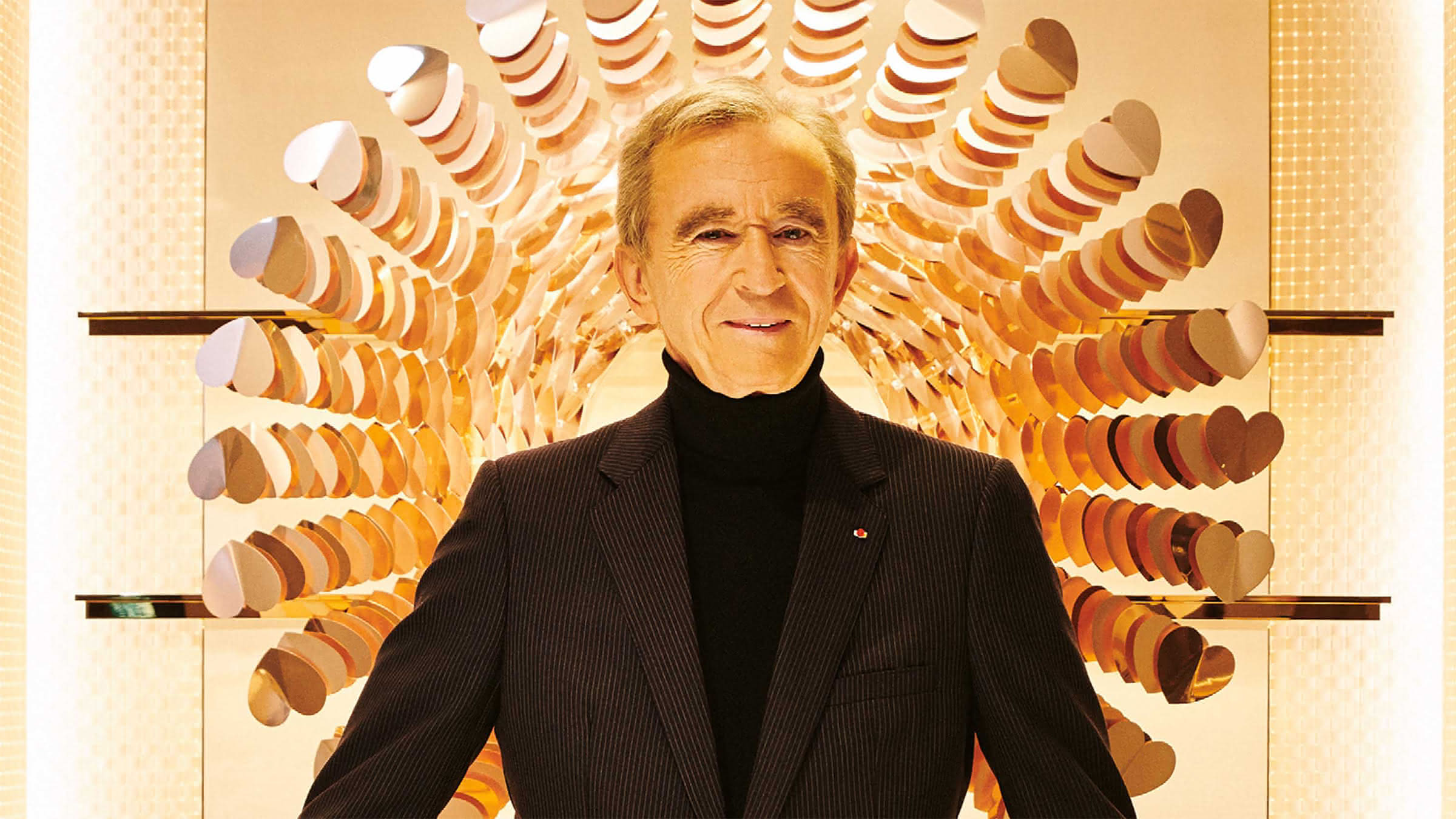
Why it matters: For industry practitioners, the LVMH model defines the operating environment—dictating acquisition targets, creative director tenures, and the financial discipline required for brand survival within a portfolio.
Context: The luxury sector’s consolidation over the past 30 years has been a direct response to LVMH’s success, forcing independent houses to either scale, sell, or niche down.
"In 1984, a 35-year-old French engineer bought a bankrupt textile company for a symbolic one franc. Four decades later, that company’s descendant — LVMH — is worth over €300 billion. … After." — WORTHBURY
Commentary: The LVMH operating model creates a specific labor market: creative directors must now be viable as both artists and P&L managers. For vendors and suppliers, centralised procurement increases scale but reduces direct brand relationships. The internal competition for capital means brand teams must constantly justify investment against sister maisons, prioritizing commercial metrics over pure brand building. This framework makes luxury predictable for investors but raises the attrition rate for creative leadership.
Date: April 29, 2026 12:00 AM ET
URL: https://worthbury.com/report/bernard-arnault-luxury-empire/
AI Sentiment Score: Neutral (33%)
AI Credibility Score: 7.0/10 — Medium
Scores and text generated by AI analysis of the source article indicated.
Issey Miyake Opens Largest China Store in Shanghai (Wwd)
Summary: Issey Miyake has opened its largest store in China, a 4,100-square-foot flagship in Shanghai’s new Westbund Central development. The space, designed by longtime collaborator Tokujin Yoshioka, consolidates six of the brand’s lines under one roof for the first time in the market, including the debut of its eyewear collection. The store’s location within a major new mixed-use project positions it at the nexus of Shanghai’s luxury retail and AI-focused financial hub. The brand’s expansion is managed by its local partner, Ningbo Hengcheng Everbeauty Commerce Co., Ltd., which has grown the network to 22 stores across China since 2012.

Why it matters: For fashion practitioners, this move signals a strategic deepening in a key luxury market, highlighting the operational shift towards consolidated brand presentation and experiential retail as a counter to digital fragmentation.
Context: The opening occurs amid a broader luxury retail recalibration in China, where brands are prioritizing flagship experiences in mixed-use developments over pure mall expansion, often leveraging local partners for scaled execution.
"Issey Miyake has opened its largest retail project at Westbund Central, the newly inaugurated mixed-use luxury development in Shanghai. Nestled between the Chinese multibrand retailer SND and the South Korean fashion brand." — WWD
Commentary: The consolidation of six lines into a single flagship represents a deliberate move to simplify brand navigation for the consumer while maximizing real estate efficiency for the operator. Locating within the Westbund AI hub project, rather than a traditional luxury district, is a calculated bet on Shanghai’s future commercial geography, tying the brand to a narrative of innovation. For the local partner, Everbeauty, this flagship serves as a central showroom and inventory hub, likely altering logistics and wholesale strategies for the region’s other 21 stores. The emphasis on Yoshioka’s experiential design, rather than mere square footage, underscores that in China’s crowded luxury landscape, architectural distinction is now a core customer acquisition cost.
Date: Mon, 18 May 2026 13:44:41 +0000
URL: https://wwd.com/business-news/retail/issey-miyake-shanghai-flagship-westbund-1238961375/
AI Sentiment Score: Neutral (33%)
AI Credibility Score: 10.0/10 — High
Scores and text generated by AI analysis of the source article indicated.
Post ID: 0bcc204f