
FashionTech
DPP readiness: When and how brands and suppliers can get started (Fashionunited)
Summary: DPP readiness: When and how brands and suppliers can get started The Digital Product Passport (DPP), part of the EU’s Ecodesign for Sustainable Products Regulation (ESPR), will create a standardised system for sharing comprehensive product data, from information about durability and recyclability to recycled content and environmental footprint. “It is emerging as one of the most transformative regulatory and business shifts the fashion industry has faced in decades,” agree global trend forecaster Future Snoops (formerly Fashion Snoops) and enterprise SaaS (Software as a Service) platform GreenStitch in their joint report “Digital Product Passports: Designing for Future Regulation, Now.” “While many organisations still see DPPs primarily as a compliance or IT initiative, the reality is far broader: DPPs will fundamentally reshape how products are designed, sourced, manufactured, marketed, sold, repaired, resold and valued across their entire lifecycle,” they emphasise. The clock until implementation is ticking Given that textile products placed on the EU market will require standardised digital product records linked to physical products only from mid to end 2029, many brands are under the impression that they still have time.

Why it matters: This matters for FashionTech because it gives a concrete current signal to track: DPP readiness: When and how brands and suppliers can get started The Digital Product Passport (DPP), part of the EU’s Ecodesign for Sustainable Products Regulation (ESPR), will create a standardised system for sharing comprehensive product data, from information about durability and recyclability to recycled content and environmental footprint.
Context: DPP readiness: When and how brands and suppliers can get started The Digital Product Passport (DPP), part of the EU’s Ecodesign for Sustainable Products Regulation (ESPR), will create a standardised system for sharing comprehensive product data, from information about durability and recyclability to recycled content and environmental footprint. “It is emerging as one of the most transformative regulatory and business shifts the fashion industry has faced in decades,” agree global trend forecaster Future Snoops (formerly Fashion Snoops) and enterprise SaaS (Software as a Service) platform GreenStitch in their joint report “Digital Product Passports: Designing for Future Regulation, Now.” “While many organisations still see DPPs primarily as a compliance or IT initiative, the reality is far broader: DPPs will fundamentally reshape how products are designed, sourced, manufactured, marketed, sold, repaired, resold and valued across their entire lifecycle,” they emphasise. The clock until implementation is ticking Given that textile products placed on the EU market will require standardised digital product records linked to physical products only from mid to end 2029, many brands are under the impression that they still have time.
"DPP readiness: When and how brands and suppliers can get started The Digital Product Passport (DPP), part of the EU’s Ecodesign for Sustainable Products Regulation (ESPR), will create a standardised system for." — FASHIONUNITED
Commentary: The immediate implication is operational rather than speculative: watch how this changes budgets, workflows, or risk assumptions over the next cycle.
Date: June 18, 2026 12:00 AM ET
URL: https://fashionunited.com/news/business/dpp-readiness-when-and-how-brands-and-suppliers-can-get-started/2026061872936
AI Sentiment Score: Negative (75%)
AI Credibility Score: 10.0/10 — High
Scores and text generated by AI analysis of the source article indicated.
Understanding the Digital Product Passport (DPP) – Trayak (Trayak)
Summary: The EU Digital Product Passport (DPP) registry goes live on July 19, 2026, with mandatory implementation for batteries starting February 18, 2027, and apparel textiles following in 2028. The DPP is a federated, machine-readable dataset accessible via QR code, RFID, or NFC, designed for market surveillance, recyclers, and authorized supply-chain operators rather than consumers. It mandates structured, audit-grade data on material composition, substances of concern, recycled content, embodied carbon, durability, and end-of-life instructions, with per-product field counts estimated between 70 and 200. Companies must build a single, audit-compliant sustainability analytics layer to feed DPP, PPWR, CBAM, and CSRD from one dataset, or risk data divergence and compliance failures.
Why it matters: For fashion and textile brands, the DPP transforms sustainability claims from marketing into auditable, machine-readable data that must be maintained for the product’s commercial life plus ten years, forcing fundamental changes in product design, supplier engagement, and data infrastructure decisions made in 2026.
Context: The DPP is part of a broader EU regulatory push (ESPR, PPWR, CBAM, CSRD) that treats product data as a single, reusable spine rather than separate reporting silos, with delegated acts for textiles expected in late 2026 or Q2 2027.
"The DPP is not a consumer-facing object. The consumer view is the thinnest tier of a much deeper data structure designed for market surveillance, recyclers, repairers, and authorised supply-chain operators." — TRAYAK
Commentary: The tiered access model means a single QR code delivers different data to consumers, recyclers, and regulators, which shifts the compliance burden from one-off reporting to continuous data management. Brands that delay building a unified product dataset risk running parallel, diverging projects for each regulation, increasing cost and audit exposure. The 2026 design and supplier-engagement decisions will lock in the DPP cost base for a decade, making early investment in chain-of-custody evidence and cradle-to-grave LCAs a strategic necessity rather than a compliance checkbox.
Date: June 17, 2026 02:21 PM ET
URL: https://trayak.com/understanding-the-digital-product-passport-dpp
AI Sentiment Score: Negative (80%)
AI Credibility Score: 7.0/10 — Medium
Scores and text generated by AI analysis of the source article indicated.
Digital Product Passport: 5 Steps for Companies in the EU (Handelskraft)
Summary: The EU’s Digital Product Passport (DPP) is moving from a distant compliance concept to a phased regulatory reality, with battery passports mandatory from February 2027 and textiles, footwear, and other categories following under delegated acts with 18-month implementation windows. The regulation applies not only to EU-based manufacturers but also to non-EU brands, importers, distributors, and private-label retailers selling physical products into the European market. Early preparation—starting with data audits, gap analysis, ownership definition, system readiness checks, and pilot projects—can turn the DPP from a compliance burden into a strategic advantage by improving product data quality, supplier transparency, and supply chain visibility. The article outlines five concrete steps for companies to build scalable product data management that supports both regulatory requirements and future circular business models like repair, refurbishment, and resale.

Why it matters: For fashion and consumer goods brands, the DPP will fundamentally change how product data is collected, structured, and shared across the value chain, requiring new workflows, supplier data agreements, and system integrations that must be operational before the 18-month implementation clock starts ticking.
Context: The DPP is a core element of the EU’s Ecodesign for Sustainable Products Regulation (ESPR), which aims to reduce resource consumption and increase product durability, repairability, and recyclability through mandatory transparency across the entire lifecycle.
"Digital Product Passport: Compliance Burden or Strategic Advantage? Posted on 17. June 202617. June 2026 | by Catharina Meyer The Digital Product Passport (DPP) offers a glimpse behind closed doors and ensures." — HANDELSKRAFT
Commentary: The 18-month implementation window is the critical operational constraint: brands that wait for final delegated acts will face a compressed timeline to audit data, negotiate supplier agreements, and integrate PIM systems. The article’s emphasis on starting with a pilot project for one product group is sound advice, but the real bottleneck will be supplier data readiness—brands need to start those conversations now, not after the regulation is published. The strategic upside—better supply chain visibility and circular business models—is real, but only for companies that treat data governance as a permanent capability rather than a one-time compliance project.
Date: June 17, 2026 03:05 AM ET
URL: https://handelskraft.com/digital-product-passport-strategic-advantage
AI Sentiment Score: Positive (50%)
AI Credibility Score: 7.0/10 — Medium
Scores and text generated by AI analysis of the source article indicated.
How a Noida-based apparel maker found its way into wardrobes worldwide (Economictimes.Indiatimes)
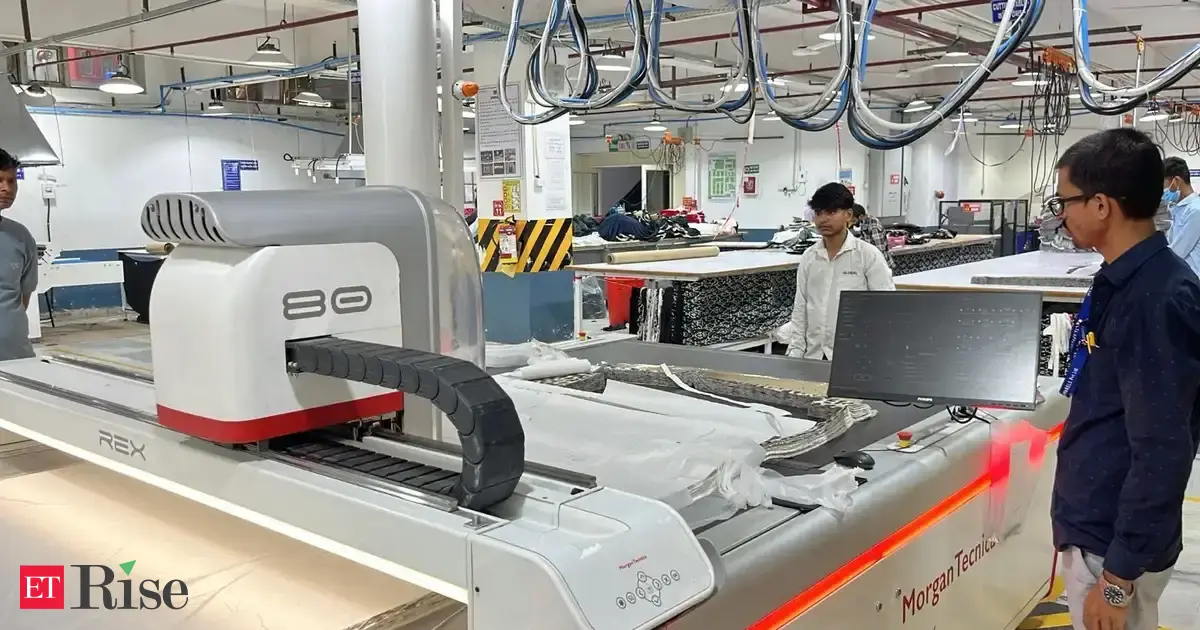
Summary: CTA Apparels, a Noida-based exporter, is transforming from a traditional manufacturing vendor into a systems-driven partner for global brands by integrating digital monitoring, automated cutting, and IoT-enabled production across its facilities. The company now controls nearly every stage of the value chain in-house, from fabric processing to finished garments, and has invested in a 125,000 sq. ft expansion with RFID tracking and advanced surface treatment. With 95-97% of exports going to the EU, CTA is betting on automation and sustainability to compete against Bangladesh and Vietnam, while deliberately avoiding the US market due to tariff uncertainty. Revenue grew from Rs 335 crore in FY24 to Rs 447 crore in FY26, with a target of Rs 550 crore next year.
Why it matters: For fashion brands and sourcing teams, CTA’s model demonstrates how vertical integration and real-time digital oversight can compress lead times and improve traceability, directly addressing buyer demands for faster turnaround and compliance without relying on low-cost labor.
Context: India’s textile exports grew only 2.1% in FY26, with ready-made garments up 2.9%, as rising labor costs and competition from Bangladesh and Vietnam pressure traditional export clusters.
"Listen to this article in summarized format On a recent visit, what stood was not just the movement of fabric and finished garments but the way the entire operation is managed through." — ECONOMICTIMES.INDIATIMES
Commentary: CTA’s deliberate US market exit signals a pragmatic recalibration of supply chain risk, but it also narrows the addressable market for Indian exporters. The shift to productivity-led manufacturing via automated cutting and digital monitoring is a direct response to structural cost disadvantages, but scaling this model requires sustained capital investment that may strain margins for smaller players. For brands, CTA’s approach offers a template for reducing supplier risk through integrated, data-visible production, though the reliance on EU demand creates its own concentration vulnerability.
Date: June 16, 2026 08:00 PM ET
URL: https://economictimes.indiatimes.com/small-biz/sme-sector/how-a-noida-based-apparel-maker-found-its-way-into-wardrobes-worldwide/articleshow/131787539.cms
AI Sentiment Score: Negative (80%)
AI Credibility Score: 10.0/10 — High
Scores and text generated by AI analysis of the source article indicated.
How to do it: Brands talk about DPP implementation (Fashionunited.Uk)
Summary: Six fashion brands—Dedicated, King Louie, KnowledgeCotton Apparel, Löffler, Pangaia, and Tom Tailor—detail their implementation of Digital Product Passports (DPPs) ahead of the EU’s 2027 mandate. The common pattern: moving from fragmented Excel and email-based data management to centralized platforms like Retraced, enabling automated certification tracking, multi-tier supply chain mapping, and consumer-facing QR codes. Key operational shifts include onboarding suppliers through video calls, assigning QR codes at the finished-garment stage, and linking DPPs to environmental footprint data. The interviews reveal that the real bottleneck is not technology but building trust with Tier 2 and 3 suppliers to share data, and that early movers are using DPPs for circular business models beyond compliance.

Why it matters: For fashion brands and retailers, DPP implementation is shifting from a compliance checkbox to a core operational workflow that affects supplier onboarding, data management, certification auditing, and customer engagement—with direct consequences for time-to-market and greenwashing risk.
Context: The EU’s Ecodesign for Sustainable Products Regulation (ESPR) will mandate DPPs for textiles from 2027, applying to all goods sold in the EU regardless of manufacturer location. Most brands currently lack structured data beyond Tier 1 suppliers.
"How to do it: Brands talk about DPP implementation The digital product passport (DPP) is currently being rolled out under the EU’s Ecodesign for Sustainable Products Regulation (ESPR). From 2027, it will." — FASHIONUNITED.UK
Commentary: The operational takeaway is that DPP success depends on supplier-side trust and data standardization, not just brand-side software. Brands that invest in onboarding Tier 2 and 3 suppliers early—using personal calls and Mandarin-speaking support—are closing the data gap faster. The Retraced CEO’s point about automated transaction certificate matching saving 90% of manual audit work signals a direct cost reduction for compliance teams. Expect DPP platforms to become the new ERP layer for fashion, with implications for who controls supply chain data and how resale/repair loops are authenticated.
Date: June 14, 2026 08:00 PM ET
URL: https://fashionunited.uk/news/business/how-to-do-it-brands-talk-about-dpp-implementation/2026061588605
AI Sentiment Score: Negative (50%)
AI Credibility Score: 10.0/10 — High
Scores and text generated by AI analysis of the source article indicated.
Regulation (EU) 2024/1781: Introduction of the Digital Product Passport (Chemsafe-Consulting)
Summary: The EU’s Digital Product Passport (DPP), introduced under Regulation (EU) 2024/1781, is now mandatory for detergents and surfactants before market placement. This digital record, accessed via a QR code on packaging, requires manufacturers to create and upload product data to a central EU registry, with importers and distributors verifying its presence. The DPP aims to enhance product sustainability, circularity, and regulatory compliance across the supply chain. For fashion and textile sectors, this signals an impending operational shift toward digital traceability and compliance verification at scale.

Why it matters: For fashion brands and supply chain operators, the DPP mandates a new layer of data management and physical labeling that will alter product launch workflows, compliance checks, and border clearance procedures, requiring investment in digital infrastructure and cross-actor coordination.
Context: The DPP is part of the EU’s Ecodesign for Sustainable Products Regulation (ESPR), which is expanding to cover textiles and other product categories. This mirrors earlier digital traceability mandates like the EU’s battery passport, setting a precedent for sector-wide adoption.
"The Digital Product Passport (DPP) has been introduced for the first time in Regulation (EU) 2024/1781, known as ESPR, which establishes a framework for setting ecodesign requirements for sustainable products. The DPP." — CHEMSAFE-CONSULTING
Commentary: The DPP shifts compliance from a static document to a live, interoperable data system, forcing brands to integrate product lifecycle data into their core operations. Expect increased costs for small manufacturers and a new layer of liability for data accuracy, while larger players may leverage this for supply chain transparency and circularity claims. The 10-year retention requirement will strain data management systems, particularly for fast-fashion cycles.
Date: June 17, 2026 04:25 AM ET
URL: https://chemsafe-consulting.com/blog/digital-product-passport-detergents-surfactants
AI Sentiment Score: Negative (66%)
AI Credibility Score: 7.0/10 — Medium
Scores and text generated by AI analysis of the source article indicated.
How Circ is applying a ‘proven playbook’ to recycling textiles (Businessgreen)
Summary: Circ CEO Peter Majeranowski discusses the company’s progress toward building the world’s first commercial-scale polycotton recycling plant, emphasizing the ‘unglamorous work’ of scaling hard technologies. The plant aims to address the 10% of global carbon emissions attributed to textiles by breaking down blended fabrics that are currently unrecyclable. This represents a shift from pilot-stage innovation to industrial deployment, with implications for supply chain infrastructure and waste management.

Why it matters: For fashion and textile professionals, this signals a potential change in feedstock availability and cost structure for recycled materials, which could alter sourcing strategies and reduce reliance on virgin polyester and cotton blends.
Context: Polycotton blends dominate fast fashion and workwear but are notoriously difficult to recycle due to the inseparable mix of natural and synthetic fibers. Most current recycling technologies handle only pure materials.
"Peter Majeranowski, CEO of Circ, reflects on the ‘unglamorous work’ that determines whether hard technologies actually succeed and that task of building a ‘world first’ commercial-scale polycotton recycling plant BusinessGreen Intelligence: How." — BUSINESSGREEN
Commentary: The focus on ‘unglamorous work’ is a useful corrective to the hype around breakthrough announcements. The real operational challenge is not the chemistry but the engineering of continuous, cost-effective processing at scale. Brands and manufacturers should watch for pilot results on throughput, energy consumption, and output quality—these will determine whether Circ’s plant becomes a viable feedstock source or remains a proof of concept.
Date: June 14, 2026 08:00 PM ET
URL: https://businessgreen.com/interview/4530343/circ-applying-proven-playbook-recycling-textiles
AI Sentiment Score: Positive (42%)
AI Credibility Score: 7.0/10 — Medium
Scores and text generated by AI analysis of the source article indicated.
Post ID: 08141e28