Supreme Court rulings on asylum, abortion, and corporate liability
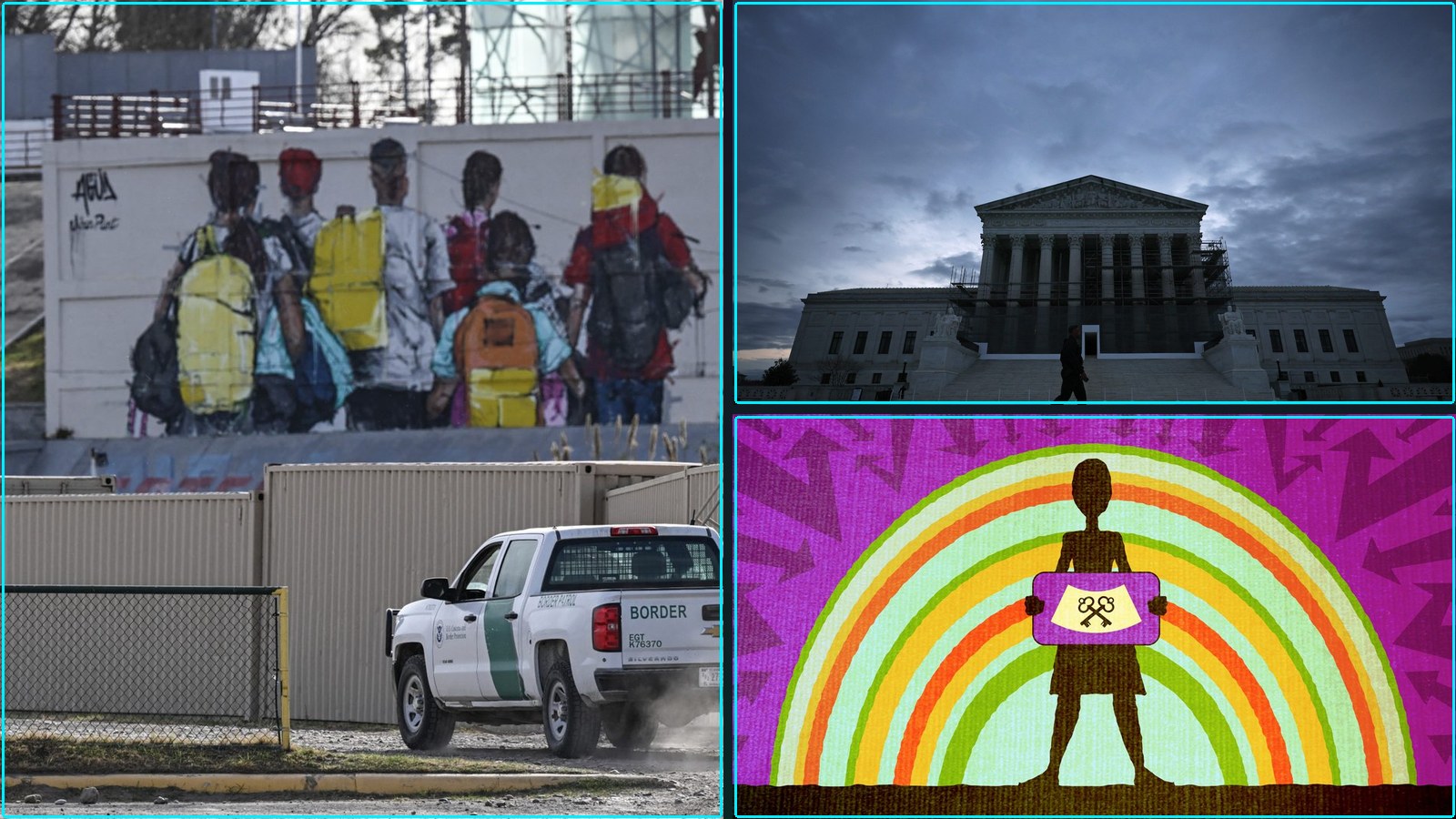
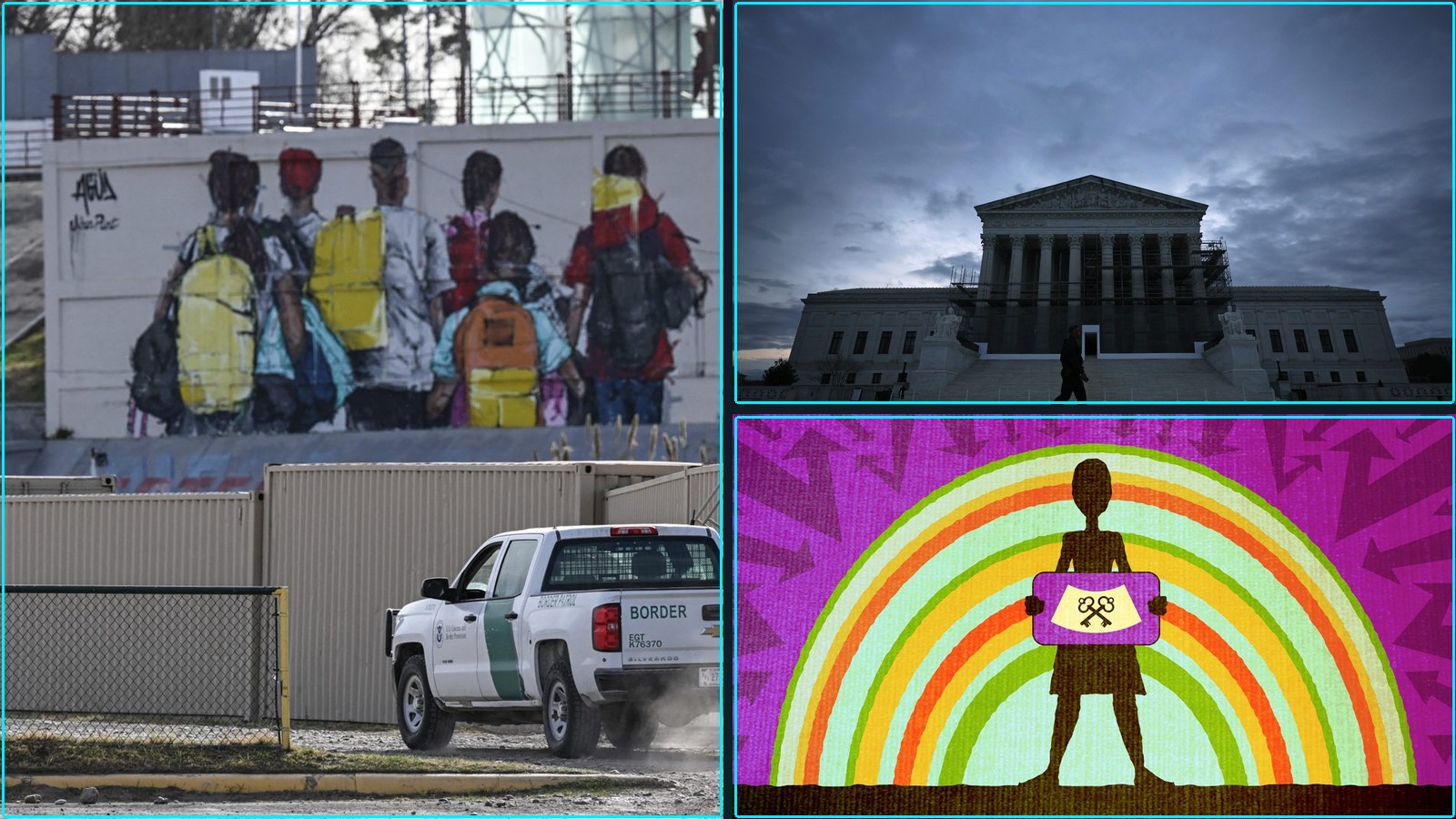
Abandoning Principles: Unpacking the Supreme Court’s Mullin v. Al Otro Lado Denying Asylum to Arriving Migrants (Justsecurity)
Summary: In Mullin v. Al Otro Lado, the Supreme Court ruled 6-3 that the Immigration and Nationality Act does not require Customs and Border Protection to process asylum claims from individuals physically prevented from entering at ports of entry. The majority, in an opinion by Justice Alito, held that the statutory phrase ‘arrives in’ the United States applies only after physical entry, effectively endorsing the ‘metering’ policy that blocks access to the asylum system. The dissent, led by Justice Sotomayor, argued this reading renders statutory language superfluous and abandons the Refugee Act’s core protection for those ‘at the border.’ The decision transfers significant operational discretion to the executive branch at the border, insulating a key mechanism for limiting asylum access from judicial review under the current statutory framework.

Why it matters: The ruling redefines the legal geography of asylum, allowing the executive to functionally deny the right to apply by controlling physical access at the border, with profound implications for border management strategy, humanitarian protection, and the balance of power between Congress and the presidency.
Context: This decision continues a judicial trend of deferring to executive authority on immigration enforcement while narrowing statutory protections, following precedents like Sale v. Haitian Centers Council. It resolves a circuit split and provides a durable legal shield for a policy tool—metering—that has been used by both Democratic and Republican administrations.
"The Court held they are not. Justice Sonia Sotomayor joined by Justices Elena Kagan and Kentanji Brown Jackson, filed a lengthy dissent, which was read, in part, from the bench as a sign of Justice Sotomayor’s strenuous objection." — JUSTSECURITY
Commentary: The Court’s formalistic textualism creates a legal fiction—that blocking entry is merely a ‘delay’—which CBP and DHS can now operationalize into a permanent barrier. By severing the act of ‘arriving’ from the act of presenting oneself at the border, the majority has not just interpreted a statute but redesigned the enforcement landscape, inviting more aggressive ‘prevention-through-deterrence’ tactics. The dissent’s invocation of the St. Louis is not mere rhetoric; it frames the ruling as a deliberate retreat from a post-Holocaust consensus, signaling to future administrations that the judicial branch will not intervene to suggest access to the asylum process itself.
Date: June 28, 2026 12:01 PM ET
URL: https://www.justsecurity.org/144499/supreme-court-otro-lado-asylum-border/
AI Sentiment Score: Negative (50%)
AI Credibility Score: 10.0/10 — High
Scores and text generated by AI analysis of the source article indicated.
Seeking Justice the Day After SCOTUS Killed the Alien Tort Statute (Justsecurity)
Summary: The Supreme Court’s decision in Cisco v. Doe I has definitively closed the modern use of the Alien Tort Statute (ATS) as a pathway for foreign plaintiffs to sue corporations for human rights violations in U.S. federal courts. The article argues this creates a vacuum but outlines alternative legal strategies, primarily the ‘transitory tort’ doctrine in state courts using state or foreign law, and universal jurisdiction (UJ) prosecutions in foreign domestic courts. It cites recent successful state court verdicts against Chiquita and BNP Paribas as evidence of viability, while acknowledging these paths are more complex and resource-intensive than the consolidated ATS framework.
Why it matters: The ruling forces a strategic pivot for human rights litigators and recalibrates corporate liability exposure, shifting the legal battlefield from federal to state courts and to foreign jurisdictions.
Context: The ATS had been a primary tool for human rights litigation against corporations since the 1990s, but its scope was progressively narrowed by the Supreme Court in Kiobel (2013) and Jesner (2018). The Cisco decision represents the final, functional extinguishment of this litigation avenue.
"In other cases, the concept of a transitory tort has led state courts to proceed on the basis of foreign law. Such cases are complex for all involved, but recently there have been some stunning successes for survivors, even as the ATS claims in the cases failed." — JUSTSECURITY
Commentary: The shift to state courts and foreign law fractures a previously centralized body of jurisprudence, increasing litigation costs and creating a patchwork of potential outcomes. This will advantage well-resourced defendants and require plaintiffs to forge new transnational legal partnerships. The operational burden now falls on pro bono networks and class action firms to develop decentralized expertise, while creating new reputational and liability vectors for multinationals with U.S. state-level operations.
Date: June 24, 2026 02:57 PM ET
URL: https://www.justsecurity.org/144005/justice-after-alien-tort-statute/
AI Sentiment Score: Negative (50%)
AI Credibility Score: 10.0/10 — High
Scores and text generated by AI analysis of the source article indicated.
Four Years After Dobbs, Anti-Abortion Lawmakers Keep Coming for Online Speech (Eff)
Summary: Four years post-Dobbs, state-level anti-abortion officials are systematically targeting online speech about reproductive healthcare through cease-and-desist letters, lawsuits, and proposed legislation. Their focus extends beyond providers to purely informational websites and even internet intermediaries, weaponizing consumer protection and deceptive advertising laws. While many efforts have failed in court, the sustained pressure creates a chilling effect, forcing organizations to remove content. This represents a strategic shift to mold the information ecosystem by restricting access to knowledge and communication channels.

Why it matters: This campaign tests the limits of the First Amendment in the digital age and establishes a playbook for using legal pressure and intermediary liability to suppress disfavored speech on any topic.
Context: This is part of a broader post-Dobbs trend where digital rights and reproductive rights have converged, with states experimenting with novel legal theories to restrict information flow across jurisdictions.
"What’s especially concerning is that the state doesn’t have to win, or even file, a lawsuit to get what it wants. Especially for smaller organizations and funds, a letter threatening legal action can be enough to chill their speech, causing them to remove important content and go quiet." — EFF
Commentary: The operational shift here is from prosecuting illegal acts to censoring information about legal acts elsewhere, using the threat of litigation as a low-cost, high-impact tool. This creates a regulatory asymmetry favoring state actors and risks normalizing the use of consumer protection statutes for viewpoint discrimination. The move to pressure domain registrars and hosts, circumventing Section 230, signals an intent to erase speech entirely rather than merely contest its content.
Date: June 25, 2026 04:49 PM ET
URL: https://www.eff.org/deeplinks/2026/06/four-years-after-dobbs-anti-abortion-lawmakers-keep-coming-online-speech
AI Sentiment Score: Negative (66%)
AI Credibility Score: 10.0/10 — High
Scores and text generated by AI analysis of the source article indicated.
Post ID: 62e0f5fa