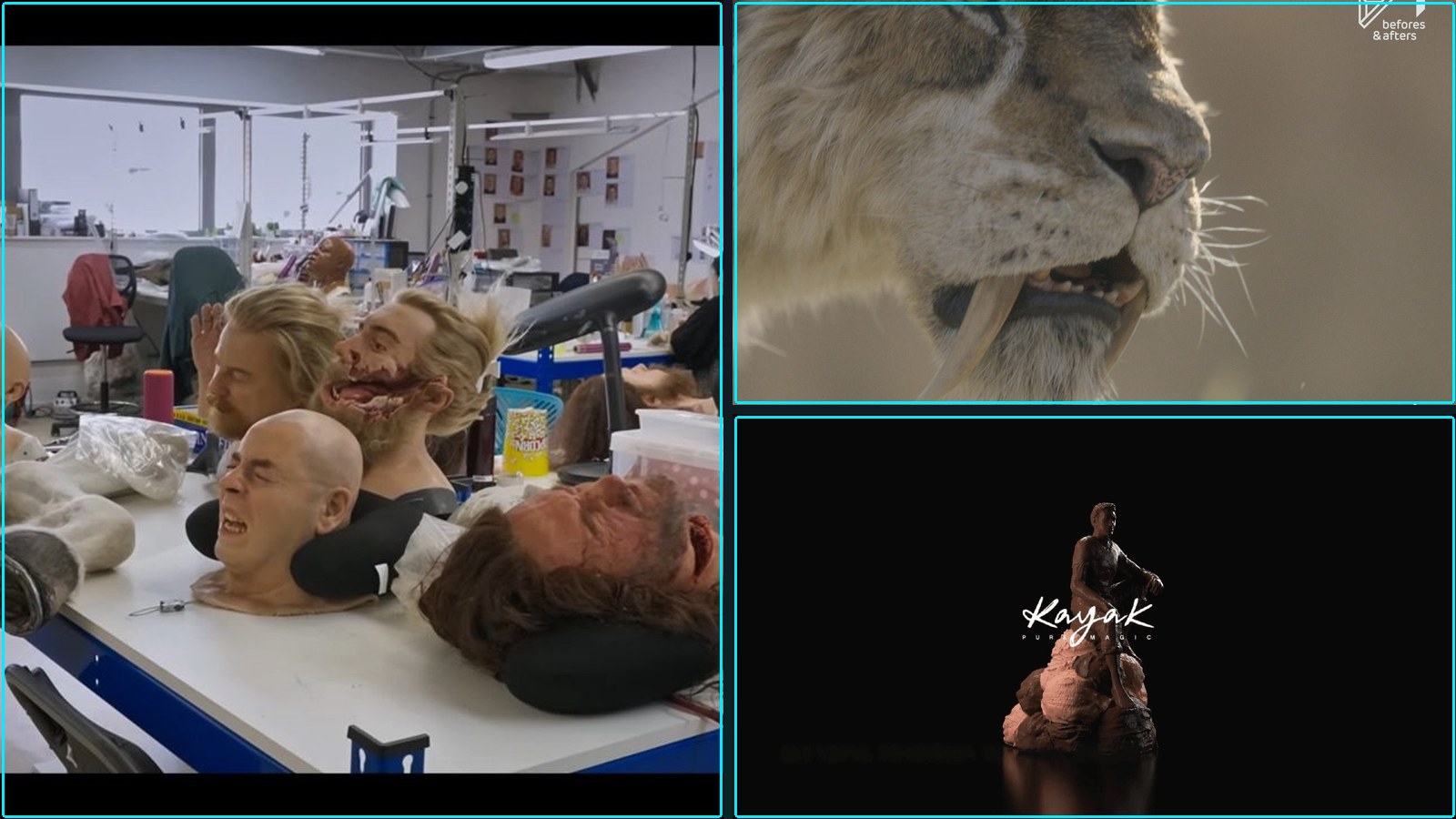

Behind the Scenes of VFX in Film and TV
Puppets, previs and prehistoric creatures (Beforesandafters)
Summary: The third series of Apple TV+’s Prehistoric Planet, focused on the Ice Age, required Framestore to deliver over 40 scientifically accurate megafauna creatures and environments while adhering to the visual language of natural history documentaries. The production relied on puppets for on-set reference and a deep integration of previs, art department, and creature builds to maintain documentary realism. This issue of befores & afters magazine provides a detailed breakdown of the pipeline, from scientific research through FX simulations and compositing.

Why it matters: For VFX professionals, this signals a continued demand for photorealistic creature work that must pass as documentary footage, raising the bar for integration and requiring tighter collaboration between on-set practical effects and post-production digital teams.
Context: Framestore has been the primary VFX vendor for the Prehistoric Planet franchise, which sets a high standard for natural history VFX by blending scientific accuracy with the aesthetic conventions of BBC nature programming.
"The visual effects studio was called upon to deliver more than 40 scientifically accurate creatures and make them inhabit a vast array of environments. All the while, Framestore had to pay close attention to the filmmaking language of natural history documentaries that audiences are so familiar with, despite so many of the creatures and their worlds existing only in digital form." — BEFORESANDAFTERS
Commentary: The use of puppets on set is a notable workflow choice that helps actors and camera operators interact with digital characters as if they were real animals, reducing post-production guesswork. This approach, combined with extensive previs, suggests Framestore is optimizing for throughput and quality by front-loading creative decisions. For other studios, the key takeaway is the value of investing in practical reference and visualization tools to de-risk complex creature shots. The sheer volume—40 creatures across varied environments—also tests vendor scalability and pipeline efficiency under tight documentary-style deadlines.
Date: June 29, 2026 10:23 PM ET
URL: https://beforesandafters.com/2026/06/30/puppets-previs-and-prehistoric-creatures/
AI Sentiment Score: Negative (50%)
AI Credibility Score: 10.0/10 — High
Scores and text generated by AI analysis of the source article indicated.
Real Clay and Digital Ice Cream at Uber Eck (Digitalproduction)
Summary: Uber Eck’s Kayak ice cream spot used a hybrid pipeline: physical clay sculptures were scanned, refined in ZBrush, then melted via Houdini MPM and rendered with Redshift in Solaris. The team chose clay over pure 3D to ensure physically plausible poses and to push back against AI-generated content. The project ran from February to July 2025, with the final ads now playing in Greek Kayak shops. Sebastian Boyamba notes the effort of a full 3D pipeline may not pay off going forward, signaling a shift in production economics.

Why it matters: This case study demonstrates a viable hybrid analog-digital workflow that delivers photoreal results while maintaining client control over iteration, and it surfaces a growing sentiment among mid-market studios that traditional 3D rendering pipelines are becoming uneconomical relative to AI-driven alternatives.
Context: The project was commissioned by Greek agency Perfect Accident for Kayak Premium Ice Cream, requiring two Greek-inspired sculptures that melt appetizingly. Uber Eck, a Munich-based motion design studio founded in 2012, has been diversifying into interactive installations and recently launched the Extrabright.art collective.
"While working on the project, I felt that the effort of a full 3D pipeline would not pay off in the future. The expectations in speed shifted too much with AI. But with a bit of healthy grief, it’s not a sad goodbye. I’m also excited about what we can achieve in the future by staying pragmatic." — DIGITALPRODUCTION
Commentary: Boyamba’s candid admission that the full 3D pipeline ‘would not pay off’ is a bellwether for mid-market VFX shops: client speed expectations, driven by AI tools, are compressing budgets and timelines faster than traditional rendering can sustain. The hybrid clay-scan-MPM approach worked here, but it was labor-intensive (10-12 hours per sculpture) and required specialized craft skills that are hard to scale. Studios that cannot pivot to faster, AI-assisted workflows risk losing bids to competitors who can deliver comparable quality at a fraction of the render cost.
Date: July 03, 2026 01:00 AM ET
URL: https://digitalproduction.com/2026/07/03/real-clay-and-digital-ice-cream-at-uber-eck/
AI Sentiment Score: Negative (80%)
AI Credibility Score: 10.0/10 — High
Scores and text generated by AI analysis of the source article indicated.
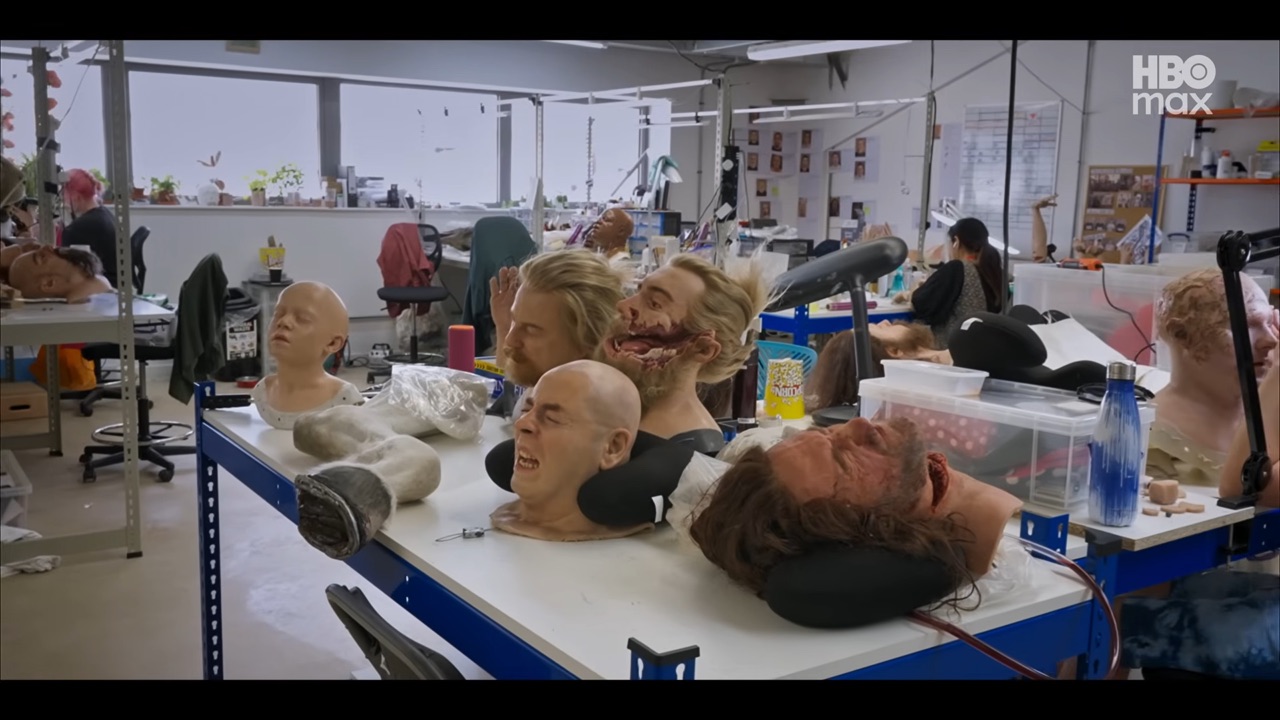
Behind the scenes of weapons, armor and prosthetics in ‘House of the Dragon’ (Beforesandafters)
Summary: A new featurette for ‘House of the Dragon’ season 3, episode 2, details the VFX and practical work behind the show’s weapons, armor, and prosthetics. The breakdown highlights the continued integration of practical and digital techniques to achieve the series’ medieval fantasy aesthetic. This signals a sustained investment in high-fidelity, hybrid production workflows for prestige television.
Why it matters: For VFX vendors and showrunners, this confirms that ‘House of the Dragon’ remains a bellwether for hybrid practical-digital pipelines, setting the quality ceiling and staffing demands for fantasy series.
Context: The series has consistently balanced practical armor and prosthetics with digital augmentation, a model that influences vendor bidding and crew composition across the industry.
"New featurette on episode 2 of season 3." — BEFORESANDAFTERS
Commentary: The featurette’s focus on weapons, armor, and prosthetics suggests the episode’s action sequences rely heavily on on-set practical elements, which can reduce post-production costs but increase pre-production and on-set labor. For vendors, this means bidding on augmentation and cleanup work rather than full-CG assets, shifting the skill mix toward compositing and texture artists. The continued use of prosthetics also signals steady demand for makeup effects houses, a niche that has seen consolidation pressure from digital alternatives.
Date: June 29, 2026 08:44 PM ET
URL: https://beforesandafters.com/2026/06/30/behind-the-scenes-of-weapons-armor-and-prosthetics-in-house-of-the-dragon/
AI Sentiment Score: Neutral (33%)
AI Credibility Score: 10.0/10 — High
Scores and text generated by AI analysis of the source article indicated.
Post ID: 7a256888