ISTAART RELAY Podcast Series on Dementia Research
ISTAART RELAY Podcast – Down Syndrome & Alzheimer’s Disease PIA (Dementiaresearcher.Nihr.Ac.Uk)
Summary: This episode of the ISTAART Relay Podcast features Dr. Patrick Lao, who explains how Down syndrome provides a unique window into Alzheimer’s disease pathogenesis due to the triplication of chromosome 21 and lifelong amyloid overproduction. He discusses the use of multimodal neuroimaging to map amyloid and tau pathology, the ability to approximate disease stage by chronological age in this population, and the shift toward including people with Down syndrome in anti-amyloid trials, including a lecanemab safety extension. The conversation also covers risk and resilience research, the development of a new working group on intellectual disability and autism, and upcoming PIA events at AAIC and the DSAD/ADAD conference in London.
Why it matters: For researchers and clinicians tracking Alzheimer’s disease, this episode clarifies how genetic forms like Down syndrome are now being integrated into the biomarker-based staging framework, enabling earlier intervention and more inclusive trial design.
Context: People with Down syndrome were historically excluded from anti-amyloid trials due to safety concerns and protections for those with intellectual disability, despite being at ultra-high risk for Alzheimer’s disease.
"Welcome to the seventh season of the Dementia Researcher X ISTAART PIA Relay Podcast. Across six episodes, leading early career and senior researchers hand the mic from one ISTAART PIA to the." — DEMENTIARESEARCHER.NIHR.AC.UK
Commentary: The inclusion of Down syndrome as stage zero in the revised Alzheimer’s diagnostic criteria is a structural shift that validates decades of natural history work and opens the door to prevention trials. The lecanemab safety extension is a pragmatic first step, but the real prize will be understanding why some individuals with trisomy 21 show resilience into their 60s or 70s—that variability is where the next generation of therapeutic targets will emerge.
Date: July 01, 2026 03:00 AM ET
URL: https://www.dementiaresearcher.nihr.ac.uk/istaart-relay-podcast-down-syndrome-alzheimers-disease-pia/
AI Sentiment Score: Negative (77%)
AI Credibility Score: 10.0/10 — High
Scores and text generated by AI analysis of the source article indicated.
ISTAART RELAY Podcast – Lewy Body Dementias PIA (Dementiaresearcher.Nihr.Ac.Uk)
Summary: Welcome to the seventh season of the Dementia Researcher X ISTAART PIA Relay Podcast. Across six episodes, leading early career and senior researchers hand the mic from one ISTAART PIA to the next, giving you an honest, peer-to-peer tour of where dementia research is actually heading, from wearables and biomarkers to policy and trial design, in the run-up to AAIC. Lewy body pathology shows up in roughly 30% of the brains of people who had dementia, yet it gets diagnosed in only about 5% of cases.

Why it matters: This matters for Alzheimer’s Disease and Frontal Temporal Dementia because it gives a concrete current signal to track: Welcome to the seventh season of the Dementia Researcher X ISTAART PIA Relay Podcast.
Context: Welcome to the seventh season of the Dementia Researcher X ISTAART PIA Relay Podcast. Across six episodes, leading early career and senior researchers hand the mic from one ISTAART PIA to the next, giving you an honest, peer-to-peer tour of where dementia research is actually heading, from wearables and biomarkers to policy and trial design, in the run-up to AAIC. Lewy body pathology shows up in roughly 30% of the brains of people who had dementia, yet it gets diagnosed in only about 5% of cases.
"Welcome to the seventh season of the Dementia Researcher X ISTAART PIA Relay Podcast. Across six episodes, leading early career and senior researchers hand the mic from one ISTAART PIA to the." — DEMENTIARESEARCHER.NIHR.AC.UK
Commentary: The immediate implication is operational rather than speculative: watch how this changes budgets, workflows, or risk assumptions over the next cycle.
Date: July 02, 2026 03:00 AM ET
URL: https://www.dementiaresearcher.nihr.ac.uk/istaart-relay-podcast-lewy-body-dementias-pia-2/
AI Sentiment Score: Negative (50%)
AI Credibility Score: 10.0/10 — High
Scores and text generated by AI analysis of the source article indicated.
ISTAART RELAY Podcast – Clinical Trials Advancement and Methods PIA (Dementiaresearcher.Nihr.Ac.Uk)
Summary: In the season finale of the ISTAART Relay podcast, Dr Carla Abdelnour discusses the prevalence of mixed neurodegenerative pathology, particularly Lewy body disease co-occurring with Alzheimer’s disease, and its implications for clinical trial design. She emphasizes that fluid biomarkers, especially CSF alpha-synuclein, are critical for identifying co-pathology, which may alter treatment response to anti-amyloid therapies. Abdelnour previews the CTAM PIA’s AAIC program, including a panel on global representation in trials, and argues that clinical trial methodologies are directly transferable to observational research. The episode underscores a growing recognition that co-pathology is the rule, not the exception, in aging brains.
Why it matters: As anti-amyloid therapies enter clinical practice, the field must confront the reality that most patients harbor multiple proteinopathies, which may fundamentally alter treatment efficacy and trial outcomes.
Context: The ISTAART Clinical Trials Advancement and Methods PIA is positioning itself at the intersection of trial design and biomarker science, with a focus on Lewy body disease and global representation.
"There is this question about what happens when a patient with Alzheimer’s disease, for example, receives a treatment for amyloid or tau but also has alpha synuclein. Does that person respond in a similar way to a person who does not have alpha synuclein, or Lewy bodies? I think this is a fair question, and I definitely would love to see more clinical trials trying to answer it as a secondary outcome or exploratory outcome." — DEMENTIARESEARCHER.NIHR.AC.UK
Commentary: Abdelnour’s call to stratify or include co-pathology in trials is overdue but practically constrained by the lack of a synuclein PET tracer, forcing reliance on CSF collection. The CTAM PIA’s working group on Lewy body trials, in collaboration with the Lewy Body Dementia PIA, suggests institutional momentum, but the real test will be whether sponsors and regulators accept co-pathology as a stratification variable in pivotal trials. The emphasis on global representation is welcome but risks becoming performative without concrete changes to recruitment infrastructure in underrepresented regions.
Date: July 04, 2026 03:00 AM ET
URL: https://www.dementiaresearcher.nihr.ac.uk/istaart-relay-podcast-clinical-trials-advancement-and-methods-pia/
AI Sentiment Score: Negative (85%)
AI Credibility Score: 10.0/10 — High
Scores and text generated by AI analysis of the source article indicated.
ISTAART RELAY Podcast – Technology & Dementia PIA (Dementiaresearcher.Nihr.Ac.Uk)
Summary: Welcome to the seventh season of the Dementia Researcher X ISTAART PIA Relay Podcast. Across six episodes, leading early career and senior researchers hand the mic from one ISTAART PIA to the next, giving you an honest, peer-to-peer tour of where dementia research is actually heading, from wearables and biomarkers to policy and trial design, in the run-up to AAIC. Sleep might be one of the earliest windows we have into brain health, and Dr Vanessa Young thinks the way we measure it is about to change.
Why it matters: This matters for Alzheimer’s Disease and Frontal Temporal Dementia because it gives a concrete current signal to track: Welcome to the seventh season of the Dementia Researcher X ISTAART PIA Relay Podcast.
Context: Welcome to the seventh season of the Dementia Researcher X ISTAART PIA Relay Podcast. Across six episodes, leading early career and senior researchers hand the mic from one ISTAART PIA to the next, giving you an honest, peer-to-peer tour of where dementia research is actually heading, from wearables and biomarkers to policy and trial design, in the run-up to AAIC. Sleep might be one of the earliest windows we have into brain health, and Dr Vanessa Young thinks the way we measure it is about to change.
"Welcome to the seventh season of the Dementia Researcher X ISTAART PIA Relay Podcast. Across six episodes, leading early career and senior researchers hand the mic from one ISTAART PIA to the." — DEMENTIARESEARCHER.NIHR.AC.UK
Commentary: The immediate implication is operational rather than speculative: watch how this changes budgets, workflows, or risk assumptions over the next cycle.
Date: June 29, 2026 03:00 AM ET
URL: https://www.dementiaresearcher.nihr.ac.uk/istaart-relay-podcast-technology-dementia-pia/
AI Sentiment Score: Negative (60%)
AI Credibility Score: 10.0/10 — High
Scores and text generated by AI analysis of the source article indicated.
Dementia Researcher X ISTAART Relay 2026: Complete Series (Dementiaresearcher.Nihr.Ac.Uk)
Summary: The Dementia Researcher ISTAART Relay 2026 returns with eight episodes and two live sessions, featuring researchers from ISTAART’s Professional Interest Areas. The series covers technology, policy, biomarkers, clinical trials, and underrepresented conditions like FTD and Down syndrome-associated Alzheimer’s. Each guest becomes the next host, creating a connected narrative across the field. The episodes offer a snapshot of where dementia research is moving: toward better biomarkers, inclusive design, earlier detection, and stronger global networks.
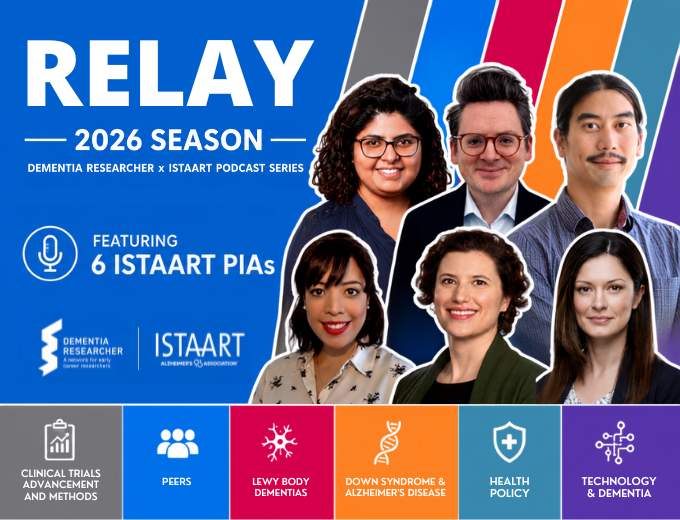
Why it matters: This series provides a rare, researcher-led view of how the field is operationalizing biomarker advances and equity concerns, directly informing how trials and care models will evolve.
Context: ISTAART is the Alzheimer’s Association’s international society; its PIAs shape research agendas and conference programming. The relay format surfaces cross-disciplinary priorities often lost in siloed presentations.
"Together, the episodes offer a snapshot of where dementia research is moving now: towards better use of biomarkers, more inclusive research design, earlier detection, clearer trial methods, stronger global networks, and more opportunities for researchers at every career stage to get involved." — DEMENTIARESEARCHER.NIHR.AC.UK
Commentary: The inclusion of FTD, Lewy body dementia, and Down syndrome-associated Alzheimer’s alongside mainstream Alzheimer’s work signals a deliberate broadening of the research agenda. The B-Sides bonus content suggests the organizers recognize that career narratives and methodological friction points are as important as published findings. For clinicians and trial designers, the relay’s emphasis on mixed pathologies and stratification methods is the most actionable signal here.
Date: July 04, 2026 08:24 AM ET
URL: https://www.dementiaresearcher.nihr.ac.uk/dementia-researcher-x-istaart-relay-2026-complete-series/
AI Sentiment Score: Negative (83%)
AI Credibility Score: 10.0/10 — High
Scores and text generated by AI analysis of the source article indicated.
ISTAART RELAY Podcast – Health Policy PIA (Dementiaresearcher.Nihr.Ac.Uk)
Summary: Lillian Morgado, a research coordinator at Georgia State University and Communications Chair of the ISTAART Health Policy PIA, argues that without policy work, scientific breakthroughs in Alzheimer’s disease will only benefit the wealthy. In a podcast with Dr. Vanessa Young, she discusses her qualitative research on caregivers and the justice system, the policy implications of AI and blood-based biomarkers, and the importance of international regulatory differences. The episode underscores that policy is the bridge from lab to patient, and that early-career researchers can contribute meaningfully to PIAs without being experts.
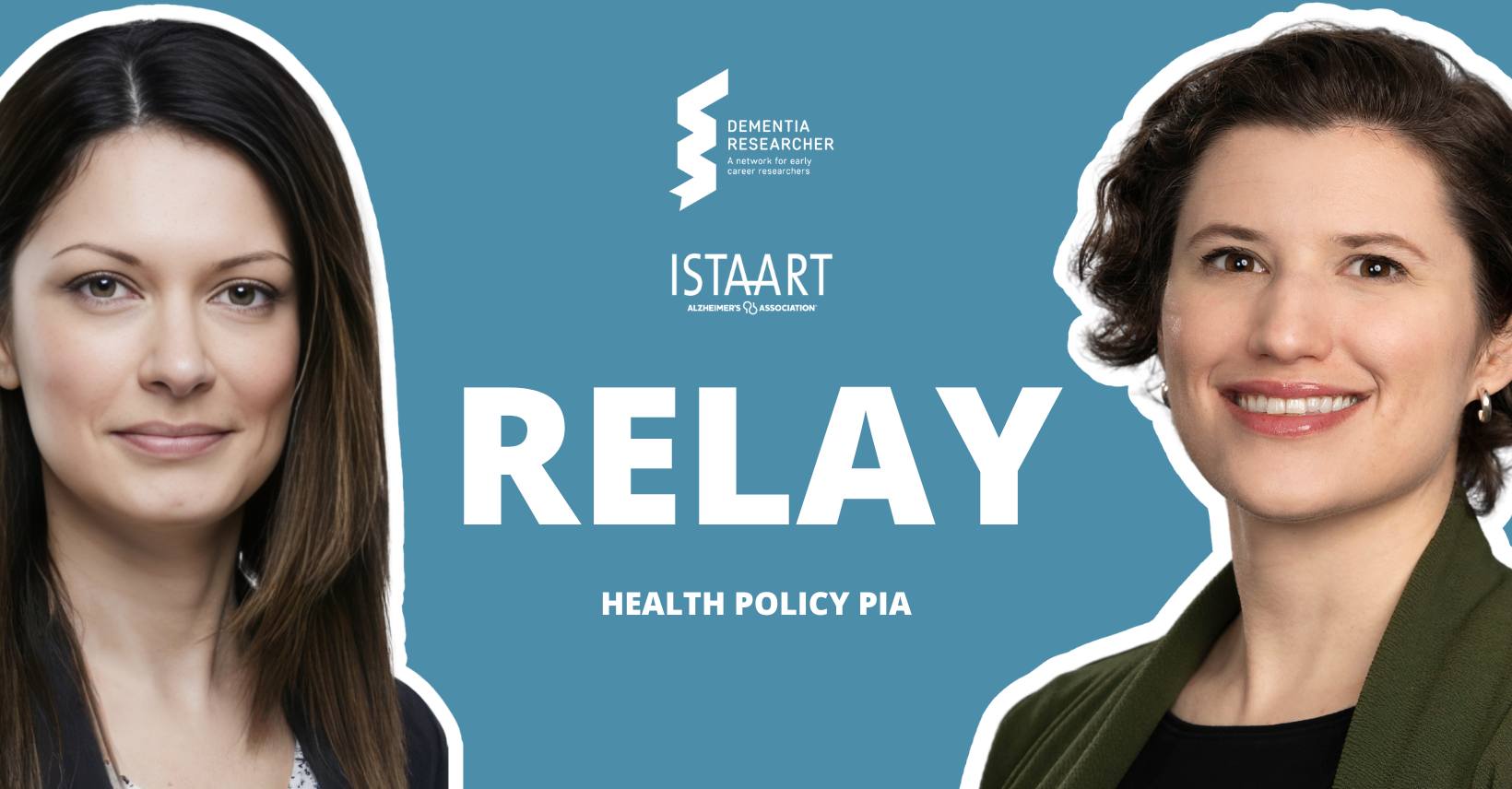
Why it matters: This episode crystallizes a growing recognition that the hardest part of Alzheimer’s research may not be the science but the distribution and access—a shift that demands policy literacy from every researcher.
Context: The ISTAART PIA Relay Podcast series connects early-career and senior researchers across professional interest areas ahead of AAIC, highlighting cross-cutting themes like policy, technology, and trial design.
"If we create a pill today that cures Alzheimer’s disease and don’t do any researcher work on how much it’s going to cost, how it gets distributed, how it gets shipped, all we have done is we have cured Alzheimer’s disease for the richest people in the world and no one else." — DEMENTIARESEARCHER.NIHR.AC.UK
Commentary: Morgado’s framing is a necessary corrective to the field’s default focus on biological endpoints. The practical implication is that biomarker and AI developers must now engage with insurance, regulatory, and equity questions from the start—or risk building tools that only widen existing disparities. Her call for researchers to ‘have a friend who knows the legal landscape’ is a pragmatic prescription for an increasingly interdisciplinary problem.
Date: June 30, 2026 03:00 AM ET
URL: https://www.dementiaresearcher.nihr.ac.uk/istaart-relay-podcast-health-policy-pia/
AI Sentiment Score: Negative (83%)
AI Credibility Score: 10.0/10 — High
Scores and text generated by AI analysis of the source article indicated.
Post ID: 138850ce