Alzheimer’s Disease and Frontal Temporal Dementia
Decreasing Productivity Can Precede a Dementia Diagnosis by Years – Neuroscience News (Neurosciencenews)
Summary: A study published in Neurology tracked 793 early-onset dementia patients against matched controls using Finnish tax and medical registries, finding that productivity losses begin up to 15 years before diagnosis. The timing varies by pathology: frontotemporal dementia shows drops 11 years prior, Alzheimer’s at 6 years, and alpha-synucleinopathies only at diagnosis. Average total loss per person reached €74,577 (~$86,000), or roughly €12,000 per year. The findings highlight diagnostic delays as a major driver of hidden economic damage.

Why it matters: This quantifies a previously invisible cost of early-onset dementia—mid-career income erosion—and suggests that workplace cognitive screening could shorten diagnostic delays, preserving household savings and enabling earlier intervention.
Context: Early-onset dementia affects people under 65 during peak earning years, yet symptoms are often misattributed to stress or burnout, delaying diagnosis by years. Finland’s comprehensive registries allow precise longitudinal tracking of income and health data.
"Our study found productivity loss was strikingly large, averaging around 12,000 Euros, or approximately 13,800 U.S. dollars, per year per person, with losses beginning up to 15 years before diagnosis,” said Solje. “These findings may partly be explained by delays in diagnosis, which can prolong the period of unrecognized symptoms, and they underscore the harmful, long-term socioeconomic impact of early-onset dementia." — NEUROSCIENCENEWS
Commentary: The 11-year lead time for frontotemporal dementia versus 6 for Alzheimer’s maps cleanly onto the brain regions affected first—executive and social function degrade faster than memory, which can be compensated with routines. This creates a practical triage signal: sudden, unexplained mid-career performance collapse in a previously high-functioning professional should trigger cognitive screening, not just HR remediation. The study’s reliance on Finnish registries limits generalizability to less centralized healthcare systems, but the pattern is likely universal.
Date: July 12, 2026 03:08 PM ET
URL: https://neurosciencenews.com/early-onset-dementia-work-productivity-31039
AI Sentiment Score: Negative (72%)
AI Credibility Score: 10.0/10 — High
Scores and text generated by AI analysis of the source article indicated.
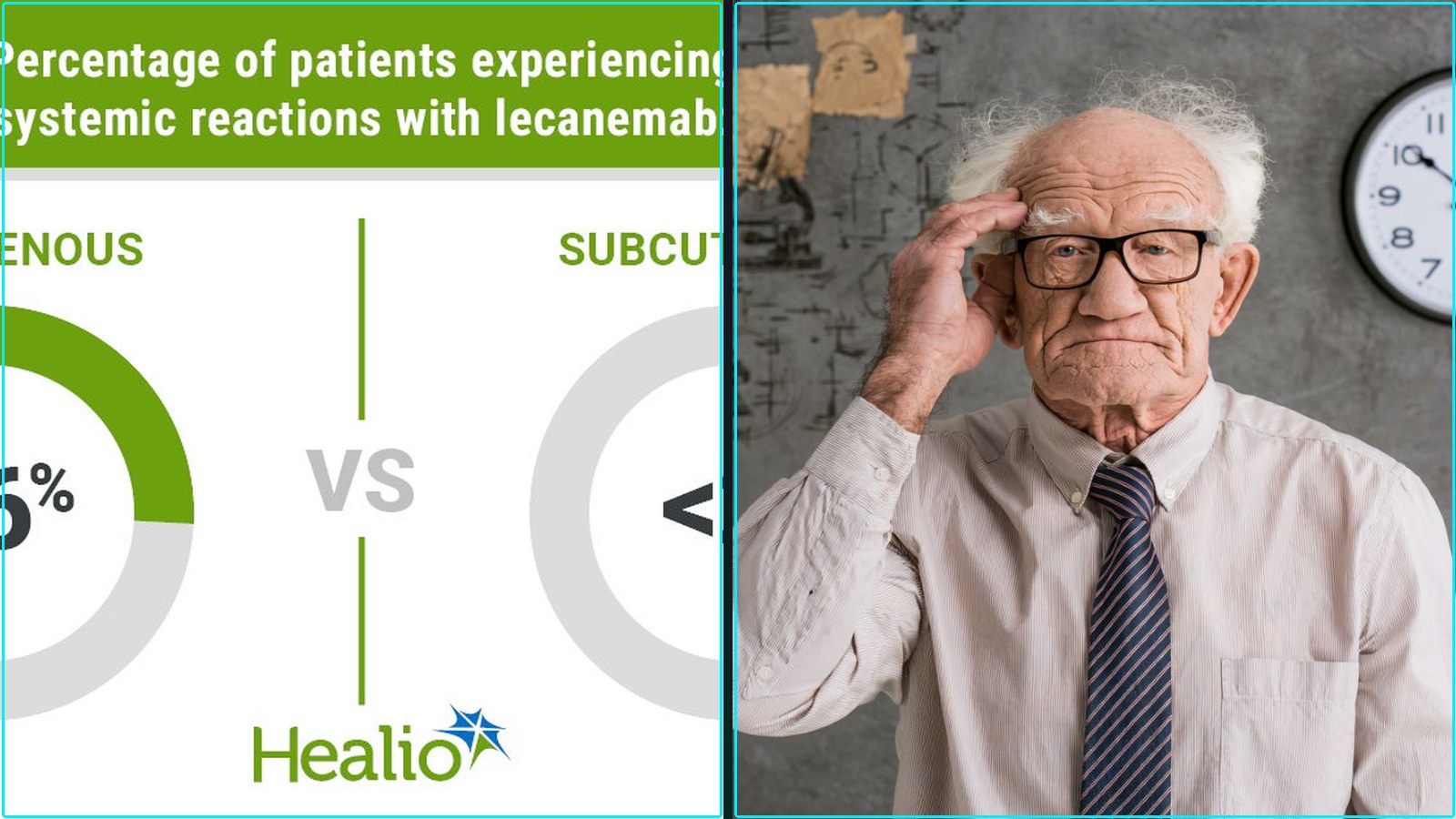
Subcutaneous, intravenous outcomes with lecanemab comparable in Alzheimer’s disease (Healio)
Summary: Subcutaneous, intravenous outcomes with lecanemab comparable in Alzheimer’s disease Key takeaways: – The FDA is considering a 500 mg subcutaneous initiation dose. – Weekly 500 mg autoinjector and biweekly 10 mg/kg IV doses were bioequivalent. – 97% of patients reported favorable experiences with subcutaneous dosing.

Why it matters: This matters for Alzheimer’s Disease and Frontal Temporal Dementia because it gives a concrete current signal to track: Subcutaneous, intravenous outcomes with lecanemab comparable in Alzheimer’s disease Key takeaways: – The FDA is considering a 500 mg subcutaneous initiation dose.
Context: Subcutaneous, intravenous outcomes with lecanemab comparable in Alzheimer’s disease Key takeaways: – The FDA is considering a 500 mg subcutaneous initiation dose. – Weekly 500 mg autoinjector and biweekly 10 mg/kg IV doses were bioequivalent. – 97% of patients reported favorable experiences with subcutaneous dosing.
"Subcutaneous, intravenous outcomes with lecanemab comparable in Alzheimer’s disease Key takeaways: – The FDA is considering a 500 mg subcutaneous initiation dose. – Weekly 500 mg autoinjector and biweekly 10 mg/kg IV." — HEALIO
Commentary: The immediate implication is operational rather than speculative: watch how this changes budgets, workflows, or risk assumptions over the next cycle.
Date: July 11, 2026 08:00 PM ET
URL: https://healio.com/news/neurology/20260710/subcutaneous-intravenous-outcomes-with-lecanemab-comparable-in-alzheimers-disease
AI Sentiment Score: Negative (60%)
AI Credibility Score: 10.0/10 — High
Scores and text generated by AI analysis of the source article indicated.
Post ID: f9e81f7f