

Made In USA manufacturing and logistics
Made In The USA? Prove It: FTC Marks America’s 250th With Crack Down On Domestic Origin Claims (Mondaq)
Summary: On July 6, 2026, the FTC sent warning letters to seven companies for unsubstantiated ‘Made in USA’ claims, including hashtags like ‘#madeincali’ and state-level claims such as ‘Made in Texas.’ This follows an April enforcement sweep against three firms, including a $625,000 settlement with TouchTunes over dartboards assembled in the U.S. but containing foreign-sourced chips and screens. The actions, driven by a March 2026 executive order, signal that domestic final assembly alone does not satisfy the ‘all or virtually all’ standard, and that social media tags are now in the enforcement crosshairs. Companies must audit all touchpoints—packaging, e-commerce, press releases, and hashtags—and map their supply chains for every significant component.

Why it matters: For manufacturers and retailers using domestic origin claims, the FTC has escalated enforcement to include social media hashtags and state-level labels, and has demonstrated that warning letters are direct precursors to litigation with monetary penalties.
Context: The FTC’s April 2026 actions followed a March 2026 executive order directing prioritization of ‘Made in America’ enforcement, and the July letters extend scrutiny to new product categories and digital claims.
"The United States had barely finished blowing out 250 candles on its birthday cake when the Federal Trade Commission (FTC) decided to remind corporate America what “Made in USA” is actually supposed." — MONDAQ
Commentary: The inclusion of hashtags as actionable claims means marketing teams must scrub social media archives, not just product labels. The TouchTunes case—where final assembly in the U.S. did not shield the company from a $625,000 penalty—sets a costly precedent for any operation relying on foreign components. Expect the FTC to target e-commerce platforms next, as the executive order specifically called for rulemaking on online marketplace verification. For counsel, the Americana Liberty and Oak Street cases confirm that a warning letter is a litigation trigger, not a courtesy notice.
Date: July 12, 2026 06:30 PM ET
URL: https://mondaq.com/unitedstates/consumer-trading-unfair-trading/1815504/made-in-the-usa-prove-it-ftc-marks-americas-250th-with-crack-down-on-domestic-origin-claims
AI Sentiment Score: Negative (75%)
AI Credibility Score: 10.0/10 — High
Scores and text generated by AI analysis of the source article indicated.
USMCA: Retail, manufacturing and apparel groups call for preservation (Supplychaindive)
Summary: The US, Mexico, and Canada declined to extend the USMCA for another 16 years on July 1, opting instead for an annual review process. Trade groups across manufacturing, retail, apparel, and auto sectors are urging preservation of the pact, citing deeply integrated North American supply chains. Key concerns include rules of origin enforcement, transshipment by Chinese automakers, and maintaining duty-free treatment for qualifying goods. The auto industry reports billions in US investment and thousands of jobs created under the agreement, while textile groups warn that uncertainty threatens stability for manufacturers reliant on Mexico and Canada as top export markets.
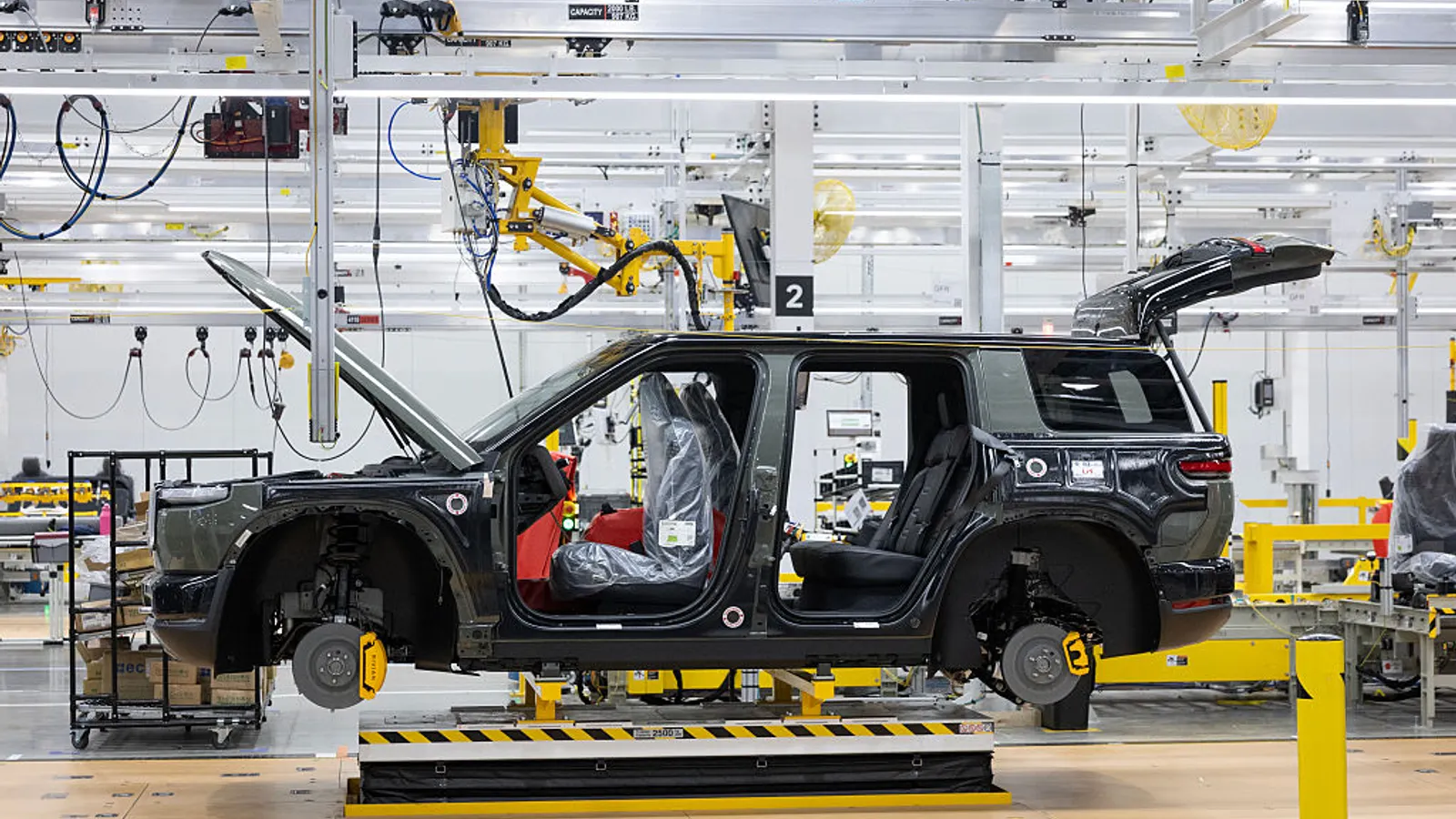
Why it matters: For supply chain and manufacturing operators, the shift to annual reviews introduces recurring uncertainty in planning multi-year investments, sourcing strategies, and cross-border logistics—directly affecting cost structures and lead times.
Context: The USMCA replaced NAFTA in 2020 and was designed to shift manufacturing from Asia to North America; its non-extension triggers a review process that could lead to renegotiation of rules of origin, energy provisions, and agricultural terms.
"The USMCA is a success story for the entire U.S. auto industry, with billions invested in U.S. production and thousands of manufacturing jobs created since the agreement entered into force. It has also been a success story for American consumers, allowing U.S. automakers to provide families with a wide variety of vehicle choices that fit every budget." — SUPPLYCHAINDIVE
Commentary: The annual review mechanism effectively turns a 16-year planning horizon into a 12-month one, forcing procurement and logistics teams to build contingency buffers into inventory and supplier contracts. The textile and auto sectors’ joint statements reveal a coordinated push to close transshipment loopholes—particularly around Chinese auto access via Mexico—which will likely tighten customs compliance requirements for cross-border shipments. Expect increased lobbying for stronger rules of origin enforcement, which could raise documentation burdens for importers and exporters alike.
Date: July 07, 2026 10:28 AM ET
URL: https://www.supplychaindive.com/news/usmca-retail-manufacturing-and-apparel-groups-call-for-preservation/824502/
AI Sentiment Score: Negative (90%)
AI Credibility Score: 10.0/10 — High
Scores and text generated by AI analysis of the source article indicated.
Post ID: d82025a6