Policy, Legal & Regulatory
Newsom’s Silicon Valley dilemma comes to a head: Friend or foe? (Politico)
Summary: California Governor Gavin Newsom faces a defining moment in his final months as a wave of AI and social media regulation bills reaches his desk. The decisions he makes will shape his legacy and his 2028 presidential ambitions, forcing him to choose between appeasing Silicon Valley donors and satisfying progressive labor allies. Key bills include requirements for AI chatbot guardrails, bans on addictive social media features for minors, and workforce measures mandating human oversight of AI in clinical care. Newsom’s past pattern of selective engagement—signing SB 53 while vetoing a more aggressive AI bill in 2024—suggests a calibrated approach, but the current legislative package tests whether he can maintain that middle path.

Why it matters: California’s regulatory choices often set national standards for tech, and Newsom’s decisions will signal the political viability of AI and social media oversight ahead of the 2028 presidential cycle.
Context: Newsom has historically balanced tech industry growth with targeted guardrails, signing SB 53 on frontier AI safety while vetoing a broader AI bill and labor-backed autonomous trucking measures. The current bills advance amid rising public fear of AI-driven job loss and lawsuits alleging chatbot harm to minors.
"Newsom’s Silicon Valley dilemma comes to a head: Friend or foe? A wave of AI and social media bills is heading toward the governor’s desk in his final months in office. How." — POLITICO
Commentary: Newsom’s calculus is unusually exposed: signing the chatbot and social media bills risks alienating tech donors he may need for a 2028 run, while vetoing them hands progressive primary opponents a cudgel. The workforce measures are the trickiest—labor unions are a core Democratic constituency, but autonomous trucking and AI retraining policies pit innovation against job protection. His ability to split the difference, as with SB 53, may be the only viable path, but the volume and visibility of this package make a clean middle ground harder to sustain.
Date: July 17, 2026 05:00 AM ET
URL: https://politico.com/news/2026/07/17/newsoms-silicon-valley-dilemma-comes-to-a-head-friend-or-foe-01002515
AI Sentiment Score: Negative (55%)
AI Credibility Score: 10.0/10 — High
Scores and text generated by AI analysis of the source article indicated.
Federal Circuit Partially Vacates Court of Federal Claims’ Assessment of Copyright Award (Ipwatchdog)
Summary: The Federal Circuit partially vacated a $12.68 million copyright award against the U.S. government for infringing 4DD Holdings’ TETRA software, ruling the Court of Federal Claims improperly applied the ‘Book of Wisdom’ doctrine by imputing knowledge of unforeseeable post-negotiation events—specifically a change in government leadership that ended the program—into the hypothetical royalty negotiation. The appeals court upheld the trial court’s discretion to consider a cheaper alternative software (Rhapsody) as a bargaining factor but found legal error in the flat $150,000 award for unauthorized Studio copies, remanding for a proper per-seat or alternative fee determination. The decision clarifies that prior agreed license rates do not control damages as a matter of law when material differences exist between the license terms and the actual infringement.

Why it matters: This ruling tightens the boundaries of the Book of Wisdom doctrine in government copyright cases, preventing courts from using hindsight about unforeseeable events to depress royalty awards, which directly affects how damages are calculated in large-scale software infringement suits against federal agencies.
Context: The case involves 4DD’s TETRA software, licensed to the DOD and DVA for military healthcare data interoperability, where the government exceeded its license by making thousands of unauthorized copies during development, leading to a dispute over reasonable royalty calculation under 28 U.S.C. § 1498(b).
"“Here, [the Book of Wisdom doctrine] was ‘used to impute knowledge of later-occurring events affecting the value of the license that were unforeseeable at the time of negotiating.’” – Federal Circuit In." — IPWATCHDOG
Commentary: The Federal Circuit’s rejection of the Book of Wisdom’s application here is a meaningful check on trial courts using post-hoc events to rewrite bargaining positions, which could otherwise systematically undercompensate plaintiffs in government infringement cases. By affirming that alternative software availability can weaken a plaintiff’s bargaining position even if not coextensive, the court preserves a practical tool for defendants but limits its reach. The remand on the Studio license fee structure signals that flat awards without a clear contractual basis will face scrutiny, pushing courts toward more evidence-based rate determinations.
Date: July 16, 2026 04:38 PM ET
URL: https://ipwatchdog.com/2026/07/16/federal-circuit-partially-vacates-court-federal-claims-assessment-copyright-award/
AI Sentiment Score: Negative (66%)
AI Credibility Score: 10.0/10 — High
Scores and text generated by AI analysis of the source article indicated.
AI Backlash Builds in President Trump’s Mar-a-Lago Backyard (Insurancejournal)
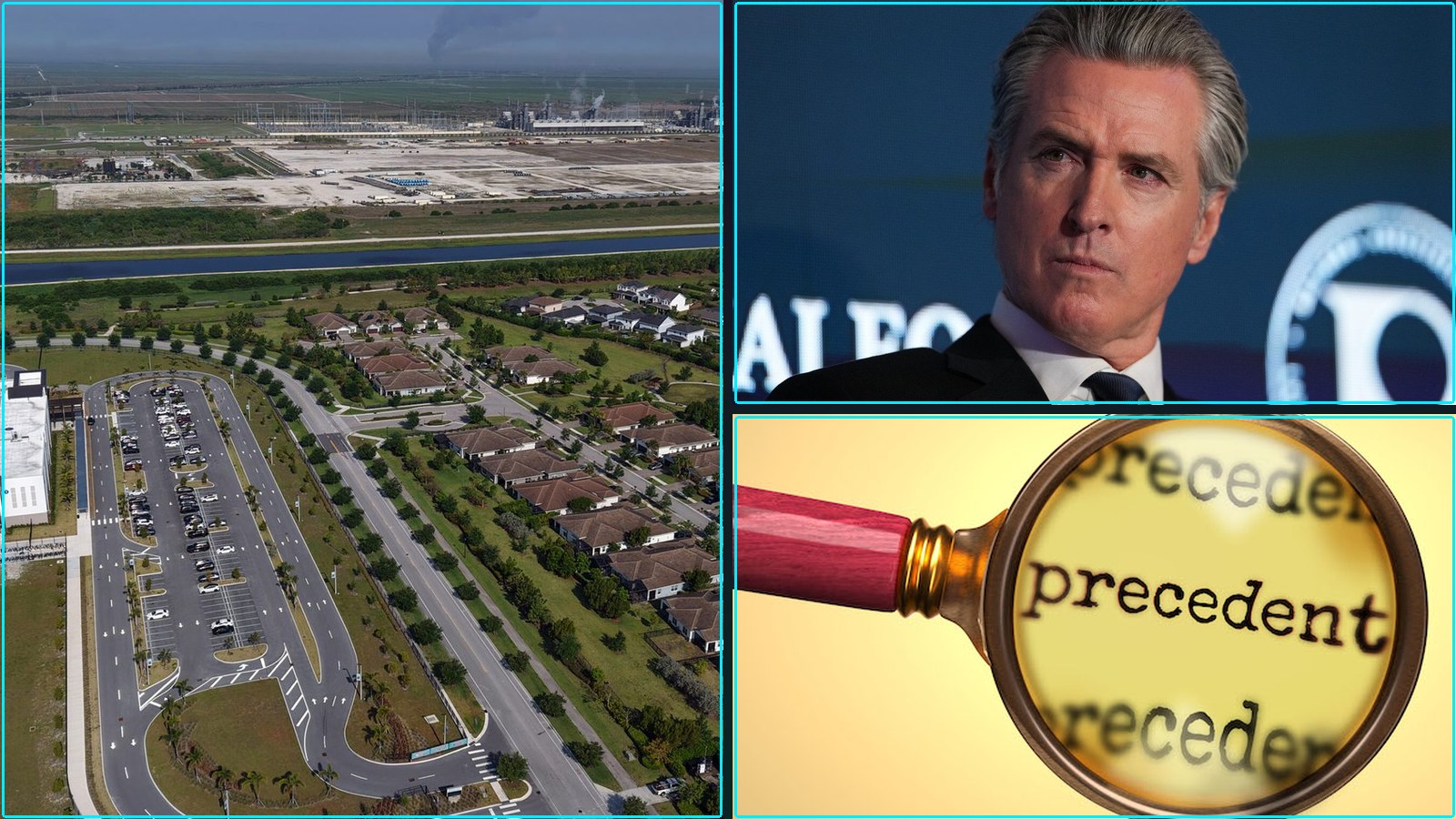
Summary: Palm Beach County commissioners are set to vote on Project Tango, a major AI data center near Mar-a-Lago, amid fierce local opposition over utility costs, noise, and environmental strain. The vote tests Florida’s new law barring data centers from passing on utility costs, and follows a national pattern of blocked or delayed projects. A one-year moratorium on new data center applications has already been enacted locally, though Project Tango is exempt. The outcome signals how state-level regulation, even in a tech-friendly Republican stronghold, is reshaping AI infrastructure siting.
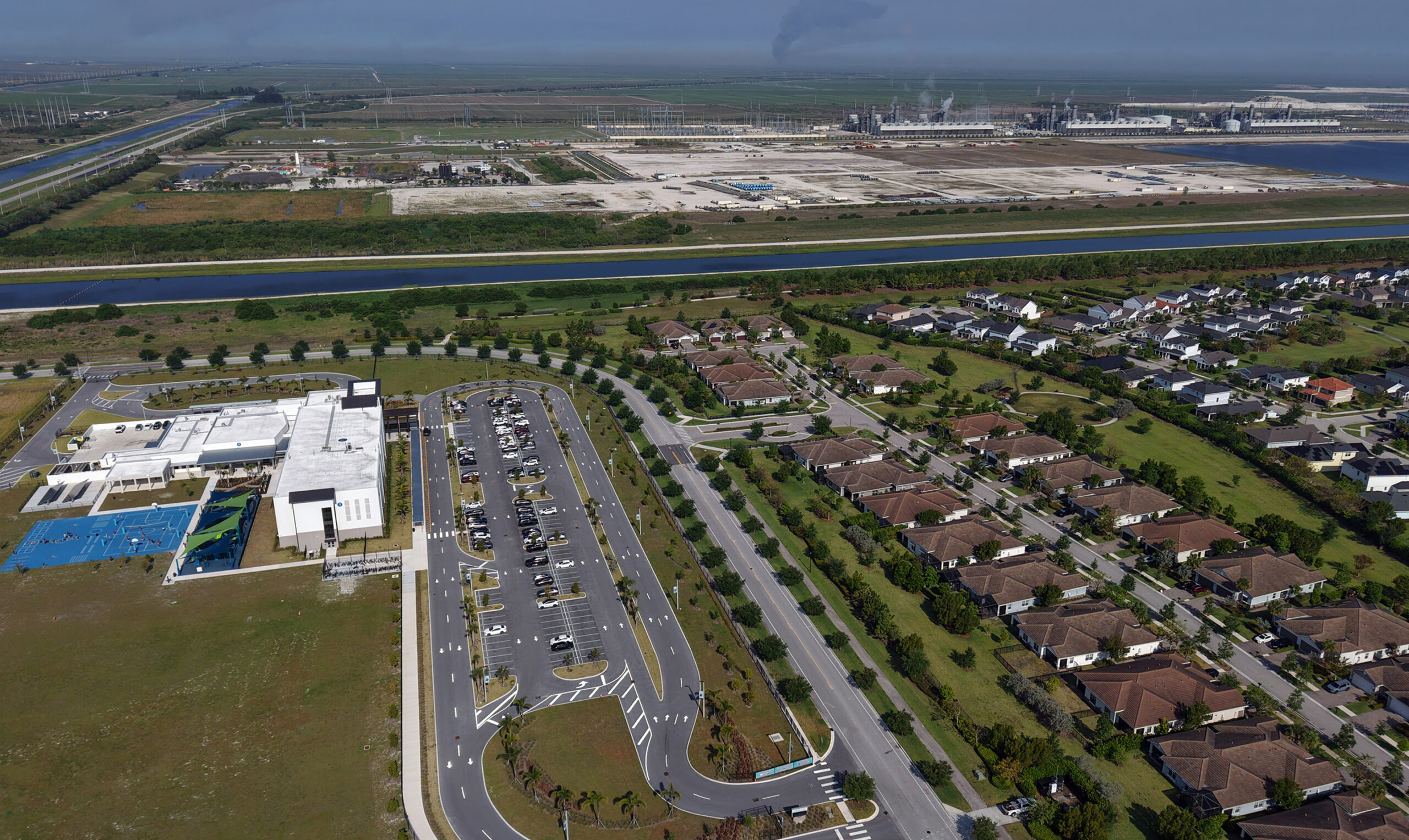
Why it matters: This vote is a bellwether for whether state-level utility cost protections can override the political and economic pull of AI infrastructure, with direct implications for data center siting costs and regulatory risk across the U.S.
Context: At least 75 data-center proposals were blocked or delayed nationally in Q1 2026, and New York just imposed a statewide hyperscale moratorium, reflecting a bipartisan backlash that is outpacing industry lobbying.
"“The question is who benefits from this boom? These are being built by billionaires for some of the most profitable companies in the world,” said Eskamani." — INSURANCEJOURNAL
Commentary: The Florida law’s core mechanism—preventing cost pass-through to ratepayers—directly attacks the business model of hyperscale data centers, which rely on subsidized utility rates. If Palm Beach County rejects Project Tango despite design concessions and $460 million in projected annual tax revenue, it will signal that local political risk now outweighs tax incentives for AI infrastructure. The gubernatorial race dynamic, with frontrunner Byron Donalds under fire for tech contributions, further politicizes siting decisions and may accelerate a patchwork of state-level restrictions that the Trump executive order cannot preempt.
Date: July 15, 2026 09:28 AM ET
URL: https://insurancejournal.com/news/southeast/2026/07/15/877686.htm
AI Sentiment Score: Negative (80%)
AI Credibility Score: 10.0/10 — High
Scores and text generated by AI analysis of the source article indicated.
‘I wouldn’t call it panic’: Industry quails at Hochul’s data center pause (Politico)
Summary: New York Governor Kathy Hochul signed an executive order imposing a one-year moratorium on new data centers over 50 megawatts, the first state-level pause of its kind. Industry advocates fear this will embolden other states and congressional Democrats to impose similar restrictions, as public skepticism toward AI grows. The move bridges moderate and progressive Democrats, with figures like Bernie Sanders and Alexandria Ocasio-Cortez pushing for a federal moratorium. While some Democrats and Republicans resist a blanket pause due to China competition concerns, over 300 state bills on data center regulation have been introduced this year, and at least 20 Florida municipalities have passed their own moratoriums.

Why it matters: This signals a potential inflection point where state-level regulatory action on AI infrastructure could cascade, reshaping the economics of data center development and the political landscape for tech companies ahead of the November midterms.
Context: The moratorium follows dozens of local moratoriums in both red and blue states, and comes amid rising energy costs, water scarcity, and public unease with AI, with lawmakers in 15 states introducing similar legislation.
"‘I wouldn’t call it panic’: Industry quails at Hochul’s data center pause Artificial intelligence advocates fear New York’s one-year moratorium on new data centers could embolden Democrats across the country to put." — POLITICO
Commentary: The real signal here is not New York’s action alone but the precedent it sets for a political coalition that spans from rural Republicans to urban progressives, all finding common cause in ratepayer protection and environmental concerns. The industry’s failure to preempt this with voluntary measures—like the White House ratepayer pledges—has left it reactive, and the 300+ state bills suggest the window for self-regulation is closing fast. Expect developers to face escalating compliance costs and permitting delays as the regulatory patchwork thickens, particularly in states with competitive energy markets or water stress.
Date: July 15, 2026 05:00 AM ET
URL: https://politico.com/news/2026/07/15/i-wouldnt-call-it-panic-industry-quails-at-hochuls-data-center-pause-00998127
AI Sentiment Score: Negative (80%)
AI Credibility Score: 10.0/10 — High
Scores and text generated by AI analysis of the source article indicated.
Post ID: d50d0b23