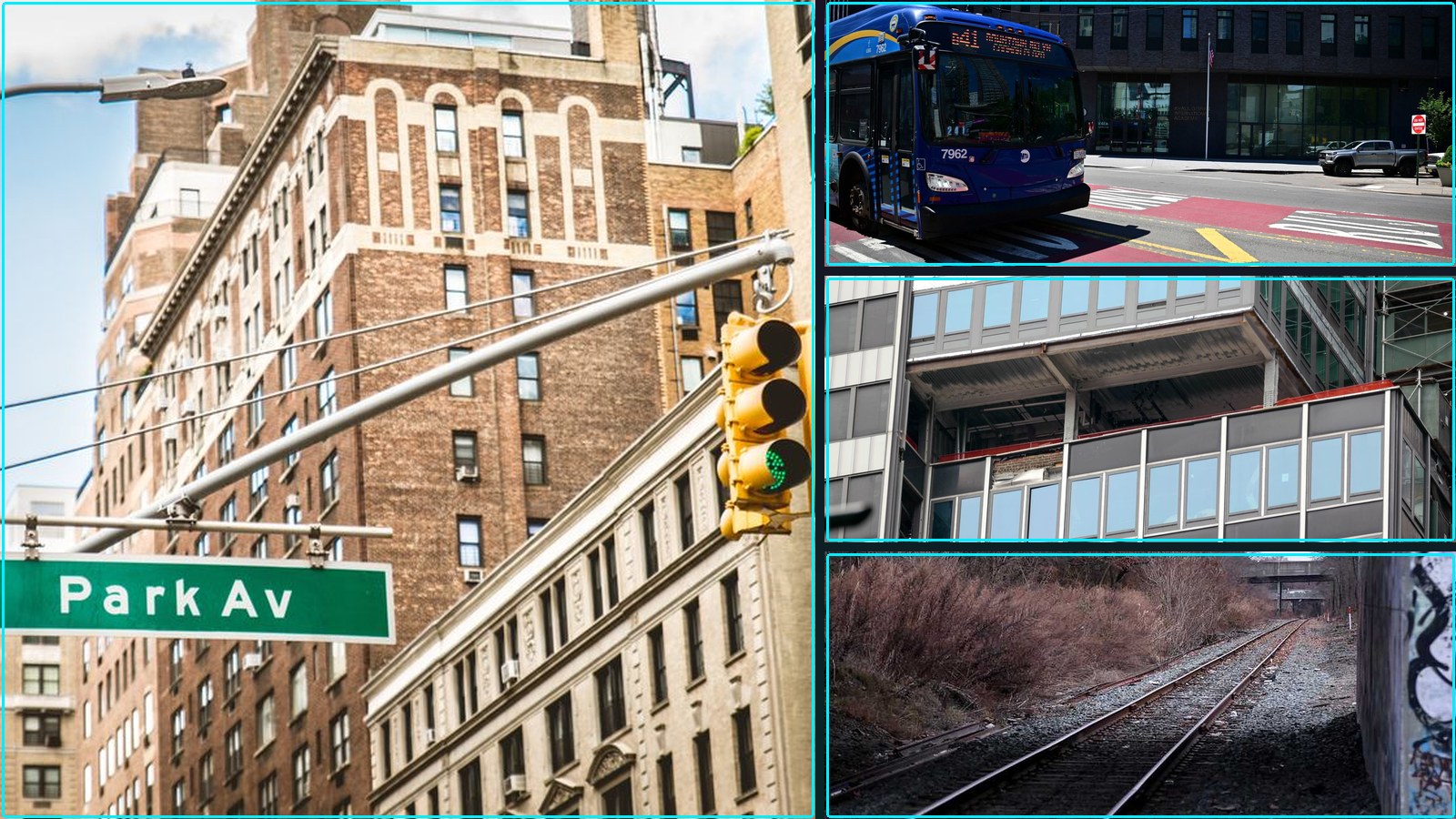
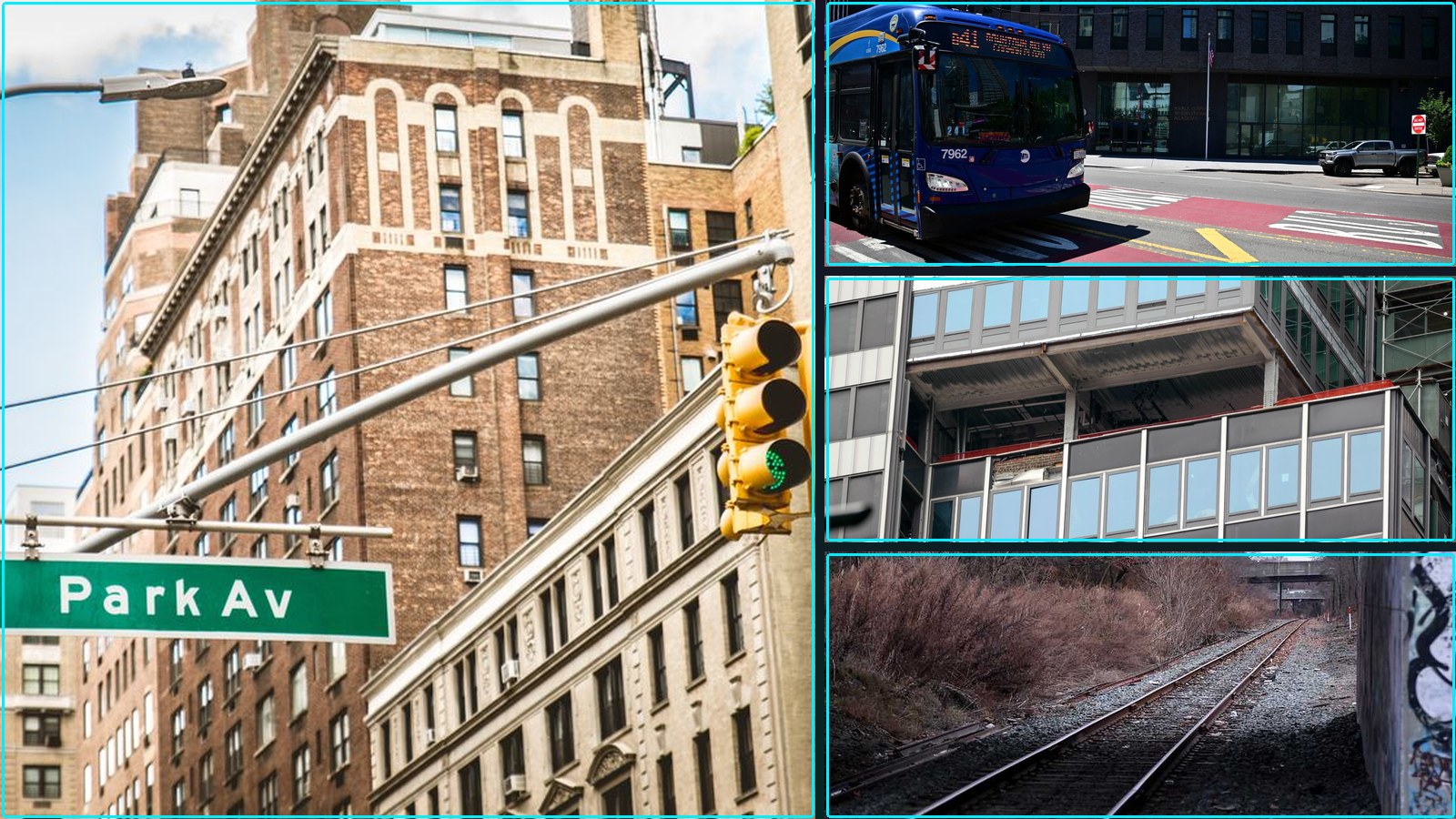
New York City, NY
Mamdani moves forward on stalled Bronx busway, kicks off public engagement for slew of Brooklyn bus projects | amNewYork (Amny)
Summary: Mayor Zohran Mamdani has revived the shelved Tremont Avenue busway in the Bronx, with construction set to begin this fall, and launched public engagement for three rapid bus corridors in Central Brooklyn. The projects, part of his ‘Next Stop’ plan, aim to speed up commutes for roughly 200,000 daily riders. The Tremont busway will restrict private vehicles during peak hours, enforced by cameras, and include safety upgrades on one of the Bronx’s most dangerous roads. In Brooklyn, the city is seeking feedback on Flatbush, Utica, and Church Avenues, with near-term changes possible by 2027 and a full Flatbush corridor by 2030.

Why it matters: This signals a decisive shift from the Adams administration’s stalled approach to bus priority, directly affecting commute times and street safety for tens of thousands of transit-dependent New Yorkers, and sets a template for how the new mayor plans to deliver on campaign promises without yet addressing the more contentious fare-free pledge.
Context: The Tremont Avenue busway was shelved last year under Eric Adams; Mamdani’s revival and the simultaneous Brooklyn outreach represent the first concrete infrastructure moves from his ‘Next Stop’ plan, which targets 50 priority corridors but notably omits fare-free buses for now.
"Mayor Zohran Mamdani is wasting no time in moving forward on his freshly released “Next Stop” plan for making city buses faster — announcing Wednesday that he is greenlighting several projects included." — AMNY
Commentary: Mamdani is wisely using busways—a proven, camera-enforced tool with a 60% speed boost track record—to build credibility before tackling the harder political lift of fare-free transit. The Tremont Avenue project, with its safety upgrades on a corridor that saw 630 injuries in four years, also lets him claim a street safety win. The real test will be whether the Brooklyn engagement process yields designs that survive community pushback, especially on Flatbush Avenue where center-running lanes will displace parking and traffic. If these corridors deliver on time, they’ll reshape the political calculus for fare-free buses; if they stall, the mayor loses his best argument for bolder action.
Date: July 15, 2026 08:38 AM ET
URL: https://amny.com/nyc-transit/mamdani-bronx-busway-brooklyn-bus-projects
AI Sentiment Score: Negative (50%)
AI Credibility Score: 10.0/10 — High
Scores and text generated by AI analysis of the source article indicated.
A Sensible New Yorker’s Guide to Legionella Season (Curbed)
Summary: A cluster of Legionnaires’ disease cases on the Upper East Side has expanded to 76 buildings citywide with positive cooling tower tests, 63 hospitalizations, and no deaths. The Guggenheim, the Met, and the Ardsley co-op have all been affected, marking a second consecutive summer of outbreaks. Epidemiologists confirm the bacteria spreads via cooling tower mist, not tap water or person-to-person contact, and that vulnerable individuals may consider masks or avoiding affected blocks. The city’s existing testing regulations are being followed, but climate change may be accelerating bacterial growth.
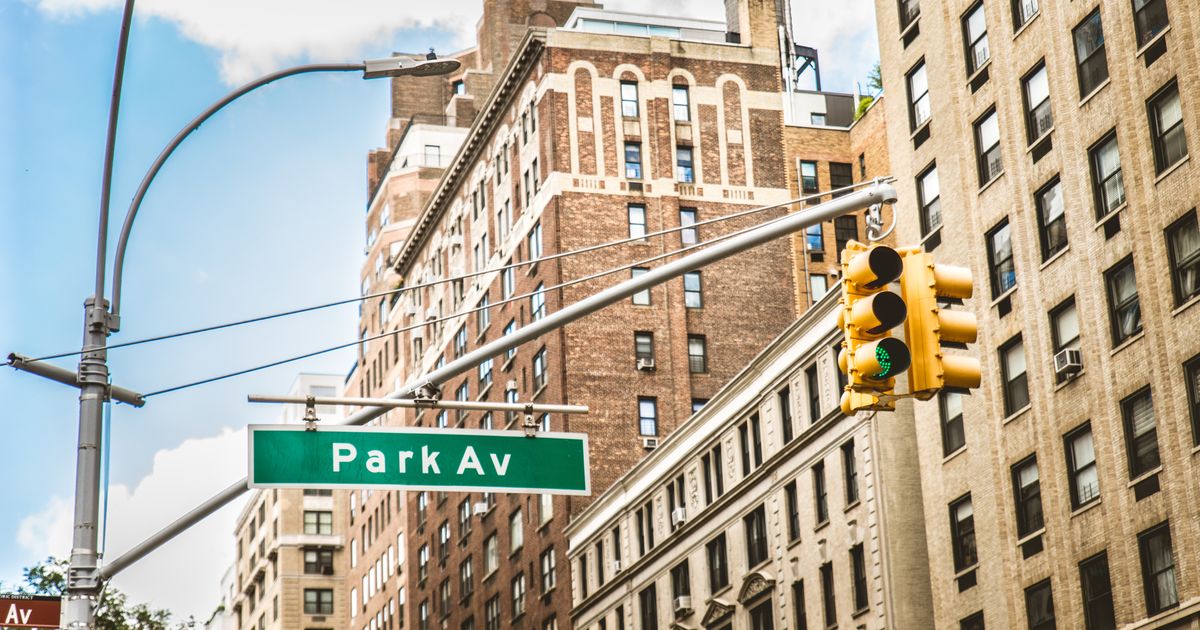
Why it matters: For New Yorkers, this signals a new seasonal public-health rhythm—Legionella outbreaks are becoming a predictable summer event, testing the city’s regulatory enforcement and building management transparency, while raising questions about long-term infrastructure adaptation.
Context: Last year saw a similar summer outbreak, and the city has rules requiring frequent cooling tower testing, but hyper-vigilance and disclosure are only now becoming routine as cases emerge.
"In a place like New York City, Legionella really spreads through the mist or the vapor that’s generated by cooling towers that are often found on the top of large buildings. These cooling towers are a good medium for these bacteria, which look like rods, to multiply and grow." — CURBED
Commentary: The shift from isolated incidents to a citywide pattern suggests cooling tower management is becoming a recurring operational burden for co-op boards and property managers, not a one-off crisis. The lack of deaths so far is reassuring, but the 10% fatality rate for vulnerable populations means the city’s disclosure norms and rapid mitigation protocols will face real stress tests in hotter summers. Expect more proactive testing and public reporting from buildings, as liability and resident pressure mount.
Date: July 15, 2026 02:31 PM ET
URL: http://www.curbed.com/article/legionnaires-disease-legionella-outbreak-upper-east-side.html
AI Sentiment Score: Negative (85%)
AI Credibility Score: 10.0/10 — High
Scores and text generated by AI analysis of the source article indicated.
MTA hosting IBX pop up workshops along proposed light rail line this summer | amNewYork (Amny)
Summary: The MTA is hosting a series of pop-up workshops along the proposed Interborough Express (IBX) light rail route through summer 2026, inviting riders to weigh in on station design, service priorities, and public realm improvements. The IBX, which will repurpose existing LIRR and freight tracks to create a 14-mile crosstown line between Bay Ridge and Jackson Heights, is the MTA’s largest expansion in over 50 years. The agency projects the line will serve nearly 900,000 residents and attract 160,000 daily riders, many in transit deserts like Canarsie, Flatlands, and Maspeth.

Why it matters: This project could fundamentally reshape commuting patterns across Brooklyn and Queens by offering a Manhattan-bypassing crosstown option, potentially altering real estate values, commercial corridors, and transit equity in underserved neighborhoods.
Context: The IBX is using existing rail rights-of-way to avoid the cost and disruption of new tunneling, a strategy that has precedent in other cities but is novel for New York’s scale. The pop-ups are part of a public engagement process that began with six workshops in April.
"The undertaking marks the MTA’s largest expansion of its transit system in over half a century. Using already-existing Long Island Rail Road and freight tracks, the agency will construct a new crosstown line, running through many Brooklyn and Queens neighborhoods currently underserved by public transit." — AMNY
Commentary: The MTA’s decision to hold pop-ups at stations rather than community board meetings signals a tactical shift toward reaching riders where they already are, but the real test will be whether feedback translates into design changes. The IBX’s reliance on existing rights-of-way is a pragmatic move that avoids eminent domain battles, but it also means the line’s alignment is largely fixed—limiting the scope of community input to station aesthetics and last-mile connections rather than routing. For neighborhoods like Maspeth, which has no subway at all, this is a rare chance to shape a transit amenity from the ground up; for the MTA, it’s a high-stakes exercise in rebuilding public trust after years of service complaints.
Date: July 15, 2026 07:00 AM ET
URL: https://amny.com/news/mta-ibx-workshops-light-rail-brooklyn-queens
AI Sentiment Score: Positive (50%)
AI Credibility Score: 10.0/10 — High
Scores and text generated by AI analysis of the source article indicated.
The Pfizer Building Is Stable. What Happens Now? (Curbed)
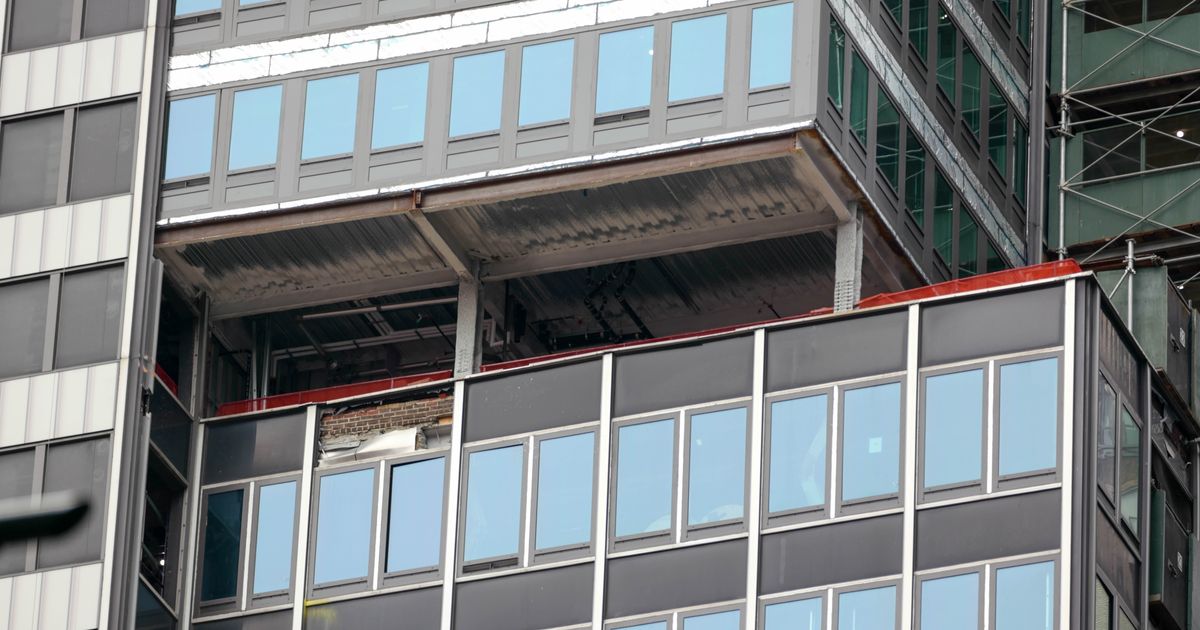
Summary: The former Pfizer building at 42nd Street, which experienced a structural scare last week when columns buckled during a residential conversion, has been declared stable by the Department of Buildings. Temporary steel shoring is in place, and construction is expected to resume soon. Engineers suggest the failure likely stemmed from a sequencing error in overlapping construction tasks rather than a fundamental design flaw. The developer, Nathan Berman, appears committed to proceeding with the project rather than demolishing and starting over. Investigations, including a preliminary criminal inquiry, are underway to determine responsibility.
Why it matters: This incident tests the viability of fast-tracked office-to-residential conversions in New York City, a key strategy for addressing the housing shortage while repurposing underused commercial space.
Context: The building was undergoing a vertical augmentation to add residential floors atop an existing structure, a process that requires careful reinforcement of original columns and peer review of engineering plans.
"The former Pfizer building, after last week’s fearful excitement, has settled down, literally. The Department of Buildings says it’s stable; temporary steel has shored up the floors above and below a pair." — CURBED
Commentary: The near-miss at the Pfizer building is a stress test for the city’s adaptive reuse ambitions. If the investigation reveals systemic oversight failures—especially given the special inspector’s past record—it could trigger stricter regulatory scrutiny that slows the conversion pipeline. Developers and policymakers will be watching closely: the outcome will shape whether New York can scale this model without compromising safety or public confidence.
Date: July 14, 2026 03:42 PM ET
URL: http://www.curbed.com/article/pfizer-building-conversion-collapse-next-steps-engineer.html
AI Sentiment Score: Negative (66%)
AI Credibility Score: 10.0/10 — High
Scores and text generated by AI analysis of the source article indicated.
Post ID: c1493bf2