
Deep Dives into Science, Technology, and the Environment
Genome Duplication Is a Radical Evolutionary Gamble (Quantamagazine)
Summary: A tiny New Zealand snail, Potamopyrgus antipodarum, has undergone a whole-genome duplication within the last million years, offering a rare close view of how organisms survive and adapt to polyploidy. Researchers are using whole-genome sequencing to show that genome duplication is more common than once thought, though most such events are lethal dead ends. The snail has already shed 60% of its doubled genes, illustrating the rapid pruning that follows duplication. The case sits at the center of a debate about whether polyploidy is a major driver of evolutionary innovation or mostly a fatal error.
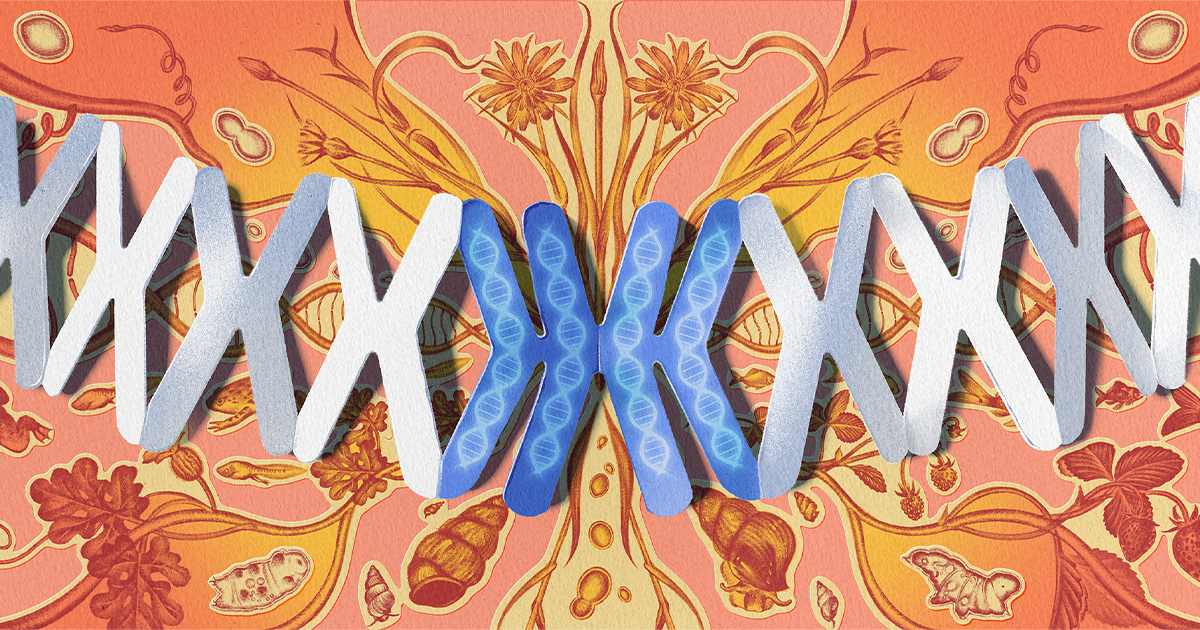
Why it matters: The article states that polyploidy is ‘the most important process on the planet that hardly anybody knows anything about,’ and that advances in whole-genome sequencing are changing that understanding, with implications for how we view evolutionary change across the tree of life.
Context: The article notes that all seed plants living today have experienced at least one ancient whole-genome duplication, and that biologists debate whether ancient gene duplications are connected to the evolution of jawed vertebrates.
"We like to think of it as a baseball hitter that strikes out a lot, but when they do hit, it’s a home run,” said Douglas Soltis, a plant evolutionary geneticist at the Florida Museum of Natural History. “Polyploidy is the most important process on the planet that hardly anybody knows anything about." — QUANTAMAGAZINE
Date: September 02, 2026 10:21 AM ET
URL: https://www.quantamagazine.org/genome-duplication-is-a-radical-evolutionary-gamble-20260902/
Generated Analysis Tone: Neutral (50%)
Source Registry Score: 10.0/10 — High
Generated text and tone describe the analysis; the source registry score is not a factual truth rating.
Post ID: 60cf026d