Sustainability, Circularity & Supply Chain Innovation
Trims Move to the Forefront as Traceability and Circularity Converge (Wwd)
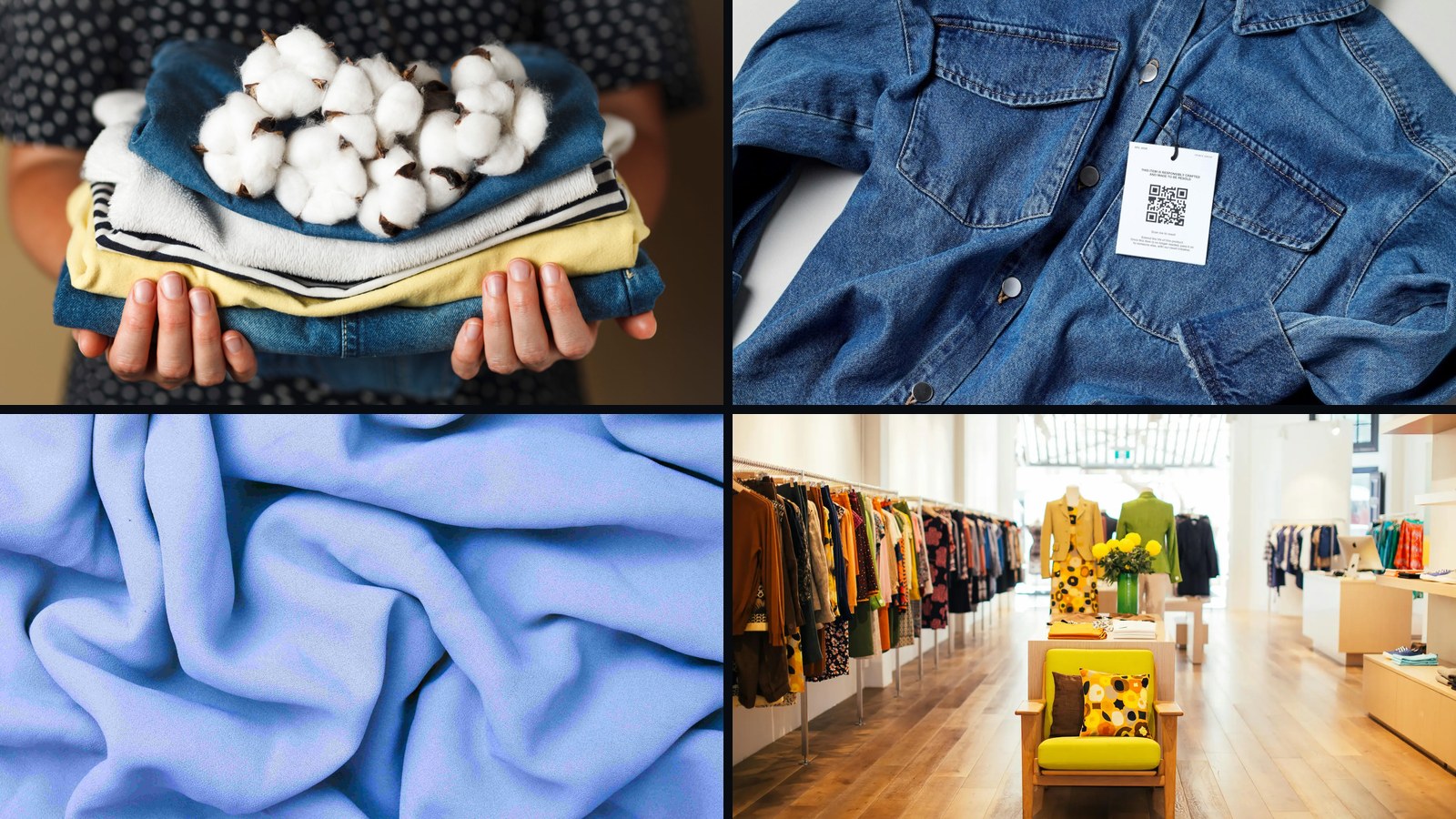
Summary: Traceability and circularity efforts are converging on garment trims—the zippers, labels, and elastics that constitute over 40% of a garment’s bill of materials. Trimco Group’s partnership with Retraced embeds verified supply chain data into physical products via QR codes, creating a digital backbone for regulatory compliance. Concurrently, manufacturers like Harnest and YKK are scaling production of recycled and biodegradable trims, moving from pilot-stage experiments to industrial-scale availability at cost parity.

Why it matters: For product developers and sourcing managers, this shifts the compliance and circularity workflow from a fabric-centric model to a whole-garment discipline, requiring new vendor partnerships and data-integration protocols.
Context: Regulatory pressure, notably the impending Ecodesign for Sustainable Products Regulation (ESPR), is forcing brands to manage product-level transparency across increasingly complex and fragmented supply chains.
"Sustainable trims have gained momentum in recent years as brands and suppliers begin to confront one of fashion’s more functional blind spots: the small components (and the data attached to them) that." — WWD
Commentary: The operational consequence is a dual-track requirement: integrating digital traceability platforms like Retraced into labeling and packaging workflows, while simultaneously qualifying and sourcing next-generation trim materials at scale. This consolidates previously siloed compliance tasks—data management and physical sourcing—into a single product development bottleneck, raising the stakes for vendor selection and technical specification.
Date: Tue, 21 Apr 2026 16:24:41 +0000
URL: https://wwd.com/sourcing-journal/sustainability/trims-take-center-stage-as-harnest-ykk-push-circ-1238923334/
AI Sentiment Score: Negative (50%)
AI Credibility Score: 10.0/10 — High
Scores and text generated by AI analysis of the source article indicated.
The Fashion Pact, Fashion for Good Team for Circular Fibre Collective (Wwd)
Summary: Fashion for Good and The Fashion Pact have launched the Circular Fibre Collective, a cross-industry initiative aimed at scaling textile-to-textile (T2T) and next-generation fiber production. The effort seeks to coordinate demand aggregation, financing, and policy support to overcome market failures, with a goal of increasing T2T’s share of global fiber production from less than 1% to around 8% by 2030. The initiative is informed by consultation with 25 brands and research projecting up to 13 million metric tons of such materials entering the market by decade’s end.

Why it matters: This formalizes a collective procurement and policy push that could materially alter sourcing budgets, vendor selection, and compliance workflows for sustainability and production teams.
Context: Industry pledges for circular materials have historically been hampered by fragmented demand and underinvestment in recycling infrastructure, keeping T2T recycling a niche activity.
"Estimates from Boston Consulting Group and Fashion for Good suggest that, if fully mobilized, the initiative could help scale up to 2 million metric tons of T2T and next-generation material capacity, increasing its share of global fiber production to around 8 percent by 2030." — WWD
Commentary: The CFC represents a shift from voluntary brand commitments to a coordinated market-making mechanism. For sourcing managers, this signals a future where approved T2T suppliers and material specifications may become standardized, reducing due diligence overhead but also concentrating negotiating power. The focus on ‘adoption enablers’ like aggregated demand signals directly targets the chicken-and-egg problem that has stalled investment, meaning procurement teams may soon face internal pressure to align orders with collective timetables. Success hinges on whether the collective can deliver price parity and consistent quality at scale—failures here would simply add another layer of reporting obligation without changing the cost calculus.
Date: Thu, 23 Apr 2026 16:00:00 +0000
URL: https://wwd.com/sourcing-journal/sustainability/the-fashion-pact-fashion-for-good-team-cfc-1238926147/
AI Sentiment Score: Positive (40%)
AI Credibility Score: 10.0/10 — High
Scores and text generated by AI analysis of the source article indicated.
Circular Economy – The Fashion Pact (Thefashionpact)
Summary: The Fashion Pact, Fashion for Good, and the Ellen MacArthur Foundation have launched the Circular Fibre Collective, a cross-industry initiative to break the ‘chicken-and-egg’ stalemate in scaling textile-to-textile recycled and next-generation fibres. The initiative aims to aggregate voluntary brand demand, unlock financing, and provide practical tools to signal the market and build supplier confidence. It will initially focus on priority materials like post-consumer mechanically recycled textiles, launching specific cohorts and toolkits in Q2 2026.

Why it matters: For sourcing, sustainability, and product development teams, this creates a new, structured pathway to engage with material innovators and recyclers, potentially altering procurement timelines and cost negotiations for circular materials.
Context: This follows years of stalled progress on circular fibre adoption, where individual brand commitments have failed to generate the scale needed to justify supplier investment in recycling infrastructure.
"The fashion industry faces an urgent materials challenge. Despite growing regulatory pressure and brand commitments, the transition to textile-to-textile (T2T) recycled and next-generation fibres remains stalled. Significant barriers continue to hinder progress." — THEFASHIONPACT
Commentary: The Collective’s focus on voluntary, non-binding aggregated demand is a pragmatic admission that regulatory mandates are lagging; its success will hinge on whether it can translate ‘credible signals’ into binding offtake agreements that financiers require. If it functions as a de facto purchasing consortium, it could finally provide the volume suggests needed to de-risk capital expenditure in mechanical recycling plants, directly impacting the business cases of suppliers like Renewcell or Infinited Fiber.
Date: April 21, 2026 12:00 AM ET
URL: https://www.thefashionpact.org/area-of-action/circular-economy/
AI Sentiment Score: Negative (57%)
AI Credibility Score: 10.0/10 — High
Scores and text generated by AI analysis of the source article indicated.
The Rise of Sustainable Fashion: How Brands are Redefining the Industry (Dev.What.It.Is)
Summary: The article outlines a shift in operational priorities for fashion brands, moving from a linear production model to one emphasizing circularity, local production, and material innovation. It cites Patagonia, Reformation, and Everlane as leaders adopting practices like zero-waste design, upcycling, and sourcing of organic cotton, hemp, and recycled fabrics. The piece connects these changes to consumer behavior shifts, such as clothing rental and a ‘buy less, buy better’ mentality, as necessary complements to brand-led initiatives.

Why it matters: For industry practitioners, this signals a reconfiguration of sourcing, design, and production workflows, with tangible impacts on vendor selection, cost structures, and brand positioning.
Context: This reflects a multi-year industry pivot where sustainability metrics are becoming integrated into core business and production KPIs, moving beyond marketing into operational mandates.
"The fashion industry is responsible for 10% of global greenhouse gas emissions, with the production of synthetic fabrics like polyester and nylon accounting for a significant portion." — DEV.WHAT.IT.IS
Commentary: The operational consequence is a forced reevaluation of the entire material pipeline, favoring suppliers with certified organic or recycled feedstocks. This could pressure mid-tier brands to develop equivalent sourcing discipline or risk being categorized as legacy operators. The emphasis on local production and zero-waste design directly alters pattern-making and sampling budgets, while the consumer shift to rental services introduces a new secondary revenue and logistics channel for brands that choose to participate.
Date: April 25, 2026 12:00 AM ET
URL: https://dev.what.it.is/dev/the-rise-of-sustainable-fashion-how-brands-are-redefining-the-industry
AI Sentiment Score: Negative (83%)
AI Credibility Score: 10.0/10 — High
Scores and text generated by AI analysis of the source article indicated.
Manufacturers key to realising circular fashion: report – Fibre2Fashion (Fibre2Fashion)
Summary: A coalition of major Asian manufacturers and the sustainability non-profit Forum for the Future has published a report arguing that mass manufacturers are the critical, under-leveraged actors for scaling circular fashion. The report, ‘Making the leap to circular fashion’, contends that current compliance-driven, brand-led initiatives are insufficient for the required transformation. It proposes a three-step framework for brands to build strategic, long-term partnerships with manufacturers, centering them in problem-scoping and innovation.
Why it matters: This shifts the operational burden and strategic initiative for circularity from brand compliance departments to the manufacturing tier, requiring new partnership models and investment in joint R&D.
Context: Circularity initiatives have historically been brand-mandated, creating a compliance dynamic that limits systemic innovation and scalability at the production source.
"mass apparel and footwear manufacturers representing the core of today’s high-production and low-cost fast-fashion system are uniquely placed to develop and implement innovative circular solutions at scale." — FIBRE2FASHION
Commentary: The report’s manufacturer-led framing is a direct challenge to the prevailing brand-centric sustainability playbook. For brands, this means renegotiating vendor relationships from transactional compliance to co-investment partnerships, which will alter cost structures and product development timelines. For manufacturers like Cobalt and Ramatex, it represents a potential pivot from cost-center to innovation partner, with implications for their margin models and client retention strategies. The call to ‘engage supply chain partners at the problem-scoping and ideation stage’ explicitly redistributes design authority, a significant shift in the creative and commercial pipeline.
Date: April 23, 2026 12:00 AM ET
URL: https://www.fibre2fashion.com/news/fashion-news/manufacturers-key-to-realising-circular-fashion-report--269708-newsdetails.htm
AI Sentiment Score: Negative (55%)
AI Credibility Score: 10.0/10 — High
Scores and text generated by AI analysis of the source article indicated.
LVMH Circularity (Lvmh)
Summary: LVMH is scaling its internal circular economy program, LVMH Circularity, from Perfumes & Cosmetics into its core Fashion & Leather Goods sector. The initiative operationalizes a ‘close loop’ through a dedicated ecosystem: the CEDRE platform for dismantling and sorting, Nona Source for reselling unused fabrics and leathers, Weturn for textile-to-textile recycling, and partnerships for donation. This formalizes a corporate pipeline for handling end-of-life products, offcuts, prototypes, and unsold inventory, aiming to suggest traceability and compliance while reducing environmental impact.

Why it matters: This institutionalizes a new, large-scale material flow and vendor relationship for luxury houses, creating both a constraint (mandated routing of waste) and an opportunity (new sourcing channels) for designers, production teams, and sustainability officers.
Context: Luxury groups face increasing regulatory and consumer pressure on sustainability, with Scope 3 emissions—largely from supply chains and materials—constituting the vast majority of their footprint. Internal circularity programs are becoming a strategic operational lever, not just a marketing initiative.
"Since 2023, the platform has also welcomed materials and products from fashion and leather goods Maisons – such as leather or textile offcuts, prototypes, rolls, even unsold and branded products." — LVMH
Commentary: The move signifies a shift from pilot projects to integrated supply chain management. For creative and production teams, it means standardized protocols for disposing of materials and a potential internal market for sourcing (via Nona Source). For competitors, it raises the operational benchmark, potentially creating a new class of preferred vendors specializing in luxury material recovery. The focus on traceability and IP-protected recycling (via Weturn) directly addresses counterfeiting and brand integrity concerns that have previously hindered luxury circularity.
Date: April 20, 2026 12:00 AM ET
URL: https://www.lvmh.com/en/commitment-in-action/for-the-environment/lvmh-circularity
AI Sentiment Score: Negative (60%)
AI Credibility Score: 10.0/10 — High
Scores and text generated by AI analysis of the source article indicated.
Here’s How Fashion & Sustainability Can Come Together This Earth … (Lifestylemonitor.Cottoninc)
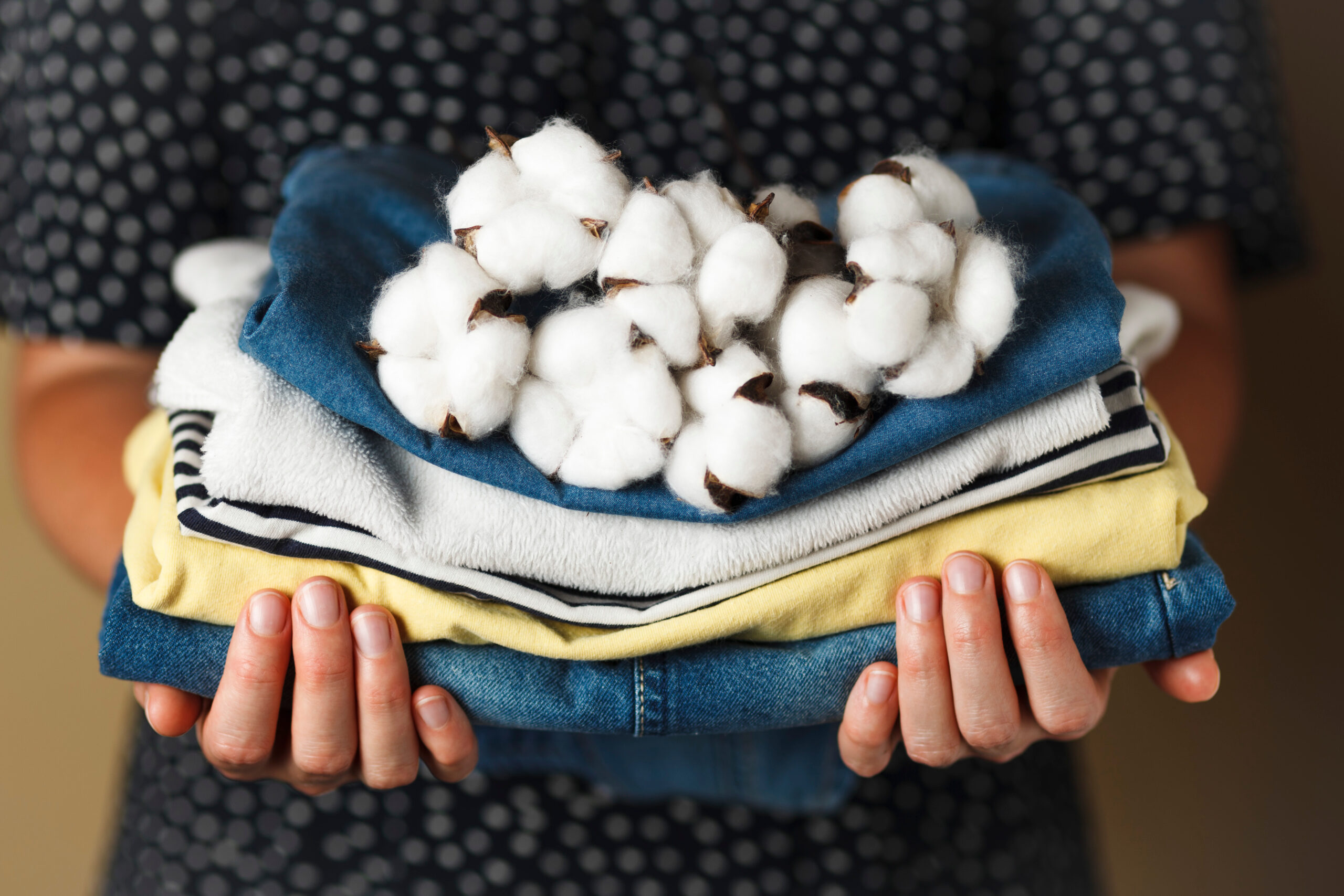
Summary: A Cotton Incorporated-sponsored article profiles three fashion ventures—Jiwya, Stewards, and Circular Club—that operationalize sustainability through specific material and business model choices. Jiwya uses indigenous cotton varieties for a ‘soil-to-soil’ bio-circular system, Stewards employs recycled cotton infused with aloe vera to reduce washing frequency and enable biodegradation, and Circular Club offers a children’s clothing subscription swap to extend garment life. The piece frames cotton as an inherently circular, biodegradable solution to microplastic pollution and textile waste.
Why it matters: For industry practitioners, these case studies represent concrete, operational blueprints for implementing circularity, affecting material sourcing, product design, and end-of-life logistics.
Context: The push for circular fashion is shifting from marketing narrative to supply-chain mandate, with brands under pressure to demonstrate tangible, closed-loop systems and reduce reliance on synthetic fibers.
"Of course, EarthDay.org encourages participants to continue taking action and showing “your love for Planet Earth” throughout the year. One way apparel consumers can do just that is by eschewing apparel which." — LIFESTYLEMONITOR.COTTONINC
Commentary: The focus on indigenous cotton and post-consumer recycled material signals a pivot from generic ‘sustainable’ sourcing to region-specific, climate-resilient fiber procurement. The aloe-infusion strategy is a notable example of designing for behavioral circularity—reducing laundering—which directly impacts a garment’s lifecycle environmental cost. These models could pressure larger brands to develop similar traceable, plant-based pipelines or risk being framed as reliant on ‘plastic-coated’ luxury. The promotion of ventures like LiquiDonate highlights the growing vendor ecosystem for managing non-sellable returns, turning a logistics cost center into a reputational and waste-reduction asset.
Date: April 23, 2026 12:00 AM ET
URL: https://lifestylemonitor.cottoninc.com/heres-how-fashion-sustainability-can-come-together-this-earth-month/
AI Sentiment Score: Negative (90%)
AI Credibility Score: 7.0/10 — Medium
Scores and text generated by AI analysis of the source article indicated.
Fashion Our Future x ChangeNOW: Redesigning Fashion’s Value Chain 1 | Panel (Youtube)
Summary: A panel convened by Fashion Our Future and ChangeNOW, with Kering’s partnership, addressed systemic textile waste. The discussion focused on operationalizing circularity, from material innovation to end-of-life recycling, with emphasis on scaling proven solutions like CIRC’s polycotton recycling technology. Participants highlighted the need for industry-wide coalitions to redefine performance KPIs that support new, sustainable business models.

Why it matters: This signals a shift from theoretical sustainability frameworks to the practical scaling of recycling infrastructure and coalition-building, directly impacting material sourcing, product design, and waste management contracts for brands and suppliers.
Context: Major luxury groups and innovators are moving beyond pilot projects to establish industrial-scale, textile-to-textile recycling partnerships, aiming to address the blended fabric waste stream that constitutes the bulk of post-consumer material.
"Fashion Our Future X ChangeNOW, an exclusive evening designed in partnership with Kering, and with the support of Céline Dassonville (Ethiwork) and Paula Miquelis (Do Futuro). An evening dedicated to tackling textile." — YOUTUBE
Commentary: The focus on scaling a specific, proven technology for polycotton blends (CIRC) indicates a maturation phase: capital and partnerships are now targeting the bottleneck of mixed-material recycling at industrial volume. This could pressure brands to design for these specific recycling inputs and could reshape sourcing agreements toward pre-approved material blends. The call for new industry KPIs suggests impending changes to internal reporting and supplier scorecards, moving sustainability from a marketing cost-center to a core operational metric.
Date: April 24, 2026 12:00 AM ET
URL: https://www.youtube.com/watch?v=uTFYqQko8HQ
AI Sentiment Score: Negative (85%)
AI Credibility Score: 10.0/10 — High
Scores and text generated by AI analysis of the source article indicated.
13 Years After Rana Plaza Collapse, Root Causes of ‘Death Traps’ Persist (Wwd)
Summary: Thirteen years after the Rana Plaza collapse, the legally binding International Accord for Health and Safety has become an institutionalized standard, covering over 2,200 factories in Bangladesh and Pakistan. However, over 1,000 factories in Bangladesh remain behind on safety remediations, and recent fatal incidents in smaller, unmonitored facilities demonstrate persistent systemic risks. Key brands like Hugo Boss and Ikea are opting out of the Accord framework in favor of internal audits, drawing activist pressure and protests. The Clean Clothes Campaign is pushing to expand the Accord’s scope to include fabric production and climate-related hazards.

Why it matters: For brands and suppliers, the choice between a binding multi-stakeholder pact and internal audit programs defines legal liability, operational costs, and activist exposure.
Context: The Accord emerged as a direct, binding response to Rana Plaza, shifting liability to brands; its renewal and scope are now contested as some major signatories exit.
"It took 90 seconds for the eight-story building to be reduced to a pile of rubble. By the time the search for survivors ended, 1,134 workers were dead and thousands more were." — WWD
Commentary: The operational split between Accord adherents and brands relying on internal audits (IWAY, FLA) creates a two-tiered compliance landscape, where cost and liability are pushed onto smaller, unregistered subcontractors. This divergence forces sourcing managers to navigate conflicting standards while activist campaigns directly target commercial footprints, making supply chain governance a public-facing brand risk. The push to expand the Accord’s scope to fabric production would significantly increase compliance overhead for vertically integrated operations.
Date: Fri, 24 Apr 2026 22:05:13 +0000
URL: https://wwd.com/sourcing-journal/sustainability/rana-plaza-13-year-anniversary-bangladesh-pakistan-1238929336/
AI Sentiment Score: Negative (50%)
AI Credibility Score: 10.0/10 — High
Scores and text generated by AI analysis of the source article indicated.
Bangladesh garment industry faces pivotal shift as US sourcing … (Bizbdreview)
Summary: A thematic analysis of 2026 earnings calls from major US fashion companies reveals a decisive rebalancing of global sourcing strategies. In response to tariff pressures, geopolitical risk, and volatile consumer demand, firms are accelerating diversification from China, expanding reliance on Bangladesh and Vietnam, and exploring near-shoring. The shift is methodical, with price increases on premium items protecting margins and trade frameworks like the new US-Bangladesh reciprocal tariff arrangement directly influencing sourcing decisions. This realignment is a gradual, 12-18 month process, reinforcing Bangladesh’s position as a critical, albeit tariff-exposed, manufacturing hub.
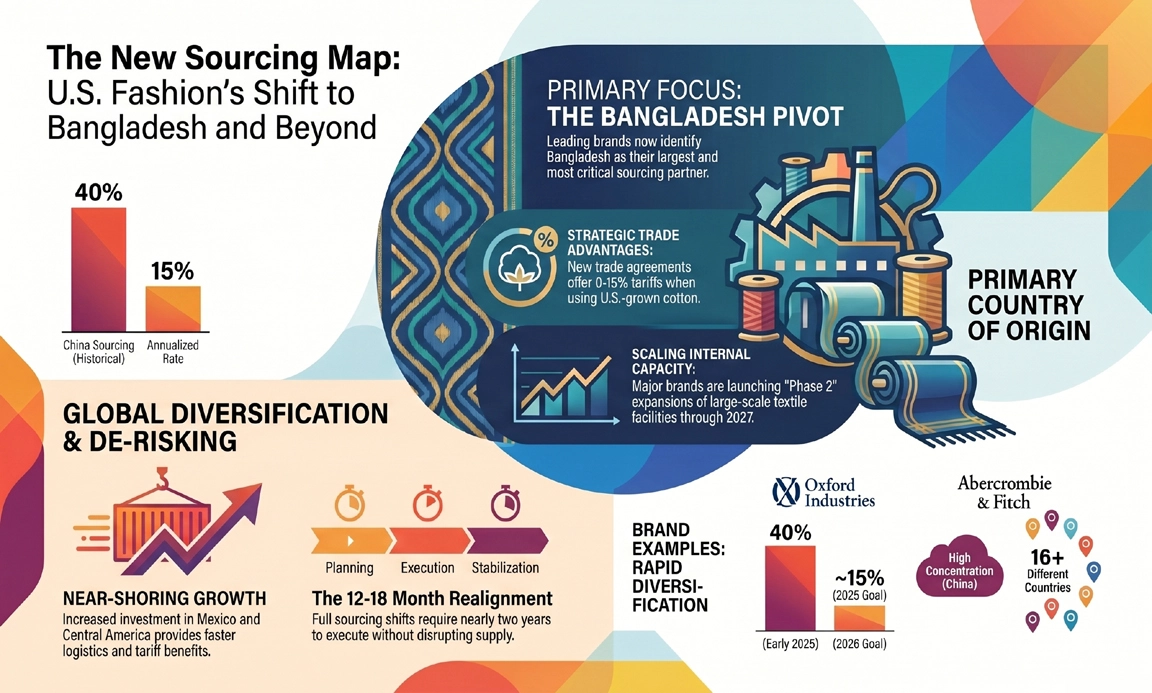
Why it matters: This signals a concrete, multi-year shift in vendor selection, costing models, and compliance workflows for sourcing teams and their suppliers.
Context: The US apparel industry’s long-term ‘China plus one’ diversification strategy is being accelerated and formalized by new tariff regimes and policy uncertainty.
"Bangladesh’s readymade garment sector is entering a decisive phase as United States fashion companies accelerate a restructuring of their global sourcing strategies in response to rising tariffs, geopolitical tensions and an uncertain." — BIZBDREVIEW
Commentary: The operational consequence is a locked-in dependency on Bangladesh, requiring brands to deepen technical compliance teams to navigate rules of origin (like US-origin fiber requirements) for tariff relief. This creates a new leverage dynamic for Bangladeshi suppliers who can offer integrated input sourcing, while near-shoring to Mexico remains a tactical, not strategic, alternative due to cost constraints. The industry’s pivot from pure cost efficiency to ‘tariff-aware’ sourcing will restructure internal forecasting and product development calendars to accommodate longer, more complex supply chains.
Date: April 25, 2026 12:00 AM ET
URL: https://bizbdreview.com/bangladesh-garment-industry-faces-pivotal-shift-as-us-sourcing-evolves/
AI Sentiment Score: Negative (75%)
AI Credibility Score: 10.0/10 — High
Scores and text generated by AI analysis of the source article indicated.
US buyers reassess sourcing as Bangladesh trade deal signals shift (Bangladeshtextilejournal)
Summary: The US-Bangladesh tariff agreement, which reduces duties and offers duty-free access for garments using US-origin fibers, is prompting American apparel buyers to reassess sourcing strategies. A study identifies four key corporate responses: diversifying sourcing bases, reducing China reliance, expanding procurement in Bangladesh and Vietnam, and exploring near-shoring. Full adjustments are expected to take 12–18 months, with verification of US cotton usage emerging as a critical operational hurdle.

Why it matters: This recalibrates cost models and supply chain timelines for brands and sourcing teams, directly impacting vendor selection, fiber procurement, and compliance workflows.
Context: This follows a broader industry shift away from concentrated China sourcing, driven by tariff pressures and geopolitical uncertainty, making trade-policy minutiae a core component of sourcing strategy.
"The Agreement on Reciprocal Tariff, signed on February 9, reduces tariffs on Bangladeshi goods from 20% to 19%, while offering duty-free access for garments made using US-origin cotton and man-made fibers." — BANGLADESHTEXTILEJOURNAL
Commentary: The agreement creates a two-tier cost structure within Bangladesh sourcing, privileging supply chains that can integrate US fibers. This could pressure brands to renegotiate fabric sourcing with mills and invest in traceability systems, while manufacturers like Kontoor Brands must now treat fiber origin as a direct input into tariff exposure calculations. The 12–18 month adjustment window indicates this is a logistical re-engineering, not a quick pivot.
Date: April 22, 2026 12:00 AM ET
URL: https://bangladeshtextilejournal.com/us-buyers-reassess-sourcing-as-bangladesh-trade-deal-signals-shift/
AI Sentiment Score: Negative (80%)
AI Credibility Score: 7.0/10 — Medium
Scores and text generated by AI analysis of the source article indicated.
How geopolitics is redefining fashion supply chains and why … (Apparelviews)
Summary: Geopolitical volatility is forcing fashion brands to treat supply chains as a strategic, rather than purely operational, function. The primary risk is no longer cost optimization but systemic disruption from tariffs, shipping uncertainty, and policy shifts. This is compelling a redesign of sourcing networks toward regionalization, multi-country capacity, and executional rigor to absorb shocks. The winning model splits production between scale hubs for core volume and regional, flexible partners for responsive drops.
Why it matters: For sourcing, production, and operations teams, this shifts the core mandate from cost negotiation to building resilient, visible, and compliant supplier networks that can flex under political pressure.
Context: This follows a broader industrial shift where ‘just-in-time’ global logistics are being reevaluated for ‘just-in-case’ resilience, a trend now reaching fashion’s complex, timing-critical pipelines.
"For years, fashion brands treated sourcing like a map problem. Pick the best country for price, capacity, and lead times, then scale. That playbook is getting rewritten. In today’s global environment, the." — APPARELVIEWS
Commentary: The implication is a structural power shift: sourcing and logistics expertise must be integrated into C-suite strategy, elevating operational roles. This will demand new tools for real-time visibility and supplier performance data, while rewarding vendors who can demonstrate compliance and flexibility as much as low cost. The era of chasing marginal price advantages from volatile regions is ending.
Date: April 24, 2026 12:00 AM ET
URL: https://www.apparelviews.com/how-geopolitics-is-redefining-fashion-supply-chains-and-why-execution-will-matter-more-than-geography/
AI Sentiment Score: Negative (66%)
AI Credibility Score: 10.0/10 — High
Scores and text generated by AI analysis of the source article indicated.
Navigating Import Regulations for Textiles and Apparel: 2026 Guide … (Exploretex)
Summary: New import regulations for 2026, including the Last Sale Valuation Act and harmonized Extended Producer Responsibility fees, are shifting the cost calculus for apparel sourcing. The India-UK FTA introduces new competitive dynamics, while strict Rules of Origin requirements complicate free trade benefits. These changes elevate compliance and data management from back-office functions to core strategic pillars, directly impacting landed cost and speed to market.

Why it matters: For sourcing, logistics, and finance teams, these regulatory shifts materially alter vendor selection, cost modeling, and supply chain design, making compliance a direct driver of margin and operational risk.
Context: This follows a multi-year trend where trade policy is increasingly used as a tool for environmental and industrial policy, moving beyond simple tariffs to embedded carbon and waste management costs.
"In the global fashion economy of 2026, the movement of goods is no longer just about logistics—it is about data, transparency, and high-stakes compliance. For fashion brands and retailers, **navigating import regulations." — EXPLORETEX
Commentary: The Last Sale Valuation Act effectively raises the duty base for multi-tiered supply chains, disproportionately impacting brands reliant on complex Asian sourcing. This structurally advantages integrated manufacturers in trade-aligned regions like the EU, where the ‘last sale’ is often closer to the final export price. The operational burden shifts from logistics optimization to real-time data capture and audit trails for every transaction in the chain.
Date: April 22, 2026 12:00 AM ET
URL: https://exploretex.com/navigating-import-regulations-for-textiles-and-apparel/
AI Sentiment Score: Negative (80%)
AI Credibility Score: 10.0/10 — High
Scores and text generated by AI analysis of the source article indicated.
Post ID: fca6854c