Ancient Signals
Ancient DNA reveals a hidden Neanderthal group frozen in time (Sciencedaily)
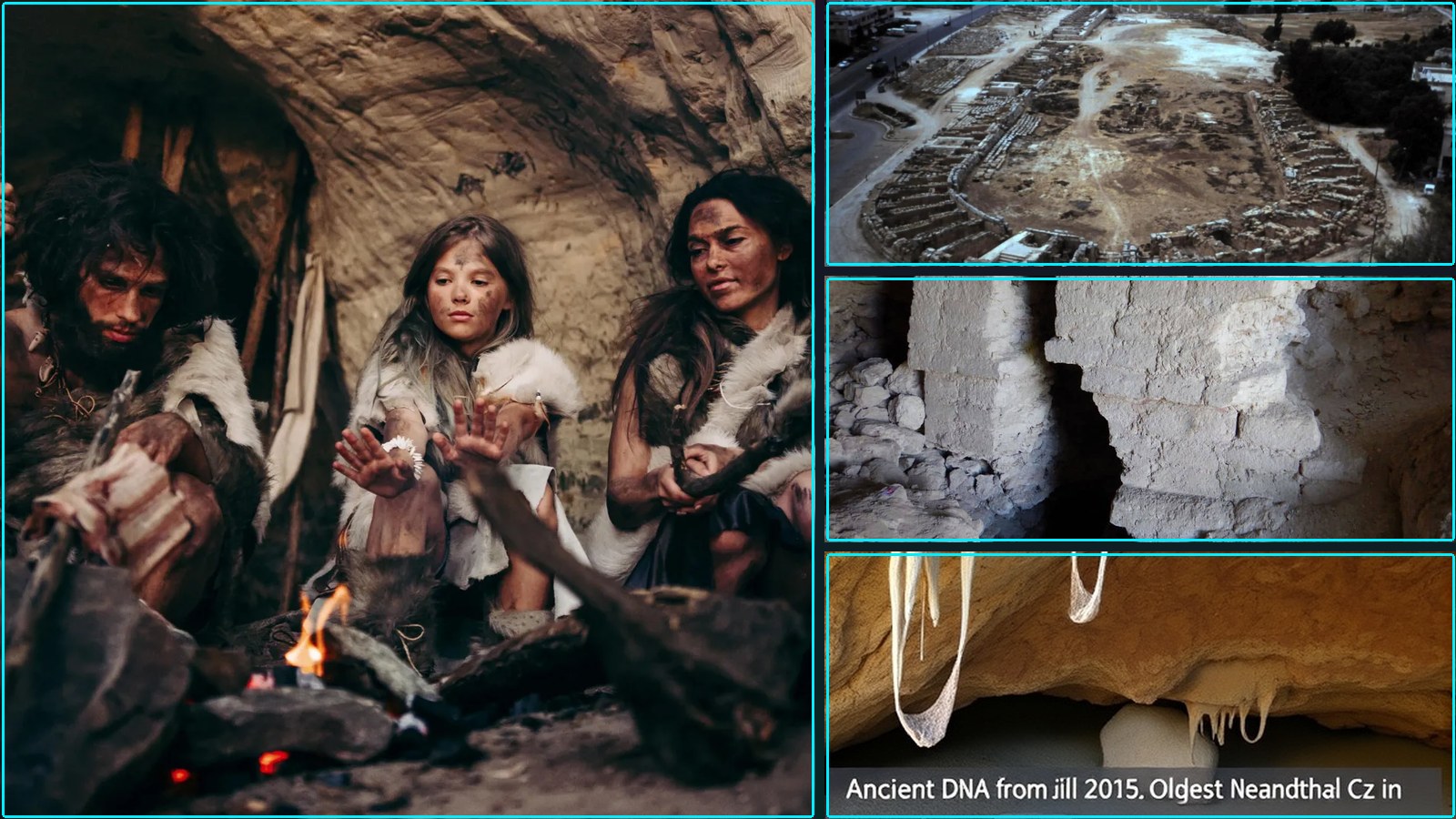
Summary: A study published in Current Biology analyzes mitochondrial DNA from eight Neanderthal teeth found in Stajnia Cave, Poland, reconstructing the genetic profile of a small group of at least seven individuals who lived concurrently around 100,000 years ago. This marks the first multi-individual genetic snapshot from a single site and period in Central-Eastern Europe. The shared maternal lineage connects this group to Neanderthals across Europe and the Caucasus, indicating a once-widespread lineage later replaced. The findings also challenge the dating of other fossils, like the French Thorin specimen, and elevate the region’s role from periphery to a nexus of population movement and interaction.
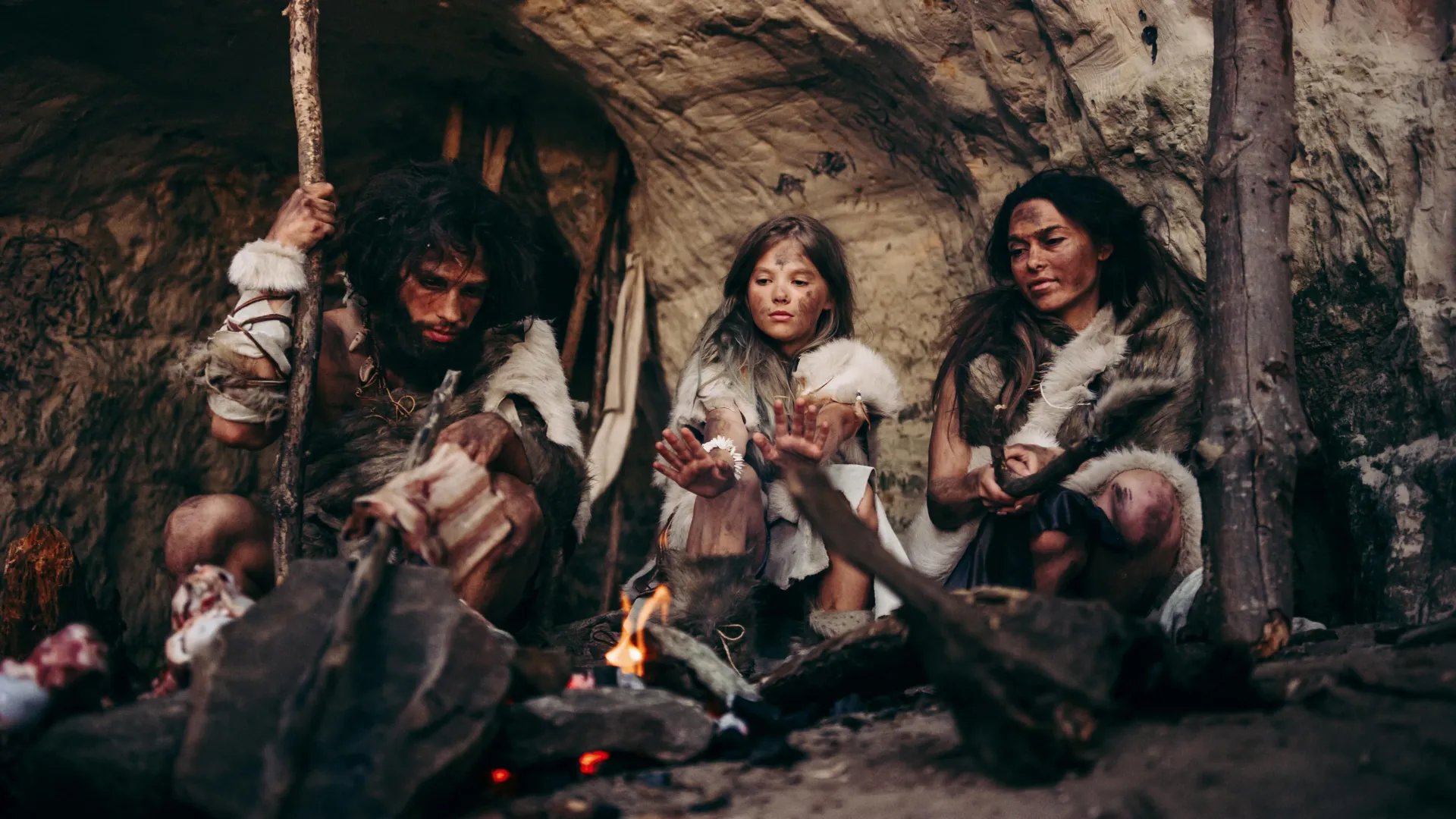
Why it matters: It reframes Central-Eastern Europe as a central corridor for Neanderthal demography and technology, not a marginal zone, and forces a methodological reckoning with dating precision for deep-time genetics.
Context: Neanderthal genetic data has typically been pieced together from isolated, chronologically scattered remains, limiting understanding of social structure and regional population dynamics.
[Summary note] A study published in Current Biology analyzes mitochondrial DNA from eight Neanderthal teeth found in Stajnia Cave, Poland, reconstructing the genetic profile of a small group of at least seven individuals who…
Commentary: The study shifts the interpretive geography of the Middle Paleolithic, demonstrating that Carpathian corridors facilitated sustained gene flow across western Eurasia long before later replacements. By capturing a contemporaneous ‘community,’ it moves beyond individual lineage tracing to model group cohesion and kinship. This directly pressures chronometric overreach in the field, as similar genetics in a French fossil dated 50,000 years later expose the limits of radiocarbon calibration at its extremes.
Date: Wed, 22 Apr 2026 00:27:40 EDT
URL: https://www.sciencedaily.com/releases/2026/04/260421042757.htm
AI Sentiment Score: Negative (66%)
AI Credibility Score: 10.0/10 — High
Scores and text generated by AI analysis of the source article indicated.
Ancient DNA reveals origin of first Bronze Age civilizations in Europe (Sciencedaily)
Summary: # Ancient DNA reveals origin of first Bronze Age civilizations in Europe ## Finding shed light on role of migration in Neolithic to Bronze Age transition and emergence of Indo-European languages – Date: May 6, 2021 … The first civilisations to build monumental palaces and urban centres in Europe are more genetically homogenous than expected, according to the first study to sequence whole genomes gathered from ancient archaeological sites around the Aegean Sea. The study has been published in the journal Cell.

Why it matters: This matters for Ancient World because it gives a concrete current signal to track: # Ancient DNA reveals origin of first Bronze Age civilizations in Europe ## Finding shed light on role of migration in Neolithic to Bronze Age transition and emergence of Indo-European languages – Date: May 6, 2021 …
Context: # Ancient DNA reveals origin of first Bronze Age civilizations in Europe ## Finding shed light on role of migration in Neolithic to Bronze Age transition and emergence of Indo-European languages – Date: May 6, 2021 … The first civilisations to build monumental palaces and urban centres in Europe are more genetically homogenous than expected, according to the first study to sequence whole genomes gathered from ancient archaeological sites around the Aegean Sea. The study has been published in the journal Cell.
"# Ancient DNA reveals origin of first Bronze Age civilizations in Europe ## Finding shed light on role of migration in Neolithic to Bronze Age transition and emergence of Indo-European languages -." — SCIENCEDAILY
Commentary: The immediate implication is operational rather than speculative: watch how this changes budgets, workflows, or risk assumptions over the next cycle.
Date: April 28, 2026 12:00 AM ET
URL: https://www.sciencedaily.com/releases/2021/05/210505102025.htm
AI Sentiment Score: Negative (75%)
AI Credibility Score: 10.0/10 — High
Scores and text generated by AI analysis of the source article indicated.
Ancient mass grave reveals how a pandemic wiped out a city 1,500 years ago (Sciencedaily)
Summary: Ancient mass grave reveals how a pandemic wiped out a city 1,500 years ago An ancient mass grave uncovers how one of history’s first pandemics brought a hidden, mobile society together in a sudden, deadly moment. – Date: – April 23, 2026 – Source: – University of South Florida – Summary: – A newly confirmed mass grave in ancient Jordan offers chilling insight into one of history’s first pandemics. Hundreds of plague victims were buried within days, revealing how the Plague of Justinian devastated entire communities.
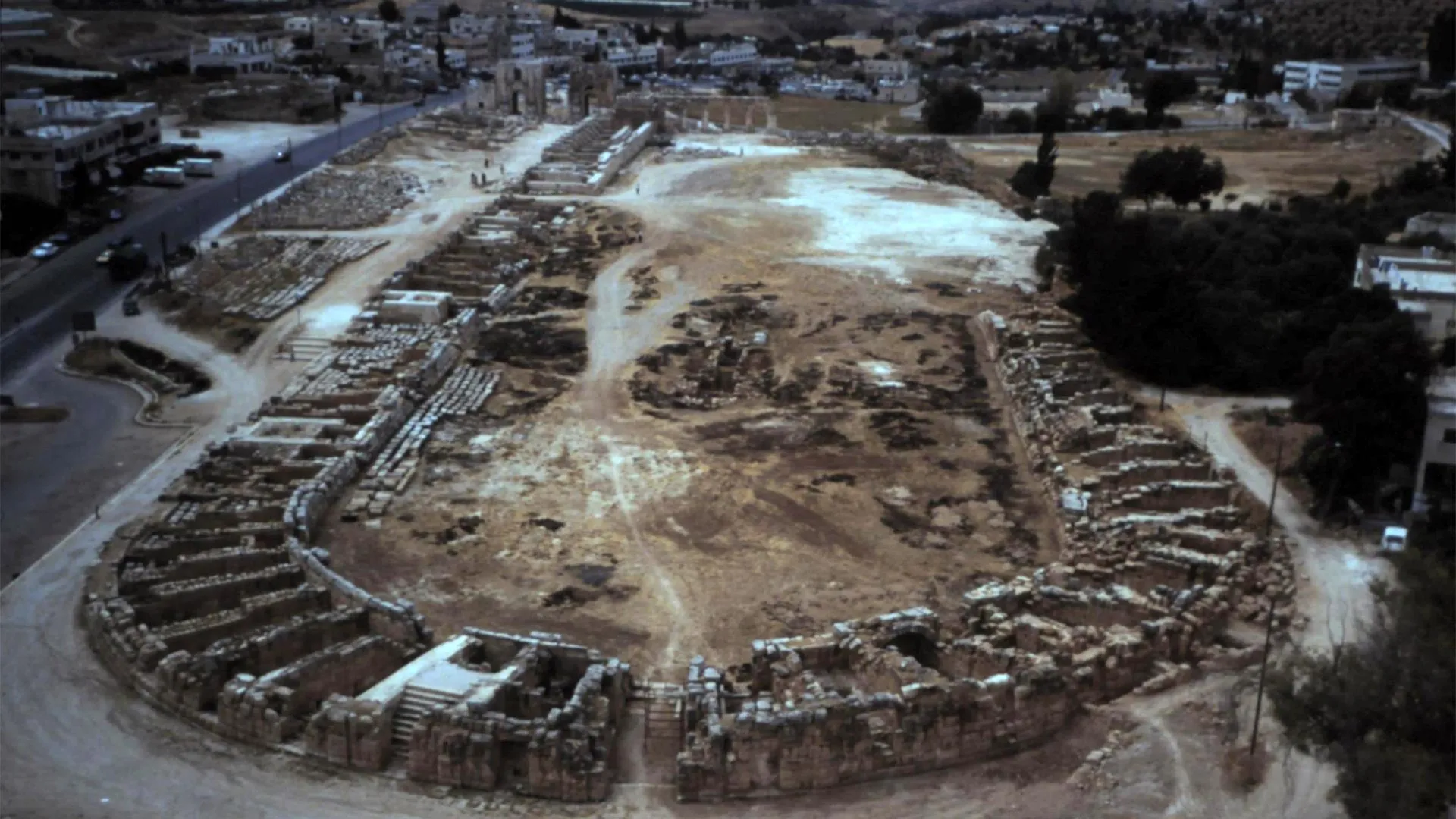
Why it matters: This matters for Ancient World because it gives a concrete current signal to track: Ancient mass grave reveals how a pandemic wiped out a city 1,500 years ago An ancient mass grave uncovers how one of history’s first pandemics brought a hidden, mobile society together in a sudden, deadly moment.
Context: Ancient mass grave reveals how a pandemic wiped out a city 1,500 years ago An ancient mass grave uncovers how one of history’s first pandemics brought a hidden, mobile society together in a sudden, deadly moment. – Date: – April 23, 2026 – Source: – University of South Florida – Summary: – A newly confirmed mass grave in ancient Jordan offers chilling insight into one of history’s first pandemics. Hundreds of plague victims were buried within days, revealing how the Plague of Justinian devastated entire communities.
Commentary: The immediate implication is operational rather than speculative: watch how this changes budgets, workflows, or risk assumptions over the next cycle.
Date: Thu, 23 Apr 2026 17:44:05 EDT
URL: https://www.sciencedaily.com/releases/2026/04/260423031540.htm
AI Sentiment Score: Negative (87%)
AI Credibility Score: 10.0/10 — High
Scores and text generated by AI analysis of the source article indicated.
Ancient Maya Settlement with 80 Buildings and Rare Wall Paintings … (Greekreporter)
Summary: Archaeologists have confirmed the discovery of a Maya settlement in southern Mexico, featuring 80 buildings and rare decorative wall paintings. The site, named “El Jefeciño,” sits in the municipality of Othón P. Blanco in Quintana Roo.
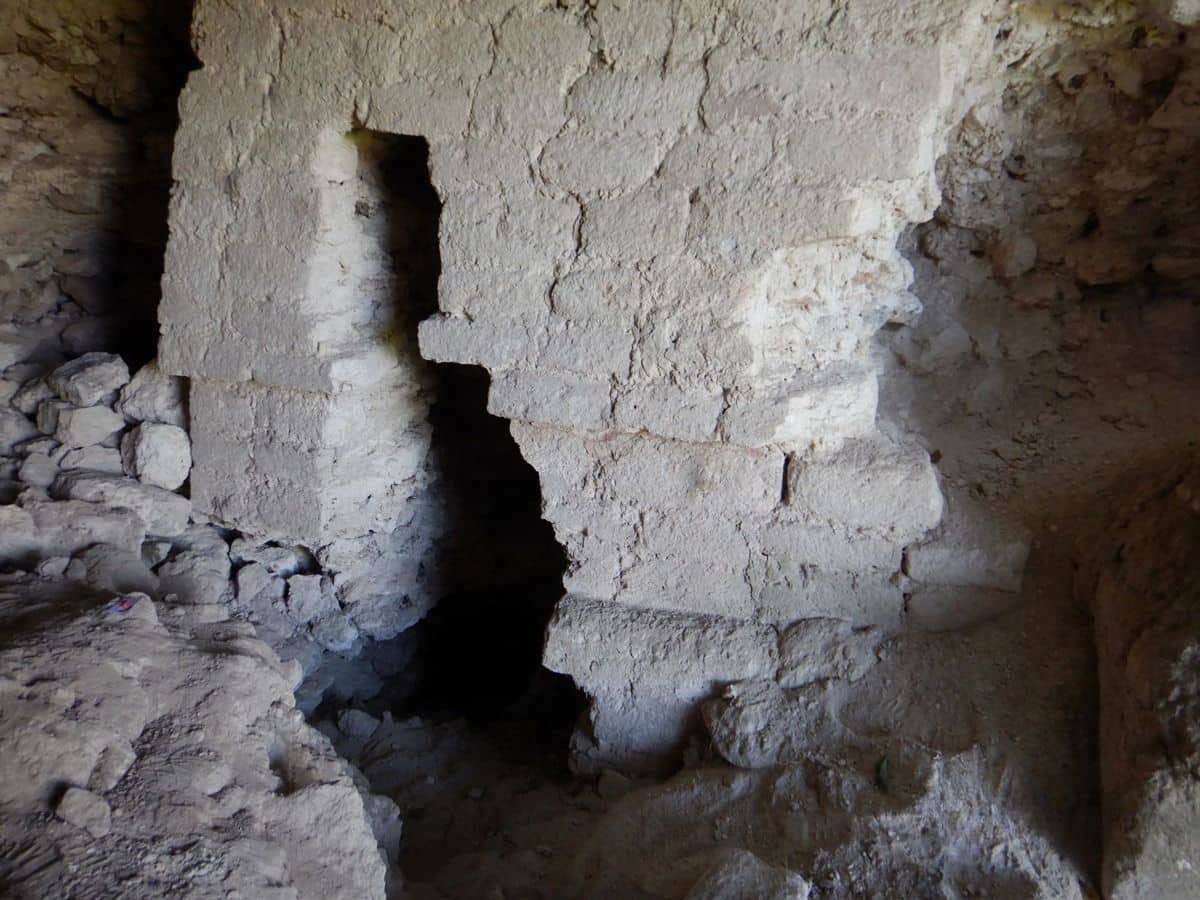
Why it matters: This matters for Ancient World because it gives a concrete current signal to track: Archaeologists have confirmed the discovery of a Maya settlement in southern Mexico, featuring 80 buildings and rare decorative wall paintings.
Context: Archaeologists have confirmed the discovery of a Maya settlement in southern Mexico, featuring 80 buildings and rare decorative wall paintings. The site, named “El Jefeciño,” sits in the municipality of Othón P. Blanco in Quintana Roo.
"Archaeologists have confirmed the discovery of a Maya settlement in southern Mexico, featuring 80 buildings and rare decorative wall paintings. The site, named “El Jefeciño,” sits in the municipality of Othón P." — GREEKREPORTER
Commentary: The immediate implication is operational rather than speculative: watch how this changes budgets, workflows, or risk assumptions over the next cycle.
Date: April 28, 2026 12:00 AM ET
URL: https://greekreporter.com/2026/04/28/ancient-maya-settlement-buildings-rare-wall-paintings-discovered-mexico/
AI Sentiment Score: Neutral (50%)
AI Credibility Score: 7.0/10 — Medium
Scores and text generated by AI analysis of the source article indicated.
Ancient DNA from Stajnia Cave Uncovers Oldest Neanderthal Group … (Bioengineer)
Summary: A groundbreaking international research collaboration, recently published in the prestigious journal Current Biology, unveils unprecedented genetic insights into Neanderthals through the meticulous analysis of ancient mitochondrial DNA extracted from eight teeth discovered within Poland’s Stajnia Cave. This study marks a historic first in paleoanthropology, as it successfully reconstructs the genetic profile of a small, cohesive group of Neanderthal individuals cohabiting this Central-Eastern European site during a single, well-defined chronological phase approximately 100,000 years ago. …
Why it matters: This matters for Ancient World because it gives a concrete current signal to track: A groundbreaking international research collaboration, recently published in the prestigious journal Current Biology, unveils unprecedented genetic insights into Neanderthals through the meticulous analysis of ancient mitochondrial DNA extracted from eight teeth discovered within Poland’s Stajnia Cave.
Context: A groundbreaking international research collaboration, recently published in the prestigious journal Current Biology, unveils unprecedented genetic insights into Neanderthals through the meticulous analysis of ancient mitochondrial DNA extracted from eight teeth discovered within Poland’s Stajnia Cave. This study marks a historic first in paleoanthropology, as it successfully reconstructs the genetic profile of a small, cohesive group of Neanderthal individuals cohabiting this Central-Eastern European site during a single, well-defined chronological phase approximately 100,000 years ago. …
"A groundbreaking international research collaboration, recently published in the prestigious journal Current Biology, unveils unprecedented genetic insights into Neanderthals through the meticulous analysis of ancient mitochondrial DNA extracted from eight teeth discovered." — BIOENGINEER
Commentary: The immediate implication is operational rather than speculative: watch how this changes budgets, workflows, or risk assumptions over the next cycle.
Date: April 20, 2026 12:00 AM ET
URL: https://bioengineer.org/ancient-dna-from-stajnia-cave-uncovers-oldest-neanderthal-group-in-central-eastern-europe/
AI Sentiment Score: Negative (83%)
AI Credibility Score: 7.0/10 — Medium
Scores and text generated by AI analysis of the source article indicated.
Post ID: 90755560