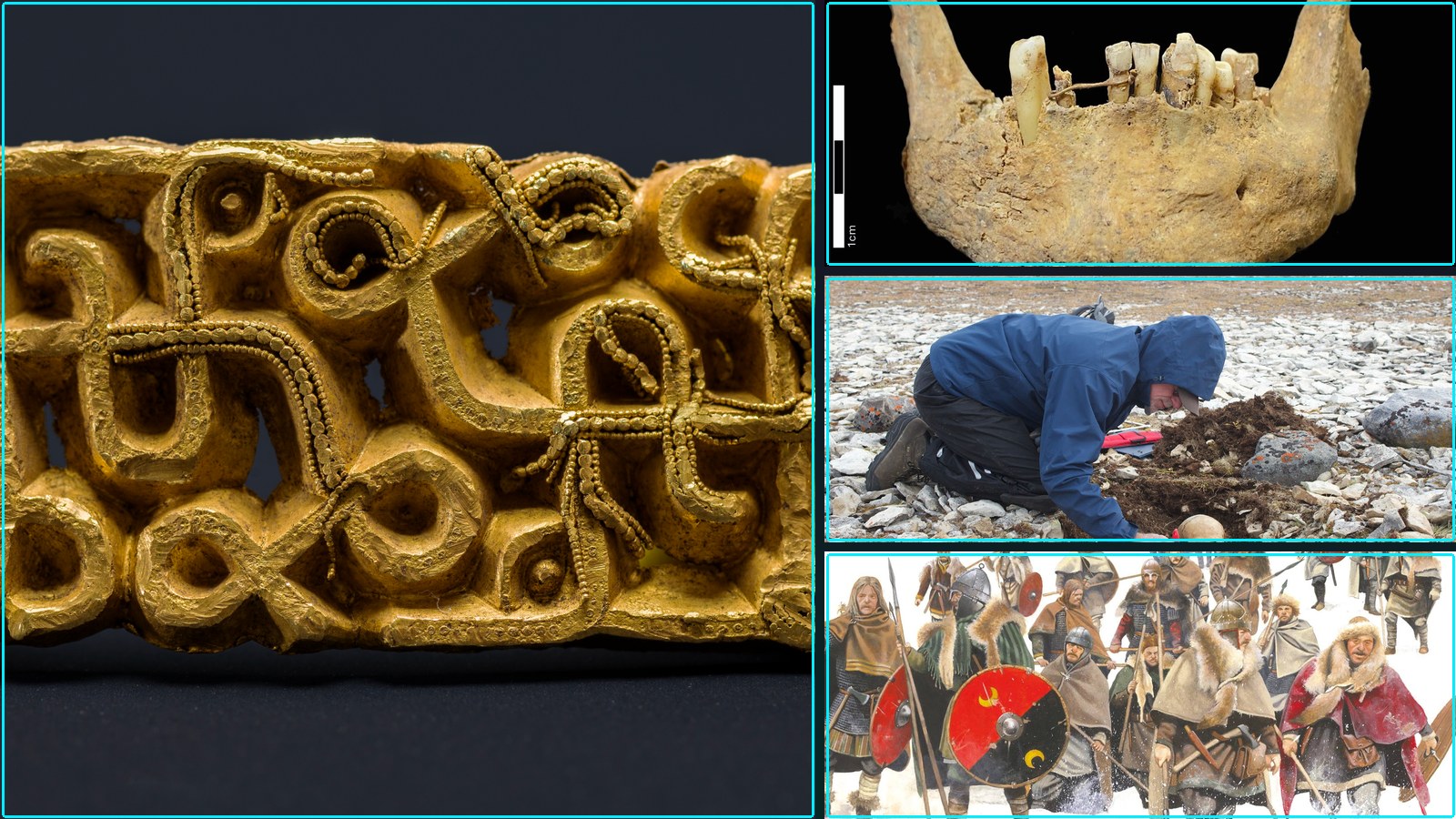
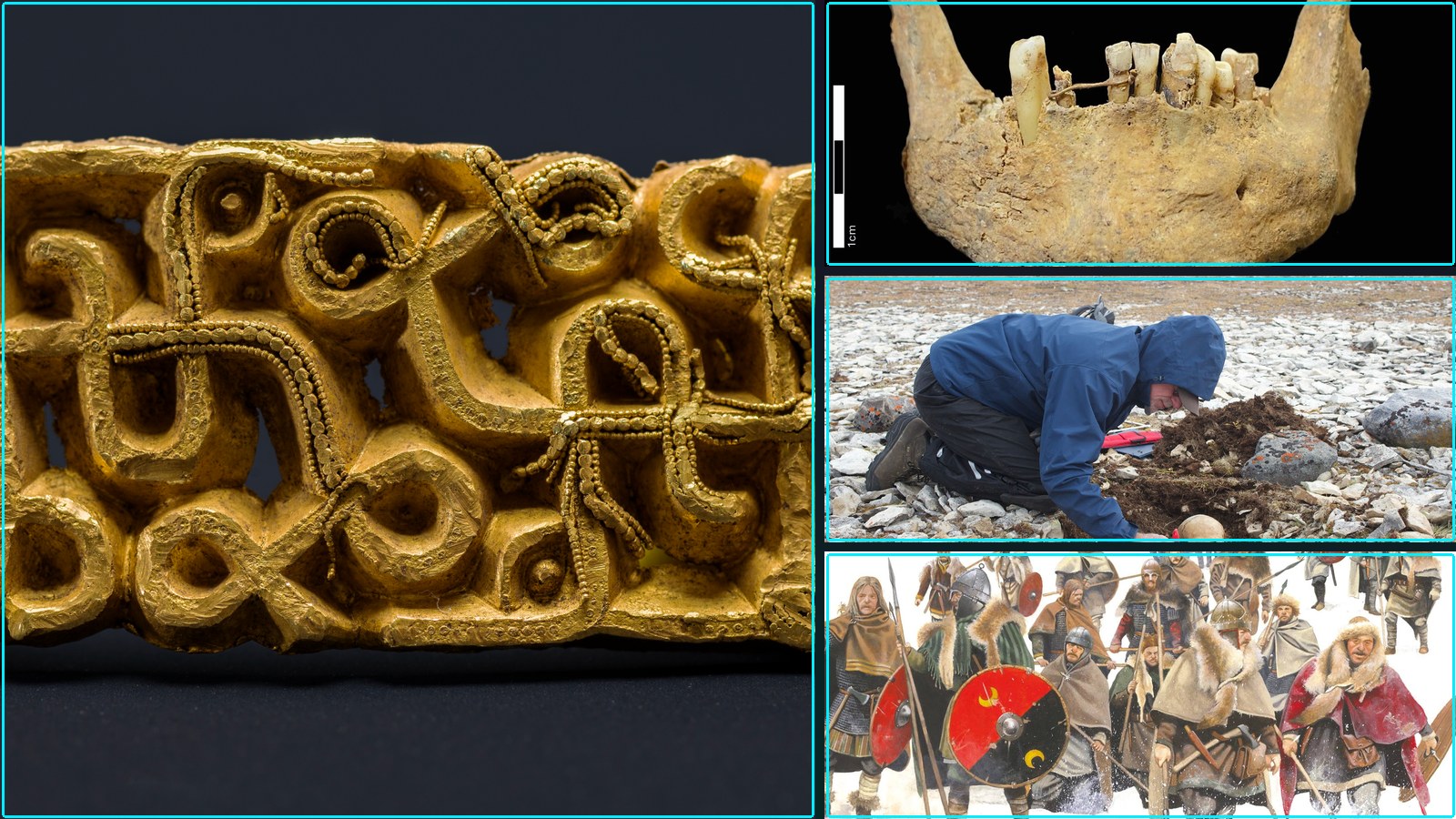
Recent archaeological discoveries and artifacts
Athena bowl: A silver and gold vessel of the goddess and her owl, buried in a German forest 2,000 years ago (Livescience)
Summary: The Athena bowl, a silver and gold-accented vessel depicting the goddess and her owl, was part of the Hildesheim treasure discovered in central Germany in 1868. This hoard, dating to the first century A.D., represents the largest collection of Roman silver found outside the imperial frontier. The bowl’s central emblem is older, crafted in the second century B.C., and was later set into a new vessel, with the entire collection showing signs of wear and repair. Its location and timing suggest it may have been the property of a high-ranking Roman commander, possibly Publius Quinctilius Varus, who suffered a catastrophic defeat in the Teutoburg Forest in A.D. 9.
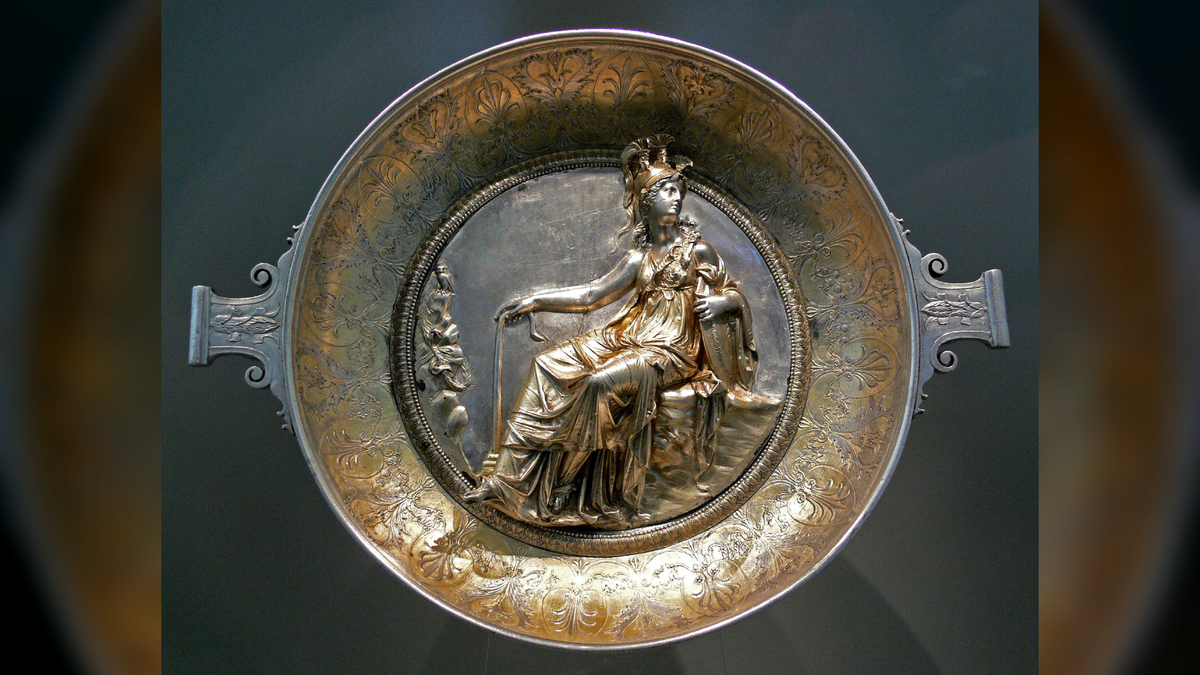
Why it matters: This artifact materially refines our understanding of Roman military culture, elite material exchange, and the chaotic aftermath of frontier conflict.
Context: The Hildesheim treasure is a benchmark find for Roman provincial archaeology, often cited in discussions of Roman expansion, Germanic resistance, and the circulation of luxury goods.
"Athena bowl: A silver and gold vessel of the goddess and her owl, buried in a German forest 2,000 years ago The ornately decorated metal bowl was found as part of a." — LIVESCIENCE
Commentary: The bowl’s composite nature—a second-century B.C. emblem reset in a first-century A.D. vessel—illustrates the Roman elite’s curation of Hellenistic art as a status signal, a practice transported to the Germanic frontier. Its potential connection to Varus transforms it from mere tableware into a physical trace of a pivotal historical rupture: the end of Roman expansion east of the Rhine. The wear and repairs indicate these were not ceremonial pieces but functional possessions of a mobile command, grounding the grand narrative of imperial loss in the intimate, handled objects of daily life.
Date: Mon, 04 May 2026 10:00:00 +0000
URL: https://www.livescience.com/archaeology/romans/athena-bowl-a-silver-and-gold-vessel-of-the-goddess-and-her-owl-buried-in-a-german-forest-2-000-years-ago
AI Sentiment Score: Negative (83%)
AI Credibility Score: 10.0/10 — High
Scores and text generated by AI analysis of the source article indicated.
Gold sword scabbard discovered under toppled tree in Norway was likely ‘sacrificed’ by an elite warrior 1,500 years ago (Livescience)
Summary: A hiker in southwest Norway discovered a rare gold scabbard ornament, purposefully buried approximately 1,500 years ago. The artifact, one of only 18 known in Northern Europe, is a finely crafted piece of filigree depicting serpentine animals, indicating it belonged to an elite warrior. Archaeologists link its deposition as a ritual sacrifice to a period of volcanic eruptions, climate cooling, and plague in the sixth century, intended to appease gods during societal turmoil. The find reinforces the status of the nearby Hove site as a regional power center from 200-550 AD.
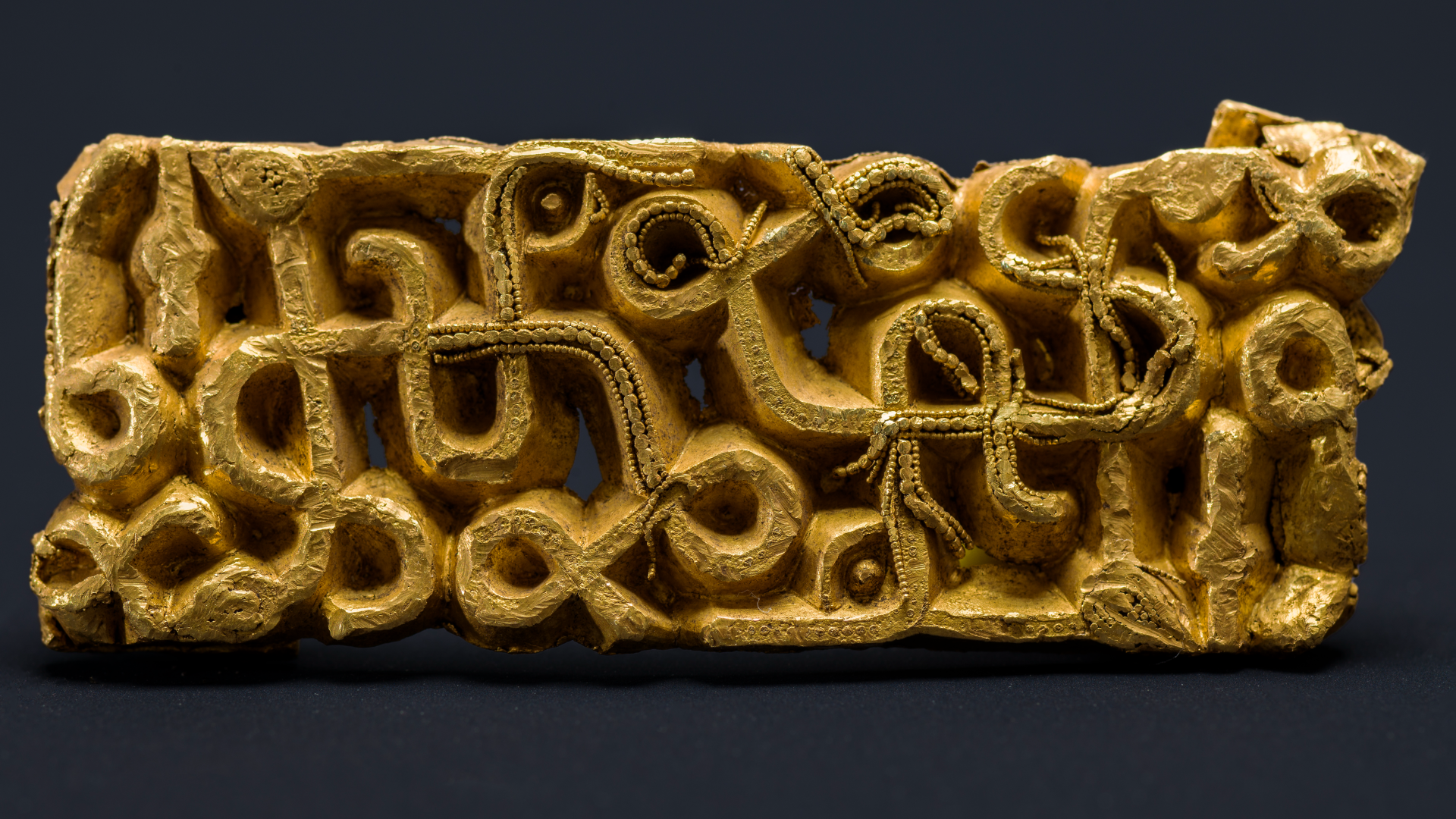
Why it matters: The discovery provides concrete evidence of how elite power was consolidated and displayed through ritual sacrifice during a period of acute environmental and social crisis, refining our understanding of political authority in Migration Period Scandinavia.
Context: This find fits a known pattern of ‘killed’ or sacrificed high-status objects deposited in Scandinavia during this era, but its isolated, non-hoard context and worn condition offer a more personal narrative of use and deliberate ritual disposal.
""By sacrificing such magnificent objects to the gods, the leaders at Hove confirmed their status and power," Reiersen said." — LIVESCIENCE
Commentary: The ornament’s worn state before burial shifts the interpretation from a mere display of wealth to a performative act of relinquishing a personally significant, power-conferring object. This underscores sacrifice as an active political technology, leveraging scarcity and crisis to legitimize authority rather than just a generic religious offering. It materially connects abstract power structures—elite warrior retinues—to specific, named loci of control like Hove, moving beyond hoards to trace the geography of influence.
Date: Thu, 07 May 2026 16:00:49 +0000
URL: https://www.livescience.com/archaeology/gold-sword-scabbard-discovered-under-toppled-tree-in-norway-was-likely-sacrificed-by-an-elite-warrior-1-500-years-ago
AI Sentiment Score: Negative (66%)
AI Credibility Score: 10.0/10 — High
Scores and text generated by AI analysis of the source article indicated.
Mysterious green rocks in Pyrenees cave hint that prehistoric people were working copper there for 4,000 years (Livescience)
Summary: Archaeological excavation of a high-altitude Pyrenees cave at 2,235 meters has revealed evidence of sustained, intensive human activity spanning over 4,000 years, centered on the processing of malachite for copper extraction. The site, occupied most intensively between 3600 and 2400 B.C., contained nearly 200 fragments of the green mineral, dozens of combustion pits, charcoal, and artifacts including personal ornaments and human remains. This challenges the notion of high-mountain regions as marginal territories, instead indicating they were integral to prehistoric mobility and resource exploitation strategies.
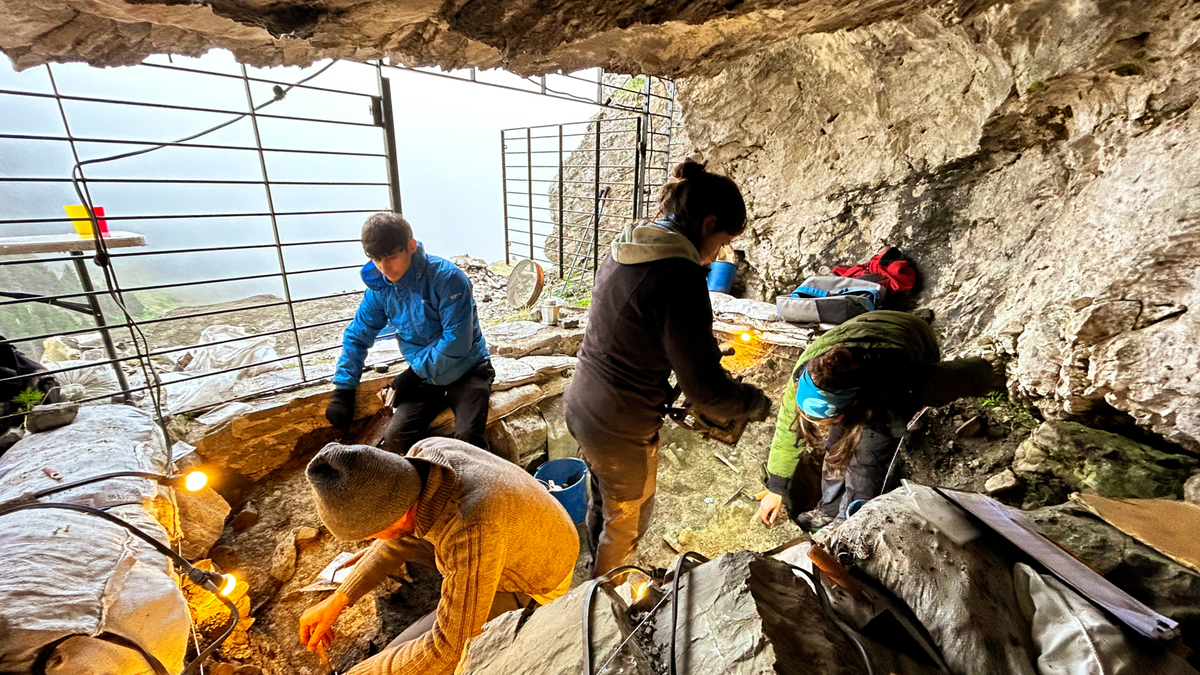
Why it matters: This discovery fundamentally recalibrates our understanding of prehistoric economic geography and technological transmission, showing sustained, specialized activity in challenging environments over millennia.
Context: The Copper Age in Europe saw the emergence of metallurgy, but evidence for early extraction sites, especially in high-altitude zones, has been sparse, often leading to assumptions about the peripherality of mountain regions.
"For the first time in the Pyrenees, high-mountain prehistoric occupations of significant intensity have been documented, characterized by repeated activities and the direct exploitation of mineral resources within the cave,." — LIVESCIENCE
Commentary: The find shifts the narrative from viewing mountains as barriers to recognizing them as resource-rich corridors central to long-term technological and social continuity. The generational transmission of site-specific knowledge implied by the 4,000-year timeline suggests a more structured and persistent relationship between communities and metallurgical resources than previously documented for this period. It also raises questions about the social organization required to maintain such a seasonal, high-altitude camp and the trade networks its output may have fed.
Date: Tue, 05 May 2026 04:05:00 +0000
URL: https://www.livescience.com/archaeology/mysterious-green-rocks-in-pyrenees-cave-hint-that-prehistoric-people-were-working-copper-there-for-4-000-years
AI Sentiment Score: Positive (50%)
AI Credibility Score: 10.0/10 — High
Scores and text generated by AI analysis of the source article indicated.
Centuries-old Christian Nubian murals inspire gorgeous fashion reconstructions (Livescience)
Summary: Researchers have reconstructed elite costumes from medieval Christian Nubia based on 1,200-year-old murals from Faras Cathedral, using period-accurate fabrics and dyes. The project, part of the University of Warsaw’s Costumes of Authority initiative, transformed static iconography into wearable garments, which were then modeled by Sudanese performers in Europe. The live presentations reportedly elicited strong emotional reactions from audiences. The murals themselves, rescued during the UNESCO campaign ahead of the Aswan High Dam’s construction, depict kings, bishops, and royal mothers, illustrating the intertwined authority of church and state.
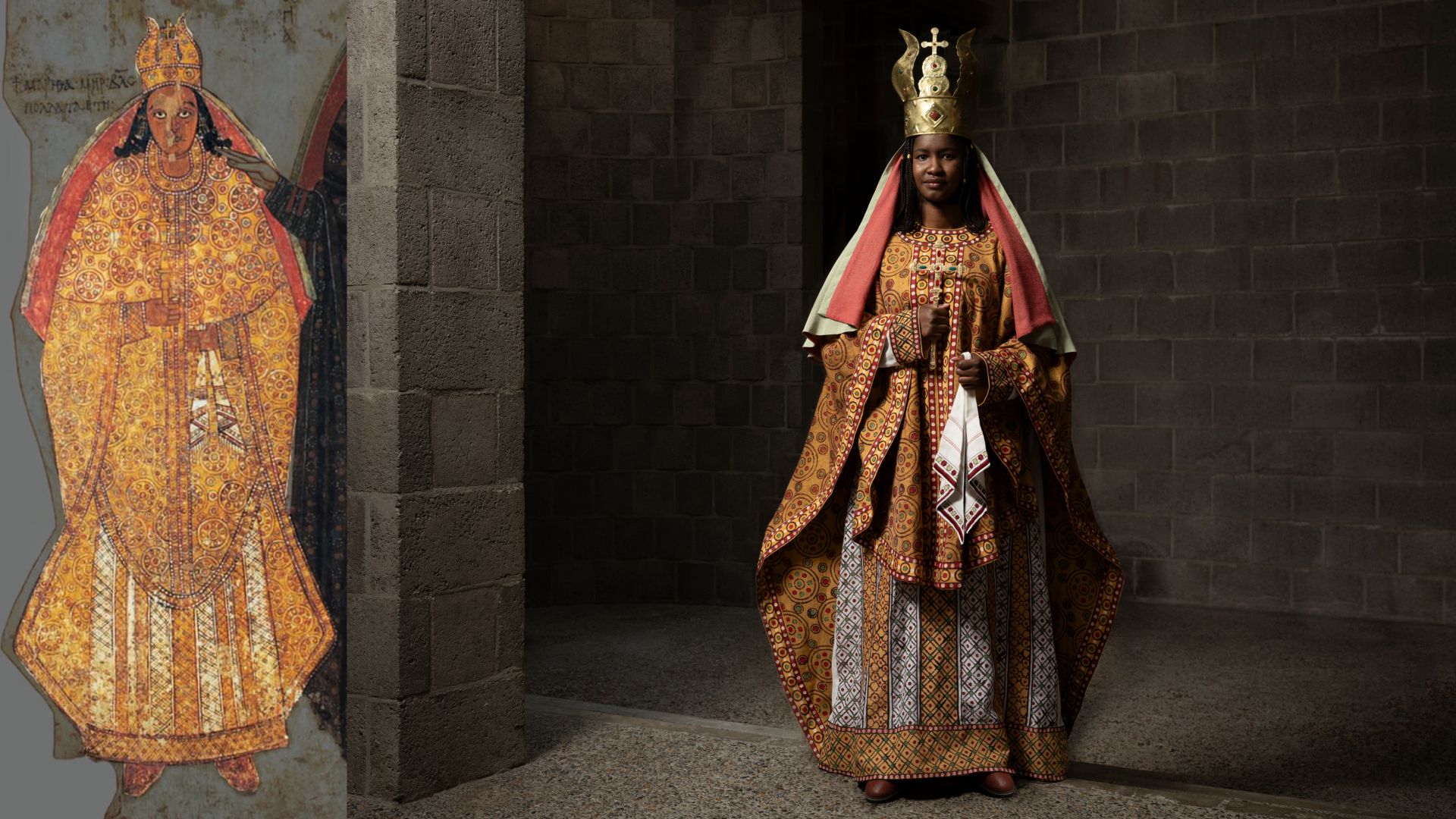
Why it matters: This work moves Nubian studies from static artifact analysis into the realm of embodied cultural practice, testing historical hypotheses through material reconstruction and performance.
Context: Nubian Christian kingdoms, located in modern Sudan and Egypt, were powerful regional actors from the 6th to 14th centuries, maintaining a distinct identity while engaging with Byzantine, Coptic, and later Islamic influences. Their material culture, particularly after the flooding of Lower Nubia, is often known primarily through archaeology and rescued art.
"Centuries-old Christian Nubian murals inspire gorgeous fashion reconstructions Stunning clothes from medieval Christian Nubia have been re-created and put on models, whose performance brought onlookers to tears. Lavish clothes worn by royalty." — LIVESCIENCE
Commentary: The project’s core value lies not in aesthetic revival but in its methodological rigor and its test of iconographic interpretation. Using only attested materials forces a confrontation with the logistical and economic realities of Nubian elite consumption. The reported emotional impact on both models and audiences suggests the reconstructions successfully decoded non-verbal cues of authority encoded in the art, offering a tangible, if partial, bridge to understanding performative kingship and the visual rhetoric of a matrilineal succession system that oscillated with Byzantine influence.
Date: Mon, 04 May 2026 11:05:00 +0000
URL: https://www.livescience.com/archaeology/centuries-old-christian-nubian-murals-inspire-gorgeous-fashion-reconstructions
AI Sentiment Score: Negative (75%)
AI Credibility Score: 10.0/10 — High
Scores and text generated by AI analysis of the source article indicated.
500-year-old gold dental bridge is earliest known oral care of its kind in Scotland — and it likely held a fake tooth (Livescience)
Summary: 500-year-old gold dental bridge is earliest known oral care of its kind in Scotland — and it likely held a fake tooth Archaeologists discovered the 20-karat-gold dental wire in the lower jaw of a middle-aged man who lived around 500 years ago in Scotland. A man’s lower jaw recovered from a medieval church in Aberdeen reveals the oldest known use of a dental bridge in Scotland, a new study finds. The gold wire, called a ligature, was installed around two teeth about 500 years ago to span the gap created by a lost tooth.
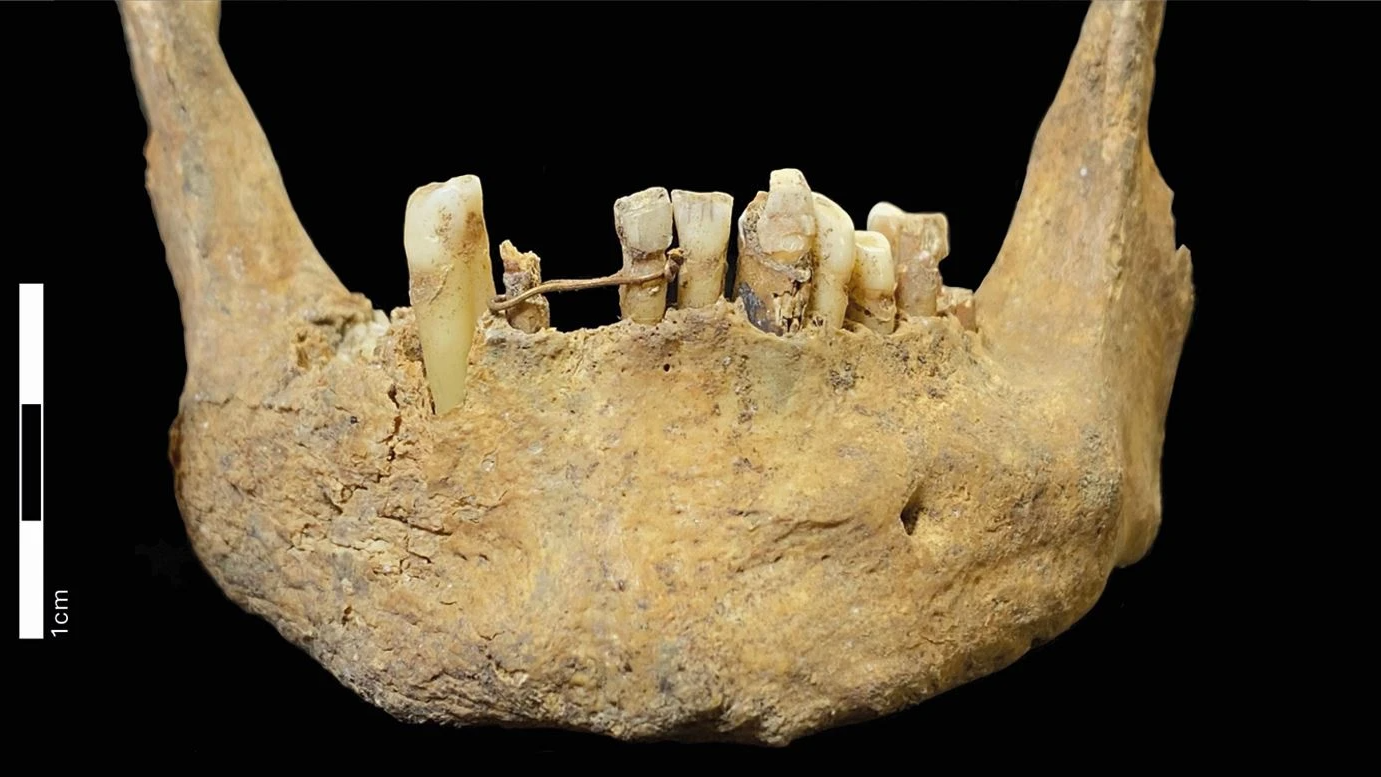
Why it matters: This matters for Ancient World because it gives a concrete current signal to track: 500-year-old gold dental bridge is earliest known oral care of its kind in Scotland — and it likely held a fake tooth Archaeologists discovered the 20-karat-gold dental wire in the lower jaw of a middle-aged man who lived around 500 years ago in Scotland.
Context: 500-year-old gold dental bridge is earliest known oral care of its kind in Scotland — and it likely held a fake tooth Archaeologists discovered the 20-karat-gold dental wire in the lower jaw of a middle-aged man who lived around 500 years ago in Scotland. A man’s lower jaw recovered from a medieval church in Aberdeen reveals the oldest known use of a dental bridge in Scotland, a new study finds. The gold wire, called a ligature, was installed around two teeth about 500 years ago to span the gap created by a lost tooth.
"500-year-old gold dental bridge is earliest known oral care of its kind in Scotland — and it likely held a fake tooth Archaeologists discovered the 20-karat-gold dental wire in the lower jaw." — LIVESCIENCE
Commentary: The immediate implication is operational rather than speculative: watch how this changes budgets, workflows, or risk assumptions over the next cycle.
Date: Fri, 08 May 2026 11:00:00 +0000
URL: https://www.livescience.com/archaeology/500-year-old-gold-dental-bridge-is-earliest-known-oral-care-of-its-kind-in-scotland-and-it-likely-held-a-fake-tooth
AI Sentiment Score: Negative (80%)
AI Credibility Score: 10.0/10 — High
Scores and text generated by AI analysis of the source article indicated.
Bay of Cadiz Wreck Identified as Italian Ship Sunk by Francis Drake (Archaeology)
Summary: CADIZ, SPAIN—El País reports that the so-called Delta II shipwreck uncovered during harbor infrastructure work in the Bay of Cadiz has now been identified as a vessel that sank during a famous 1587 raid by explorer and privateer Sir Francis Drake. The sixteenth-century wreck was recently determined to be the Genovese merchant ship San Giorgio e Sant’Elmo Buonaventura. It dates to a time when tensions between England and Spain were rapidly increasing, culminating in the defeat of the Spanish Armada off the English coast in 1588.

Why it matters: This matters for Ancient World because it gives a concrete current signal to track: CADIZ, SPAIN—El País reports that the so-called Delta II shipwreck uncovered during harbor infrastructure work in the Bay of Cadiz has now been identified as a vessel that sank during a famous 1587 raid by explorer and privateer Sir Francis Drake.
Context: CADIZ, SPAIN—El País reports that the so-called Delta II shipwreck uncovered during harbor infrastructure work in the Bay of Cadiz has now been identified as a vessel that sank during a famous 1587 raid by explorer and privateer Sir Francis Drake. The sixteenth-century wreck was recently determined to be the Genovese merchant ship San Giorgio e Sant’Elmo Buonaventura. It dates to a time when tensions between England and Spain were rapidly increasing, culminating in the defeat of the Spanish Armada off the English coast in 1588.
"CADIZ, SPAIN—El País reports that the so-called Delta II shipwreck uncovered during harbor infrastructure work in the Bay of Cadiz has now been identified as a vessel that sank during a famous." — ARCHAEOLOGY
Commentary: The immediate implication is operational rather than speculative: watch how this changes budgets, workflows, or risk assumptions over the next cycle.
Date: Tue, 05 May 2026 18:00:00 +0000
URL: https://archaeology.org/news/2026/05/05/bay-of-cadiz-wreck-identified-as-italian-ship-sunk-by-francis-drake/
AI Sentiment Score: Negative (50%)
AI Credibility Score: 10.0/10 — High
Scores and text generated by AI analysis of the source article indicated.
The Germanic Warrior: Loyalty Unto Death (Worldhistory)
Summary: In Germanic society, the surest route to wealth, status and power was success in battle. Its most important institution was the comitatus or war band, the personal retinue of elite warriors that every king or chief tried to gather around him and which formed the core of the tribal army. The need to keep the war band together often dictated the politics of early German chiefdoms and kingdoms.
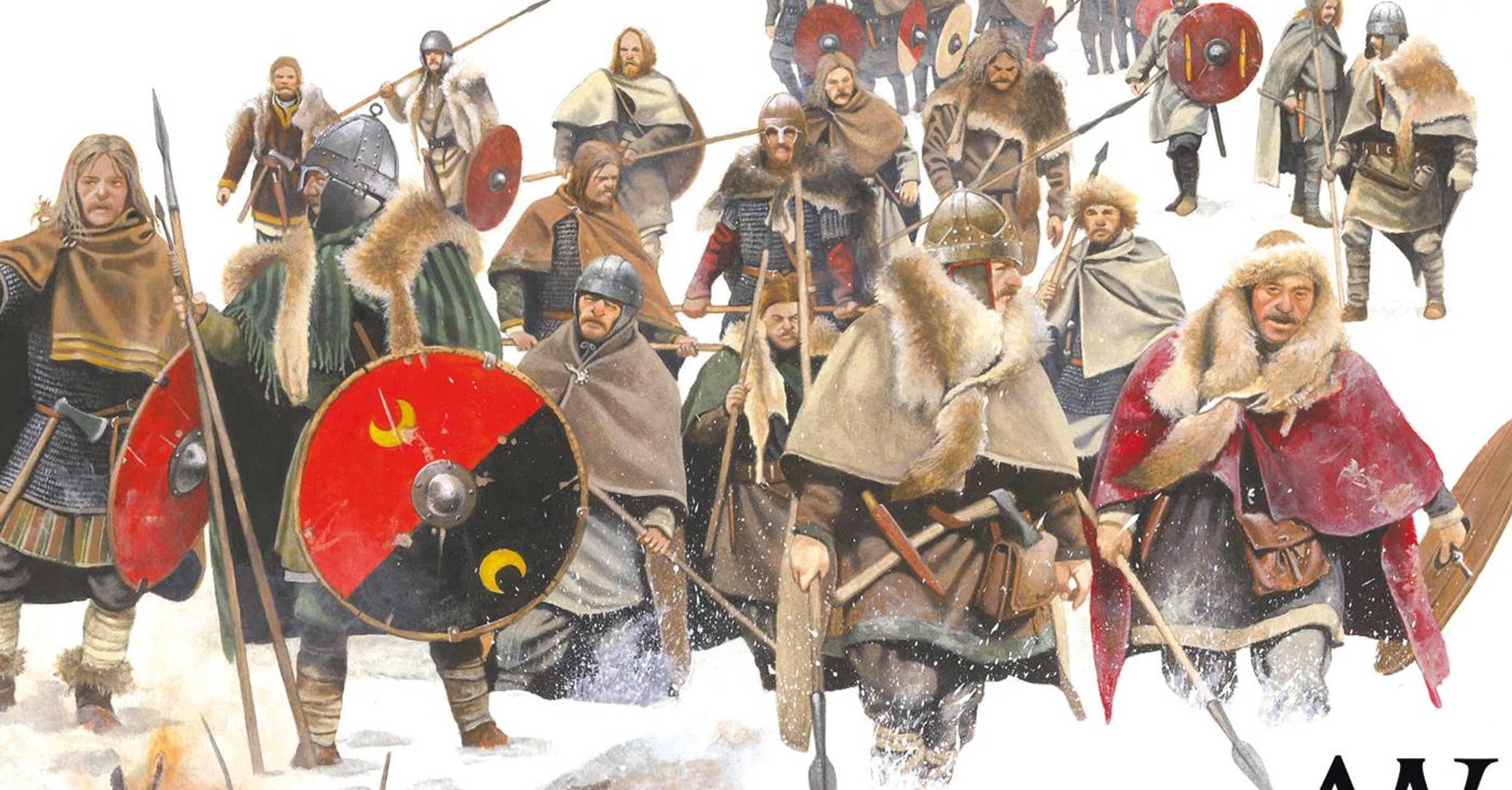
Why it matters: This matters for World & Travel because it gives a concrete current signal to track: In Germanic society, the surest route to wealth, status and power was success in battle.
Context: In Germanic society, the surest route to wealth, status and power was success in battle. Its most important institution was the comitatus or war band, the personal retinue of elite warriors that every king or chief tried to gather around him and which formed the core of the tribal army. The need to keep the war band together often dictated the politics of early German chiefdoms and kingdoms.
"In Germanic society, the surest route to wealth, status and power was success in battle. Its most important institution was the comitatus or war band, the personal retinue of elite warriors that." — WORLDHISTORY
Commentary: The immediate implication is operational rather than speculative: watch how this changes budgets, workflows, or risk assumptions over the next cycle.
Date: Tue, 05 May 2026 08:56:23 +0000
URL: https://www.worldhistory.org/article/2923/the-germanic-warrior/
AI Sentiment Score: Negative (57%)
AI Credibility Score: 10.0/10 — High
Scores and text generated by AI analysis of the source article indicated.
Scandinavia Before the Vikings (Worldhistory)
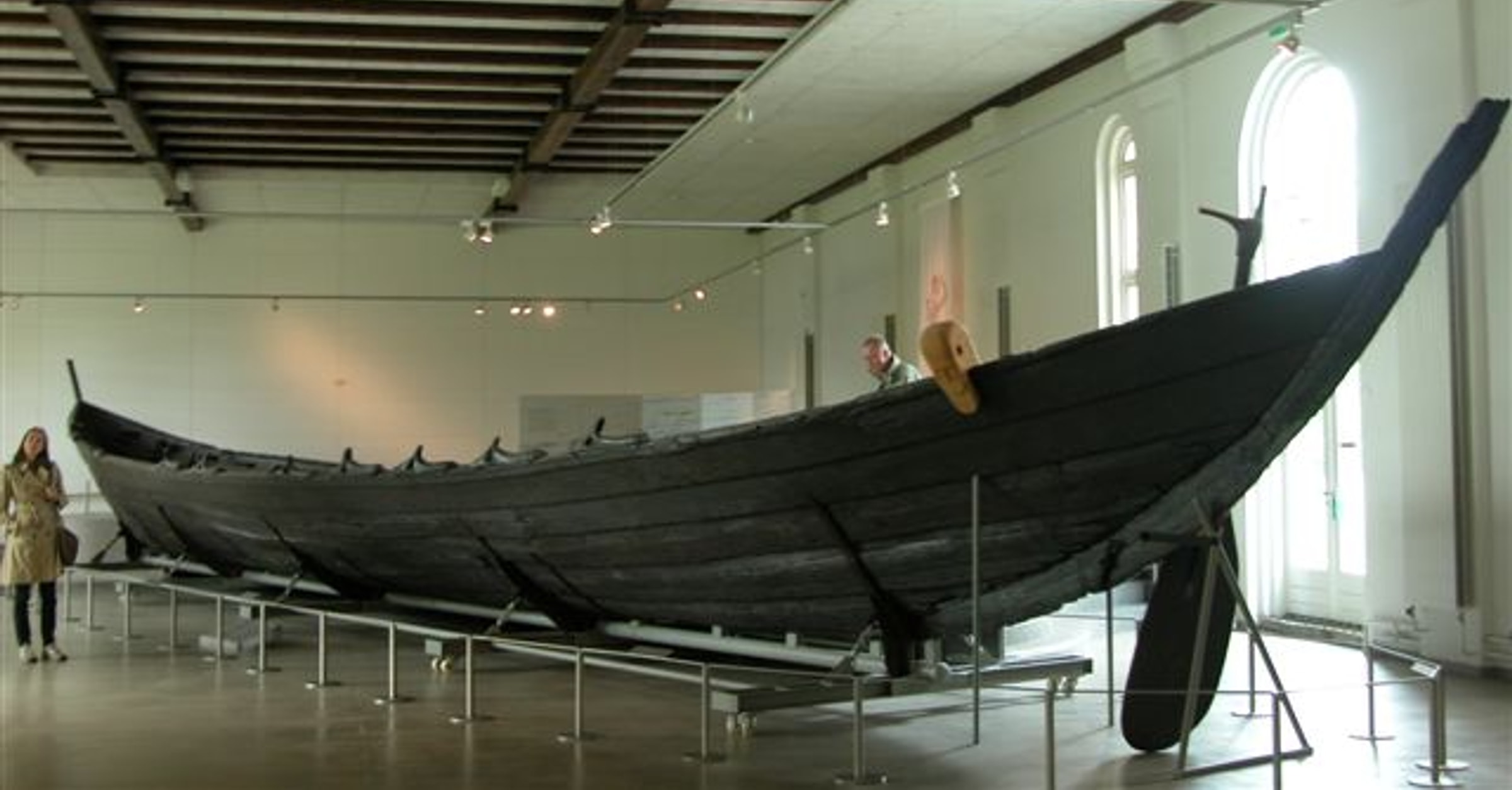
Summary: In the Merovingian period, Scandinavia was only just emerging from its prehistoric Iron Age. A process of political centralization that had begun in the Migration Period led to the emergence of the first Scandinavian kingdoms and a warlike society with a tradition of piracy. During the late Roman period, the Scandinavians were still divided into tribes, each dominated by a warrior aristocracy that maintained its status with raiding.
Why it matters: This matters for Ancient World because it gives a concrete current signal to track: In the Merovingian period, Scandinavia was only just emerging from its prehistoric Iron Age.
Context: In the Merovingian period, Scandinavia was only just emerging from its prehistoric Iron Age. A process of political centralization that had begun in the Migration Period led to the emergence of the first Scandinavian kingdoms and a warlike society with a tradition of piracy. During the late Roman period, the Scandinavians were still divided into tribes, each dominated by a warrior aristocracy that maintained its status with raiding.
"In the Merovingian period, Scandinavia was only just emerging from its prehistoric Iron Age. A process of political centralization that had begun in the Migration Period led to the emergence of the." — WORLDHISTORY
Commentary: The immediate implication is operational rather than speculative: watch how this changes budgets, workflows, or risk assumptions over the next cycle.
Date: Mon, 04 May 2026 09:04:05 +0000
URL: https://www.worldhistory.org/article/2922/scandinavia-before-the-vikings/
AI Sentiment Score: Neutral (50%)
AI Credibility Score: 10.0/10 — High
Scores and text generated by AI analysis of the source article indicated.
The World’s Oldest Love Poem: The Love Song for Shu-Sin (Worldhistory)
Summary: The Love Song for Shu-Sin, a Sumerian cuneiform tablet dated to circa 2000 BCE, is recognized as the world’s oldest known love poem. Its 19th-century discovery, part of the broader unearthing of Mesopotamian texts like the Library of Ashurbanipal, fundamentally challenged Western historical and religious paradigms by demonstrating that biblical narratives had older antecedents. The poem was not merely personal lyricism but a ritual text integral to the ‘sacred marriage’ rite, where the king’s union with a priestess of Inanna was believed to ensure fertility and prosperity.

Why it matters: This artifact recalibrates the timeline of literary and emotional expression, displacing the biblical Song of Songs from its presumed primacy and revealing the sophisticated, state-integrated nature of early romantic literature.
Context: 19th-century archaeology, initially funded to corroborate biblical history, instead revealed a deeper, independent cultural stratum in Mesopotamia that preceded and influenced Hebrew texts.
"Instead of finding the evidence they hoped for, they discovered cuneiform tablets which established that many of the biblical narratives were derived from Mesopotamian sources. This discovery had a profound impact not only on biblical scholarship at the time but also on the history of the world as it was then understood." — WORLDHISTORY
Commentary: The poem’s primary significance lies not in its romantic content but in its function as a tool of statecraft and divine kingship, embedding personal affection within a framework of political theology. Its discovery represents a pivotal moment in intellectual history, where empirical evidence from archaeology forcibly expanded and complicated the Western historical narrative, shifting the locus of cultural origin. This underscores how the recovery of ancient texts can dismantle foundational assumptions about cultural priority and the origins of human ideas.
Date: Mon, 04 May 2026 15:58:46 +0000
URL: https://www.worldhistory.org/article/750/the-worlds-oldest-love-poem/
AI Sentiment Score: Positive (50%)
AI Credibility Score: 10.0/10 — High
Scores and text generated by AI analysis of the source article indicated.
Las Playas Intaglio Damaged by Border Wall Construction in Arizona (Archaeology)
Summary: A 1,000-year-old geoglyph known as the Las Playas intaglio, located within Arizona’s Cabeza Prieta National Wildlife Refuge, has been partially destroyed during construction of a secondary border wall. Approximately 60-70 feet of the 200-foot-long fish-shaped earth etching was damaged by a contractor operating under Department of Homeland Security waivers that exempted the project from laws protecting archaeological sites and the environment. Archaeologists who documented the site in 2002 note its rarity, and while Customs and Border Protection claims the remainder has been secured, the damage is irreversible.
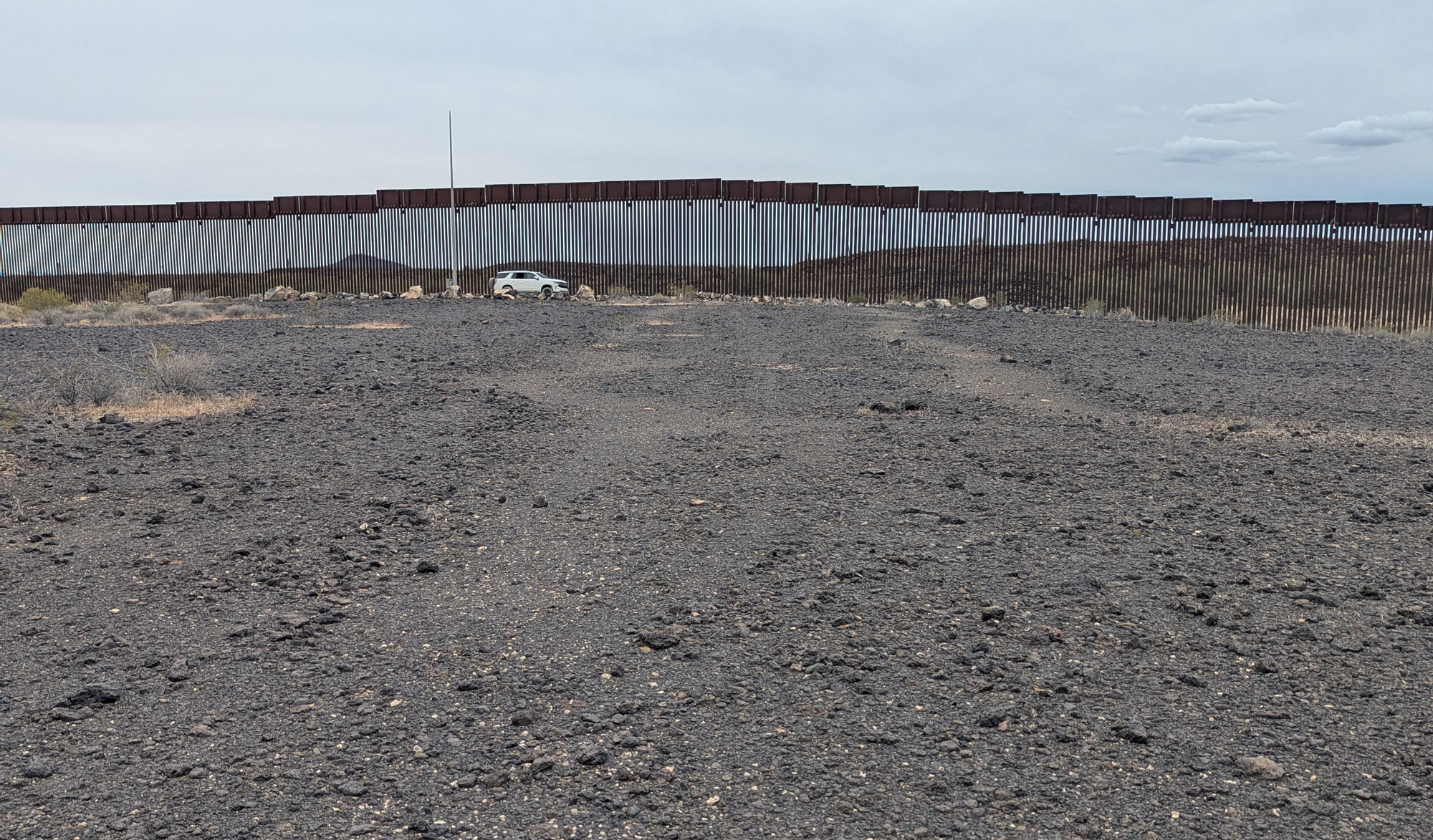
Why it matters: This incident demonstrates how contemporary political priorities, exercised through legal waivers, can directly and permanently erase pre-colonial cultural heritage, setting a precedent for the treatment of non-renewable archaeological resources under national security mandates.
Context: The construction of border barriers along the U.S.-Mexico frontier has repeatedly triggered conflicts with cultural and environmental preservation laws, with federal agencies using waivers granted by the 2005 REAL ID Act to bypass compliance.
"Waivers issued by the Department of Homeland Security exempted border wall construction crews from laws requiring the protection of Indigenous archaeological sites and the environment." — ARCHAEOLOGY
Commentary: The destruction of the Las Playas intaglio is not an accident but a policy outcome, revealing a hierarchy of values where a specific conception of territorial security supersedes the preservation of deep-time cultural memory. It operationalizes a form of historical erasure, severing a tangible link to pre-contact belief systems and landscape modification in the Sonoran Desert. For archaeologists and Indigenous communities, it underscores the fragility of protection when sites fall within zones of contested sovereignty, where legal instruments designed for preservation are rendered null by executive authority.
Date: Mon, 04 May 2026 17:30:00 +0000
URL: https://archaeology.org/news/2026/05/04/las-playas-intaglio-damaged-by-border-wall-construction-in-arizona/
AI Sentiment Score: Negative (66%)
AI Credibility Score: 10.0/10 — High
Scores and text generated by AI analysis of the source article indicated.
More doomed Franklin expedition sailors identified, revealing clues about how they tried to find safety (Livescience)
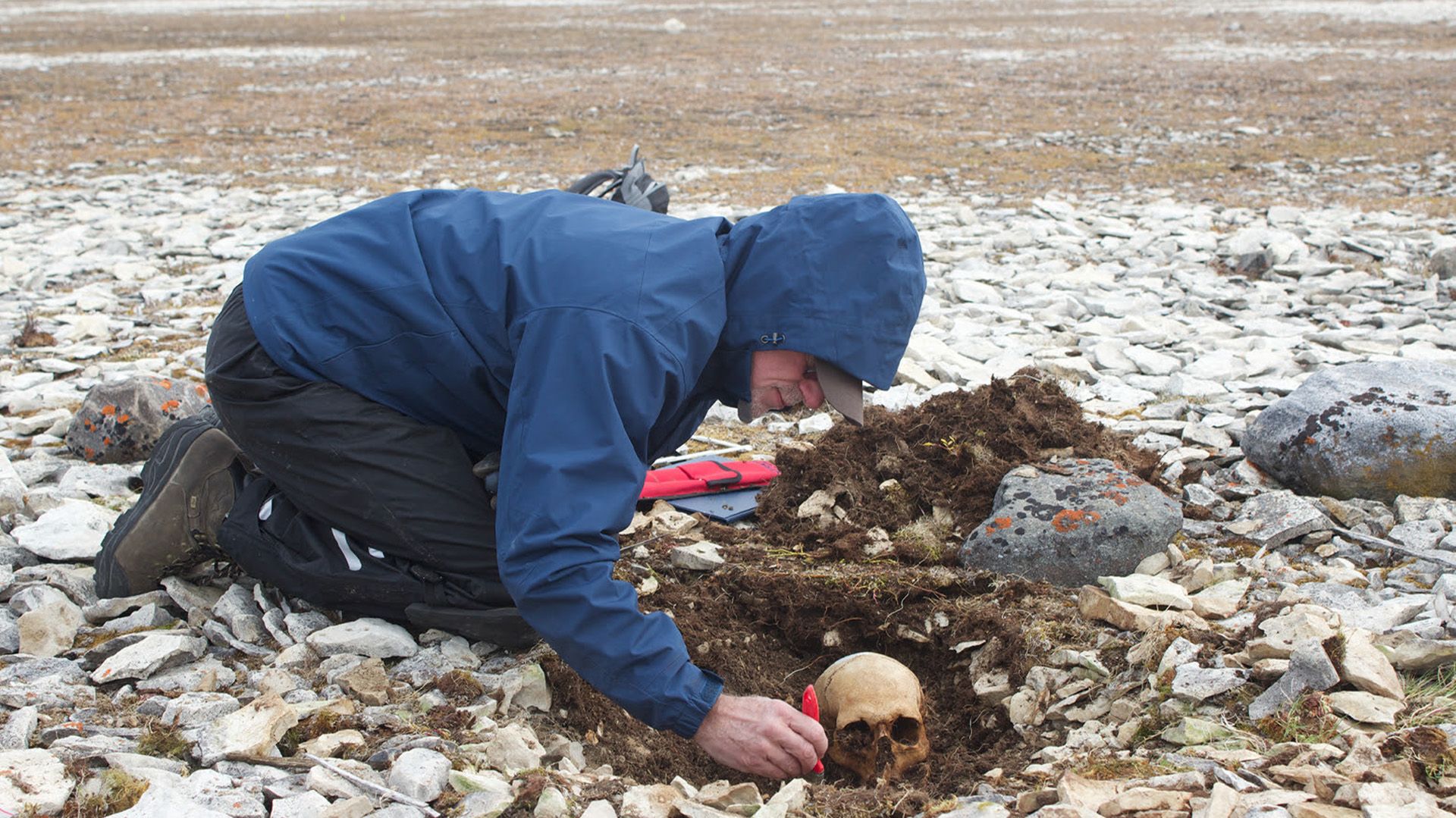
Summary: More doomed Franklin expedition sailors identified, revealing clues about how they tried to find safety DNA from living descendants of relatives have allowed four members of the ill-fated Franklin expedition to be identified. Nearly 180 years after they died of cold and starvation in the Canadian Arctic, four crewmembers who perished in the Franklin expedition have been identified thanks to genetic analyses that matched their DNA with that of living descendants. Three of the victims were from HMS Erebus, one of the expedition’s two vessels, and died at Erebus Bay, the researchers reported in a new study published Wednesday (May 6) in the Journal of Archaeological Science: Reports.
Why it matters: This matters for Ancient World because it gives a concrete current signal to track: More doomed Franklin expedition sailors identified, revealing clues about how they tried to find safety DNA from living descendants of relatives have allowed four members of the ill-fated Franklin expedition to be identified.
Context: More doomed Franklin expedition sailors identified, revealing clues about how they tried to find safety DNA from living descendants of relatives have allowed four members of the ill-fated Franklin expedition to be identified. Nearly 180 years after they died of cold and starvation in the Canadian Arctic, four crewmembers who perished in the Franklin expedition have been identified thanks to genetic analyses that matched their DNA with that of living descendants. Three of the victims were from HMS Erebus, one of the expedition’s two vessels, and died at Erebus Bay, the researchers reported in a new study published Wednesday (May 6) in the Journal of Archaeological Science: Reports.
"More doomed Franklin expedition sailors identified, revealing clues about how they tried to find safety DNA from living descendants of relatives have allowed four members of the ill-fated Franklin expedition to be." — LIVESCIENCE
Commentary: The immediate implication is operational rather than speculative: watch how this changes budgets, workflows, or risk assumptions over the next cycle.
Date: Thu, 07 May 2026 15:28:27 +0000
URL: https://www.livescience.com/archaeology/more-doomed-franklin-expedition-sailors-identified-revealing-clues-about-how-they-tried-to-find-safety
AI Sentiment Score: Negative (83%)
AI Credibility Score: 10.0/10 — High
Scores and text generated by AI analysis of the source article indicated.
Post ID: 8362b2bd