Regional Economic Indicators (Southeast Focus)
Georgia Ports’ $5B bet: Rewriting supply chain logistics (Freightwaves)
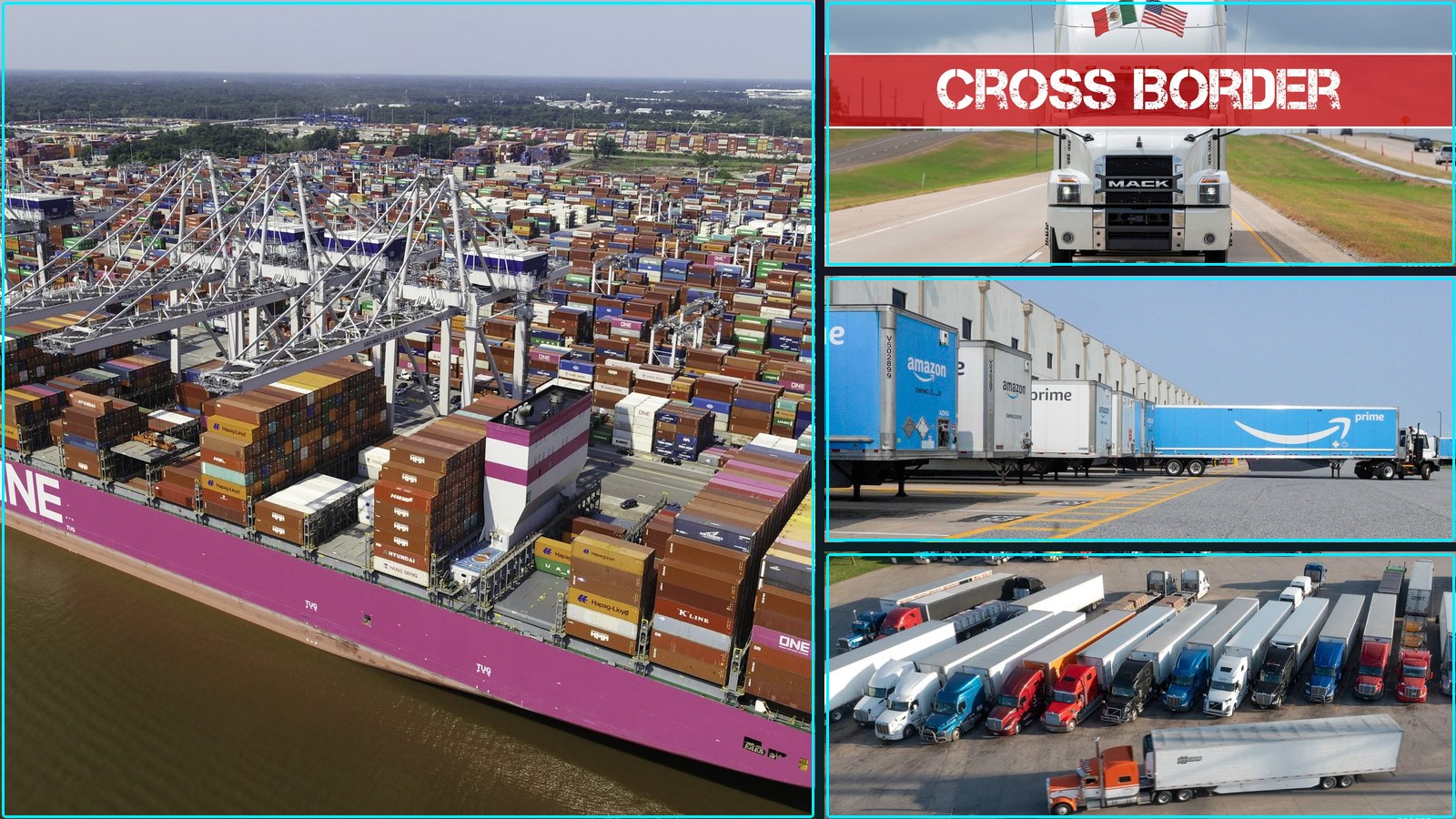
Summary: The Georgia Ports Authority is executing a $5 billion, decade-long expansion plan centered on the Port of Savannah, emphasizing supply chain predictability and multimodal connectivity as competitive advantages. Key elements include adding five new big-ship berths, expanding inland port networks with the new Gainesville facility, and launching a study to deepen and widen the Savannah Harbor channel. Concurrent state infrastructure projects, like modifying the Talmadge Bridge and widening I-95/I-16, aim to enhance freight fluidity. The port’s strategy is validated by research showing routing cargo through Savannah saves over $1,000 per container to key inland markets compared to West Coast gateways, with more predictable transit times.
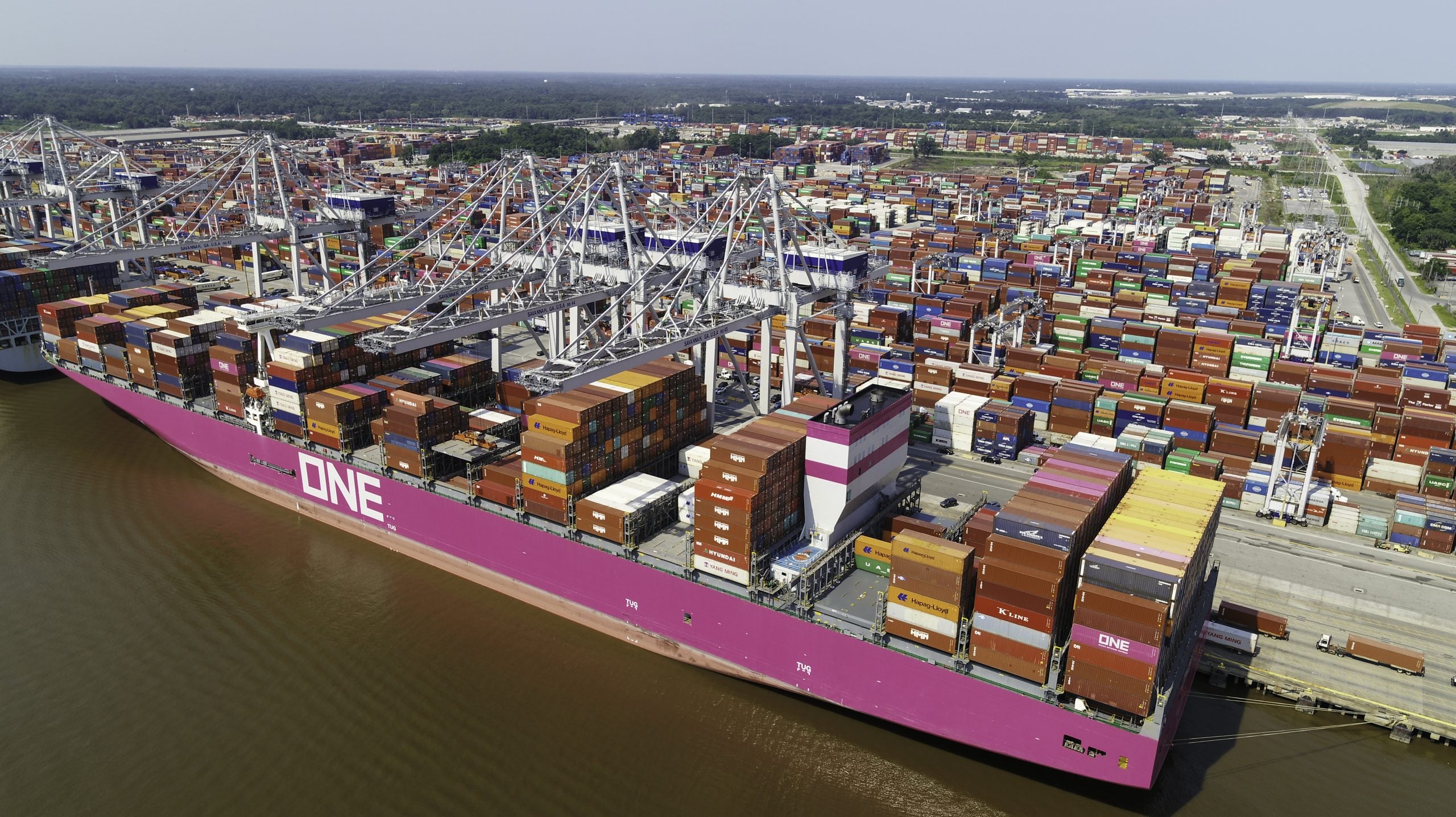
Why it matters: This concentrated public-private capital deployment signals a structural shift in U.S. logistics geography, pulling freight flows and associated industrial investment toward the Southeast.
Context: East Coast ports have been capturing market share from West Coast gateways post-pandemic, driven by shipper prioritization of reliability over pure speed. Georgia’s integrated port, rail, and highway investments represent a systemic bet on this trend becoming permanent.
"Researchers at Georgia Tech’s Supply Chain and Logistics Institute found that routing cargo through the Port of Savannah saves shippers more than $1,000 per container when delivering to Atlanta, Memphis, and Nashville compared to West Coast gateways. Beyond pure cost savings, the research documented more predictable transit times through Savannah." — FREIGHTWAVES
Commentary: The GPA is not just building infrastructure; it is institutionalizing a total-landed-cost value proposition that recalibrates the U.S. import map. The $5B bet, coupled with state DOT coordination, creates a formidable moat that could pressure other East Coast ports to match its scale and integration, while potentially accelerating the hollowing-out of West Coast port volumes for interior destinations. This moves the competition beyond terminal efficiency to entire corridor economics.
Date: Thu, 07 May 2026 16:35:33 +0000
URL: https://www.freightwaves.com/news/georgia-ports-5b-bet-rewriting-supply-chain-logistics
AI Sentiment Score: Negative (80%)
AI Credibility Score: 10.0/10 — High
Scores and text generated by AI analysis of the source article indicated.
Borderlands Mexico: Nearshoring fuels 800K-square-foot industrial build in El Paso (Freightwaves)
Summary: Dallas-based Formation Interests has broken ground on FORM375 at Paso Del Norte, an 800,000-square-foot industrial park adjacent to the Zaragoza port of entry in El Paso. The project, featuring a 513,074-square-foot cross-dock facility, is explicitly designed to capitalize on nearshoring trends and reduce ‘last-mile’ friction for cross-border shipments. This development coincides with surging trade volumes at the El Paso Bridge of the Americas, which saw an 86.66% year-over-year increase to $3.19 billion in February, driven largely by electronics and advanced manufacturing goods moving between the U.S. and Mexico.

Why it matters: This signals a tangible, capital-intensive acceleration of nearshoring into specific border logistics corridors, with implications for industrial real estate demand, cross-border infrastructure strain, and the geographic concentration of high-value manufacturing supply chains.
Context: The El Paso-Ciudad Juárez corridor is a long-established manufacturing hub, but current investment reflects a strategic shift towards ‘zero-distance’ logistics solutions aimed at mitigating chronic border congestion and serving higher-power users like semiconductor and AI-related production.
"“At a time when global supply chains are rapidly shifting, the opportunity to develop this site could not have occurred at a better time,” Formation Interests CEO Adam Herrin said in a news release, citing El Paso’s proximity to Ciudad Juárez and its expanding manufacturing base." — FREIGHTWAVES
Commentary: The scale and positioning of FORM375 is less about speculative future demand and more a direct response to existing, quantifiable trade pressure. Its marketing as infrastructure for ‘high-power users’ indicates a pivot from traditional maquiladora labor arbitrage towards capital-intensive, tech-adjacent manufacturing, which will test local energy grids and skilled labor pools. This concentrated private investment, alongside public port upgrades like Hutchison’s in Manzanillo, creates a feedback loop: improved infrastructure attracts more volume, which in turn justifies further capital expenditure, solidifying these nodes as permanent, high-throughput chokepoints in continental trade.
Date: Sun, 03 May 2026 11:00:00 +0000
URL: https://www.freightwaves.com/news/borderlands-mexico-nearshoring-fuels-800k-square-foot-industrial-build-in-el-paso
AI Sentiment Score: Positive (44%)
AI Credibility Score: 10.0/10 — High
Scores and text generated by AI analysis of the source article indicated.
Amazon rebrands third-party logistics arms as unified supply chain service (Freightwaves)
Summary: Amazon has formally unified its disparate third-party logistics offerings under the brand ‘Amazon Supply Chain Services’ (ASCS), marking a strategic shift to commercialize its internal logistics network. The move packages freight, distribution, fulfillment, and parcel shipping into a single service line, directly targeting businesses across sectors from automotive to healthcare. Early adopters include major brands like Procter & Gamble, 3M, and Lands’ End, leveraging Amazon’s infrastructure, AI forecasting, and scale.
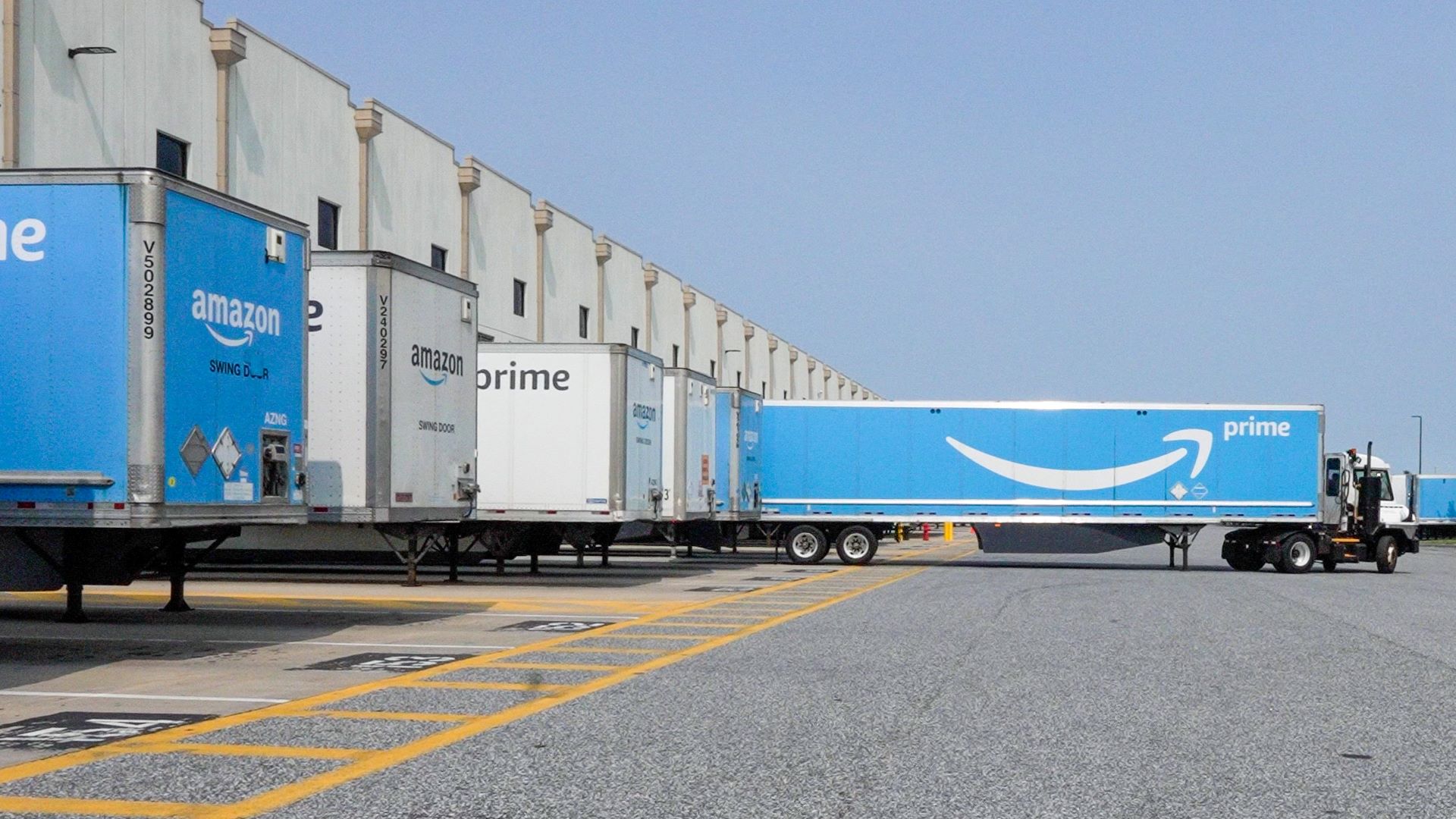
Why it matters: This formalization signals Amazon’s intent to compete directly with incumbent logistics providers, potentially reshaping pricing, service expectations, and market share in the freight and parcel sectors, particularly for asset-light brokers and forwarders.
Context: Amazon has methodically externalized its logistics capabilities over the past decade, beginning with Fulfillment by Amazon, expanding to Buy with Prime and Amazon Air Cargo, and culminating in a less-than-truckload service launch earlier this year.
"The launch of ASCS represents an incremental step forward in a risk that has existed for years (Amazon’s encroachment on logistics), but we must be cautious to not overstate this risk. The transportation and logistics industry has always been competitive, and Amazon does not have the scale or physical network to displace all competitors." — FREIGHTWAVES
Commentary: The rebrand is less a new offensive than a consolidation of market position, forcing incumbents to compete on service differentiation rather than scale alone. The immediate market overreaction—exemplified by UPS’s stock drop—likely underestimates the operational hurdles for Amazon in competing with global integrated carriers, but correctly identifies the long-term pressure on margins and customer acquisition for mid-tier logistics firms.
Date: Mon, 04 May 2026 16:56:57 +0000
URL: https://www.freightwaves.com/news/amazon-rebrands-third-party-logistics-arms-as-unified-supply-chain-service
AI Sentiment Score: Negative (75%)
AI Credibility Score: 10.0/10 — High
Scores and text generated by AI analysis of the source article indicated.
Trump wants shipping to go nuclear (Freightwaves)
Summary: The U.S. Maritime Administration has launched a Request for Information to develop Small Modular Nuclear Reactors for commercial shipping, framing it as a system-transition initiative to revitalize American shipbuilding. The effort, part of the administration’s Maritime Action Plan, seeks to reduce regulatory uncertainty and enable private capital to scale the technology. Key cited benefits include operational efficiency, national security, and workforce development within domestic shipyards.

Why it matters: This signals a potential, long-term structural shift in maritime energy infrastructure and capital allocation, with direct implications for Southeast shipyards, ports, and associated industrial supply chains.
Context: The push revives a concept dormant since the NS Savannah (1959), aligning with broader federal efforts to onshore critical industries and secure supply chains, while leveraging nascent SMR projects like Kairos Energy’s in Tennessee.
"Aircraft carriers and submarines have been using it for years, so why not fuel merchant ships with nuclear power? The U.S. Department of Transportation and the Maritime Administration has launched an initiative." — FREIGHTWAVES
Commentary: The framing as a ‘system-transition’ acknowledges the immense regulatory, liability, and workforce hurdles beyond mere engineering. Success would concentrate advanced manufacturing and specialized labor in regions like the Southeast, but the timeline extends beyond a decade, dependent on concurrent NRC and Coast Guard rulemaking.
Date: Fri, 08 May 2026 13:54:08 +0000
URL: https://www.freightwaves.com/news/trump-wants-shipping-to-go-nuclear
AI Sentiment Score: Positive (50%)
AI Credibility Score: 10.0/10 — High
Scores and text generated by AI analysis of the source article indicated.
First look: GXO Logistics posts Q1 double-digit revenue growth (Freightwaves)
Summary: GXO Logistics posted Q1 2026 revenue of $3.3 billion, a 10.8% year-over-year increase, swinging to a $5 million net income from a prior-year loss. Adjusted EBITDA rose 22.7% to $200 million, and adjusted EPS hit $0.50, significantly exceeding analyst expectations. The company raised its full-year guidance, citing a record commercial pipeline of $2.7 billion and sustained demand for outsourced, automation-driven logistics.
Why it matters: For Southeast observers, GXO’s performance signals continued capital investment and facility expansion in the region’s logistics hubs, driven by e-commerce fulfillment and automation adoption.
Context: GXO’s results reflect the broader acceleration of contract logistics outsourcing, particularly as shippers seek efficiency through automation and robotics to manage omnichannel retail demands.
"GXO swung back to profitability during the quarter, reporting net income of $5 million, compared to a $95 million loss a year earlier." — FREIGHTWAVES
Commentary: The return to profitability and raised guidance, underpinned by a record pipeline, indicates that the contract logistics sector is consolidating gains from the post-pandemic supply chain recalibration. The emphasis on automation and AI as a competitive moat suggests that future capital deployment will favor regions with the infrastructure and labor pools to support high-tech warehousing, likely concentrating investment in established Southeastern logistics corridors.
Date: Tue, 05 May 2026 21:27:22 +0000
URL: https://www.freightwaves.com/news/first-look-gxo-logistics-posts-q1-double-digit-revenue-growth
AI Sentiment Score: Positive (60%)
AI Credibility Score: 10.0/10 — High
Scores and text generated by AI analysis of the source article indicated.
Truck Parking Club appoints Victor Westerlund as CFO (Freightwaves)
Summary: Truck Parking Club, a company building a national network of reservable truck parking, has appointed Victor Westerlund as CFO. Westerlund joins from Stax Payments, where he helped scale financial operations through capital raises and a major exit. His hiring coincides with the company surpassing 5,000 locations and announcing a goal to double its network to over 10,000 by end of 2026.

Why it matters: The appointment of a CFO with a track record of scaling high-growth fintech firms signals Truck Parking Club’s transition from a startup to a capital-intensive, expansion-focused logistics infrastructure player, with direct implications for regional freight corridors.
Context: Chronic truck parking shortages, particularly in the Southeast’s major freight hubs, constrain driver capacity and increase operational costs. Digital platforms aiming to monetize and optimize this fragmented real estate are attracting experienced operators and capital.
"Truck Parking Club announced Thursday the appointment of Victor Westerlund as its chief financial officer. The move comes as the company continues to scale its national network of reservable truck parking locations." — FREIGHTWAVES
Commentary: Westerlund’s move from payments to parking infrastructure underscores the financialization of physical logistics constraints. His hire is a prelude to significant capital deployment, likely targeting acquisitions and technology to lock in regional location density, which could reshape competitive dynamics for traditional truck stops and public rest areas.
Date: Thu, 07 May 2026 22:26:01 +0000
URL: https://www.freightwaves.com/news/truck-parking-club-victor-westerlund-cfo
AI Sentiment Score: Positive (71%)
AI Credibility Score: 10.0/10 — High
Scores and text generated by AI analysis of the source article indicated.
RXO’s tech turnaround: why investors are watching (Freightwaves)
Summary: RXO’s Q1 earnings suggest a potential inflection point after years of underperformance relative to competitor C.H. Robinson. The company attributes its improved outlook to a supply-driven market recovery and, more notably, a new emphasis on deploying AI to enhance productivity and margins. While forecasting a significant sequential jump in EBITDA, RXO’s narrative is now aligning with the ‘Lean AI’ operational playbook that has driven C.H. Robinson’s stock performance and headcount reduction.

Why it matters: It signals a strategic pivot in the Southeast’s logistics sector, where operational efficiency through AI is becoming a critical determinant of competitive survival and investor valuation.
Context: The 3PL industry is consolidating around AI-driven productivity, with leading firms like C.H. Robinson using it to compress costs and margins, forcing laggards to adapt or lose market share.
"Basic financial data about RXO/s first quarter can be found here. The first quarter earnings of 3PL giant RXO seemed to signal that a tough several years for the company, which saw." — FREIGHTWAVES
Commentary: RXO’s belated but explicit embrace of the AI productivity narrative is a defensive necessity, not innovation. Its forecasted EBITDA surge relies on the same capacity-exit dynamics benefiting the sector, but its attempt to mimic C.H. Robinson’s ‘Lean AI’ model reveals a sector-wide standardization of playbooks where technology is now the primary lever for margin expansion and headcount rationalization. The real test is whether its execution can close the vast performance gap with its rival.
Date: Thu, 07 May 2026 18:30:51 +0000
URL: https://www.freightwaves.com/news/rxos-tech-turnaround-why-investors-are-watching
AI Sentiment Score: Negative (71%)
AI Credibility Score: 10.0/10 — High
Scores and text generated by AI analysis of the source article indicated.
Less-than-truckload rates have sharp response to broader market turn (Freightwaves)
Summary: Less-than-truckload (LTL) rates are exhibiting their strongest upward momentum since Yellow’s exit in mid-2023, with pricing now roughly 12.5% higher year-over-year and 29% above May 2021 levels. This surge follows a typical three-to-six-month lag behind the truckload market, but its strength is notable given the LTL sector’s inherent stability and contract-based pricing. The increase coincides with a rise in average shipment weight, suggesting shippers are using LTL as a ‘relief valve’ for truckload tightness, trading guaranteed capacity for higher costs and lower service levels.
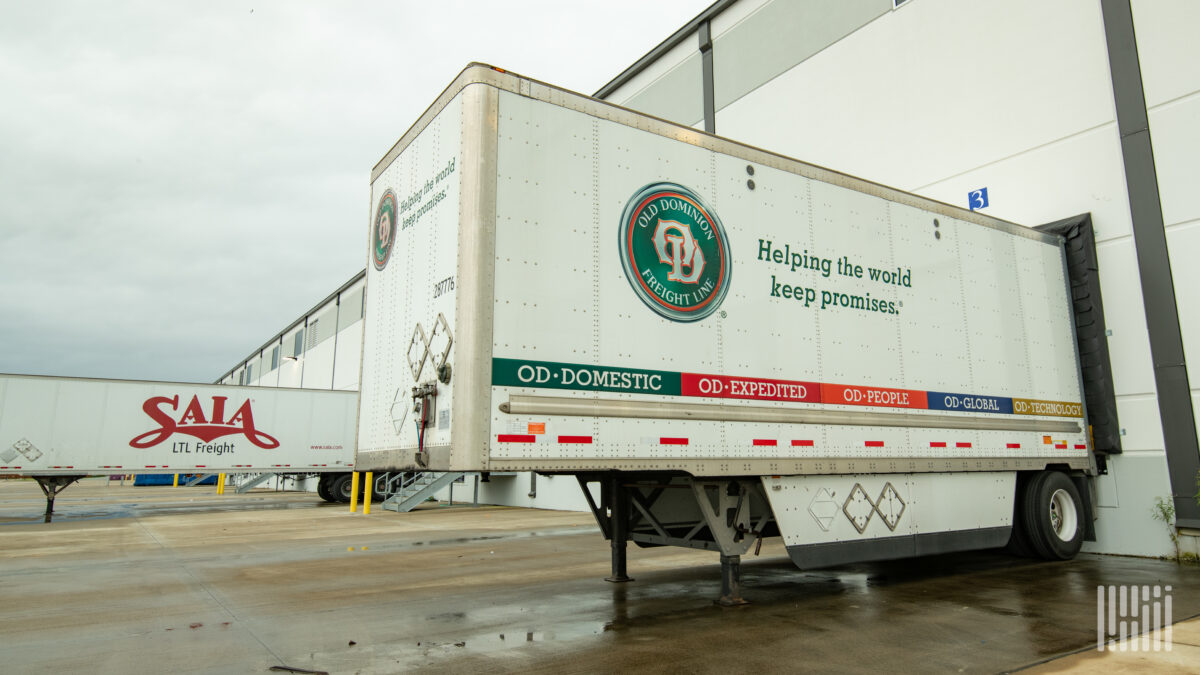
Why it matters: For Southeast-based manufacturers and distributors, this sticky LTL cost inflation directly pressures margins and may force operational changes in logistics networks, potentially accelerating regional shifts in warehousing and production sourcing.
Context: The LTL market is characterized by long-term contracts and few major providers, making pricing changes slow-moving but persistent; the 2023 exit of Yellow, the third-largest national carrier, permanently altered market capacity.
"This does not necessarily mean that all contracts increased simultaneously, but that as new bids and general rate increases work through the market, they are being priced at roughly 12.5% higher levels than at this point last year — and 29% higher than in May 2021." — FREIGHTWAVES
Commentary: The sharpness of this LTL move signals a broader, sustained inflationary pulse in industrial logistics, not a transient holiday blip. It will disproportionately impact smaller shippers without the leverage to negotiate around general rate increases, potentially consolidating freight volumes with the largest carriers. The Southeast’s growing manufacturing base must now factor in structurally higher domestic freight costs, which could dampen the region’s cost-competitiveness for certain goods and influence site selection for new facilities.
Date: Sun, 03 May 2026 00:30:00 +0000
URL: https://www.freightwaves.com/news/less-than-truckload-rates-have-sharp-response-to-broader-market-turn
AI Sentiment Score: Negative (60%)
AI Credibility Score: 10.0/10 — High
Scores and text generated by AI analysis of the source article indicated.
Post ID: 3e0dffee