Industrial and Warehouse Market Trends
Google plans new logistics warehouse facility in Kannapolis (Charlotteobserver)
Summary: Google has leased a 729,872-square-foot warehouse and logistics facility in Kannapolis, North Carolina, for a seven-year term, distinct from its ongoing hyperscale data center expansions elsewhere in the state. The company concurrently announced a $1 billion expansion of its Lenoir data center and a $2 million Energy Impact Fund in Caldwell County to address local concerns over energy consumption. This move diversifies Google’s physical footprint in the Southeast beyond compute infrastructure into logistics.

Why it matters: It signals a strategic diversification of Google’s regional asset portfolio, separating logistics from contentious data center growth, while revealing how the company is managing community friction through targeted compensatory funds.
Context: The Southeast, particularly North Carolina’s I-85 corridor, is experiencing concentrated investment from tech hyperscalers, with data center expansions driving both economic growth and local resistance over energy and land use.
"But the city stressed that this operation would not be for a data center, which remains a source of contention for many residents alarmed by their proliferation across the state." — CHARLOTTEOBSERVER
Commentary: Google’s explicit segregation of logistics from data center operations in its public messaging is a calibrated response to political risk, allowing continued expansion in a high-growth corridor while mitigating brand erosion. The accompanying $2 million fund in Caldwell County is a nominal but symbolic gesture, indicating that community concessions are now a required line item in hyperscale project budgets. The logistics facility itself suggests Google is building a more integrated physical supply chain in the region, possibly to support its AI hardware lifecycle or regional commerce operations, further anchoring its capital in the Southeast’s infrastructure.
Date: April 28, 2026 12:00 AM ET
URL: https://www.charlotteobserver.com/news/business/article315565048.html
AI Sentiment Score: Positive (55%)
AI Credibility Score: 10.0/10 — High
Scores and text generated by AI analysis of the source article indicated.
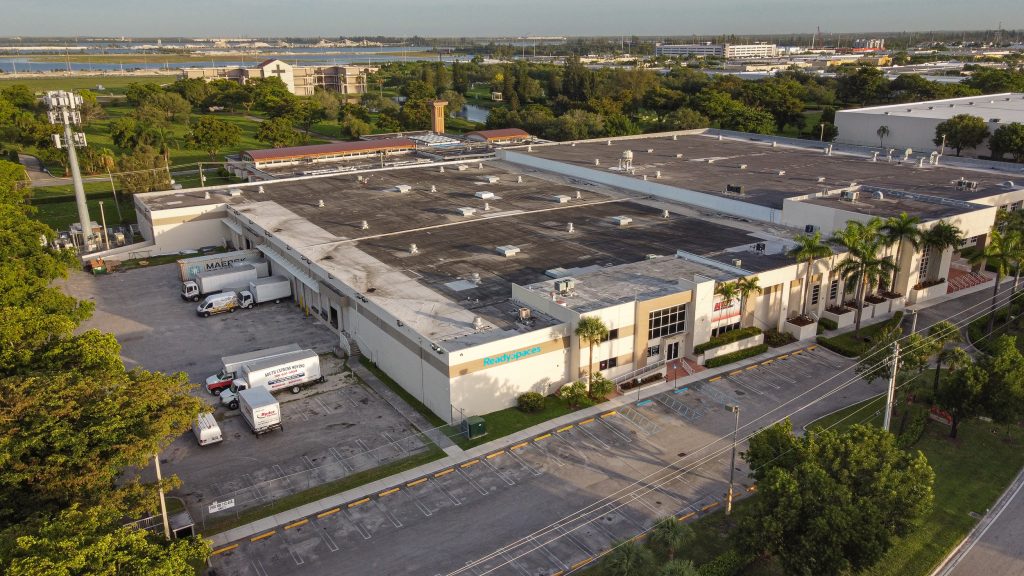
How Tariffs Are Reshaping Warehouse Demand in 2026 | WareCRE (Warecre)
Summary: Tariff-driven inventory front-loading and manufacturing reshoring are projected to increase national industrial absorption from 155 million SF in 2025 to 200 million SF in 2026. This demand is concentrating in the Southeast and Central U.S., with acute pressure on structurally undersupplied small-bay warehouse space under 10,000 SF, where vacancy rates are 3-4% versus 7-8% for big-box.
Why it matters: For regional economic observers, this signals a tangible capital and infrastructure shift to the Southeast, with specific asset classes becoming critical bottlenecks for the businesses most exposed to trade policy.
Context: Industrial real estate demand has historically been driven by e-commerce logistics; tariffs are now a primary structural driver, creating a distinct demand profile centered on inventory storage rather than fulfillment speed.
"- Tariffs are driving warehouse demand through two channels: short-term inventory front-loading (businesses pre-buying goods before rates increase) and long-term reshoring of manufacturing. – National industrial absorption is forecast to hit 200M." — WARECRE
Commentary: The bifurcation in vacancy rates between small-bay and big-box space is the operational signal: tariffs are a regressive tax on smaller import-reliant businesses, who now compete for the scarcest asset. This will accelerate consolidation among smaller players unable to secure or afford space, while developers face a misalignment between high-margin big-box projects and the actual demand surge.
Date: April 28, 2026 12:00 AM ET
URL: https://warecre.com/cre-insights/industrial-101/tariffs-reshaping-warehouse-demand-2026/
AI Sentiment Score: Positive (66%)
AI Credibility Score: 10.0/10 — High
Scores and text generated by AI analysis of the source article indicated.
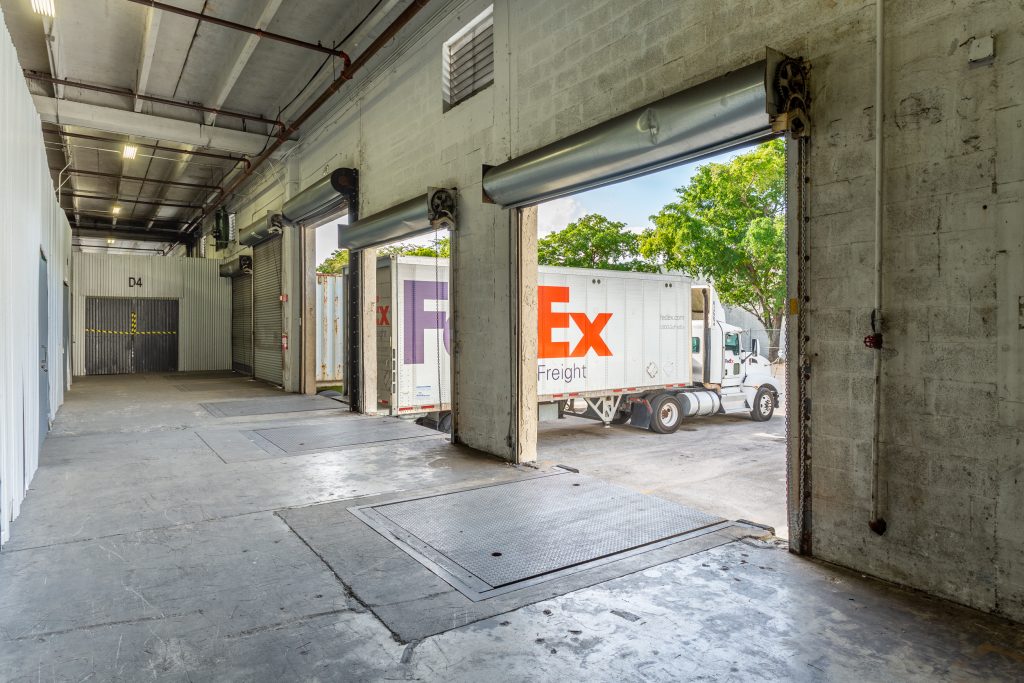
Miami Warehouse Market Report 2026 | Vacancy, Rents & Outlook (Warecre)
Summary: Miami’s industrial vacancy reached 7.0-7.2% in Q1 2026, its highest level in five years, driven by a wave of new speculative construction deliveries. Leasing activity remains steady, indicating the rise is supply-driven, not a demand collapse. The construction pipeline has begun to recede, suggesting vacancy will plateau and tighten by late 2026, with a clear bifurcation between softening big-box rents and resilient small-bay and co-warehousing segments.
Why it matters: The recalibration signals a shift from a hyper-competitive landlord market to a more balanced one, affecting capital allocation for industrial development and operational costs for logistics-dependent businesses in a critical Southeast gateway.
Context: This follows years of sub-5% vacancy and double-digit rent growth, fueled by pandemic-era logistics expansion and capital flows into Sunbelt real estate.
"Key Takeaways – Miami industrial vacancy reached 7.0-7.2% in Q1 2026 — the highest in five years — but the rise is supply-driven, not a demand collapse. Leasing activity held steady. -." — WARECRE
Commentary: The market’s structural split—where small-bay space outperforms due to developer neglect—highlights a persistent mismatch between capital-intensive development models and the needs of local, service-oriented commerce. This could pressure institutional investors focused on big-box product while creating niche opportunities for operators serving the under-10,000 SF segment. The plateauing pipeline suggests a soft landing is the base case, but any exogenous shock to Southeast consumer demand could test the ‘supply-driven, not demand collapse’ thesis.
Date: April 28, 2026 12:00 AM ET
URL: https://warecre.com/cre-insights/market-property-insights/miami-warehouse-market-report/
AI Sentiment Score: Negative (57%)
AI Credibility Score: 10.0/10 — High
Scores and text generated by AI analysis of the source article indicated.
Snapshot of Industrial Market for Q1 | MHL News (Mhlnews)
Summary: The U.S. industrial real estate market is stabilizing in Q1 2026, with demand positive in nearly 70% of markets. Vacancy held at 7.4%, and a rebalancing of supply and demand is underway, marked by the lowest quarterly deliveries since 2019. The South, led by Atlanta, Dallas-Fort Worth, Houston, and Charleston, accounted for 65% of national net absorption. Rent growth has plateaued nationally but shows divergence, with declines in some coastal markets and resilience in key inland hubs.
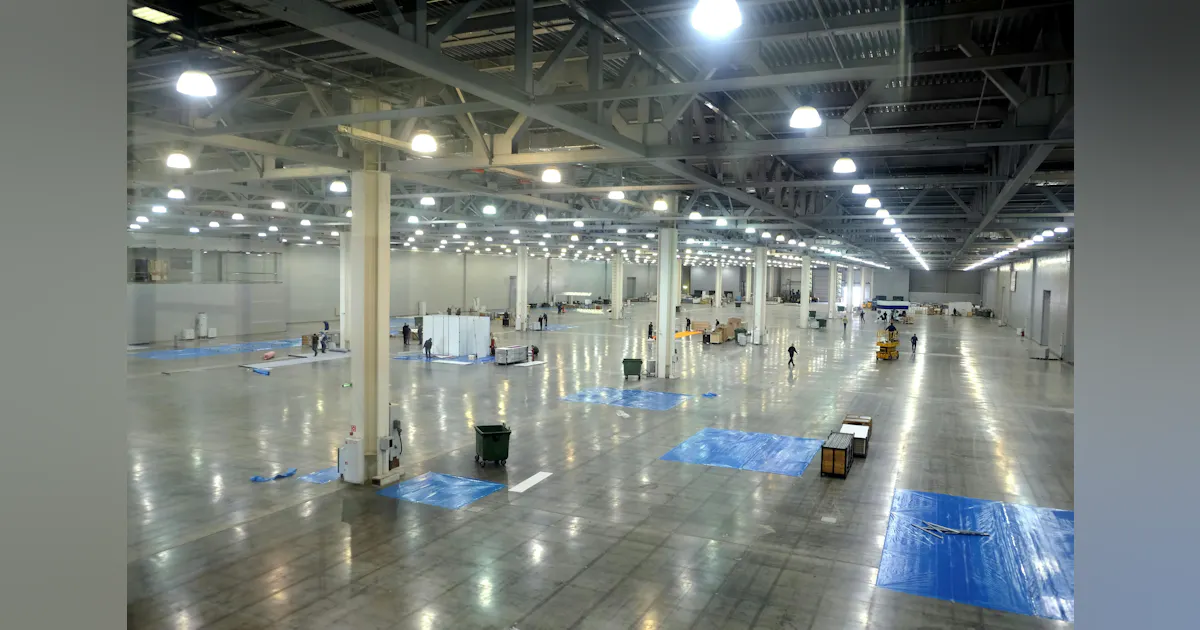
Why it matters: The stabilization and regional divergence signal where capital, logistics capacity, and corporate expansion are concentrating, directly impacting investment strategies and supply chain infrastructure planning.
Context: This follows a period of rapid post-pandemic expansion and subsequent oversupply, where markets are now digesting new inventory and adjusting development pipelines.
"The South accounted for 65% of this demand (28M SF), with markets such as Atlanta, Dallas-Fort Worth, Houston, and Charleston each exceeding 3M SF of net absorption for the quarter." — MHLNEWS
Commentary: The data confirms the Southeast and Texas as the primary engines of industrial demand, a structural shift that will continue to pull logistics investment, talent, and supporting services away from higher-cost coastal markets. The plateau in national rents obscures a critical bifurcation: resilience and growth in inland hubs like Houston and Dallas contrast with declines in the Inland Empire and Bay Area, reflecting a recalibration of location premium based on operational cost and supply chain redundancy. The focus on build-to-suit over speculative development indicates a more disciplined capital environment, where new construction will be tightly coupled to specific tenant needs rather than broad market bets.
Date: April 20, 2026 12:00 AM ET
URL: https://www.mhlnews.com/warehousing/news/55371684/snapshot-of-industrial-market-for-q1
AI Sentiment Score: Negative (66%)
AI Credibility Score: 9.8/10 — High
Scores and text generated by AI analysis of the source article indicated.
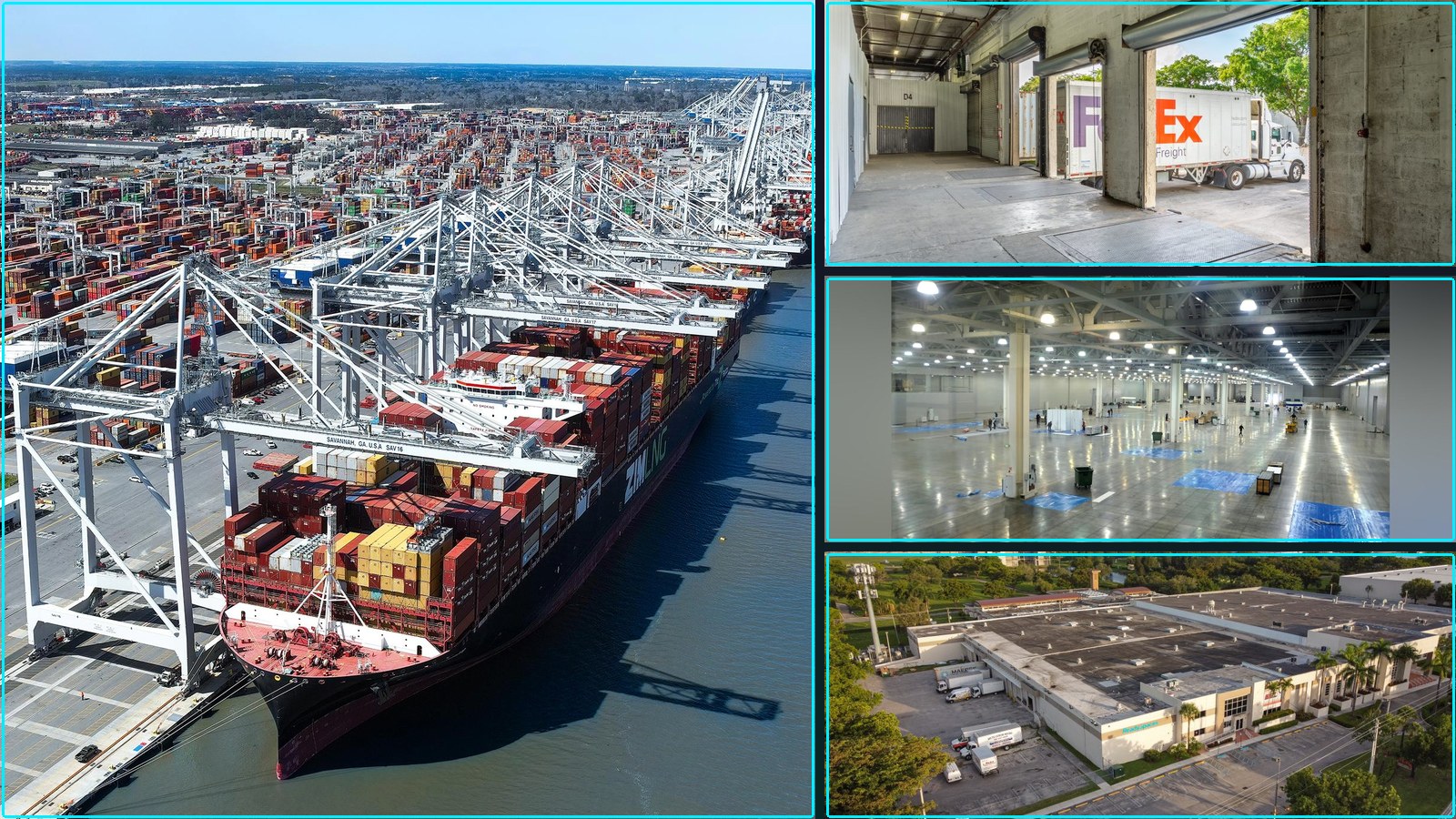
Savannah’s Industrial Market Dominates: Two Major … (Piercommercial)
Summary: The Savannah industrial market secured two major leases in one week: Commonwealth Wholesale Corporation took 56,160 square feet at the Central Port Logistics Center, and an unnamed tenant leased a 320,320-square-foot facility in Rincon. Both deals involve modern, newly delivered Class A bulk space with direct access to port and highway infrastructure. This activity underscores the sustained, high-velocity demand for premier logistics real estate in the region.
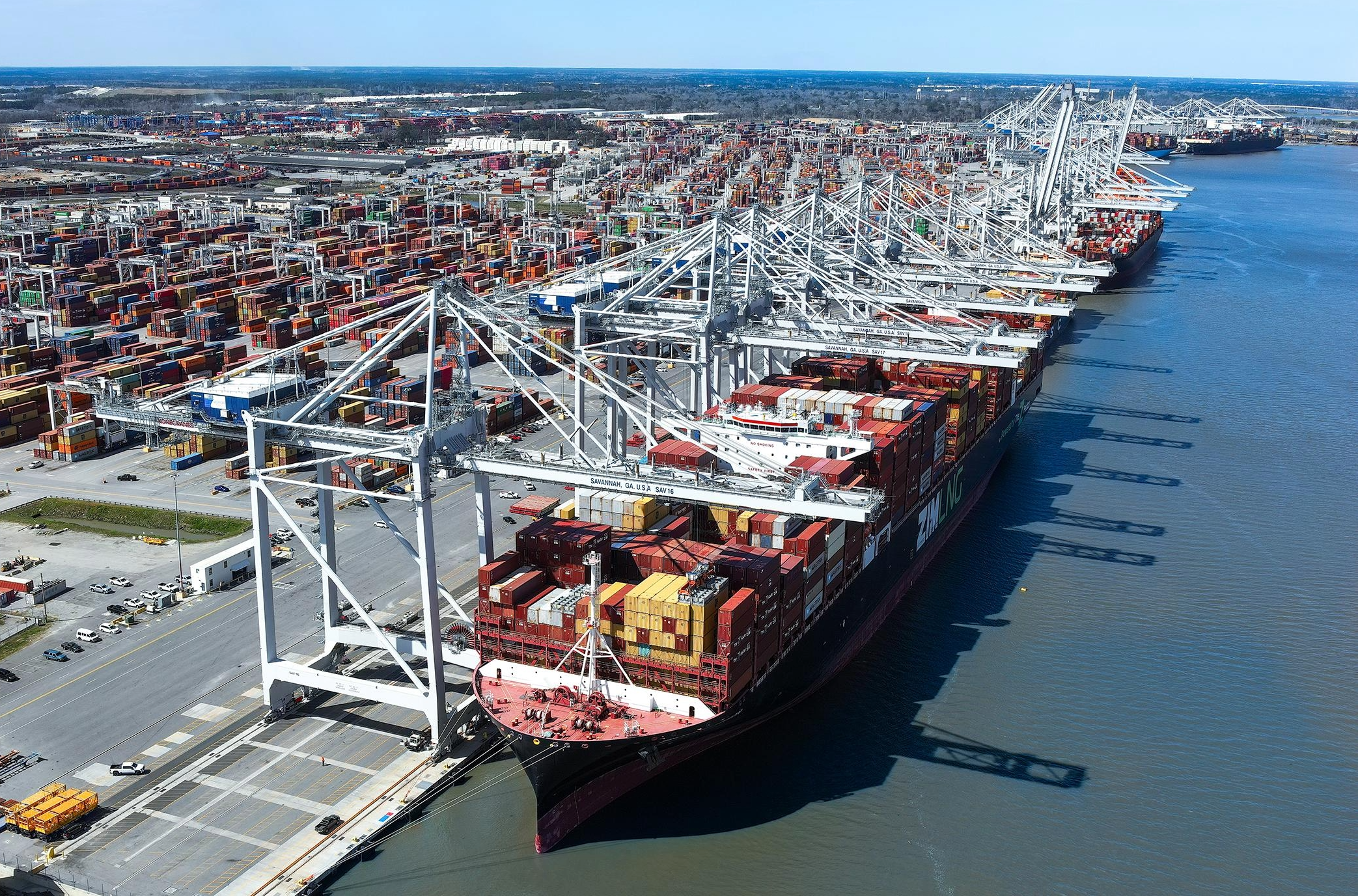
Why it matters: This demonstrates the Savannah market’s continued dominance as a logistics nexus, signaling where capital and corporate expansion are concentrating in the Southeast, with implications for regional labor markets, transportation networks, and competing ports.
Context: Savannah has consistently ranked among the nation’s fastest-growing ports, driving a parallel boom in adjacent industrial real estate. Demand has remained robust despite broader economic headwinds, focusing on modern, high-clearance facilities near intermodal links.
"In a single week, the Savannah market secured two significant industrial leases: a 320,320-square-foot facility in Rincon and a 56,160-square-foot space at the Central Port Logistics Center, underscoring the relentless demand for Class A bulk space." — PIERCOMMERCIAL
Commentary: The speed and scale of these back-to-back leases confirm that Savannah’s industrial expansion is moving beyond speculative development into immediate, high-value occupancy. This locks in long-term revenue for developers and reinforces the port’s competitive moat against rivals like Charleston and Jacksonville. The focus on newly constructed assets suggests tenants are prioritizing operational efficiency over cost, a trend that could pressure older inventory in secondary markets. For regional planners, the Rincon deal, in particular, indicates the inland drift of the logistics footprint, stretching infrastructure and housing demands further into Effingham County.
Date: April 20, 2026 12:00 AM ET
URL: https://www.piercommercial.com/savannah-industrial-leasing-port-logistics-center/
AI Sentiment Score: Positive (44%)
AI Credibility Score: 7.0/10 — Medium
Scores and text generated by AI analysis of the source article indicated.
U.S. Industrial Market Dynamics, Q1 2026 (Jll)
Summary: U.S. industrial leasing activity grew 17.8% year-over-year in Q1 2026, driven by a surge in big-box deals and tenant consolidation into higher-quality facilities. Net absorption of 50.9 million square feet was strong for the period, while vacancy held steady at 7.5% and asking rents saw modest growth. The market’s resilience comes despite a backdrop of geopolitical tensions and trade policy volatility influencing occupier decisions.

Why it matters: The 80.7% surge in big-box leasing signals a decisive shift in corporate logistics strategy from caution to long-term commitment, directly impacting capital allocation for industrial real estate and regional infrastructure planning.
Context: This follows a period of tenant caution and a focus on operational flexibility; the current flight-to-quality trend represents a strategic bet on efficiency and consolidation even amid external uncertainties.
"Big-box leasing (spaces of at least 500,000 s.f.) surged 80.7% year-over-year, signaling renewed confidence in long-term commitments and reversing the cautious approach that characterized the previous year." — JLL
Commentary: The big-box surge is the operative signal: it indicates major occupiers are locking in capacity, likely betting that future supply chain resilience requires owned, modernized hubs rather than dispersed, flexible networks. This will concentrate investment in markets with land for mega-facilities, putting pressure on port-adjacent and inland logistics corridors while leaving secondary markets behind. The modest rent growth despite strong demand suggests landlords are competing on specifications, not just price, to capture these long-term tenants.
Date: April 23, 2026 12:00 AM ET
URL: https://www.jll.com/en-us/insights/market-dynamics/industrial-market-statistics-trends
AI Sentiment Score: Positive (42%)
AI Credibility Score: 10.0/10 — High
Scores and text generated by AI analysis of the source article indicated.
Net Absorption Sf (Cresa)
Summary: The US logistics real estate market is undergoing a sharp correction after the pandemic-driven boom, with rent growth stalling, availabilities rising, and net absorption slowing in most major markets. The Inland Empire and Los Angeles, which saw extreme volatility, are now cutting asking rates, while steadier markets like Chicago and Dallas saw sustained, lower growth. Construction starts have plummeted nationally, though Houston remains an outlier, and new deliveries from the prior pipeline will continue to add supply. The overall narrative is one of divergence, with markets waiting for demand to catch up to a supply overhang that may persist into late 2025.

Why it matters: This recalibration signals a shift in capital allocation and operational strategy for occupiers, developers, and investors, with implications for regional competitiveness and industrial asset valuations.
Context: The warehouse/distribution sector experienced historic rent growth and construction from 2020-2023, driven by e-commerce acceleration and supply chain reconfiguration, creating a supply overhang as demand normalized.
"## Top 10 Largest Logistics Markets by Square Footage: 2020 – Q1 2025 – Q1The warehouse/distribution market was one of the biggest benefactors of the Covid pandemic as disrupted supply chains led." — CRESA
Commentary: The bifurcation between volatile coastal ports and steady inland hubs like Dallas and Chicago underscores a maturation of the sector, where proximity to consumption and diversified tenant bases now trump pure port adjacency. Houston’s continued construction push, against the national trend, suggests a strategic bet on its role as an energy and export logistics corridor, potentially capturing displaced activity from other regions. For occupiers, the increased willingness of landlords to negotiate terms, particularly in softening markets, presents a window for cost optimization and lease restructuring that may close once the supply overhang is absorbed.
Date: April 24, 2026 12:00 AM ET
URL: https://www.cresa.com/blog/post-covid-warehouse-and-distribution-trends-in-major-us-logistics-markets
AI Sentiment Score: Negative (60%)
AI Credibility Score: 7.0/10 — Medium
Scores and text generated by AI analysis of the source article indicated.
Industrial Fundamentals Stabilize as Big-Box Leasing Surges (Cbre)
Summary: Industrial real estate fundamentals show signs of stabilization in Q1 2026, with total leasing activity rising 14% year-over-year to 249.8 million sq. ft., setting a pace for a potential annual record. However, the recovery is uneven: net absorption, at 43.1 million sq. ft., remains below the long-term average, and vacancy rates have increased. The momentum is being driven almost exclusively by mega big-box facilities over 1.2 million sq. ft., while smaller formats lag, and new construction continues to outpace absorption.
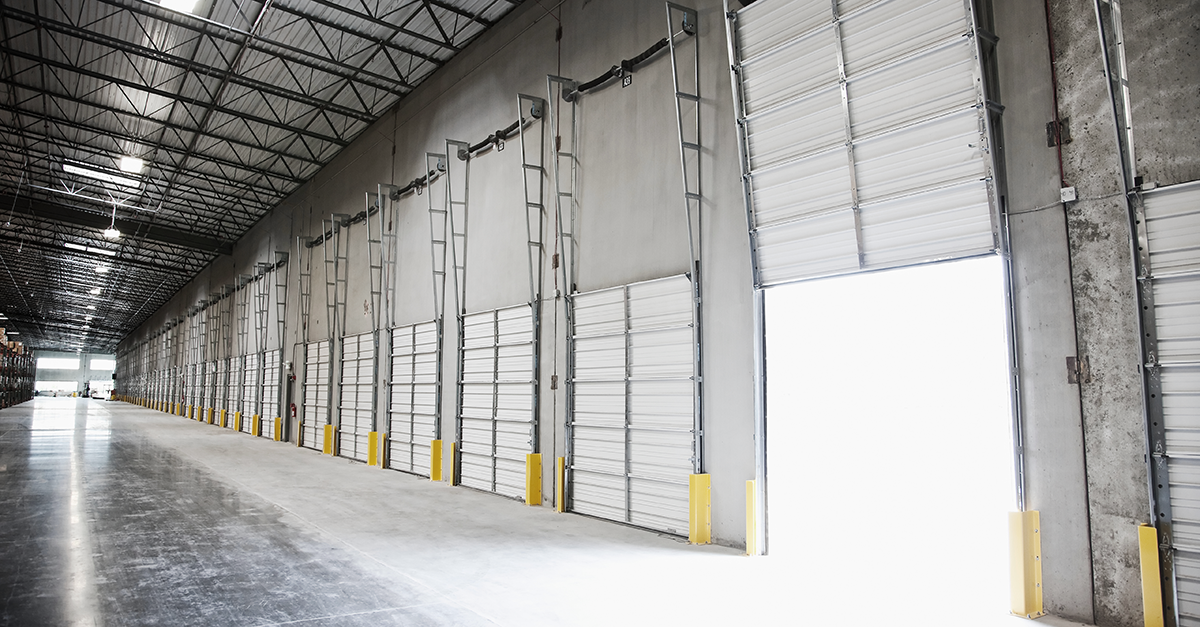
Why it matters: The concentration of demand in mega-facilities signals a deepening bifurcation in the industrial market, with implications for developers, investors, and regional infrastructure planning.
Context: This follows a period of post-pandemic normalization where occupiers have been rightsizing footprints, leading to elevated vacancy and a cooling construction pipeline.
"# Industrial Fundamentals Stabilize as Big-Box Leasing Surgess … – Leasing activity increased by 14% year-over-year in Q1 to 249.8 million sq. ft., putting the market on track for record volume in." — CBRE
Commentary: The data confirms a winner-take-most dynamic where capital and demand flow to hyperscale logistics nodes, potentially hollowing out the market for mid-tier industrial space. This concentration risks creating stranded assets in secondary markets and increases systemic exposure to the fortunes of a handful of mega-tenants. The concurrent rise in the construction pipeline despite slowing completions suggests developers are betting this bifurcation is structural, not cyclical.
Date: April 23, 2026 12:00 AM ET
URL: https://www.cbre.com/insights/figures/q1-2026-us-industrial-and-logistics-figures
AI Sentiment Score: Neutral (33%)
AI Credibility Score: 10.0/10 — High
Scores and text generated by AI analysis of the source article indicated.
Industrial Archives – Page 721 of 2175 – REBusinessOnline (Rebusinessonline)
Summary: Lee & Associates’ Q3 2021 North America Market Report indicates sustained, record-level demand for industrial warehouse and distribution facilities, driven by pandemic-fueled consumer spending. Despite a surge in new construction, supply in some metros remains insufficient to meet tenant expansion, with year-over-year industrial rent growth hitting a record 6.7%. The report dissects industrial, office, retail, and multifamily performance, focusing on demand shifts and sector-specific challenges.
Why it matters: This data signals where capital, development, and operational focus must concentrate to capture growth, and identifies metros where supply constraints may drive further rent inflation and investment competition.
Context: Post-pandemic economic patterns have solidified labor shortages, supply chain issues, and material costs, reshaping growth calculus across asset classes.
"The calculus for which asset classes are likeliest to demonstrate strong growth continues to shift as the pandemic appears to be receding. Patterns in labor shortages, supply chain issues and material costs." — REBUSINESSONLINE
Commentary: The 6.7% rent growth record underscores that industrial remains the primary beneficiary of shifted consumption patterns, but localized supply shortages suggest a bifurcated market where development must target specific, constrained metros to realize returns. This pressure will likely accelerate consolidation among logistics operators and intensify competition for strategic distribution hubs.
Date: April 25, 2026 12:00 AM ET
URL: https://rebusinessonline.com/category/property-type/industrial/page/721/
AI Sentiment Score: Positive (50%)
AI Credibility Score: 10.0/10 — High
Scores and text generated by AI analysis of the source article indicated.
Post ID: 27c4b145