

Major Music Catalog & Rights Deals
Saregama MD calls for DSPs to assign ‘no value’ to AI-generated music (Musicbusinessworldwide)
Summary: Saregama MD Vikram Mehra advocates for DSPs to assign ‘no value’ to AI-generated music in royalty pools, while simultaneously positioning the label to license its catalog to generative AI firms. This dual stance reflects a broader industry strategy to treat AI as both a threat to existing revenue streams and a new licensing frontier. The operational reality is stark: Deezer reports nearly 75,000 fully AI-generated tracks uploaded daily, with up to 85% of streams on such tracks being fraudulent. The financial stakes are high, with a CISAC/PMP study estimating up to €4 billion in annual creator revenue at risk by 2028.

Why it matters: This defines the emerging industry playbook for managing AI: wall off the core streaming economy from synthetic content while extracting new rents from the AI companies themselves.
Context: Major Western labels (UMG, WMG) have already settled lawsuits and struck licensing deals with AI platforms like Udio and Suno, though negotiations with some majors remain stalled, indicating a fragmented but transactional approach.
"All the music labels globally and in India are working very closely with the leading three global streaming platforms, making it very clear that when the content pool is going to get distributed across the labels, no value should get assigned to content which is getting generated purely or through AI." — MUSICBUSINESSWORLDWIDE
Commentary: The call for a ‘zero-value’ policy for AI content in royalty pools is a defensive monetization move, attempting to preserve the existing franchise’s financial integrity. Licensing to AI firms represents a classic lifecycle extension—repackaging legacy IP for a new distribution channel. The strategy signals a belief that AI-generated music currently lacks organic audience traction, making its primary threat financial (royalty pool dilution via fraud) rather than cultural. The bifurcated approach—exclude from one pool, license for another—creates a potential conflict if licensed AI outputs eventually compete for listener attention on the same platforms.
Date: Wed, 20 May 2026 12:32:34 +0000
URL: https://www.musicbusinessworldwide.com/saregama-md-calls-for-dsps-to-assign-no-value-to-ai-generated-music/
AI Sentiment Score: Negative (50%)
AI Credibility Score: 10.0/10 — High
Scores and text generated by AI analysis of the source article indicated.
You Don’t Need to Be Famous to Sell Your Music Catalog Anymore (Hypebot)
Summary: The market for music catalog sales is expanding beyond legacy superstars to include independent artists and creators with smaller, younger catalogs. Streaming data—consistency, audience retention, geographic diversity—has become the primary valuation metric, replacing fame and age as prerequisites. Deals are now structured around recurring digital cash flow, enabling catalogs generating as little as $5,000 annually to attract buyer interest. This shift allows independent artists to leverage existing work as a financial tool to fund career growth without ceding control.

Why it matters: It democratizes access to capital for independent creators, transforming music catalogs from legacy exit vehicles into strategic assets for financing ongoing careers.
Context: Historically, catalog sales were dominated by iconic artists with decades of hits, reinforcing a perception that only mature, major-label catalogs held significant value.
"In certain cases, some buyers are even willing to evaluate catalogs generating as little as approximately $5,000 annually in royalties depending on ownership structure, consistency, and overall catalog profile." — HYPEBOT
Commentary: This signals a maturation of the music IP asset class, where data-driven valuation models enable fractionalization and liquidity at previously untenable scales. It pressures traditional label structures by providing an alternative capital source for independence, and may accelerate a secondary market for micro-catalogs, similar to trends in podcasting or newsletter equity. The risk is predatory advances targeting financially vulnerable artists, necessitating sharper industry literacy.
Date: May 20, 2026 12:00 AM ET
URL: https://www.hypebot.com/you-dont-need-to-be-famous-to-sell-your-music-catalog-anymore/
AI Sentiment Score: Neutral (33%)
AI Credibility Score: 10.0/10 — High
Scores and text generated by AI analysis of the source article indicated.
Music Contracts Decoded: Rights, Catalogs, and the AI Era (Musicca.St)
Summary: The market for music catalog sales, exemplified by Bob Dylan’s 2020 deal, operates on the transfer of economic rights (publishing and masters) for a lump sum based on royalty multiples. Artists retain performance rights and a statutory performer share from digital streams, but lose control over future licensing and derivative uses. New contracts now require scrutiny of AI clauses, re-recording restrictions, and reversion terms, as ownership shifts from artists to institutional buyers.

Why it matters: For investors and artists, understanding the specific rights transferred in a catalog sale is critical to valuing assets and protecting future income streams, especially as AI and re-recording strategies reshape the long-term economics of music IP.
Context: This analysis arrives amid a peak in catalog acquisitions by private equity and music publishers, creating a secondary market for mature artist royalties, while high-profile re-recording campaigns (e.g., Taylor Swift’s ‘Taylor’s Version’) highlight the strategic importance of retained rights.
"In 2020, Bob Dylan sold part of his rights to over 600 songs to Universal for an estimated sum of several hundred million dollars. … When an artist sells their catalog, they." — MUSICCA.ST
Commentary: The checklist formalizes a defensive posture for artists, turning catalog sales from a simple exit into a negotiated partition of future optionality. The explicit call for AI clauses and approval rights signals that buyers are now acquiring not just historical cash flows, but also the right to license training data and generate synthetic derivatives—a new frontier in IP monetization that could inflate multiples for catalogs with clear, transferable AI rights.
Date: May 20, 2026 12:00 AM ET
URL: https://www.musicca.st/blog/career-3/music-contracts-decoded-rights-catalogs-and-the-ai-era-107
AI Sentiment Score: Positive (50%)
AI Credibility Score: 9.6/10 — High
Scores and text generated by AI analysis of the source article indicated.
Frank Sinatra Estate Sells Image and Likeness Rights to Irving Azoff | New Industry Focus (Newindustryfocus)
Summary: Iconic Artists Group (IAG), led by Irving Azoff, has acquired the image and likeness rights to Frank Sinatra’s estate. The acquisition is part of a broader strategy to consolidate Rat Pack IP, as IAG already holds stakes in Dean Martin’s estate and others. Azoff’s stated intent is to develop a dedicated Las Vegas venue themed around The Rat Pack.
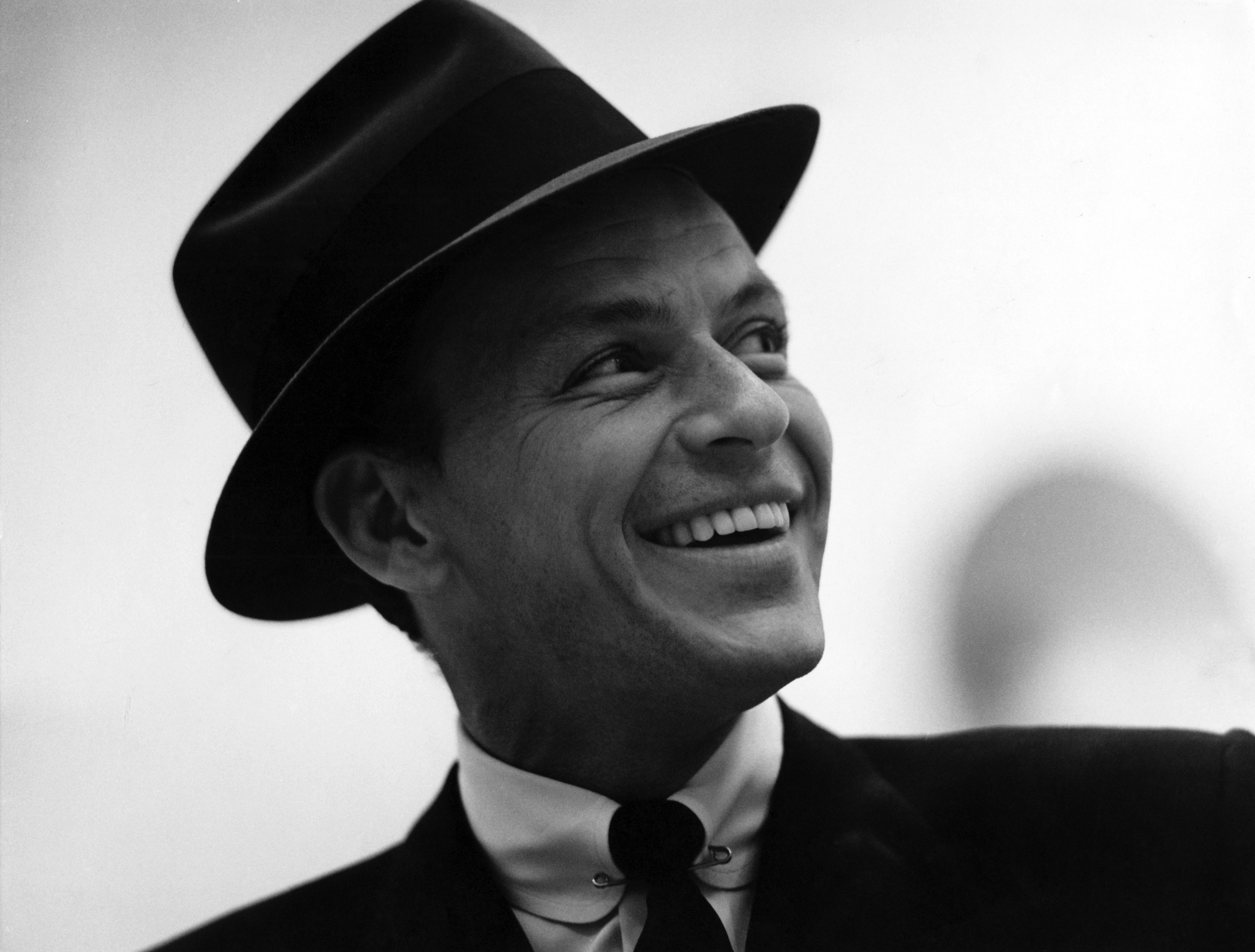
Why it matters: This signals a shift from catalog acquisition to integrated, experience-driven monetization of legacy estates, setting a new benchmark for posthumous IP exploitation.
Context: IAG has been aggressively consolidating rights to major legacy artist catalogs and estates (Cher, Beach Boys, etc.) in a market defined by financialization of music assets.
"Azoff is working on a Las Vegas venue dedicated to The Rat Pack, the singing group consisting of Sinatra and fellow icons of the era, Dean Martin, Sammy Davis Jr., and Mickey Rooney, among others." — NEWINDUSTRYFOCUS
Commentary: The move from pure catalog ownership to themed venue development represents a defensive reuse and monetization logic for mature IP. It leverages Vegas’s residency economy but risks diluting the artistic legacy into a packaged nostalgia experience. The operational shift indicates estate monetization is entering a capital-intensive, physical infrastructure phase beyond streaming royalties and sync deals.
Date: May 19, 2026 12:00 AM ET
URL: https://newindustryfocus.com/articles/frank-sinatra-estate-sells-image-and-likeness-rights-to-irving-azoff
AI Sentiment Score: Negative (66%)
AI Credibility Score: 10.0/10 — High
Scores and text generated by AI analysis of the source article indicated.
HYBE Acquires Music-Catalog Rights From Universal For $2.1 … (Theplatinumcapital)
Summary: HYBE has acquired a $2.1 billion portfolio of music catalog rights from Universal Music Group, covering approximately 8,500 master and publishing recordings from foundational K-pop acts (1990-2020). The deal, structured as a fifty-year rights acquisition, is the largest single-transaction music rights purchase of 2026 and is projected to generate about $280 million in annual incremental revenue. This move consolidates HYBE’s control over the genre’s commercial foundations.

Why it matters: This transaction signals a shift from K-pop as a forward-facing content factory to a mature asset class, where control over legacy catalogs becomes a critical lever for financialization and long-term industry governance.
Context: This follows a multi-year trend of rights aggregation by HYBE and Korean industry players, transforming ephemeral pop cycles into durable, revenue-generating IP estates.
"The transaction is structured as a long-dated rights-acquisition rather than an outright catalogue transfer, with HYBE acquiring the substantive commercial-control rights across a fifty-year window subject to the prevailing master-and-publishing-rights regulatory frameworks across the principal global commercial markets." — THEPLATINUMCAPITAL
Commentary: The fifty-year term is the operational core: it’s not an outright purchase but a long lease on cultural memory, allowing HYBE to monetize the genre’s foundational era while avoiding the terminal liabilities of perpetual ownership. This secures the revenue floor for HYBE’s broader ecosystem and effectively makes the company the archival steward and commercial gatekeeper for first- and second-generation K-pop. The move is defensive consolidation as much as aggressive expansion, locking up the assets that could otherwise fuel competitors or fragmented licensing. It confirms the lifecycle stage: K-pop’s early innovators are now institutionalized capital.
Date: May 19, 2026 12:00 AM ET
URL: https://www.theplatinumcapital.com/article/hybe-acquires-music-catalog-rights-from-universal-for-2-1bn-as-k-pop-global-ip-cycle-compounds
AI Sentiment Score: Positive (50%)
AI Credibility Score: 8.2/10 — High
Scores and text generated by AI analysis of the source article indicated.
Music as an asset class: Why PE continues to deploy capital into music rights (Reedsmith)
Summary: Private equity’s deployment into music rights has matured from niche acquisitions to a systematic asset class strategy, targeting not only iconic catalogs but also the broader infrastructure of royalty administration, distribution, and analytics. The investment thesis hinges on durable, yield-oriented cash flows from streaming, sync licensing, and performance royalties, viewed as resilient across economic cycles. Legal and commercial diligence is now central to underwriting, as value turns on nuanced copyright issues, chain-of-title risks, and legacy contractual constraints.

Why it matters: This signals the institutionalization of music IP as a financial instrument, reshaping capital allocation, artist economics, and the operational backbone of the industry.
Context: The shift follows a decade of streaming normalization, which provided the predictable data required for asset-class underwriting, and parallels similar financialization moves in other IP sectors like film and sports.
"Unlike many traditional media assets, high-quality music rights can continue generating meaningful revenue for decades, often with limited ongoing capital expenditure requirements. Well-performing catalogs, particularly those containing enduring hit songs, frequently demonstrate stable historical performance and predictable consumption patterns across economic cycles." — REEDSMITH
Commentary: The move from trophy-asset hunting to infrastructure investment indicates PE is now building durable platforms, not just harvesting yield. This creates a permanent capital overhang that could pressure independent artists and labels on pricing while professionalizing royalty collection and administration. The emphasis on legal diligence as financial diligence suggests the low-hanging fruit is gone; future returns will depend on operational leverage and contractual optimization, not just catalog ownership.
Date: May 22, 2026 12:00 AM ET
URL: https://www.reedsmith.com/articles/private-equity-behind-the-scenes/music-as-an-asset-class-why-pe-continues-to-deploy-capital-into-music-rights/
AI Sentiment Score: Neutral (33%)
AI Credibility Score: 10.0/10 — High
Scores and text generated by AI analysis of the source article indicated.
Good Grief: ‘Peanuts’ Music Owners Launch Legal Blitz Over ‘Charlie Brown Christmas’ Songs (Billboard)
Summary: Lee Mendelson Film Productions (LMFP), owner of the music from the Peanuts television specials, has filed four copyright lawsuits alleging unauthorized use of Vince Guaraldi’s iconic compositions. The defendants include a video game publisher, the U.S. Department of the Interior, and two collectibles manufacturers, accused of using or mimicking tracks like ‘Linus and Lucy’ and ‘O Tannenbaum’ without licenses. The suits signal a more aggressive enforcement posture from the rights holder, targeting digital and promotional uses that leverage the music’s cultural resonance without payment.

Why it matters: This marks a tactical shift in the late-stage monetization of a mature IP, moving from character licensing to aggressive defense of its distinct musical assets, setting a precedent for how ancillary franchise elements are policed.
Context: The Peanuts franchise operates under a bifurcated rights structure: character rights are held by one entity (Peanuts Worldwide), while the music from the classic TV specials remains with the Mendelson estate. This has historically led to complex licensing, but LMFP’s 2019 suit against Dollywood and this new blitz indicate a systematic effort to extract value from and control the soundtrack’s standalone brand.
"Good Grief: ‘Peanuts’ Music Owners Launch Legal Blitz Over ‘Charlie Brown Christmas’ Songs Four new lawsuits claim Vince Guaraldi’s iconic score has been used without permission or payment, including in a federal." — BILLBOARD
Commentary: This legal offensive reflects the ‘exhaustion’ phase of the IP lifecycle, where rights holders shift from expansion to defensive revenue extraction from every component. The suit against the Interior Department is particularly notable, demonstrating that even non-commercial, governmental use is now considered a monetizable infringement. For licensees, it creates a new compliance layer: securing character rights no longer suggests safety if the associated music is evoked or approximated. The strategy risks diminishing the music’s cultural ubiquity—its primary value—by making it a legal hazard rather than a shared nostalgic touchstone.
Date: Wed, 20 May 2026 20:49:31 +0000
URL: https://www.billboard.com/pro/peanuts-music-lawsuits-charlie-brown-christmas-songs-sues/
AI Sentiment Score: Neutral (50%)
AI Credibility Score: 10.0/10 — High
Scores and text generated by AI analysis of the source article indicated.
FUGA renews global distribution partnership with Insomniac Music Group (Musicbusinessworldwide)
Summary: FUGA, the B2B distributor owned by Downtown Music, has renewed and expanded its global distribution and neighboring rights partnership with Insomniac Music Group. The deal continues comprehensive support for Insomniac’s portfolio of electronic imprints, including dedicated marketing campaigns. This renewal follows FUGA’s 2022 initial partnership with the label group and occurs after Downtown’s parent company was acquired by UMG earlier this year.

Why it matters: It signals the stability and strategic value of long-term B2B infrastructure partnerships in the electronic music ecosystem, especially post-UMG acquisition.
Context: FUGA has been actively expanding its client base and services, including a recent move into direct-to-consumer commerce and APAC expansion, while its parent company Downtown is now integrated under UMG.
"We are energized by their renewed confidence in our partnership as we continue working with such an instrumental label group that is inspiring and moving audiences on a massive scale." — MUSICBUSINESSWORLDWIDE
Commentary: This is a renewal and expansion, not a new deal, indicating a successful operational integration and mutual satisfaction—a defensive reuse of an existing framework. For FUGA, locking in a flagship electronic client post-UMG acquisition demonstrates continuity and validates its specialized service model. The parallel renewal of neighboring rights with DNR shows Insomniac consolidating its back-office stack, preferring integrated efficiency over fragmentation.
Date: Wed, 20 May 2026 12:31:55 +0000
URL: https://www.musicbusinessworldwide.com/fuga-renews-global-distribution-partnership-with-insomniac-music-group/
AI Sentiment Score: Neutral (33%)
AI Credibility Score: 10.0/10 — High
Scores and text generated by AI analysis of the source article indicated.
Sony’s $4 Billion Bet on Rock & Roll Royalties (Inkl)
Summary: Sony Group, in a joint venture with GIC, is acquiring the Recognition Music Group portfolio from Blackstone for approximately $4 billion. The catalog, containing over 45,000 songs from artists like Fleetwood Mac, Rihanna, and Beyoncé, was previously aggregated by Blackstone after taking the Hipgnosis Songs Fund private in 2024 for around $2.2 billion. The transaction represents a major exit and valuation uplift for private capital in the music rights space.

Why it matters: This deal institutionalizes music royalties as a core asset class, forcing a recalibration of how media conglomerates are valued based on their IP holdings rather than quarterly performance.
Context: This follows a multi-year trend of private equity and institutional capital aggregating music publishing rights, treating catalogs as annuity-like assets backed by streaming’s predictable revenue.
"A landmark $4 billion transaction sends a clear signal across capital markets: legacy music catalogs have definitively matured from niche alternative investments into an institutional-grade asset class." — INKL
Commentary: The transaction marks the ‘harvest’ phase of the IP lifecycle for this asset class, validating the aggregation model. It signals that top-tier catalogs are now strategic, balance-sheet assets for conglomerates like Sony, moving beyond financial engineering. The ~$1.8 billion gain in two years sets a benchmark for future exits, but also suggests the easy arbitrage of buying public vehicles at a discount may be exhausted. Future activity will likely focus on deeper catalog management, international rights exploitation, and adjacent audio IP (e.g., podcasts, sound libraries) as the core music royalty market consolidates.
Date: May 12, 2026 12:00 AM ET
URL: https://www.inkl.com/news/sony-s-4-billion-bet-on-rock-roll-royalties
AI Sentiment Score: Positive (50%)
AI Credibility Score: 10.0/10 — High
Scores and text generated by AI analysis of the source article indicated.
Sony Music Publishing Officially Agrees to Acquire … (Rapindustry)
Summary: Sony Music Publishing has agreed to acquire the complete catalog of Recognition Music Group from Blackstone, a portfolio of over 45,000 songs including major hits from Journey, Beyoncé, Fleetwood Mac, and Mariah Carey. The transaction is being executed in partnership with the GIC-Sony Music Group investment venture announced earlier this year, which is focused on acquiring high-quality, income-generating music assets. This move consolidates a significant tranche of evergreen copyrights under a major publisher’s control.

Why it matters: It signals the continued financialization of mature music copyrights as strategic assets, demonstrating the scale and institutional capital now required to play in the catalog acquisition market.
Context: This follows a multi-year trend of private equity and institutional investors (like Blackstone) acquiring music publishing and recorded rights, with major music groups now leveraging sovereign wealth partnerships to buy back scaled portfolios at premium valuations.
"## Sony Music Publishing Officially Agrees to Acquire Complete Catalog of Recognition Music Group. May 11, 2026 … Sony Music Publishing today announced its agreement to acquire the complete music rights portfolio." — RAPINDUSTRY
Commentary: The deal represents a defensive consolidation and lifecycle extension for a block of proven, high-royalty-generating IP. For Sony, it’s a capital-efficient way to secure predictable cash flows and deepen its administration leverage, but it also marks a point where financial buyers (Blackstone) are profitably exiting to strategic holders, suggesting the initial wave of financialization may be peaking. The involvement of GIC underscores that catalog value is now judged by long-term institutional yield, not just by cultural relevance.
Date: May 11, 2026 12:00 AM ET
URL: https://rapindustry.com/sony-music-publishing-officially-agrees-to-acquire-complete-catalog-of-recognition-music-group/
AI Sentiment Score: Negative (50%)
AI Credibility Score: 10.0/10 — High
Scores and text generated by AI analysis of the source article indicated.
Why Does It Seem Like Everybody Is Signed Everywhere? (Joinjukebox.Substack)
Summary: The article examines the financialization of music catalogs, where investment firms and labels acquire royalty streams from artists’ back catalogs for lump-sum payments. This practice decouples the creative origin of the work from its long-term economic exploitation, creating portfolios of intellectual property managed purely as assets. Firms like Recognition Music Group can list major artists without any creative involvement, signaling a mature phase in the IP lifecycle where cash flow predictability outweighs cultural development.
Why it matters: It signals the transition of music IP from a creative enterprise to a mature asset class, reshaping artist incentives and industry capital flows.
Context: This follows a multi-year trend of private equity and institutional capital flooding into music rights, treating catalogs as annuity-like investments.
"So, it’s possible for a company like Recognition Music Group to boast the names of big artists like Kenny Chesney, Justin Bieber, Shakira, and Journey, without ever having contributed creatively to their music." — JOINJUKEBOX.SUBSTACK
Commentary: The lifecycle stage is late-stage monetization, moving toward defensive reuse. The monetization logic is financial engineering: converting uncertain future royalties into securitizable cash flows. This suggests exhaustion of organic growth, not reinvention; capital is harvesting stable returns from mature assets rather than funding new creation. The implication is a bifurcation: capital allocates to proven past hits, while risk for new work shifts elsewhere, potentially straining the pipeline that feeds these very catalogs.
Date: May 21, 2026 12:00 AM ET
URL: https://joinjukebox.substack.com/p/why-does-it-seem-like-everybody-is
AI Sentiment Score: Neutral (33%)
AI Credibility Score: 7.0/10 — Medium
Scores and text generated by AI analysis of the source article indicated.
Sony, GIC Venture Strikes Deal to Buy Recognition Music Catalog … (Morningstar)
Summary: Sony Group, in partnership with Singapore’s GIC, has agreed to acquire the entire catalog of Recognition Music Group from Blackstone. The portfolio contains over 45,000 songs from major artists including Beyoncé, Rihanna, and Fleetwood Mac. This transaction continues the trend of large-scale financialization of music copyrights, moving assets from one institutional owner to another.

Why it matters: It signals the late-stage institutionalization of legacy music IP as a yield-bearing asset class, shifting control from private equity to a strategic operator with deeper catalog integration capabilities.
Context: Blackstone entered the music rights market in 2021 via a $1 billion fund with Hipgnosis, part of a wave of financial firms treating song catalogs as alternative assets. Sony’s move now represents a consolidation phase.
"Sony Group has agreed to acquire the full catalog of Recognition Music Group, a collection of more than 45,000 pop songs from artists ranging from Rihanna to Fleetwood Mac." — MORNINGSTAR
Commentary: This is defensive reuse, not reinvention. Sony is acquiring proven, exhaustible cash flows to bolster its publishing revenue against streaming volatility. The GIC partnership indicates the asset’s perceived stability for sovereign wealth, while the exit by Blackstone suggests the initial financial arbitrage phase for such catalogs may be peaking. Operational synergy will be limited to more efficient royalty collection and library bundling.
Date: May 11, 2026 12:00 AM ET
URL: https://www.morningstar.com/news/dow-jones/202605117562/sony-gic-venture-strikes-deal-to-buy-recognition-music-catalog-from-blackstone-update
AI Sentiment Score: Neutral (33%)
AI Credibility Score: 10.0/10 — High
Scores and text generated by AI analysis of the source article indicated.
BRIEF-Sony Music Publishing To Acquire Recognition’s Entire … (Sahmcapital)
Summary: Sony Music Publishing is acquiring the entire music rights portfolio of Recognition Music Group from Blackstone-managed funds. The deal is structured in partnership with a recently launched venture between Sony Music Group and Singapore’s sovereign wealth fund GIC. This transaction represents a major consolidation of publishing assets under a major label group.

Why it matters: It signals the continued financialization of music catalogs as institutional assets and the deepening capital alliances between major rights holders and sovereign wealth funds.
Context: This follows a multi-year trend of private equity firms like Blackstone acquiring music publishing portfolios, with majors like Sony now using dedicated capital vehicles to buy them back at scale.
"SONY MUSIC PUBLISHING: DEAL IS IN PARTNERSHIP WITH SONY MUSIC GROUP’S RECENTLY LAUNCHED VENTURE WITH GIC." — SAHMCAPITAL
Commentary: The GIC partnership is the critical signal, moving catalog acquisition from corporate balance sheets to dedicated, externally capitalized investment vehicles. This institutionalizes music rights as a yield-bearing asset class for sovereign wealth, while giving Sony a lower-cost, perpetual capital structure to execute roll-up strategy. It accelerates the shift from creative to financial arbitrage in publishing.
Date: May 11, 2026 12:00 AM ET
URL: https://www.sahmcapital.com/news/content/brief-sony-music-publishing-to-acquire-recognitions-entire-catalog-of-works-2026-05-11
AI Sentiment Score: Negative (66%)
AI Credibility Score: 10.0/10 — High
Scores and text generated by AI analysis of the source article indicated.
Post ID: ee753190