Neurodiversity in the Workplace: Accommodations and Employment
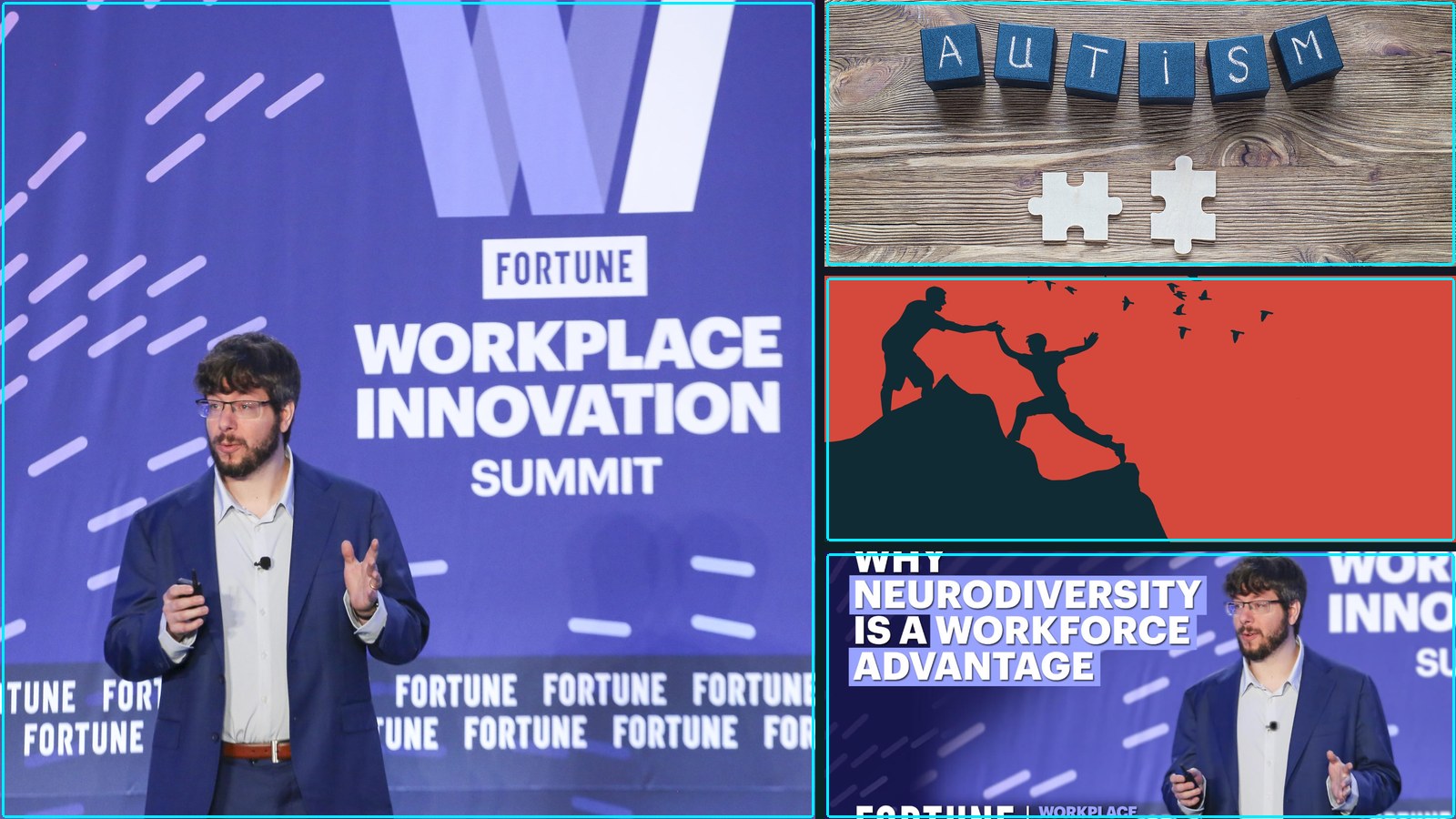
A ‘proudly autistic’ workplace expert says putting neurodivergent … (Fortune)
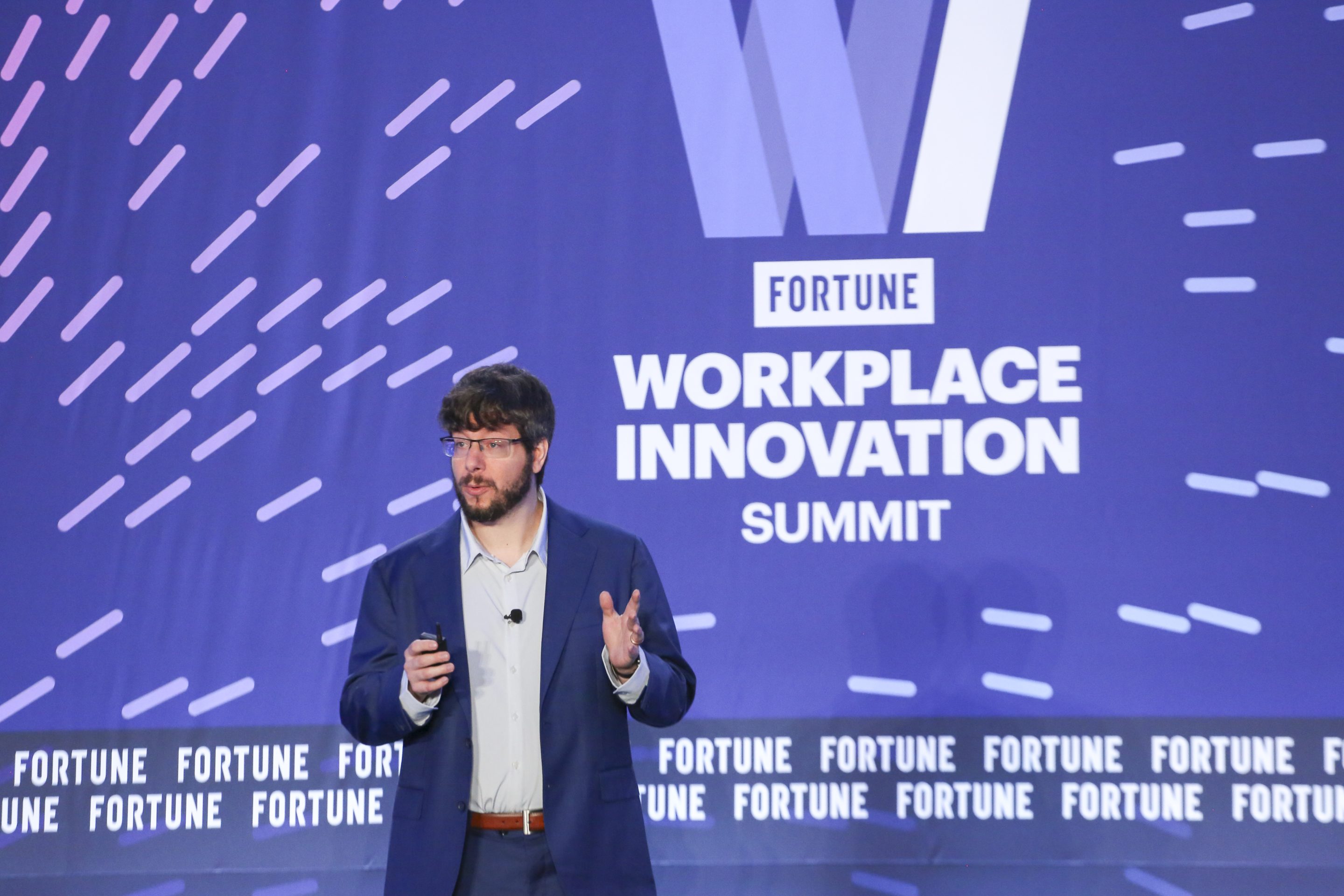
Summary: Workplace expert Dr. Wendler argues that systemic exclusion of neurodivergent employees stems from default neurotypical design, not malice. A 2025 EY survey reveals only 25% of neurodivergent workers feel included, with 39% planning to leave and 18% classified as ‘suppressed talents.’ Meanwhile, Accenture data shows disability-inclusive firms outperform on revenue, profit, and productivity.
Why it matters: The ‘suppressed talent’ metric quantifies a direct market inefficiency and talent drain, moving the conversation from moral obligation to competitive necessity for firms.
Context: The business case for neurodiversity inclusion is maturing, shifting from pilot programs at firms like JP Morgan and Microsoft toward universal design principles that benefit all employees.
"A “proudly autistic” clinical psychologist, author, and workplace advocate, Wendler has spent his career arguing that most companies aren’t failing their neurodivergent employees out of malice — they’re doing it by default." — FORTUNE
Commentary: The ‘suppressed talent’ framing is a critical operationalization. It moves the cost of exclusion from abstract HR metrics to a tangible drag on performance and retention, directly linking inclusion to capital allocation and productivity analysis. This creates a fiduciary pressure point for change beyond compliance.
Date: May 20, 2026 12:00 AM ET
URL: https://fortune.com/2026/05/20/neurodivergent-workers-in-typical-workplace-like-polar-bear-in-desert/
AI Sentiment Score: Negative (60%)
AI Credibility Score: 10.0/10 — High
Scores and text generated by AI analysis of the source article indicated.
Requesting Workplace Accommodations (Youtube)
Summary: A clinical psychologist advises employed adults with ADHD to carefully weigh the risks before disclosing their diagnosis to request workplace accommodations. The guidance emphasizes that disclosure is not universally advisable, given variable employer sensitivity. Successful requests must be narrowly tailored, reasonable, and directly linked to mitigating specific workplace impairments caused by symptoms, avoiding asks perceived as disproportionate or unrelated.

Why it matters: This reframes accommodation from a rights-based entitlement to a strategic, evidence-based negotiation, directly affecting workplace integration outcomes for neurodivergent professionals.
Context: Accommodation requests under frameworks like the ADA require demonstrating a direct link between disability and job function, but individual advocacy carries reputational and career risk depending on organizational culture.
"Here I discuss various issues an adult with ADHD needs to consider before disclosing their diagnosis of ADHD to their employer, especially if they are planning to request accommodations in the workplace." — YOUTUBE
Commentary: The advice operationalizes a defensive, risk-mitigating posture, reflecting a reality where legal protections are often theoretical against cultural bias. It signals that the burden of proof and proportionality falls entirely on the employee, potentially chilling requests for innovative or non-standard supports that could be highly effective but lack precedent.
Date: May 22, 2026 12:00 AM ET
URL: https://www.youtube.com/watch?v=IE8z5C6tHfE&list=PLKF2Eq0eYbbr7Ss64oc5SgqZKj-7M_as_
AI Sentiment Score: Negative (66%)
AI Credibility Score: 10.0/10 — High
Scores and text generated by AI analysis of the source article indicated.
Embracing neurodiversity in hiring – ISE (Ise.Uk)
Summary: An ISE report details how traditional hiring processes systematically exclude neurodivergent candidates, with 54% believing recruitment is designed to filter them out. The primary barriers are interviews, group exercises, and rigid psychometric tests. Proposed solutions focus on two fronts: adapting assessments with extra time, accessibility tools, and gamification, and retraining hiring teams to evaluate job-relevant skills while reducing assessor bias. The core argument is that procedural fairness, not just goodwill, is required to access neurodiverse talent.

Why it matters: For HR leaders and DEI specialists, this frames neurodiversity inclusion as a process engineering problem with measurable interventions, shifting the focus from awareness campaigns to operational changes in talent acquisition.
Context: This follows a growing body of evidence on the economic value of neurodiverse teams in roles requiring pattern recognition and systematic thinking, coupled with persistent failure of standard corporate hiring to capture that value.
"Many neurodivergent candidates face discrimination, with 54% believing recruitment processes exclude them rather than accommodate their needs." — ISE.UK
Commentary: The 54% figure indicts the system’s design, not individual malice. The shift to gamified, timed, and structured assessments suggests a move toward objective, output-based evaluation—a tacit admission that subjective ‘culture fit’ interviews are a primary vector of bias. For firms, this implies auditing and potentially rebuilding core hiring protocols, not just adding optional accommodations.
Date: May 18, 2026 12:00 AM ET
URL: https://ise.org.uk/knowledge/insights/398/embracing_neurodiversity_in_hiring/
AI Sentiment Score: Negative (75%)
AI Credibility Score: 10.0/10 — High
Scores and text generated by AI analysis of the source article indicated.
Brain in Hand Research: Wellbeing and Work Outcomes for Autistic … (Braininhand.Co.Uk)
Summary: A longitudinal study by Brain in Hand tracked 278 employed autistic and/or ADHD adults using its hybrid digital support tool over six months. It found significant improvements in wellbeing, productivity, coping, and work-related energy, with qualitative reports of reduced overwhelm and better workload management. A key quantitative finding was that improvement in work-related energy was the strongest independent predictor of productivity gains. The study, currently in preprint, offers rare longitudinal evidence for a neurodivergence-focused support tool in real-world workplace settings.
Why it matters: It provides longitudinal, mixed-methods evidence that structured, hybrid support can improve both wellbeing and functional outcomes for neurodivergent employees, moving beyond anecdote to data that can inform corporate accommodation policies and tool development.
Context: Workplace neuroinclusion initiatives often lack robust, longitudinal data on specific interventions, creating a gap between advocacy and evidence-based implementation for tools designed to address stress, burnout, and executive function challenges.
"Improvements in work-related energy emerged as the strongest independent predictor of productivity improvement." — BRAININHAND.CO.UK
Commentary: The finding that energy regulation is a primary mediator of productivity shifts the accommodation conversation from task-specific aids to systemic support for cognitive and emotional load. For HR and D&I functions, this suggests efficacy metrics for neuroinclusion tools should integrate wellbeing and energy metrics, not just output. If validated, it provides a data-backed argument for employers to fund such supports as a sustainable productivity investment, not merely a compliance cost.
Date: May 18, 2026 12:00 AM ET
URL: https://www.braininhand.co.uk/resources/wellbeing-energy-and-work-functioning-among-autistic-and-adhd-employees-a-mixed-methods-longitudinal-study-of-the-hybrid-digital-support-tool-brain-in-hand/
AI Sentiment Score: Negative (50%)
AI Credibility Score: 10.0/10 — High
Scores and text generated by AI analysis of the source article indicated.
A third of neurodivergent workers in energy have faced … – Prospect (Prospect.Uk)
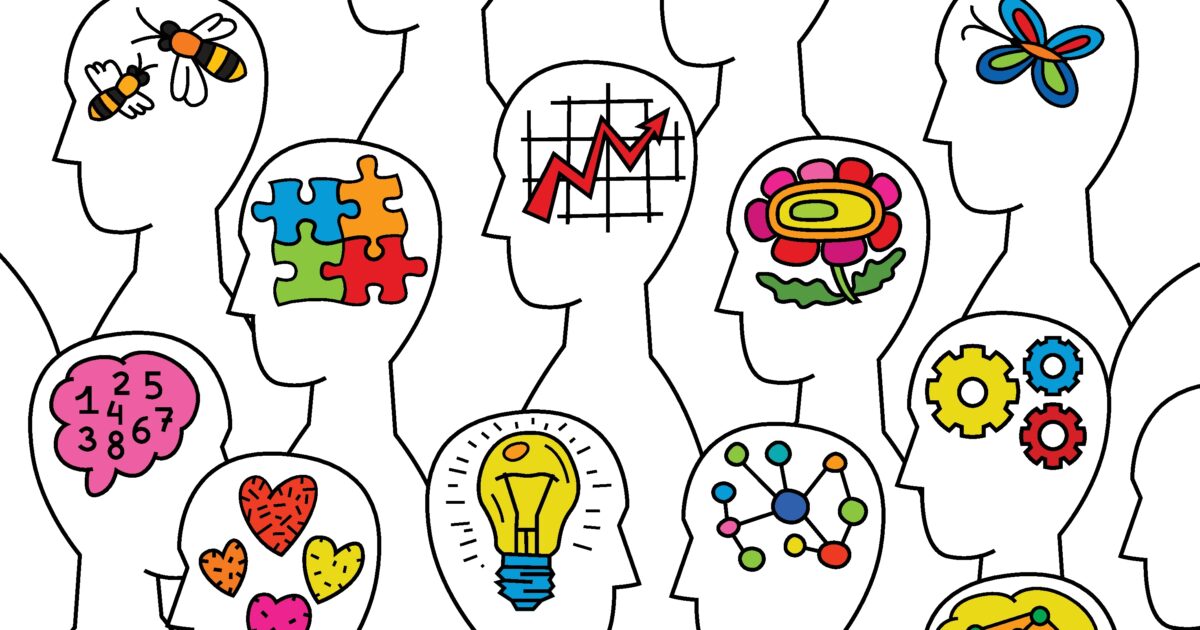
Summary: A Prospect survey of nearly 300 members in the UK energy sector reveals that approximately one-third of neurodivergent workers have faced workplace discrimination. The findings highlight widespread masking behaviors and significant barriers across workload management, career progression, and environmental factors, regardless of formal diagnosis status. The union’s recommendations call for manager training, alternative assessments, and case-by-case adjustments.
Why it matters: This data quantifies systemic workplace failures in a critical infrastructure sector, indicating that current inclusion policies are insufficient and creating material risks for talent retention and operational stability.
Context: The survey follows increasing corporate discourse on neurodiversity as a competitive advantage, testing those claims against the lived experience of workers in a high-stakes, technically complex industry.
"Nearly 300 members responded to a Prospect survey on neurodiversity in the energy sector, revealing that about one in three have faced some form of discrimination at work." — PROSPECT.UK
Commentary: The 1:3 discrimination rate, coupled with high rates of masking and non-disclosure, suggests energy firms’ D&I frameworks are performative. The operational implications are clear: unaddressed barriers in sensory environments, communication, and assessment directly undermine safety and innovation in a sector dependent on precision. Prospect’s case-by-case recommendation implicitly critiques the prevailing ‘neurodiversity as superpower’ narrative for ignoring structural accommodation.
Date: May 18, 2026 12:00 AM ET
URL: https://prospect.org.uk/news/a-third-of-neurodivergent-workers-in-energy-have-faced-discrimination-finds-prospect-survey
AI Sentiment Score: Positive (50%)
AI Credibility Score: 7.0/10 — Medium
Scores and text generated by AI analysis of the source article indicated.
What Autistic and AuDHD Employees Need at Work in 2026 (Brettwhitmarsh.Substack)
Summary: A 2026 national survey by NEXT for Autism, conducted with Sago and funded by the Anita Bhatia Foundation, provides quantitative validation for the anecdotal workplace experiences of autistic and AuDHD employees. The data reveals a systemic failure of formal HR support structures, with employees instead seeking aid from peers, managers, and AI/online communities. It highlights that AuDHD employees face particular barriers in requesting accommodations and have more negative disclosure outcomes. The report argues that neurodiversity-focused supports, like clear communication and management training, create universal workplace benefits.

Why it matters: This data provides a critical evidence base for shifting corporate policy and resource allocation away from ineffective HR-centric models toward peer-led and manager-enabled support systems, with specific implications for the under-supported AuDHD cohort.
Context: The neurodiversity-in-workplace conversation has long been dominated by advocacy and anecdote, creating a policy gap for evidence-based interventions; this survey represents a major step toward closing that gap with statistically significant findings.
"Now, thanks to a new national survey from NEXT for Autism, we finally have hard data to back up what so many have been saying anecdotally online, and I hope this new." — BRETTWHITMARSH.SUBSTACK
Commentary: The bypassing of HR is a damning indictment of institutional support mechanisms and signals a market opportunity for AI-powered coaching and community platforms. The distinct challenges for AuDHD employees underscore the need for diagnostic and support frameworks that move beyond monolithic ‘autism’ or ‘ADHD’ categories. The universal benefit claim is a strategic asset for advocates, framing inclusion not as a special accommodation but as a core operational upgrade.
Date: May 22, 2026 12:00 AM ET
URL: https://brettwhitmarsh.substack.com/p/what-autistic-and-audhd-employees
AI Sentiment Score: Positive (71%)
AI Credibility Score: 10.0/10 — High
Scores and text generated by AI analysis of the source article indicated.
Should You Disclose Your Diagnosis to an Employer? – Part 2 – Maybe (Youtube)
Summary: A video from a neurodiversity-focused creator advises employed adults with ADHD to exercise significant caution before disclosing their diagnosis to an employer, particularly when seeking accommodations. The recommendation is to first conduct internal reconnaissance on the company’s culture and history of disability accommodation through HR or long-tenured colleagues. If the organization has no track record of supporting employees with disabilities, disclosure is framed as a high-risk action. The guidance is pragmatic, prioritizing individual job security over advocacy in potentially hostile environments.
Why it matters: For neurodivergent professionals, this operationalizes the high-stakes calculus of disclosure, moving it from abstract rights to a concrete risk-assessment protocol with career-altering consequences.
Context: This advice exists within a persistent gap between formal ADA protections and the on-the-ground reality of workplace stigma and managerial discretion, a gap often widened for non-visible conditions like ADHD.
"Here I discuss various issues an adult with ADHD needs to consider before disclosing their diagnosis of ADHD to their employer, especially if they are planning to request accommodations in the workplace." — YOUTUBE
Commentary: The instruction to probe for any disability accommodation history, not just ADHD-specific cases, is a critical intelligence-gathering step; it treats the employer’s general cultural posture as a leading indicator for individual outcomes. This frames HR not as a neutral advocate but as a source to be assessed, reflecting a widespread erosion of trust in institutional intermediaries. The advice effectively endorses a ‘stealth’ approach for non-accommodating environments, which may reinforce systemic invisibility but is a rational individual survival strategy. It underscores that for many, the legal right to accommodations remains a theoretical lever, unusable without first de-risking the social and professional fallout of pulling it.
Date: May 22, 2026 12:00 AM ET
URL: https://www.youtube.com/watch?v=AGnRTGFQaO8&list=PLKF2Eq0eYbbr7Ss64oc5SgqZKj-7M_as_&index=2
AI Sentiment Score: Negative (57%)
AI Credibility Score: 10.0/10 — High
Scores and text generated by AI analysis of the source article indicated.
A Practical Guide- Reasonable Accommodations for Employees with A (Natlawreview)
Summary: The National Law Review outlines employer obligations under the ADA and state laws to provide reasonable accommodations for employees with autism, detailing specific examples like flexible schedules, modified workspaces, and alternative communication methods. It emphasizes the legally required ‘interactive process’ for determining accommodations and offers inclusive hiring practices, such as skills-based assessments and providing interview questions in advance.

Why it matters: For employers and HR professionals, this clarifies the operational and legal requirements for neurodiversity inclusion, moving from abstract principle to actionable compliance and talent strategy.
Context: Legal guidance on neurodiversity accommodations has evolved from broad ADA principles to specific, practical frameworks as workplace inclusion gains traction and litigation risk increases.
"- Employers must provide reasonable accommodations to employees with a qualifying disability, which may include autism. … Under the Americans with Disabilities Act (ADA), employers with fifteen or more employees must provide." — NATLAWREVIEW
Commentary: The shift from generic ‘reasonable accommodation’ to enumerated, low-cost interventions like noise-cancelling headphones and written instructions lowers the barrier to implementation and redefines ‘undue hardship.’ The explicit endorsement of skills-based hiring over social performance metrics directly challenges conventional interview bias, potentially altering recruitment pipelines in tech, finance, and research roles where neurodiverse talent is concentrated.
Date: May 22, 2026 12:00 AM ET
URL: https://natlawreview.com/article/reasonable-accommodations-employees-autism-practical-guide
AI Sentiment Score: Negative (66%)
AI Credibility Score: 10.0/10 — High
Scores and text generated by AI analysis of the source article indicated.
Untapped Talent: Why Neurodiversity is a Workforce Advantage (Fortune)
Summary: A 2026 Fortune article frames neurodiversity—specifically autism and ADHD—as a significant, underutilized workforce advantage. It argues that most organizations lack the inclusive practices to unlock this potential, costing them in talent and innovation. The piece examines how traditional workplace systems fail, the resulting economic and operational costs, and how pioneering companies are achieving measurable results through neuroinclusive design. It challenges leaders to reframe inclusion as a core leadership responsibility and a direct source of competitive advantage.
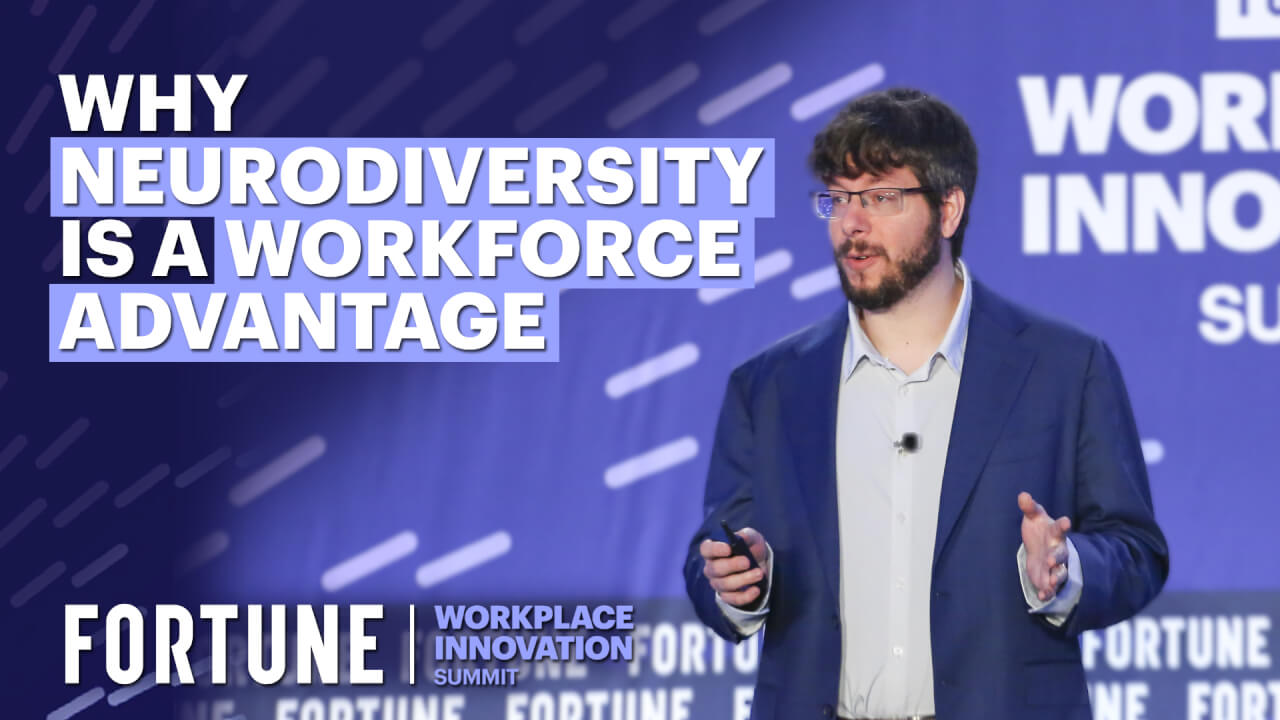
Why it matters: For organizations and policymakers, this signals a shift from viewing accommodations as a compliance cost to recognizing neuroinclusive design as a strategic lever for talent acquisition, retention, and innovation output.
Context: The discourse around neurodiversity in the workplace is evolving from basic awareness and legal accommodation toward operational integration and competitive differentiation, with a growing body of case studies on productivity gains in roles requiring pattern recognition, sustained focus, or systematic thinking.
"Neurodivergent employees (such as those with autism or ADHD) represent a chronically underutilized talent pool — because few employers have developed the inclusive practices necessary to unlock their full potential." — FORTUNE
Commentary: The article’s 2026 dateline suggests this argument is expected to remain salient, indicating that mainstream adoption of neuroinclusive practices is progressing slower than the business case would justify. The focus on ‘neuroinclusive design’ moves the intervention upstream from individual accommodations to systemic workplace architecture, which implies broader but more complex changes to HR, management, and physical/digital workspaces. For competitive sectors facing talent shortages, this creates pressure to operationalize these principles or risk ceding an advantage to early adopters who have refined their approaches.
Date: May 20, 2026 12:00 AM ET
URL: https://fortune.com/videos/watch/Untapped-Talent-Why-Neurodiversity-is-a-Workforce-Advantage/f61a14df-207f-4166-bf99-4b589ddb464f
AI Sentiment Score: Negative (57%)
AI Credibility Score: 10.0/10 — High
Scores and text generated by AI analysis of the source article indicated.
Autistic Masking at Work is a Second Job | New Study Confirms (Youtube)
Summary: A 2026 national survey of autistic employees, conducted by NEXT for AUTISM in partnership with Sago, systematically documents the workplace experience of autistic adults. The study frames ‘autistic masking’—the conscious or unconscious suppression of natural autistic traits to conform to neurotypical social norms—as a form of uncompensated labor. This cognitive and emotional effort constitutes a ‘second job’ that leads to exhaustion, burnout, and reduced job performance, while also obscuring the need for accommodations from employers.
Why it matters: The study provides empirical, quantitative validation of a long-held community experience, shifting the conversation from anecdote to actionable data for HR policy, D&I initiatives, and corporate liability.
Context: Research into workplace neurodiversity has historically focused on recruitment and basic accommodations, often missing the nuanced, daily cognitive tax of social performance that this study centralizes.
"The Report: Inside the Autistic Workforce: A National Survey of Autistic Employees on Their Workplace Experience — and What Employers Need to Know. Completed in 2026, this mixed-methods study was developed and." — YOUTUBE
Commentary: By quantifying masking as labor, the report creates a direct line to tangible business costs—productivity loss, turnover, health claims—which may finally compel executive action beyond symbolic inclusion programs. It also pressures HR and legal departments to formally recognize masking-induced burnout as a workplace injury, potentially reshaping accommodation requests and disability disclosure protocols.
Date: May 20, 2026 12:00 AM ET
URL: https://www.youtube.com/watch?v=JiKn9R_8vVU
AI Sentiment Score: Negative (87%)
AI Credibility Score: 10.0/10 — High
Scores and text generated by AI analysis of the source article indicated.
Autism Employability Experiences Research – CANVAS May 2026 Presentation (Youtube)
Summary: A 2026 research presentation on autism employability identifies the primary barrier to employment as residing in the workplace environment and the perceptions of others, not in the capabilities of autistic individuals. The findings point to stigmatization, unconscious prejudice, and the dismissal of support needs as the core systemic issues.
Why it matters: This reframes the corporate neurodiversity conversation from individual accommodation to a critical audit of organizational culture and bias, with direct implications for HR policy, management training, and legal liability.
Context: Neurodiversity initiatives have often focused on ‘fixing’ or training autistic employees; this research challenges that paradigm by placing accountability on employers.
"The deadline for uh proposals is 20 u um May 29th. … Um and so kind of the key issues for employment with {ts:966} autistic people really comes down to being often." — YOUTUBE
Commentary: The operational shift required is significant: DEI budgets must move from awareness workshops to bias-intervention protocols and mandatory support-structure audits. This also creates a new litigation vector where failure to address ‘unconscious prejudice’ could be framed as a hostile work environment, shifting risk for large employers. The research implicitly critiques the ‘autism hiring program’ model as insufficient if the surrounding culture remains unexamined.
Date: May 19, 2026 12:00 AM ET
URL: https://www.youtube.com/watch?v=v52ryfcURY0
AI Sentiment Score: Negative (57%)
AI Credibility Score: 10.0/10 — High
Scores and text generated by AI analysis of the source article indicated.
Region 3: Employers use of workplace reasonable accommodations … (Adata)
Summary: A 2026 analysis of employer decision-making on workplace reasonable accommodations for neurodivergent employees identifies three core criteria: logistical obligations, employer-employee relationships, and cost/resources. The study finds that an employer’s gender and the presence of a centralized budget process for accommodations are significant predictors of their response to requests.
Why it matters: This quantifies the organizational mechanics behind accommodation decisions, revealing which institutional features actually influence outcomes for neurodivergent employees.
Context: Research on accommodations has historically focused on employee outcomes; this shifts the lens to employer-side variables and decision-making frameworks.
"Three factors were identified to underlie the criteria for employers’ accommodation decisions – employer logistics and obligations in providing accommodations, relationships between employer and employee, and accommodation costs and resource." — ADATA
Commentary: The identification of a centralized budget as a key predictor suggests accommodations are treated as a discretionary line-item, not an operational imperative. This creates a structural bias against approval in cost-constrained environments, regardless of legal mandate. The gender finding implies individual manager bias remains a significant, unquantified variable in access.
Date: May 19, 2026 12:00 AM ET
URL: https://adata.org/research/employers-use-workplace-reasonable-accommodations-retaining-employees-disabilities
AI Sentiment Score: Positive (40%)
AI Credibility Score: 10.0/10 — High
Scores and text generated by AI analysis of the source article indicated.
Aspiritech: Empowering autistic adults with employment, Difference Maker | News (Audacy)
Summary: Audacy’s 2026 coverage of Aspiritech highlights a specialized employment model for autistic adults, positioning it within a broader corporate and social shift toward neurodiversity inclusion. The article frames the organization as a ‘Difference Maker,’ suggesting a recognition of both social impact and operational value. This indicates a maturation of the neurodiversity employment narrative beyond pilot programs toward established, scalable entities.
Why it matters: It signals the institutionalization of neurodiversity hiring as a recognized business practice with dedicated intermediaries, moving from advocacy to operational reality.
Context: The neurodiversity employment sector has evolved from corporate social responsibility initiatives to specialized firms like Aspiritech and Ultranauts that leverage autistic cognitive patterns for quality assurance, software testing, and data analysis roles.
"May 22, 2026 Condition: Post with Page_List Sign Up Connect Site Navigation Please enter at least 3 characters. Election Central Search Please enter at least 3 characters. Get the latest updates and." — AUDACY
Commentary: The branding as a ‘Difference Maker’ by a mainstream news outlet like Audacy reflects a normalization of the model. The implication is a dual-market validation: for job seekers, it’s a dedicated pathway; for corporate clients, it’s a vetted talent pipeline. This reduces transaction costs for both sides and pressures generic HR departments to develop similar sourcing strategies or risk losing a competitive edge in precision roles.
Date: May 22, 2026 12:00 AM ET
URL: https://www.audacy.com/wbbm780/podcasts/8852bd4c6b82bb397eb5e852eaa7e819/episodes/aspiritech_empowering_autistic-8406335
AI Sentiment Score: Negative (75%)
AI Credibility Score: 10.0/10 — High
Scores and text generated by AI analysis of the source article indicated.
Neurodiversity Needs Neuroinclusive Leadership (Thinkingautismguide)
Summary: An article from a neurodiversity-focused publication argues that authentic neuroinclusion requires ceding power and resources to neurodivergent-led organizations. It advises entities seeking expertise to hire directly from these groups and recommends that established organizations invest in them through grants and partnerships. The core proposition is that support must be tangible and structural, moving beyond symbolic consultation.

Why it matters: This signals a maturation of the neurodiversity conversation from awareness to power dynamics, with direct implications for funding flows, consultancy markets, and organizational legitimacy.
Context: The neurodiversity field has seen a rise in non-neurodivergent-led consultancies and initiatives, creating tension over authenticity, expertise, and economic equity.
"If you’re looking to hire experts, speakers, trainers, or consultants on neurodiversity, seek out neurodivergent-led organizations. … There are practical ways to do this. Existing organizations serving neurodivergent communities can actively recruit." — THINKINGAUTISMGUIDE
Commentary: This is a direct challenge to the consultancy-industrial complex forming around neurodiversity. It reframes inclusion as a resource allocation problem, not a training one. The call for ‘actual power to shape outcomes’ targets the common failure of advisory roles without authority. For funders and corporations, this creates a new due diligence criterion: leadership composition.
Date: May 24, 2026 12:00 AM ET
URL: https://thinkingautismguide.com/2026/05/neurodiversity-needs-neuroinclusive-leadership.html
AI Sentiment Score: Negative (66%)
AI Credibility Score: 7.0/10 — Medium
Scores and text generated by AI analysis of the source article indicated.
2.6 Epigenetic Regulation… (Frontiersin)
Summary: Abstract Background: Autism spectrum disorder (ASD) is highly diverse in causes and symptoms, and reliable biomarkers and mechanism-based treatment targets are still lacking. Neuroinflammation has been linked to ASD risk, symptom development, and long-term course, but the key “body-to-brain” connections and practical intervention points are not yet clearly organized. Methods: We synthesize evidence from clinical immune and cerebrospinal fluid studies, neuroimaging, animal models, and multi-omics research, following a mechanistic path from maternal immune activation (MIA) during pregnancy to postnatal immune imbalance, transmission of inflammatory signals to the brain, and subsequent amplification within the central nervous system.

Why it matters: This matters for Neurodiversity, ADHD, Autism, and AuDHD because it gives a concrete current signal to track: Abstract Background: Autism spectrum disorder (ASD) is highly diverse in causes and symptoms, and reliable biomarkers and mechanism-based treatment targets are still lacking.
Context: Abstract Background: Autism spectrum disorder (ASD) is highly diverse in causes and symptoms, and reliable biomarkers and mechanism-based treatment targets are still lacking. Neuroinflammation has been linked to ASD risk, symptom development, and long-term course, but the key “body-to-brain” connections and practical intervention points are not yet clearly organized. Methods: We synthesize evidence from clinical immune and cerebrospinal fluid studies, neuroimaging, animal models, and multi-omics research, following a mechanistic path from maternal immune activation (MIA) during pregnancy to postnatal immune imbalance, transmission of inflammatory signals to the brain, and subsequent amplification within the central nervous system.
"Abstract Background: Autism spectrum disorder (ASD) is highly diverse in causes and symptoms, and reliable biomarkers and mechanism-based treatment targets are still lacking. Neuroinflammation has been linked to ASD risk, symptom development,." — FRONTIERSIN
Commentary: The immediate implication is operational rather than speculative: watch how this changes budgets, workflows, or risk assumptions over the next cycle.
Date: May 20, 2026 12:00 AM ET
URL: https://www.frontiersin.org/journals/immunology/articles/10.3389/fimmu.2026.1829127/full
AI Sentiment Score: Negative (66%)
AI Credibility Score: 10.0/10 — High
Scores and text generated by AI analysis of the source article indicated.
Post ID: 9432fc56