Research, Treatment, and Policy Developments
ADHD Medication Risks And Realities Revealed In Study (Evrimagaci)
Summary: A 2026 Swedish cohort study in BMJ Mental Health finds adults with comorbid ADHD and substance use disorder (SUD) discontinue ADHD medication at nearly double the rate of those with ADHD alone within a year. The discontinuation risk is highest for those with stimulant abuse history or criminal justice involvement. Counterintuitively, higher medication doses correlate with better adherence, and sustained treatment is linked to reduced criminality and substance misuse.
Why it matters: This data challenges clinical caution that underpins under-dosing and highlights a systemic failure in retaining a high-risk, high-need patient cohort in care, with direct implications for public health and criminal justice outcomes.
Context: This follows a 2025 BMJ study linking ADHD medication to lower rates of suicidality and criminality, reinforcing a body of evidence that effective treatment is protective, not causative, for adverse outcomes in comorbid populations.
"When it comes to treating attention-deficit/hyperactivity disorder (ADHD) in adults, the promise of medication often collides with the risks of addiction, discontinuation, and stigma—especially for those also struggling with substance use disorder." — EVRIMAGACI
Commentary: The finding that lower doses did not improve adherence while higher doses did directly undermines a prevalent risk-averse prescribing model. This creates a clear operational imperative for psychiatrists and addiction services: optimized dosing and integrated care pathways are necessary to bridge the treatment gap for this population, where discontinuation carries documented societal costs.
Date: May 21, 2026 12:00 AM ET
URL: https://evrimagaci.org/gpt/adhd-medication-risks-and-realities-revealed-in-study-540060
AI Sentiment Score: Negative (54%)
AI Credibility Score: 9.6/10 — High
Scores and text generated by AI analysis of the source article indicated.
ADHD in the News 2026-05-21 – CHADD (Chadd)
Summary: This week’s research roundup highlights a tightening focus on adult ADHD’s real-world consequences and clinical precision. A Lancet Psychiatry study provides the first comprehensive dosage-effect mapping for five common medications, accompanied by a free online tool for clinicians. Separate findings link undiagnosed adult ADHD to a significantly higher risk of dangerous driving behaviors post-accident, while another analysis suggests no causal link between most antidepressant use in pregnancy and offspring neurodevelopmental disorders. Concurrently, experts call for more thorough diagnostic assessments beyond symptom checklists, noting that cultural context and external structure can mask ADHD until coping strategies fail.

Why it matters: The convergence of granular pharmacological data, epidemiological findings on underdiagnosis, and critiques of diagnostic practice signals a maturation of the field toward operational precision and public health accountability.
Context: ADHD research is shifting from establishing prevalence to refining intervention efficacy and quantifying societal costs of underdiagnosis, amid ongoing debates about diagnostic expansion and the role of medication.
"In a cross-sectional study of 95 adults hospitalized for traffic-related injuries in Santo Domingo, Dominican Republic, 34.7% of participants screened positive for ADHD despite no prior diagnosis. Those who screened positive were more likely to engage in dangerous driving behaviors, with 66.6% falling into a high-risk driving category, compared with 30.6% of those without ADHD symptoms." — CHADD
Commentary: The Santo Domingo study transforms ADHD from a clinical or educational concern into a tangible public safety and insurance liability, providing a hard metric for the cost of underdiagnosis. The Lancet dosage tool represents a move toward data-driven personalization, potentially reducing trial-and-error periods. Together, they pressure health systems to improve adult diagnostic pathways, not just for quality of life but for measurable risk mitigation.
Date: May 21, 2026 12:00 AM ET
URL: https://chadd.org/weekly-editions/adhd-in-the-news-2026-05-21/
AI Sentiment Score: Negative (87%)
AI Credibility Score: 10.0/10 — High
Scores and text generated by AI analysis of the source article indicated.
National Survey of Autistic Adults Reveals What Shapes Their … (Nextforautism)
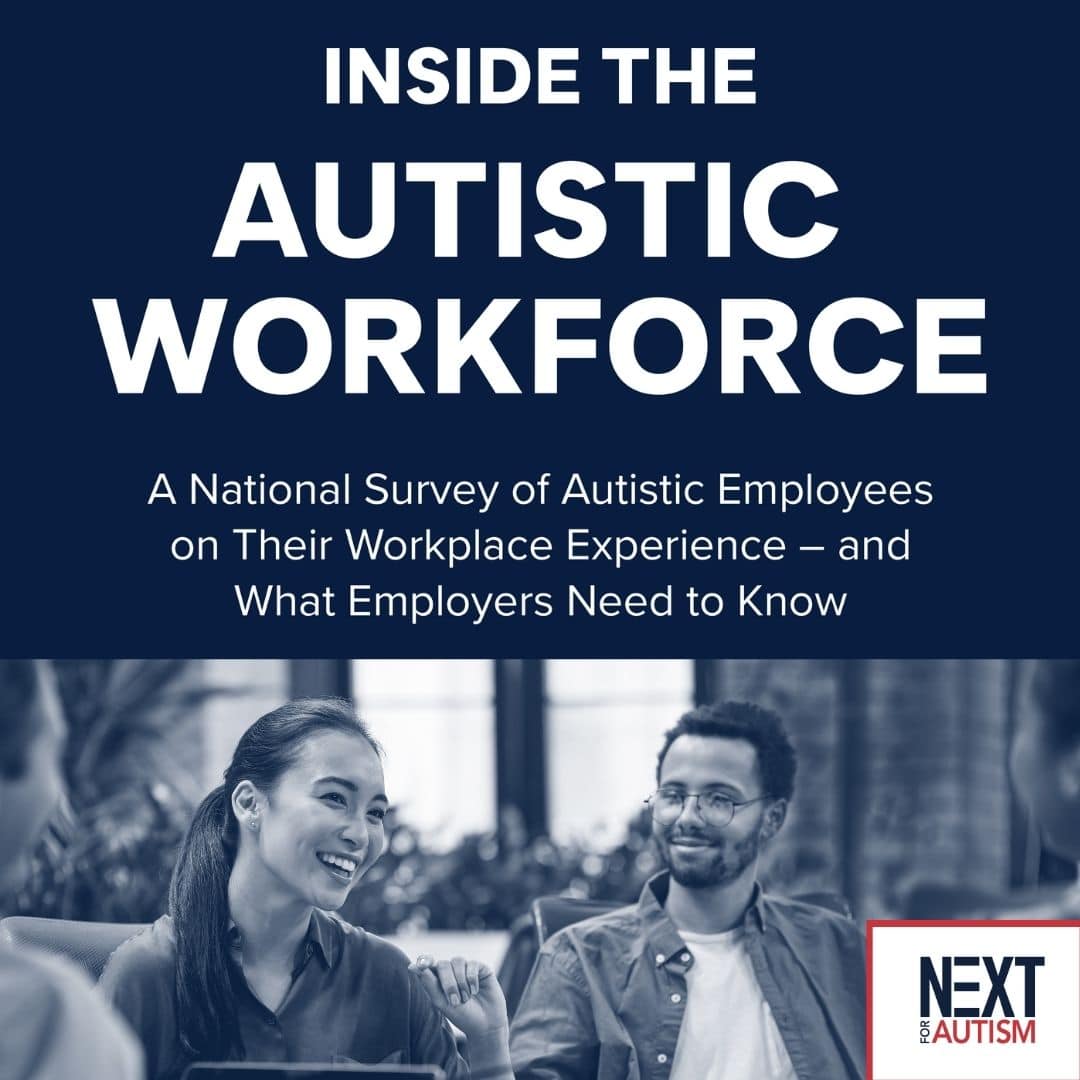
Summary: A 2026 national survey by NEXT for AUTISM of over 400 employed autistic adults in the U.S. shifts the focus of workplace inclusion from formal policy to managerial relationships. It finds the direct manager is the primary determinant of employee success, with 49% disclosing their diagnosis to a manager versus 44% to HR. Nearly 80% report their manager trusts them, a factor that directly enables disclosure, support access, and full contribution.
Why it matters: It reframes the operational locus of neurodiversity inclusion from HR departments to line management, requiring a reallocation of training and accountability.
Context: This survey provides empirical, adult-centered data in a field often dominated by pediatric research or employer-centric narratives, establishing a benchmark for measuring real workplace conditions.
"The data shows that employees are turning to managers, not HR, as their primary point of trust: 49% report disclosing their autism diagnosis to a manager or supervisor, compared to 44% who disclose to HR." — NEXTFORAUTISM
Commentary: The findings expose a structural gap: corporate DEI frameworks built on HR-led accommodation processes are misaligned with where autistic employees actually seek safety and agency. This necessitates a shift in training investment from generic awareness modules to equipping managers with concrete skills in clear communication, trust-building, and operational flexibility. For institutions, the risk is that well-intentioned policies become performative if the managerial layer remains unskilled, directly impacting retention and productivity.
Date: May 19, 2026 12:00 AM ET
URL: https://nextforautism.org/updates/national-survey-of-autistic-adults-reveals-what-shapes-their-workplace-experience/
AI Sentiment Score: Negative (66%)
AI Credibility Score: 7.8/10 — Medium
Scores and text generated by AI analysis of the source article indicated.
Synaptic podcast | The Transmitter (Thetransmitter)
Summary: The Transmitter’s ‘Synaptic’ podcast concludes its second season, having featured interviews with prominent neuroscientists on topics ranging from autism research funding disparities to neurodiversity education and the integration of ethicists in labs. The series highlights both the personal trajectories of researchers and substantive debates within the field, such as the shift in focus at major conferences like INSAR.
Why it matters: The podcast serves as a primary-source barometer for evolving priorities and internal critiques within neuroscience, particularly regarding research equity and methodological ethics.
Context: Neuroscience media is increasingly platforming researcher-led critiques of institutional biases, while also grappling with the operational and ethical complexities of modern brain science.
"Bringing basic biology back to INSAR As the International Society for Autism Research has grown over the past two decades, basic science has become less central, Christine Wu Nordahl says. This year, she and other meeting organizers aimed to change that." — THETRANSMITTER
Commentary: The explicit call to recenter basic biology at INSAR signals a pushback against the field’s perceived drift toward applied and clinical studies, potentially redirecting grant agendas and early-career research choices. Concurrently, the episode on an autistic researcher’s paper highlights how advocacy for adult-focused studies remains a high-stakes, career-impacting endeavor within the same ecosystem, revealing persistent structural tensions.
Date: May 20, 2026 12:00 AM ET
URL: https://www.thetransmitter.org/synaptic/
AI Sentiment Score: Negative (50%)
AI Credibility Score: 10.0/10 — High
Scores and text generated by AI analysis of the source article indicated.
Missed Treatment Appointments, Mental Health, and Recidivism Among Forensic ADHD Patients (Paloaltou.Edu)
Summary: A 2018 study of 60 male forensic ADHD patients in a Dutch outpatient clinic found that missed appointment rates (averaging 16.2%) correlate with specific psychopathological profiles. Higher no-show rates were associated with rule-breaking, externalizing problems, and somatic complaints, while anxiety problems predicted lower rates. The research suggests core ADHD symptoms and antisocial traits directly impede treatment adherence in a compulsory care setting, with implications for recidivism risk and system costs.

Why it matters: It quantifies a critical failure point in forensic mental health systems, linking specific symptom clusters to operational and recidivism outcomes, which demands tailored intervention protocols.
Context: ADHD is overrepresented in forensic populations (10–70% vs. 1–6% general), and treatment non-adherence in mandated settings carries disproportionate legal and financial consequences.
"Specifically, rule-breaking, antisocial personality, and somatic problems were associated with higher no-show rates, whereas anxiety problems were associated with lower no-show rates." — PALOALTOU.EDU
Commentary: The anxiety finding is counterintuitive but operationally useful: fear of punitive consequences may drive compliance where intrinsic motivation fails. This creates a triage logic: high-externalizing, low-anxiety patients need structural supports (reminders, clear scheduling), not just motivational appeals. The study’s limitations—small sample, retrospective design—highlight the persistent data gap in forensic neurodiversity outcomes, a blind spot for both public health and justice systems.
Date: May 18, 2026 12:00 AM ET
URL: https://paloaltou.edu/resources/translating-research-into-practice-blog/missed-treatment-appointments-mental-health-and-recidivism-among-forensic-adhd-patients/
AI Sentiment Score: Negative (62%)
AI Credibility Score: 7.0/10 — Medium
Scores and text generated by AI analysis of the source article indicated.
Scientists succeed in testing potential brain-based method to … (Sciencedaily)
Summary: Researchers at Wake Forest School of Medicine have published a 2019 study demonstrating a potential fMRI-based method for diagnosing autism. The study found that a single 30-second fMRI scan measuring response in the ventromedial prefrontal cortex (vmPFC) to images of a child’s favorite people could differentiate between children with Autism Spectrum Disorder (ASD) and typically developing (TD) children, based on a significantly diminished neural response in the ASD group.

Why it matters: This represents an incremental step toward an objective, biological diagnostic tool for ASD, which could eventually reduce reliance on subjective behavioral assessments and inform more targeted support strategies.
Context: The long-standing search for reliable neurobiological markers for autism has been fraught with challenges related to heterogeneity and reproducibility; this study focuses on a specific brain region linked to social valuation.
"Using images as a single stimulus to capture 30 seconds of fMRI data was sufficient to differentiate the ASD and TD groups, Kishida said." — SCIENCEDAILY
Commentary: While the single-stimulus approach is operationally elegant, its clinical utility hinges on validation across broader, more diverse cohorts and real-world settings. If scalable, it could shift diagnostic pathways and pressure insurers to cover neuroimaging for assessment, but also risks oversimplifying a spectrum condition if deployed without nuance.
Date: May 22, 2026 12:00 AM ET
URL: https://www.sciencedaily.com/releases/2019/05/190520125756.htm
AI Sentiment Score: Negative (60%)
AI Credibility Score: 10.0/10 — High
Scores and text generated by AI analysis of the source article indicated.
Autism Research Institute (Autism)
Summary: The Autism Research Institute (ARI) has announced nearly $600,000 in grant awards for early-stage scientific research aimed at autistic individuals and their families. The announcement is framed by an editorial from Stephen M. Edelson, PhD, emphasizing an ‘Imperative to Follow the Science,’ published in the affiliated journal Autism Research Review International.

Why it matters: This signals ARI’s active funding posture and its public-facing editorial stance, which stakeholders will scrutinize for alignment with contemporary neurodiversity paradigms and research priorities.
Context: ARI is a long-established organization; its research directions and public communications are closely monitored within the autism and neurodiversity communities, where debates over research funding priorities and the framing of autism are persistent.
"ARI recently awarded nearly $600,000 to support early-stage research and advance new discoveries for autistic individuals and their families." — AUTISM
Commentary: The grant amount is modest for biomedical research but notable for a focused non-profit. The editorial’s title, ‘Imperative to Follow the Science,’ is a rhetorical marker that will be parsed for its implied position within ongoing tensions between pathology-focused and neurodiversity-affirming research models. The operational effect is a direct injection of capital into a specific pipeline of early-stage projects, the outcomes of which will shape ARI’s influence in the field for the next grant cycle.
Date: May 20, 2026 12:00 AM ET
URL: https://autism.org
AI Sentiment Score: Negative (75%)
AI Credibility Score: 9.0/10 — High
Scores and text generated by AI analysis of the source article indicated.
CPSD Co-Chairs’ Letter Opposing Loosened Limits on 14(c) (Autisticadvocacy)
Summary: The Collaboration to Promote Self-Determination (CPSD), a coalition of disability rights organizations, has formally opposed H.R. 8736, the ‘Restoration of Employment Choice for Adults with Disabilities Act.’ The CPSD argues the bill would weaken Section 511 safeguards and expand access to subminimum wage certificates under 14(c), a practice they label discriminatory and ineffective. They cite U.S. Commission on Civil Rights and Washington Post findings of widespread wage violations and a lack of professional development in sheltered workshops, while pointing to state-level data showing increased competitive employment after 14(c) phase-outs. Instead, the coalition urges support for the Transformation to Competitive Integrated Employment Act (H.R. 4771).

Why it matters: This is a direct policy clash over the future of employment for people with intellectual and developmental disabilities (IDD), with significant implications for wage equity, service system incentives, and the pace of transition from segregated to integrated work.
Context: The 14(c) certificate program, allowing payment below the federal minimum wage, has been a long-standing target for phase-out by disability rights advocates, while some provider organizations and families argue for its preservation as an option.
"This letter is available as a PDF here. May 20th, 2026 House Education and the Workforce Committee 2176 Rayburn House Office Building Washington, DC 20515-6100 To Chair Walberg and Ranking Member Scott,." — AUTISTICADVOCACY
Commentary: The CPSD letter frames H.R. 8736 not as expanding choice but as actively degrading it by incentivizing a proven-failed model. Their strategy is to anchor opposition in concrete audit and investigative findings, shifting the debate from abstract ‘choice’ to documented compliance failures and opportunity costs. The explicit endorsement of H.R. 4771 creates a clear legislative fork: one path entrenches 14(c), the other accelerates its sunset. This positions the committee vote as a direct test of whether economic arguments for preservation can outweigh civil rights and performance-based evidence.
Date: Wed, 20 May 2026 21:47:57 +0000
URL: https://autisticadvocacy.org/2026/05/cpsd-co-chairs-letter-opposing-loosened-limits-on-14c/
AI Sentiment Score: Positive (40%)
AI Credibility Score: 10.0/10 — High
Scores and text generated by AI analysis of the source article indicated.
Substance Use Disorder Doubles the Risk of ADHD … (Additudemag)
Summary: A Swedish cohort study published in BMJ Mental Health finds that adults with ADHD and a comorbid substance use disorder (SUD) are nearly twice as likely to discontinue ADHD medication within a year compared to those with ADHD alone. The discontinuation rate is 44% for the ADHD+SUD group versus 25% for the ADHD-only group. This highlights a critical gap in treatment retention for a high-risk, dual-diagnosis population.

Why it matters: This quantifies a systemic failure in care coordination for a vulnerable neurodivergent population, with direct implications for clinical protocols, pharmaceutical adherence strategies, and public health outcomes related to addiction and mental health.
Context: Treatment adherence is a longstanding challenge in ADHD management, but comorbid conditions like SUD introduce complex clinical and psychosocial barriers that are often inadequately addressed in standard care pathways.
"The Swedish cohort study found that almost half (44%) of adults with ADHD and substance use disorder stopped medication within one year of diagnosis or first SUD-related event, compared to 25% in the ADHD-only group." — ADDITUDEMAG
Commentary: The data suggests current first-line pharmacological interventions are failing a significant subset of patients, likely due to unmanaged side effects, stigma, or lack of integrated SUD support. This could pressure payers and providers to develop and fund specialized, concurrent treatment models or risk worsening outcomes and costs. The finding also indirectly questions the adequacy of diagnostic protocols that do not proactively screen for and manage SUD comorbidity at point of ADHD treatment initiation.
Date: May 20, 2026 12:00 AM ET
URL: https://www.additudemag.com/adhd-substance-use-disorder-research/
AI Sentiment Score: Negative (63%)
AI Credibility Score: 10.0/10 — High
Scores and text generated by AI analysis of the source article indicated.
Groundbreaking study connects genetic risk for autism to changes … (Sciencedaily)
Summary: A study led by Daniel Geschwind, part of a nine-paper package in Science, provides the most detailed molecular map to date of autism’s biological mechanisms. It directly links genetic risk factors to observed cellular and genetic activity across distinct layers of the human brain. This work builds on decades of research into autism susceptibility genes and convergent molecular changes.
Why it matters: It moves the field from genetic association to mechanistic understanding, offering concrete biological targets for future research and potential therapeutic intervention.
Context: This represents a methodological leap in neuropsychiatric research, shifting from broad genomic studies to spatially resolved molecular profiling of brain tissue.
"A groundbreaking study has unveiled the most detailed view of the complex biological mechanisms underlying autism, showing the first link between genetic risk of the disorder to observed cellular and genetic activity across different layers of the brain." — SCIENCEDAILY
Commentary: The operational impact is on research pipelines: expect a pivot toward layered brain atlases and cell-type-specific analyses for other neurodevelopmental conditions. For clinical translation, this granularity refines the search for druggable pathways but underscores the disorder’s biological heterogeneity, complicating one-size-fits-all approaches. It also sets a new benchmark for integrating genetic risk with functional neurobiology.
Date: May 20, 2026 12:00 AM ET
URL: https://www.sciencedaily.com/releases/2024/05/240523205043.htm
AI Sentiment Score: Negative (83%)
AI Credibility Score: 10.0/10 — High
Scores and text generated by AI analysis of the source article indicated.
Diversity and Equity in Autism Research (Frontiersin)
Summary: Frontiers in Psychiatry is launching a dedicated research topic on diversity and equity in autism research, soliciting submissions through 2026. The call explicitly identifies race, gender, sexual orientation, class, religion, and culture—and their intersections—as critical but understudied variables affecting diagnosis, intervention, and support. It highlights evidence that racial/ethnic minorities, females, and low-resourced autistic children experience late diagnosis and unmet needs. The editorial aims to channel research toward culturally-informed interventions, community-inclusive studies, and analyses of intersectionality to reduce these disparities.

Why it matters: This formalizes a major shift in autism research priorities from a narrow, often homogeneous sample base to mandated inclusion of diverse populations, which will directly impact diagnostic criteria, service allocation, and funding flows.
Context: Autism research has historically suffered from recruitment biases favoring white, male, and higher-SES participants, leading to diagnostic tools and interventions that fail marginalized groups. Recent meta-analyses have quantified these disparities in age of diagnosis and access to services.
"Evidence shows that racial/ ethnic minorities, females, and low-resourced autistic children often receive late diagnosis and have substantial unmet needs. To address these disparities in diagnosis, intervention, and/or support service it is necessary for researchers to include diverse populations and address issues of equity in their studies." — FRONTIERSIN
Commentary: This is less an invitation and more a directive to the field: journals are now setting editorial policy that treats DEI as a methodological requirement, not an optional virtue signal. Expect future grant proposals and study designs to foreground demographic stratification or face rejection. The operational shift could pressure institutions like the NIH and Autism Speaks to revise funding priorities, while clinically, it may accelerate the validation of new diagnostic markers for underrepresented phenotypes, particularly in females and AuDHD presentations.
Date: May 19, 2026 12:00 AM ET
URL: https://www.frontiersin.org/research-topics/71115/diversity-and-equity-in-autism-researchundefined
AI Sentiment Score: Negative (71%)
AI Credibility Score: 10.0/10 — High
Scores and text generated by AI analysis of the source article indicated.
Remote and Online ADHD Research Studies a Patient Can … (Adhdfocusforward.Substack)
Summary: The ADDRC’s curated list of remote and online ADHD research studies provides a direct, operational pathway for patient participation, emphasizing multi-site trials like those examining ADHD medication effects in autistic youth. It directs readers to primary registries like ClinicalTrials.gov and vetted directories like CHADD’s, framing them as dynamic resources that update faster than any static list. The guidance is procedural, focusing on how to match with studies rather than discussing scientific outcomes.
Why it matters: It systematizes patient access to clinical research, shifting participation from a matter of chance to a navigable process, which could accelerate recruitment and diversify cohorts.
Context: Patient recruitment is a chronic bottleneck in neurodevelopmental research; decentralized, registry-based models are becoming the standard for improving access and trial efficiency.
"If none of the above fits, search these directly — they update faster than this list: 1. ClinicalTrials.gov — search “ADHD,” filter by Recruiting and your state. The single most comprehensive database." — ADHDFOCUSFORWARD.SUBSTACK
Commentary: The explicit endorsement of ClinicalTrials.gov as the primary source signals a maturation of the research-access ecosystem, reducing reliance on intermediary portals. This nudges the field toward a more direct, patient-empowered model of recruitment, which could improve data quality through broader, more representative samples. However, it also places the onus of navigation on participants, potentially excluding those with lower health literacy.
Date: May 22, 2026 12:00 AM ET
URL: https://adhdfocusforward.substack.com/p/remote-and-online-adhd-research-studies
AI Sentiment Score: Negative (57%)
AI Credibility Score: 9.4/10 — High
Scores and text generated by AI analysis of the source article indicated.
Public Policy | Autism Society (Autismsociety)
Summary: The Autism Society’s 2026 public policy platform outlines a comprehensive federal advocacy agenda across healthcare, community-based services, income support, education, employment, and civil rights. It details specific legislative goals for the 119th Congress, including reauthorization of the Autism CARES Act and passage of bills like the HCBS Access Act and SSI Savings Penalty Elimination Act. The platform serves as a centralized resource for tracking active legislation, final rules, and coalition priorities with partners like The Arc and ASAN.

Why it matters: This consolidated agenda signals the coalition’s strategic priorities for the coming legislative cycle, defining the key policy battles that will shape funding, services, and rights for the Autistic and broader disability community.
Context: Major disability advocacy organizations traditionally publish detailed policy platforms to coordinate grassroots action and signal priorities to lawmakers, especially ahead of new Congressional sessions and reauthorization deadlines for cornerstone laws like the Autism CARES Act.
"The Autism Society, the nation’s leading advocacy organization for individuals with Autism and their families, believes that all people with Autism should have access to high-quality, affordable health care that meets their specific needs. This includes private health insurance, public programs such as Medicaid and Medicare, and long-term care." — AUTISMSOCIETY
Commentary: The platform’s depth on Medicaid (HCBS, EPSDT, MFP) and Social Security (SSI/SSDI reforms) underscores a pragmatic shift from awareness-raising to defending and expanding complex entitlement programs that form the core safety net. The emphasis on coalition goals with The Arc, AAIDD, and ANCOR reflects a matured, unified disability advocacy bloc focused on appropriations and structural reforms, not just symbolic legislation.
Date: May 18, 2026 12:00 AM ET
URL: https://autismsociety.org/resources/public-policy/
AI Sentiment Score: Negative (66%)
AI Credibility Score: 7.0/10 — Medium
Scores and text generated by AI analysis of the source article indicated.
Building systems that help autistic children thrive – Dal News – Dalhousie University (Dal.Ca)
Summary: Dalhousie University has appointed Dr. Giacomo Vivanti as the Joan and Jack Craig Chair in Autism Research, a position endowed by the family that founded Autism Nova Scotia. Vivanti’s research focuses on bridging the gap between scientific advances in early autism detection and the fragmented, delayed support systems families actually navigate. His approach advocates for early, individualized intervention embedded in educational settings like daycares, positioning families as the central experts. The appointment aims to leverage Nova Scotia’s evolving service systems as a testbed for globally scalable, evidence-based models.

Why it matters: This signals a strategic shift toward embedding translational research directly into public service delivery, aiming to convert clinical knowledge into systemic change that reduces long-term societal costs and improves life outcomes.
Context: The move reflects a broader trend in neurodiversity research: pivoting from purely clinical studies to implementation science that addresses systemic barriers, waitlists, and inequities in access, particularly for marginalized groups.
"“We are at a moment where the science is very strong, the needs are clear, and the systems are actively evolving,” he says, pointing to Nova Scotia’s Provincial Preschool Autism Services as a real-world transformation already underway." — DAL.CA
Commentary: Vivanti’s appointment operationalizes a critical thesis: the bottleneck in autism support is no longer a knowledge gap but an implementation failure. By anchoring the chair in a provincial system undergoing reform, Dalhousie is betting on Nova Scotia as a policy lab. The real test will be whether this model can document improved outcomes and export its protocols, or if it becomes another case of promising research trapped by local bureaucracy. The emphasis on family expertise and non-clinical settings directly challenges the traditional medical-model hierarchy, potentially reshaping credentialing and training for educators and therapists.
Date: 6 days ago
URL: https://dal.ca/news/2026/05/15/autism-research-dalhousie.html
AI Sentiment Score: Negative (62%)
AI Credibility Score: 7.8/10 — Medium
Scores and text generated by AI analysis of the source article indicated.
Study Details | NCT07597707 | ClinicalTrials.gov – Clinical Trials (Clinicaltrials.Gov)
Summary: The University of Calgary has registered a new observational study, ADHD-Her, focused on compiling health and well-being indicators for girls and women with ADHD across the lifespan. The cross-sectional online protocol explicitly frames its investigation around health, equity, and resilience (HER). The study’s location in Canada and its 2026 posting date indicate it is in the advanced planning or early recruitment phase.

Why it matters: This study directly addresses a critical evidence gap in lifespan outcomes for females with ADHD, moving beyond childhood and male-centric models to inform targeted support systems and policy.
Context: Research on ADHD has historically been skewed toward male presentation and childhood, leaving adult outcomes, especially for women, poorly characterized despite known disparities in diagnosis, mental health comorbidity, and functional impairment.
"The ADHD-Her: Health, Equity and Resilience Study is an observational cross-sectional online study aiming to compile multiple indicators of health and well-being in girls and women with ADHD." — CLINICALTRIALS.GOV
Commentary: The study’s HER framework explicitly links clinical data collection with social determinants, signaling a shift toward holistic outcome measures that could reshape service provision and workplace accommodations. Its design as an online, cross-sectional study prioritizes breadth and accessibility over longitudinal causality, a pragmatic trade-off for initial mapping of this under-researched population.
Date: May 19, 2026 12:00 AM ET
URL: https://clinicaltrials.gov/study/NCT07597707
AI Sentiment Score: Negative (66%)
AI Credibility Score: 10.0/10 — High
Scores and text generated by AI analysis of the source article indicated.
Autistic adults’ experiences of accessing and receiving mental … (Journals.Plos)
Summary: A 2026 qualitative study in PLOS Mental Health examines autistic adults’ experiences with mental health services, identifying systemic barriers and patient priorities for improvement. The research highlights a disconnect between clinical protocols and autistic needs, particularly around communication styles, sensory environments, and diagnostic overshadowing. Participants reported that standard therapeutic approaches often exacerbate distress rather than alleviate it, pointing to a need for service redesign informed by lived experience.
Why it matters: It provides direct evidence for systemic failures in a critical support sector, informing advocacy, clinical training, and service design for a population with high co-occurring mental health needs.
Context: This adds to a growing body of literature critiquing the neurotypical bias in mainstream mental healthcare and aligns with the neurodiversity movement’s push for participatory, person-centered design.
"Citation: Taylor F, Ahmed N, Pemovska T, Dar F, Lloyd-Evans B, Johnson S (2026) Autistic adults’ experiences of accessing and receiving mental health care and their priorities for improvements: A qualitative." — JOURNALS.PLOS
Commentary: The findings operationalize the abstract concept of ‘neurodiversity-affirming care’ into specific, actionable failures in communication and environment. This creates a tangible checklist for service auditors and a litigation risk for providers ignoring sensory accommodations. For the autistic community, it validates shared experiences and provides a evidence-based mandate for demanding protocol changes.
Date: May 19, 2026 12:00 AM ET
URL: https://journals.plos.org/mentalhealth/article?id=10.1371%2Fjournal.pmen.0000581
AI Sentiment Score: Positive (50%)
AI Credibility Score: 10.0/10 — High
Scores and text generated by AI analysis of the source article indicated.
Autism and the Accountability Gap (Autism.Uk)
Summary: A 2026 analysis of UK case law identifies a persistent accountability gap in the enforcement of the Equality Act 2010 for autistic employees. The legal framework exists, but judicial interpretation and employer application fail to prevent ongoing workplace discrimination. The article argues that enforcement mechanisms are insufficient, leaving statutory protections unfulfilled in practice.
Why it matters: This signals a systemic failure in legal protections for neurodivergent workers, with direct implications for corporate liability, HR policy efficacy, and the economic participation of autistic adults.
Context: This follows a decade of increased corporate neurodiversity initiatives and public awareness, highlighting a disconnect between policy rhetoric and legal reality.
"The Equality Act 2010 requires employers to promote equality and prevent discrimination in the workplace, but enforcement and application are currently insufficient due to a lack of accountability." — AUTISM.UK
Commentary: The gap is not in the law but in its operationalization, suggesting that future pressure could shift from awareness campaigns to litigation and regulatory enforcement. HR departments must move beyond training to demonstrable procedural adjustments, and insurers may begin pricing in this litigation risk. The analysis implies that voluntary frameworks have reached their limit, necessitating a harder-edged compliance focus.
Date: May 18, 2026 12:00 AM ET
URL: https://www.autism.org.uk/learn/knowledge-hub/professional-practice/autism-and-the-accountability-gap
AI Sentiment Score: Negative (80%)
AI Credibility Score: 10.0/10 — High
Scores and text generated by AI analysis of the source article indicated.
Research Updates: Microbiome and Autism – 2026 (Youtube)
Summary: There’s about 500 ASD associated microbes that were found um differentially in children with ASD and {ts:950} about 169 that were more commonly found in their counterparts. … {ts:1411} analysis of shotgun metagenomics, we found that there were beneficial bacteria also increasing very similar to
Why it matters: Focus on the directional shift: identifying beneficial taxa alongside differential abundance is key for intervention targets.
Context: The 169 differentially abundant microbes suggest a narrow, actionable subset for future mechanistic study.
"There’s about 500 ASD associated microbes that were found um differentially in children with ASD and {ts:950} about 169 that were more commonly found in their counterparts. … {ts:1411} analysis of shotgun." — YOUTUBE
Commentary: The signal is still worth tracking, but the current extraction path did not yield enough body text for a fuller analytical read. The immediate implication is operational rather than speculative: watch how this changes budgets, workflows, or risk assumptions over the next cycle.
Date: May 20, 2026 12:00 AM ET
URL: https://www.youtube.com/watch?v=f3ppWU4sNGc
AI Sentiment Score: Neutral (33%)
AI Credibility Score: 10.0/10 — High
Scores and text generated by AI analysis of the source article indicated.
Microbiome biomarkers in autism spectrum disorder – PubMed (Pubmed.Ncbi.Nlm.Nih.Gov)
Summary: A 2026 review in Cell Reports Medicine synthesizes the translational potential of gut microbiome biomarkers for autism spectrum disorder (ASD). It traces the methodological evolution from 16S rRNA sequencing to integrated multi-omics and functional genomics, arguing these signatures could enable earlier diagnosis, risk prediction, and personalized interventions. The review acknowledges the persistent challenge of establishing direct clinical causality and the need for prospective validation in diverse populations.

Why it matters: This represents a concrete step toward objective, biologically-based tools for ASD, potentially shifting diagnostic paradigms and therapeutic targeting away from purely behavioral observation.
Context: The search for reliable biomarkers in neurodevelopmental conditions has been a long-standing clinical and research priority, with the gut-brain axis emerging as a major focus over the past decade.
"Although clinical causal evidence remains indirect, these microbial signatures show potential for early diagnosis, presymptomatic risk prediction, and tailored therapies." — PUBMED.NCBI.NLM.NIH.GOV
Commentary: The framing is strategically cautious, emphasizing ‘potential’ and ‘indirect’ evidence to manage expectations while still outlining a clear translational roadmap. The explicit call for specificity testing against comorbidities like ADHD is critical, as overlapping dysbiosis could undermine diagnostic utility. Success hinges on whether large-scale prospective cohorts can move correlation toward causation and if resulting interventions demonstrate clinical efficacy beyond niche supplement markets.
Date: May 19, 2026 12:00 AM ET
URL: https://pubmed.ncbi.nlm.nih.gov/42049031/
AI Sentiment Score: Neutral (33%)
AI Credibility Score: 10.0/10 — High
Scores and text generated by AI analysis of the source article indicated.
Temporally-resolved deep learning reveals autism symptom-specific … (Neuroscience.Stanford.Edu)
Summary: A Stanford-led team has published a preprint demonstrating a novel deep learning framework, DualPathNet, which analyzes fMRI data from children watching emotionally challenging movie clips. The model distinguishes between stable neural traits and transient, event-specific responses, achieving over 70% diagnostic accuracy for autism spectrum disorder (ASD) in just 2-3 minutes of data. Crucially, it identifies that autism-related neural signatures are not static but are selectively expressed during high-demand social-emotional moments requiring empathy and regulation.
Why it matters: This research moves autism biomarker discovery from static anatomical correlates to dynamic, context-dependent neural processing, offering a path toward objective, precision diagnosis and the potential for interventions targeted at specific cognitive vulnerabilities.
Context: Current autism diagnosis relies on behavioral observation; the search for reliable neuroimaging biomarkers has largely focused on structural differences or resting-state connectivity, with limited clinical translation due to poor specificity and an inability to capture the condition’s situational variability.
"# Temporally-resolved deep learning reveals autism symptom-specific neural signatures during naturalistic social experiences Research square | Lei Li, Yuan Zhang, Anthony Strock, Saksham Pruthi, Srikanth Ryali, Vinod Menon Res Sq [Preprint]. 2026." — NEUROSCIENCE.STANFORD.EDU
Commentary: The shift from ‘static disruption’ to ‘dynamic, context-dependent neural vulnerability’ reframes the neurobiology of autism in operational terms. If validated, this approach could pressure diagnostic and therapeutic markets by prioritizing functional, task-based assessments over traditional scans, and it creates a template for analyzing other neurodevelopmental conditions where state-dependent effects are critical.
Date: May 18, 2026 12:00 AM ET
URL: https://neuroscience.stanford.edu/publications/temporally-resolved-deep-learning-reveals-autism-symptom-specific-neural-signatures-during-naturalistic-social-experiences
AI Sentiment Score: Negative (80%)
AI Credibility Score: 9.4/10 — High
Scores and text generated by AI analysis of the source article indicated.
Investigating Health, Equity, and Resilience in Girls and … (Clinicaltrials.Gov)
Summary: The ADHD-Her study, an observational protocol launched in August 2025 and aiming for completion by December 2026, seeks to compile a multi-dimensional dataset on health, equity, and resilience indicators in girls and women aged 10+ with and without ADHD. With an estimated enrollment of 1,460 participants, it represents a focused effort to generate a comprehensive, lifespan-oriented dataset for a historically under-researched demographic.
Why it matters: This study directly addresses a critical evidence gap in neurodiversity research, where data on ADHD in females across the lifespan is sparse, impacting diagnostic accuracy, support systems, and long-term health outcomes.
Context: Research into ADHD has historically focused on male presentations, leading to diagnostic disparities and a lack of understanding of the condition’s longitudinal impact on women’s physical and mental health, social equity, and adaptive resilience.
"The goal of this observational study is to generate a comprehensive, multi-dimensional dataset of health indicators collected from girls and women (aged 10 years and older) with and without ADHD across the lifespan." — CLINICALTRIALS.GOV
Commentary: The protocol’s design as a cross-sectional online study, while pragmatic for rapid data collection, may limit causal inference and depth compared to longitudinal cohorts. Its success will hinge on recruitment quality and the analytical rigor applied to the resulting dataset, which could recalibrate clinical guidelines and workplace accommodations if it robustly identifies distinct phenotypic clusters or resilience factors in this population.
Date: May 19, 2026 12:00 AM ET
URL: https://clinicaltrials.gov/study/NCT07597707?aggFilters=status%3A
AI Sentiment Score: Negative (66%)
AI Credibility Score: 10.0/10 — High
Scores and text generated by AI analysis of the source article indicated.
What We’ve Learned So Far in Autism Central | Anna Freud (Annafreud)
Summary: Anna Freud’s Autism Central, a national peer education programme commissioned by NHS England, has released a six-month progress report. The programme, which provides coaching and group sessions for families of autistic individuals, reports over 40,000 participants and high satisfaction metrics, including 98% of group attendees recommending the service. The report highlights the operational use of a co-designed, lived-experience model and an adapted mentalising framework (P.E.E.R.S) to reduce isolation and improve advocacy. It also identifies systemic blind spots, such as the unseen burden on female family members and the need for reflective practice among professionals.

Why it matters: This report provides the first substantial performance data for a major, state-commissioned neurodiversity peer-support initiative, revealing its operational model, early impact, and the practical challenges of scaling lived-experience expertise within the NHS ecosystem.
Context: The programme represents a formal integration of the neurodiversity paradigm and peer-led support into England’s state-funded health service, building on prior academic work like the National Autism Trainer Programme and UCL’s GRRAND research.
"What we’ve learned so far in Autism Central Georgia, Chair of Autism Central and Associate Professor at Anna Freud and UCL, looks back on the stories and stats from the past six." — ANNAFREUD
Commentary: The exceptionally high recommendation rates suggest the programme is effectively filling a critical gap in post-diagnostic support, where standard clinical pathways often fail. The explicit focus on ‘unseen’ female caregivers and professional ‘pause’ indicates Autism Central is evolving into a de facto systems-intervention, targeting relational dynamics beyond individual psychoeducation. Its success puts pressure on traditional, deficit-model CAMHS services to justify their comparative cost and lower user satisfaction.
Date: May 22, 2026 12:00 AM ET
URL: https://www.annafreud.org/news/what-weve-learned-so-far-in-autism-central/
AI Sentiment Score: Positive (46%)
AI Credibility Score: 7.0/10 — Medium
Scores and text generated by AI analysis of the source article indicated.
Discussion (Cambridge)
Summary: A Cambridge study of 2,618 females finds that a later diagnosis of ADHD is associated with significantly poorer outcomes in adolescence and adulthood compared to earlier diagnosis. These outcomes include higher rates of conduct disorder, anxiety, depression, self-harm, substance use, bipolar disorder, schizophrenia, psychiatric prescriptions, teenage pregnancy, school absences, and increased healthcare utilization.

Why it matters: This quantifies the tangible, multi-system cost of diagnostic delay for females, moving beyond anecdote to evidence that can drive policy and clinical practice changes.
Context: The historical underdiagnosis of ADHD in females, often due to differing symptom presentation, has been a persistent clinical and advocacy concern, with long-term consequences largely inferred.
"Compared with earlier ADHD diagnosis (n = 1326), later diagnosis (n = 1292) in females was associated with the following outcomes during adolescence/adulthood: conduct disorder, anxiety, depression, self-harm, alcohol use, drug use,." — CAMBRIDGE
Commentary: The breadth and severity of associated outcomes—extending to schizophrenia and bipolar disorder—suggest late diagnosis may compound into broader neurodevelopmental and psychiatric cascades, not just core ADHD impairments. This shifts the argument from one of recognition to one of prevention, placing pressure on pediatric, educational, and primary care systems to refine screening protocols. The data provides a concrete cost-benefit framework for investing in earlier identification initiatives.
Date: May 23, 2026 12:00 AM ET
URL: https://www.cambridge.org/core/journals/the-british-journal-of-psychiatry/article/antecedents-and-outcomes-of-a-later-attentiondeficit-hyperactivity-disorder-adhd-diagnosis-in-females/B07508A57C3472D4AC2BE48432C9FBDC
AI Sentiment Score: Negative (71%)
AI Credibility Score: 10.0/10 — High
Scores and text generated by AI analysis of the source article indicated.
Post ID: 8595260b