Diagnostic Advances and Biomarkers
Alzheimer’s 2026 Breakthrough: Blood Test Diagnosis, New Treatments & Hope | Dr. Kuldeep Singh (Youtube)
Summary: In 2026, Alzheimer’s disease diagnosis and treatment are undergoing a fundamental shift. High-precision blood biomarkers, specifically the p-tau 217 and Aβ42/Aβ40 ratio, now offer near-equivalent accuracy to cerebrospinal fluid analysis for early detection. Concurrently, next-generation amyloid-clearing therapies like Trontinemab, which uses a ‘Brainshuttle’ mechanism, are in advanced trials, while FDA-approved options for behavioral symptoms and validated lifestyle interventions provide a more comprehensive clinical toolkit.

Why it matters: This moves Alzheimer’s from a reactive, symptom-based paradigm to a proactive, pathology-targeting model, with profound implications for clinical pathways, drug development, and population-scale screening.
Context: This follows the landmark FDA approvals of lecanemab and donanemab, which validated amyloid clearance as a therapeutic target but highlighted the need for earlier, less invasive diagnostics and more efficient drug delivery.
"Alzheimer’s diagnosis and treatment are entering a new era in 2026. In this episode, Dr. Kuldeep Singh from Singh Medical Practice (Plano, Texas) explains how high-precision blood biomarkers like p-tau 217 and." — YOUTUBE
Commentary: The operational consequence is the potential demotion of PET scans and lumbar punctures to confirmatory roles, shifting diagnostic power to primary care. This creates a new, large pre-symptomatic population for clinical trials and preventative care, but also raises immediate ethical and logistical questions about screening protocols, counseling, and insurance coverage for biomarker-positive individuals without symptoms.
Date: April 25, 2026 12:00 AM ET
URL: https://www.youtube.com/watch?v=TI9qvIR7dk0
AI Sentiment Score: Positive (66%)
AI Credibility Score: 10.0/10 — High
Scores and text generated by AI analysis of the source article indicated.
New biomarker helps differentiate underlying pathologies of … (Amsterdamumc)
Summary: Amsterdam UMC researchers have validated a novel cerebrospinal fluid biomarker, AcTau174, which can distinguish between the two primary proteinopathies underlying frontotemporal lobar degeneration (FTLD): tau and TDP-43. The ultrasensitive assay demonstrated diagnostic utility across multiple cohorts and also showed prognostic value, with higher levels correlating with faster decline in TDP-43 cases. This moves the field beyond syndromic diagnosis toward in vivo pathological differentiation.
Why it matters: Accurate pathological subtyping in life is a prerequisite for targeted therapies and precise clinical trial enrollment, directly impacting drug development and future patient care pathways.
Context: Frontotemporal dementia is clinically heterogeneous, with underlying pathology historically confirmed only post-mortem, creating a major bottleneck for pathology-specific therapeutic trials.
"AcTau174 showed good performance in distinguishing FTLD-TDP from FTLD-tau, supporting its potential as a diagnostic biomarker." — AMSTERDAMUMC
Commentary: This shifts the operational challenge from detection to classification, forcing trial designers and biomarker consortia to integrate such tools into inclusion criteria. The prognostic link in TDP-43 cases adds a secondary utility for patient stratification and natural history studies, though lumbar puncture requirement remains a practical barrier to widespread clinical adoption.
Date: April 21, 2026 12:00 AM ET
URL: https://www.amsterdamumc.org/en/research/news/new-biomarker-helps-differentiate-frontotemporal-lobar-degeneration
AI Sentiment Score: Negative (80%)
AI Credibility Score: 8.6/10 — High
Scores and text generated by AI analysis of the source article indicated.
Researchers Develop Test to Detect Biomarkers for … (Clpmag)
Summary: A research team at Mass General Brigham has developed a digital seed amplification assay (dSAA) that detects abnormal clumps of TDP-43 protein in cerebrospinal fluid, identifying a specific subtype of frontotemporal lobar degeneration (FTLD-TDP). The assay, adapted from methods used in Parkinson’s disease, showed higher seed concentrations in 30 patient samples versus 10 controls, with levels correlating to clinical severity. The work, published in Alzheimer’s & Dementia, is presented as a foundational step toward a diagnostic and monitoring tool.
Why it matters: This represents a critical move toward objective, pathology-specific biomarkers for FTLD, a condition where diagnostic tools lag far behind Alzheimer’s, directly impacting clinical trial design, drug development, and eventual patient stratification.
Context: The neurodegenerative field has been dominated by biomarker advances for Alzheimer’s (amyloid, tau), leaving rarer dementias like FTLD in a diagnostic gray zone reliant on clinical observation and post-mortem confirmation, which hampers therapeutic development.
"# The digital seed amplification assay identifies protein seeds in cerebrospinal fluid to help diagnose a subtype of frontotemporal lobar degeneration. Investigators from Mass General Brigham have developed an ultrasensitive test capable." — CLPMAG
Commentary: The technical adaptation of seed amplification assays from synucleinopathies to TDP-43 is the notable advance, creating a quantifiable, severity-linked signal. However, the small, homogenous sample and acknowledged need for validation against other pathologies mean this is a research tool, not a clinical one. Its real immediate value is for biopharma: enabling patient enrichment for trials targeting TDP-43, a prerequisite for any disease-modifying therapy. The cautious tone from the investigators is warranted; specificity in a mixed neurodegenerative population remains the unresolved hurdle.
Date: May 19, 2026 12:00 AM ET
URL: https://clpmag.com/diagnostic-technologies/molecular-diagnostics/digital-seed-amplification-assay-detects-ftld-biomarker/
AI Sentiment Score: Negative (60%)
AI Credibility Score: 10.0/10 — High
Scores and text generated by AI analysis of the source article indicated.
Ultrasensitive test detects protein clumps to diagnose rare dementia … (News-Medical.Net)
Summary: A research team at Mass General Brigham has developed a digital seed amplification assay (dSAA) capable of detecting pathological TDP-43 protein aggregates in cerebrospinal fluid. This ultrasensitive test specifically targets FTLD-TDP, a major pathological subtype of frontotemporal lobar degeneration (FTLD). In a pilot study of 40 samples, the assay distinguished patients from controls and showed a correlation between seed concentration and clinical disease severity.

Why it matters: It provides the first potential in-vivo biomarker for a specific FTLD pathology, which could transform clinical trial design, patient stratification, and disease monitoring for a condition currently diagnosed only post-mortem.
Context: Frontotemporal dementias lack the validated fluid biomarkers available for Alzheimer’s disease, hindering targeted drug development. The dSAA platform is an adaptation of a method previously used for alpha-synuclein in Parkinson’s, representing a strategic transfer of a sensitive detection technology to a new protein target.
"Right now, biomarkers permit diagnosis of AD but not rarer pathologies like frontotemporal lobar degeneration (FTLD) or its subtypes. Investigators from Mass General Brigham developed an ultrasensitive test capable of detecting abnormal." — NEWS-MEDICAL.NET
Commentary: The correlation with severity is the critical operational finding, suggesting the assay measures pathological burden, not just presence. If validated in larger, autopsy-confirmed cohorts, this tool would immediately reshape FTLD clinical trials by enabling precise patient recruitment and objective outcome measures, shifting the field from syndromic to pathology-driven research. The strategic reuse of the dSAA platform indicates a scalable diagnostic model for proteinopathies.
Date: May 05, 2026 12:00 AM ET
URL: https://www.news-medical.net/news/20260505/Ultrasensitive-test-detects-protein-clumps-to-diagnose-rare-dementia-subtype.aspx
AI Sentiment Score: Negative (85%)
AI Credibility Score: 10.0/10 — High
Scores and text generated by AI analysis of the source article indicated.
A Promising Study Suggests a Blood Test Could Spot Alzheimer’s … (Mountsinai)
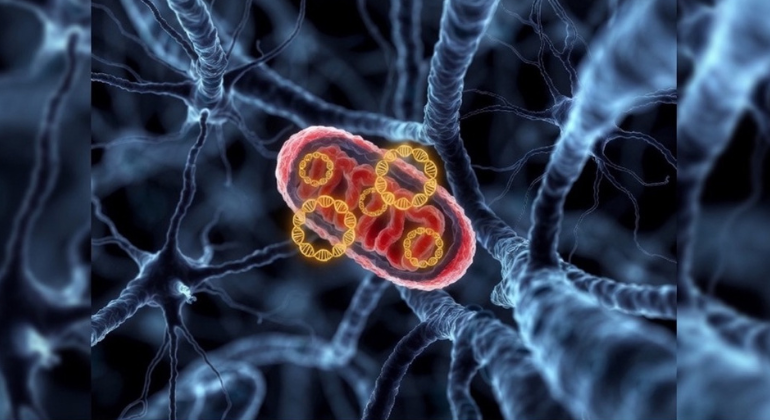
Summary: Mount Sinai researchers have identified specific mitochondrial DNA variants in blood samples from adults aged 40-65 that correlate with lower baseline cognitive scores and declines in task performance over time. The study, published in BMC Neurology, suggests these mtDNA changes could serve as early biomarkers for neurodegeneration. While preliminary and based on a cohort of 197, the findings point toward a future where a minimally invasive blood test might identify individuals at higher risk for Alzheimer’s and related dementias in late midlife.
Why it matters: If validated, this approach could shift Alzheimer’s detection and intervention into midlife, aligning with the clinical imperative to administer emerging disease-modifying therapies earlier in the pathological cascade.
Context: The field is aggressively pursuing blood-based biomarkers (e.g., p-tau217) to replace costly and invasive CSF assays or PET scans for Alzheimer’s diagnosis; this research expands the target beyond amyloid and tau to mitochondrial dysfunction, a hypothesized early contributor to neurodegeneration.
"# A Promising Study Suggests a Blood Test Could Spot Alzheimer’s Early in Progression ## Could support earlier interventions as new therapies, including anti-amyloid drugs, show greater benefit when started sooner -." — MOUNTSINAI
Commentary: The operational significance lies in targeting a different biological pathway—mitochondrial energetics—for risk stratification, potentially creating a parallel, complementary biomarker track to amyloid-centric tests. For clinical trial design, this could refine participant selection for prevention studies focusing on metabolic or inflammatory interventions. The modest effect sizes and sample size warrant caution, but the direction aligns with the broader pivot to pre-symptomatic detection and multimodal biomarker panels.
Date: April 21, 2026 12:00 AM ET
URL: https://www.mountsinai.org/about/newsroom/2026/a-promising-study-suggests-a-blood-test-could-spot-alzheimers-early-in-progression
AI Sentiment Score: Negative (83%)
AI Credibility Score: 10.0/10 — High
Scores and text generated by AI analysis of the source article indicated.
Blood test has potential to detect earliest signals of Alzheimer’s … (News.Harvard.Edu)
Summary: A Harvard/Mass General Brigham study published in Nature Communications demonstrates that the blood biomarker pTau217 can predict Alzheimer’s disease progression years before symptoms or positive amyloid PET scans. The research indicates that elevated pTau217 levels forecast faster accumulation of amyloid and tau pathology, even when initial brain scans are normal, while low levels strongly correlate with remaining amyloid-negative over long-term follow-up. This follows the FDA’s clearance last year of the first Alzheimer’s blood test, establishing a trajectory toward less invasive and more scalable screening.

Why it matters: This shifts the diagnostic paradigm for Alzheimer’s disease, moving the detectable onset of pathology earlier than current gold-standard imaging and creating a practical tool for risk stratification and prevention trial enrollment.
Context: The field is rapidly transitioning from cerebrospinal fluid and PET imaging to blood-based biomarkers, seeking cheaper, scalable tools for early detection amid a pipeline of disease-modifying therapies.
"A new study by Harvard-affiliated investigators at Mass General Brigham has found that a blood test for an Alzheimer’s disease biomarker, plasma phosphorylated tau 217 (pTau217), has the potential to predict progression." — NEWS.HARVARD.EDU
Commentary: The operational implication is a reordering of diagnostic certainty: pTau217 may become the primary gatekeeper for amyloid PET, reserving costly scans for confirmation. This creates a clear path for primary care screening and transforms clinical trial recruitment by identifying pre-PET-positive, high-risk cohorts. The critical next phase is validating these predictive timelines against cognitive outcomes to define the clinical utility window for intervention.
Date: April 21, 2026 12:00 AM ET
URL: https://news.harvard.edu/gazette/story/2026/04/blood-test-has-potential-to-detect-earliest-signals-of-alzheimers-disease/
AI Sentiment Score: Negative (66%)
AI Credibility Score: 10.0/10 — High
Scores and text generated by AI analysis of the source article indicated.
A new reliable blood marker reveals the extent of Alzheimer’s … (Lunduniversity.Lu.Se)
Summary: Lund University and Washington University researchers have validated MTBR-tau243 as a blood-based biomarker that quantifies the burden of tau tangles, a core Alzheimer’s pathology, in the brain. This marker, measurable in blood for the first time, provides a gradient readout of disease severity. It is positioned to work in tandem with existing markers like P-tau217, first to detect Alzheimer’s-related changes and then to confirm whether symptoms are attributable to that pathology.

Why it matters: It provides a scalable, objective measure to stratify patients for emerging disease-modifying therapies, directly addressing the critical need to identify who will benefit from costly and not without risk treatments like lecanemab and donanemab.
Context: The Alzheimer’s field is shifting from clinical diagnosis to biological definition, with blood biomarkers rapidly replacing CSF and PET imaging for accessibility. This creates a need for markers that not only detect pathology but also stage it, informing treatment decisions.
"“This blood test clearly identifies Alzheimer’s tau tangles, which is our best biomarker measure of Alzheimer’s symptoms and dementia,” said co-senior author Randall J. Bateman, MD, the Charles F. and Joanne Knight Distinguished Professor of Neurology at WashU Medicine." — LUNDUNIVERSITY.LU.SE
Commentary: MTBR-tau243 operationalizes the ‘tangle burden’ concept, moving beyond a binary positive/negative. This granularity is essential for clinical trials and real-world use of anti-amyloid drugs, where treatment efficacy and ARIA risk correlate with pathology stage. It pressures health systems to define reimbursement thresholds based on biomarker levels, not just symptoms, and accelerates the path for combination therapies targeting tau.
Date: May 12, 2026 12:00 AM ET
URL: https://www.lunduniversity.lu.se/article/new-reliable-blood-marker-reveals-extent-alzheimers-pathology-brain
AI Sentiment Score: Positive (44%)
AI Credibility Score: 10.0/10 — High
Scores and text generated by AI analysis of the source article indicated.
Ultrasensitive test detects biomarkers for specific form of dementia (Wyss.Harvard.Edu)
Summary: A team from Mass General Brigham and the Wyss Institute has developed a digital seed amplification assay (dSAA) capable of ultrasensitive detection of TDP-43 protein aggregates in cerebrospinal fluid. This biomarker specifically identifies FTLD-TDP, a major pathological subtype of frontotemporal lobar degeneration (FTLD). The test not only distinguished patients with FTLD-TDP from controls but also showed a correlation between seed concentration and clinical disease severity.

Why it matters: It provides the first potential in-vivo biomarker for a specific, non-Alzheimer’s dementia pathology, enabling precise patient stratification for clinical trials and a tool to monitor disease progression and treatment response.
Context: Current biomarker diagnostics are robust for Alzheimer’s but leave FTLD and its subtypes—which have distinct pathologies and require different therapeutic approaches—largely in a diagnostic gray zone, reliant on post-mortem confirmation.
"“In this study, we found elevated concentrations of a biomarker that correlates with FTLD-TDP disease severity,” said co-senior author David R. Walt, PhD, of the Mass General Brigham Department of Pathology." — WYSS.HARVARD.EDU
Commentary: The operational shift is from syndromic to pathological diagnosis for living FTLD patients. This directly impacts trial design for TDP-43-targeting therapies (e.g., from Alector to Biogen) by enabling clean cohort recruitment. The correlation with severity suggests dSAA could serve as a pharmacodynamic endpoint, though validation in larger, longitudinal cohorts is the necessary next gate.
Date: May 05, 2026 12:00 AM ET
URL: https://wyss.harvard.edu/news/ultrasensitive-test-detects-biomarkers-for-specific-form-of-dementia/
AI Sentiment Score: Negative (50%)
AI Credibility Score: 9.0/10 — High
Scores and text generated by AI analysis of the source article indicated.
Ultrasensitive test detects biomarkers for specific form of dementia (Medicalxpress)
Summary: A team from Mass General Brigham has published a method for quantifying pathological TDP-43 protein aggregates in cerebrospinal fluid using a digital seed amplification assay (dSAA). The test, which digitally counts TDP-43 ‘seeds’ in nanoliter compartments, showed elevated concentrations in patients with FTLD-TDP, a specific subtype of frontotemporal lobar degeneration. Critically, seed levels correlated with clinical disease severity. This represents a potential diagnostic and monitoring tool for a pathology currently lacking a fluid biomarker.
Why it matters: It provides a concrete, quantitative biomarker for a major FTLD subtype, enabling precise patient stratification for clinical trials and a potential objective measure of disease progression and treatment response.
Context: Frontotemporal lobar degeneration (FTLD), particularly the TDP-43 proteinopathy subtype (FTLD-TDP), has lacked a reliable antemortem fluid biomarker, unlike Alzheimer’s disease with its amyloid and tau markers. Diagnosis has relied on clinical presentation and neuroimaging, complicating research and therapeutic development.
"Right now, biomarkers permit diagnosis of AD, but not rarer pathologies like frontotemporal lobar degeneration (FTLD) or its subtypes. … Investigators from Mass General Brigham have developed an ultrasensitive test capable of." — MEDICALXPRESS
Commentary: The correlation with severity is the operational pivot; it transforms the assay from a binary classifier into a potential staging tool. This directly addresses a core bottleneck in FTLD-TDP drug development: the inability to enroll homogenous cohorts and measure target engagement or disease modification. If validated, it could force a re-evaluation of trial designs and outcome measures for this population, while creating a new dependency for biotechs on CSF-based TDP-43 seed quantification as a key biomarker.
Date: May 10, 2026 12:00 AM ET
URL: https://medicalxpress.com/news/2026-05-ultrasensitive-biomarkers-specific-dementia.html
AI Sentiment Score: Negative (85%)
AI Credibility Score: 10.0/10 — High
Scores and text generated by AI analysis of the source article indicated.
A simple blood test may detect Alzheimer’s risk years before symptoms (Knowridge)
Summary: A longitudinal study from Mass General Brigham, published in Nature Communications, indicates plasma pTau217 levels can predict amyloid accumulation and cognitive decline in cognitively unimpaired older adults, appearing earlier than PET scan abnormalities. The eight-year Harvard Aging Brain Study observation of 317 participants found high pTau217 correlated with later Alzheimer’s pathology, while low levels signaled sustained low risk. This positions the blood biomarker as a potential precursor to current gold-standard imaging, shifting the detection timeline.

Why it matters: It reframes the clinical pathway for preclinical Alzheimer’s, moving risk stratification from expensive, scarce PET scans to scalable blood assays, altering trial recruitment, early intervention windows, and patient anxiety dynamics.
Context: This follows the FDA’s recent approval of the first Alzheimer’s blood test and intensifies the biomarker race, where pTau217 is competing with other plasma markers (e.g., pTau181, GFAP) for predictive specificity and commercial adoption.
"A new study from Mass General Brigham suggests that a simple blood test could help detect the risk of Alzheimer’s disease much earlier than doctors once believed. This discovery could make it." — KNOWRIDGE
Commentary: The operational implication is a reordering of the diagnostic cascade: blood tests become the primary screen, triaging who proceeds to confirmatory PET or CSF analysis. This creates pressure on payors to define coverage thresholds and on clinicians to manage the psychological impact of pre-symptomatic risk labels. For pharma, it further validates the asymptomatic population as a viable, identifiable cohort for prevention trials.
Date: April 20, 2026 12:00 AM ET
URL: https://knowridge.com/2026/04/a-simple-blood-test-may-detect-alzheimers-risk-years-before-symptoms/
AI Sentiment Score: Negative (80%)
AI Credibility Score: 7.0/10 — Medium
Scores and text generated by AI analysis of the source article indicated.
Progress in blood-based biomarkers for diagnosis of Alzheimer’s disease (Qk.Sjtu.Edu.Cn)
Summary: A 2026 review article from the Journal of Diagnostics Concepts & Practice details the clinical maturation of blood-based biomarkers (BBMs) for Alzheimer’s disease, specifically highlighting the APS2 panel (p-tau217 and Aβ42/Aβ40 ratio) achieving 88%-92% diagnostic accuracy in primary care. This performance significantly surpasses conventional clinical diagnosis (61%-73%) and approaches the explanatory power of tau-PET for predicting cognitive decline. The article frames BBMs as operational tools for triage and biological diagnosis within a clinical pathway, while noting persistent challenges in standardization and evidence generalizability.
Why it matters: This signals the transition of AD diagnostics from specialized, inaccessible imaging and CSF tests to scalable, primary-care-viable blood tests, fundamentally altering patient pathways and enabling population-level screening for disease-modifying therapies.
Context: The push for blood-based biomarkers has accelerated alongside the approval of anti-amyloid monoclonal antibodies, creating an urgent need for accessible, low-cost diagnostic tools to identify eligible patients and monitor treatment response outside major academic centers.
"In primary care settings, the combination of p-tau217 and the Aβ42/Aβ40 ratio (APS2) achieves a diagnostic accuracy of 88%-92% for AD, which is significantly higher than that of conventional clinical diagnosis (61%-73%). In predicting cognitive decline, the explanatory power of plasma p-tau217 (R²=0.33) is close to that of tau-PET (R²=0.34)." — QK.SJTU.EDU.CN
Commentary: The quantified performance gap between BBMs and conventional diagnosis underscores a systemic failure in current practice, not just a technical improvement. The proposed two-tiered use case—triage in primary care and biological diagnosis in specialty settings—establishes a clear operational blueprint for health systems, directly linking diagnostic innovation to therapeutic access. However, the emphasis on assay standardization and evidence generalizability as ‘severe challenges’ reveals the next battle is not in labs but in regulatory harmonization and real-world validation across diverse populations.
Date: April 25, 2026 12:00 AM ET
URL: https://www.qk.sjtu.edu.cn/jdcp/EN/10.16150/j.1671-2870.2026.02.001
AI Sentiment Score: Negative (55%)
AI Credibility Score: 9.9/10 — High
Scores and text generated by AI analysis of the source article indicated.
Henrik Zetterberg – Cure Alzheimer’s Fund (Curealz)
Summary: These projects were made possible from Cure Alzheimer’s Fund support. These published papers resulted from Cure Alzheimer’s Fund support. Berntsen, T., Blennow, K., Zetterberg, H., …

Why it matters: This matters for Alzheimer’s Disease and Frontal Temporal Dementia because it gives a concrete current signal to track: These projects were made possible from Cure Alzheimer’s Fund support.
Context: These projects were made possible from Cure Alzheimer’s Fund support. These published papers resulted from Cure Alzheimer’s Fund support. Berntsen, T., Blennow, K., Zetterberg, H., …
"These projects were made possible from Cure Alzheimer’s Fund support. These published papers resulted from Cure Alzheimer’s Fund support. Berntsen, T., Blennow, K., Zetterberg, H., … Neerland, B. E. Increased cerebrospinal fluid." — CUREALZ
Commentary: The immediate implication is operational rather than speculative: watch how this changes budgets, workflows, or risk assumptions over the next cycle.
Date: May 14, 2026 12:00 AM ET
URL: https://curealz.org/researchers/henrik-zetterberg/
AI Sentiment Score: Positive (60%)
AI Credibility Score: 9.0/10 — High
Scores and text generated by AI analysis of the source article indicated.
Post ID: 42e102ea