Music Rights & Catalog Acquisitions
Saregama MD calls for DSPs to assign ‘no value’ to AI-generated music (Musicbusinessworldwide)
Summary: Saregama Managing Director Vikram Mehra has called on DSPs to assign ‘no value’ to AI-generated music in royalty pools, framing it as ‘AI slop’ that should not share in label distributions. Simultaneously, he signaled Saregama’s openness to licensing its catalog to generative AI companies as a new revenue stream, mirroring the dual-track strategy of major Western labels. This comes as Deezer reports AI-generated tracks now constitute over 44% of daily uploads, with significant fraud concerns.

Why it matters: This defines the emerging industry consensus: treat AI-generated content as a cost center to be excluded from legacy revenue streams, while treating AI training data as a new, separate licensing asset.
Context: Major labels are pursuing a bifurcated strategy: litigating and negotiating to wall off streaming royalties from AI content while simultaneously striking catalog licensing deals with AI platforms, creating a new B2B revenue line.
"All the music labels globally and in India are working very closely with the leading three global streaming platforms, making it very clear that when the content pool is going to get distributed across the labels, no value should get assigned to content which is getting generated purely or through AI." — MUSICBUSINESSWORLDWIDE
Commentary: The call for ‘no value’ is a defensive monetization play for the streaming franchise, attempting to quarantine synthetic content from the existing royalty ecosystem. Licensing to AI firms represents a genuine, if cautious, reinvention of catalog IP as training data. The tension is not a contradiction but a deliberate partitioning of revenue models: legacy consumption versus new industrial utility.
Date: Wed, 20 May 2026 12:32:34 +0000
URL: https://www.musicbusinessworldwide.com/saregama-md-calls-for-dsps-to-assign-no-value-to-ai-generated-music/
AI Sentiment Score: Negative (66%)
AI Credibility Score: 10.0/10 — High
Scores and text generated by AI analysis of the source article indicated.
Downtown Music Publishing strikes deal to represent Biz Markie catalog and name, image & likeness rights (Musicbusinessworldwide)
Summary: Downtown Music Publishing has secured a comprehensive rights deal for the catalog and NIL of the late hip-hop artist Biz Markie. The agreement, directed by his widow and estate executor Tara Hall, covers publishing administration, sync licensing, and the management of his name, image, and likeness. This occurs as Downtown, recently acquired by Universal Music Group’s Virgin Music Group, continues its pivot to a pure services model, having sold its owned catalog to Concord in 2021.
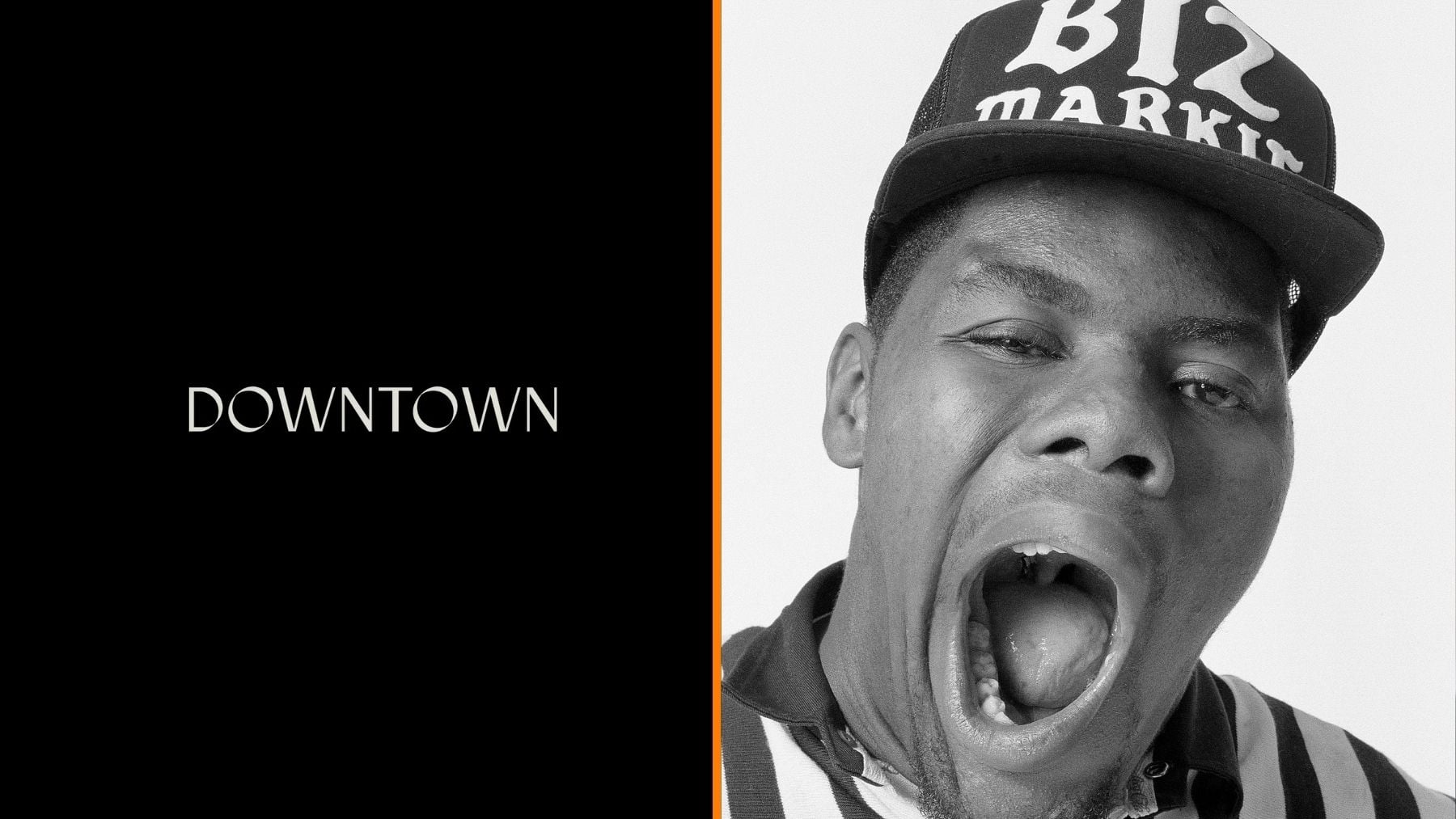
Why it matters: This deal illustrates the maturation of legacy hip-hop estates into structured, multi-rights franchises, and underscores the strategic shift of major music services companies toward high-value administration over asset ownership.
Context: The market for legacy artist catalogs and NIL rights is highly active, with estates increasingly seeking professional administration to maximize value through sync, sampling, and brand partnerships, often separating these rights from recorded music holdings.
"In many ways, I’m creating a blueprint for how to honor a legend while finding new ways for his work to live on for future generations. Biz preserved his legacy, and now it’s my job to protect it." — MUSICBUSINESSWORLDWIDE
Commentary: The deal signals the franchise is in a ‘defensive reuse and monetization’ stage, managed for steady annuity from a deep sample catalog (1,500+ uses) and sync, rather than a high-risk reinvention. Downtown’s role as an administrator, not an owner, aligns with its post-Concord-sale identity, making this a pure-fee client win that leverages its prestige roster (Lennon, Gershwin) to attract other estates. The explicit NIL management suggests an intent to monetize brand nostalgia beyond music, though Biz Markie’s cultural footprint is more niche than mainstream.
Date: Fri, 29 May 2026 14:33:58 +0000
URL: https://www.musicbusinessworldwide.com/downtown-music-publishing-strikes-deal-to-represent-biz-markie-catalog-and-name-image-likeness-rights/
AI Sentiment Score: Positive (60%)
AI Credibility Score: 10.0/10 — High
Scores and text generated by AI analysis of the source article indicated.
You Don’t Need to Be Famous to Sell Your Music Catalog Anymore (Hypebot)
Summary: The market for music catalog sales is expanding beyond legacy superstars to include independent artists and producers with younger, data-driven catalogs. Streaming platforms have created recurring revenue streams that allow niche creators to generate meaningful royalties, shifting valuation from fame to metrics like streaming consistency and audience retention. Buyers now evaluate catalogs generating as little as $5,000 annually, viewing them as digital cash flow assets. This enables independent artists to leverage catalog sales as strategic capital for career growth rather than as an exit.

Why it matters: This democratizes access to capital for independent creators, altering the financial calculus of building a sustainable music career outside traditional label structures.
Context: Historically, catalog sales were dominated by iconic artists with decades-old hits, reinforcing a perception that only legacy acts held significant asset value.
"In certain cases, some buyers are even willing to evaluate catalogs generating as little as approximately $5,000 annually in royalties depending on ownership structure, consistency, and overall catalog profile." — HYPEBOT
Commentary: The threshold shift from millions to thousands annualizes catalog valuation, turning streaming data into a liquid asset class for the long tail. This operationalizes intellectual property as working capital, enabling reinvestment cycles that could sustain independent careers without ceding control. Expect specialized funds and advisory services like SongCash to proliferate, creating a secondary market for micro-catalogs. The risk is commodification of creative output, but the immediate effect is financializing the indie hustle.
Date: May 20, 2026 12:00 AM ET
URL: https://www.hypebot.com/you-dont-need-to-be-famous-to-sell-your-music-catalog-anymore/
AI Sentiment Score: Neutral (33%)
AI Credibility Score: 10.0/10 — High
Scores and text generated by AI analysis of the source article indicated.
Music Contracts Decoded: Rights, Catalogs, and the AI Era (Musicca.St)
Summary: The article decodes the mechanics of music catalog sales, clarifying that artists retain key performance rights and income streams even after selling publishing or master rights. It highlights the critical distinction between economic rights transfers and retained artist entitlements, such as the statutory 45% digital performance royalty. A new contract checklist emerges, focused on AI clauses, re-recording restrictions, and approval rights for non-standard uses, reflecting the industry’s adaptation to technological and legal shifts.

Why it matters: For artists and investors, the evolving contract landscape directly dictates long-term value capture and creative control in an era defined by AI and secondary market speculation.
Context: Catalog sales have surged as an asset class, but standard deal structures are being renegotiated under pressure from AI training, sync licensing, and artist-led reclamation strategies.
"In 2020, Bob Dylan sold part of his rights to over 600 songs to Universal for an estimated sum of several hundred million dollars. … When an artist sells their catalog, they." — MUSICCA.ST
Commentary: The checklist formalizes a defensive posture: catalog buyers now face contractual friction as artists lock in approval gates for AI and sync, potentially dampening future multiples. This signals a shift from pure financial arbitrage to managed IP partnerships, where continuous artist engagement is priced into the asset. The re-recording clause scrutiny shows the Swift effect is now a standard risk assessment, forcing buyers to weigh immediate liquidity against long-term catalog erosion.
Date: May 20, 2026 12:00 AM ET
URL: https://www.musicca.st/blog/career-3/music-contracts-decoded-rights-catalogs-and-the-ai-era-107
AI Sentiment Score: Negative (66%)
AI Credibility Score: 9.6/10 — High
Scores and text generated by AI analysis of the source article indicated.
Frank Sinatra Estate Sells Image and Likeness Rights to Irving Azoff | New Industry Focus (Newindustryfocus)
Summary: Irving Azoff’s Iconic Artists Group has acquired the image and likeness rights to Frank Sinatra. The deal is part of a broader strategy to consolidate Rat Pack estates, with Azoff confirming IAG holds stakes in Dean Martin’s estate and others. The reported plan involves developing a dedicated Las Vegas venue themed around the group.
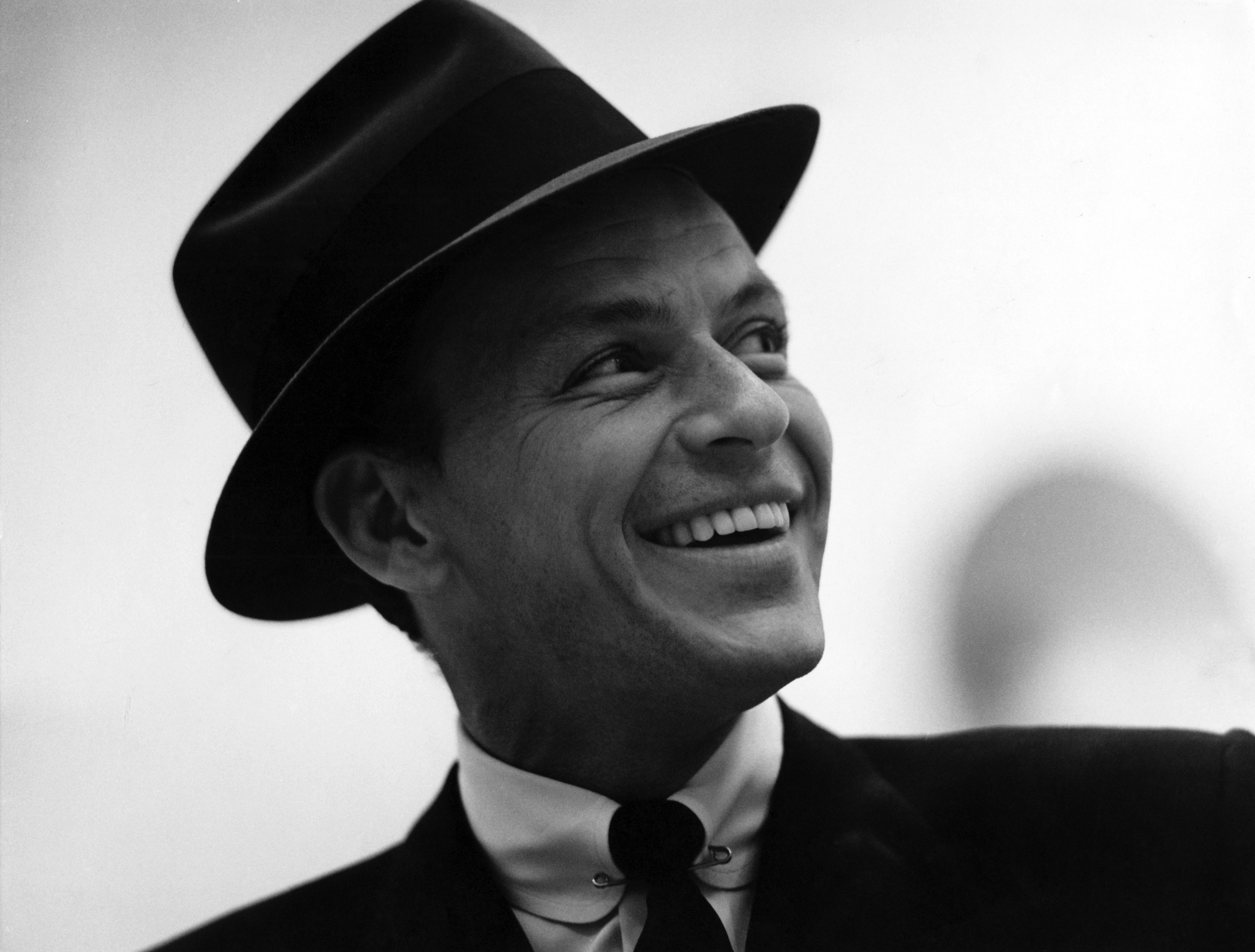
Why it matters: This transaction signals the acceleration of posthumous brand consolidation beyond music catalogs into experiential and venue-based monetization, setting a new benchmark for legacy estate valuation.
Context: IAG has been systematically acquiring controlling stakes in legacy artist catalogs and estates, including Cher, The Beach Boys, and David Crosby, as part of the broader music IP acquisition boom.
"Azoff is working on a Las Vegas venue dedicated to The Rat Pack, the singing group consisting of Sinatra and fellow icons of the era, Dean Martin, Sammy Davis Jr., and Mickey Rooney, among others." — NEWINDUSTRYFOCUS
Commentary: The move shifts the IP lifecycle stage from defensive catalog aggregation to active, synergistic reinvention. By bundling Rat Pack likenesses for a Vegas venue, Azoff is engineering a franchise logic based on scarcity and immersive nostalgia, moving beyond royalty streams to capture higher-margin experiential revenue. This pressures other estate holders to consider similar vertical integration or risk being sidelined in the premium legacy entertainment market.
Date: May 19, 2026 12:00 AM ET
URL: https://newindustryfocus.com/articles/frank-sinatra-estate-sells-image-and-likeness-rights-to-irving-azoff
AI Sentiment Score: Positive (40%)
AI Credibility Score: 10.0/10 — High
Scores and text generated by AI analysis of the source article indicated.
HYBE Acquires Music-Catalog Rights From Universal For $2.1 … (Theplatinumcapital)
Summary: HYBE has acquired a 50-year rights package to approximately 8,500 Korean pop master and publishing recordings from Universal Music Group for $2.1 billion. The catalog spans foundational first- and second-generation acts from 1990-2020, including H.O.T., S.E.S., Shinhwa, BoA, TVXQ, and Super Junior. The deal is the largest single music rights transaction of 2026 and is projected to add roughly $280 million in annual revenue to HYBE.

Why it matters: This transaction consolidates control of K-pop’s foundational intellectual property under its most powerful modern corporate architect, shifting strategic leverage and setting a new valuation benchmark for the genre’s legacy assets.
Context: The deal accelerates HYBE’s transition from a talent management firm into a vertically integrated IP holding company, following a multi-year pattern of catalog aggregation by financial and strategic buyers in music.
"The transaction is structured as a long-dated rights-acquisition rather than an outright catalogue transfer, with HYBE acquiring the substantive commercial-control rights across a fifty-year window subject to the prevailing master-and-publishing-rights regulatory frameworks across the principal global commercial markets." — THEPLATINUMCAPITAL
Commentary: This is a defensive consolidation and monetization play within the IP lifecycle. HYBE is securing the institutional memory and revenue base of the K-pop genre it now dominates, converting cultural legacy into a predictable financial asset. The fifty-year term suggests a calculation that the foundational value of this era will outlast current acts, providing a permanent annuity. For Universal, it represents a strategic exit from non-core, regionally specific assets at peak valuation, freeing capital while HYBE assumes the long-term curation and exploitation risk.
Date: May 19, 2026 12:00 AM ET
URL: https://www.theplatinumcapital.com/article/hybe-acquires-music-catalog-rights-from-universal-for-2-1bn-as-k-pop-global-ip-cycle-compounds
AI Sentiment Score: Neutral (33%)
AI Credibility Score: 8.2/10 — High
Scores and text generated by AI analysis of the source article indicated.
Music as an asset class: Why PE continues to deploy capital into music rights (Reedsmith)
Summary: Private equity’s deployment into music rights has matured from niche catalog acquisitions to a sophisticated, multi-strategy asset class. The investment thesis now centers on durable, yield-oriented cash flows from a broad ecosystem including administration, technology, and rights infrastructure. Legal diligence is identified as inseparable from financial underwriting, with value contingent on specialized copyright and contractual expertise.

Why it matters: It signals the institutionalization and financial engineering of cultural IP, shifting control and monetization logic away from traditional creative industries.
Context: This represents the late-stage financialization phase of the IP lifecycle, where assets are optimized for yield and securitization rather than cultural expansion.
"Over the past decade, music has evolved into one of the most compelling alternative asset classes for private equity (PE) sponsors, credit funds, institutional investors, and strategic buyers. What was once viewed." — REEDSMITH
Commentary: The article’s focus on legal minutiae as a core value driver reveals the asset class’s maturity and inherent defensive posture. This is capital protecting its claim on legacy cash flows, not funding new creation. The shift toward ‘infrastructure’ investments suggests the low-hanging fruit of catalog acquisition is exhausted, pushing capital into the plumbing that extracts value from the existing corpus. For the IP lifecycle, this signals a move from reinvention to efficient harvesting, with future returns increasingly dependent on contractual enforcement and financial engineering rather than cultural resonance.
Date: May 22, 2026 12:00 AM ET
URL: https://www.reedsmith.com/articles/private-equity-behind-the-scenes/music-as-an-asset-class-why-pe-continues-to-deploy-capital-into-music-rights/
AI Sentiment Score: Neutral (33%)
AI Credibility Score: 10.0/10 — High
Scores and text generated by AI analysis of the source article indicated.
Good Grief: ‘Peanuts’ Music Owners Launch Legal Blitz Over ‘Charlie Brown Christmas’ Songs (Billboard)
Summary: Lee Mendelson Film Productions has filed four copyright lawsuits alleging unauthorized use of Vince Guaraldi’s iconic Peanuts music. The targets include a video game developer, the U.S. Department of the Interior, and two collectibles firms, centering on uses in a licensed video game, a federal holiday card, and social media ads. The legal action signals a more aggressive enforcement posture for a classic, deeply embedded IP asset.

Why it matters: This blitz reveals the intensifying legal and financial scrutiny around secondary uses of mature franchise elements, even when primary character rights are properly licensed, setting a precedent for how legacy media owners monetize nostalgic touchpoints in the digital era.
Context: The rights to Guaraldi’s Peanuts scores are separate from the character rights held by Peanuts Worldwide (majority-owned by DHX Media, now WildBrain). LMFP has a history of litigation, including a 2019 suit against Dollywood, indicating a consistent strategy to defend this specific musical IP layer.
"Good Grief: ‘Peanuts’ Music Owners Launch Legal Blitz Over ‘Charlie Brown Christmas’ Songs Four new lawsuits claim Vince Guaraldi’s iconic score has been used without permission or payment, including in a federal." — BILLBOARD
Commentary: This is a defensive reuse play within the franchise’s late-stage lifecycle. The lawsuits, particularly against a federal agency and a properly character-licensed game maker, demonstrate a shift from passive collection to active policing, treating the music not just as soundtrack but as a standalone, high-value brand asset. The move pressures licensees to secure all clearances and may chill ‘evocative’ homages, effectively monetizing through litigation as much as licensing.
Date: Wed, 20 May 2026 20:49:31 +0000
URL: https://www.billboard.com/pro/peanuts-music-lawsuits-charlie-brown-christmas-songs-sues/
AI Sentiment Score: Positive (50%)
AI Credibility Score: 10.0/10 — High
Scores and text generated by AI analysis of the source article indicated.
BRIEF-Sony Music Publishing To Acquire Recognition’s Entire … (Sahmcapital)
Summary: Sony Music Publishing has agreed to acquire the complete music rights portfolio of Recognition Music Group from funds managed by Blackstone. The deal is structured in partnership with a recently launched venture between Sony Music Group and Singapore’s sovereign wealth fund, GIC. This transaction continues the trend of major music publishers consolidating rights catalogs, particularly those owned by private equity firms.

Why it matters: It signals the continued financialization of music IP as a core asset class and demonstrates the strategic capital partnerships major publishers are forming to execute large-scale acquisitions.
Context: This follows a multi-year cycle of private equity firms like Blackstone and KKR acquiring music rights, often with the intent of later selling them at a premium to strategic buyers like Sony, Universal, or Warner.
"SONY MUSIC PUBLISHING: ACQUIRES COMPLETE MUSIC RIGHTS PORTFOLIO OF RECOGNITION MUSIC GROUP FROM FUNDS MANAGED BY BLACKSTONE." — SAHMCAPITAL
Commentary: The deal represents the ‘harvest’ phase of the private equity music playbook, validating the model of buying, bundling, and flipping catalogs. Sony’s partnership with GIC provides a deep, non-traditional capital pool, potentially lowering its cost of capital for future acquisitions and tightening the competitive moat around the ‘Big Three’ publishers.
Date: May 11, 2026 12:00 AM ET
URL: https://www.sahmcapital.com/news/content/brief-sony-music-publishing-to-acquire-recognitions-entire-catalog-of-works-2026-05-11
AI Sentiment Score: Negative (50%)
AI Credibility Score: 10.0/10 — High
Scores and text generated by AI analysis of the source article indicated.
Sony’s $4 Billion Bet on Rock & Roll Royalties (Inkl)
Summary: Sony Group, in a joint venture with GIC, has agreed to acquire the Recognition Music Group portfolio from Blackstone for a reported $3.5-4 billion. The catalog, containing over 45,000 songs from artists like Fleetwood Mac and Beyoncé, was previously taken private by Blackstone from the Hipgnosis Songs Fund in 2024 for roughly $2.2 billion. This transaction represents a major institutional validation of music royalties as a durable asset class.

Why it matters: It demonstrates the maturation of music IP into a core institutional asset, validating a specific financial and cultural lifecycle for legacy catalogs and setting a new benchmark for valuation.
Context: This follows a multi-year trend of financial firms aggregating music publishing rights, with Blackstone’s acquisition and rapid, profitable exit of the Hipgnosis portfolio being a pivotal case study.
"A landmark $4 billion transaction sends a clear signal across capital markets: legacy music catalogs have definitively matured from niche alternative investments into an institutional-grade asset class." — INKL
Commentary: The deal signals the ‘defensive reuse’ stage of the IP lifecycle for proven hit catalogs, where their value is now anchored in predictable, annuity-like streaming cash flows rather than speculative future growth. It validates Blackstone’s aggregation model as a viable financial engineering play, separate from creative reinvention. For Sony, this is a consolidation move that strengthens its publishing moat but also concentrates risk in a market dependent on stable platform economics. The ~80% markup in two years sets a high-water mark that could pressure future returns in the space, potentially cooling the aggressive acquisition frenzy.
Date: May 12, 2026 12:00 AM ET
URL: https://www.inkl.com/news/sony-s-4-billion-bet-on-rock-roll-royalties
AI Sentiment Score: Positive (42%)
AI Credibility Score: 10.0/10 — High
Scores and text generated by AI analysis of the source article indicated.
Sony Music Publishing Officially Agrees to Acquire … (Rapindustry)
Summary: Sony Music Publishing, in partnership with GIC, has agreed to acquire the entire catalog of Recognition Music Group from Blackstone. The portfolio comprises over 45,000 songs, including major evergreen hits from artists like Journey, Beyoncé, Mariah Carey, and Red Hot Chili Peppers. This transaction consolidates high-value, multi-generational copyrights under a single corporate umbrella.

Why it matters: It signals the maturation of the music IP acquisition market, where financial assets are being re-aggregated by strategic industry players, altering long-term royalty flows and creative control.
Context: This follows a multi-year cycle of private equity firms like Blackstone acquiring music catalogs as yield-generating assets, with strategic players now buying back these consolidated portfolios at scale.
"## Sony Music Publishing Officially Agrees to Acquire Complete Catalog of Recognition Music Group. May 11, 2026 … Sony Music Publishing today announced its agreement to acquire the complete music rights portfolio." — RAPINDUSTRY
Commentary: This is a defensive reuse and portfolio optimization play, not a reinvention. Sony is locking down predictable, annuity-like cash flows from proven hits to offset streaming market volatility. The move reduces the pool of major independent catalogs available, potentially increasing licensing leverage for Sony but also centralizing cultural artifacts under one corporate entity’s financial calculus.
Date: May 11, 2026 12:00 AM ET
URL: https://rapindustry.com/sony-music-publishing-officially-agrees-to-acquire-complete-catalog-of-recognition-music-group/
AI Sentiment Score: Negative (75%)
AI Credibility Score: 10.0/10 — High
Scores and text generated by AI analysis of the source article indicated.
Why Does It Seem Like Everybody Is Signed Everywhere? (Joinjukebox.Substack)
Summary: The article examines the mechanics of music catalog acquisitions, where investment firms and labels purchase artists’ royalty streams for a lump sum. This financialization separates ownership from creative contribution, allowing entities like Recognition Music Group to hold rights to major artists’ works without any artistic involvement. The piece frames this as a core driver behind the phenomenon of artists appearing ‘signed everywhere’ in licensing deals.
Why it matters: It reveals the underlying financial architecture reshaping artist-label relationships and long-term revenue flows, directly impacting valuation models and strategic holdings in the IP lifecycle.
Context: This follows a multi-year boom in music IP transactions, driven by low interest rates and the perception of catalogs as stable, streaming-backed assets.
"So, it’s possible for a company like Recognition Music Group to boast the names of big artists like Kenny Chesney, Justin Bieber, Shakira, and Journey, without ever having contributed creatively to their music." — JOINJUKEBOX.SUBSTACK
Commentary: The signal points to a late-stage financialization phase in the music IP lifecycle, where assets are traded as yield instruments. This creates a bifurcated market: legacy catalogs become defensive holdings for institutional capital, while active artist development may be deprioritized. The logic is purely monetization, suggesting exhaustion of organic growth and a shift toward portfolio management over creative renewal.
Date: May 21, 2026 12:00 AM ET
URL: https://joinjukebox.substack.com/p/why-does-it-seem-like-everybody-is
AI Sentiment Score: Positive (50%)
AI Credibility Score: 7.0/10 — Medium
Scores and text generated by AI analysis of the source article indicated.
Sony, GIC Venture Strikes Deal to Buy Recognition Music Catalog … (Morningstar)
Summary: Sony Group, in partnership with Singapore’s sovereign-wealth fund GIC, has agreed to acquire the full catalog of Recognition Music Group from alternative asset manager Blackstone. The portfolio comprises over 45,000 pop songs from major artists including Rihanna, Beyoncé, Fleetwood Mac, and Red Hot Chili Peppers. This transaction represents a significant consolidation of mature, high-value music publishing assets under a major label.

Why it matters: This deal signals the continued institutionalization of music IP as a core alternative asset class and demonstrates the strategic shift of major labels from pure distributors to long-term capital allocators in the publishing space.
Context: Blackstone entered the music rights market in 2021 with a $1 billion fund in partnership with Hipgnosis Song Management, catalyzing a wave of financialization in song catalogs. Major labels like Sony and Universal have since aggressively acquired these portfolios, competing with private equity firms.
"Sony Group has agreed to acquire the full catalog of Recognition Music Group, a collection of more than 45,000 pop songs from artists ranging from Rihanna to Fleetwood Mac." — MORNINGSTAR
Commentary: The acquisition is a defensive reuse play, securing predictable cash flows from a mature, evergreen catalog. It highlights the end-stage of a financial cycle where private equity exits to strategic holders, consolidating power with the major labels who can leverage the IP across their entire entertainment ecosystems. The GIC partnership underscores the scale of capital required and the asset’s appeal to long-term, yield-seeking sovereign wealth.
Date: May 11, 2026 12:00 AM ET
URL: https://www.morningstar.com/news/dow-jones/202605117562/sony-gic-venture-strikes-deal-to-buy-recognition-music-catalog-from-blackstone-update
AI Sentiment Score: Negative (66%)
AI Credibility Score: 10.0/10 — High
Scores and text generated by AI analysis of the source article indicated.
Post ID: 5f050fcb