

Space Exploration
Artemis II Astronauts Back in Houston, Reunite with Families (Nasa.Gov)
Summary: The Artemis II crew has returned to Johnson Space Center in Houston following the successful completion of their 10-day lunar flyby mission. The mission, which launched on April 1, achieved a record-setting distance from Earth and a close lunar approach, marking the first crewed journey to the Moon since Apollo. Post-splashdown procedures are complete, and the crew has entered the postflight evaluation and debrief phase.
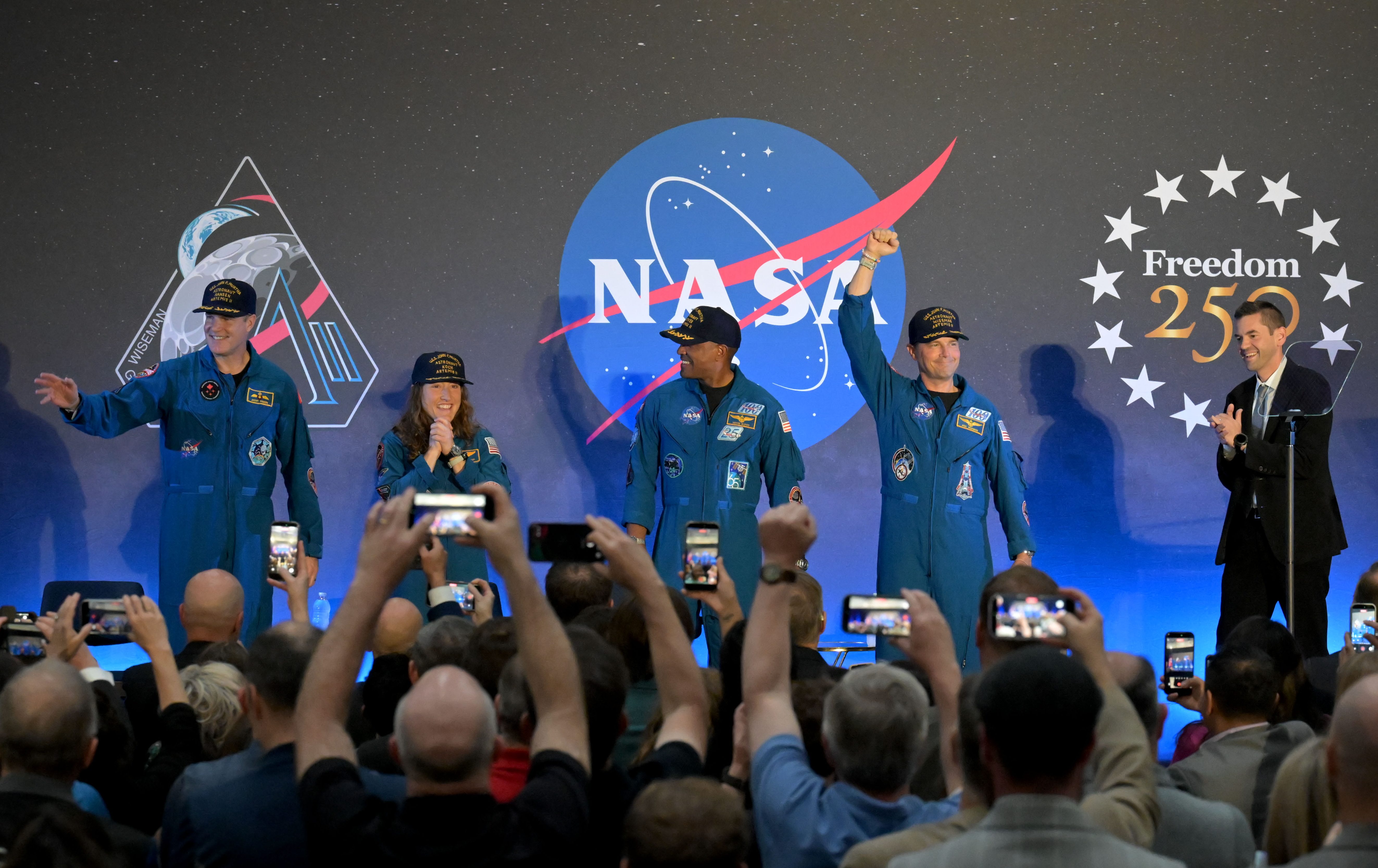
Why it matters: This marks the operational transition from a high-profile flight test to the critical post-mission analysis phase, where engineering and human performance data will directly inform the design and safety protocols for the subsequent Artemis III lunar landing mission.
Context: Artemis II was the first crewed test of the Orion spacecraft and Space Launch System, a necessary step to validate systems for deep space operations before attempting a landing. The crew’s return initiates a standard but vital period of data collection and crew recovery.
"During their nearly 10-day mission, the crew completed a record-setting lunar flyby, taking them 252,756 miles at their farthest distance from Earth and 4,067 miles above the lunar surface at their closest approach." — NASA.GOV
Commentary: The nominal return and entry into postflight protocols signals a clean operational close for the test flight, reducing schedule risk for downstream elements. The focus now shifts from public spectacle to engineering scrutiny; the debriefs and medical evaluations will produce the substantive findings that either confirm system readiness or mandate design changes for Artemis III.
Date: Sat, 11 Apr 2026 23:28:29 +0000
URL: https://www.nasa.gov/blogs/missions/2026/04/11/artemis-ii-astronauts-back-in-houston-reunite-with-families/
AI Sentiment Score: Negative (72%)
AI Credibility Score: 10.0/10 — High
Scores and text generated by AI analysis of the source article indicated.
Artemis II Flight Day 10: Live Re-Entry Updates (Nasa.Gov)
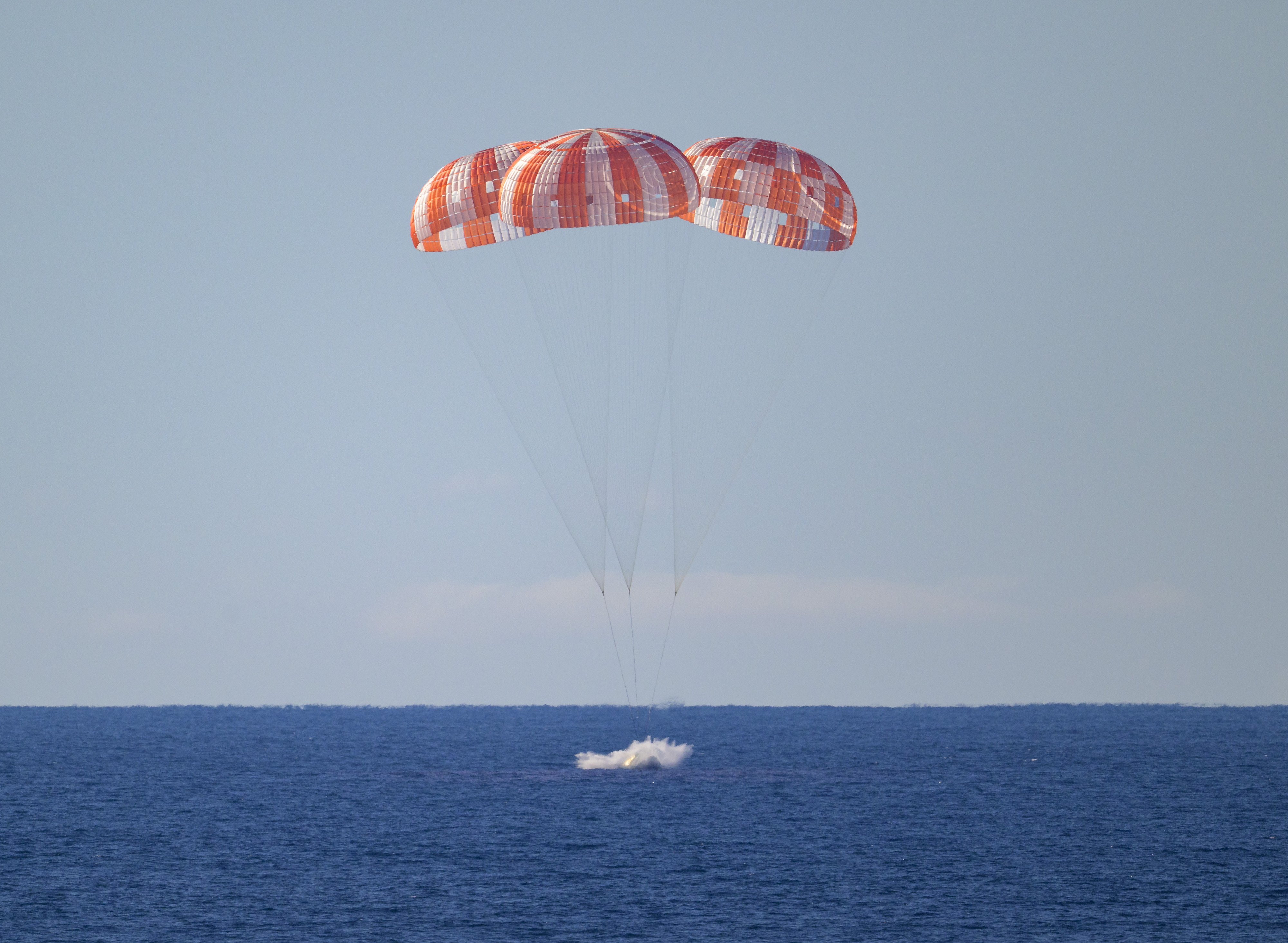
Summary: NASA’s Artemis II Orion spacecraft, carrying astronauts Reid Wiseman, Victor Glover, Christina Koch, and Jeremy Hansen, completed its lunar flyby test flight with a successful parachute-assisted splashdown in the Pacific Ocean at 8:07 p.m. EDT. The crew was extracted and transported to the USS John P. Murtha for medical evaluation, en route to Johnson Space Center. The spacecraft was secured for transport to Kennedy Space Center for post-flight analysis, concluding the critical re-entry and recovery phase of the mission.
Why it matters: The nominal splashdown and recovery validates the Orion spacecraft’s end-to-end operational readiness for crewed lunar missions, a prerequisite for the Artemis program’s sustained cadence.
Context: Artemis II is the first crewed test of the Orion spacecraft on a lunar trajectory, following the uncrewed Artemis I demonstration. Successful recovery closes the loop on the spacecraft’s life-support, re-entry, and contingency systems under human-rated conditions.
"The Orion spacecraft is secured in the well deck of USS John P. Murtha after splashing down in the Pacific Ocean and carrying NASA astronauts Reid Wiseman, Victor Glover, Christina Koch and Canadian Space Agency astronaut Jeremy Hansen on an approximate 10-day mission around the Moon and back." — NASA.GOV
Commentary: The procedural smoothness of the recovery—from splashdown to securing on the Murtha—indicates a mature, rehearsed operational handoff between NASA and the U.S. Navy, reducing schedule risk for future missions. The immediate post-flight analysis at Kennedy will provide the first full-spectrum data on Orion’s crew module performance after a deep-space mission, informing final design locks for Artemis III.
Date: Fri, 10 Apr 2026 22:26:16 +0000
URL: https://www.nasa.gov/blogs/missions/2026/04/10/artemis-ii-flight-day-10-re-entry-live-updates/
AI Sentiment Score: Negative (50%)
AI Credibility Score: 10.0/10 — High
Scores and text generated by AI analysis of the source article indicated.
Artemis II Flight Day 10: Crew Sets for Final Burn, Splashdown (Nasa.Gov)
Summary: The Artemis II crew is executing the final sequence for splashdown, with a targeted landing at 8:07 p.m. EDT off San Diego. The timeline includes a critical return burn, module separation, atmospheric re-entry at 35 times the speed of sound, and a planned communications blackout. Recovery by a combined NASA and U.S. military team will follow, with crew extraction within two hours.

Why it matters: This operational cadence validates Orion’s crew-rated re-entry systems and the integrated recovery protocol, which are essential for the planned lunar landing missions of Artemis III and beyond.
Context: Artemis II is the first crewed flight of the Orion spacecraft and a critical systems shakedown before attempting a lunar landing. Its success directly impacts the schedule and risk profile for NASA’s return-to-the-Moon program.
"When Orion reaches 400,000 feet above Earth’s surface while traveling nearly 35 times the speed of sound. The crew is expected to experience up to 3.9 Gs in the planned entry profile. This moment marks the spacecraft’s first contact with the upper atmosphere and the start of a planned six-minute communications blackout as plasma builds around the capsule." — NASA.GOV
Commentary: The precise public timeline, including the G-load and blackout, signals confidence in the tested entry profile. A successful splashdown under these parameters would close the loop on Orion’s most demanding crew safety test, moving the program from demonstration to operational readiness for longer-duration missions.
Date: Fri, 10 Apr 2026 15:38:05 +0000
URL: https://www.nasa.gov/blogs/missions/2026/04/10/artemis-ii-flight-day-10-crew-sets-for-final-burn-splashdown/
AI Sentiment Score: Positive (42%)
AI Credibility Score: 10.0/10 — High
Scores and text generated by AI analysis of the source article indicated.
Artemis II Flight Day 10: Crew Completes Final Burn Before Splashdown (Nasa.Gov)
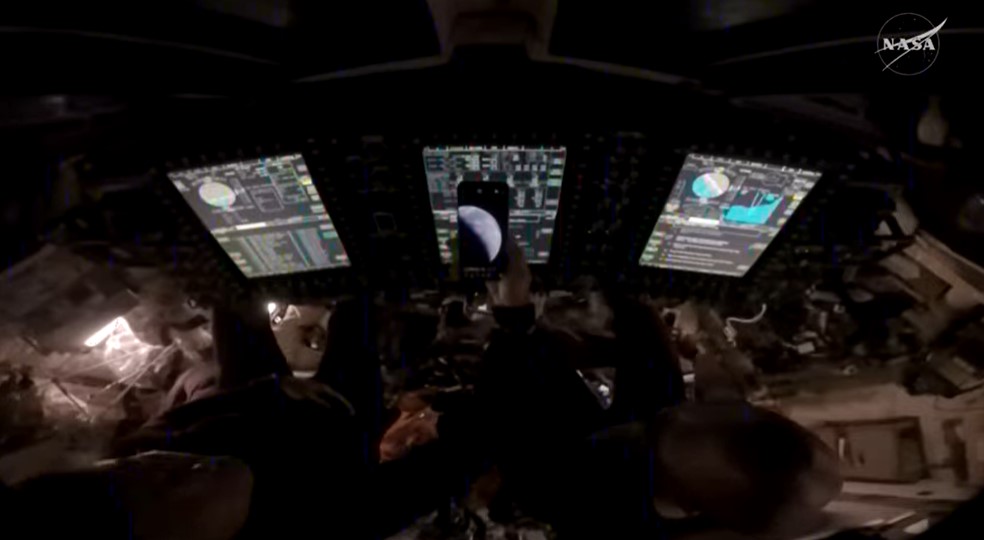
Summary: NASA’s Artemis II crew executed the final trajectory correction burn on Flight Day 10, a minor 8-second thruster firing to refine Orion’s path toward Earth. The crew is now finalizing cabin configuration for re-entry, with splashdown targeted for 8:07 p.m. EDT off San Diego. Recovery operations will be conducted by NASA and Department of Defense personnel from the USS John P. Murtha.
Why it matters: The nominal completion of this final burn confirms the mission is on track for a precise, controlled return, a critical test of Orion’s systems and operational procedures before the crewed lunar landing of Artemis III.
Context: Artemis II is an uncrewed lunar flyby test of the Orion spacecraft and its life support systems, serving as the essential precursor to landing humans on the Moon. A successful, data-rich return validates re-entry, recovery, and crew procedures under actual flight conditions.
"At 2:53 p.m. EDT, the Orion spacecraft ignited its thrusters for 8 seconds, producing a change in velocity of 4.2 feet-per-second and pushing Artemis II toward Earth." — NASA.GOV
Commentary: The burn’s precision—a delta-v of just 4.2 ft/s—highlights the maturity of Orion’s navigation and guidance systems for fine-tuning the return trajectory. The shift to recovery operations, involving DOD assets, marks the transition from deep-space flight to the complex maritime and medical operations required for crew retrieval, a non-trivial phase often under-analyzed in mission coverage.
Date: Fri, 10 Apr 2026 19:16:59 +0000
URL: https://www.nasa.gov/blogs/missions/2026/04/10/artemis-ii-flight-day-10-crew-completes-final-burn-before-splashdown/
AI Sentiment Score: Positive (50%)
AI Credibility Score: 10.0/10 — High
Scores and text generated by AI analysis of the source article indicated.
Artemis II Flight Day 9: Second Return Correction Burn Complete (Nasa.Gov)
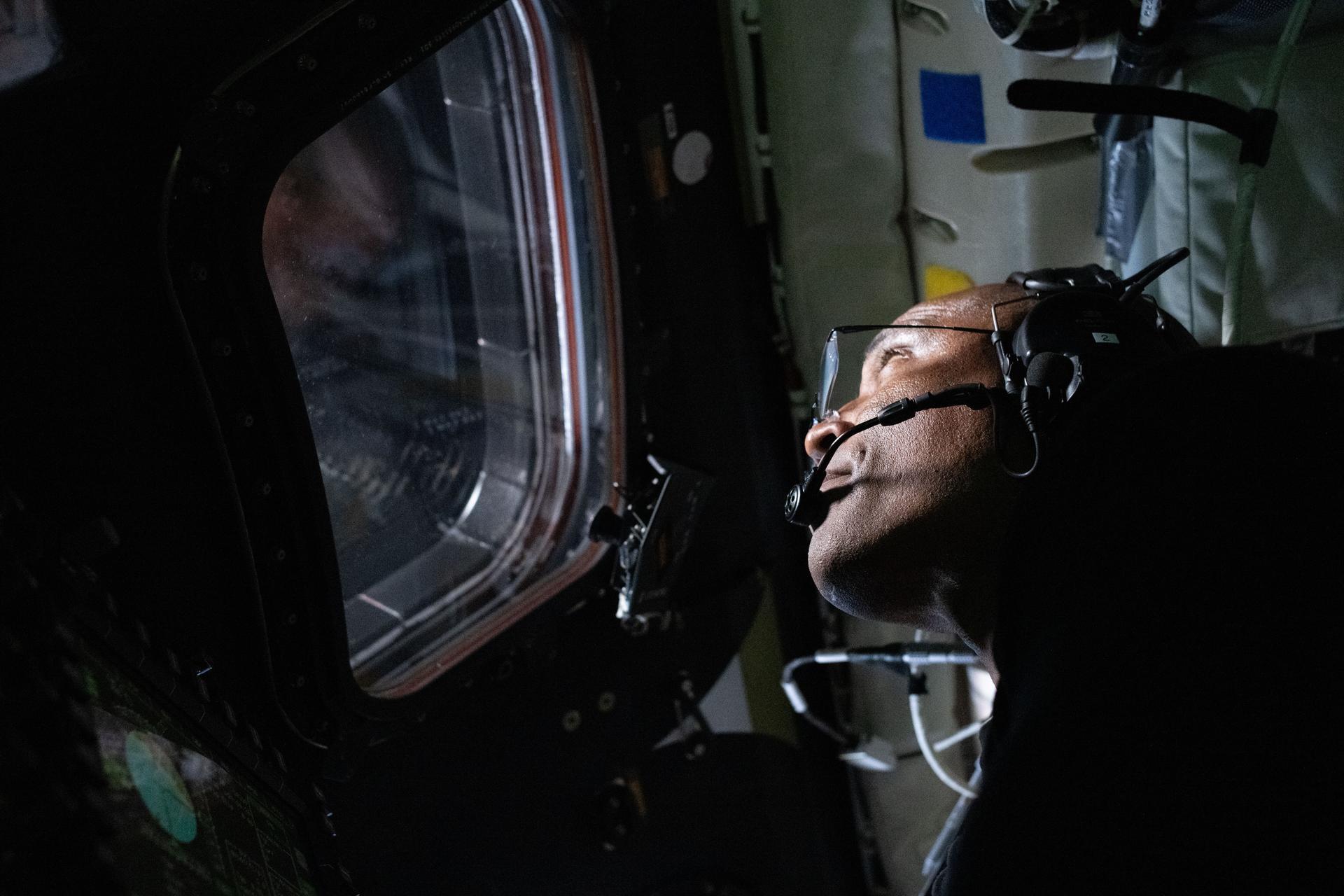
Summary: NASA’s Artemis II Orion spacecraft executed its second planned return correction burn on Flight Day 9, a 9-second thruster firing that adjusted velocity by 5.3 feet-per-second. The maneuver occurred after a brief, unexpected communications loss during a data rate change, which was resolved prior to the burn. A third correction burn is scheduled for April 10, leading to a targeted splashdown off San Diego that same evening.
Why it matters: This operational update confirms the nominal execution of critical trajectory adjustments for crew return, while the brief signal loss highlights the persistent, low-level technical friction inherent in deep-space communications.
Context: Return correction burns are routine for fine-tuning re-entry trajectories, but any unplanned communications interruption, however brief, is scrutinized as a potential signal of systemic vulnerability in the mission’s ground-to-space data links.
"Artemis II Flight Day 9: Second Return Correction Burn Complete At 10:53 p.m. EDT, the Orion spacecraft ignited its thrusters for 9 seconds, producing an acceleration in velocity of 5.3 feet-per-second and." — NASA.GOV
Commentary: The burn’s precision underscores Orion’s operational readiness for crewed return, a core requirement for Artemis. The transient comms loss, while resolved, will feed into post-mission reviews of the S-band and Ku-band systems’ robustness under dynamic configuration changes—a minor event with major implications for future mission rules and redundancy design.
Date: Fri, 10 Apr 2026 04:02:17 +0000
URL: https://www.nasa.gov/blogs/missions/2026/04/10/artemis-ii-flight-day-9-second-return-correction-burn-complete/
AI Sentiment Score: Negative (75%)
AI Credibility Score: 10.0/10 — High
Scores and text generated by AI analysis of the source article indicated.
Post ID: bc85ea49