Interactive Art
Artist Julio Le Parc, Maestro of Light, Movement, and Defiance, Dies at 97 (Hyperallergic)
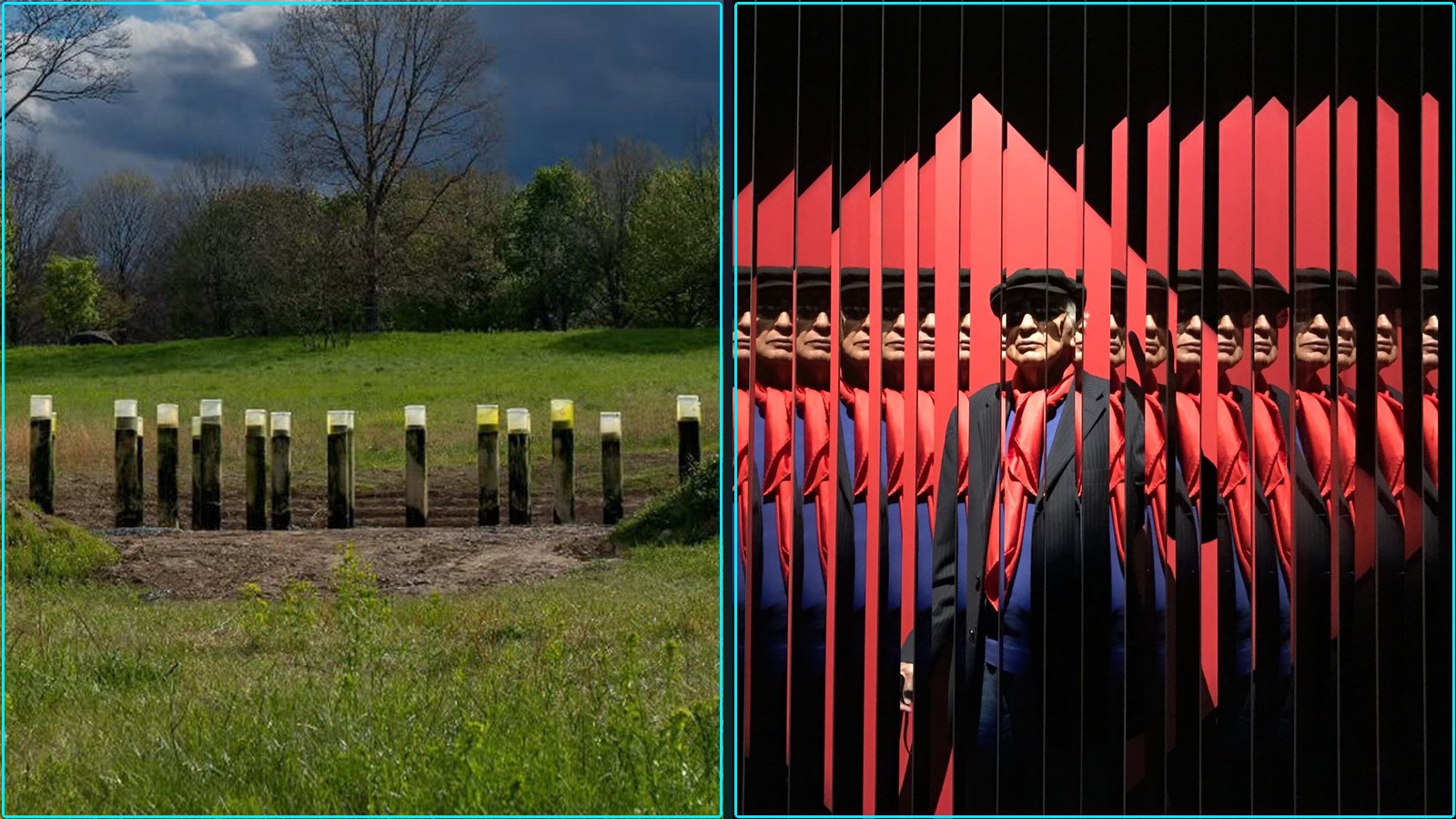
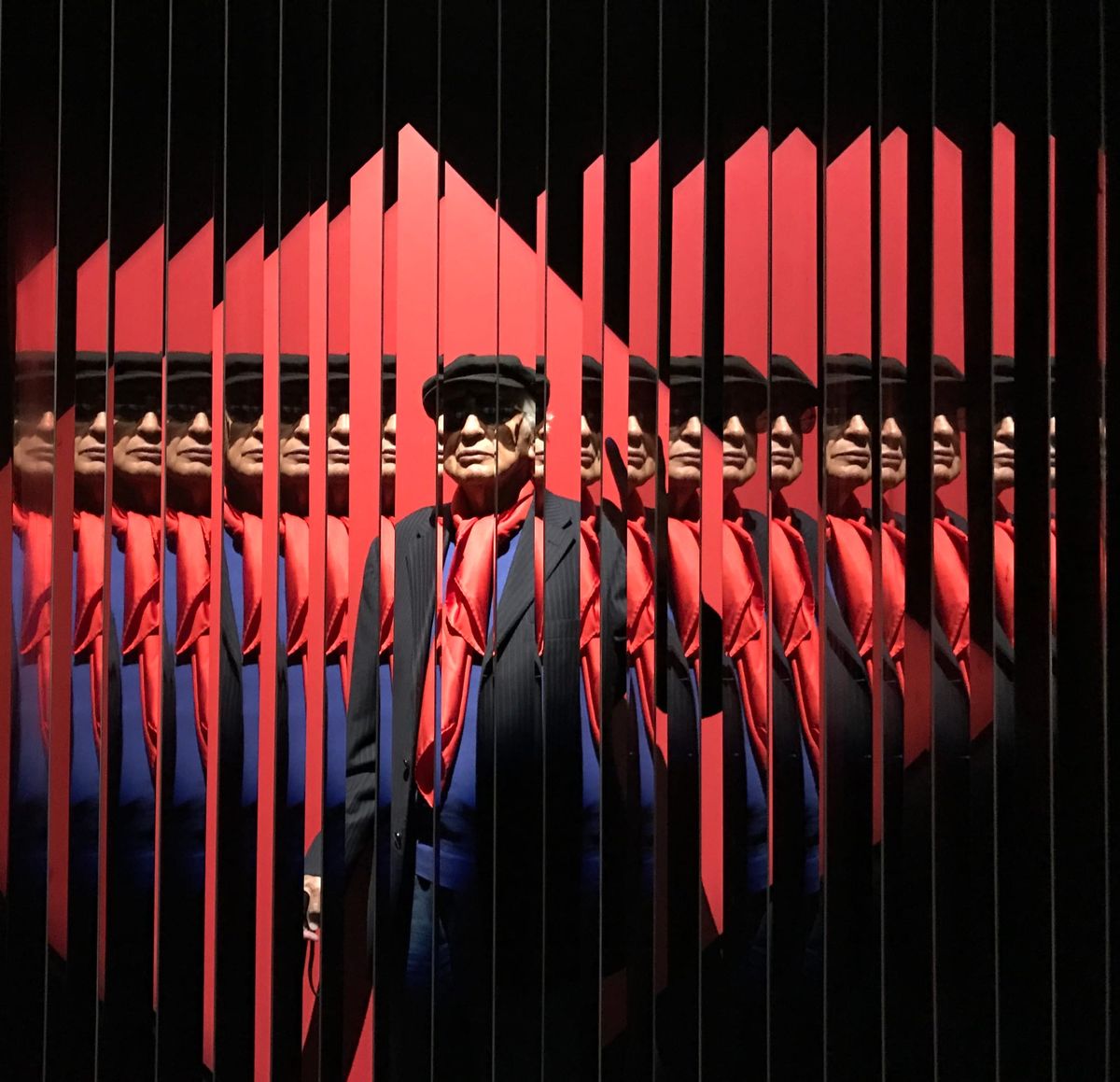
Summary: Julio Le Parc, a foundational figure in kinetic and Op art, has died at 97. His practice was defined by interactive installations that required viewer movement to complete the work and a lifelong political commitment that saw him boycott major institutions, cancel a solo show via coin toss, and use comic strips to document state violence. His death precedes a major Tate Modern retrospective, shifting the exhibition’s context from a career celebration to a posthumous institutional reckoning with an artist who viewed museums as gymnasiums for democratic experience, not temples for passive contemplation.
Why it matters: Le Parc’s death and the imminent retrospective force a practical reassessment of how institutions maintain, interpret, and stage participation-driven works whose political and operational DNA actively resists institutional absorption.
Context: Le Parc co-founded the Groupe de Recherche d’Art Visuel (GRAV), which rejected the solitary genius model and championed collective authorship. His career presents a persistent case study in an artist leveraging interactive mechanics for explicit political agitation, from 1968 protest posters to the 1971 Contrabienal counter-exhibition.
"The upcoming exhibition crowns and reaffirms the significance of my father,” Le Parc’s son, Yamil Le Parc, told Hyperallergic. “His ideology, his rebellious and nonconformist spirit, are needed today more than ever." — HYPERALLERGIC
Commentary: The Tate’s retrospective now operates under a different curatorial mandate: it must historicize an artist who systematically sabotaged the very authority it represents. For conservators and experience designers, this means maintaining kinetic, light-based works whose technical failure would contradict their purpose of activation. For programming teams, it pressures the creation of parallel public engagement that mirrors Le Parc’s ‘cultural guerrilla’ tactics, moving beyond safe interactivity to confront contemporary institutional contradictions.
Date: Tue, 02 Jun 2026 19:39:37 GMT
URL: https://hyperallergic.com/artist-julio-le-parc-maestro-of-light-movement-and-defiance-dies-at-97/
AI Sentiment Score: Negative (80%)
AI Credibility Score: 10.0/10 — High
Scores and text generated by AI analysis of the source article indicated.
‘you cannot scroll past a smell’: anicka yi on microbial time and the politics of the senses (Designboom)
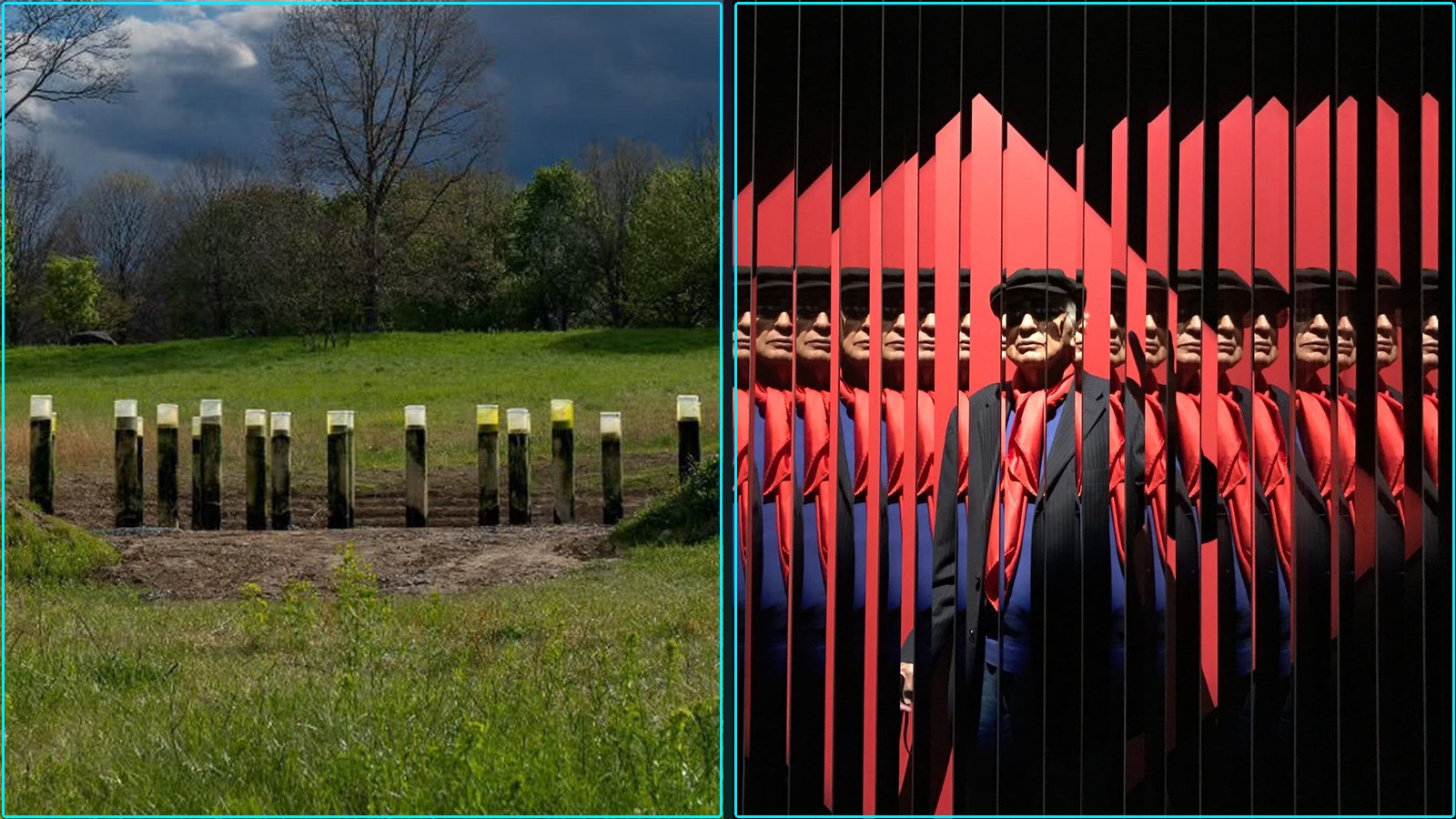
Summary: Anicka Yi’s ‘Message from the Mud’ at Storm King Art Center is a living installation of twenty Winogradsky columns that evolve via microbial activity over the exhibition’s six-month run. The work explicitly operates on ‘microbial time,’ challenging contemporary consumption habits and privileging sensory, embodied engagement over visual detachment. Yi frames this as part of a ‘biopolitics of the senses,’ arguing that scent and atmosphere force a collapse between observer and environment that resists sterile, screen-based control.

Why it matters: For institutions and experience designers, it operationalizes a shift from presenting static objects to staging and maintaining complex, living systems with their own agency and timelines.
Context: Yi’s practice, which incorporates scent, bacteria, and AI, has long treated the artwork as a node within a broader ecological or technological system, redefining artistic authorship as cultivating conditions rather than imposing form.
"anicka yi installs a different kind of clock at ny’s king art center Anicka Yi is asking visitors to listen to the earth with Message from the Mud, a fictional archaeological dig." — DESIGNBOOM
Commentary: The project imposes new operational demands: curatorial and facilities teams must manage biological processes as a core part of the artwork, not as a maintenance issue. It reframes public engagement as an exercise in patience, requiring institutions to design for an audience experience that is cumulative and non-linear, fundamentally altering metrics for visitor interaction and institutional storytelling.
Date: Wed, 03 Jun 2026 13:00:44 +0000
URL: https://www.designboom.com/art/anicka-yi-microbial-time-politics-senses-interview/
AI Sentiment Score: Negative (80%)
AI Credibility Score: 10.0/10 — High
Scores and text generated by AI analysis of the source article indicated.
Post ID: d9e36092