Media Production
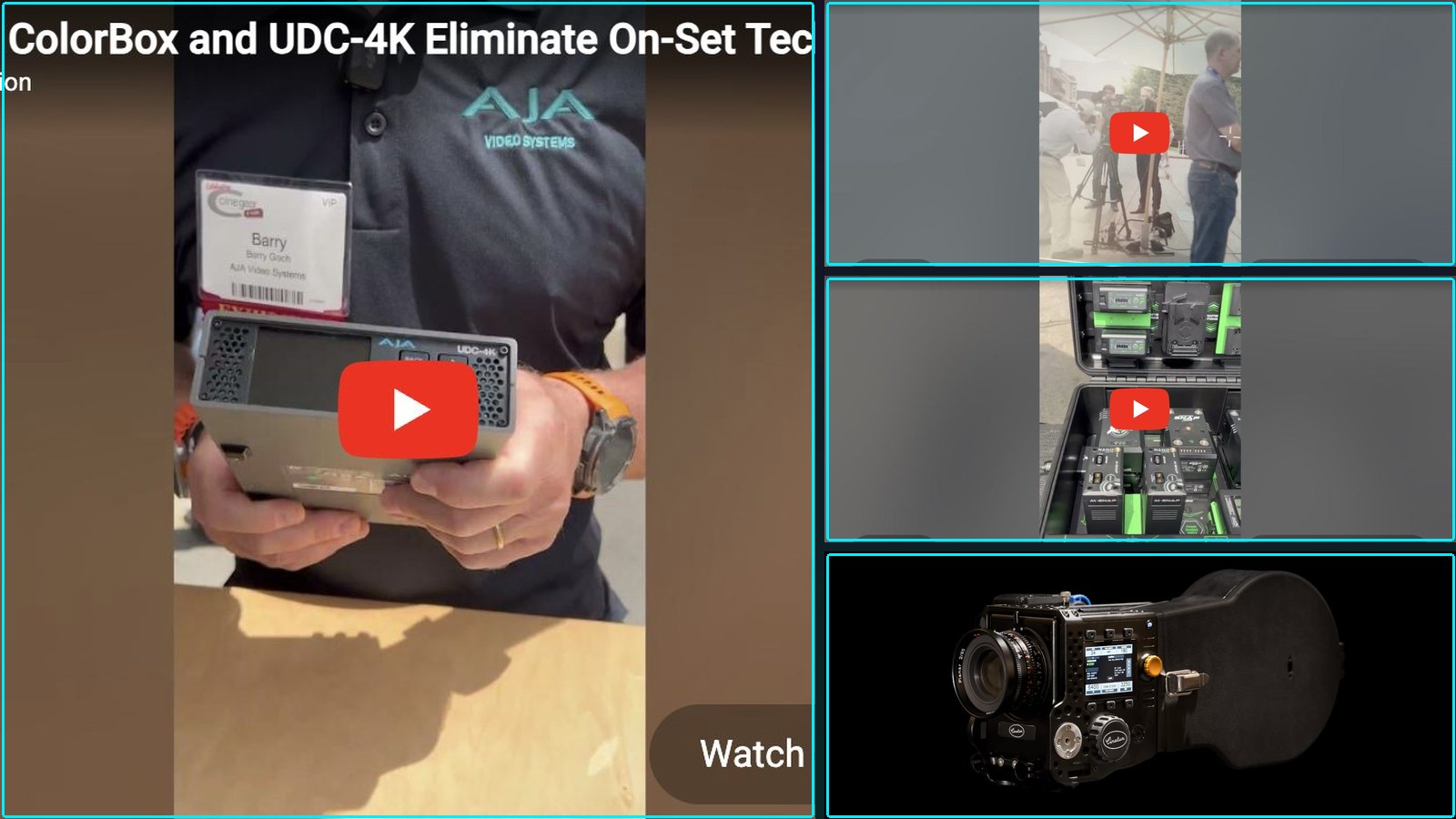
AJA at Cine Gear 2026 – How ColorBox and UDC-4K Solve the Chaos of Modern Multi-Format Sets (Provideocoalition)
Summary: At Cine Gear 2026, AJA Video Systems introduced two hardware solutions targeting the signal-chain complexity of hybrid production. The ColorBox is a portable color management and HDR processing unit designed for real-time LUT application and conversion across cinema, live, and virtual sets. The UDC-4K is a rugged, standalone up/down/cross-converter with frame sync and a 1-to-4 DA, built for immediate field troubleshooting of mismatched formats. Both devices emphasize 12G-SDI/HDMI 2.0 connectivity, 4K/60p processing, and operational simplicity to bridge cinematic, broadcast, and virtual workflows.

Why it matters: For DITs, engineers, and production managers, these tools directly address the labor and time costs of reconciling disparate color pipelines and video formats on set, moving critical technical reconciliation from post into principal photography.
Context: The industry’s shift toward hybrid workflows—merging high-end cinema, live broadcast, and real-time virtual production—has created persistent signal-chain chaos, demanding hardware that can unify color and format in real time without a laptop.
"The contemporary set is no longer a isolated island of traditional cinema acquisition but is instead a collaborative environment where high-end cinematic aesthetics, live broadcast engineering, and real-time virtual engines overlap daily." — PROVIDEOCOALITION
Commentary: AJA’s move signals a pivot from selling discrete I/O to providing integrated signal-path infrastructure, commoditizing real-time color and format conversion as a set utility. This reduces the bespoke engineering burden on crews and enables a more predictable, color-managed pipeline from acquisition, crucial for productions blending LED volumes with live feeds. The standalone, push-button design of the UDC-4K, in particular, operationalizes format conversion, shifting it from a specialist’s task to a line-item in the grip truck.
Date: June 07, 2026 04:17 PM ET
URL: https://www.provideocoalition.com/aja-at-cine-gear-2026-how-colorbox-and-udc-4k-solve-the-chaos-of-modern-multi-format-sets/
AI Sentiment Score: Negative (50%)
AI Credibility Score: 10.0/10 — High
Scores and text generated by AI analysis of the source article indicated.
ZEISS at Cine Gear 2026 – Hands-On with Panoptes 65 Lens Series and the CinCraft Scenario System (Provideocoalition)
Summary: At Cine Gear Expo 2026, ZEISS introduced two integrated products targeting the high-end 65mm production pipeline: the Panoptes 65 prime lens series and the CinCraft Scenario camera tracking system. The ten-lens set, covering a 59.9mm image circle at T2.2, is engineered for cameras like the ARRI Alexa 265 and includes native eXtended Data (XD) metadata support. The CinCraft Scenario system is a real-time tracking solution designed to function in any environment—indoors, outdoors, on LED volumes, or against greenscreen—by utilizing natural features or digital markers, and it pre-calculates lens characteristics to eliminate manual calibration.

Why it matters: This dual launch directly addresses two critical friction points in high-budget, VFX-heavy 65mm workflows: securing consistent, high-performance optics for the format and streamlining the notoriously cumbersome camera tracking process for virtual production.
Context: The 65mm digital format is gaining traction for premium episodic and feature work, but lens options remain limited compared to full-frame, and on-set virtual production tracking often requires constrained, dedicated environments.
"The ZEISS CinCraft Scenario system completely rewrites this script, serving as a hardware and software ecosystem that functions across virtually any environment. It is the only real-time camera tracking solution engineered to work seamlessly indoors and outdoors, on conventional film sets, against green and blue screens, and inside advanced LED volumes." — PROVIDEOCOALITION
Commentary: ZEISS is shifting from a component supplier to a workflow integrator. The operational consequence is a potential reduction in pre-light and calibration time for virtual production stages, increasing shoot-day flexibility and lowering the technical barrier for using 65mm in complex VFX sequences. For rental houses and DITs, the embedded XD data and pre-calibrated tracking creates a more predictable, plug-and-play asset, but it also deepens vendor lock-in within the ZEISS ecosystem.
Date: June 07, 2026 03:59 PM ET
URL: https://www.provideocoalition.com/zeiss-at-cine-gear-2026-hands-on-with-panoptes-65-lens-series-and-the-cincraft-scenario-system/
AI Sentiment Score: Negative (50%)
AI Credibility Score: 10.0/10 — High
Scores and text generated by AI analysis of the source article indicated.
Core SWX at Cine Gear 2026 – Streamlining the On-Set Power Crisis (Provideocoalition)
Summary: Core SWX unveiled the PowerVault system at Cine Gear Expo 2026, a modular charging and power management case designed to consolidate the disparate battery and charger ecosystem common on professional sets. The system features five configurable bays with swappable SNAP adapters for various battery formats, GaN architecture for fast charging, and integrated high-wattage power delivery outputs. It functions as both a charging station and an active, off-grid power distribution hub for mobile carts.

Why it matters: It directly addresses a persistent logistical and capital expense bottleneck for production managers and rental houses by centralizing and future-proofing power infrastructure, potentially reducing kit clutter, charger redundancy, and downtime.
Context: On-set power management has remained a fragmented, vendor-specific challenge even as camera packages diversify, forcing crews to maintain a collection of single-purpose chargers and adapters.
"By turning a pile of loose plastic chargers into an intelligent, hot-swappable infrastructure tool, Core SWX has eliminated one of the biggest logistical bottlenecks on set." — PROVIDEOCOALITION
Commentary: The operational shift is from a consumable accessory model to a capital infrastructure one. For rental departments and production companies, this moves power from a per-camera-line item to a centralized, amortizable asset that simplifies kit prep and reduces the need to stock proprietary chargers for every new camera format. The high-wattage PD Pro ports and Power Sharing Mode also signal a move toward treating the power case as a primary, not auxiliary, source for running high-draw monitors and transmitters on location, altering cart build logistics.
Date: June 07, 2026 03:38 PM ET
URL: https://www.provideocoalition.com/core-swx-at-cine-gear-2026-streamlining-the-on-set-power-crisis/
AI Sentiment Score: Negative (50%)
AI Credibility Score: 10.0/10 — High
Scores and text generated by AI analysis of the source article indicated.
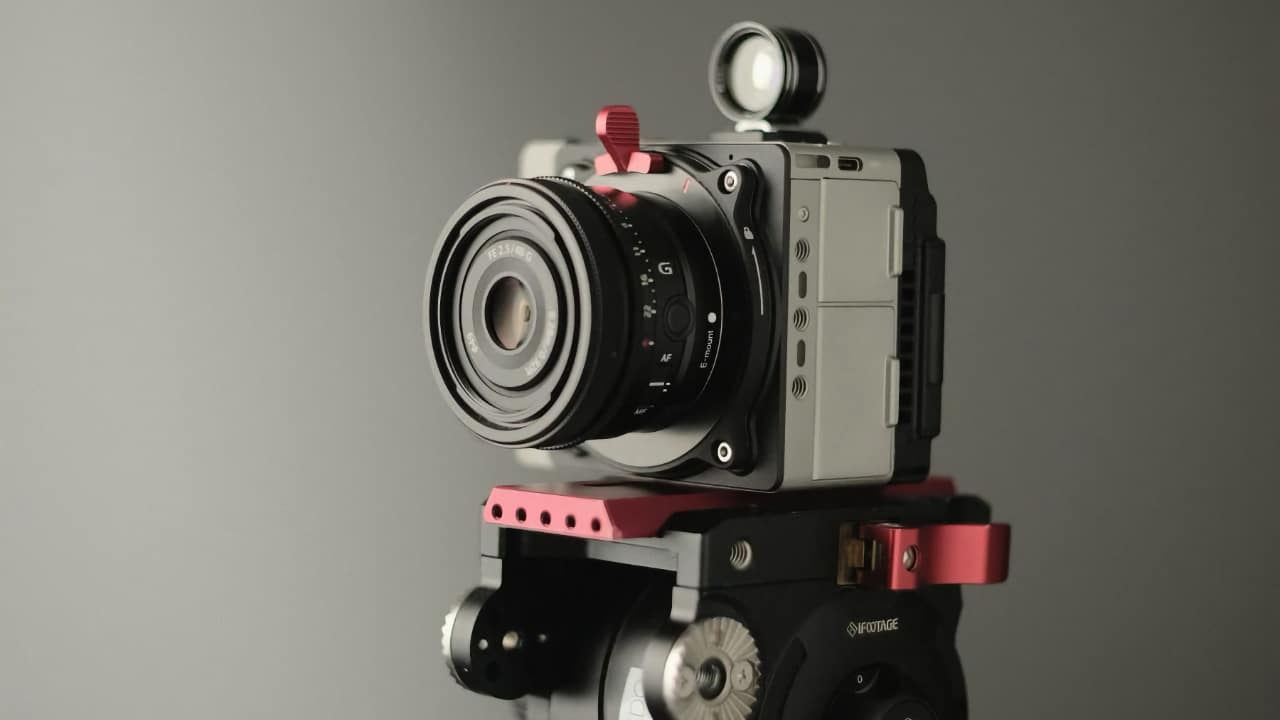
Kinefinity Vista: full-frame 6K pre-order, $2,499 (Redsharknews)
Summary: Kinefinity has opened pre-orders for the Vista, a palm-sized, full-frame 6K cinema camera, at an introductory price of $1,999. The camera features a 6016 × 3984 Open Gate sensor, dual native ISO, internal 220 GB SSD storage, and records ProRes 422HQ or H.265. Shipping is estimated in 3–8 weeks.
Why it matters: This pricing and spec combination pressures the mid-tier cinema camera market, offering a full-frame, high-resolution tool at a point that could disrupt rental and ownership calculations for independent productions and small crews.
Context: The sub-$3,000 full-frame cinema camera segment has become increasingly competitive, with manufacturers trading on sensor size, codec flexibility, and form factor to capture market share from established players.
"Kinefinity’s palm-sized full-frame 6K cinema camera is officially on pre-order at $1,999, with shipping in three to eight weeks. The Vista was the once of the buzziest cameras of NAB 2026, and." — REDSHARKNEWS
Commentary: The integrated SSD and dual-card backup in this form factor directly addresses a critical on-set workflow pain point—media management and cost—while the aggressive pricing recalibrates the cost-benefit analysis for owning versus renting high-end sensor technology. This move will likely accelerate the commoditization of 6K full-frame capture, forcing competitors to match not just on specs but on total operational cost, including media and power.
Date: June 05, 2026 08:31 AM ET
URL: https://www.redsharknews.com/kinefinity-vista-price-specs-release
AI Sentiment Score: Negative (69%)
AI Credibility Score: 10.0/10 — High
Scores and text generated by AI analysis of the source article indicated.
New in Frame.io: New SDK Updates, Japanese Language Support, Firefly Apps, and Frictionless Premiere Login (Blog.Frame.Io)
Summary: Frame.io has released a suite of updates focused on developer integration, language expansion, and workflow automation. The Python and TypeScript SDKs now abstract away complex upload and authentication logic, enabling simpler custom pipeline development. The platform has added Japanese language support and deeper integration with Adobe’s Firefly generative tools and Premiere Pro, aiming to reduce friction in global and creative review workflows.
Why it matters: These updates lower the technical barrier for custom ingest and automation tooling while tightening the operational loop between asset creation, AI-assisted generation, and review, directly impacting pipeline efficiency and global team coordination.
Context: Frame.io’s evolution under Adobe has centered on becoming a central nervous system for media workflows, where ease of integration and seamless access are critical competitive levers against standalone review platforms and internal studio tools.
"The Frame.io Python SDK now handles large local file uploads with a single call—built to be reliable on big files and flaky networks. And the TypeScript SDK now ships with a built-in OAuth 2.0 module that handles the full Adobe IMS authentication lifecycle, so developers no longer need to roll their own auth to integrate with Frame.io V4." — BLOG.FRAME.IO
Commentary: The SDK updates represent a shift from a platform to a programmable utility, allowing post houses and media ops teams to build robust, custom ingest pipelines without maintaining low-level networking code. The Firefly and Premiere integrations signal Adobe’s strategy to make Frame.io the default collaboration layer within its ecosystem, potentially locking in workflows but improving throughput for teams already committed to Creative Cloud. The Japanese support is a necessary, if belated, step for global enterprise deals, where local language compliance is often a procurement requirement.
Date: Wed, 27 May 2026 15:00:00 +0000
URL: https://blog.frame.io/2026/05/27/whats-new-in-frame-io-sdk-japanese-support-firefly-premiere/
AI Sentiment Score: Negative (70%)
AI Credibility Score: 10.0/10 — High
Scores and text generated by AI analysis of the source article indicated.
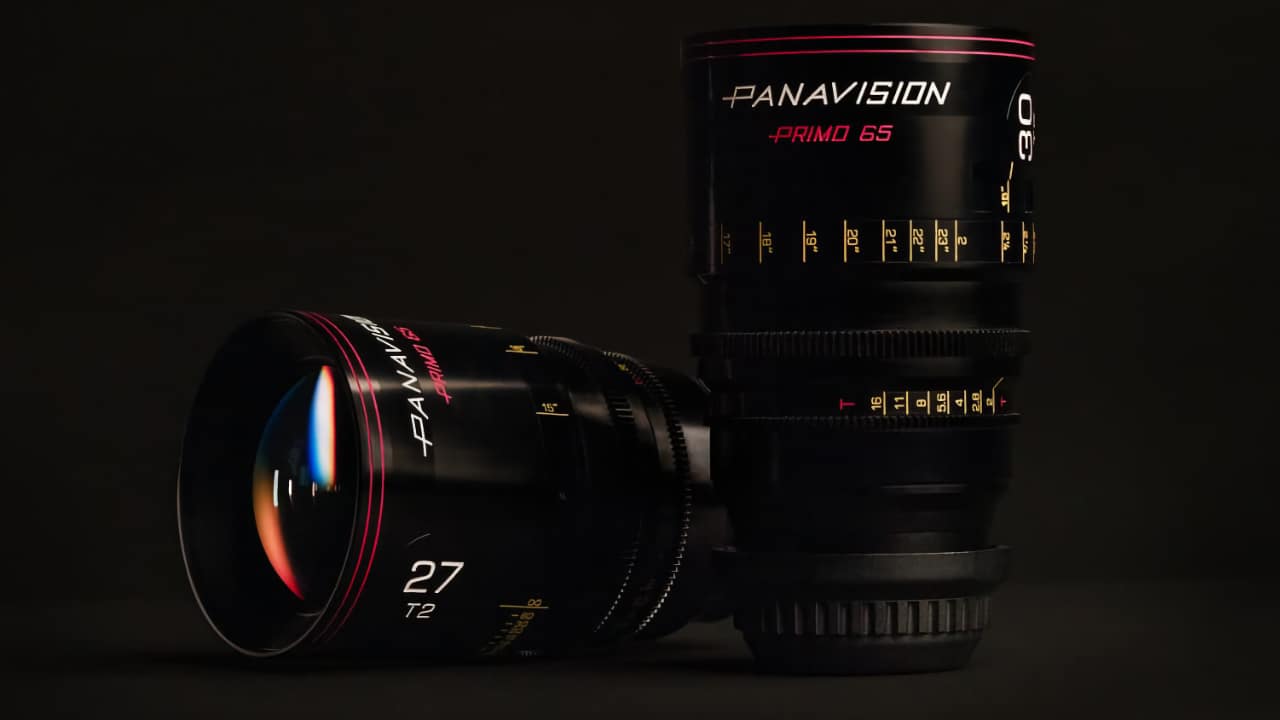
Panavision Primo 65 and Angénieux EZ65: new 65mm lenses (Redsharknews)
Summary: Panavision and Angénieux have extended their flagship lens lines to cover 65mm sensor formats, with Panavision launching the Primo 65 spherical primes and a 65ZW wide zoom, and Angénieux announcing the EZ65 series of two zooms. The Primo 65 set, developed from cinematographer requests, offers a matched family of 12 focal lengths with consistent ergonomics and the controlled optical character of the original Primos. Angénieux’s EZ65 lenses aim to translate the ergonomics and cinematic look of its popular EZ zooms to the larger format. Both moves signal continued vendor investment in 65mm as a production standard beyond high-end features.
Why it matters: This expands the practical lens toolkit for 65mm workflows, giving cinematographers and rental houses more options to match established visual signatures to large-format projects, which affects prep, on-set efficiency, and visual continuity across formats.
Context: The 65mm format, driven by cameras like the ARRI Alexa 65 and Panavision DXL2, has moved from a niche large-format option to a more common high-end production standard, creating demand for a broader range of supporting optics that offer specific, familiar looks.
"Panavision says the Primo 65 set was built in response to direct requests from cinematographers who wanted Primo characteristics from lenses that cover a 65mm sensor. The 12 focal lengths run from 21mm T2 through to 225mm T2.5, all sharing a common 112.8 mm front diameter and consistently spaced focus and iris rings to make lens changes faster on set." — REDSHARKNEWS
Commentary: The strategic re-engineering of legacy lens families for 65mm is a capital-efficient move for manufacturers, leveraging proven optical designs and brand equity to meet a clear market gap. For productions, it reduces the creative risk of adopting 65mm by offering predictable, time-tested optical signatures, which streamlines the DP’s and director’s selection process. The focus on ergonomic consistency, like common front diameters and control layouts, directly targets on-set speed—a tangible operational benefit for crews under time pressure. This expansion, particularly Panavision’s rental-only model, reinforces the format’s position in the high-end rental ecosystem rather than the owner-operator market.
Date: June 05, 2026 04:36 AM ET
URL: https://www.redsharknews.com/panavision-primo-65-angenieux-ez65-lens-series
AI Sentiment Score: Positive (44%)
AI Credibility Score: 10.0/10 — High
Scores and text generated by AI analysis of the source article indicated.
Beat: free Mac app for shoot planning (Redsharknews)
Summary: Beat, a free, local-first Mac app for shoot planning, integrates storyboarding, set planning, and AI-assisted editing on a single visual canvas. Built by filmmaker João Lutz, it requires no account, collects no data, and stores projects as plain folders. The tool features a node-based system for narrative beats, a physically modeled set planner for lighting and blocking, and direct integration with Claude AI via MCP. Its release and rapid update to v1.1 signal a shift toward accessible, professional-grade pre-production tools that bypass traditional SaaS models.
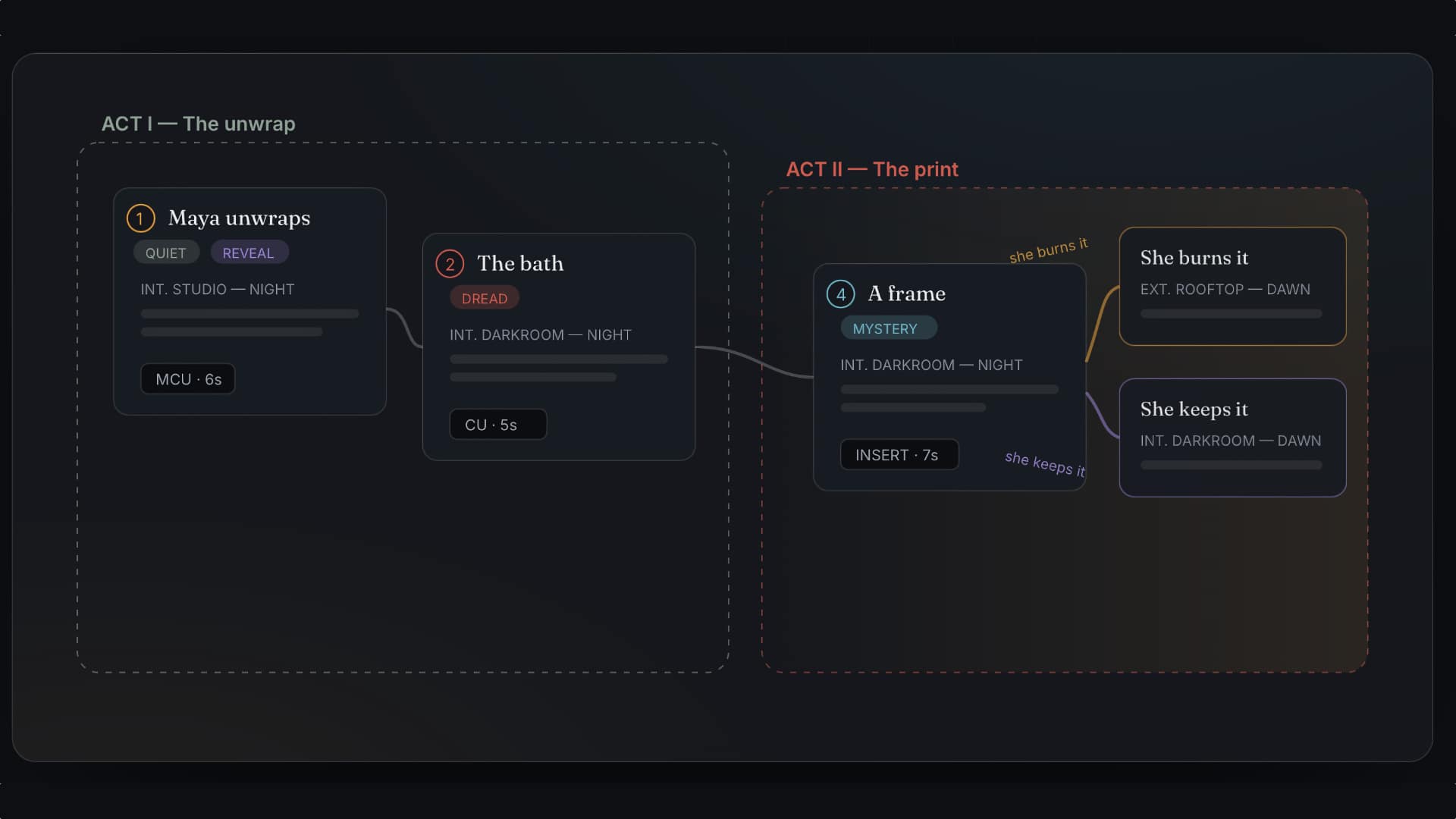
Why it matters: For producers, directors, and line producers, Beat lowers the cost and complexity barrier to detailed pre-visualization, potentially reducing on-set time and miscommunication while keeping creative assets entirely under the user’s control.
Context: Pre-production software is typically subscription-based or tied to cloud services, creating vendor lock-in and data privacy concerns for independent and studio projects alike.
"Beat is a free, local-first Mac app that puts story beats, blocking diagrams, and Claude AI on one canvas. Built by a filmmaker, no account required, no strings. Love this. Beat is." — REDSHARKNEWS
Commentary: Beat’s operational model—local-first, free, and AI-integrated—directly challenges the SaaS economics of tools like StudioBinder or ShotPro, shifting value from recurring revenue to user adoption and workflow embedding. For production managers, the set planner’s physical accuracy (FOV calculation, light falloff) could standardize technical prep across departments, reducing costly on-set adjustments. The Claude MCP integration, by allowing AI to manipulate the project file, points toward a future where AI becomes a direct collaborator in the pre-vis pipeline, not just a text prompt tool.
Date: June 06, 2026 02:00 AM ET
URL: https://www.redsharknews.com/beat-free-mac-app-for-shoot-planning
AI Sentiment Score: Negative (66%)
AI Credibility Score: 10.0/10 — High
Scores and text generated by AI analysis of the source article indicated.
Cinelux SIXTEEN Super 16 hybrid camera: 2027 launch (Redsharknews)
Summary: Cinelux is targeting a 2027 launch for its SIXTEEN hybrid Super 16 camera, a prototype that simultaneously exposes film and captures a 3K digital image in a single shutter revolution. The system promises dual delivery for scanning and on-set workflows, with independent film speed and shutter angle controls enabling new creative techniques. Priced below a used ARRI 416 package, the production model aims for 120 fps on both paths, 1000′ magazines, and real-time film stock emulation.
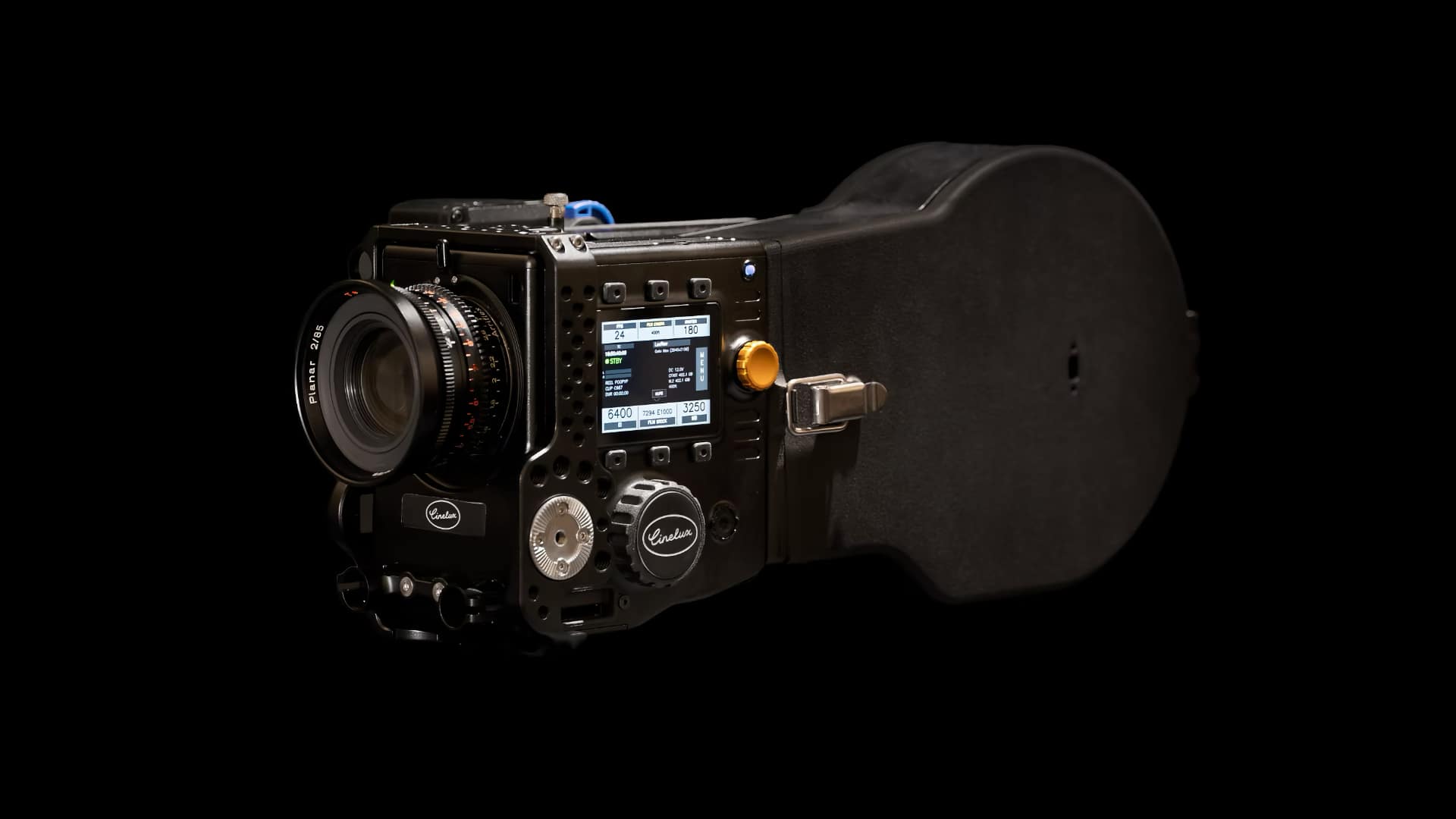
Why it matters: This hybrid architecture directly addresses the operational friction and cost of maintaining separate film and digital workflows, potentially reshaping budgeting, on-set department collaboration, and post-production pipelines for Super 16 productions.
Context: The market for Super 16 has persisted in niche narrative and commercial production, but workflows remain bifurcated, requiring separate systems for film capture and digital monitoring, dailies, and editorial.
"It’s designed to expose film and capture digital simultaneously in a single shutter revolution, and does that by replacing a traditional optical viewfinder with a 3K digital cinema sensor at the gate. That means that each shutter rotation produces both a film frame and a digital capture from the same image path." — REDSHARKNEWS
Commentary: The operational consequence is the collapse of a multi-day lab-and-scan delay into immediate digital dailies, fundamentally altering the director of photography’s on-set feedback loop and the editor’s timeline. If the promised real-time emulation holds, it grants color and VFX departments a reliable digital reference aligned to the film negative from day one, reducing downstream reconciliation. The sub-$50k target positions it as a capital expenditure alternative to renting high-end digital packages for projects seeking a film finish, potentially shifting vendor calculus for rental houses and indie studios.
Date: June 05, 2026 06:28 AM ET
URL: https://www.redsharknews.com/cinelux-sixteen-hybrid-super-16-camera-2027
AI Sentiment Score: Negative (71%)
AI Credibility Score: 10.0/10 — High
Scores and text generated by AI analysis of the source article indicated.
Post ID: 56a79ae0