
Art Exhibits, Monographs, and Artist Spotlights
The 5 Best Booths at CAN Ibiza 2026 (Artsy.Net)
Summary: CAN Ibiza, the island’s contemporary art fair, marks its fifth year with record attendance and sales, positioning itself as a relaxed, accessible counterpoint to major art fairs. Galleries from Madrid, London, Bucharest, and Los Angeles presented works tailored to the locale, with strong sales reported across price points, particularly for emerging artists. The fair’s curator notes its identity as a ‘cultural intermezzo’ during visitors’ holidays, shaping a distinctively vibrant and less formal atmosphere.

Why it matters: It signals a maturation and geographic diversification of the art market, where secondary-tier fairs cultivate distinct cultural niches and commercial viability outside traditional hubs.
Context: The global art fair circuit has been criticized for homogenization and fatigue, creating demand for curated, experience-driven events that blend commerce with local culture.
"The 5 Best Booths at CAN Ibiza 2026 Installation view of Secteur Privé’s booth at CAN Ibiza 2026. Photo by @sayanacairo Courtesy of CAN Ibiza. CAN Art Fair Ibiza turns five this." — ARTSY.NET
Commentary: CAN Ibiza’s success demonstrates a market shift where fairs are valued as much for their curated experience and audience as for their transactional volume. Its model—leveraging a holiday destination to lower barriers for both collectors and galleries—validates a strategy of intentional niche over scale. This pressures established fairs to reconsider their atmospherics and could accelerate the rise of regionally anchored events with global rosters. For galleries, it offers a lower-stakes environment to introduce emerging artists to an international, but relaxed, buying pool.
Date: June 26, 2026 10:33 AM ET
URL: https://www.artsy.net/article/artsy-editorial-5-best-booths-ibiza-2026
AI Sentiment Score: Negative (66%)
AI Credibility Score: 10.0/10 — High
Scores and text generated by AI analysis of the source article indicated.
How Frida Kahlo Became an Icon, in 5 Portraits (Artsy.Net)
Summary: Tate Modern’s 2026 exhibition uses five portraits to trace Frida Kahlo’s construction of a global icon. The curation moves from her first self-portrait, painted to regain a lover’s affection after her accident, through paintings of marital betrayal and physical pain, to photographic documentation of her crafted Tehuana image, and finally to contemporary reinterpretations like Yasumasa Morimura’s. The show frames her life’s work as a deliberate act of self-invention, where personal style and self-portraiture became tools to transform suffering into a universal symbol.

Why it matters: The exhibition crystallizes a market-ready, institutional narrative that elevates Kahlo from artist to a modular brand, reshaping her legacy for contemporary identity politics and commercial appeal.
Context: Major museum retrospectives often codify an artist’s posthumous market and cultural status, shifting focus from art-historical critique to legacy management and brand alignment.
"Through self-portraits, photographs, and contemporary reinterpretations, the exhibition examines both the experiences that shaped her art and the lasting influence she has had on future generations of artists." — ARTSY.NET
Commentary: Tate’s framing risks reducing Kahlo’s complex oeuvre to a linear ‘origin story’ for an easily consumable icon. This curatorial approach serves institutions and markets by creating a stable, teachable narrative, but may flatten the political and artistic tensions in her work that resist such neat packaging.
Date: June 25, 2026 11:19 AM ET
URL: https://www.artsy.net/article/artsy-editorial-frida-kahlo-icon-5-portraits
AI Sentiment Score: Negative (50%)
AI Credibility Score: 10.0/10 — High
Scores and text generated by AI analysis of the source article indicated.
Why Keith Haring’s Little-Known Sculptures Are Worth a Closer Look (Artsy.Net)
Summary: A major exhibition at Crystal Bridges Museum of American Art, ‘Keith Haring in 3D,’ reframes the artist’s legacy by focusing on his extensive but lesser-known sculptural and three-dimensional work. The show reveals Haring’s practice of transforming found objects—from cars to crutches—into canvases, his deep engagement with ancient Egyptian and Greek art, and his collaborative performances with figures like Bill T. Jones and Grace Jones. It positions his Pop Shop not as a commercial sideline but as a core, democratic extension of his artistic philosophy.
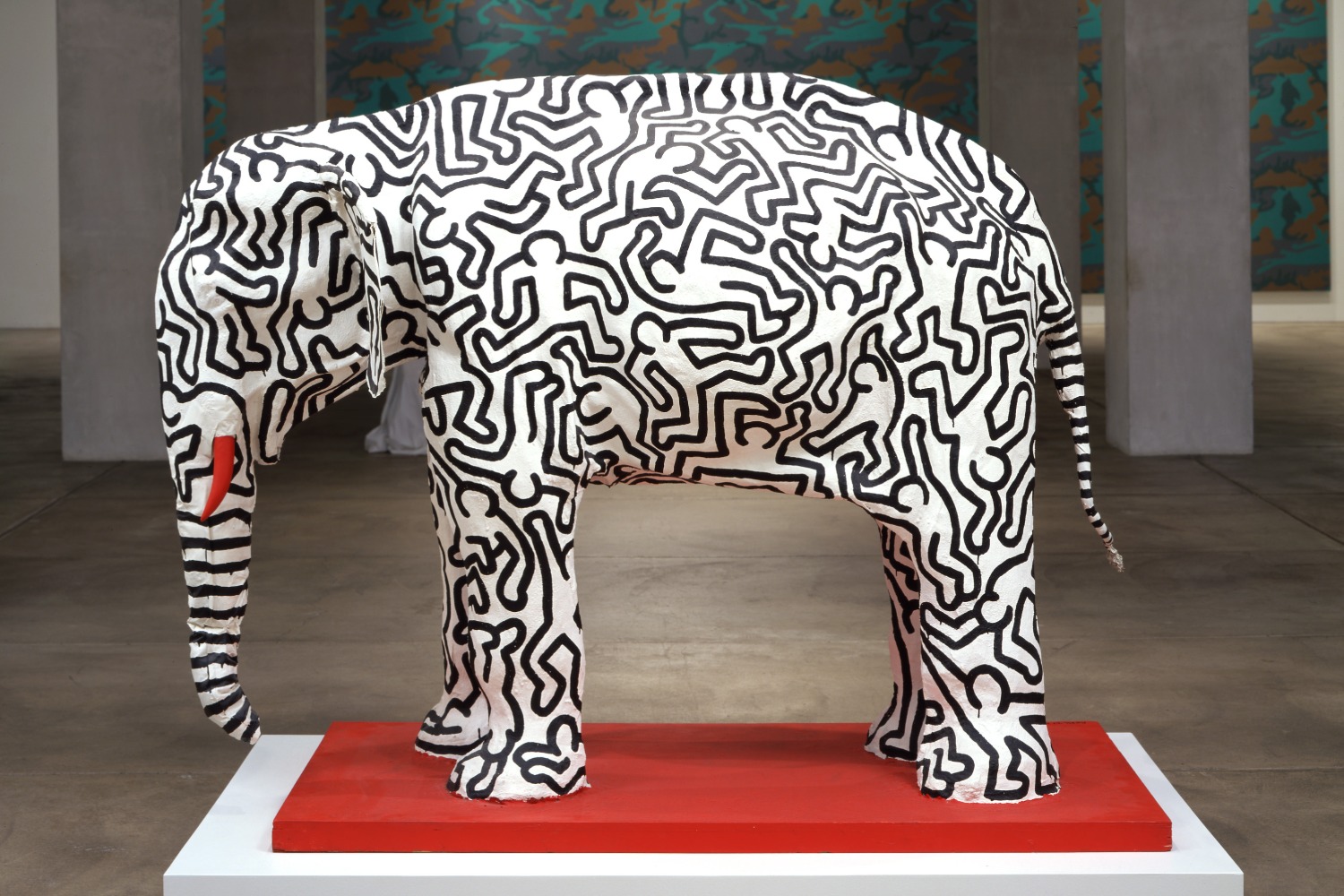
Why it matters: This re-evaluation challenges the flattened, two-dimensional popular perception of Haring’s work, forcing a reassessment of his artistic depth and the institutional frameworks that have historically categorized him.
Context: The art market and major museums are increasingly revisiting canonical 20th-century figures to expand their narratives beyond signature styles, often uncovering overlooked dimensions that complicate an artist’s commercial and critical legacy.
"Though he is perhaps best known for the arresting drawing patterns that are familiar cultural touchpoints, he also produced sculptures, though they have received less attention until now." — ARTSY.NET
Commentary: The exhibition’s curatorial focus on 3D work directly contests the ‘easy’ populist reading of Haring, forcing a confrontation with the materiality and political weight behind the playful lines. This shift may recalibrate his market, elevating sculptural pieces and performance documentation, while pressuring institutions like MoMA or the Whitney to integrate these facets into their permanent collections and historical narratives.
Date: June 25, 2026 11:12 AM ET
URL: https://www.artsy.net/article/artsy-editorial-keith-harings-little-known-sculptures-worth-closer
AI Sentiment Score: Negative (75%)
AI Credibility Score: 10.0/10 — High
Scores and text generated by AI analysis of the source article indicated.
Why are watch brands so drawn to working with artists? (Wallpaper)
Summary: Watch brands are increasingly collaborating with fine artists to create limited-edition ‘art watches,’ moving beyond traditional product design partnerships. Brands like Alto, Ressence, Anordain, and Paulin are commissioning artists to design dials and even movements, resulting in technically challenging, philosophically distinct objects. These collaborations are framed as a means to inject originality into a crowded market and bridge the worlds of horology and contemporary art.
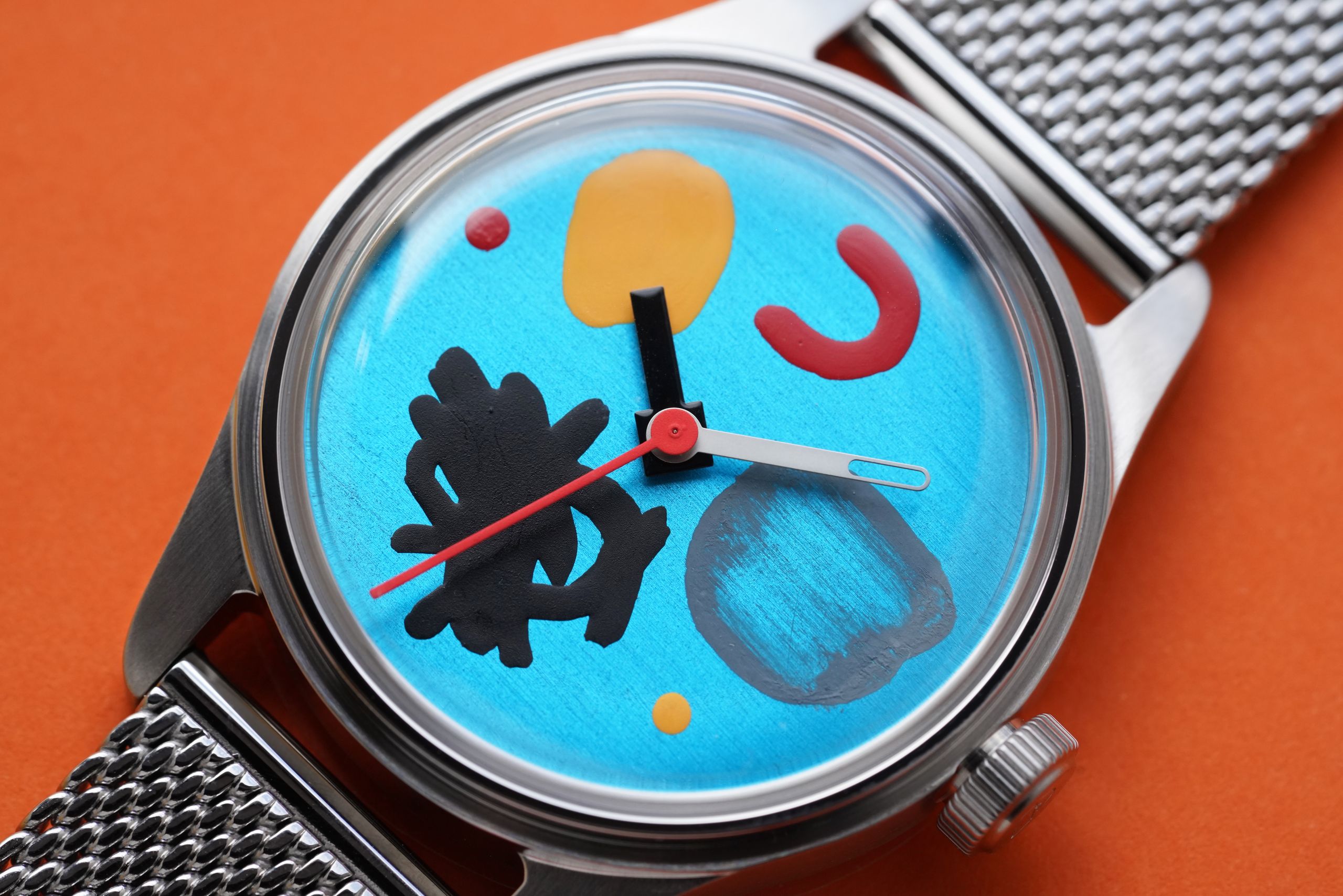
Why it matters: This trend signals a strategic shift in luxury branding, where exclusivity is derived from artistic credibility and conceptual depth rather than pure technical complication or celebrity endorsement.
Context: The luxury watch market is saturated with commercially-driven collaborations, making genuine artistic partnerships a point of differentiation for independent brands seeking a discerning, art-collecting clientele.
"Why are watch brands so drawn to working with artists? Watchmakers have long collaborated with product designers on designs, but working with fine artists – that’s another level of challenge. Given that." — WALLPAPER
Commentary: This represents a maturation of the collaboration model, prioritizing conceptual risk over mass-market appeal. It repositions the watch as a portable gallery piece, appealing to a collector base that values provenance and narrative over mere function. The technical constraints of watchmaking force a productive tension, filtering out purely decorative ideas in favor of those that integrate with the mechanics of timekeeping. Success here could pressure larger maisons to pursue similarly esoteric partnerships, further blurring the lines between craft, commerce, and contemporary art.
Date: June 28, 2026 06:00 AM ET
URL: https://www.wallpaper.com/watches-jewellery/art-watches
AI Sentiment Score: Negative (55%)
AI Credibility Score: 10.0/10 — High
Scores and text generated by AI analysis of the source article indicated.
A new monograph spotlights Miyako Ishiuchi, photographer of the belongings of Frida Kahlo and Hiroshima victims (Wallpaper)
Summary: A new monograph, ‘Ishiuchi Miyako: Traces,’ consolidates the legacy of photographer Miyako Ishiuchi, framing her as a pivotal visual archivist. Her practice, spanning five decades, eschews direct documentary to focus on the traces of history—scars, clothing, personal belongings—as repositories of memory. Key series include ‘Yokosuka Story,’ ‘Mother’s,’ and her internationally recognized work photographing the belongings of Hiroshima victims and Frida Kahlo.
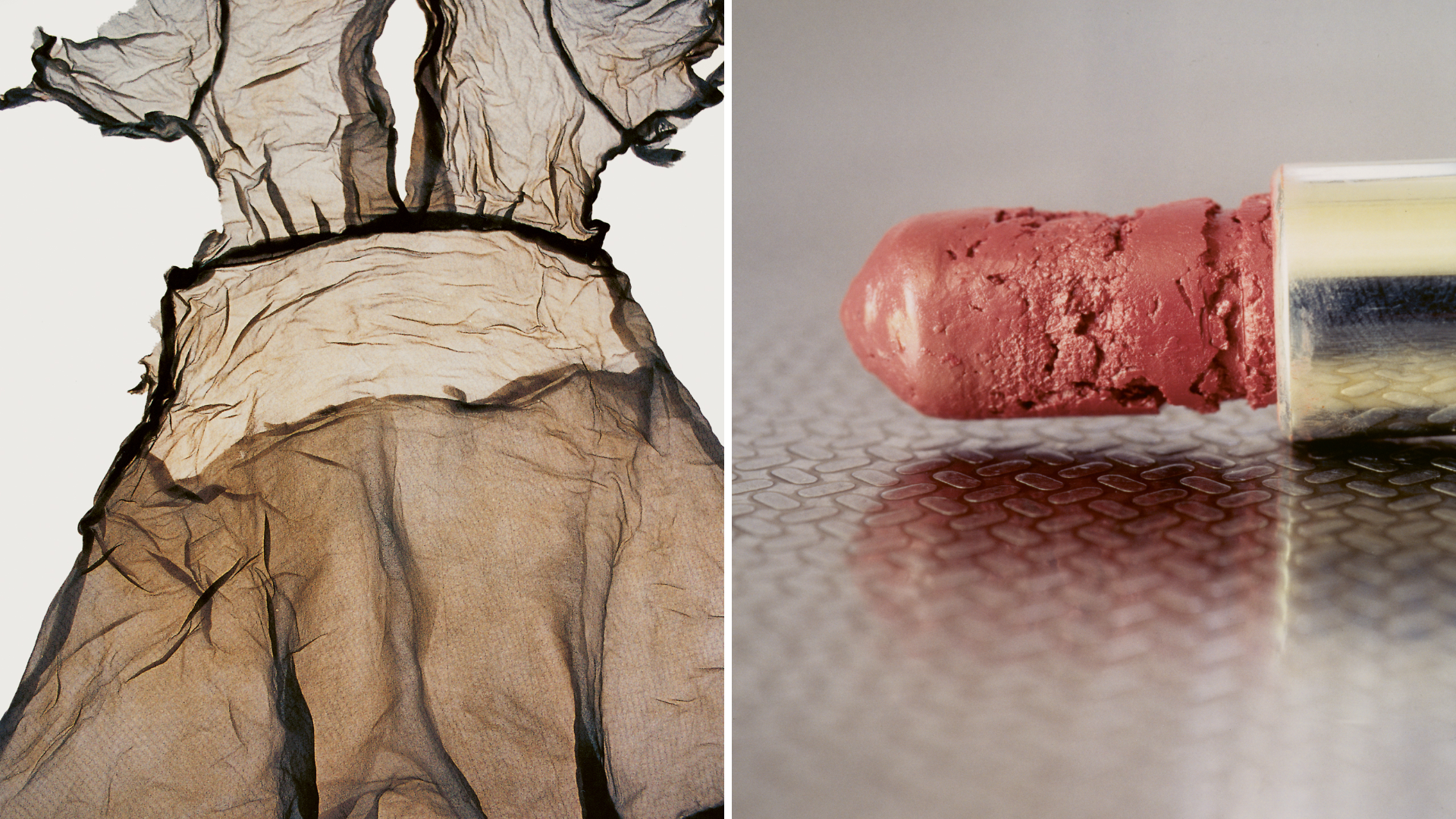
Why it matters: It signals a formal re-evaluation of a major artist whose methodology of photographing absence and residue offers a critical lens on history, memory, and the gendered dynamics of the photography canon.
Context: This monograph arrives amid broader institutional efforts to reassess post-war Japanese photography and correct historical narratives shaped by male-dominated perspectives.
"At the heart of Ishiuchi’s work lies the premise that history reveals itself through surfaces. Rather than documenting events, she photographs the traces they leave behind – scars on skin, worn clothing, crumbling apartments, lipstick tubes, dentures." — WALLPAPER
Commentary: The monograph’s publication acts as a forcing mechanism for museums and critics to engage with Ishiuchi’s archival sensibility as a distinct historical methodology. Her focus on the intimate residue of trauma and celebrity, from Hiroshima to Kahlo, challenges curatorial practices that privilege event-centric narratives, potentially shifting acquisition and exhibition strategies toward more material-culture approaches. This formal recognition may also accelerate the market and academic repositioning of other women photographers from similar eras whose work has been historically undervalued.
Date: June 25, 2026 12:59 PM ET
URL: https://www.wallpaper.com/art/photography/miyako-ishiuchi-traces-photography-book
AI Sentiment Score: Negative (66%)
AI Credibility Score: 10.0/10 — High
Scores and text generated by AI analysis of the source article indicated.
Seven beautiful designer monographs on the makers who defined a century (Wallpaper)
Summary: Wallpaper* curates a list of seven designer monographs, positioning them as essential historical documents and art objects. The selection, featuring figures like Gaetano Pesce, Dieter Rams, and Charlotte Perriand, frames design history through the lens of individual creative vision rather than purely technical or commercial evolution. The article implicitly argues for the continued cultural and market relevance of these canonical figures.
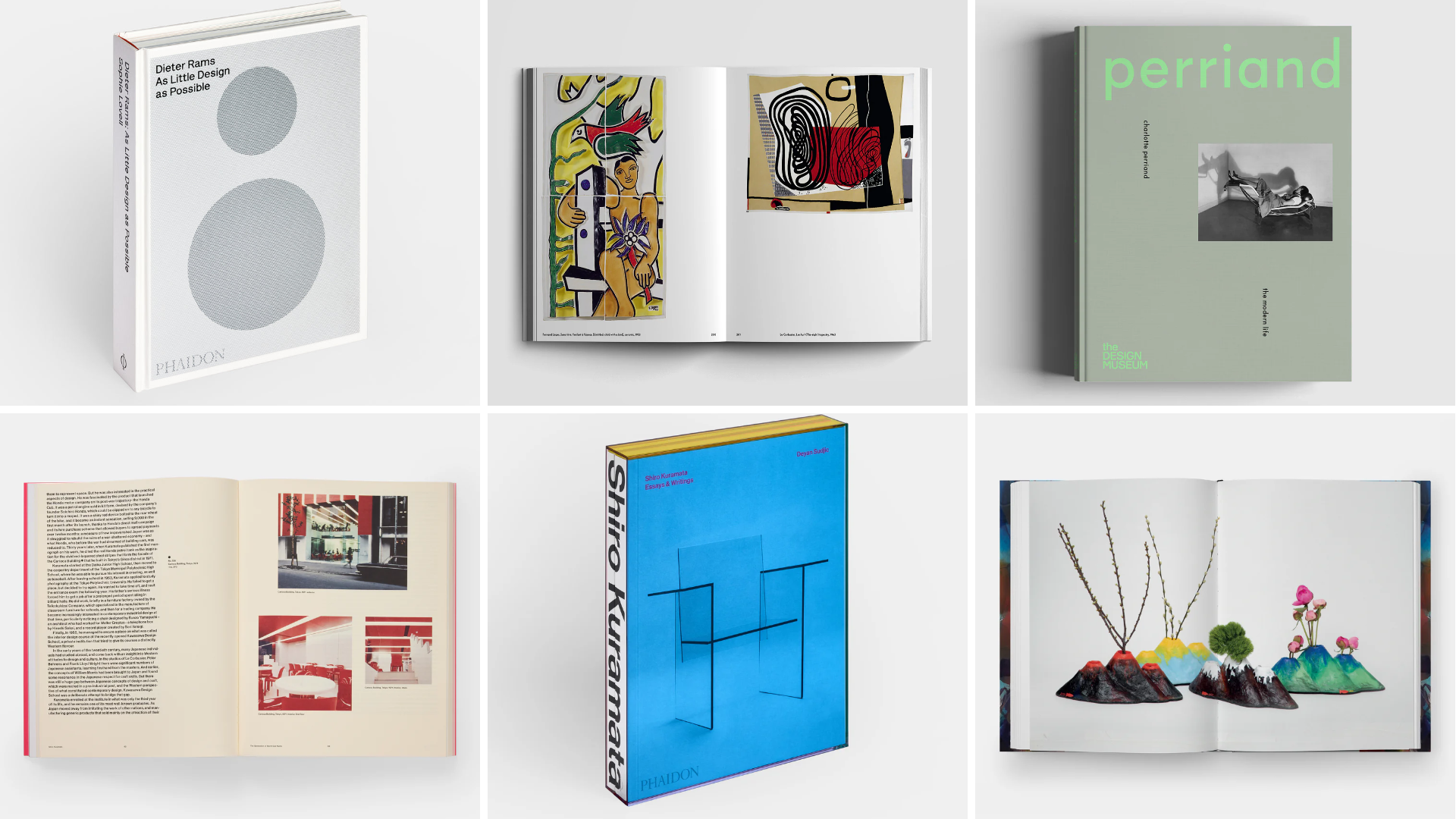
Why it matters: In an era of digital ephemerality and AI-generated design, the physical monograph represents a deliberate investment in legacy, curation, and the enduring market for authoritative cultural capital.
Context: The luxury publishing market for design monographs remains robust, serving collectors, institutions, and professionals seeking to anchor contemporary practice in established lineages.
"Seven beautiful designer monographs on the makers who defined a century From Charles and Ray Eames to Dieter Rams, these landmark volumes chart the visionaries who shaped modern design – and their." — WALLPAPER
Commentary: The list functions as a canon-reinforcing mechanism, subtly shaping which legacies are deemed investable. The inclusion of Perriand, framed as a ‘reassessment,’ highlights how the market and institutions correct historical oversights, creating new valuation opportunities. The focus on physical books underscores a counter-trend to digital consumption, where tactile quality and authoritative curation command premium pricing.
Date: June 26, 2026 12:09 PM ET
URL: https://www.wallpaper.com/design-interiors/designer-monographs-books-about-designers
AI Sentiment Score: Positive (50%)
AI Credibility Score: 10.0/10 — High
Scores and text generated by AI analysis of the source article indicated.
Post ID: 1dc3837d