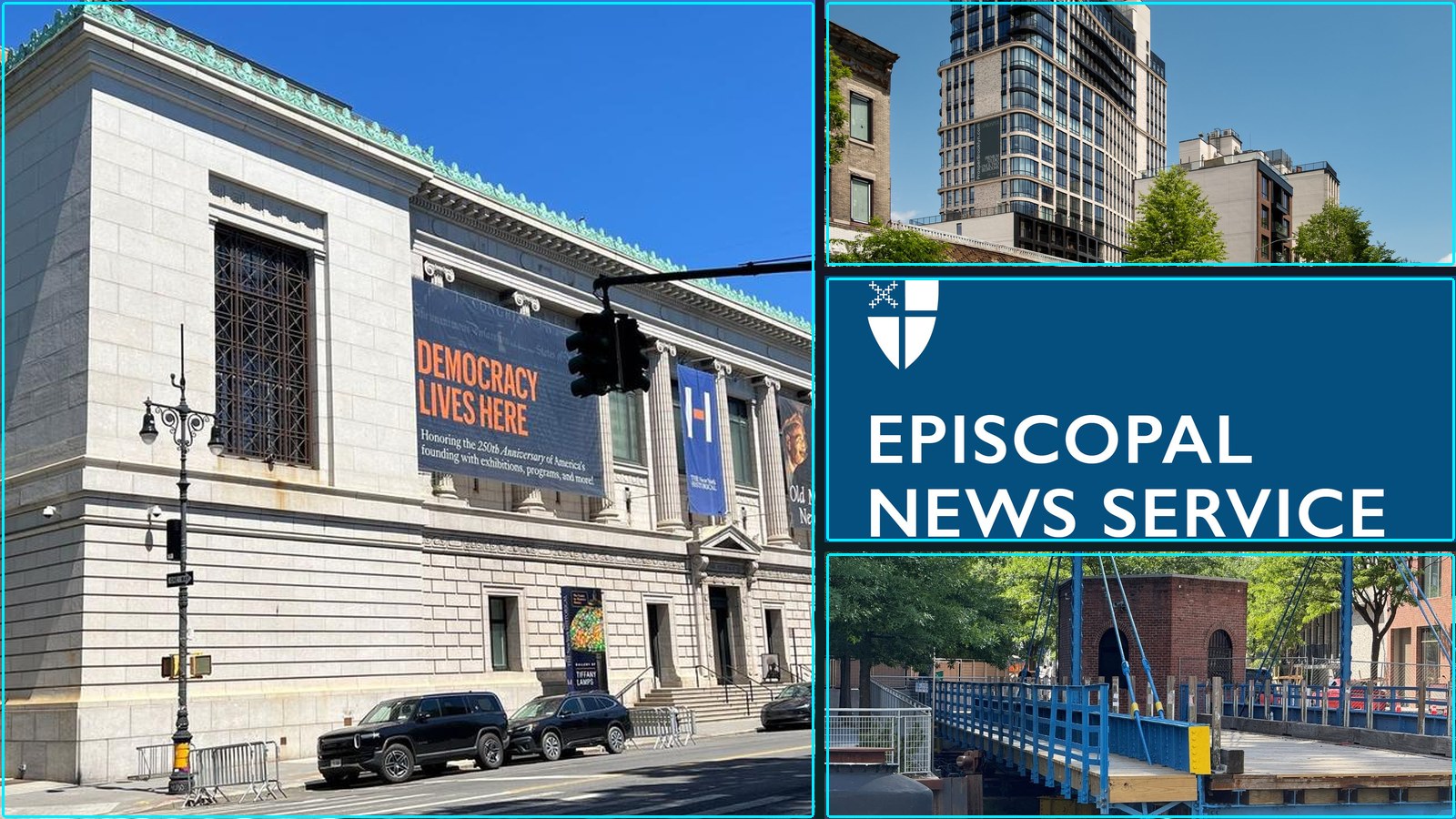
New York City, NY
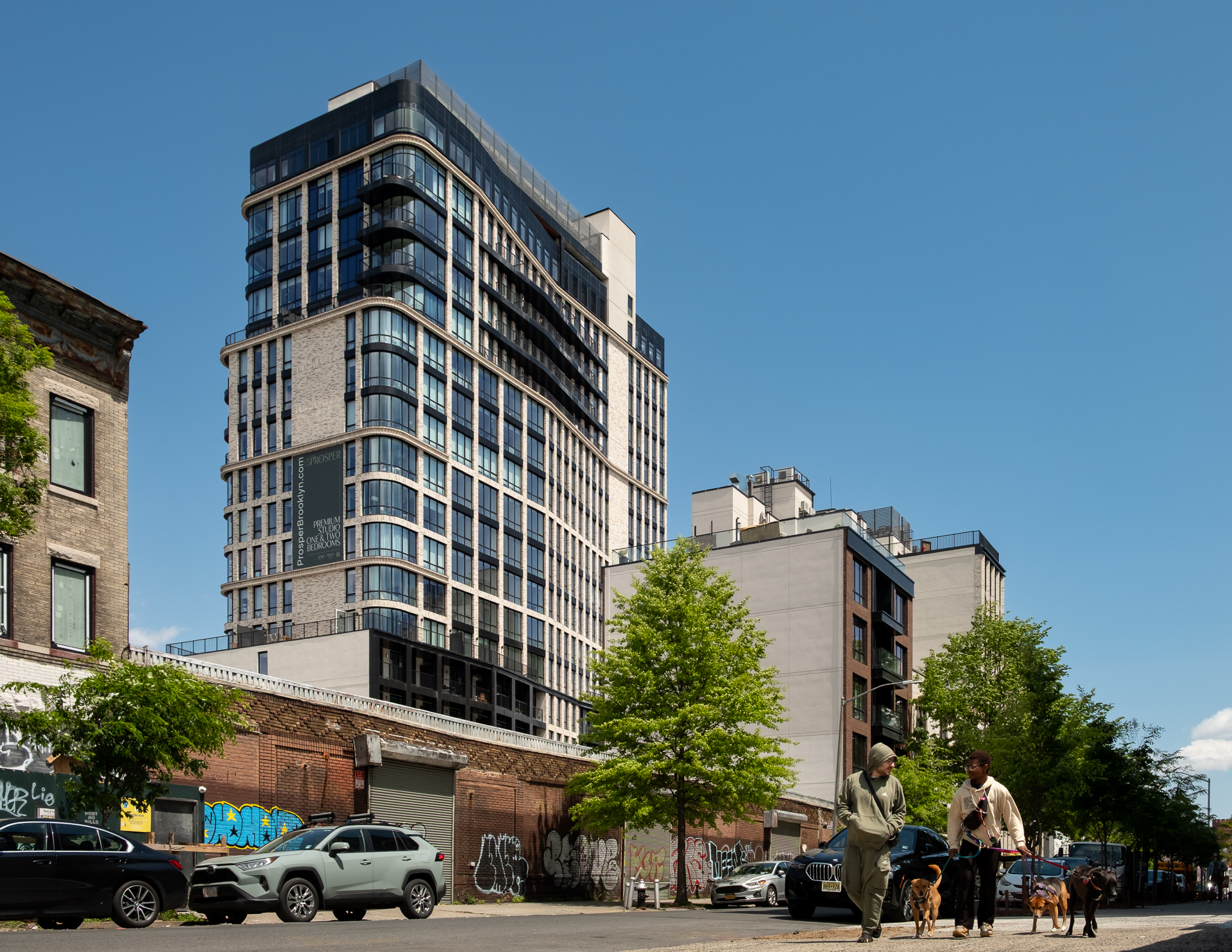
How a 35% Affordable Housing Pledge in Brooklyn Was Torpedoed (Citylimits)
Summary: In 2022, Councilmember Crystal Hudson secured a record-setting 35% affordable housing commitment from developers of two Atlantic Avenue projects in Brooklyn. Four years later, after interest rate hikes and closed-door negotiations, the buildings opened with only 25% affordability, and the promised anti-displacement funds were redirected to a donated site that may eventually yield 46 affordable units—if future government funding materializes. The developer, Elie Pariente, gained his upzonings ahead of competitors under the area-wide Atlantic Avenue Mixed-Use Plan, which now requires only 25% affordability. The episode reveals the fragility of voluntary community benefits agreements and the limits of enforcement when market conditions shift.
Why it matters: This case exposes the structural weakness of voluntary affordability pledges in New York City’s rezoning process, where developers can renegotiate commitments behind closed doors and community boards are left in the dark, setting a precedent that may chill future ambitious bargaining.
Context: The Atlantic Avenue corridor rezoning (AAMUP) was approved three years after these spot rezonings, and now mandates only 25% affordable units at 60% AMI—less than the original 35% pledge. The developer’s strategy of buying land quietly and leveraging rezoning ahead of rivals is a familiar playbook in gentrifying Brooklyn.
"“It was up to them to determine whether it was worth the legal fight with the developer to enforce the CBA rather than come to an alternative agreement—a decision I was neither involved in, nor informed of, in real time,” the councilmember said in a statement to City Limits." — CITYLIMITS
Commentary: The deal’s unraveling underscores a recurring pattern: community benefits agreements signed by nonprofits lack the enforcement teeth of zoning law, and when financing conditions sour, developers hold the leverage. Hudson’s exclusion from renegotiation highlights how even well-intentioned CBAs can become opaque, backroom instruments. The donated site at 1001 Pacific St. is a partial salve, but its 46-unit promise depends on future funding—a contingent fix that may never materialize. For other districts eyeing similar pledges, the lesson is clear: without statutory backing or a public enforcement mechanism, record-setting promises are only as durable as the next interest rate hike.
Date: June 17, 2026 03:20 PM ET
URL: https://citylimits.org/how-a-35-affordable-housing-pledge-in-brooklyn-was-torpedoed
AI Sentiment Score: Negative (60%)
AI Credibility Score: 10.0/10 — High
Scores and text generated by AI analysis of the source article indicated.
Episcopal Church to market its NYC headquarters building for possible sale, redevelopment (Episcopalnewsservice)
Summary: The Episcopal Church is marketing its 12-story, 146,000-square-foot headquarters at 815 Second Avenue in Midtown Manhattan for possible sale or redevelopment, after decades of internal debate. Less than half the building is currently occupied, as much of the churchwide staff now works remotely. The church is considering options including a long-term ground lease for affordable housing, and any final decision is months away. If the building is sold or leased, the church would relocate its New York offices temporarily and begin a churchwide discussion on a new headquarters location.

Why it matters: This marks a significant institutional shift for a major denomination with deep New York roots, and could free up a prime Midtown asset for redevelopment—potentially as affordable housing—at a time when the city is grappling with both a housing crisis and the post-pandemic revaluation of commercial real estate.
Context: The Episcopal Church has debated moving its headquarters since at least 1970, and a 2012 General Convention resolution explicitly called for relocating from 815 Second Avenue, but no action was taken until now. The building is described as the church’s ‘most valuable non-endowment asset.’
"We occupy a fraction of the Church Center space now, and the conclusion is that we don’t need to own and occupy a building in midtown Manhattan." — EPISCOPALNEWSSERVICE
Commentary: The church’s move reflects a broader institutional reckoning with remote work and underutilized real estate, but the mention of affordable housing as a potential redevelopment use is notable—it suggests the church is trying to align its asset management with its mission, even as it exits a building that has symbolized its national presence for 63 years. The geographic shift of Episcopalians to the Southeast also raises the question of whether the church will follow its flock, or remain tethered to New York for institutional reasons.
Date: June 17, 2026 02:10 PM ET
URL: https://episcopalnewsservice.org/2026/06/17/episcopal-church-to-market-its-nyc-headquarters-building-for-possible-sale-redevelopment/
AI Sentiment Score: Negative (57%)
AI Credibility Score: 7.0/10 — Medium
Scores and text generated by AI analysis of the source article indicated.
Cars No Longer Welcome At This Historic Brooklyn Bridge (Patch)
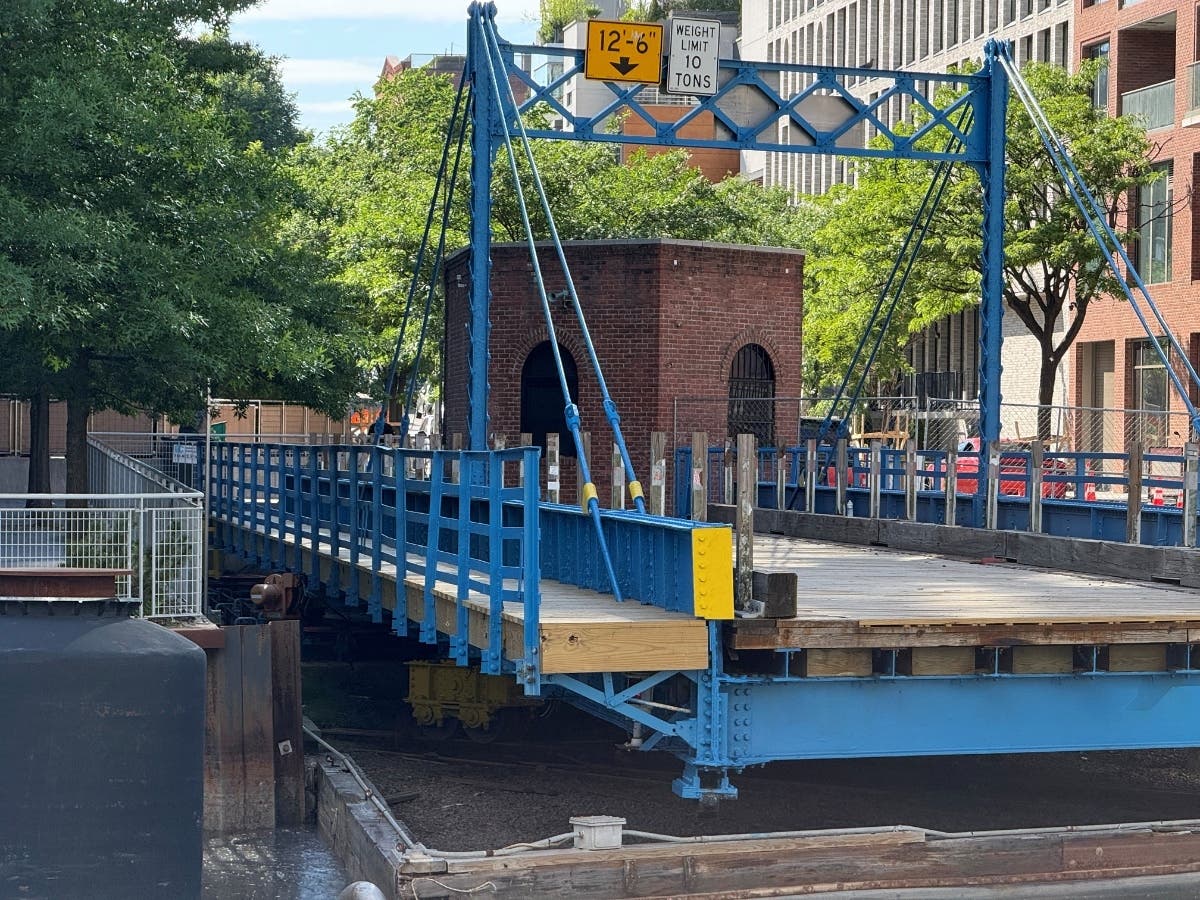
Summary: The 137-year-old Carroll Street Bridge over the Gowanus Canal has reopened after a five-year rehab, but permanently closed to cars. The NYC DOT has converted the historic retractile bridge to pedestrian, cyclist, and emergency vehicle use only, citing the neighborhood’s residential shift and low pre-closure traffic volumes. Traffic studies found no measurable increase on nearby crossings during the closure, supporting the decision. The bridge remains one of only four retractile bridges in the U.S. and a designated city landmark.
Why it matters: This conversion signals a concrete shift in NYC infrastructure policy from car-centric to multimodal use, even on historic structures, and sets a precedent for similar conversions on underused bridges in dense urban neighborhoods.
Context: The Gowanus Canal area has undergone rapid rezoning and residential development, with the city prioritizing pedestrian and bike connectivity as part of its sustainability goals.
"“Our infrastructure tells the story of our city, and the Carroll Street Bridge captures both the maritime industry that built New York and the micromobility that will anchor our sustainable future,” Mayor Zohran Mamdani said." — PATCH
Commentary: The city’s willingness to permanently remove vehicular access from a 137-year-old landmark, backed by traffic data showing no spillover, is a quiet but significant policy signal. Expect similar arguments to be deployed for other low-traffic bridges in park-adjacent or rezoned corridors, especially as the mayor’s administration seeks to embed micromobility into capital projects. The preservation of vintage signage adds a layer of cultural texture that softens the political optics of taking space from cars.
Date: June 16, 2026 11:10 AM ET
URL: https://patch.com/new-york/brooklyn/cars-no-longer-welcome-historic-brooklyn-bridge
AI Sentiment Score: Neutral (33%)
AI Credibility Score: 10.0/10 — High
Scores and text generated by AI analysis of the source article indicated.
New-York Historical Society Expands with Democracy Wing as the American LGBTQ+ Museum Opens in 2028 – TheColu.mn (Thecolu.Mn)
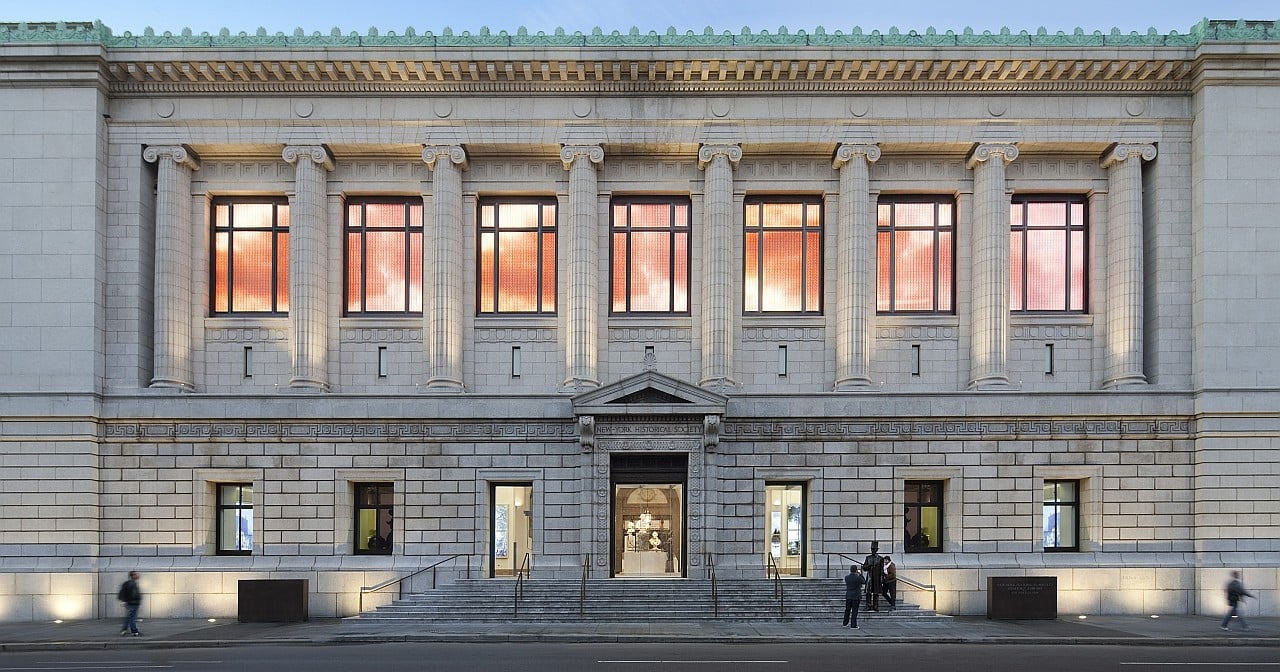
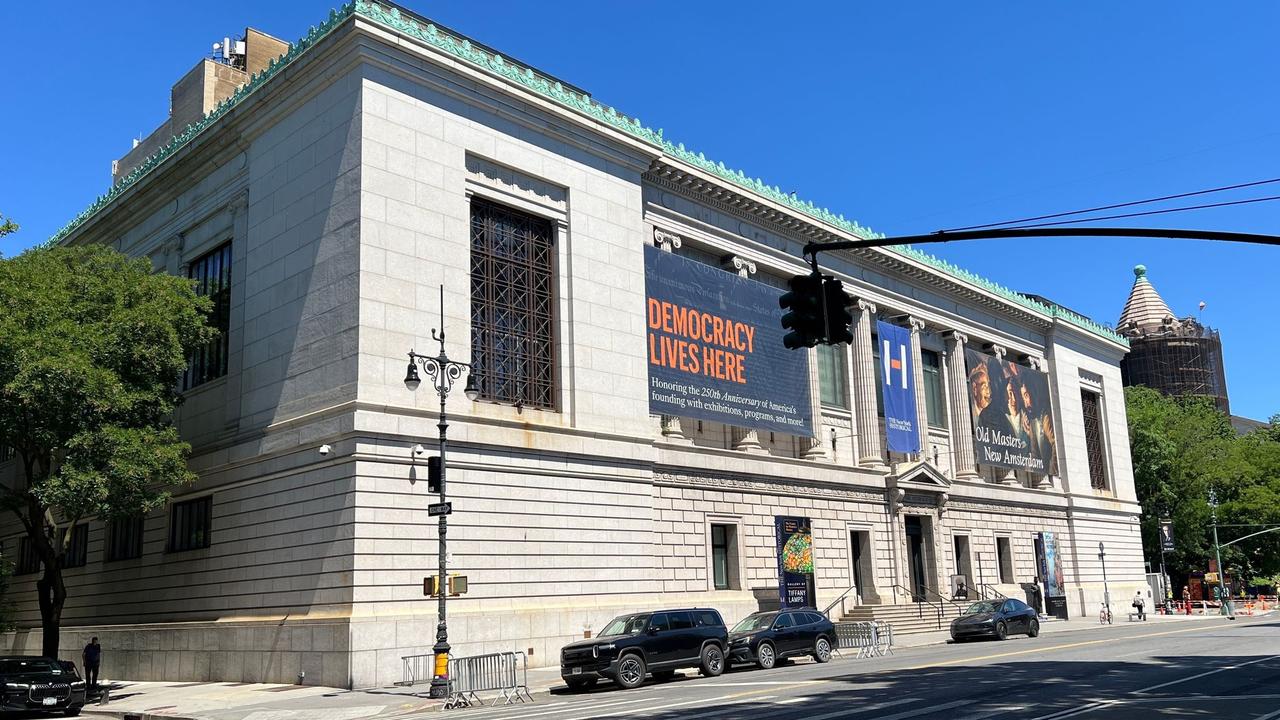
Summary: The New-York Historical Society opens a new Democracy Wing on July 4, 2026, featuring artifacts like George Washington’s chair, and announces that from 2028 it will also house the American LGBTQ+ Museum. The expansion arrives amid political debates over democratic norms and LGBTQ+ rights under the Trump administration, positioning the institution as a cultural counterweight.
Why it matters: This dual-purpose expansion turns a historic museum into a live political statement, directly responding to current threats to democratic institutions and LGBTQ+ rights, and sets a precedent for how cultural institutions can anchor civic discourse.
Context: The New-York Historical Society, founded in 1804, is the city’s oldest museum. The Stonewall uprisings of 1969 in Greenwich Village are considered the birth of the modern LGBTQ+ rights movement, making the co-location of these narratives symbolically potent.
"Timely to the United States’ 250th Independence anniversary on July 4, the New York Historical Museum is opening a newly built annex featuring exhibitions on the history of American democracy. The opening." — THECOLU.MN
Commentary: The timing—coinciding with the 250th anniversary of U.S. independence and the Trump administration’s rollback of LGBTQ+ protections—turns the museum into a deliberate political statement. By embedding the American LGBTQ+ Museum within a broader democracy narrative, the institution reframes queer history as foundational to American identity, not a niche interest. Expect this to become a flashpoint for cultural battles over public memory and a magnet for both activists and critics.
Date: June 16, 2026 11:02 PM ET
URL: https://thecolu.mn/3461/new-york-historical-society-expands-with-democracy-wing-as-the-american-lgbtq-museum-opens-in-2028
AI Sentiment Score: Neutral (50%)
AI Credibility Score: 7.0/10 — Medium
Scores and text generated by AI analysis of the source article indicated.
Zum 250. Geburtstag der USA: New Yorks ältestes Museum eröffnet Anbau zu Demokratie (Zeit.De)
Summary: Das New-York Historical Society eröffnet pünktlich zum 250. Unabhängigkeitstag einen neuen Flügel, der die Geschichte der US-Demokratie in den Mittelpunkt stellt. Ab 2028 wird das Gebäude auch das American LGBTQ+ Museum beherbergen, das an die Stonewall-Aufstände erinnert. Die Eröffnung fällt in eine Phase, in der viele Kritiker die demokratischen Institutionen durch die Trump-Administration bedroht sehen.
Why it matters: Das Museum positioniert sich als institutioneller Gegenpol zu aktuellen demokratischen Erosionserscheinungen und schafft einen neuen kulturellen Ankerpunkt in Manhattan, der die Deutungshoheit über die nationale Identität beansprucht.
Context: Das 1804 gegründete Museum ist das älteste New Yorks und erweitert sein Angebot in einer politisch polarisierten Phase, in der Museen zunehmend als Arenen des Kulturkampfes fungieren.
"Pünktlich zum 250. Jubiläum der Unabhängigkeit der Vereinigten Staaten am 4. Juli eröffnet das New York Historical Museum einen neu gebauten Anbau mit Ausstellungen rund um die Geschichte der Demokratie der USA." — ZEIT.DE
Commentary: Die Kombination aus Gründungsartefakt und geplantem LGBTQ+-Museum unter einem Dach ist ein bewusstes Narrativ: Die Demokratiegeschichte wird nicht als abgeschlossen, sondern als fortlaufender, umkämpfter Prozess inszeniert. Die Dachterrasse mit Central-Park-Blick ist dabei mehr als Architektur – sie markiert symbolisch den Anspruch, den Überblick über das Ganze zu bewahren.
Date: June 16, 2026 09:30 PM ET
URL: https://zeit.de/news/2026-06/17/new-yorks-aeltestes-museum-eroeffnet-anbau-zu-demokratie
AI Sentiment Score: Neutral (50%)
AI Credibility Score: 7.0/10 — Medium
Scores and text generated by AI analysis of the source article indicated.
Post ID: 8ca11b11