
Streaming & Cinema
Theatrical Windows Are Stretching Again — and Hollywood’s C … (Celluloidjunkie)
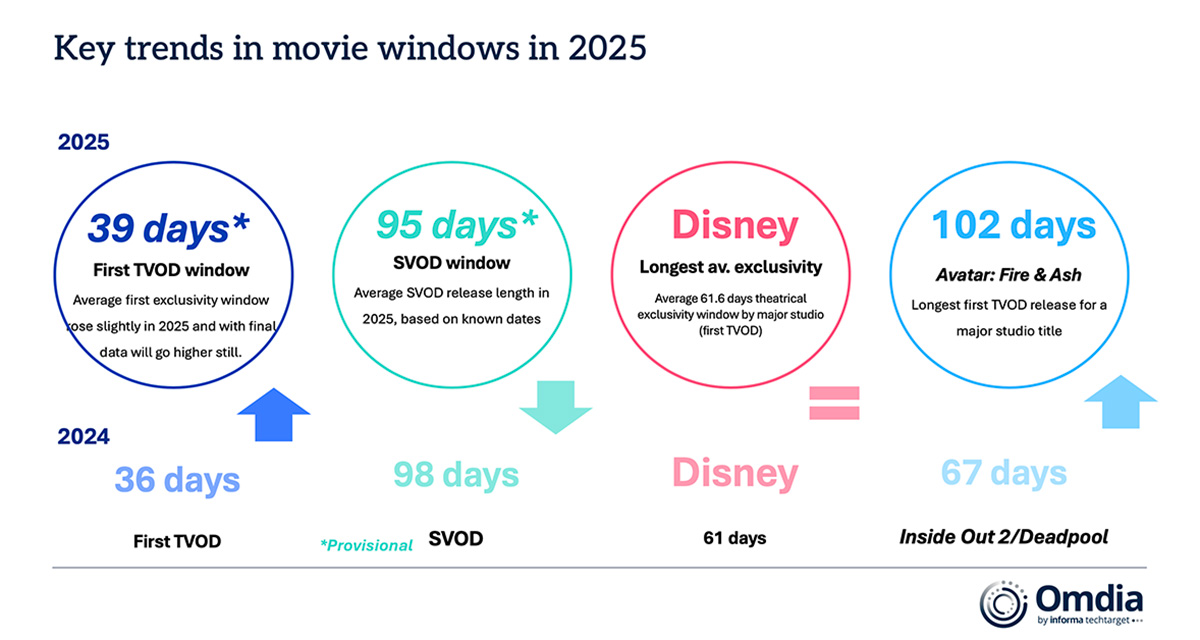
Summary: Omdia’s 2025 data shows the average first TVOD window for wide releases rose to 39 days, up from 36 in 2024, while the top 10 North American films averaged 51 days before TVOD, up from 45. Disney led the majors with a 61.6-day average, and early 2026 releases point toward a stronger 45-day baseline. The industry is not returning to a single fixed window but is stabilizing around title-by-title strategies that protect theatrical exclusivity for the biggest films.
Why it matters: This signals a structural shift in release strategy: the post-pandemic race to streaming is over, and studios are now using longer windows as leverage for theatrical revenue, which directly affects how exhibitors negotiate, how films are marketed, and which titles get premium treatment.
Context: After years of shrinking windows driven by pandemic-era experiments and streaming wars, the 2025 data suggests a new equilibrium where 45 days is becoming a floor for major releases, with top performers often running longer.
"In 2025, the average first transactional video-on-demand window rose slightly to a provisional 39 days, while the top 10 North American films averaged 51 days before reaching first transactional video-on-demand (TVOD), up from 45 days in 2024." — CELLULOIDJUNKIE
Commentary: The 45-day floor is a meaningful benchmark: it gives exhibitors a reliable exclusivity period for tentpoles, which helps justify premium formats and longer theatrical runs. Disney’s consistent 61-day average suggests a deliberate strategy to maximize theatrical revenue for its biggest IP, while Amazon MGM’s 53-day window for ‘Project Hail Mary’ indicates even shorter-window studios are lengthening their commitments. The real test will be whether this stability holds for mid-budget titles, which remain the most vulnerable to compression.
Date: June 17, 2026 08:00 PM ET
URL: https://celluloidjunkie.com/2026/06/18/theatrical-windows-are-stretching-again-and-hollywoods-c-suite-wants-them-longer-still/
AI Sentiment Score: Negative (75%)
AI Credibility Score: 10.0/10 — High
Scores and text generated by AI analysis of the source article indicated.
Audiences to Disclosure Day: Take me to your theater (Avclub)
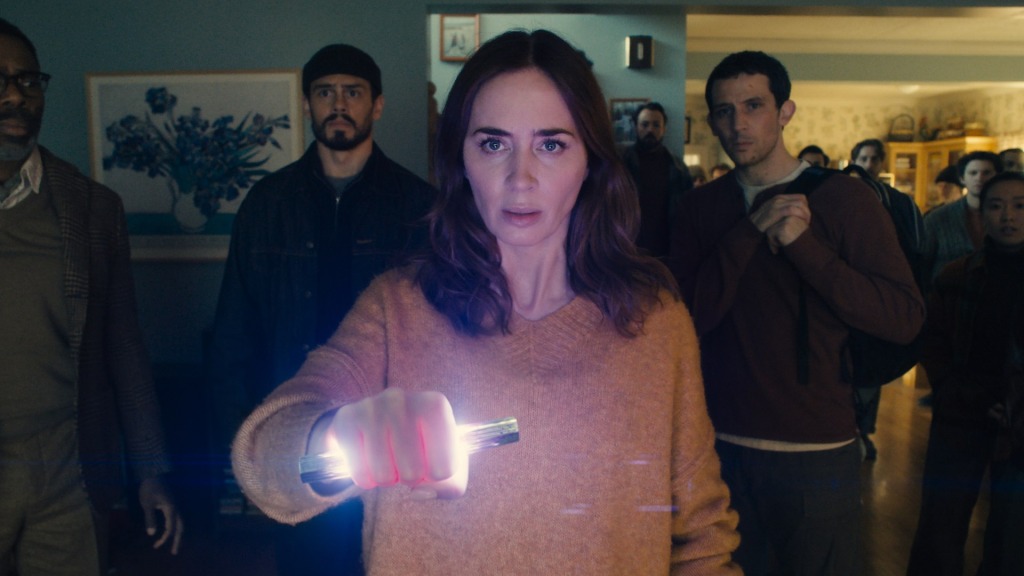
Summary: Steven Spielberg’s original film ‘Disclosure Day’ opened to $44 million domestically and $92 million globally, topping his 2018 film ‘Ready Player One’ but falling short of his franchise-driven blockbusters. The film’s performance underscores the shifting dynamics of summer box office, where original fare from legacy directors faces stiff competition from breakout indies like Curry Barker’s ‘Obsession,’ which earned $19 million in its fifth week for a $286 million global total. Meanwhile, ‘Scary Movie’ suffered a historic 73% drop, and ‘The Amazing Digital Circus: The Last Act’ collapsed 87%, highlighting the challenge of converting online audiences into theatrical repeat viewers.
Why it matters: This weekend’s box office data signals a structural shift: original films from established directors can still open, but they no longer dominate the conversation or the legs, while low-budget indies and franchise entries are redefining what ‘success’ means in a post-streaming, post-IP-saturation market.
Context: The summer 2026 box office is being shaped by a bifurcation between high-risk original fare and low-cost viral hits, with audience retention increasingly tied to cultural stickiness rather than marketing spend.
"If YouTubers are going to fix Hollywood, they’re going to have to make movies that bring non-followers to the theaters, à la Curry Barker." — AVCLUB
Commentary: The 73% drop for ‘Scary Movie’ and 87% collapse for ‘The Amazing Digital Circus’ suggest that franchise fatigue and influencer-driven hype have short half-lives without broader cultural hooks. ‘Obsession’ suggests that a $286 million global run from a modest opening is the new gold standard—exhibitors and streamers should note that long-tail engagement now matters more than opening weekend bragging rights. For legacy directors like Spielberg, the data confirms that original IP without a pre-built audience is a tougher sell, but still viable if the film delivers a distinct theatrical experience.
Date: June 15, 2026 11:43 AM ET
URL: https://www.avclub.com/disclosure-day-box-office-steven-spielberg-obsession-the-furious
AI Sentiment Score: Negative (62%)
AI Credibility Score: 10.0/10 — High
Scores and text generated by AI analysis of the source article indicated.
Cannes 2026: A Festival and Market in Transition – Le petit septième (Lepetitseptieme.Ca)
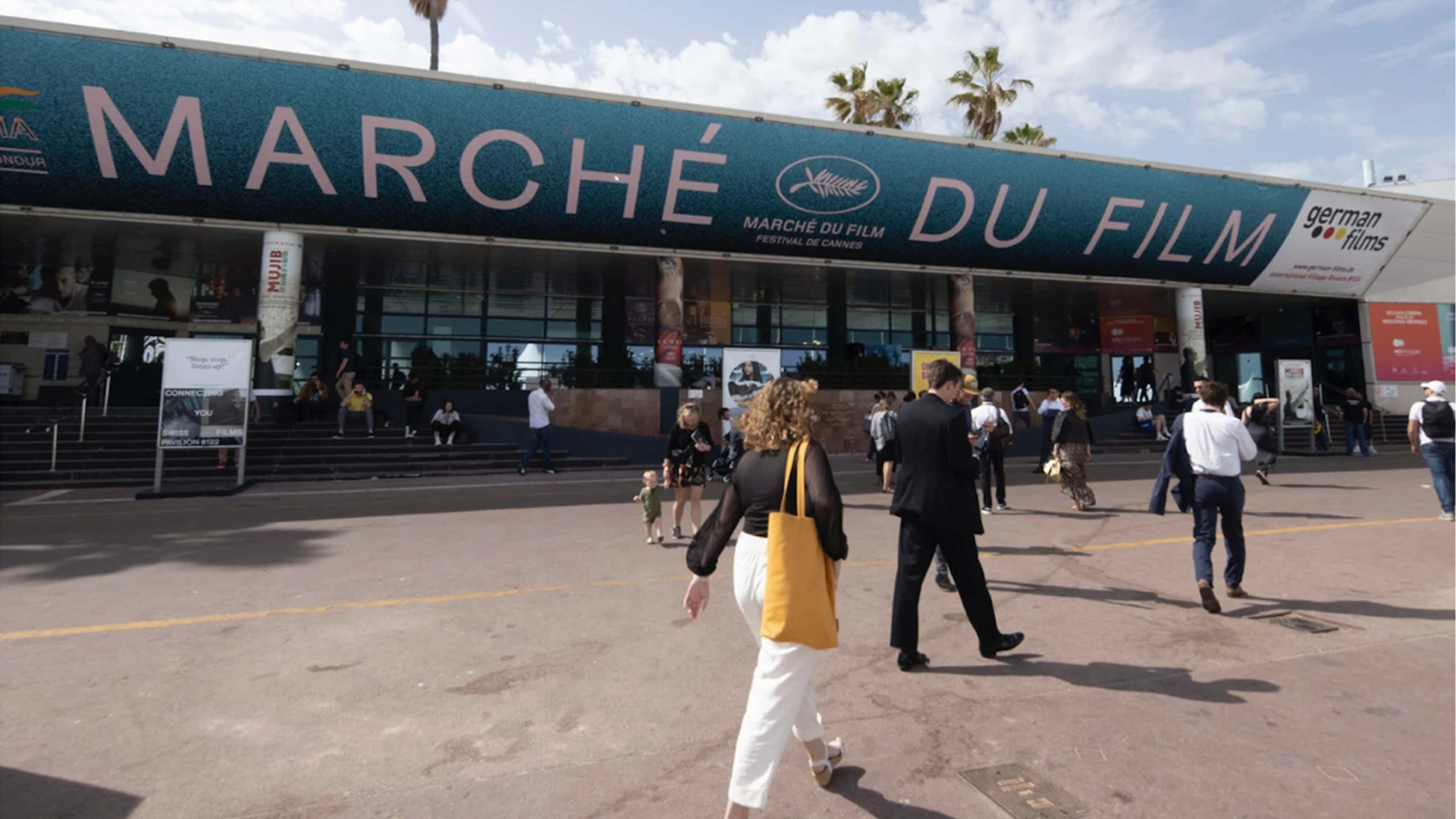
Summary: The 2026 Cannes Film Festival and Marché du Film felt subdued, with a reduced U.S. presence, lighter attendance, and shorter delegate stays, signaling a broader industry transition. The market’s energy was more concentrated, reflecting shifts toward AI, vertical storytelling, and brand-funded content. A standout was the Canadian indie horror ‘Undertone,’ which went from a $500,000 budget to $20 million at the box office and was acquired by A24. The American Pavilion returned with a redesigned space, though the snack bar was replaced by a sandwich stand.
Why it matters: Cannes remains a barometer for global cinema, and this year’s quieter atmosphere suggests that traditional distribution and financing models are under pressure from new content formats and conservative MGs.
Context: The festival’s reduced U.S. footprint and the 13-day gap from the Monaco Grand Prix contributed to a less glamorous, more business-focused event, with luxury brand activations and high-net-worth individuals less visible.
"The festival arrives at a moment of profound transformation. Artificial intelligence is rapidly reshaping content creation workflows. Vertical and short-form storytelling formats continue to gain traction among younger audiences. Meanwhile, major brands are increasingly investing in original content and branded entertainment, challenging traditional financing and distribution models." — LEPETITSEPTIEME.CA
Commentary: The ‘Undertone’ case study is instructive: a micro-budget horror with innovative sound design broke through via festival buzz and a smart A24 pickup, but such outliers are rare in a market where MGs are shrinking. The quieter Croisette may be a leading indicator that independent film financing is becoming more risk-averse, forcing producers to rely on brand partnerships or vertical formats to bridge gaps.
Date: June 19, 2026 08:00 PM ET
URL: https://lepetitseptieme.ca/en/2026/06/20/cannes-2026-a-festival-and-market-in-transition/
AI Sentiment Score: Negative (60%)
AI Credibility Score: 7.0/10 — Medium
Scores and text generated by AI analysis of the source article indicated.
The Roald Dahl Story Company (Pentagram)
Summary: Pentagram has developed a new brand identity for the Roald Dahl Story Company, acquired by Netflix in 2021, designed to support a global franchise across film, series, publishing, games, immersive experiences, and live theater. The system includes a custom typeface, Fantastic Mr. Font, with tonal variants for preschool, family, and adult audiences, and a palette drawn from original book covers and objects like the Peach and Golden Ticket. The identity will roll out gradually across the full estate, including publishing, aiming to balance heritage with contemporary boldness while accommodating Dahl’s tonal shifts from whimsy to macabre.

Why it matters: This rebrand signals Netflix’s intent to treat Dahl’s catalog as a multiplatform franchise engine, not just a content library, with audience-segmented design that could influence how other streamers approach legacy IP monetization across age tiers.
Context: Netflix acquired the Roald Dahl Story Company in 2021, and this identity is the first major visual consolidation of that acquisition, replacing disparate legacy branding across books, films, and stage productions.
"The identity celebrates the wit and whimsy of the timeless storytelling with imagination, creativity and most importantly, mischief. The distinctive typography of the logo comes to life in the full custom typeface,." — PENTAGRAM
Commentary: The three-tiered audience segmentation (preschool, family, adults) is the most operationally significant detail: it suggests Netflix is planning distinct release strategies and marketing funnels for each demographic, potentially decoupling adult-oriented Dahl adaptations from the family brand. The custom typeface with ‘well-behaved’ and mischievous variants gives the studio a tool to signal tone at a glance, which could reduce friction in cross-platform campaigns. The gradual rollout across publishing indicates Netflix is treating book sales as a discovery funnel, not just a licensing afterthought. This is a rare case of a streamer investing in systemic brand architecture rather than one-off campaign design, which may set a precedent for how other acquired IP estates are unified.
Date: June 17, 2026 08:00 PM ET
URL: https://www.pentagram.com/work/the-roald-dahl-story-company
AI Sentiment Score: Positive (50%)
AI Credibility Score: 10.0/10 — High
Scores and text generated by AI analysis of the source article indicated.
Post ID: 2764a0ae