Alzheimer’s Disease and Frontal Temporal Dementia
Scientists May Have Found What Really Triggers Alzheimer’s Disease (Sciencedaily)
Summary: UC Riverside researchers propose that Alzheimer’s disease may be triggered when amyloid beta protein competes with tau for binding sites on microtubules inside neurons, displacing tau and disrupting the cell’s internal transport network. This model reframes plaques and tangles as downstream consequences rather than root causes, potentially explaining why anti-amyloid therapies have failed to halt disease progression. The study, published in PNAS Nexus, also links age-related decline in autophagy to intracellular a-beta accumulation, and notes that lithium’s microtubule-stabilizing effects may reduce Alzheimer’s risk.
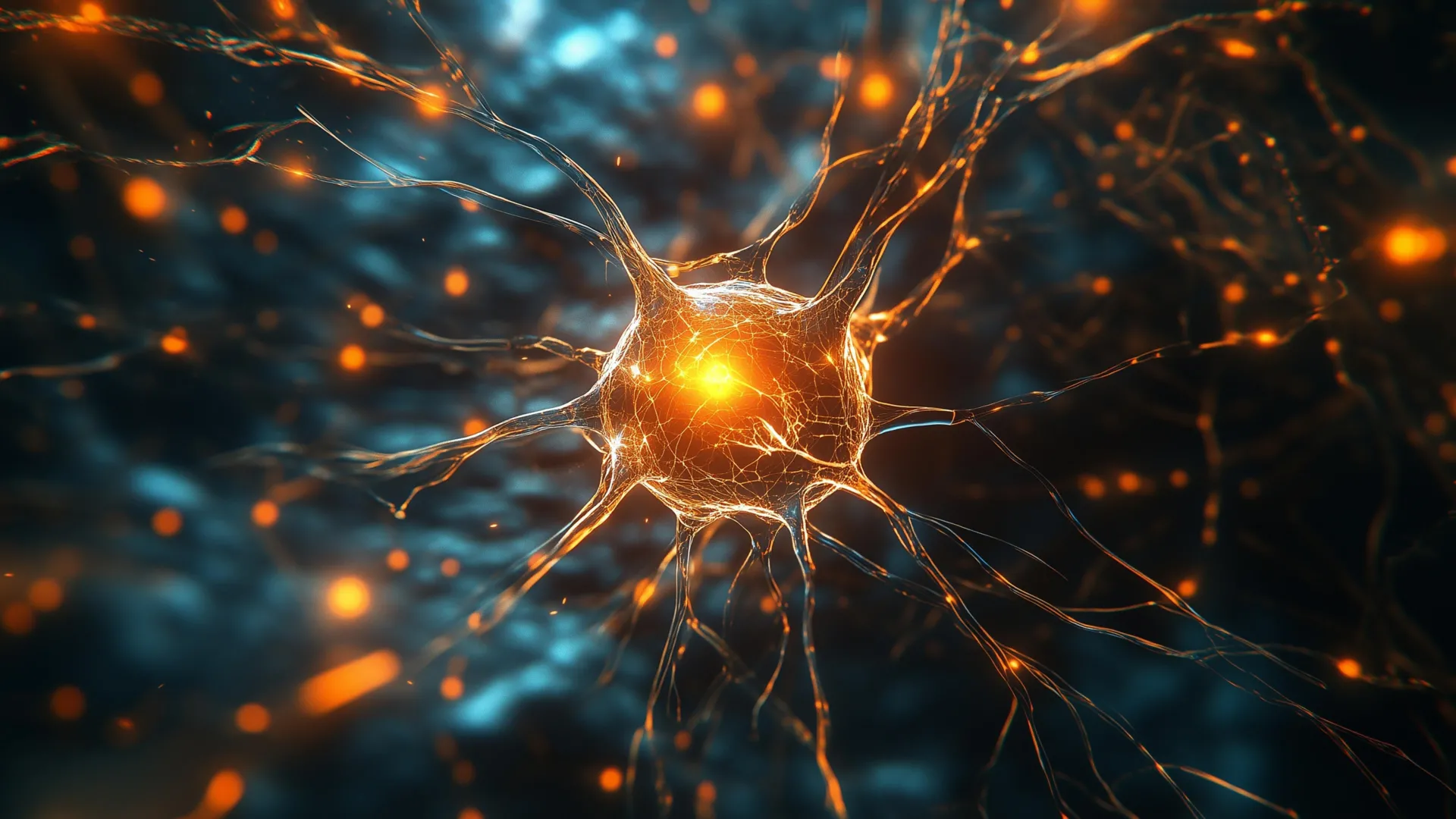
Why it matters: This mechanistic reframing shifts the therapeutic target from clearing extracellular plaques to protecting microtubule function or preventing intracellular a-beta accumulation, which could redirect drug development pipelines and explain prior clinical trial failures.
Context: Alzheimer’s research has been dominated by the amyloid cascade hypothesis for decades, yet over 200 clinical trials targeting a-beta have failed to meaningfully alter disease course, while tau pathology has remained poorly integrated into causal models.
""Our work shows amyloid beta and tau compete for the same binding sites on microtubules, and that a-beta can prevent tau from functioning correctly," Julian said." — SCIENCEDAILY
Commentary: If validated, this competition model resolves the long-standing puzzle of why extracellular plaques correlate poorly with cognitive decline—they may be epiphenomena of a deeper intracellular disruption. The autophagy link also provides a natural explanation for age as the primary risk factor, and opens a plausible mechanism for lithium’s reported protective effects. Drug developers should watch for microtubule-stabilizing compounds and autophagy enhancers entering preclinical pipelines, though the model still requires replication in human tissue and animal models before shifting clinical strategy.
Date: June 18, 2026 10:49 PM ET
URL: https://www.sciencedaily.com/releases/2026/06/260617032209.htm
AI Sentiment Score: Negative (83%)
AI Credibility Score: 10.0/10 — High
Scores and text generated by AI analysis of the source article indicated.
Copper drug clears toxic Alzheimer’s proteins and restores memory (Sciencedaily)
Summary: A copper-based compound, Cu(ATSM), restored the brain’s ability to clear toxic amyloid-beta proteins in a mouse model of Alzheimer’s disease by increasing P-glycoprotein pump abundance at the blood-brain barrier by 24.1%. Over 56 days, this led to a 42% reduction in amyloid-beta and a 44% improvement in spatial learning. The drug has already undergone human safety testing for Parkinson’s and ALS, potentially accelerating its path to Alzheimer’s trials. Researchers are now investigating whether the compound also enhances microglial activity to further break down plaques.

Why it matters: This is the first study to directly link repair of the blood-brain barrier’s waste-removal system to cognitive improvement, and the drug’s existing safety profile in humans could bypass years of preclinical development.
Context: Alzheimer’s disease is characterized by amyloid-beta accumulation, partly due to dysfunctional P-glycoprotein pumps that normally export these proteins into the bloodstream. Dementia recently surpassed coronary heart disease as Australia’s leading cause of death.
""This is the first study to show that Cu(ATSM) can increase the abundance of P-gp clearance pumps in an Alzheimer’s model, by 24.1 percent, effectively linking the repair of the blood-brain barrier to a reduction in toxic proteins and improved cognitive function," Dr. Pyun said." — SCIENCEDAILY
Commentary: The 44% improvement in spatial learning is striking, but the mechanism—restoring vascular clearance rather than targeting amyloid directly—represents a genuine shift in strategy. If Cu(ATSM) also activates microglia as suspected, it could address both production and clearance sides of the amyloid equation. The real test will be whether these effects translate in humans, where blood-brain barrier dysfunction is more heterogeneous and advanced disease may have already caused irreversible damage.
Date: June 15, 2026 03:38 AM ET
URL: https://www.sciencedaily.com/releases/2026/06/260615033835.htm
AI Sentiment Score: Negative (76%)
AI Credibility Score: 10.0/10 — High
Scores and text generated by AI analysis of the source article indicated.
Scientists reprogram brain immune cells to fight Alzheimer’s (Sciencedaily)
Summary: Researchers at Universidad Miguel Hernandez de Eliche and EPFL have identified a molecule called OLE that can reprogram microglia, the brain’s immune cells, to restore their protective function against Alzheimer’s disease. In animal models, OLE reduced beta-amyloid plaque size, improved memory performance, and directly protected neurons. The findings, published in Cell Death and Disease, are covered by two European patents and point toward a new therapeutic strategy targeting immune dysfunction rather than amyloid alone.
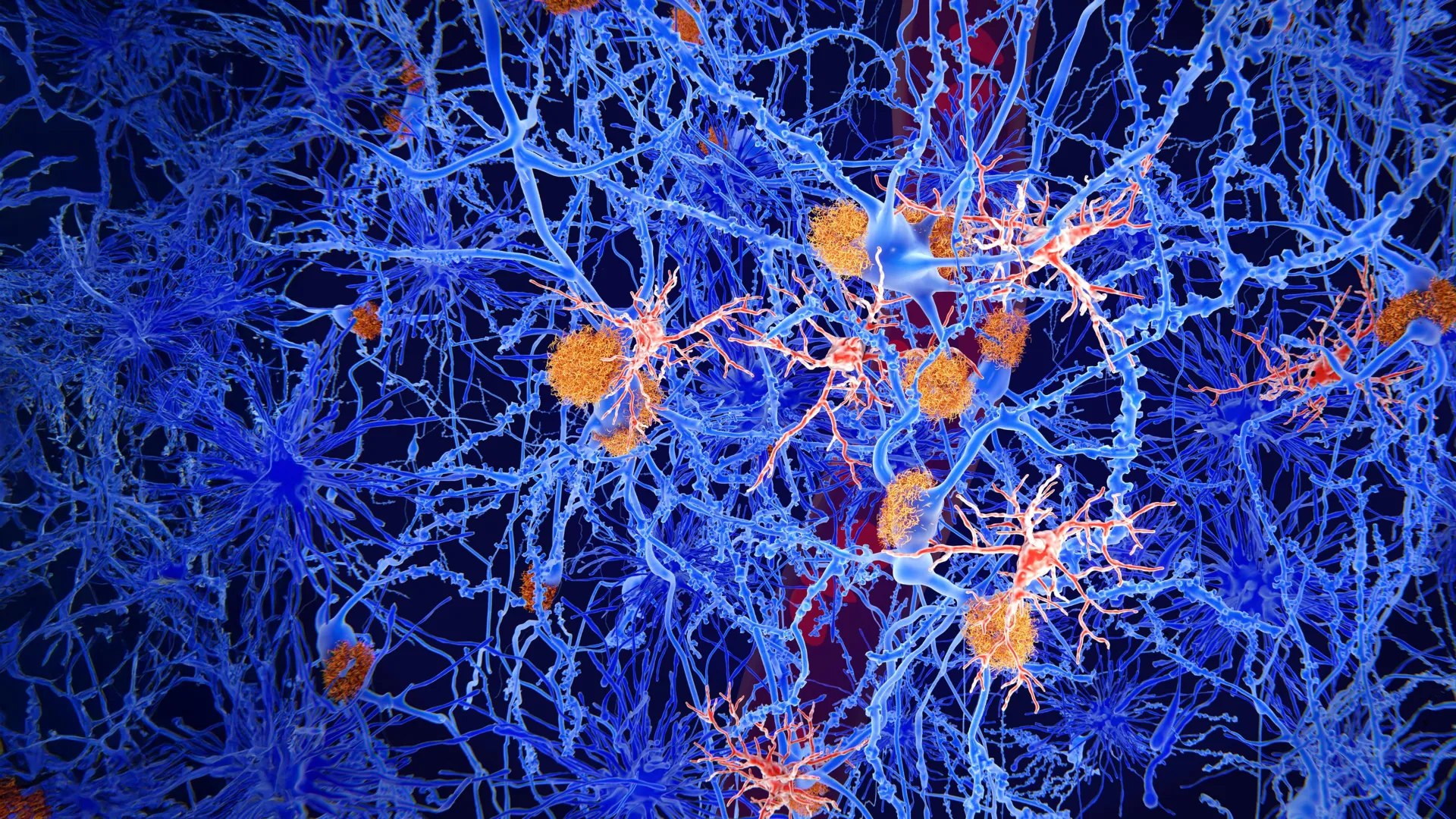
Why it matters: This work shifts the therapeutic focus from clearing amyloid plaques to restoring the brain’s own immune surveillance, potentially offering a complementary or alternative approach to existing antibody-based treatments.
Context: Microglial dysfunction is increasingly recognized as a driver of Alzheimer’s progression, but most drug development has targeted amyloid or tau directly. OLE is derived from the PM20D1 gene, which is involved in lipid metabolism and neuroprotection.
"Scientists reprogram brain immune cells to fight Alzheimer’s – Date: – June 19, 2026 – Source: – Universidad Miguel Hernandez de Elche – Summary: – A newly identified molecule called OLE helped." — SCIENCEDAILY
Commentary: The OLE molecule’s ability to reprogram microglia rather than simply clear plaques addresses a root cause of immune exhaustion in Alzheimer’s. The single-cell data showing microglia as the primary responders strengthens the mechanistic case, but the leap from three-month mouse studies to human therapy remains large. The dual patent coverage (CSIC-owned) suggests commercial interest is already structured, which may accelerate clinical translation if safety profiles hold.
Date: June 19, 2026 07:47 AM ET
URL: https://www.sciencedaily.com/releases/2026/06/260619020506.htm
AI Sentiment Score: Negative (50%)
AI Credibility Score: 10.0/10 — High
Scores and text generated by AI analysis of the source article indicated.
Post ID: 010090a0