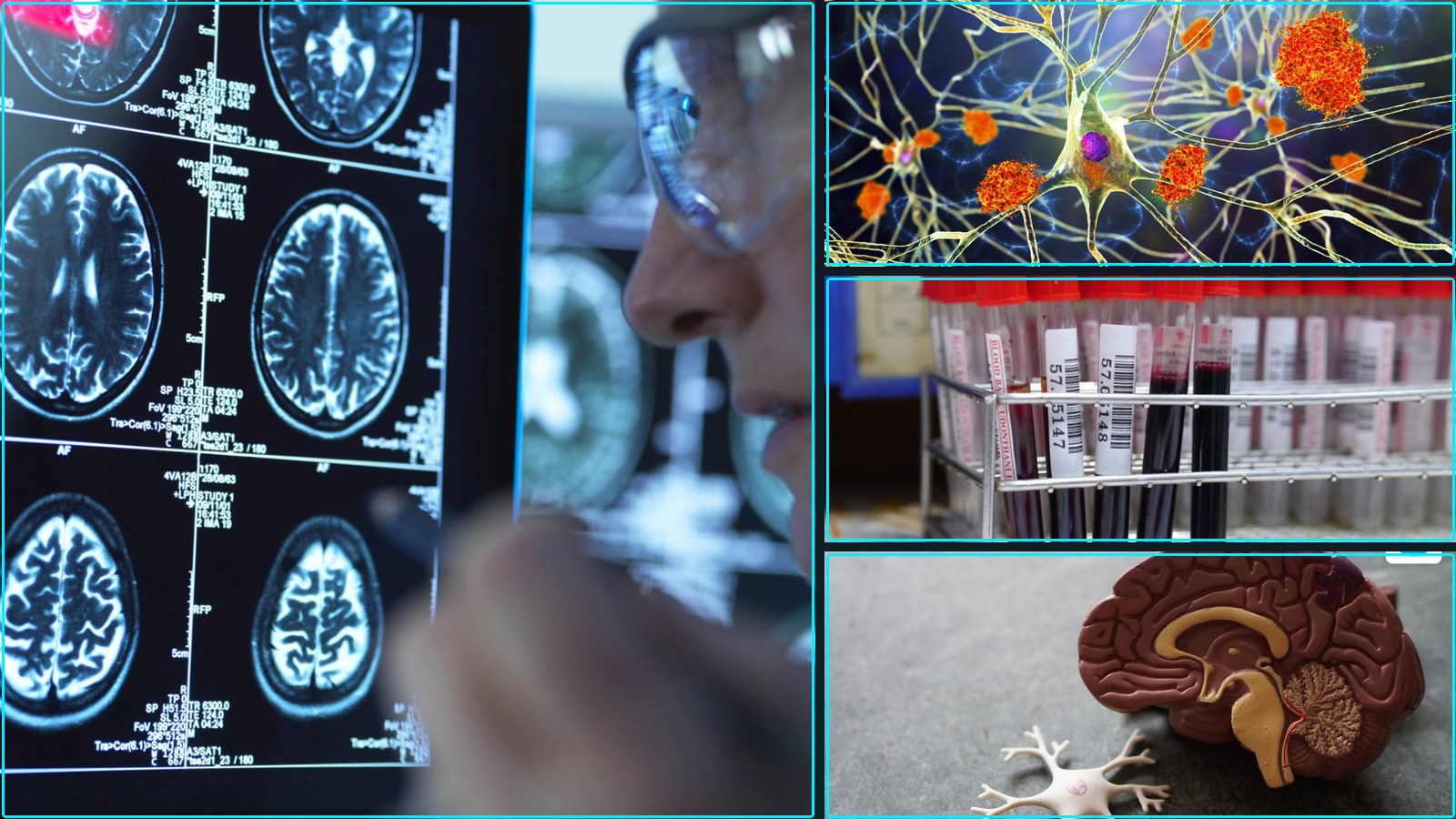
Alzheimer’s Disease and Frontal Temporal Dementia
Alzheimer’s diagnosis in 18 weeks: New target for NHS (Inews.Co.Uk)
Summary: The NHS’s Modern Service Framework for dementia and frailty is due out this year and will be overseen by a new “dementia tsar”. Experts at the Alzheimer’s Society’s annual conference in London called for a target of people waiting no more than 18 weeks for a precise dementia diagnosis. Today, it takes an average of 3.5 years to get a confirmed diagnosis. Experts are calling for families to be given a single “care co-ordinator” to help them navigate treatment and find sources of social care.

"A key standard should be a target of people waiting no more than 18 weeks for a precise dementia diagnosis, said experts at the Alzheimer’s Society’s annual conference in London this week." — INEWS.CO.UK
Date: September 19, 2026 01:00 AM ET
URL: https://inews.co.uk/news/alzheimers-care-targets-4774676
Generated Analysis Tone: N/A
Source Registry Score: 10.0/10 — High
Generated text and tone describe the analysis; the source registry score is not a factual truth rating.
Can a 5-minute memory test detect Alzheimer’s? Neurologist shares what it can and cannot reveal (Hindustantimes)
Summary: Dr Abhishek Dixit, a neurologist at Paras Health, Gurugram, said rapid tests like the Mini-Mental State Examination and the Five-Minute Cognitive Test gauge short-term memory, orientation, and general problem-solving skills. He noted that a poor score on a memory test does not confirm Alzheimer’s disease, as treatable conditions can cause similar memory problems. He added that short tests cannot differentiate between irreversible neurodegeneration and treatable medical conditions that mirror dementia symptoms. The doctor cautioned that Alzheimer’s changes are biological, involving amyloid plaques and tau tangles, which pen-and-paper tests cannot detect. He said a comprehensive diagnosis requires brain imaging, blood biomarkers, and cerebrospinal fluid tests.
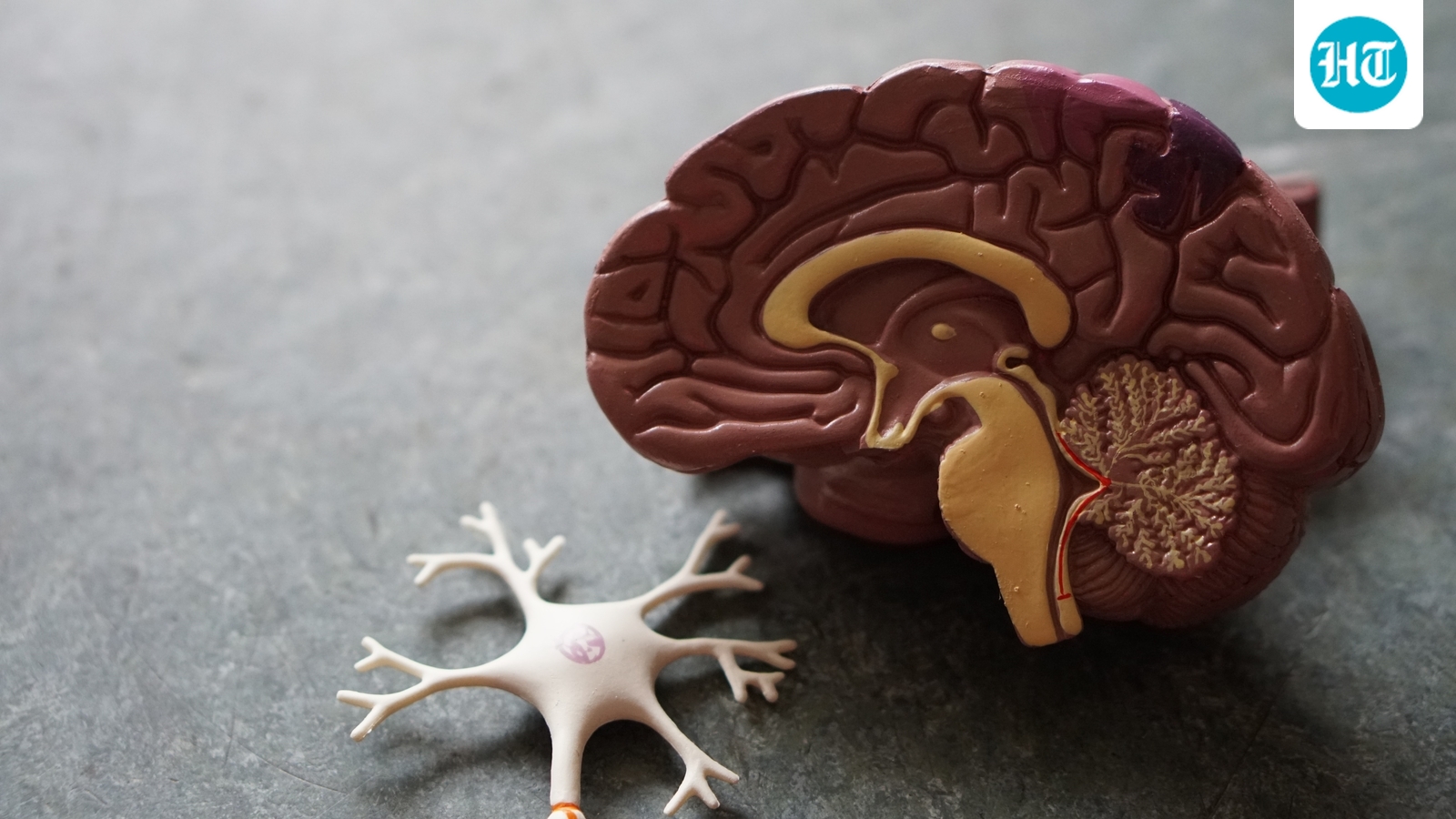
"Screening instruments such as rapid tests of the Mini-Mental State Examination and the Five-Minute Cognitive Test gauge short-term memory, orientation, and general problem-solving skills." — HINDUSTANTIMES
Date: September 20, 2026 08:42 AM ET
URL: https://hindustantimes.com/lifestyle/health/can-a-5-minute-memory-test-detect-alzheimers-neurologist-explains-101789901891403.html
Generated Analysis Tone: N/A
Source Registry Score: 10.0/10 — High
Generated text and tone describe the analysis; the source registry score is not a factual truth rating.
The drugs that could slow Alzheimer’s – and when they could come to NHS (Inews.Co.Uk)
Summary: New Alzheimer’s treatments that significantly slow progression could become available through the NHS in the next few years, experts said at a conference last week. The drugs are in late-stage trials and work differently to two antibody treatments rejected for NHS use. One drug, trontinemab, targets amyloid and could be available through the NHS by 2029 if approved by Nice. Another, diranersen, targets tau and could reach the NHS in five years, assuming all goes well.

"New treatments for Alzheimer’s that significantly slow down its progression could become available through the NHS in the next few years, experts said at a conference last week." — INEWS.CO.UK
Date: September 20, 2026 11:12 AM ET
URL: https://inews.co.uk/news/drugs-slow-alzheimers-when-come-nhs-4774698
Generated Analysis Tone: N/A
Source Registry Score: 10.0/10 — High
Generated text and tone describe the analysis; the source registry score is not a factual truth rating.
World Alzheimer’s Day 2026: The Earlier You Know, The More You Can Do (Medindia.Net)
Summary: World Alzheimer’s Day 2026 falls on 21 September, highlighting the importance of earlier dementia diagnosis. More than 55 million people live with dementia worldwide, with cases projected to reach 139 million by 2050. The 2026 campaign theme is "The Earlier You Know, The More You Can Do: A Dementia Diagnosis Matters." The World Alzheimer Report 2026 is scheduled for release on 21 September 2026, focusing on clinical trials and their role in advancing dementia research.

Why it matters: This year’s global campaign puts a spotlight on early diagnosis, while national associations such as the Alzheimer’s Association in the United States are running parallel events, including fundraising walks and awareness drives.
Context: World Alzheimer’s Day is observed on 21 September as part of World Alzheimer’s Month, which focuses on raising awareness, reducing stigma, and encouraging action around dementia. World Alzheimer’s Day also supports the goals of the WHO’s Global Plan of Action on the Public Health Response to Dementia (2017–2031).
"The Earlier You Know, The More You Can Do: A Dementia Diagnosis Matters." — MEDINDIA.NET
Date: September 18, 2026 08:00 PM ET
URL: https://medindia.net/news/healthwatch/world-alzheimers-day-2026-the-earlier-you-know-the-more-you-can-do-225286-1.htm
Generated Analysis Tone: Positive (50%)
Source Registry Score: 10.0/10 — High
Generated text and tone describe the analysis; the source registry score is not a factual truth rating.
Could a simple blood test spot Alzheimer’s early? What you need to know (Theweek.In)
Summary: A blood test measuring p-tau217 may help identify changes associated with Alzheimer’s before the diagnosis is clear from symptoms alone. In a 2024 study published in JAMA Neurology, p-tau217 showed high accuracy for identifying abnormal amyloid and tau pathology across three research cohorts. A large JAMA study found that p-tau217 and another blood-based biomarker approach identified Alzheimer’s disease pathology with about 89 to 90 per cent diagnostic accuracy in the primary care group studied. The Alzheimer’s Association published its first clinical practice guideline on blood-based biomarkers in July 2025 for specialty care involving people with cognitive impairment.
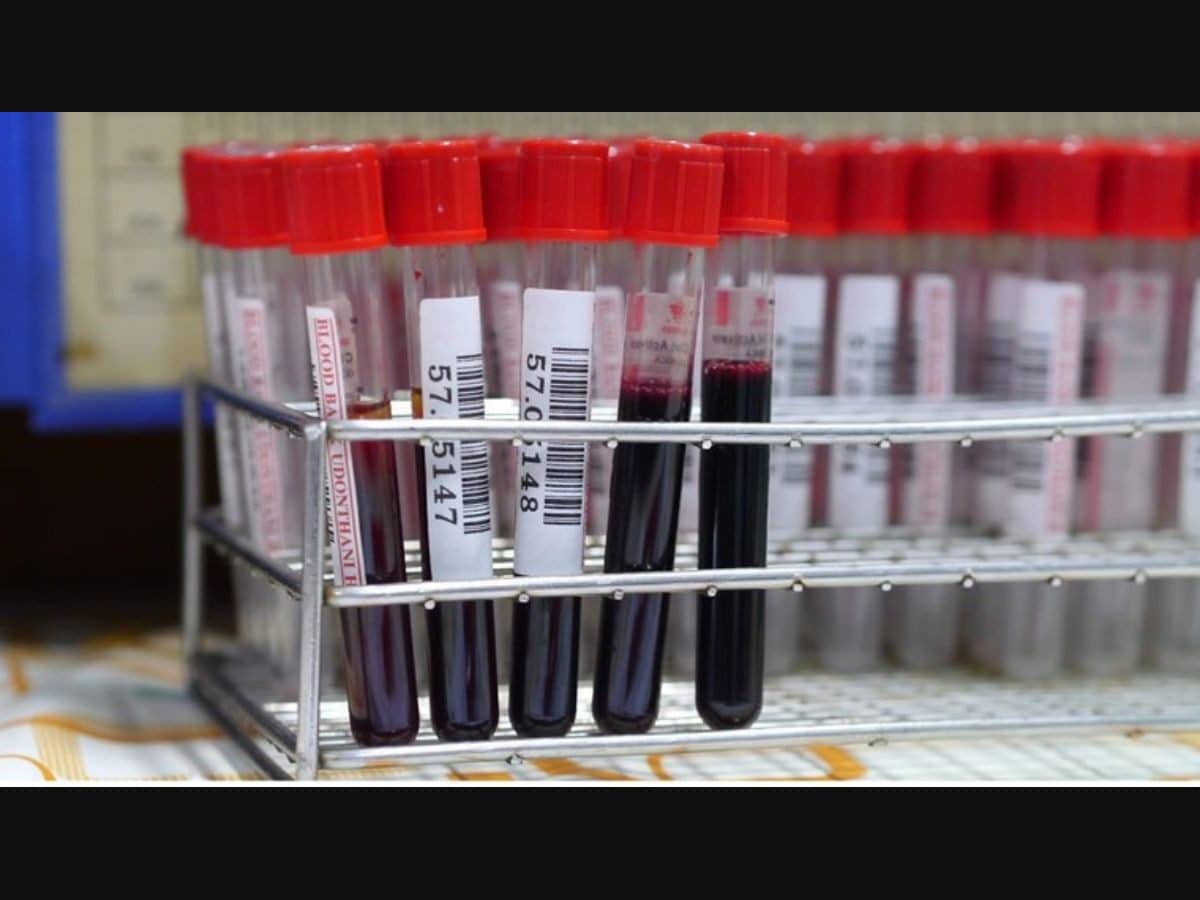
Why it matters: The test is particularly relevant when a person has memory or thinking problems and the cause is uncertain. A blood biomarker may help doctors decide whether Alzheimer’s-related testing should be pursued further.
Context: A positive result does not equal a diagnosis; a doctor may consider symptoms, medical history, cognitive assessment and other test results before deciding what comes next. The test works best as one part of a clinical assessment rather than as a stand-alone answer.
"Blood tests are becoming part of Alzheimer’s assessment, particularly in specialist settings." — THEWEEK.IN
Date: September 18, 2026 06:36 AM ET
URL: https://theweek.in/news/health/2026/09/18/could-a-simple-blood-test-spot-alzheimers-early-what-you-need-to-know.html
Generated Analysis Tone: Negative (70%)
Source Registry Score: 10.0/10 — High
Generated text and tone describe the analysis; the source registry score is not a factual truth rating.
Post ID: a6cce2a0