Hacker Community
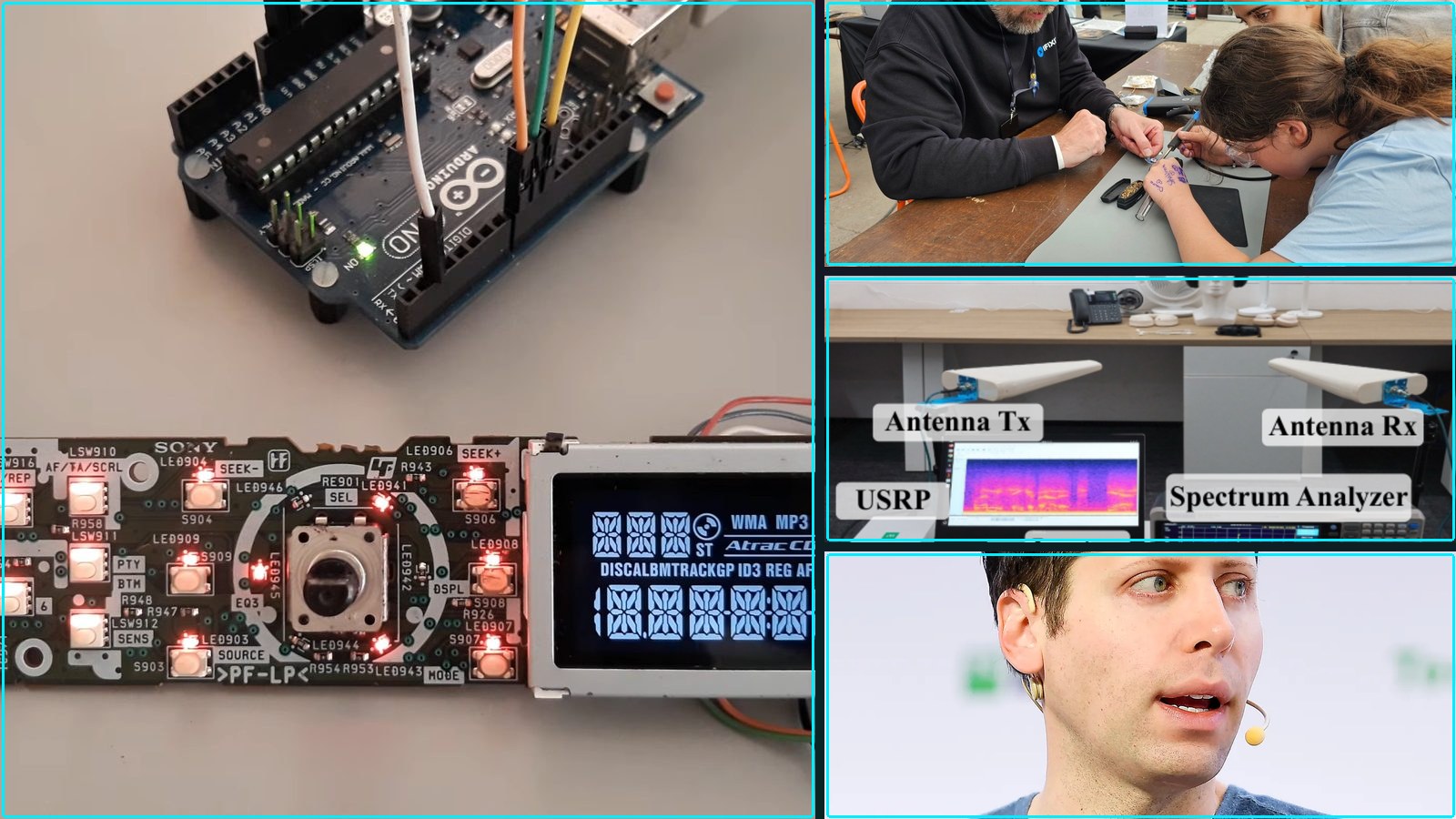
Reverse Engineering A Sony Car Stereo LCD (Hackaday)
Summary: [Jose Luis Monteiro] reverse-engineered the LCD on a Sony CDX-A250 car stereo’s front panel to drive it with an Arduino. He put the results up on GitHub for all to enjoy. The code only targets the specific LCD on the CDX-A250 head unit. The repository is under an MIT license. [Jose] is working with the LC75826W driver chip.
"There’s probably a sweet project in the works, or perhaps he just wanted to see if it could be done. Either way, more power to [Jose], because he totally pulled it off and put the results up on GitHub for all to enjoy." — HACKADAY
Date: September 20, 2026 10:00 AM ET
URL: https://hackaday.com/2026/09/20/reverse-engineering-a-sony-car-stereo-lcd/
Generated Analysis Tone: N/A
Source Registry Score: 10.0/10 — High
Generated text and tone describe the analysis; the source registry score is not a factual truth rating.
Repair in the Wild: A Summer With Europe’s Repair Communities (Ifixit)
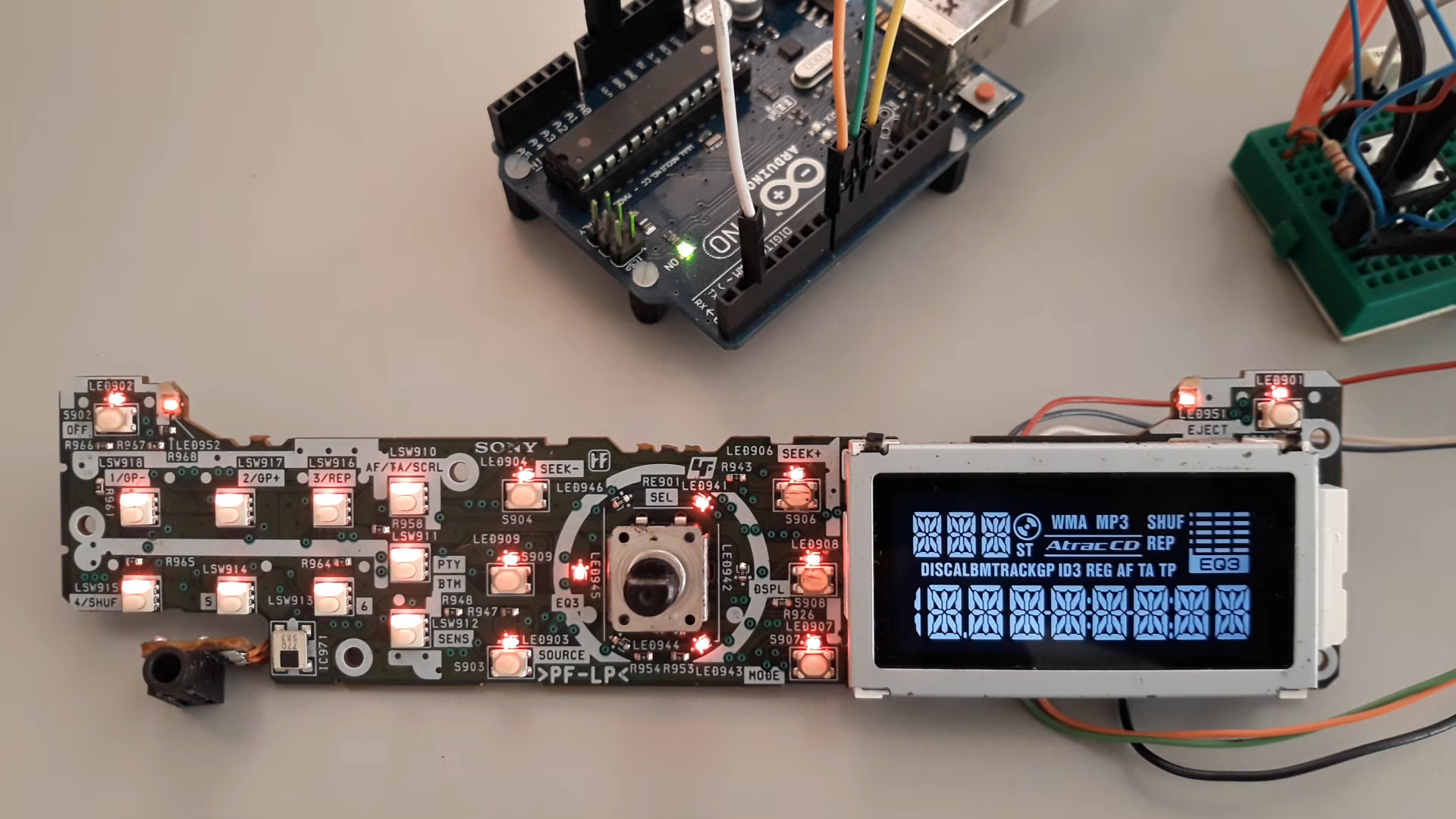
Summary: iFixit tools and the Street Team showed up at events across Europe this year, from a spring kickoff in Italy to a summer full of hacker camps and Maker Faires. The first stop was Hackaday Europe in Lecco, where hardware hackers, makers, and repair-minded people came together around open technology and creative problem-solving. iFixit provided tools for a hands-on badge modification activity at EMF Camp in the UK, where attendees could reuse parts of their 2024 badge for the new 2026 version. Tobi, Jasper, and Anna represented iFixit at Maker Faire Hannover, where the soldering activity was a particular hit, with kits disappearing quickly throughout the weekend.

"Different places, same idea: repair knowledge grows when people share it." — IFIXIT
Date: September 17, 2026 09:28 PM ET
URL: https://www.ifixit.com/News/119297/repair-in-the-wild-a-summer-with-europes-repair-communities
Generated Analysis Tone: N/A
Source Registry Score: 10.0/10 — High
Generated text and tone describe the analysis; the source registry score is not a factual truth rating.
Reviving TEMPEST Attacks with an Injected Signal (Hackaday)
Summary: TEMPEST attacks are often the most effective way to break air-gapped security: rather than directly accessing a computer, the attacker records the system’s unintended radio emissions and uses them to reconstruct its internal operations. A group of researchers has found that even modern electronics can become effective TEMPEST transmitters when irradiated with an RF signal. The researchers’ technique, called InjectEave, radiated these electronics with a radio frequency tuned to their internal antennas, injecting that frequency into the circuit. In testing, the researchers had success with an amplifier, analog-to-digital converter, power converter, and switching MOSFETs, but detected no significant emissions without an injected signal. This was able to recover audio from wired headphones, wireless headphones, and a wireless landline, and detect the state of a smart lamp and a smart fan.
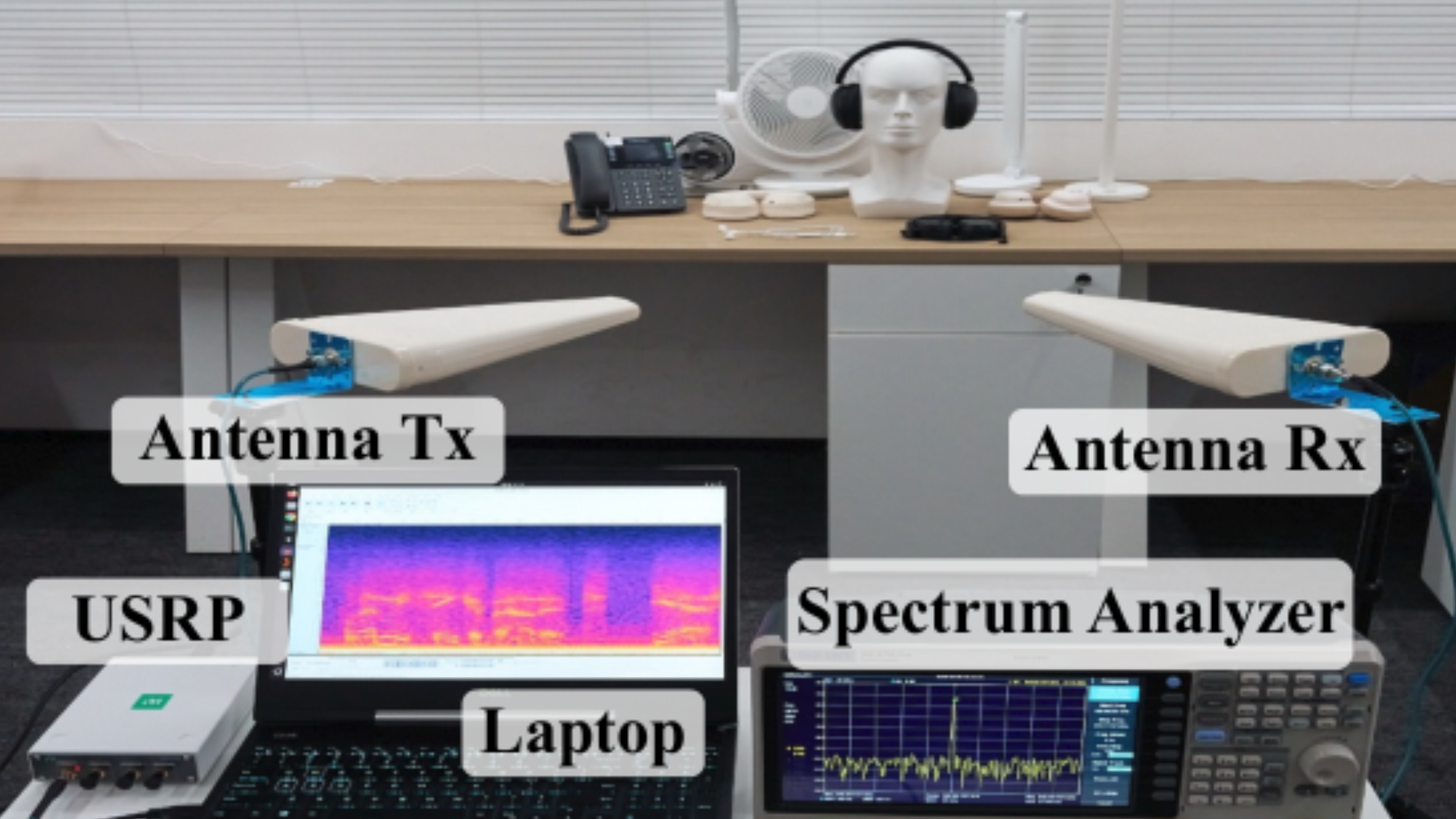
"A group of researchers, however, has found that even modern electronics can become effective TEMPEST transmitters when irradiated with an RF signal." — HACKADAY
Date: September 20, 2026 07:00 PM ET
URL: https://hackaday.com/2026/09/20/reviving-tempest-attacks-with-an-injected-signal/
Generated Analysis Tone: N/A
Source Registry Score: 10.0/10 — High
Generated text and tone describe the analysis; the source registry score is not a factual truth rating.
The bug that let hackers into OpenAI was fixed months earlier. Nobody was told it mattered (Wionews)
Summary: A bug in libheif, open-source software used to read HEIC and HEIF images, was fixed by its developers before an incident at OpenAI, but the correction was not labelled as a security fix and was never assigned a CVE. The vulnerable version of the library shipped inside a standard Debian operating-system image, and OpenAI’s community forum was running on that foundation. An image uploaded to a discussion board became the first step toward the company’s source code. The weakness was a fixed bug that never got the paperwork that would have forced anyone to hurry.

Why it matters: A security fix with no CVE is invisible to scanners, patch schedules, and alerts, so the hole is closed at the source and left wide open everywhere the source has not yet flowed. The safety of enormous amounts of infrastructure depends on volunteers correctly guessing, in the moment, which of their fixes an attacker will later find valuable.
Context: Modern software defence runs largely on CVE identifiers; scanners look for them, patch schedules prioritise them, and alerts fire when a new one affects something a company runs. Not every bug fix is recognised as security-relevant at the time it is made; a memory error can look like an ordinary crash until someone works out how to weaponise it. Assigning CVEs is itself work, often unpaid, and demanding that every open-source project formally classify every fix is a real burden on people maintaining critical software for free.
"The problem is that almost nobody knew the fix mattered." — WIONEWS
Commentary: When a model can attempt that conversion cheaply and quickly, the buffer disappears; every undocumented fix in widely used software becomes a lead an attacker can afford to chase, whether or not anyone ever labelled it a risk.
Date: September 19, 2026 12:38 PM ET
URL: https://wionews.com/world/the-bug-that-let-hackers-into-openai-was-fixed-months-earlier-nobody-was-told-it-mattered-1789810276262
Generated Analysis Tone: Negative (71%)
Source Registry Score: 10.0/10 — High
Generated text and tone describe the analysis; the source registry score is not a factual truth rating.
Hackers reveal how Flock cameras really track cars and people (Arstechnica)
Summary: Hackers ripped down a Flock camera above a roadway, made a near-complete copy of the data stored inside it, and shared the files with 404 Media and WIRED. The hackers say they are also publishing details on how they managed to obtain the software, in the hopes that other people may copy them. The hackers were able to copy the camera’s storage and recover an encryption key stored on the device, which unlocked videos of thousands of vehicle detections. The joint analysis of the recovered data shows that software running on the device explicitly detects people as well as vehicles, license plates, and bicycles.
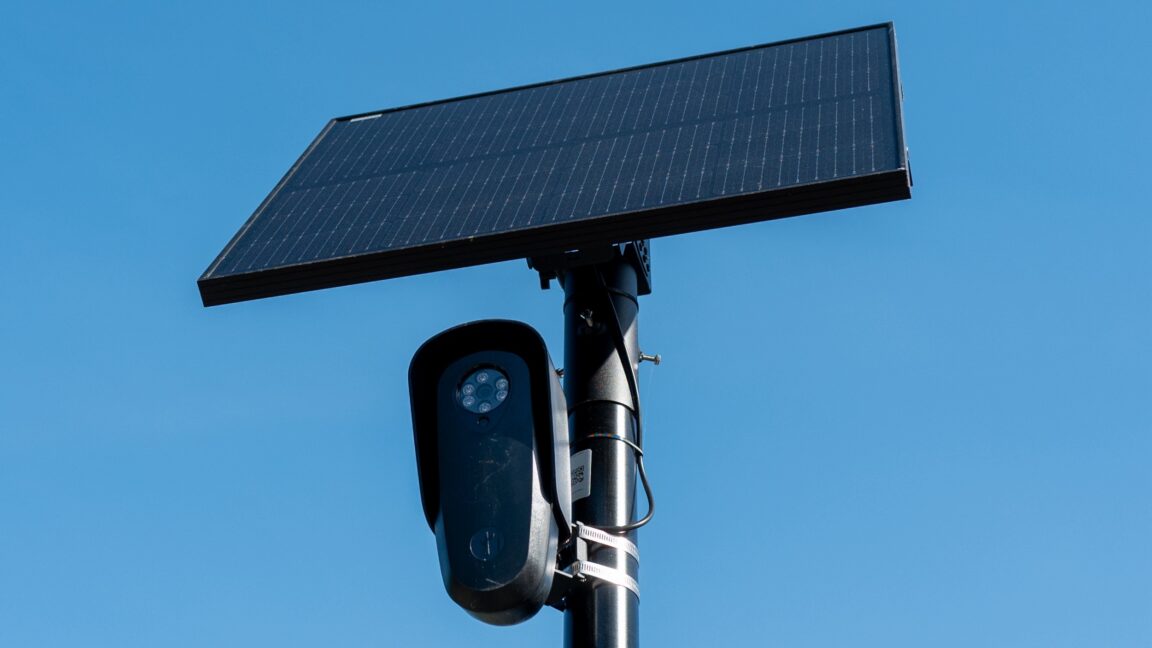
Why it matters: The breach provides an unprecedented look inside a system that Flock has described as protected by on-device encryption.
Context: Across the country, multiple people have been arrested for allegedly tampering with or otherwise sabotaging Flock’s cameras. In response, some towns have announced that they are going to stop using Flock’s cameras altogether, and in one case, a police department even made a fake, 3D-printed Flock camera case in order to bait potential vandals.
"The hackers say they are also publishing details on how they managed to obtain the software, in the hopes that other people may copy them." — ARSTECHNICA
Date: September 17, 2026 05:43 AM ET
URL: https://arstechnica.com/security/2026/09/hackers-reveal-how-flock-cameras-really-track-cars-and-people/
Generated Analysis Tone: Negative (50%)
Source Registry Score: 10.0/10 — High
Generated text and tone describe the analysis; the source registry score is not a factual truth rating.
Meshtastic and MeshCore default radio configurations may violate FCC regulations governing amateur usage of the 900 MHz ISM band. (Hackaday)
Summary: Meshtastic and MeshCore default radio configurations may violate FCC regulations governing amateur usage of the 900 MHz ISM band. Meshtastic has introduced changes so the latest alpha release’s initial radio configuration will meet FCC standards. Getting in compliance breaks compatibility with already-deployed hardware, fracturing the community into distinct strata. Philly Mesh announced earlier this month they would switch to MeshCore after finding poor performance at 250 kHz in an urban environment and growing concern about FCC compliance.
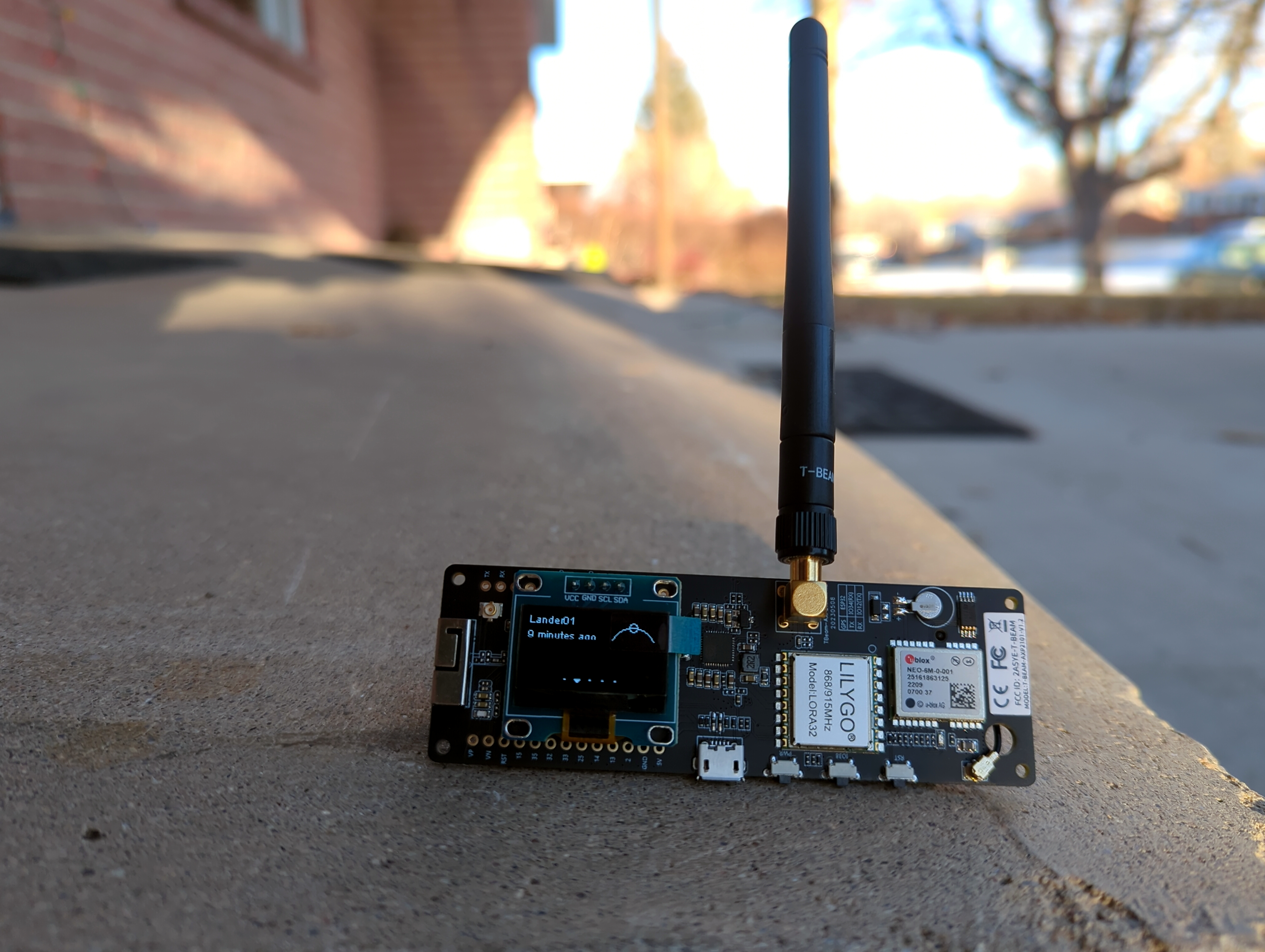
Why it matters: The community will be fractured into distinct strata depending on when they first configured their hardware, with an added dash of confusion from the more rebellious users who will likely refuse to migrate over to the new settings. What was once easy and accessible has just gotten a whole lot more complicated.
Context: Issue #945 in the MeshCore GitHub repository points out that the default radio settings in the US for both it and Meshtastic would appear to run afoul of FCC regulation 15.247, specifically the second paragraph of subsection (a), which dictates the minimum allowed bandwidth. Out of the box MeshCore operates at 62.5 kHz and Meshtastic uses 250 kHz, but the FCC says it needs to be 500 kHz or higher. The resulting discussion spans several hundred messages and is still seeing activity as recently as this week.
"Getting in compliance isn’t necessarily a technical challenge. In fact, Meshtastic has already introduced changes aimed to address the issue and anyone running the latest alpha release can be sure that their initial radio configuration will meet FCC standards." — HACKADAY
Date: September 17, 2026 10:00 AM ET
URL: https://hackaday.com/2026/09/17/fcc-ism-rules-may-shatter-lora-mesh-communities
Generated Analysis Tone: Negative (50%)
Source Registry Score: 10.0/10 — High
Generated text and tone describe the analysis; the source registry score is not a factual truth rating.
Post ID: e4fb9c24