Artemis & Lunar Missions
NASA launches Artemis II for first crewed Moon flyby in 50 years (Sciencedaily)
Summary: NASA has launched the Artemis II mission, sending a four-person crew—including three NASA astronauts and one from the Canadian Space Agency—on a 10-day lunar flyby. Utilizing the Space Launch System (SLS) and the Orion spacecraft, the mission serves as a critical systems test for crewed deep-space operations. The trajectory involves a translunar injection burn and a gravity-assisted return to Earth via a Pacific Ocean splashdown.
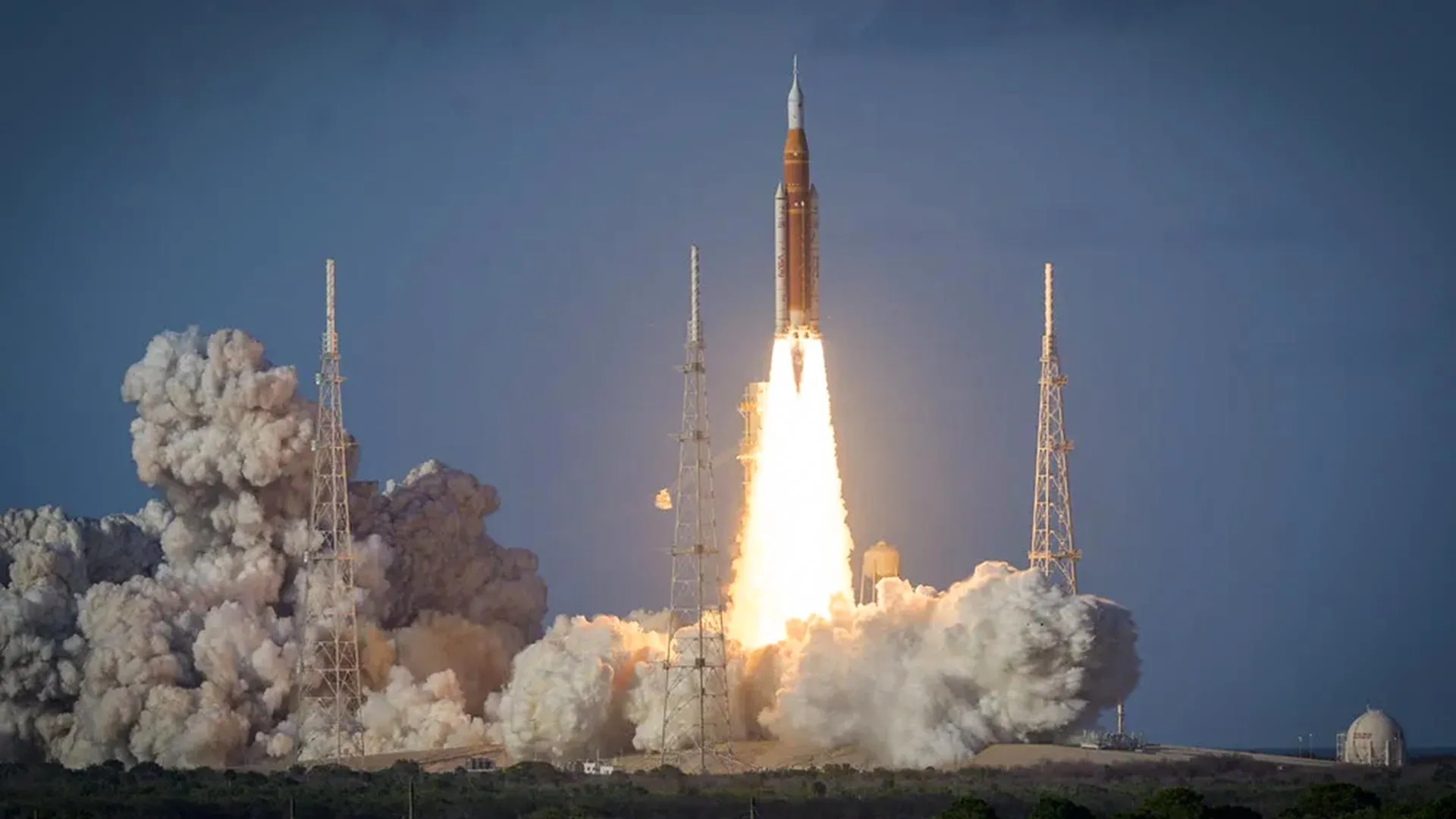
Why it matters: This is the first operational test of the Orion crew cabin and SLS integration in a deep-space environment, validating the life-support and navigation systems required for subsequent lunar landings.
Context: The mission marks the first crewed attempt to leave Earth’s orbit since the Apollo era, transitioning the Artemis program from uncrewed orbital tests to active human exploration.
"# NASA launches Artemis II for first crewed Moon flyby in 50 years ## Humans are finally heading back around the Moon—kickstarting a bold new era of space exploration. – Date: April." — SCIENCEDAILY
Commentary: The success of this flyby is the primary gate for Artemis III; any anomaly in the European-built service module or the Orion heat shield during reentry would likely trigger a significant schedule slip for lunar surface operations. By prioritizing a flyby over a landing, NASA is isolating the risks of deep-space transit from the complexities of lunar descent. The inclusion of a CSA astronaut further signals the institutionalization of the Artemis Accords as a multilateral framework.
Date: April 27, 2026 12:00 AM ET
URL: http://www.sciencedaily.com/releases/2026/04/260402004721.htm
AI Sentiment Score: Positive (50%)
AI Credibility Score: 10.0/10 — High
Scores and text generated by AI analysis of the source article indicated.
NASA’s Artemis II reaches the launch pad and the countdown to the … (Sciencedaily)
Summary: NASA has moved the Artemis II Space Launch System (SLS) rocket and Orion spacecraft to Launch Pad 39B at Kennedy Space Center. The rollout, completed on January 17, marks the transition from assembly to pre-flight testing. Engineers are now preparing for a wet dress rehearsal, currently targeted for no later than February 2, to simulate fueling and countdown procedures.
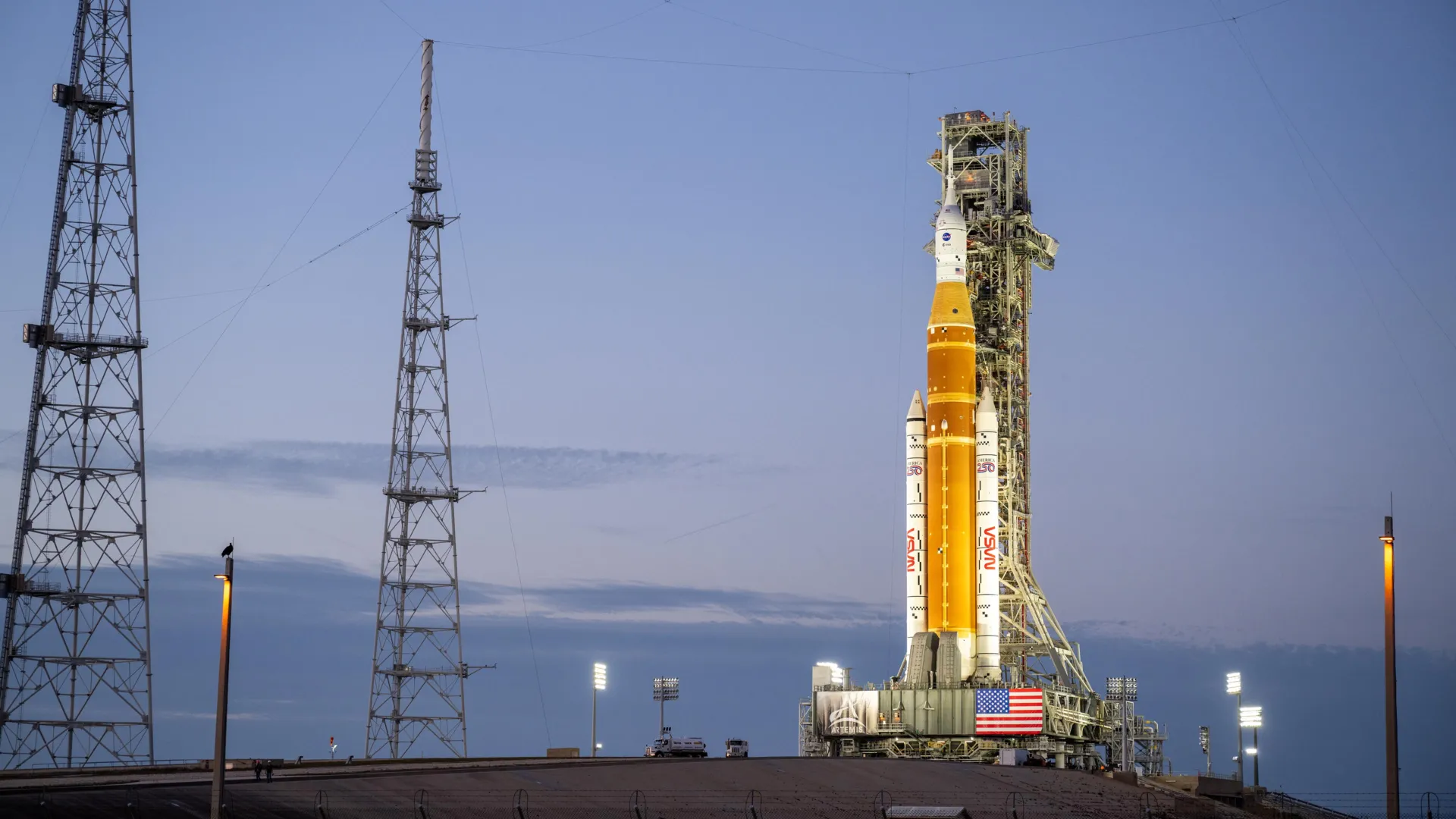
Why it matters: The transition to the pad shifts the mission from static assembly to operational readiness, where the critical risk of cryogenic propellant handling is tested.
Context: This follows the uncrewed Artemis I mission and serves as the final hardware validation before the first crewed lunar flyby.
"During the test, teams will load the rocket with cryogenic, or super-cold, propellants, carry out a full countdown sequence, and then safely drain the propellants." — SCIENCEDAILY
Commentary: The potential for a return to the Vehicle Assembly Building after the wet dress rehearsal indicates NASA’s low tolerance for risk with crewed flight. A ‘roll-back’ would signal significant engineering friction or a failure in the propellant loading sequence. Success here is the primary gate for the mission’s final launch window.
Date: April 26, 2026 12:00 AM ET
URL: https://www.sciencedaily.com/releases/2026/01/260119214042.htm
AI Sentiment Score: Negative (62%)
AI Credibility Score: 10.0/10 — High
Scores and text generated by AI analysis of the source article indicated.
NASA announces major overhaul to the Artemis program (Aerospacetoday.Net)
Summary: NASA is pivoting the Artemis program toward a standardized launch cadence by cancelling planned upgrades to the Space Launch System (SLS). The agency is scrapping the Exploration Upper Stage (EUS), effectively eliminating the Block 1B and Block 2 configurations. This shift follows the resolution of helium flow and pressurization issues in the Interim Cryogenic Propulsion Stage (ICPS), clearing the path for the Artemis II launch window in April 2026.
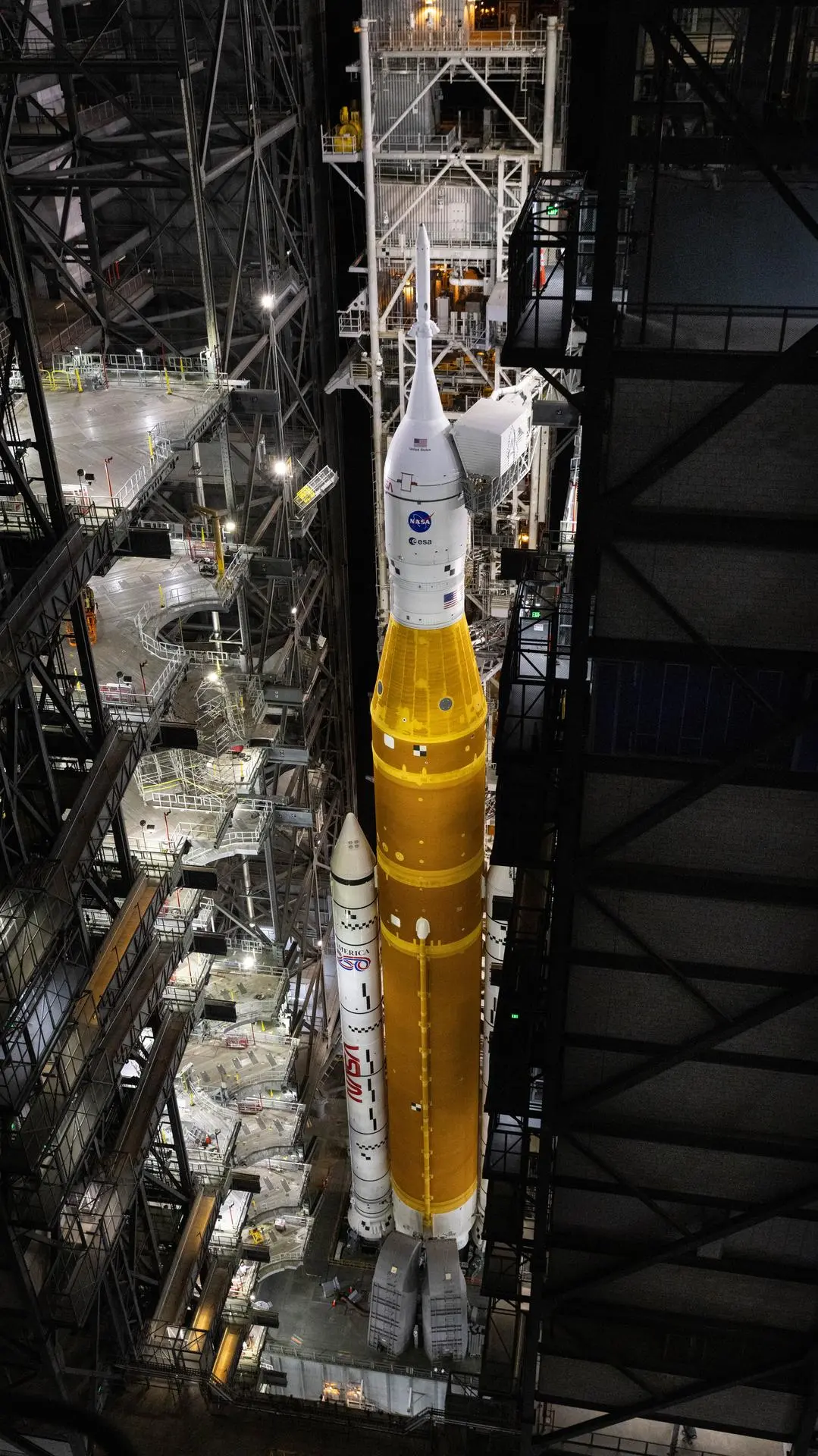
Why it matters: The abandonment of EUS signals a strategic retreat from higher-payload capacity in favor of operational reliability and schedule adherence.
Context: This move reflects a broader tension between the ambition of deep-space architecture and the fiscal and engineering realities of the SLS program.
"The agency will cancel the development of the Exploration Upper Stage (EUS), effectively killing the SLS Block 1B and Block 2 configurations." — AEROSPACETODAY.NET
Commentary: By freezing the SLS at the Block 1 configuration, NASA is trading long-term scalability for immediate mission viability. This decision likely indicates a reliance on alternative heavy-lift providers for larger cargo needs, as the loss of EUS severely limits the mass that can be delivered to lunar orbit. It is a pragmatic, if restrictive, engineering compromise to ensure Artemis II departs on schedule.
Date: April 25, 2026 12:00 AM ET
URL: https://aerospacetoday.net/nasa-announces-major-overhaul-to-the-artemis-program-whats-changing/
AI Sentiment Score: Negative (71%)
AI Credibility Score: 7.0/10 — Medium
Scores and text generated by AI analysis of the source article indicated.
Days after Artemis II, scientists warn of deep cuts to NASA missions (Planetary)
Summary: The White House has proposed a 46% funding cut to NASA science, potentially canceling over 50 missions, including those already operational and in-flight. The proposal threatens the observation of the asteroid Apophis during its rare 2029 encounter and risks the premature termination of the Juno mission at Jupiter. Additionally, the cuts may jeopardize NASA’s instrument contributions to the ESA’s Rosalind Franklin rover and upcoming Venus exploration initiatives.
Why it matters: A sudden divestment from operational science missions creates a precedent where hardware already in space is abandoned, disrupting long-term planetary defense data and international partnerships.
Context: This follows the successful launch of Artemis II, suggesting a strategic pivot or budgetary realignment that prioritizes crewed lunar infrastructure over robotic planetary science.
"Canceling the mission would forfeit our only in-flight opportunity — and NASA’s sole planned mission — to observe how Earth’s gravity affects the near-Earth asteroid Apophis during its once-in-7,500-year encounter." — PLANETARY
Commentary: The proposal represents an operational shock rather than a standard budget trim, as it targets ‘sunk cost’ missions already in flight. Terminating Juno prematurely removes a critical radiation-hardening testbed essential for the upcoming Europa Clipper. Furthermore, defaulting on instrument commitments to ESA’s Rosalind Franklin rover risks damaging the diplomatic reciprocity required for deep-space exploration.
Date: April 24, 2026 12:00 AM ET
URL: https://www.planetary.org/articles/meet-the-people-behind-nasas-endangered-missions
AI Sentiment Score: Negative (66%)
AI Credibility Score: 7.0/10 — Medium
Scores and text generated by AI analysis of the source article indicated.
NASA moves key Artemis III rocket stage to Florida as moon mission … (Spaceconnectonline.Au)
Summary: NASA has transported the Space Launch System (SLS) core stage for the Artemis III mission from the Michoud Assembly Facility in New Orleans to the Kennedy Space Center in Florida. The hardware, which includes the propellant tanks and forward skirt, will now undergo final outfitting and vertical integration. This movement follows the successful Artemis II test flight and aligns with the agency’s target for a 2027 lunar landing.
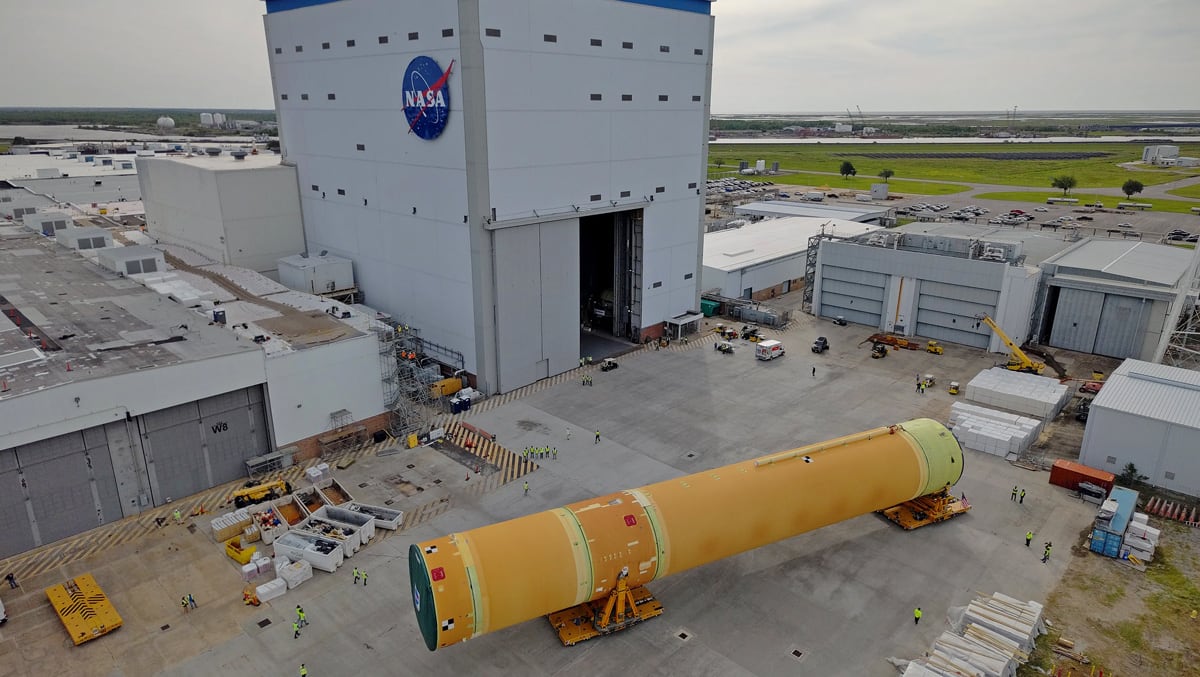
Why it matters: The physical transfer of the core stage represents the transition from fabrication to the integration and launch phase, a critical path milestone for the 2027 mission timeline.
Context: The SLS remains the primary heavy-lift architecture for the Orion spacecraft, with Artemis III serving as the first crewed lunar landing attempt of the program.
"The upper section of the rocket’s core stage, the largest component of the Space Launch System (SLS), departed the Michoud Assembly Facility in New Orleans earlier this week, bound for Kennedy Space Center." — SPACECONNECTONLINE.AU
Commentary: Moving the core stage to Florida shifts the operational risk from manufacturing to integration. While NASA emphasizes the SLS’s unique capacity for single-mission lunar delivery, the 2027 target remains contingent on the successful synchronization of the Orion spacecraft and commercial landing systems. This logistical step confirms that the primary launch vehicle hardware is on schedule, even as the broader mission architecture faces immense complexity.
Date: April 24, 2026 12:00 AM ET
URL: https://www.spaceconnectonline.com.au/nasa/7057-nasa-moves-key-artemis-iii-rocket-stage-to-florida-as-moon-mission-gathers-pace
AI Sentiment Score: Negative (66%)
AI Credibility Score: 7.0/10 — Medium
Scores and text generated by AI analysis of the source article indicated.
NASA’s Post-Artemis II Mission Assessment – New Space Economy (Newspaceeconomy.Ca)
Summary: NASA’s post-flight assessment of Artemis II confirms the successful crewed validation of the Space Launch System (SLS) and the Orion spacecraft. The mission focused on verifying reentry heat shield performance and the resilience of ground infrastructure at Launch Complex 39B. Early data indicates that Orion’s heat shield char loss was significantly lower than during Artemis I, aligning with ground-test predictions.

Why it matters: The reduction in heat shield uncertainty and the successful stress-test of the mobile launcher remove critical technical blockers for subsequent crewed lunar landings.
Context: Artemis I revealed unexpected heat shield degradation, creating a primary safety risk that required hardware hardening and redesign before human crews could be risked.
"Orion survived lunar-return reentry with far less heat shield char loss than Artemis I, landed close to its target, and gave NASA data that line up with years of ground testing." — NEWSPACEECONOMY.CA
Commentary: The brevity of the SLS report is the most telling signal; in aerospace, a lack of publicized anomalies usually indicates a stable baseline. The focus on ‘flexing’ gaseous distribution panels and rigidifying elevator doors shows NASA is treating the launch pad as a flight-test component, not just a static platform. This shift toward iterative ground-system adaptation is essential for the high-cadence requirements of a sustainable lunar program.
Date: April 23, 2026 12:00 AM ET
URL: https://newspaceeconomy.ca/2026/04/23/nasas-post-artemis-ii-mission-assessment/
AI Sentiment Score: Negative (80%)
AI Credibility Score: 7.0/10 — Medium
Scores and text generated by AI analysis of the source article indicated.
Artemis III rocket core and mobile launcher progress toward 2027 … (Spaceq.Ca)
Summary: NASA has transitioned the Artemis III core stage from the Michoud Assembly Facility to the Kennedy Space Center for final assembly. Simultaneously, the mobile launcher has returned to the Vehicle Assembly Building for post-Artemis II repairs. Crucially, the mission profile for Artemis III has been downgraded from a lunar landing to a Low Earth Orbit (LEO) test flight, pushing the first crewed lunar surface return to Artemis IV in 2028.

Why it matters: The shift of Artemis III to a LEO test flight signals a significant delay in human lunar landing capabilities and a pivot toward risk mitigation over schedule adherence.
Context: NASA is opting for a standardized ‘Block 1’ SLS configuration to avoid the production risks associated with iterative design changes between early missions.
"Hardware for NASA’s Artemis III mission is officially on the move. While engineers prepare the rocket and launch structures, NASA has also changed the mission’s flight plan to test critical systems in." — SPACEQ.CA
Commentary: Downgrading Artemis III to a LEO orbital test suggests that confidence in the commercial lunar landers or the new spacesuits remains insufficient for a lunar descent. By freezing the SLS design at ‘Block 1,’ NASA is prioritizing operational cadence and hardware reliability over performance optimization. This move effectively decouples rocket readiness from mission-specific capability, acknowledging that the bottleneck is now the landing systems, not the launch vehicle.
Date: April 22, 2026 12:00 AM ET
URL: https://spaceq.ca/artemis-iii-rocket-core-and-mobile-launcher-progress-toward-2027-test-flight/
AI Sentiment Score: Negative (55%)
AI Credibility Score: 7.0/10 — Medium
Scores and text generated by AI analysis of the source article indicated.
Well, this is embarrassing: The Lunar Gateway’s primary modules are corroded (Arstechnica)
Summary: NASA Administrator Jared Isaacman has confirmed the ‘pause’ of the Lunar Gateway program to prioritize lunar surface operations. During Congressional testimony, it was revealed that the Habitation and Logistics Outpost (HALO) module, developed by Northrop Grumman, is no longer slated for its original orbital mission. Northrop Grumman is currently lobbying NASA to repurpose the HALO hardware for use as a surface base component.
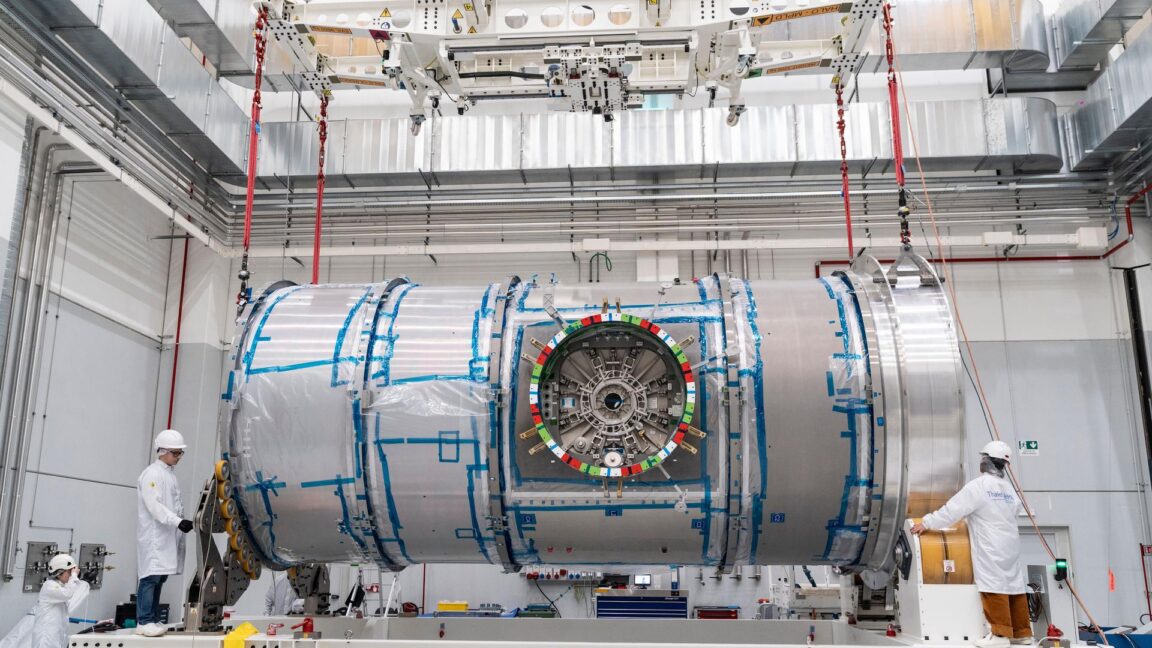
Why it matters: The pivot from an orbital staging post to surface-centric exploration signals a fundamental shift in NASA’s lunar architecture and a potential write-down of billions in orbital-specific hardware.
Context: The Gateway project has suffered chronic schedule slips, moving its initial launch window from 2022 to 2024 and beyond.
"For a decade, NASA promoted the idea of building a space station around the Moon known as the Lunar Gateway. It touted the facility as both a platform for exploring the lunar." — ARSTECHNICA
Commentary: Repurposing the HALO module for the surface is an engineering gamble to salvage sunk costs, as orbital modules are not designed for lunar gravity or regolith protection. This shift suggests NASA is prioritizing immediate surface presence to counter Chinese lunar ambitions over the long-term utility of a Near-Rectilinear Halo Orbit (NRHO) station. The ‘pause’ is likely a permanent cancellation of the original Gateway vision.
Date: Fri, 24 Apr 2026 14:47:19 +0000
URL: https://arstechnica.com/space/2026/04/well-this-is-embarrassing-the-lunar-gateways-primary-modules-are-corroded/
AI Sentiment Score: Negative (66%)
AI Credibility Score: 10.0/10 — High
Scores and text generated by AI analysis of the source article indicated.
Artemis II broke Fred Haise’s distance record, but he is happy to pass it on (Arstechnica)
Summary: The Artemis II crew has established a new human distance record from Earth, reaching 252,756 miles. This surpasses the previous record held by the Apollo 13 crew for 56 years. The mission utilized a free-return trajectory to slingshot the Orion capsule back to Earth, marking a critical operational step toward future lunar landings.
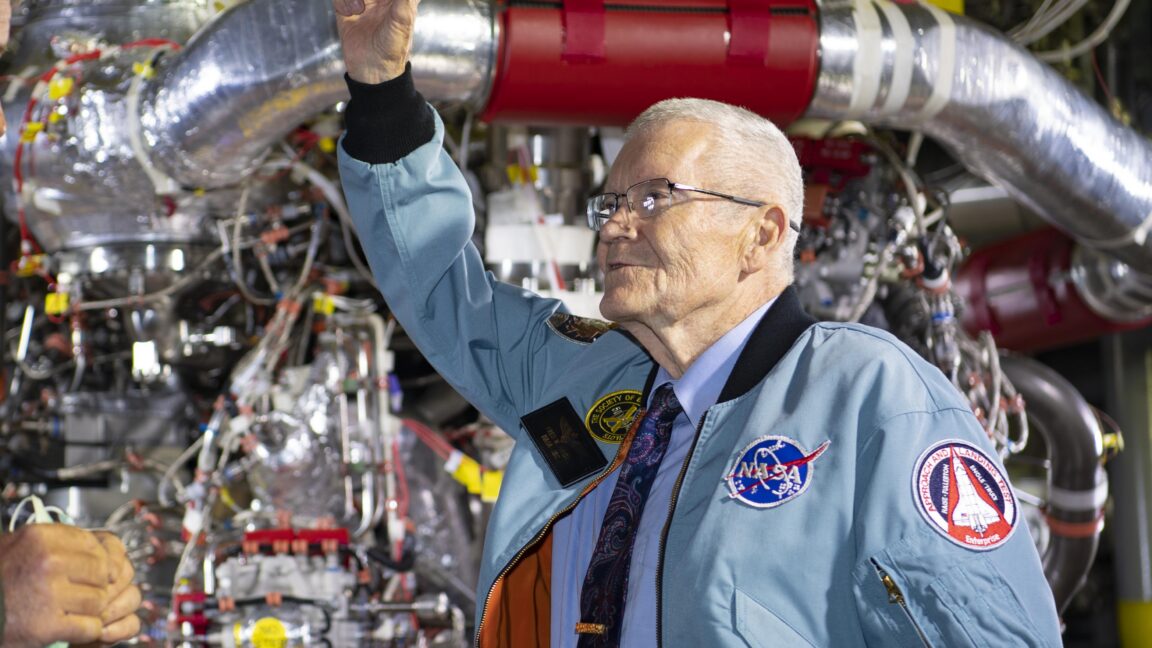
Why it matters: The record shift signals the transition from theoretical return-to-flight planning to operational deep-space maneuvers using modern hardware.
Context: The previous record was an accidental byproduct of the Apollo 13 mission’s emergency trajectory rather than a planned objective.
"The four-person crew on Artemis II set a new record for the farthest humans have ever traveled from Earth: 252,756 miles (406,771 kilometers)." — ARSTECHNICA
Commentary: While the distance record is a symbolic milestone, the operational significance lies in the successful execution of the free-return trajectory. This validates the Orion capsule’s performance at the edge of the Earth-Moon system. Future landing missions will likely see shorter maximum distances as trajectories shift from flybys to orbital insertions.
Date: Sat, 25 Apr 2026 11:40:58 +0000
URL: https://arstechnica.com/science/2026/04/artemis-ii-broke-fred-haises-distance-record-but-he-is-happy-to-pass-it-on/
AI Sentiment Score: Positive (66%)
AI Credibility Score: 10.0/10 — High
Scores and text generated by AI analysis of the source article indicated.
NASA rolls out core stage for next moon mission, Artemis III – YouTube (Youtube)
Summary: NASA has rolled out the core stage for the Space Launch System (SLS) rocket intended for the Artemis III mission from the Michoud Assembly Facility in New Orleans. This hardware represents the primary propulsion section required for the first crewed lunar landing since Apollo. The stage is now transitioning from production to the next phase of launch preparation.
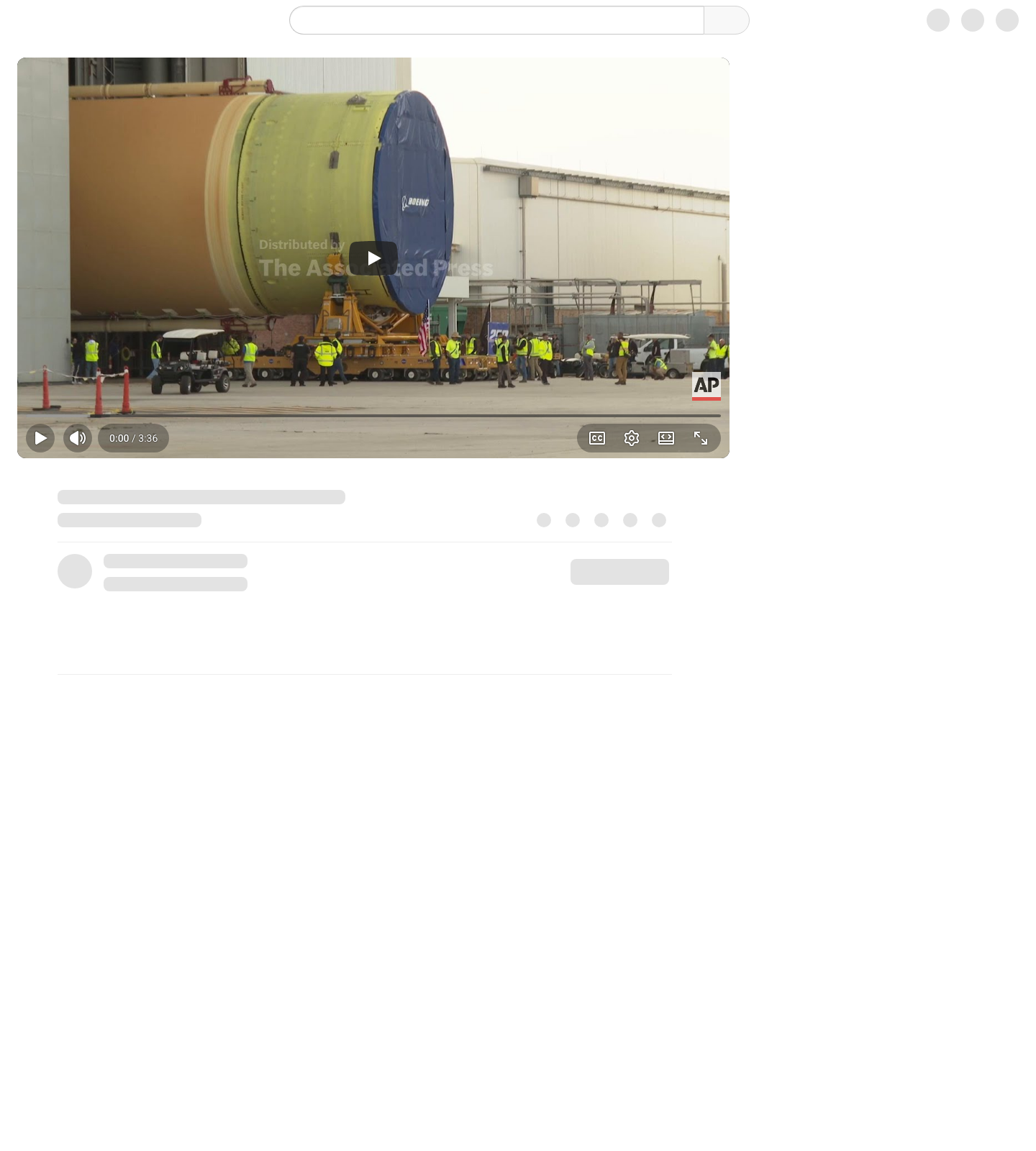
Why it matters: The physical movement of the core stage from assembly to transport is a critical path milestone that validates the production cadence for the human-rated SLS architecture.
Context: Artemis III is the program’s first mission designed to return humans to the lunar surface, relying on the SLS for heavy-lift transit and a separate lander for descent.
"On Monday, Michoud Assembly Facility in New Orleans rolled out the largest section of NASA’s Space Launch System rocket, which will launch a second crewed mission known as Artemis III." — YOUTUBE
Commentary: While the rollout is a visible success, the operational focus now shifts to integration and launch window viability for next year. The reliance on the Michoud facility underscores the continued centralization of heavy-lift manufacturing in legacy infrastructure. Success here is less about innovation and more about the rigorous execution of a known, human-rated production sequence.
Date: April 26, 2026 12:00 AM ET
URL: https://www.youtube.com/watch?v=S7KbyC_FfWg
AI Sentiment Score: Positive (66%)
AI Credibility Score: 10.0/10 — High
Scores and text generated by AI analysis of the source article indicated.
Ignition, not yet liftoff, of NASA’s ambitious Artemis Moonbase plans (Jatan.Space)
Summary: NASA is scaling its Commercial Lunar Payload Services (CLPS) program, targeting ten landing attempts annually starting in 2027 to build out lunar south pole infrastructure. Key developments include a $180.4 million contract with Intuitive Machines for seven payloads at Mons Malapert by 2030, including Australia’s Roo-ver. The agency is also integrating a new cohort of ten scientists to refine surface operations for Artemis IV and V and planning the deployment of LR-1 to provide non-solar power during lunar nights.

Why it matters: The shift from sporadic, small-scale probes to a high-cadence delivery schedule signals a transition from experimental landings to operational logistics.
Context: CLPS has historically struggled with reliability, with only one wholly successful landing from Firefly out of four attempts over seven years.
"Starting in 2027, NASA wants to accelerate the CLPS program and have 10 lunar landing attempts every year, with the aim of using the program to establish and aggregate various base infrastructure elements on the Moon." — JATAN.SPACE
Commentary: The leap to ten annual attempts is an aggressive operational pivot that tests the industrial capacity of CLPS providers. Success depends on whether Intuitive Machines and others can move beyond ‘mixed bag’ results to achieve the reliability required for permanent infrastructure. The focus on LR-1 acknowledges that solar-only power is a critical failure point for long-term south pole habitation.
Date: April 24, 2026 12:00 AM ET
URL: https://jatan.space/moon-monday-issue-268/
AI Sentiment Score: Positive (40%)
AI Credibility Score: 7.0/10 — Medium
Scores and text generated by AI analysis of the source article indicated.
Rocket Report: Artemis III rocket getting ready; SpaceX is now an AI company (Arstechnica)
Summary: Blue Origin’s third New Glenn launch achieved a successful booster recovery but suffered an upper stage failure, resulting in the loss of an AST SpaceMobile payload. Meanwhile, Canada’s Maritime Launch Services project in Nova Scotia is facing local opposition and scrutiny over its environmental assessment process. The controversy centers on the use of toxic propellants and the legitimacy of the project’s regulatory approvals.
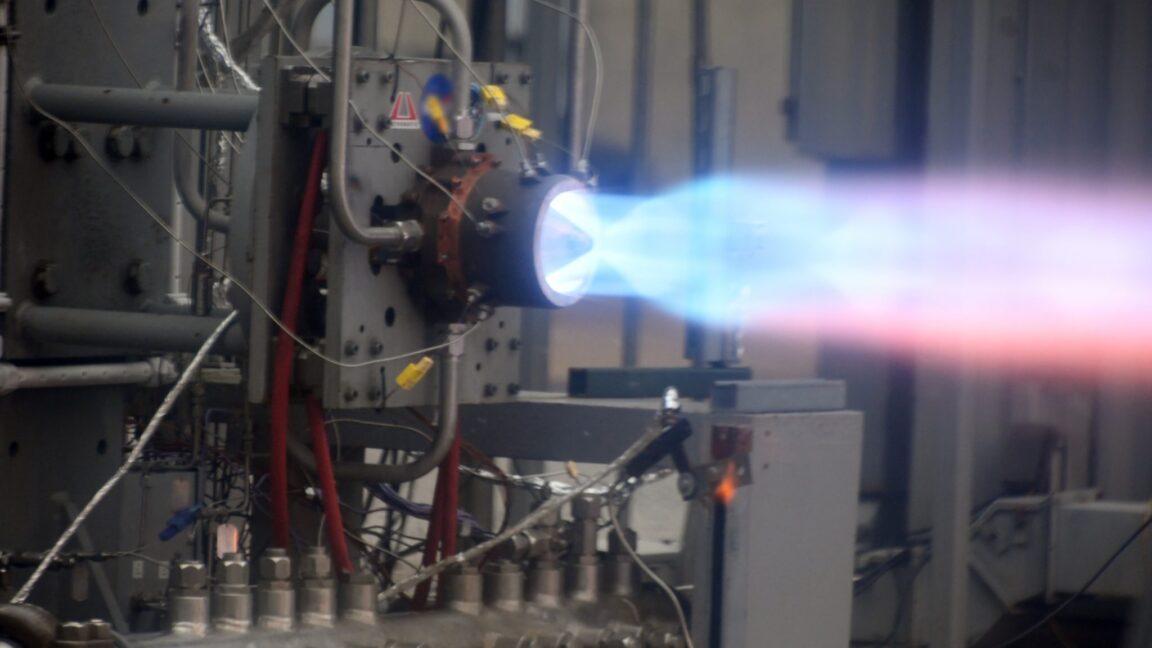
Why it matters: The New Glenn failure highlights a persistent reliability gap in upper-stage propulsion, while the Nova Scotia protests signal increasing regulatory and social friction for non-US launch sites.
Context: Valve failures are a recurring systemic vulnerability in liquid-propellant rocket engines, often complicating the transition from booster recovery success to orbital precision.
"The first 15 minutes of the flight were exhilarating for Blue Origin, seeing a previously flown rocket take flight and then triumphantly land on a barge at sea. But then the highest of highs was followed by the company’s first loss of an orbital payload, the AST SpaceMobile satellite being injected into a low orbit due to an upper stage failure." — ARSTECHNICA
Commentary: Blue Origin has proven booster reusability, but the payload loss underscores that landing a rocket is a different engineering milestone than delivering a satellite. The Nova Scotia situation reflects a growing tension between national strategic space ambitions and local environmental governance, specifically regarding the handling of UDMH. If the ‘revolving door’ allegations hold, the project risks becoming a political liability rather than a strategic asset.
Date: Fri, 24 Apr 2026 11:00:36 +0000
URL: https://arstechnica.com/space/2026/04/rocket-report-some-canadians-dont-want-a-spaceport-falcon-hits-600-landings/
AI Sentiment Score: Negative (55%)
AI Credibility Score: 10.0/10 — High
Scores and text generated by AI analysis of the source article indicated.
Lunar Surface Science Workshop: CLPS Overview and Early CLPS Science Results – Kris Zacny (Youtube)
Summary: The PRIME-1 payload, slated for the IM-2 mission, integrates the TRIDENT drill and M-SOLO volatile analyzer to characterize subsurface ice and regolith. The system utilizes a 10cm incremental drilling strategy to preserve stratigraphy and optimize power consumption. This deployment serves as a critical operational precursor for the VIPER rover, which carries identical instrumentation for south pole exploration.

Why it matters: Successful validation of the TRIDENT/M-SOLO pairing on IM-2 reduces the technical risk for the high-stakes VIPER mission and establishes a baseline for lunar geotechnical engineering.
Context: The transition from surface-level sensing to subsurface sampling is a primary hurdle for lunar volatile mapping and future In-Situ Resource Utilization (ISRU).
"Payload Updates: IM-2 PRIME-1: The Regolith and Ice Drill for Exploring New Terrain (TRIDENT) … {ts:64} prime uh prime one which is polar resource ice mining experiment. Uh the first one is." — YOUTUBE
Commentary: The use of IM-2 as a technology demonstrator for VIPER hardware suggests a strategic shift toward iterative, low-cost validation via Commercial Lunar Payload Services (CLPS) before deploying flagship assets. The 10cm bite approach is a pragmatic engineering compromise, balancing the need for stratigraphic data against the severe power constraints of lunar polar operations. If the IMU-based drill monitoring suggests successful, it provides a scalable telemetry model for future autonomous drilling rigs.
Date: April 25, 2026 12:00 AM ET
URL: https://www.youtube.com/watch?v=SHMOjVIPzK4
AI Sentiment Score: Negative (60%)
AI Credibility Score: 10.0/10 — High
Scores and text generated by AI analysis of the source article indicated.
NASA’s Shift to CLPS 2.0 Signals Structural Transformation of Lunar … (Satnews)
Summary: NASA is transitioning from the pilot phase of Commercial Lunar Payload Services (CLPS 1.0) to a scaled-up ‘CLPS 2.0’ framework. The new phase aims for 77 lander missions over the next decade with a $6 billion budget, shifting focus from sporadic science delivery to high-cadence logistics. This expansion requires a transition from small-class landers to medium- and heavy-class vehicles to support a projected delivery of 150 tonnes by 2036.

Why it matters: The shift mandates a drastic reduction in per-mission costs and a move toward standardized interfaces, forcing commercial providers to pivot from bespoke engineering to repeatable industrial production.
Context: CLPS 1.0 served as a feasibility test characterized by significant schedule slips and low launch cadence, averaging two missions per year.
"while the total budget is 2.3 times larger than Phase 1, the mission volume is four times higher, requiring a reduction in average delivery costs from $129 million to approximately $91 million per mission." — SATNEWS
Commentary: The aggressive cost-reduction target, coupled with a domestic sourcing increase to 75%, creates a narrow corridor for provider viability. Success now hinges on the industry’s ability to adopt common interface standards to eliminate non-recurring engineering (NRE) overhead. Those who define these standards will effectively control the lunar logistics architecture for the next decade.
Date: April 22, 2026 12:00 AM ET
URL: https://satnews.com/2026/04/22/nasas-shift-to-clps-2-0-signals-structural-transformation-of-lunar-logistics-market/
AI Sentiment Score: Negative (55%)
AI Credibility Score: 10.0/10 — High
Scores and text generated by AI analysis of the source article indicated.
NASA Awards Intuitive Machines $180.4 Million for Lunar South Pole… (Marketchameleon)
Summary: NASA has awarded Intuitive Machines a $180.4 million contract for the IM-5 mission under the Commercial Lunar Payload Services (CLPS) program. The mission will utilize the upgraded Nova-D lander to transport seven payloads to the lunar South Pole, including hardware from Blue Origin’s Honeybee Robotics and the Australian Space Agency. This marks the first operational deployment of the company’s next-generation, larger lander architecture.

Why it matters: The transition to the Nova-D signifies a shift from proof-of-concept deliveries to higher-mass payload capacity, essential for establishing permanent lunar infrastructure.
Context: This is Intuitive Machines’ fifth CLPS task order, reflecting NASA’s strategy of diversifying lunar logistics through commercial partnerships rather than sole-source government procurement.
"The IM-5 mission isn’t just another lunar delivery—it’s LUNR’s fifth CLPS task order, and notably the first requiring its larger, next-generation lander." — MARKETCHAMELEON
Commentary: The deployment of the Nova-D is the critical engineering signal here; increasing payload mass is the prerequisite for moving from ‘flags and footprints’ to operational science. By integrating payloads from international agencies and private firms like Blue Origin, NASA is effectively outsourcing the risk of lunar logistics to validate commercial scalability. Success here transforms the lander from a novelty into a reliable utility for the lunar economy.
Date: April 23, 2026 12:00 AM ET
URL: https://marketchameleon.com/articles/b/2026/4/23/nasa-awards-intuitive-machines-180m-lunar-south-pole
AI Sentiment Score: Negative (57%)
AI Credibility Score: 10.0/10 — High
Scores and text generated by AI analysis of the source article indicated.
NASA Plans 30 Lunar Missions Over Three Years | Intellectia.AI (Intellectia.Ai)
Summary: NASA intends to launch 30 lunar missions beginning in 2027, targeting a monthly cadence to support a permanent lunar base and scientific research. This operational surge relies heavily on the Commercial Lunar Payload Services (CLPS) framework. Intuitive Machines has emerged as a primary partner, securing a $180.4 million contract and the selection of its Nova-D lander for the Artemis program.

Why it matters: The shift from sporadic exploration to a monthly launch cadence transforms the Moon into an operational logistics hub, shifting the risk profile for commercial providers from R&D to sustainable delivery.
Context: This follows the February 2024 landing by Intuitive Machines, which validated the commercial lander model despite hardware instability.
"NASA plans to conduct 30 lunar missions starting in 2027, aiming for monthly launches to supply a future lunar base and conduct scientific experiments." — INTELLECTIA.AI
Commentary: The transition to a high-frequency launch schedule forces a pivot from ‘first-of-its-kind’ engineering to scalable industrial production. While Intuitive Machines is currently operating at a loss, the $180.4 million contract and Nova-D selection signal NASA’s intent to subsidize the infrastructure of a commercial lunar economy. The critical metric now shifts from landing success to the reliability of the monthly supply chain.
Date: April 27, 2026 12:00 AM ET
URL: https://intellectia.ai/news/etf/nasa-plans-30-lunar-missions-over-three-years
AI Sentiment Score: Negative (50%)
AI Credibility Score: 10.0/10 — High
Scores and text generated by AI analysis of the source article indicated.
Intuitive Machines Plans 2026 Lunar Mission with $4.82 Billion in … (Intellectia.Ai)
Summary: Intuitive Machines is preparing for its third lunar mission, IM-3, scheduled for mid-2026. The company has secured a $180.4 million contract under NASA’s Commercial Lunar Payload Services (CLPS) initiative to deliver payloads to the lunar surface. Additionally, NASA has selected the Nova-D lander as a primary option for the Artemis program.

Why it matters: The transition from experimental landings to a primary role in the Artemis program signals a shift toward operational lunar infrastructure and reliable payload delivery.
Context: The CLPS model shifts the risk and development of lunar landers to private entities, moving NASA from a prime contractor to a customer.
"Intuitive Machines secured a $180.4 million contract with NASA to deliver payloads to the moon via its Commercial Lunar Payload Services (CLPS) initiative." — INTELLECTIA.AI
Commentary: While the company continues to operate at a loss, the selection of the Nova-D lander suggests NASA is betting on the iterative improvements of the IM series. Success in IM-3 is the critical engineering signal required to validate the platform for sustained Artemis operations. The $4.82 billion in total contracts provides a significant runway, but operational reliability remains the primary hurdle to market dominance.
Date: April 27, 2026 12:00 AM ET
URL: https://intellectia.ai/news/stock/intuitive-machines-plans-2026-lunar-mission-with-482-billion-in-nasa-contracts
AI Sentiment Score: Negative (50%)
AI Credibility Score: 10.0/10 — High
Scores and text generated by AI analysis of the source article indicated.
US spaceship Peregrine lost over South Pacific after failed Moon … (English.Sun.Mv)
Summary: Astrobotic’s Peregrine lunar lander has re-entered the Earth’s atmosphere over the South Pacific, marking the final termination of its failed mission. Launched January 8, the craft suffered a propulsion system explosion and fuel leaks shortly after separation, rendering a lunar landing impossible. The vehicle operated for ten days post-failure before its eventual decay.

Why it matters: The loss of Peregrine underscores the high failure rate of the first-generation Commercial Lunar Payload Services (CLPS) attempts and the fragility of the current private-sector lunar logistics chain.
Context: This mission was part of NASA’s strategic shift toward outsourcing lunar delivery to private firms to lower costs and accelerate the Artemis program’s infrastructure.
"NASA had paid the company more than $100 million under the Commercial Lunar Payload Services (CLPS) programme to ship its science instruments to the Moon." — ENGLISH.SUN.MV
Commentary: The $100 million sunk cost highlights the volatility of the CLPS model where NASA accepts higher mission risk for lower procurement costs. With Intuitive Machines and JAXA’s ‘Moon Sniper’ now the primary focal points, the industry is shifting from experimental viability to a desperate need for a proven soft-landing track record. The failure emphasizes that the ‘lunar economy’ remains theoretical until reliable, repeatable delivery is operational.
Date: April 26, 2026 12:00 AM ET
URL: https://english.sun.mv/87134
AI Sentiment Score: Negative (66%)
AI Credibility Score: 7.0/10 — Medium
Scores and text generated by AI analysis of the source article indicated.
Image composite via SCIENCEDAILY, AEROSPACETODAY.NET, PLANETARY, SPACECONNECTONLINE.AU, NEWSPACEECONOMY.CA, SPACEQ.CA, ARSTECHNICA, JATAN.SPACE + 1 more